Old steamboat boilers once pulled from a river sit on a quiet bluff in the woods. That detail alone made me stop scrolling.
Who drags boilers out of a river and leaves them for curious strangers?
The answer leads to one of the most surprising stories in Florida. Before this spot carried an American name, it was a stronghold held by people seeking freedom.
Free Black families, Maroons, and Native allies built a life here when the land still belonged to Spain.
I like how the setting stays humble. There’s no flashy museum and no gift shop pushing souvenirs.
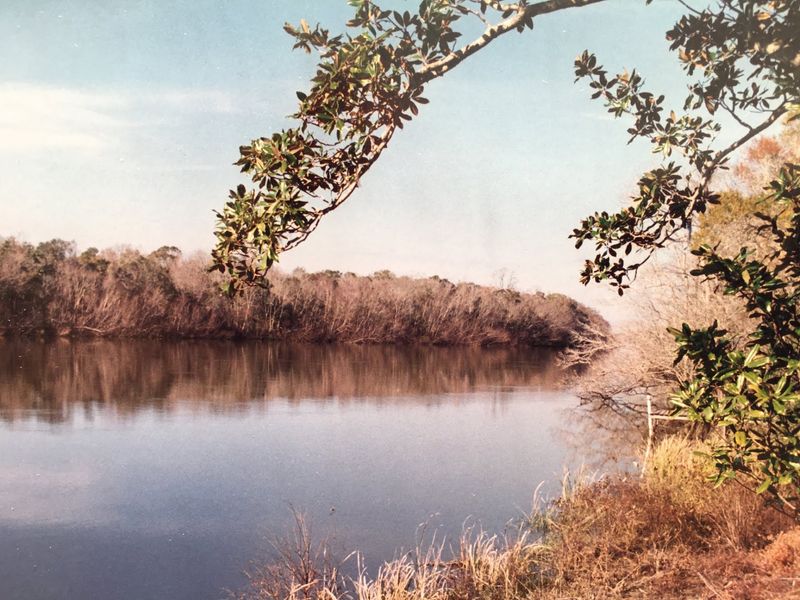
You get tall pines, raised earthworks, and a river that kept secrets for two centuries.
I believe the best history trips feel a little like detective work. So why does a hurricane belong in this story too?
A Riverside Bluff Deep in the Apalachicola National Forest
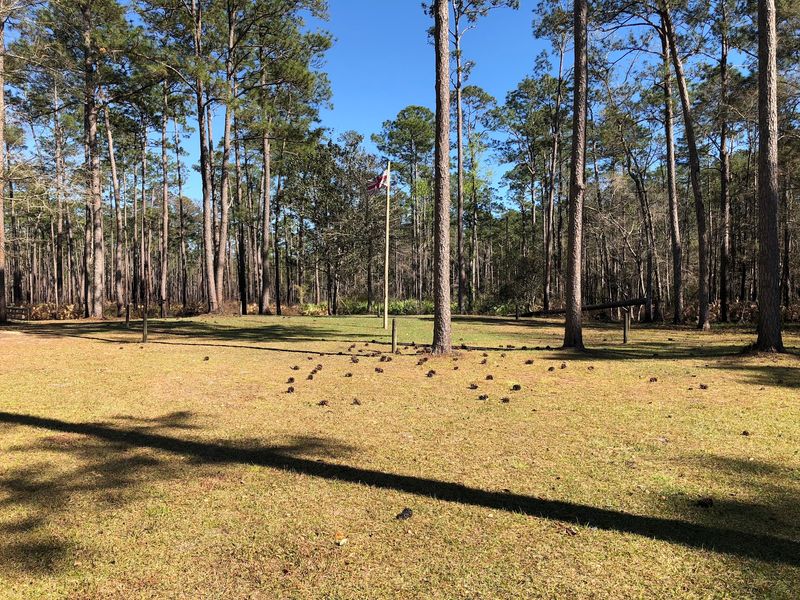
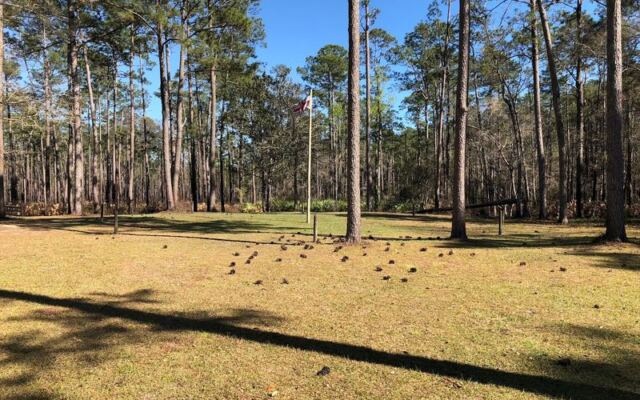
Fort Gadsden sits on a high bank above the Apalachicola River, inside the sprawling Apalachicola National Forest. The U.S.
Forest Service manages the grounds, and its mailing address points to Wewahitchka, FL 32465.
Historians also know this place as Prospect Bluff. The name makes sense once you realize how well the bluff watches over the river below.
Getting here feels like leaving the modern Panhandle behind for a while. Forest roads wind through pine woods, and the trees do most of the talking.
Officially, the site is listed as a historical landmark. That label sounds stiff, but the reality is more like an outdoor history classroom with shade included.
What makes it special is the layering. Two separate forts once stood here, built by very different people for very different reasons.
Most travelers rush toward the Gulf beaches without a glance at these woods. That leaves the bluff calm, open, and wonderfully unhurried.
Florida has plenty of well-known landmarks with ticket booths and crowds. Fort Gadsden offers something rarer, a place where the story still feels close to the ground.
The Freedom Stronghold That Came First
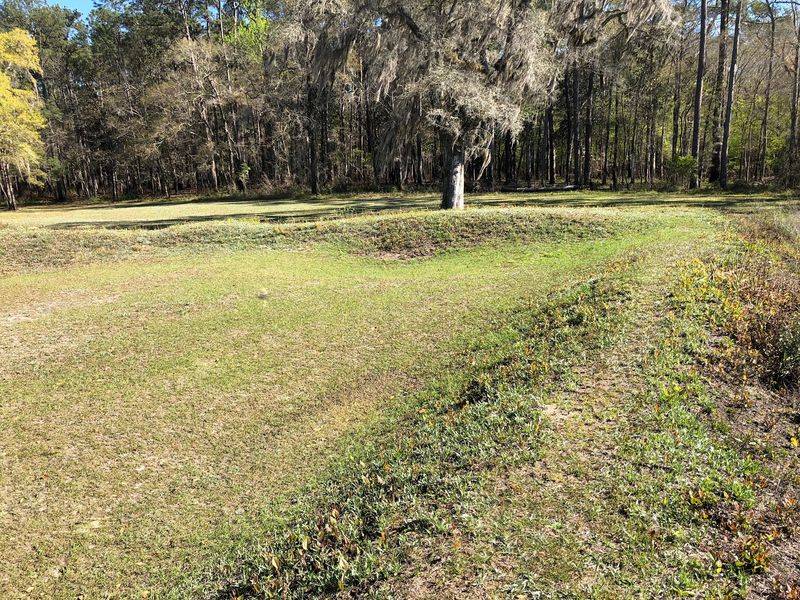
Long before anyone called it Fort Gadsden, British forces built a post here during the 1810s. When they left, the fort passed to people who badly needed a safe home.
Those new holders were free Black people and Maroons, many escaping enslavement to the north. Choctaw and Seminole allies joined them on this stretch of Spanish Florida.
Think about how bold that was for the era. A self-governing community held a fortified river bluff on the edge of a contested frontier.
Farms reportedly spread along the river nearby, supporting the families who lived around the fort. It was a refuge, not just a set of walls.
Many people grew up learning frontier history through Western films and desert landscapes. Yet the Florida Panhandle was its own wild frontier, full of international tension between Spain, Britain, and the United States.
That context changes how the grounds feel. Every raised mound hints at people who chose freedom and defended it with remarkable courage.
Writers and scholars have given this chapter fresh attention in recent years. Standing on the bluff helps that history feel real rather than distant.
One Heartbreaking Day in 1816
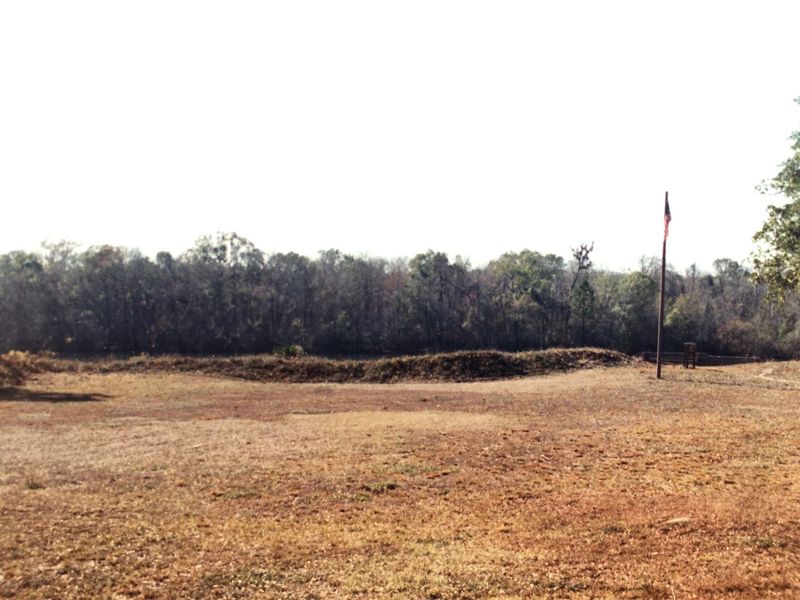
History here turns heavy, and honesty matters. In July 1816, U.S. forces moved against the fort from the river.
A heated shot struck the powder magazine, which held hundreds of barrels of black powder. The blast destroyed the fort almost instantly.
Around 270 people were lost in that single moment. Only a small number of the fort’s residents survived the tragedy.
It stands among the most sobering events in early Florida history. The site asks you to slow down and simply remember.
Many families from this community had come seeking safety. That makes the story especially painful to read about, even two centuries later.
Some people now view the bluff as a place of memory and respect. Quiet footsteps and a few minutes of reflection fit the mood perfectly.
Bringing kids along? The story can open honest conversations about freedom and fairness at an age-appropriate level.
Plenty of historic sites polish over their hardest chapters. Here, the land itself keeps the memory front and center, and the forest provides a fitting, peaceful frame for it.
How a Young Engineer Gave the Bluff Its Name
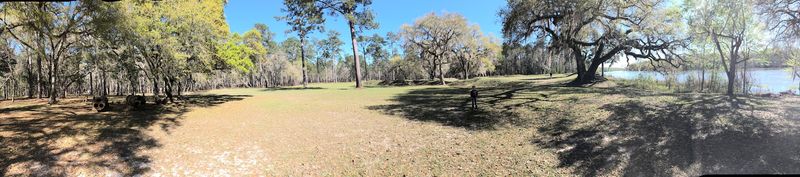
Here’s a twist many people miss. The name Fort Gadsden didn’t arrive until a couple of years after 1816.
In 1818, a young American engineer named James Gadsden built a new fort on the same bluff. He worked under Andrew Jackson, who used the post as a supply base.
So the name honors the second builder, not the original community. That detail surprises folks who assume the label tells the whole story.
Gadsden later became known nationally for the Gadsden Purchase in the 1850s. Funny how a quiet Florida bluff connects to a land deal in the desert Southwest.
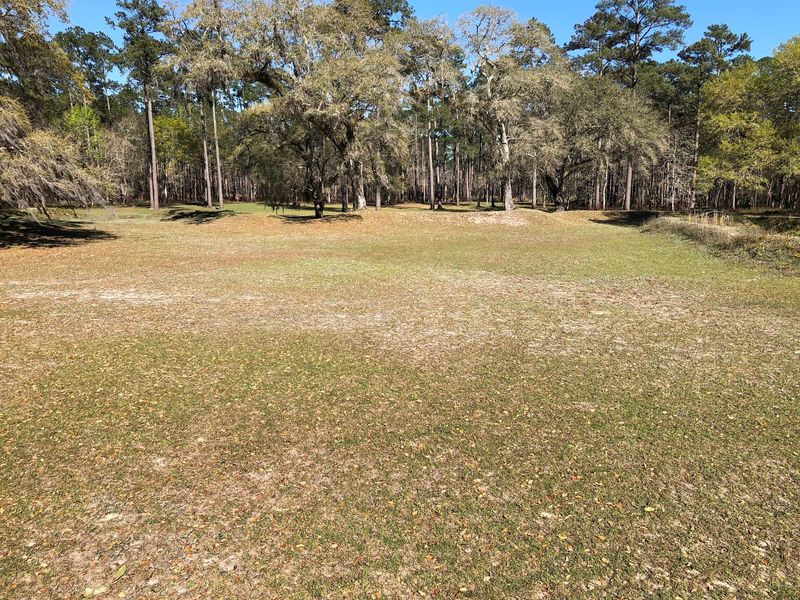
The newer fort sat within the footprint of the earlier one. Raised ground on the site has roughly marked portions of that later structure.
Walking the grounds, you’re really reading two chapters printed on top of each other. It’s history in layers, like a well-made lasagna nobody gets to eat.
Keep both stories in mind as you explore. Together, they explain why historians care so much about this patch of Panhandle forest.
Steamboat Boilers and Other River Relics
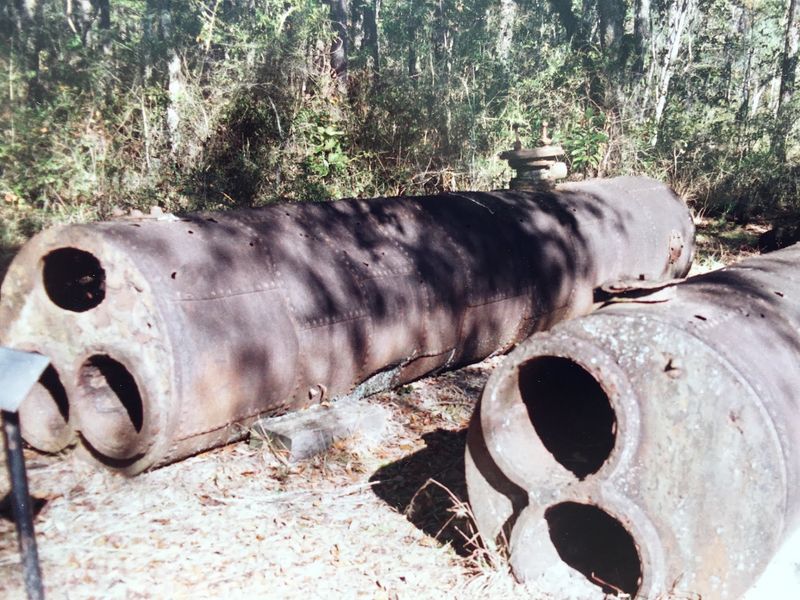
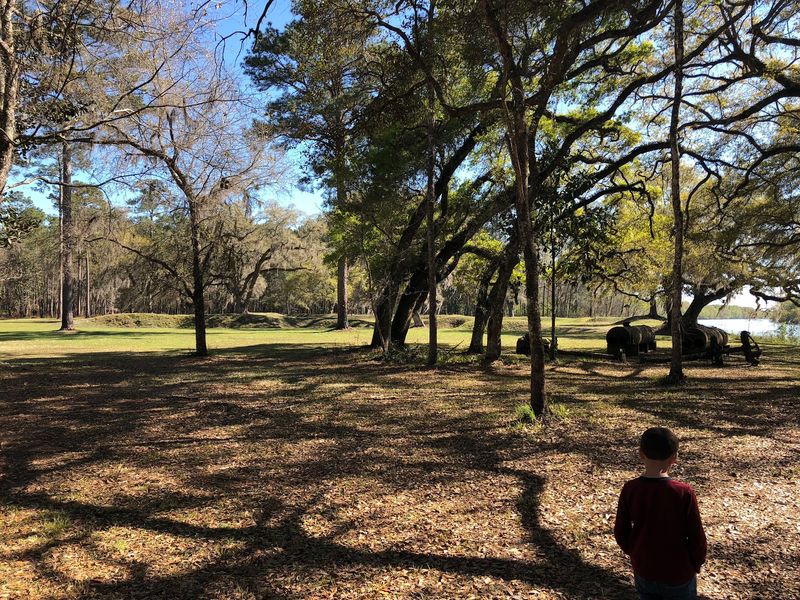
Rusty, heavy, and oddly charming, old steamboat boilers have long been among the site’s most memorable sights. Crews pulled them from the Apalachicola River years ago.
Those relics hint at another era entirely. Steamboats once carried cotton and goods along this river, linking inland farms to Gulf ports.
A simple flagpole has also marked the grounds for decades. It’s a modest touch, but it gives your eyes an anchor in the clearing.
Later improvements added interpretive structures to help explain the story. Signs and displays turn bare ground into something you can actually understand.
Don’t expect glass cases or air-conditioned galleries. The outdoors is the exhibit hall, and the ceiling is mostly pine branches.
Photographers will appreciate the textures here. Weathered iron against green woods makes for striking pictures without any filters.
Small details matter on a visit like this. Read the signs slowly, look closely at the relics, and let the river add its own commentary in the background.
That kind of patience pays off nicely.
When Hurricane Michael Uncovered Hidden History
Hurricane Michael slammed the Florida Panhandle in October 2018 with tremendous force. Across these woods, it toppled a huge number of trees.
Nobody wanted that storm, yet it left an unexpected opening. Uprooted trees exposed soil that hadn’t been disturbed in generations.
Archaeologists took advantage of the moment to study the ground more closely. Their work added fresh understanding of the early fort and its community.
That’s the kind of plot twist history rarely offers. A disaster ended up revealing pieces of a story many had nearly forgotten.
The landscape today may look different from older photos because of that storm. Some areas show more open sky where tall pines once stood.
Still, the forest keeps healing, as Florida forests tend to do. New growth fills in around the clearings a little more each season.
Visiting now means seeing the site during an active chapter of discovery. Research continues to shape how the story gets told.
Honestly, it’s pretty thrilling to stand where new answers are still coming out of the ground.
Who Will Love This Quiet Corner of the Panhandle
History buffs top the list, obviously. Anyone fascinated by early America, Spanish Florida, or Black history will find plenty to absorb.
Road-trippers exploring the Forgotten Coast make great candidates too. It’s a meaningful detour away from the usual beach routine.
Families with curious older kids can turn the visit into a living lesson. The open grounds give everyone room to wander while you read the signs.
Nature lovers get a bonus round. Shady pines, river views, and birdsong come free with every stop.
Folks craving peace may like it most of all. The setting feels reflective, uncrowded, and refreshingly free of commercial clutter.
On the flip side, thrill-seekers expecting reenactments or big attractions should adjust expectations. The experience is quiet, thoughtful, and self-guided.
Budget-minded Floridians will appreciate the simplicity, too. A national forest outing can make for a low-cost day compared with ticketed theme attractions.
Pack patience and curiosity rather than an agenda. People who enjoy slow travel tend to get the most from a place with this much depth.
Smart Planning Before You Head Into the Woods
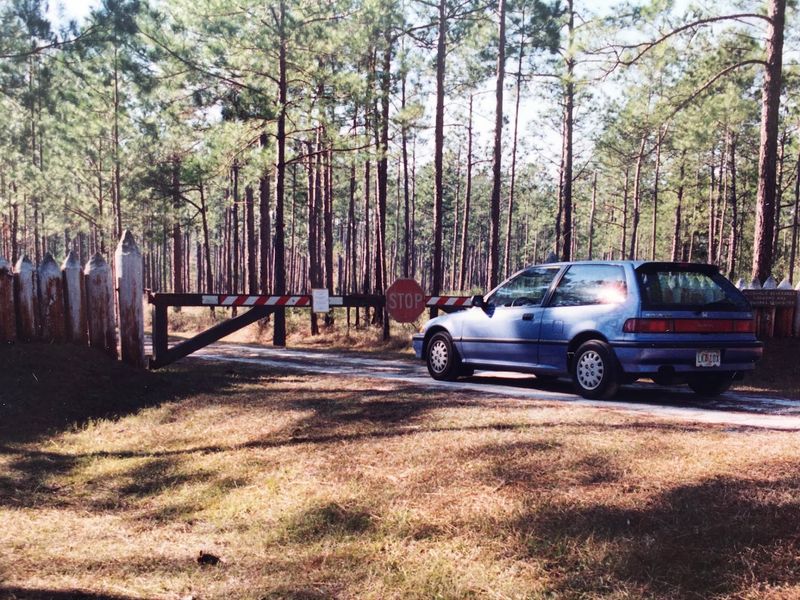
Call ahead first, seriously. The site has closed at times in the past, including during the COVID-19 period, so current access is worth confirming.
The U.S. Forest Service oversees the grounds as part of the Apalachicola National Forest.
Its Apalachicola Ranger District office is the best source for hours, fees, and road conditions.
Directions can be tricky out here. Cell service may be spotty in remote stretches, so download maps before leaving town.
Forest roads can change after heavy rain or storms. A quick check on conditions saves you from an unexpected turnaround.
Bring the basics, since services are limited in the woods. Water, snacks, sunscreen, and bug spray will make the outing far more pleasant.
Comfortable walking shoes help on uneven ground. Florida heat and humidity also make morning visits a smart choice in warmer months.
Plan for a relaxed stop rather than a quick photo. Reading the interpretive signs takes time, and rushing would miss the point.
Leave everything as you found it, too. Protecting the site keeps its story intact for future visitors.
A Bluff Worth Remembering Long After the Drive Home
Few places pack so many stories into such a quiet patch of forest. Fort Gadsden holds freedom, heartbreak, frontier politics, and modern discovery all at once.
Some people believe it deserves a full museum someday. For now, the woods and the river carry the weight beautifully.
I can’t imagine a more fitting classroom for this history. Shade, silence, and open sky leave plenty of room for thinking.
Florida loves its flashy attractions, and those have their place. Yet a stop like this reminds you how much of the state’s past hides in plain sight.
The bluff won’t wow you with rides or souvenirs. It rewards you instead with perspective, which lasts much longer than a keychain.
Pair it with a Panhandle road trip for a richer day. The beaches will still be there afterward, and you’ll see the region with fresh eyes.
So check the access, pack some water, and point the car toward the forest. Fort Gadsden is ready to share its story with anyone willing to listen closely.
Share this story