A waterfall taller than most 12-story buildings, and nobody charges you a single cent to stand above it. Free beauty this big feels almost suspicious, like somebody forgot to put up a ticket booth.
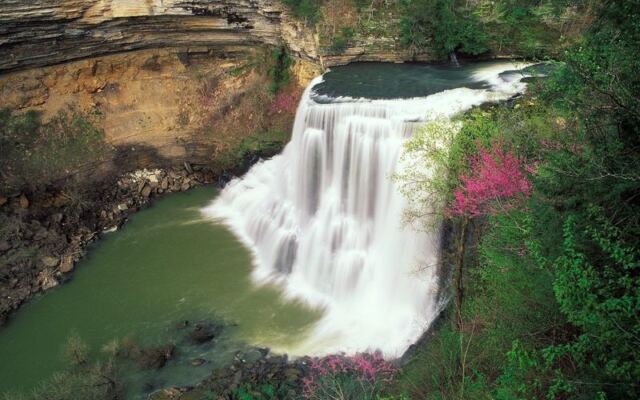
The water roars over a limestone ledge 136 feet high, then crashes into a wide pool far below. Three smaller falls warm up the show along the same river, each one taller than the last.
I like how the walk to see it all stays short enough for kids, dogs, and casual Sunday walkers. Yet the payoff feels like something you’d drive across the country to find.
It sits right here in Middle Tennessee, just a quick detour off the interstate between bigger cities. So how does a place this dramatic stay this easy, this close, and this free?
A 136-Foot Showstopper on the Falling Water River
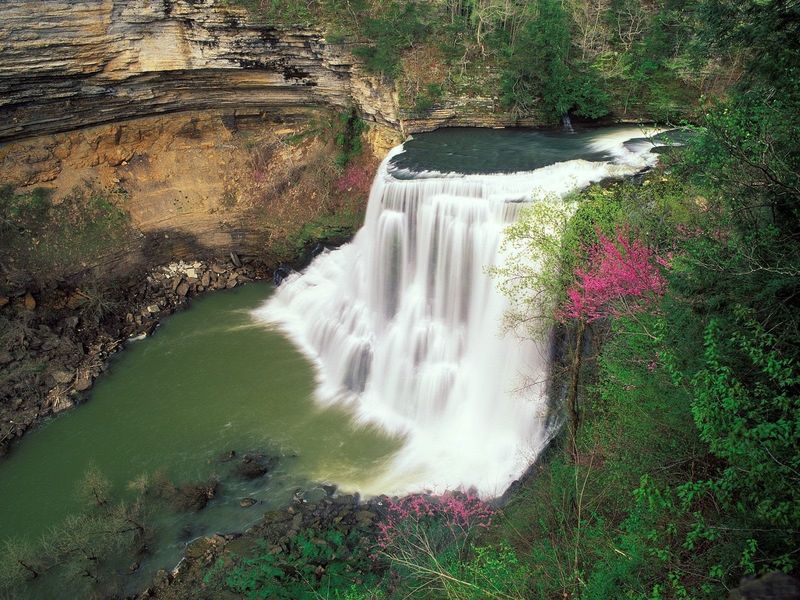
Burgess Falls State Park covers roughly 350 acres of Middle Tennessee, straddling the line between Putnam and White counties. The Falling Water River runs straight through it, carving a deep limestone gorge along the way.
That river doesn’t just flow here, it plummets. Four separate waterfalls drop a combined 250-plus feet as the water tumbles through the gorge.
The headliner is Burgess Falls itself, a 136-foot block waterfall that slams into a big plunge pool. Upstream, the warm-up acts come in at 20, 30, and 80 feet.
Sparta is the mailing address, though Cookeville sits about 15 miles north and serves as the bigger nearby town. Either way, you’re far from crowded big-city sprawl and traffic.
The park runs as a day-use spot, so there’s no overnight camping inside its boundaries. Plan on a morning or afternoon visit rather than a whole weekend stay.
Maybe the best part is how compact everything feels. You can see every major drop in a single short outing, then still have plenty of daylight left for lunch somewhere nearby.
From Revolutionary War Land Grant to Hydroelectric Power
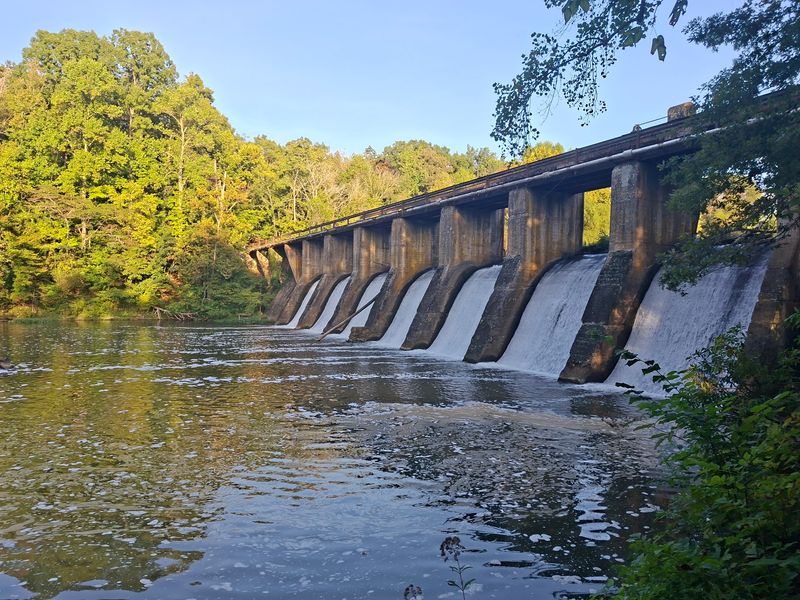
Trivia lovers, take note. The land around these falls was granted to a man named Burgess after the Revolutionary War, and his name stuck to the biggest cascade.
Fast-forward to the early 20th century, and the roaring river found a new job. People harnessed its power for hydroelectric energy, turning scenery into electricity.
It makes sense when you see the water move. A river dropping more than 250 feet in a short stretch carries serious force, especially after heavy rain.
Today, that working past has given way to quiet trails, picnic tables, and overlooks. The state of Tennessee now protects the gorge so everyday families can enjoy it.
I love that layered story. A place that once powered homes now powers road trips, Sunday outings, and a whole lot of phone camera storage.
Geology deserves credit too. The limestone gorge took ages to form, and every ledge you see is part of a much older story than any land deed.
Knowing that backstory changes how the walk feels. You’re not just chasing a pretty view, you’re following a river with a resume.
Four Waterfalls Waiting Along One Leg-Stretching Trail
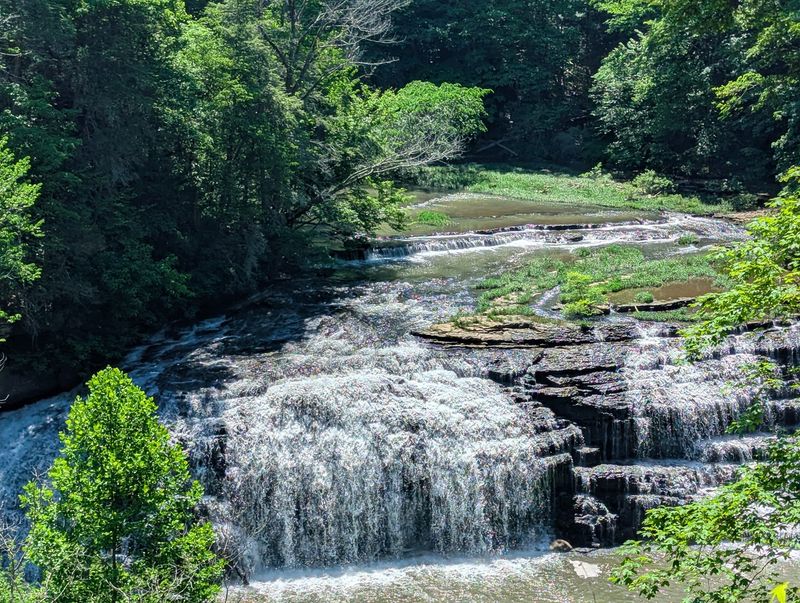
Want the full lineup? The River Trail is your ticket, a roughly 1.5-mile round trip that passes all four waterfalls in order.
First comes 20-foot Little Falls, a friendly opener. Next up is 30-foot Middle Falls, followed by 80-foot Upper Falls, each one taller than the last.
The trail hugs the water much of the way, with plenty of smaller cascades between the named drops. Wooden railings line many sections, which helps on the rocky stretches.
Short doesn’t mean breezy, though. Steep stairs, exposed roots, and occasional washouts give this route its moderate to strenuous reputation, especially for tired knees.
Most of the path stays shaded under the trees, a real gift on a sticky Tennessee summer day. Good hiking shoes make a big difference on the uneven, natural steps.
A popular strategy flips the route. Walk the gravel road out to the overlook, then follow the River Trail back and skip the steepest climbing.
Either way, the payoff waits at the end. A sturdy overlook platform sits right above the big falls, close enough to feel mist on windy days.
The Overlook Where the Big One Steals the Show
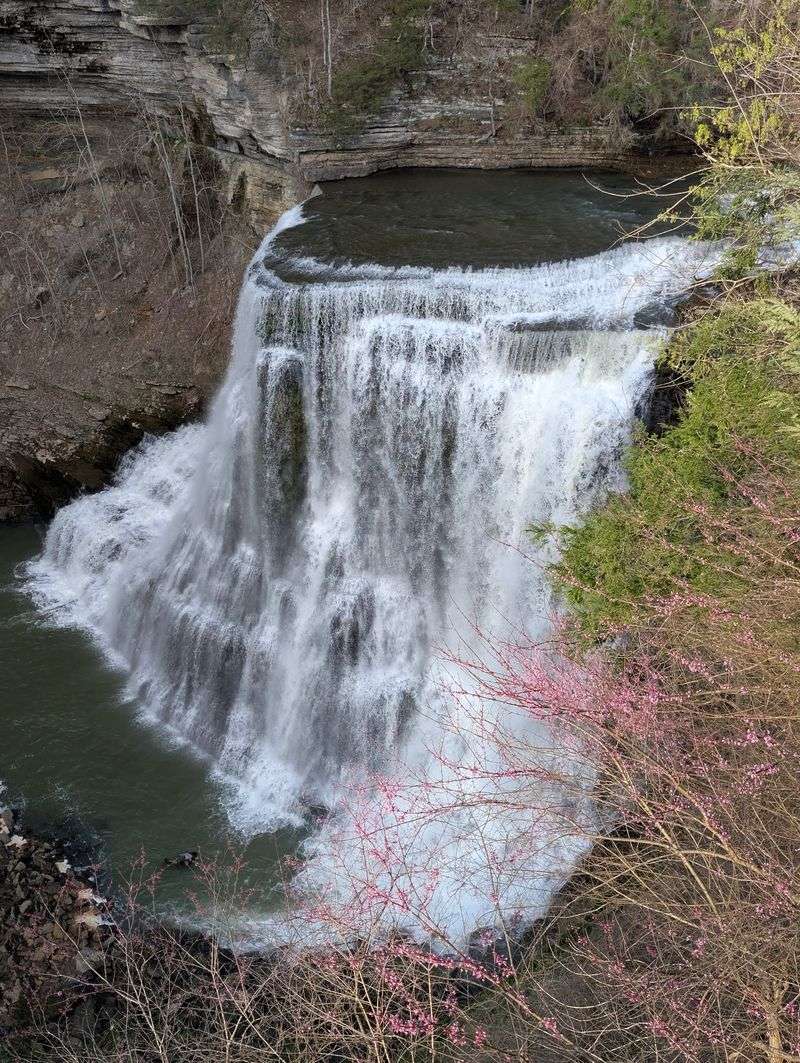
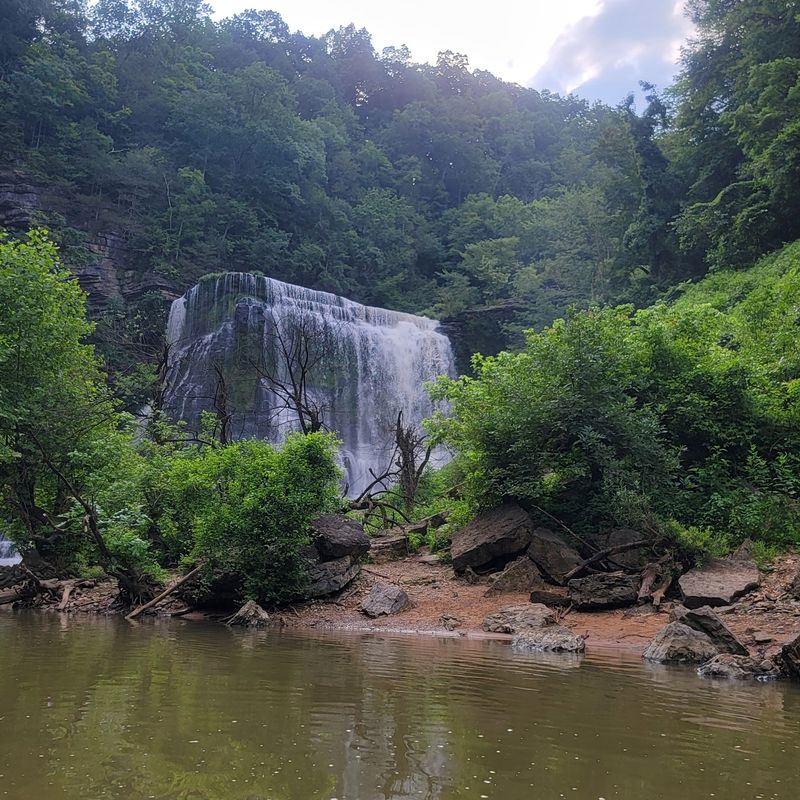
All that climbing pays off in one jaw-dropping moment. From the overlook, Burgess Falls pours 136 feet into a broad pool, framed by sheer limestone walls.
After a good rain, the waterfall roars. The Falling Water River depends on rainfall, so spring storms and winter thaws tend to deliver the most dramatic flow.
Summer can tell a different story. Flow may drop noticeably during dry spells, so timing your trip after wet weather pays off big.
Sunshine brings a bonus feature too. When the light hits the spray just right, a rainbow can stretch across the base of the falls.
For a closer look, hikers can continue down from the final overlook to the top of the largest falls. Wet rocks get slick fast, so water shoes with grippy soles are a smart call.
One thing the trails don’t offer is access to the bottom of the big falls. Some adventurers paddle in by kayak from downstream to catch that view from below.
Honestly, the top view alone could carry a whole day trip. It’s the kind of scene that makes you forget how quick the walk was.
A Gentler Route for Strollers, Grandparents, and Tired Legs
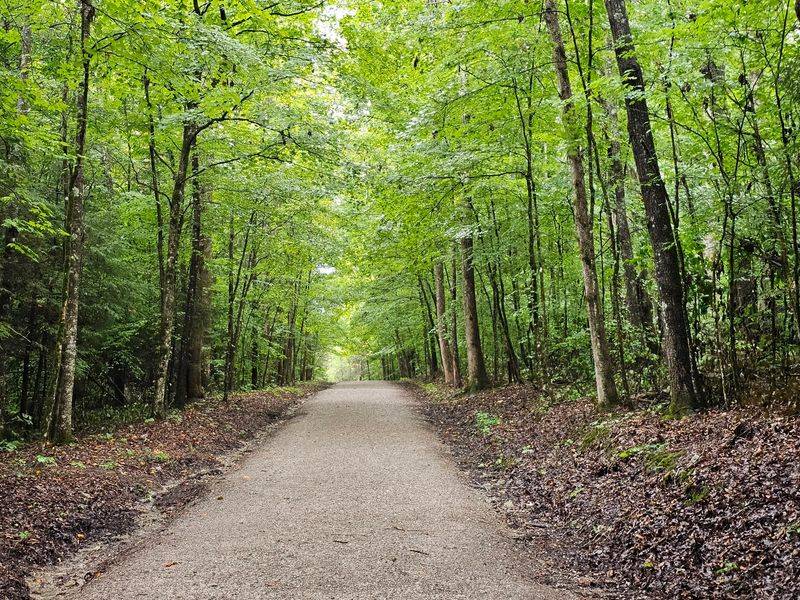
Not every visitor wants a stair workout, and the park plans for that thoughtfully. A gravel road offers a flatter, easier way to reach the main overlook.
The direct walk to the Burgess Falls overlook runs about 0.75 mile from the parking area. It’s a beginner-friendly option that still delivers the biggest view in the park.
An ADA-accessible trail is available as well, which opens the experience to more people. Full wheelchair access all the way to the overlook may be limited, though, so plan ahead.
Families with little ones get genuine options here. Younger kids can handle the smoother route, while teens and parents tackle the River Trail.
Rain doesn’t have to ruin the plan either. The flat road stays manageable in wet weather, when the rooty trail turns slippery.
Mixing routes works beautifully. Head out one way and return the other, and you’ll see different angles of the gorge without doubling your effort.
That flexibility is a big reason the park suits nearly every fitness level. Nobody gets left in the parking lot wondering what the fuss was about.
Picnic Tables, a Playground, and Plenty of Tail Wags
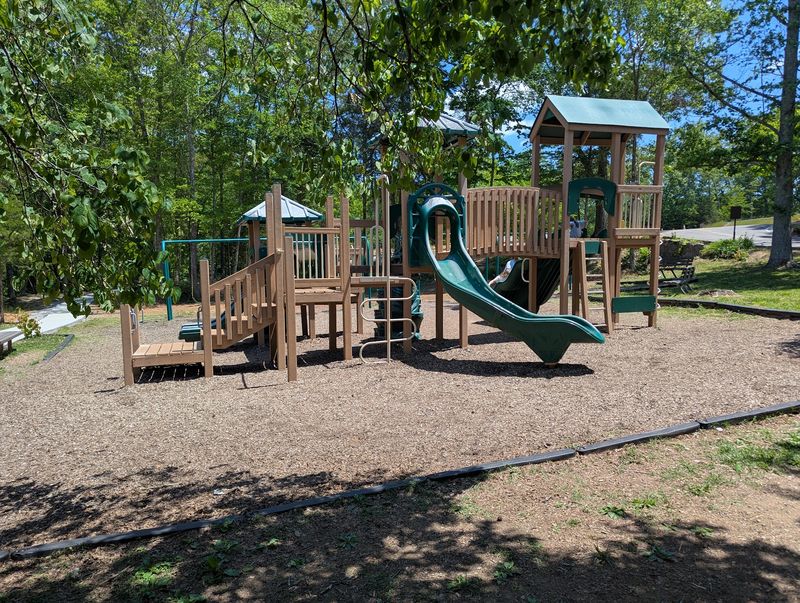
Packing a cooler? Smart move, because picnic areas and a shelter house sit near the parking lot, ready for sandwiches after the hike.
Kids get their own reward too. Updated playground equipment gives younger explorers a place to burn off any leftover energy.
Clean restrooms near the trailhead are a welcome sight before you set out. They’re especially handy for families juggling toddlers, snacks, and water bottles.
Dogs are welcome on the trails as long as they stay leashed. Litter bags are even provided at the trailhead, a thoughtful touch for four-legged hikers.
Nature fans can wander over to the butterfly garden and native plant area near the lot. It’s a calm little stop before or after the bigger adventure.
Anglers have something to look forward to as well. Fishing below the falls can turn up smallmouth bass and rock bass for patient casters.
Birdwatchers should keep binoculars ready. Great blue herons show up along the river, and peregrine falcons occasionally make an appearance over the gorge.
Put it all together and you’ve got a full family day. The waterfall might be the headliner, but the supporting cast keeps everyone happy.
Quiet Mornings, Busy June Weekends, and a Park in Progress
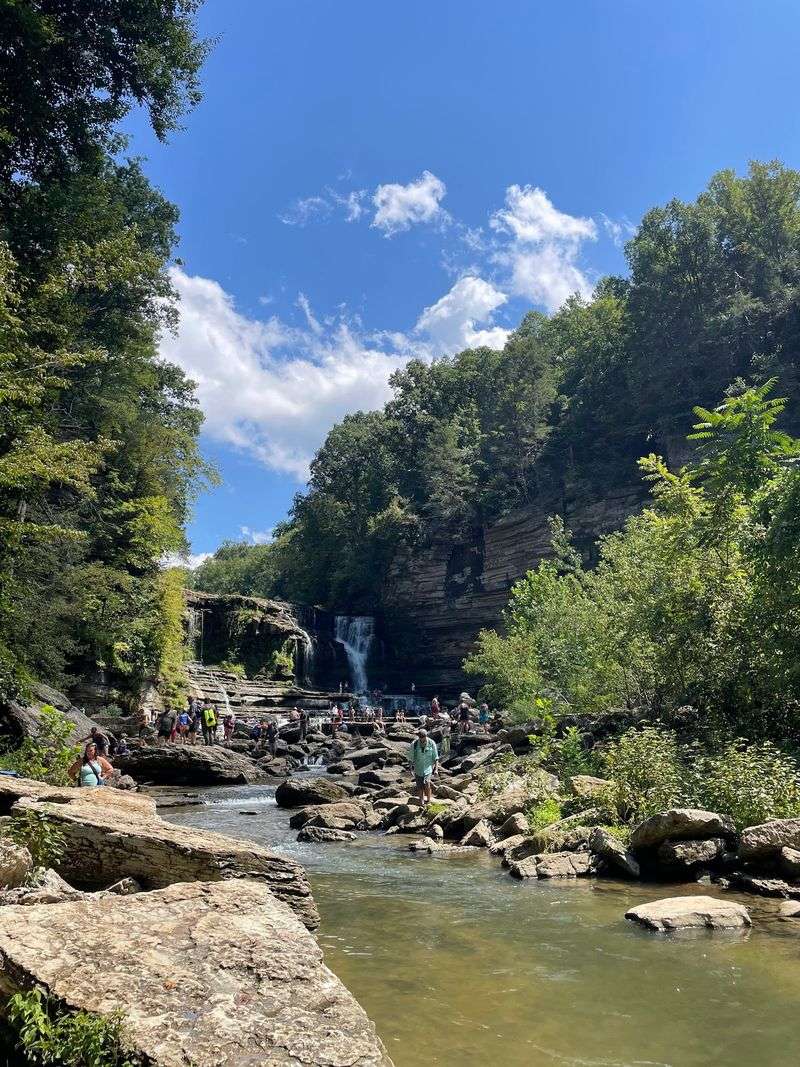
Early birds win big here. Arriving close to opening time gives you the best shot at quiet trails and easier parking.
Weekends in June can bring a crowd, which makes sense for a free waterfall this pretty. Warm months draw families looking for cool shade and the sound of rushing water.
Parking deserves a heads-up right now. A new visitors center and expanded upper parking area have been under construction, which has limited spaces at times.
Large trucks with trailers have had little room during the construction period. If you’re hauling one, scouting alternatives ahead of time saves a headache.
The mood on the trail stays relaxed and friendly. Friends, couples, solo hikers, and families with dogs all share the same path toward the overlook.
Bug spray belongs in your bag during warmer months. Near the water, keep an eye on your footing and watch for wildlife like snakes.
Once the new visitors center opens, the experience should only get smoother. Until then, a little planning keeps the day stress-free.
Even on busier days, the steady roar of the river does a great job drowning out chatter. It’s hard to stay stressed with that soundtrack.
Free Admission, Daily Hours, and an Easy I-40 Detour
Zero dollars. That’s the admission price at Burgess Falls State Park, which makes it one of the best budget outings in Tennessee.
Gates open daily at 8 a.m. and close at 6 p.m., seven days a week. Hours can shift with the seasons, so a quick check before leaving home is wise.
You’ll find the park at 4000 Burgess Falls Dr, Sparta, TN 38583. The drive is refreshingly simple for anyone traveling along I-40.
Take exit 286, then follow TN-135 south for about 8 miles. Some travelers reach the falls within roughly 15 minutes of leaving the interstate.
That location puts it within comfortable reach of Nashville and Knoxville for a day trip. Chattanooga folks can make a scenic morning drive of it too.
Need fuel or a meal afterward? Cookeville sits about 15 miles north with plenty of options.
Pack water, sturdy shoes, and snacks before you go. Swimming shoes with good grip help if you plan to step near the slick rocks.
Remember that the park runs as day-use only. Head out before closing time, and you’ll leave with tired legs and a full camera roll.
Why This Free Waterfall Deserves a Spot on Your Weekend List
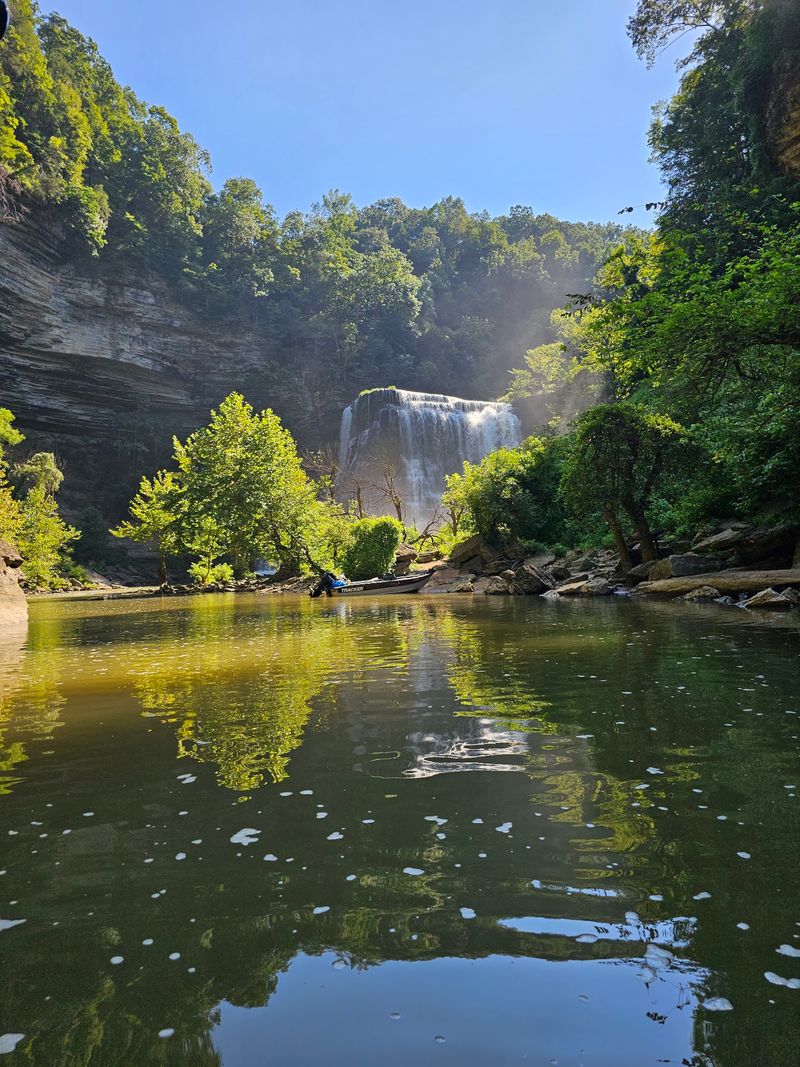
Few places give back this much for so little. A 136-foot waterfall, three bonus falls, and shaded trails all come without an entrance fee.
Burgess Falls State Park proves jaw-dropping scenery doesn’t require a plane ticket. Middle Tennessee delivers it with a short walk and a free parking spot.
It suits a surprising range of travelers. Families on a budget, road trippers needing a break, and serious hikers all leave with something to talk about.
Timing matters, so aim for a visit after a solid rain. That’s when the falls tend to look their wildest and loudest.
Go early, wear good shoes, and leash the pup. Then pick your route, whether that’s the stair-filled River Trail or the gentle gravel road.
I believe this is the kind of spot Tennesseans should brag about more often. It rivals waterfalls people travel across the country to see.
Bring a friend who’s never been. Watching someone see that big drop for the first time might be the best part of the trip.
So next time a free Saturday opens up, point the car toward Sparta. The river will be waiting, rumbling away like it has for centuries.
Share this story