Kudzu, the vine Southerners love to grumble about, becomes a sturdy basket in your own hands at one Tennessee farm school. That alone made me sit up.
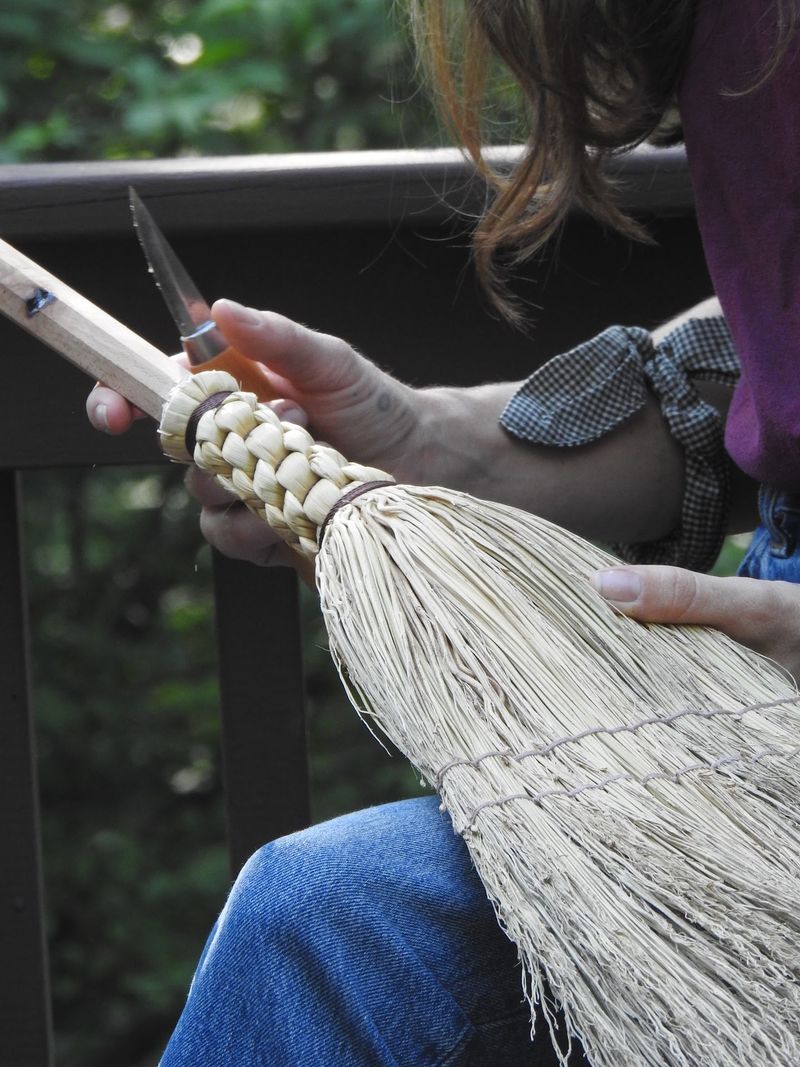
The class list keeps getting stranger and better. Students carve wooden spoons, bind books with a long stitch, make brooms, and pick indigo leaves from a field to brew their own dye.
Then comes lunch. Students mention farm meals with ingredients from the property, and one class even ended with a fresh fig cake made by a local chef.
I like how unfussy the whole idea sounds. You show up curious, work with your hands for a day, and drive home holding something you actually made.
I can’t imagine a better souvenir than a spoon you carved yourself. So where exactly is this place, and how fast do the classes fill up?
A Working Farm Where The Classroom Smells Like Fresh Air
Cumberland Folk School sits on Sequatchie Cove Farm, a working farm in the Sequatchie area of Tennessee. It’s a handicraft school, which means the whole point is learning traditional skills with your own two hands.
Nobody here lectures you from a podium for hours. Classes are hands-on, small, and built around making something real by the end of the session.
The menu of skills stretches surprisingly wide. Students have learned basketry, quilting, indigo dyeing, candle making, broom making, herbalism, fermentation, and even birding by ear.
That mix tells you something about the spirit of the place. It treats old-time know-how as useful today, not as a dusty exhibit behind glass.
One student summed it up as no frills and no pretension, just folk charm and farm magic. That description fits a school where the backdrop is pasture and mountain instead of fluorescent lights.
The farm setting also shapes the classes themselves. Some lessons literally start in a field, gathering plants that become part of your project that same afternoon.
For anyone who has ever wished school felt more like a good Saturday, this place makes a strong case.
The Keener Family Behind The Craft Tables
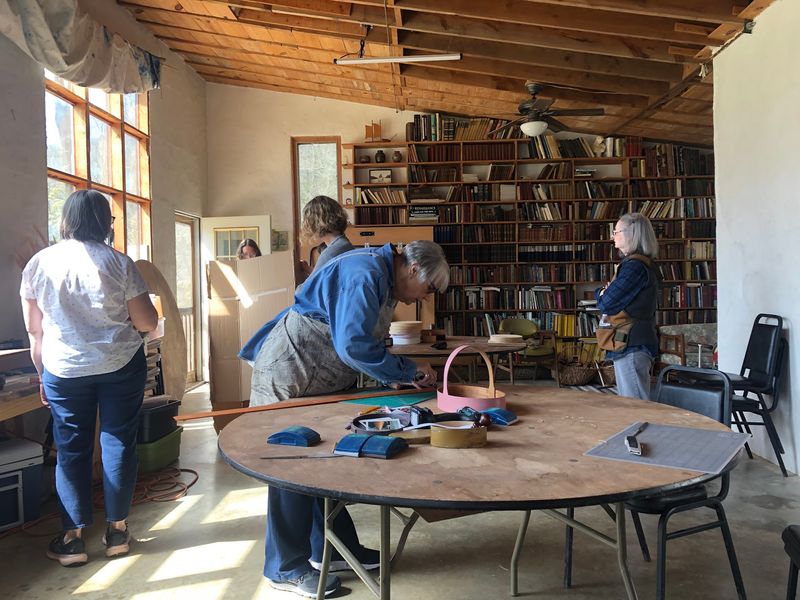
Behind every great small school stand a few people who care a little too much. Here, that means Ashley and Carroll, the hosts who curate the classes and welcome students onto the farm.
Students credit the pair, along with the wider Keener family, for creating a space where the community can learn together. Their passion for the traditions being taught comes up again and again.
They also bring in outside instructors who are accomplished artists and makers. The hosts seem to pick teachers who are committed to their crafts and eager to share them.
Communication gets praise too. One student noted that details about the class and what to expect arrived on time and matched reality.
That kind of care matters more than it sounds. Showing up to a farm for a craft day feels much easier when someone has clearly thought about your experience.
Students describe the hosts as kind, hospitable, and genuinely helpful. Some have returned for class after class since at least 2021.
You can feel the intention in how the school is run. It’s built to slow people down, and that clearly starts with the folks in charge.
Kudzu Baskets That Turn A Pesky Vine Into Art
Every Southerner has a complaint about kudzu. At this school, students finally get some revenge by weaving the stubborn vine into a basket.
Kudzu basket making is one of the classes students bring up most often. Several people have taken it alongside other courses, which says plenty about its appeal.
Honestly, the concept is irresistible. You take a plant famous for swallowing barns and telephone poles, then shape it into something useful for your kitchen counter.
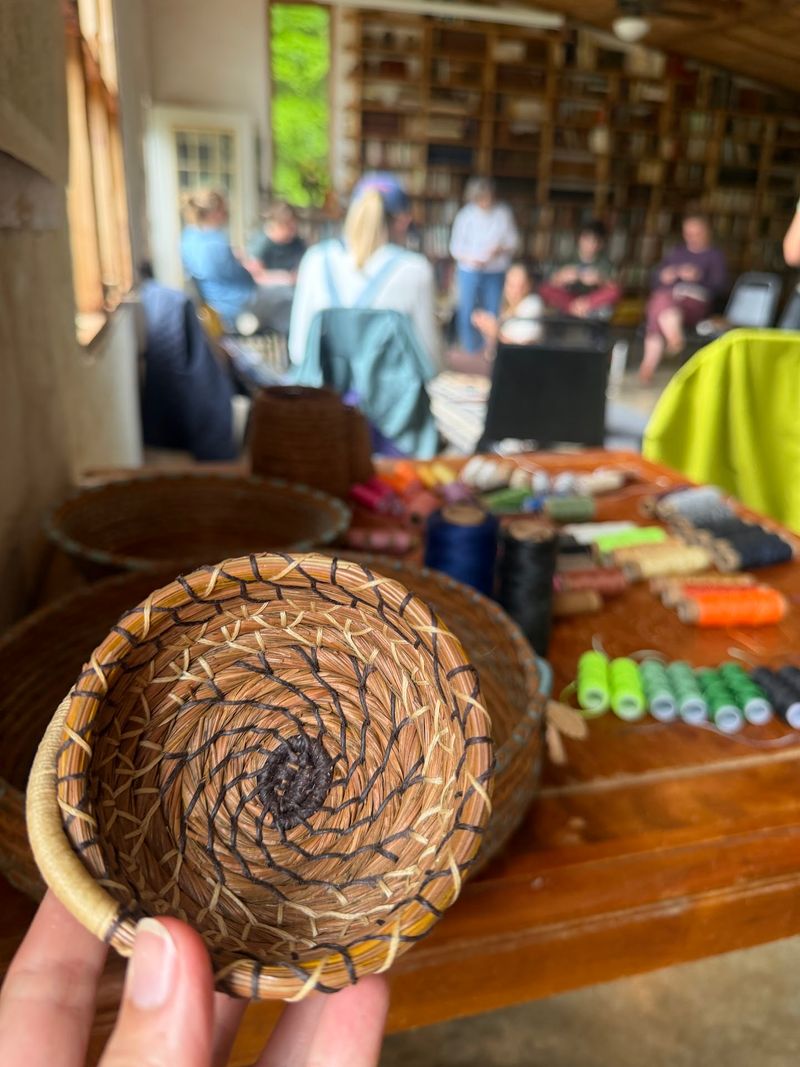
The basketry lineup goes beyond kudzu, too. Pine needle basket weaving has drawn groups of friends for a full day of learning together.
Patience is part of the lesson. One student mentioned delighting in the fruits of her patient labor, which feels like a fair warning and a promise at once.
Instructors guide you through the process, so no prior skill is required. You simply need willing hands and a little stubbornness of your own.
Picture explaining your new basket to relatives at Thanksgiving. Telling them it used to be roadside kudzu might be the best conversation starter you’ll ever own.
Spoons, Shaker Boxes And Other Woodworking Wins
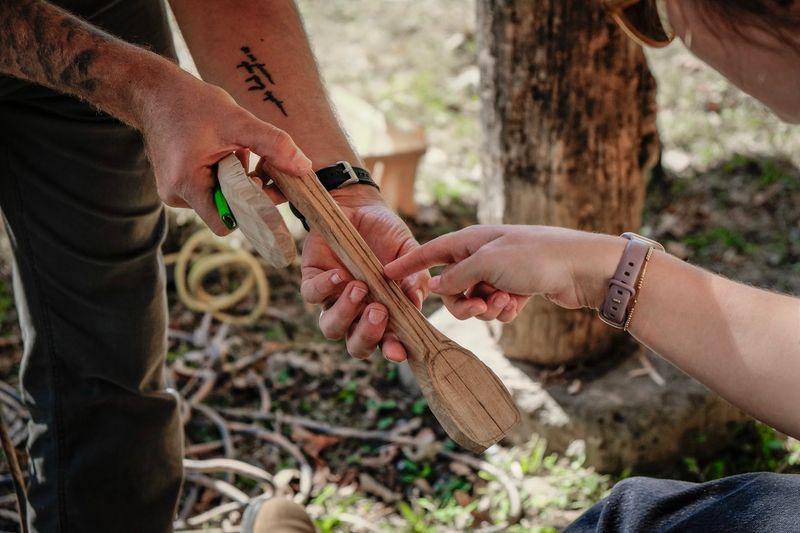
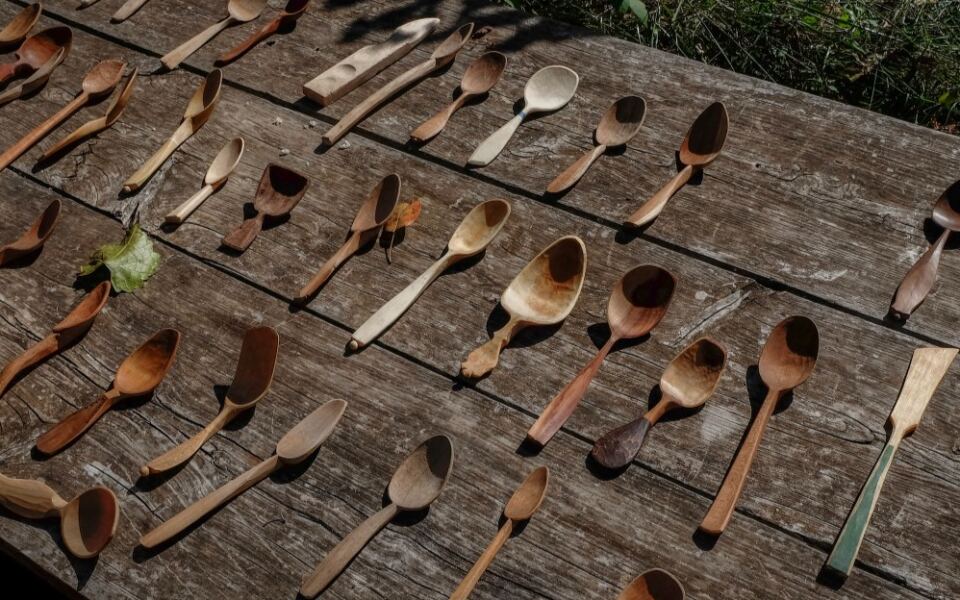
Whittling a spoon sounds simple until you hold a chunk of wood and a knife. Wood spoon carving at Cumberland Folk School turns that intimidating moment into a tool you’ll actually use.
One student loves the hand-carved cooking spoon from class and uses it often. That’s the dream, right?
A craft project that earns a permanent spot by the stove.
Shaker boxes get plenty of love as well. Classes have included a Shaker divided carrier, a classic oval box design with a handle.
Students describe clear explanations and instructors ready to help when needed. One mentioned high-quality materials that were easy to work with.
The results seem to stick. A student left knowing enough to keep making Shaker boxes at home, which is about the best report card a class can get.
Instruction mixes supervised steps with go-your-own-way freedom. Beginners get support, while confident makers have room to experiment.
Woodworking rewards slow, careful hands. Fittingly, that pace matches the whole farm, where nobody seems in a hurry to rush your progress.
Indigo Leaves Picked From The Field That Morning
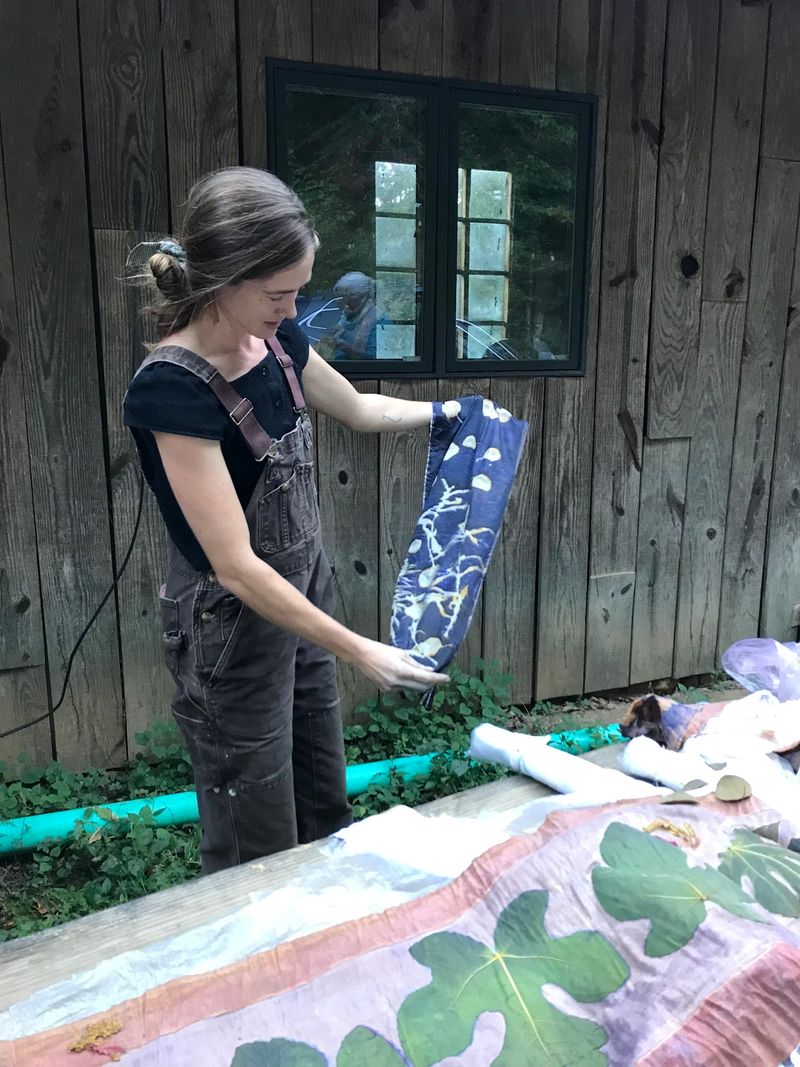
Few dye classes start with a harvest. In the Fresh Indigo Dyeing class, students head into the field and pick indigo leaves that same morning.
Those leaves become the dye. From there, students experiment with different techniques and patterns on fabric.
The payoff is wearable. One student went home with a beautifully dyed wool and silk blend scarf, a pretty fine trophy for a single class.
Instructor Jan Quarles has taught both indigo dyeing and botanical printing here. Students describe her as well prepared, with years of teaching experience and plenty of helpful tips.
Botanical printing uses plants to create prints on fabric. That class also sent students home with beautiful scarves and the know-how to keep printing at home.
Natural dyeing fits the farm perfectly. The ingredients literally grow a short walk from your workspace.
Indigo dyeing ranks among the most mentioned classes at the school. Watching green leaves turn fabric deep blue might explain why people keep signing up for follow-up sessions.
Pie, Kimchi And A Famous Fermentation Guest
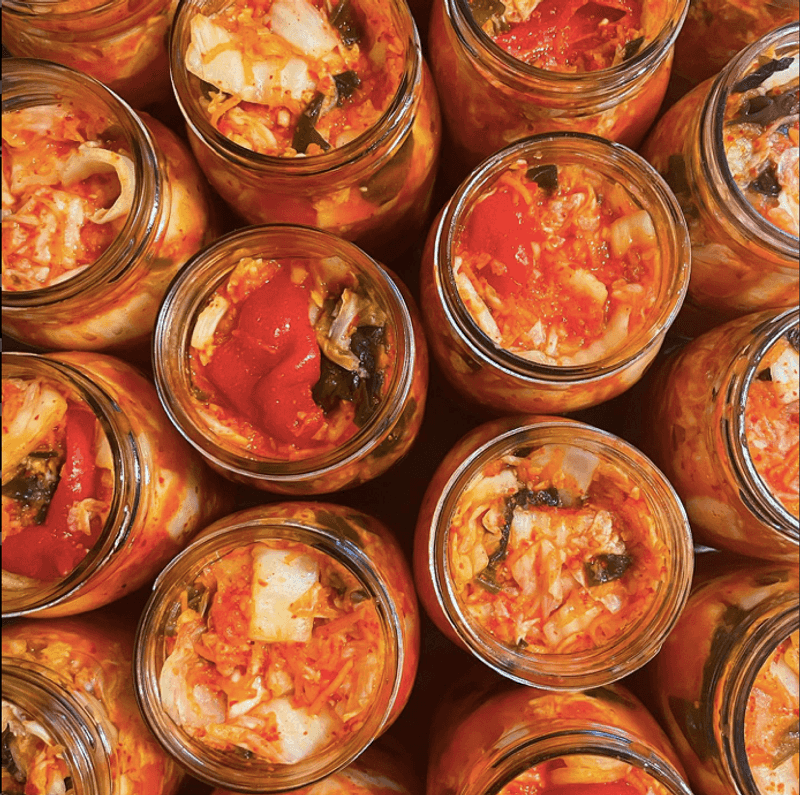
Sauerkraut might be the slowest souvenir in Tennessee. Fermentation students leave with jars that need another week or two before they’re ready.
Fermentation workshops are the most talked-about classes in the mix. The school has hosted Sandor Katz, a world-famous fermentation expert, for lectures and hands-on learning.
Kimchi has its own class, too. Students have paired it with beeswax candle making for a wonderfully mismatched skill set.
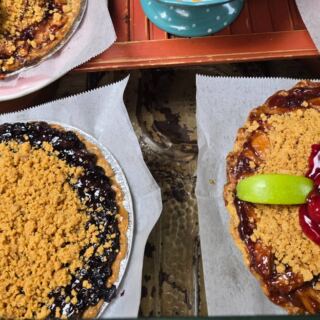
Then there’s pie. Students have practiced pie making here, which lands in that sweet spot between craft and dessert.
Herbalism rounds out the kitchen-adjacent side. These classes connect what grows on the land with what ends up on your shelf or plate.
Food skills feel especially at home on a working farm. You’re surrounded by the source of the ingredients the whole time.
Some people collect fancy cookbooks. Others go home knowing how to turn cabbage into something tangy and lasting, and that seems more useful to me.
Lunch Might Steal The Show
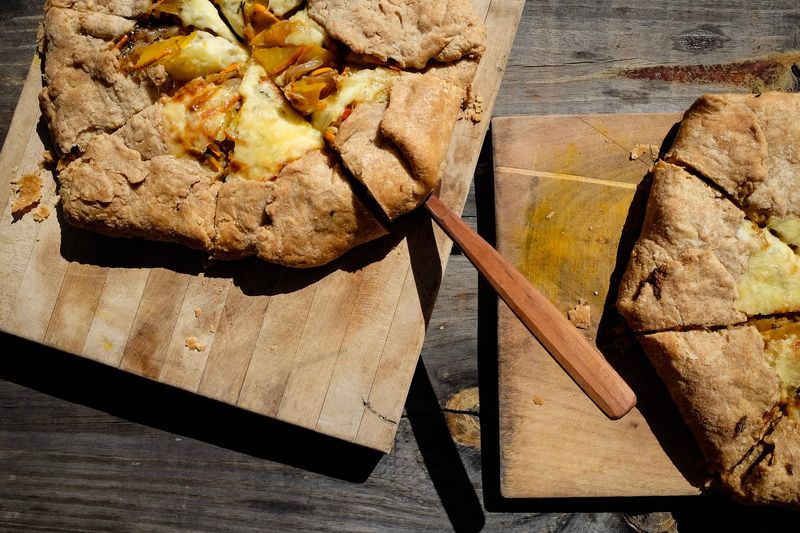
Ask students about their class and many of them eventually mention lunch. The farm meal clearly holds its own next to the crafts.
Lunches are sourced from local restaurants and from the farm property where the school sits. That means your plate often shares a zip code with the pasture outside.
One standout was a fresh fig cake made by local chef Mallory Grimm. Fig cake on a farm in the Sequatchie Valley sounds almost too fitting.
Multi-day classes include lunch each day, and students have called those meals incredible. Others simply say the food is always delicious.
Shared meals also build community. Students describe making friends and sharing food together between lessons.
There’s a nice rhythm to it. Work with your hands all morning, break bread with fellow makers, then return to finish your project.
Craft schools could easily hand out boxed sandwiches. Choosing farm-fresh, locally sourced food instead shows real care, and your stomach will notice.
Small Classes Full Of Kindred Spirits
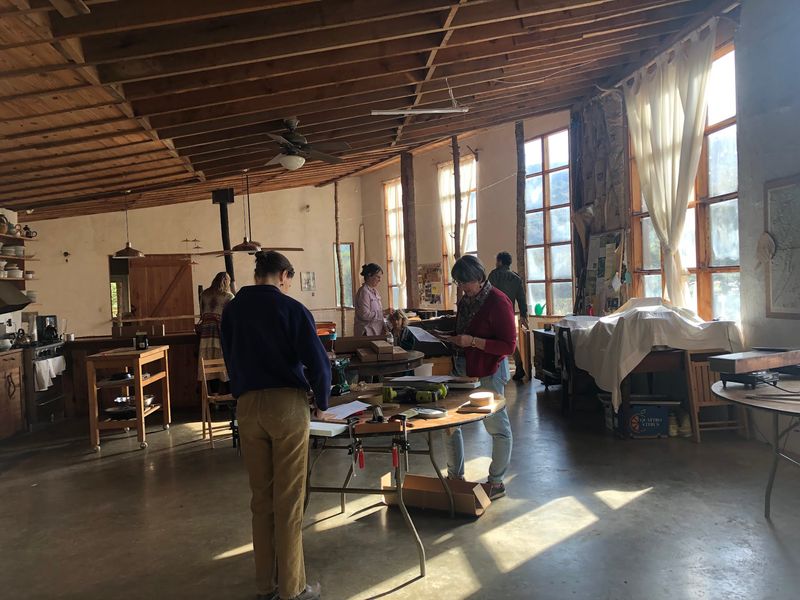
Oddball interests welcome. One student loved finding cool people in each class who shared that same curiosity.
Class sizes stay small, creating an intimate and hands-on setting. Instructors can actually see your work and help when things go sideways.
Classmates come from all over the area. Some students even report meeting someone who lives nearby, which turns a craft day into a new friendship.
The mood leans peaceful and intentional. Students describe a sense of connection to each other and to the earth during class.
That calm feels rare today. Several people mention that classes remind them to slow down, listen, and look.
Who fits best here? Curious beginners, seasoned makers wanting to sharpen skills, and friends looking for a meaningful day out.
Nature lovers have options too, like birding by ear for those not ready for crafts. One student has taken it a couple of times and still plans to try a craft class later.
Basically, if you enjoy learning alongside friendly strangers, you’ll feel at home.
Plan Ahead Because Spots Vanish Fast
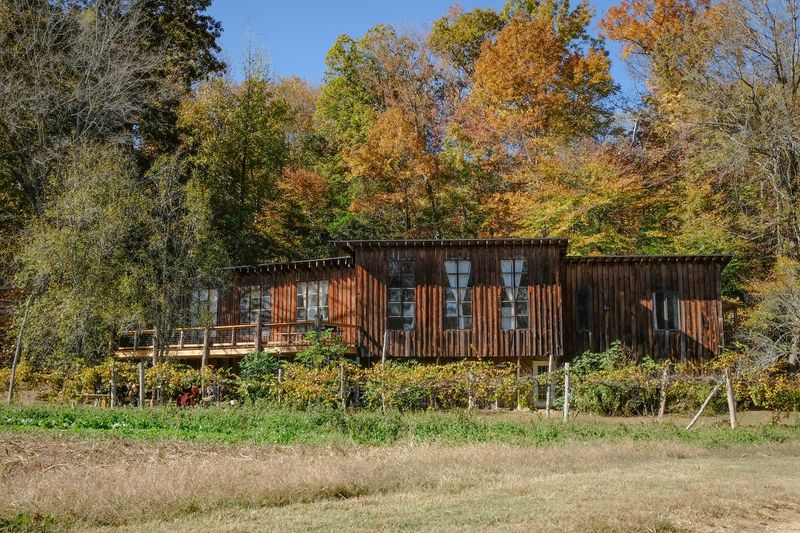
Classes sell out fast, so hesitation costs you. If a workshop catches your eye, sign up before someone else grabs your seat.
The school sits at 320 Dixon Cove Rd, Sequatchie, TN 37374. It’s in southeast Tennessee, a reasonable drive from Chattanooga for a day of making.
Class dates and offerings change, so check the school’s schedule before planning. Pricing varies by class as well.
Staying longer? Camping is available on-site, which makes multi-day classes much easier.
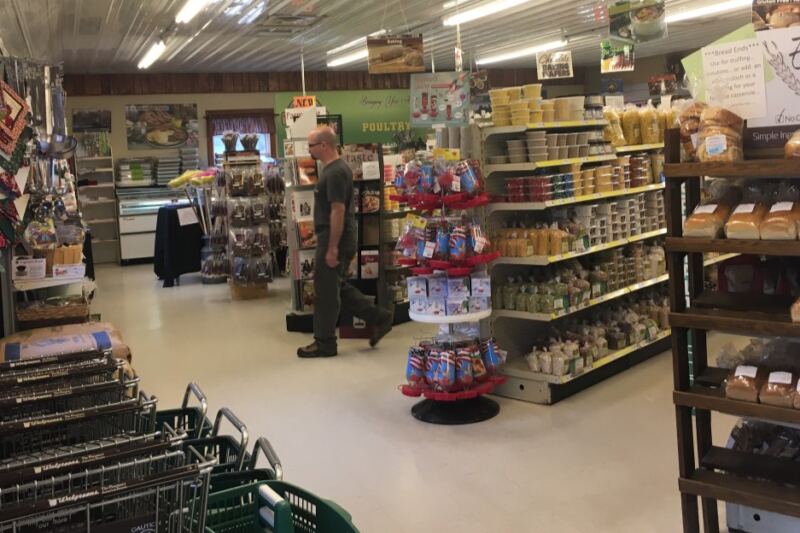
Bring a cooler. Students recommend stopping by the Trading Post for fresh produce, meats, and cheeses from Sequatchie Cove Farm when it’s open.
Comfortable clothes make sense, especially for dyeing or field work. Some classes head outdoors to gather materials.
One more tip: leave space in the car. Between baskets, boxes, scarves, and fermenting jars, your ride home may get crowded quickly.
Why A Spoon Might Be Tennessee’s Best Souvenir
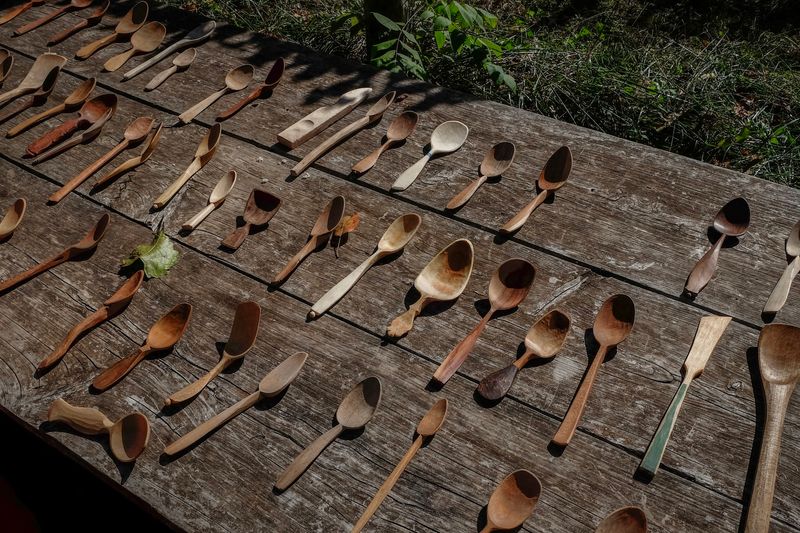
Most weekend trips leave you with photos. A day at Cumberland Folk School leaves you with a skill and something you made.
That difference matters. Students say they’ve applied what they learned at home, from Shaker boxes to fermentation.
The school blends traditional crafts, farm food, and a stunning cove setting. It feels deeply rooted in Tennessee without ever turning into a museum piece.
Variety keeps people returning. Quilting, creative mending, broom making, and bookbinding all live on the same calendar as kimchi and candles.
I believe the best part is the pace. Nobody seems rushed, and that patience shows up in every finished basket.
Fans of the school talk about leaving inspired and accomplished. Many say they’re already counting down to their next class.
So pick a craft that makes you curious. Maybe kudzu, maybe pie, maybe a spoon you’ll stir soup with for years.
Whatever you choose, this farm in the Sequatchie Valley offers a quietly proud reminder of what Tennessee hands can do.
Share this story