Every fall, somebody feeds stalks of sugar cane into a mill and boils the juice down into real syrup. That still happens on a working farm that dates to 1850.
I love that it isn’t a reenactment you watch from behind a rope.
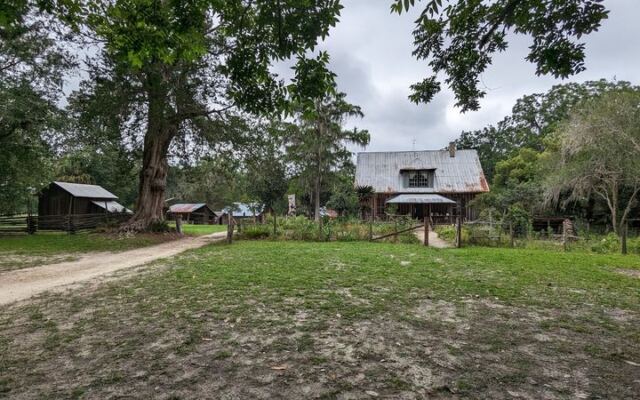
The farmhouse, kitchen, smokehouse, and root cellar still hold items from the original family. Chickens and turkeys wander nearby.
Volunteers in period clothing handle chores that never take a day off.
This is Florida before theme parks and interstates, kept almost exactly as three generations left it. I can’t imagine a better antidote to a busy week.
It’s quiet, shady, and surprisingly personal.
Then there’s the little general store selling jams, pickled okra, and local honey. So how does a place this charming stay off so many weekend lists?
An 1850s Homestead Hiding Just Off the Highway
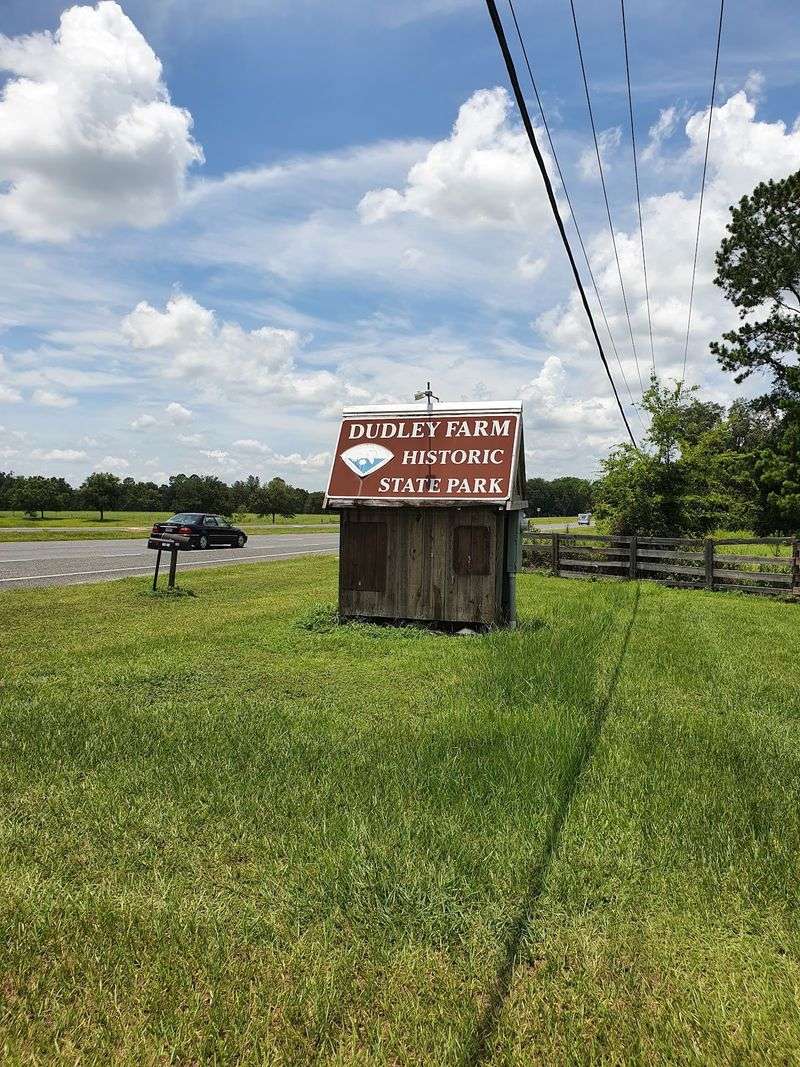
A brown state park sign on a two-lane road is all the warning you get. Behind it sits Dudley Farm Historic State Park, a living history farm in Alachua County.
The homestead tells the story of Florida farm life from the 1850s through the 1940s. Self-guided tours let you set your own pace, which suits curious wanderers and slow readers alike.
Location helps a lot here. The park sits less than 10 miles west of I-75, just outside Gainesville in North Central Florida.
That makes it an easy add-on for road trippers heading north or south. It also works as a full morning plan for anyone already in the Gainesville area.
What you’ll find is more than a museum with old furniture. It’s a real farmstead with more than a dozen buildings, live animals, gardens, and chores that keep going all year.
Most people spend one to two hours exploring. You could stretch that longer if you linger on the trail or chat with the volunteers.
Honestly, the hardest part might be convincing yourself to leave. Shady paths and creaky porches make a strong argument for staying put.
Three Generations of Dudleys and the Land They Worked
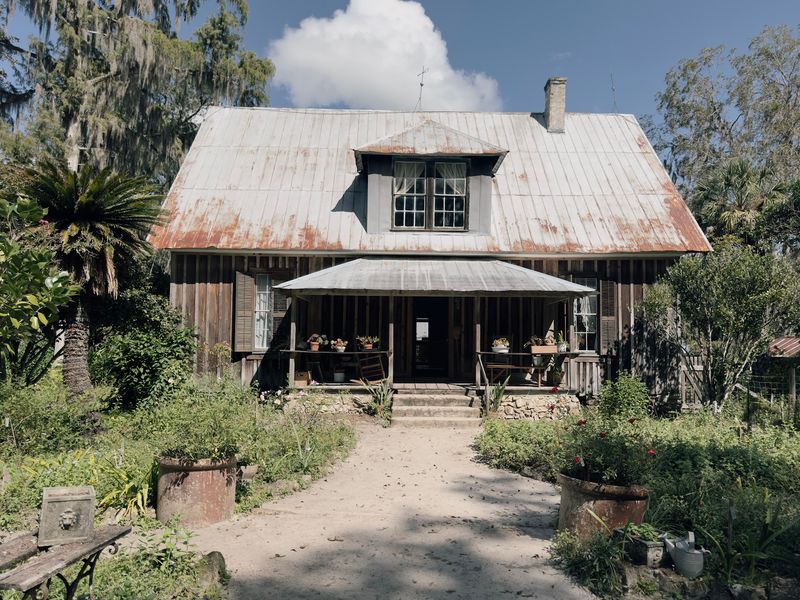
Family farms rarely survive this long without being sold, split, or paved. The Dudley family worked this land for three generations, starting around 1850.
Over the years, the farm raised crops like cotton and corn alongside cattle. Each generation adapted to new tools and changing markets while keeping the homestead running.
The property was once much larger than it is today. Now the state protects a little over 300 acres, saving a slice of rural Florida from suburban spread.
Here’s the part that makes historians smile. Unlike many museums, most of the items inside the buildings belong to the original Dudley family and their farm operation.
That means the dishes, tools, and furnishings aren’t stand-ins from a warehouse. They’re the actual objects this family used, kept right where they lived.
A short video in the visitor center gives helpful background before you head out. Watching it first makes every building on the walk feel more meaningful.
Volunteers know the family stories well, too. Ask about the Dudleys, and you’ll likely get more history than any sign could hold.
Fall Cane Grinding and That Sweet Syrup Season
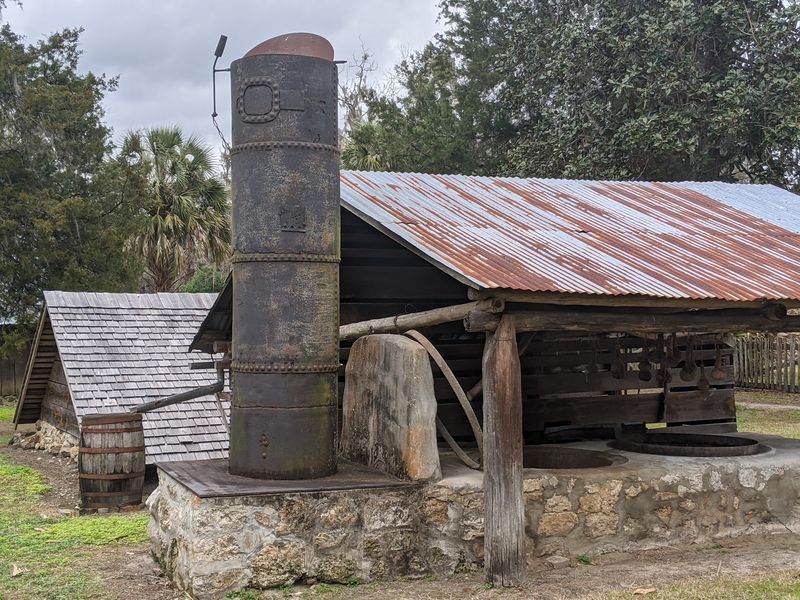
Sugar cane season turns this quiet farm into the sweetest spot in Alachua County. The fall sugar cane event ranks among the most popular happenings at the park.
During cane season, the farm demonstrates how families pressed cane and cooked the juice down into syrup. It’s the same process rural Floridians relied on long before grocery store shelves.
Timing matters if you want to catch it. The syrup work generally happens in the fall, with November often mentioned as the month to plan around.
Event dates can shift from year to year. Checking the park’s event calendar before you go saves you from arriving on a regular weekday.
Even outside the season, you can still learn how the farm made and produced cane sugar. Staff and volunteers happily explain the steps and the equipment involved.
There’s something deeply satisfying about connecting a sweet spoonful to a field and a mill. It makes store-bought syrup look a little lazy by comparison.
Bring patience and maybe a jar of anticipation. Old-fashioned syrup takes time, and that’s exactly the point.
Smokehouse, Root Cellar, and a Dozen More Doors to Open
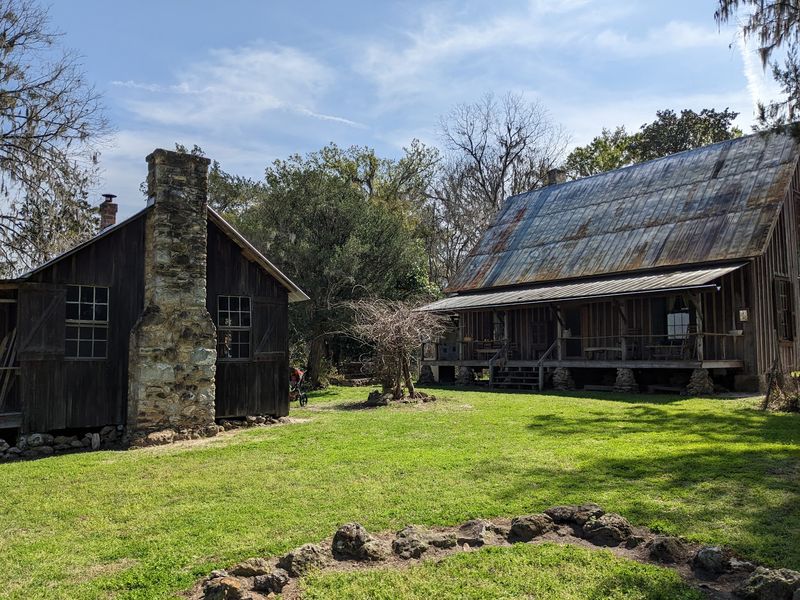
More than a dozen historic buildings wait at the end of a short walk. Once you reach the farmhouse, everything else sits close together.
The main farmhouse is the star, of course. Nearby you’ll find the separate kitchen, the smokehouse, and a root cellar that once kept food cool.
Separate kitchens were common on old Southern farms. Keeping cooking heat away from the main house made a lot of sense in a Florida summer.
Old-fashioned equipment and machinery fill several structures. Each building had its own purpose, and seeing them side by side shows how much work daily life required.
Kids especially enjoy the hands-on moments. Pumping water at the farm is a small task that somehow feels like a big adventure.
The whole setup feels lived-in rather than staged. It’s easy to believe the family just stepped out to tend the fields.
Take your time peeking into corners and doorways. The small details, like worn tools and simple furnishings, tell the most honest stories here.
Roosters, Turkeys, and Other Farmhands With Feathers
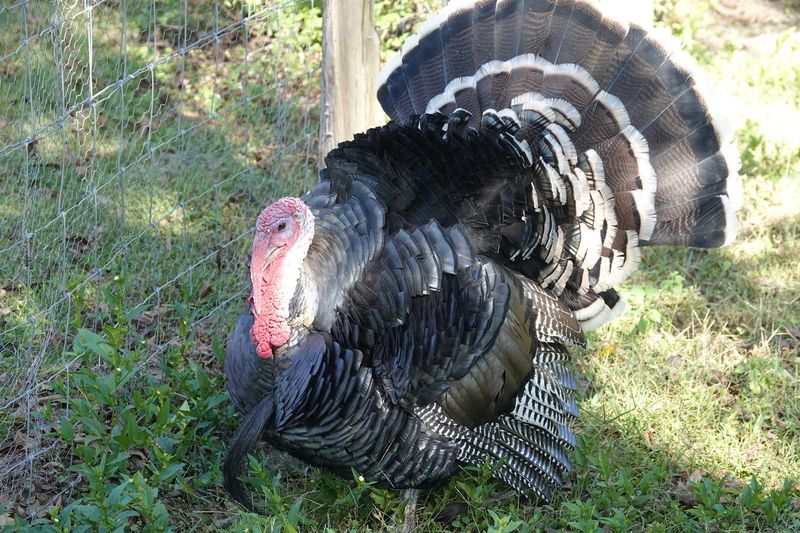
Cluck, gobble, repeat. Live animals give the farm a soundtrack no museum audio guide could match.
Chickens and turkeys roam the grounds, and roosters make sure nobody forgets it’s a farm. Cows and horses have also called the property home.
These animals aren’t props. Volunteers care for them year-round because farm chores don’t pause for holidays or slow seasons.
Sometimes staff even let young visitors help with feeding time. For a toddler, that might be the highlight of the entire month.
The gardens add another layer of life. Banana plants, fig trees, ginger, and roses grow around the homestead, mixing practical crops with a little beauty.
It’s a good reminder that old Florida farms fed families directly. What grew outside the door often ended up on the table that night.
One friendly tip for curious explorers: watch the ground near the edges. Thorny vines grow in spots, so little ones should stick to the paths.
Jams, Honey, and Native Plants at the Old-Time Commissary
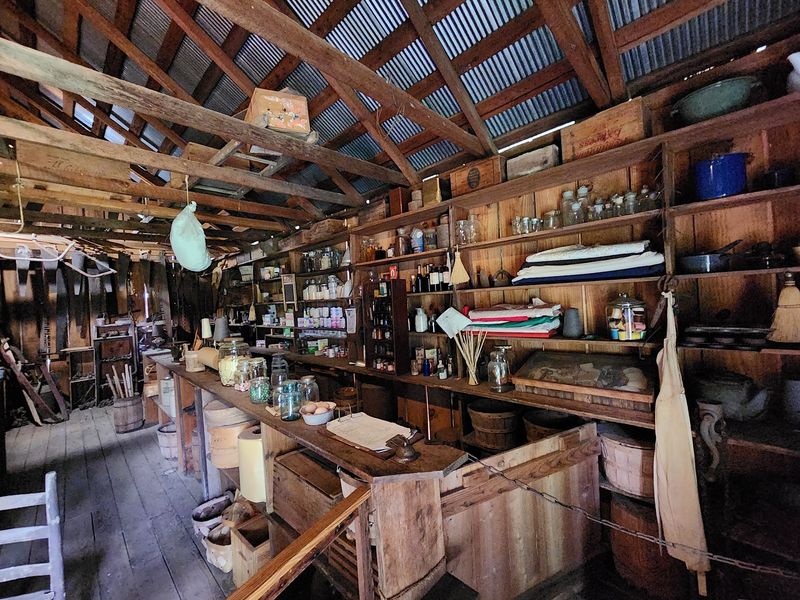
Pickled okra might be the most Florida souvenir you’ll ever carry home. The commissary near the visitor center feels like an old-time general store.
Shelves hold regionally made preserves and handmade gifts. Blackberry jam, pickled okra, and local honey have all shown up among the goods.
Drinks are sold there too, which helps on a warm afternoon. Seasonal items like strawberries have appeared when the timing is right.
Plant lovers get a bonus. A small nursery offers native plants, perfect for anyone trying to bring some real Florida greenery to their yard.
Store hours don’t always match park hours exactly. If shopping is a priority, plan your visit earlier and don’t assume it’s open late.
Picnic tables sit close to the visitor center as well. Packing a lunch turns a quick history stop into an easy, budget-friendly outing.
Buying a jar here feels better than grabbing one at a chain store. You’re supporting a place that keeps Florida’s farm traditions alive.
Shady Walks Along the Pause and Ponder Trail
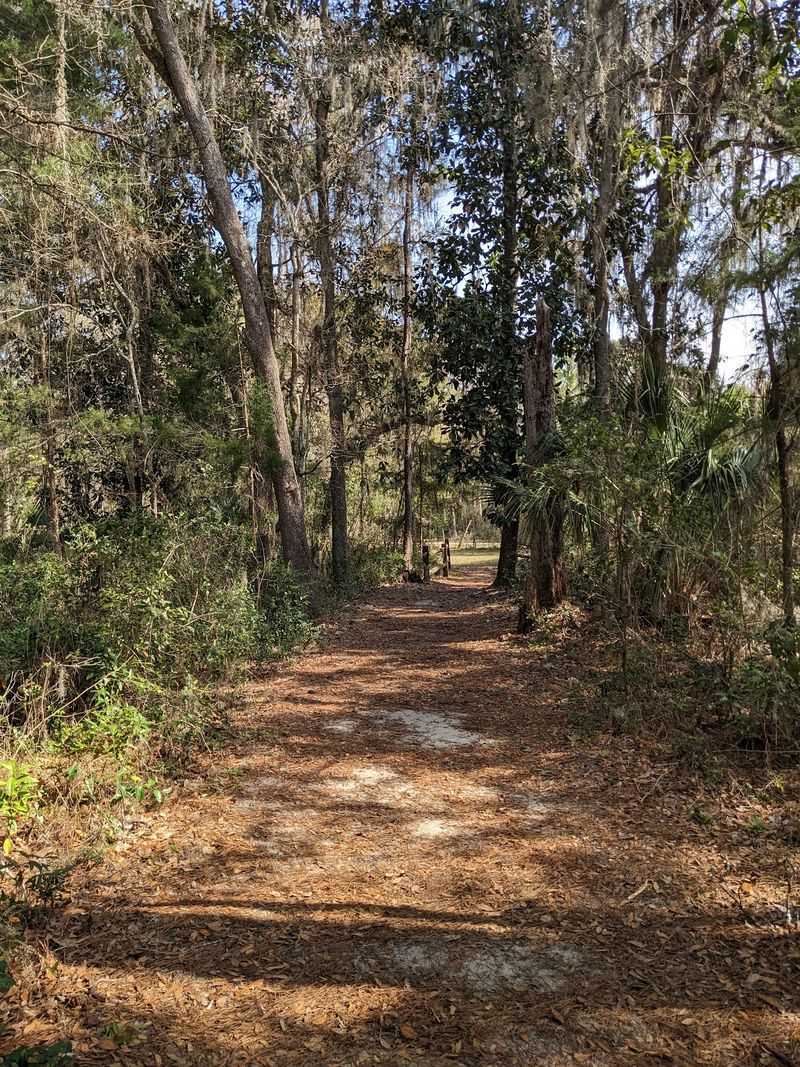
Some trails are about distance. The Pause and Ponder Trail is about slowing down, which the name gives away nicely.
Beyond the farm, the park offers a natural walking loop that’s short and easy to navigate. You can finish it quickly or stretch it into a quiet, reflective stroll.
Shade trees help a lot in the Florida heat. Plenty of canopy covers the paths, making summer visits more comfortable than you might expect.
Dog owners, here’s good news with a catch. Leashed pets can enjoy the nature trail, but pets aren’t allowed past the visitor center toward the farm itself.
The walk from the visitor center to the farmhouse feels like its own little time machine. Modern noise fades, and the old homestead slowly comes into view.
Comfortable shoes are a smart choice. Between the farm and the trails, you’ll cover more ground than a quick glance at the map suggests.
Open grassy areas offer space to stretch and breathe. It’s the kind of calm that phone screens just can’t deliver.
Field Trips, Seniors, and Everyone in Between
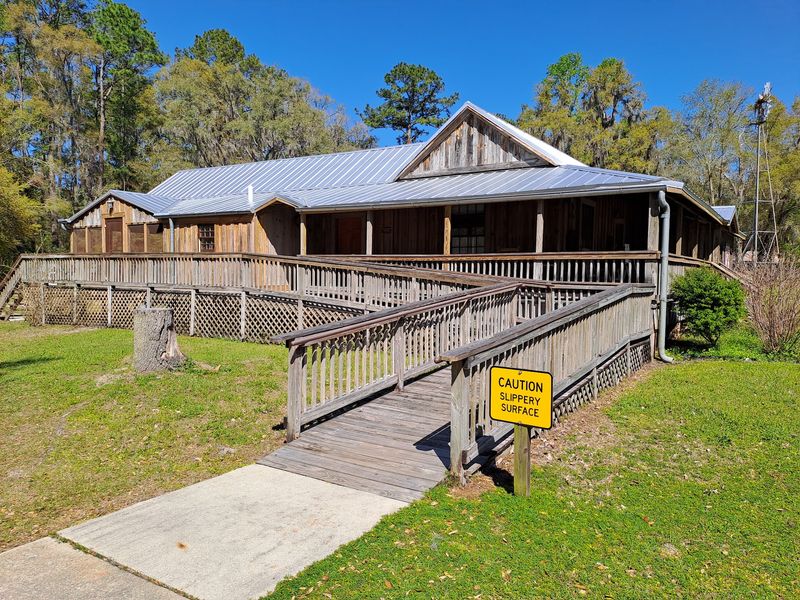
School groups, church groups, and families with toddlers all find something to love here. The farm works for a surprisingly wide range of ages.
Volunteers dressed in period attire often sit on porches ready to share stories. Others demonstrate traditional skills like sewing and quilting, especially during weekend demonstrations.
Park rangers lead tours for groups, too. Their knowledge turns a casual walk into a real lesson in North Florida history.
Accessibility gets thoughtful attention. The air-conditioned visitor center is handicap accessible, and an off-road wheelchair with large wheels is available for sandy paths.
That detail matters for older visitors and anyone with mobility needs. Sandy farm ground can be tricky, and this solution opens the experience to more people.
Teachers love it for field trips, and it’s easy to see why. Kids get a clear look at how hard life once was without lectures.
Conversation flows easily here. Staff seem genuinely happy to answer questions, so bring a few good ones.
Hours, Fees, and Why the Drive Pays Off
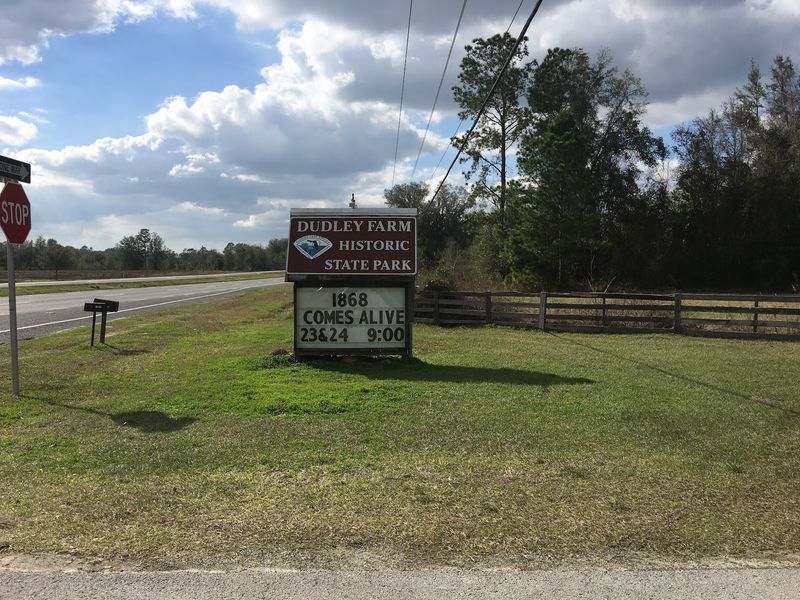
Mark your calendar carefully, because Mondays and Tuesdays won’t work. The park opens Wednesday through Sunday, from 9 AM to 4 PM.
You’ll find Dudley Farm Historic State Park at 18730 W Newberry Rd, Newberry, FL 32669. Parking is plentiful, and restrooms sit right by the lot.
Admission is a small per-vehicle fee paid on the honor system. Florida State Parks annual pass holders get in without paying extra.
That low cost makes it one of the friendliest bargains in North Central Florida. Few places pack this much history into such an affordable morning.
Weekends bring the best chance of live demonstrations. Weekdays tend to feel quieter, which suits anyone craving a peaceful wander.
Fall deserves special attention if syrup is your goal. Check the park’s event schedule ahead of time so you don’t miss cane season.
In the end, this farm delivers something rare: the real thing. Living animals, original belongings, and a working cane mill make Florida history feel close enough to taste.
Share this story