Michigan’s Indigenous history stretches back thousands of years, long before highways, automobile factories, and modern cities appeared along the Great Lakes. Across the state, museums and cultural centers preserve and share the stories, traditions, and contributions of the Native American communities who have called this region home for generations.
From tribal museums in the Upper Peninsula to historic sites in the Thumb and beyond, these destinations offer fascinating insights into Michigan’s Native American heritage. Visitors can discover traditional artwork, ancient stone carvings, historic homes, and cultural exhibits that bring this important history to life.
1. Ziibiwing Center of Anishinabe Culture & Lifeways, Mount Pleasant, Michigan

History hits differently when the people telling it are the people who lived it. At this center, the Saginaw Chippewa Indian Tribe shares its own story, start to finish.
The permanent exhibit is called Diba Jimooyung, which means Telling Our Story. It walks visitors through Anishinabe origins, traditions, treaties, and the hard challenges Native families faced over many generations.
Cultural objects sit beside clear displays that link old events to tribal life right now. That connection is the big idea here.
Anishinabe culture is not treated as something frozen behind glass. It is shown as a living tradition that continues across the Great Lakes today.
Plan at least two hours so you can read the panels without rushing. The gift shop is also worth a look, since it often carries work by Native artists and books written by tribal authors.
2. Museum of Ojibwa Culture, St. Ignace, Michigan
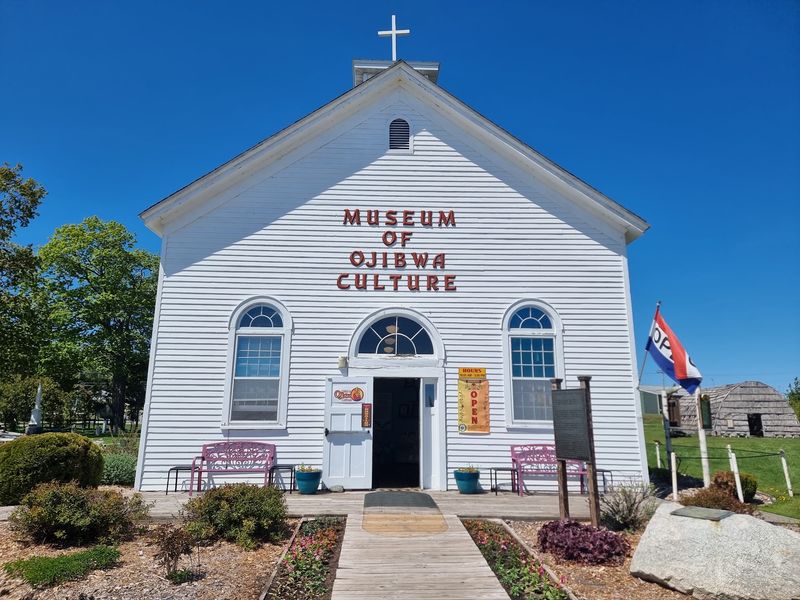
Some towns have a nice view. St. Ignace has a nice view plus a few centuries of history packed into one small museum.
Sitting near the Straits of Mackinac, the Museum of Ojibwa Culture explores a spot where Indigenous and European worlds met. Outside, a reconstructed longhouse shows how families lived and gathered.
Indoors, exhibits cover Ojibwa traditions, local archaeology, and the mission history of the 1600s. The site is tied to the era when French missionaries arrived in the area.
What makes the visit stand out is the focus on the present, too. The museum makes clear that Native communities linked to this land are still very much part of the region.
Downtown St. Ignace is close by, so pair your visit with a waterfront stroll. It also makes a smart stop before catching a ferry to Mackinac Island.
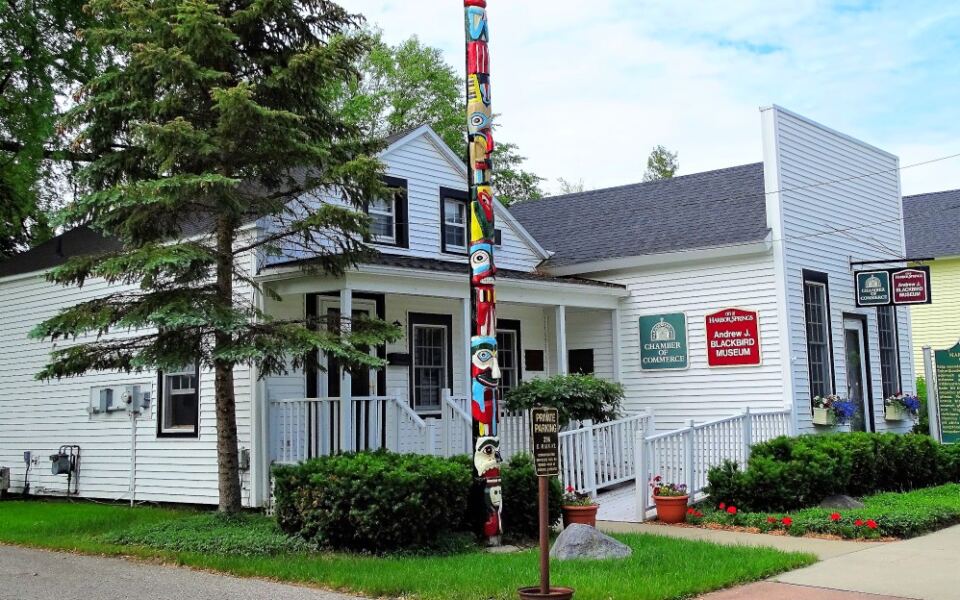
3. Andrew J. Blackbird Museum, Harbor Springs, Michigan
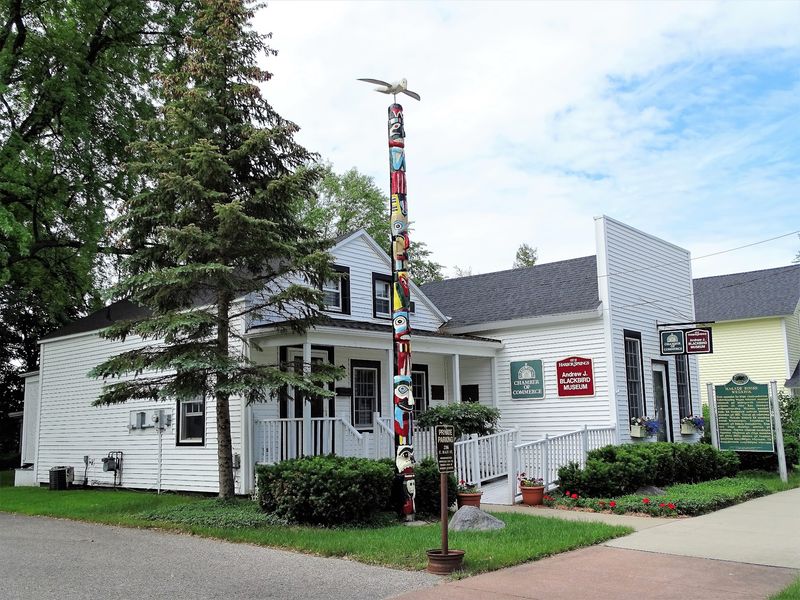
Picture mailing a letter at the home of a published historian. In Harbor Springs, that was everyday life in the late 1800s.
Andrew J. Blackbird was an Odawa leader, interpreter, postmaster, and writer.
His modest Main Street house served as both his home and the local post office.
In 1887, he published History of the Ottawa and Chippewa Indians of Michigan. The book kept his people’s experiences on record in their own words, at a time when few others were writing them down.
The museum gives visitors a personal look at struggles over land rights, political recognition, and keeping culture alive. Those fights shaped much of Michigan in the nineteenth century.
Hours can be limited, so check ahead before you go. Pair it with the Harbor Springs History Museum nearby for a full afternoon of local Odawa history.
4. Potawatomi Heritage Center, Wilson, Michigan
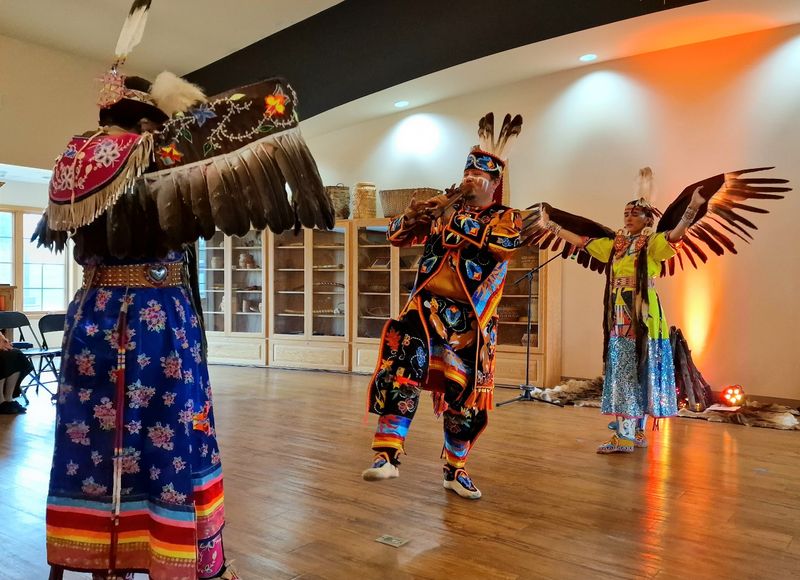
Ask most people to name Michigan tribes, and the Potawatomi of the Upper Peninsula rarely make the list. A small center in Wilson is working to fix that.
The Potawatomi Heritage Center shares the history of the Hannahville Indian Community. Photographs, artifacts, and traditional regalia show how families held on to their identity through many changes.
One highlight is the recognition of Genevieve Sagatow, a pioneering woman in tribal leadership. Her story alone is a great reason to visit.
Many mainstream museums give Potawatomi heritage only a passing mention. Here, it gets the full spotlight it deserves.
Wilson sits west of Escanaba, so it fits nicely into a drive along the southern UP. Call ahead to confirm hours, and ask staff about any upcoming community events that welcome guests.
5. Nokomis Cultural Heritage Center, Okemos, Michigan
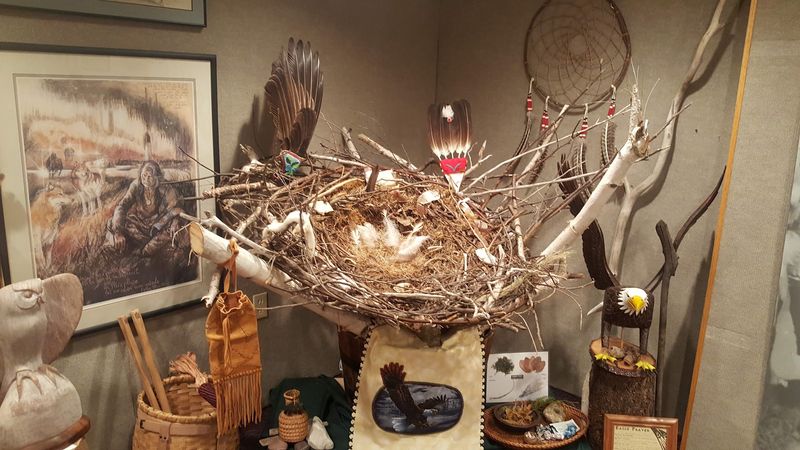
Nokomis means grandmother in Anishinaabemowin, and the name fits a place built around passing knowledge forward.
Located in Okemos, near Lansing, this center celebrates the history, arts, and languages of the Ojibwe, Odawa, and Potawatomi peoples. Together, these nations are known as the Council of Three Fires.
The focus goes beyond old objects in cases. Workshops, exhibits, and special events invite visitors to learn by doing and asking questions.
Language preservation is a big part of the mission. Guests can pick up a few words and learn why keeping a language alive matters so much to a community.
Art lovers will find plenty to study, too. Check the event calendar before visiting, since classes on crafts like beadwork sometimes fill up fast.
It is a friendly, hands-on starting point for families new to Great Lakes Native culture.
6. Grand Rapids Public Museum, Grand Rapids, Michigan
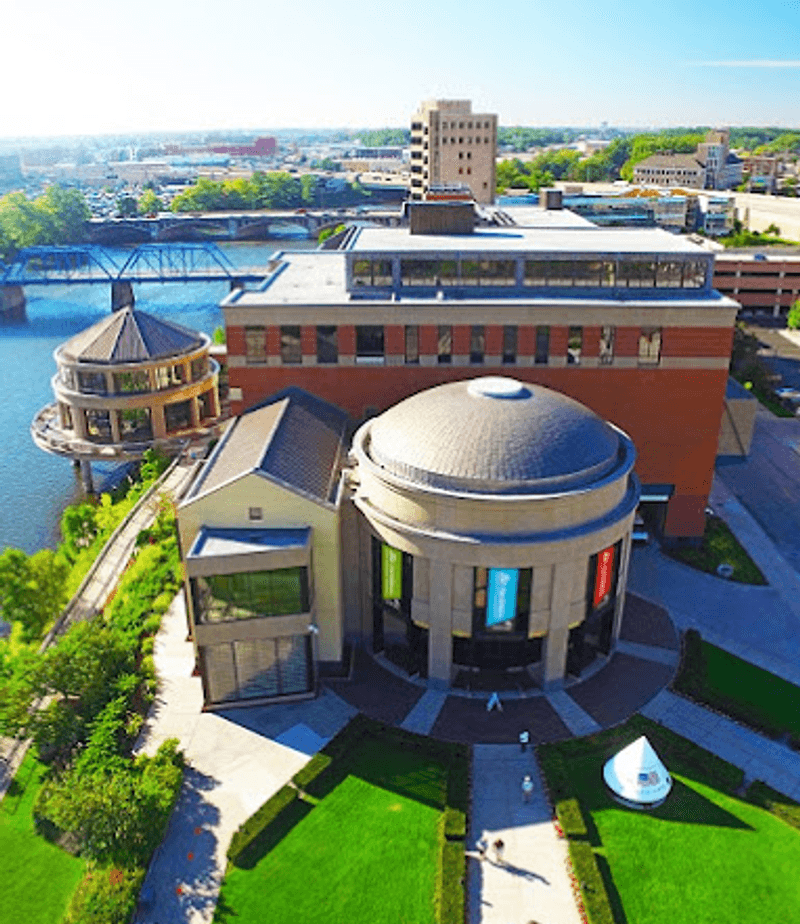
Long before furniture made Grand Rapids famous, the river was the main attraction. People fished, traveled, and built lives along its banks for centuries.
The Grand Rapids Public Museum sits right beside the Grand River. Its exhibits link people, wildlife, and the land around them.
Grand Fish, Grand River is a standout. It shows why the waterway mattered so much, including Indigenous ties to the river and its fisheries.
Beyond that exhibit, the museum holds broader collections tied to Native American history and culture. Visitors can trace how the river shaped communities well before the city grew into an industrial hub.
Families should save time for the carousel and planetarium on site. Parking downtown can be tricky on event days, so arrive early or use a nearby ramp to keep things easy.
7. Michigan History Museum, Lansing, Michigan
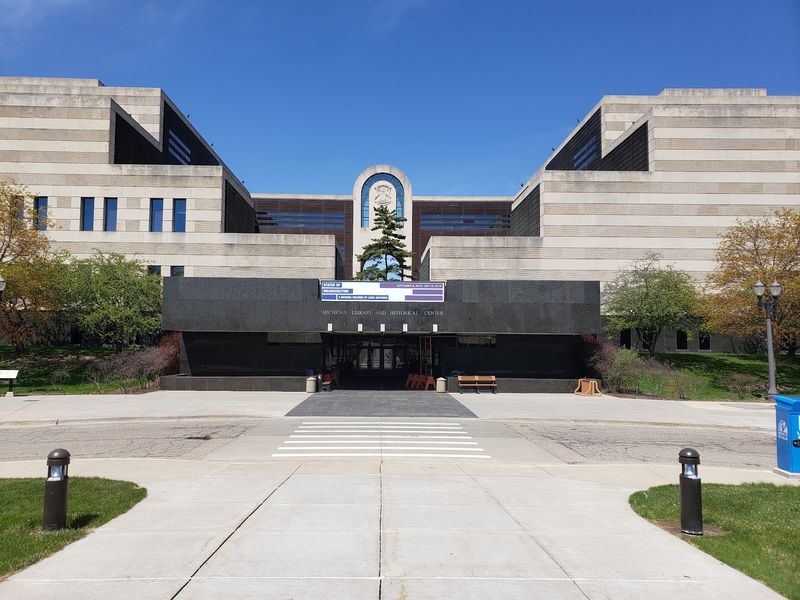
Think of it as Michigan’s family scrapbook, except the first pages start thousands of years ago.
The Michigan History Museum sits inside the Michigan History Center in Lansing. Its galleries follow the state’s story from its earliest people all the way to modern times.
Indigenous communities are placed within that larger timeline. Exhibits also show the changes that came with European exploration and settlement.
This is a great stop for anyone curious about how geography, natural resources, and politics fit together. Seeing it all in one building helps the bigger picture click.
The displays offer useful context for Native nations whose histories began long before Michigan became a state in 1837. Admission is affordable, and the State Capitol is a short walk away.
Students working on school projects will find the layout especially easy to follow, one era at a time.
8. DeVos Art Museum, Marquette, Michigan
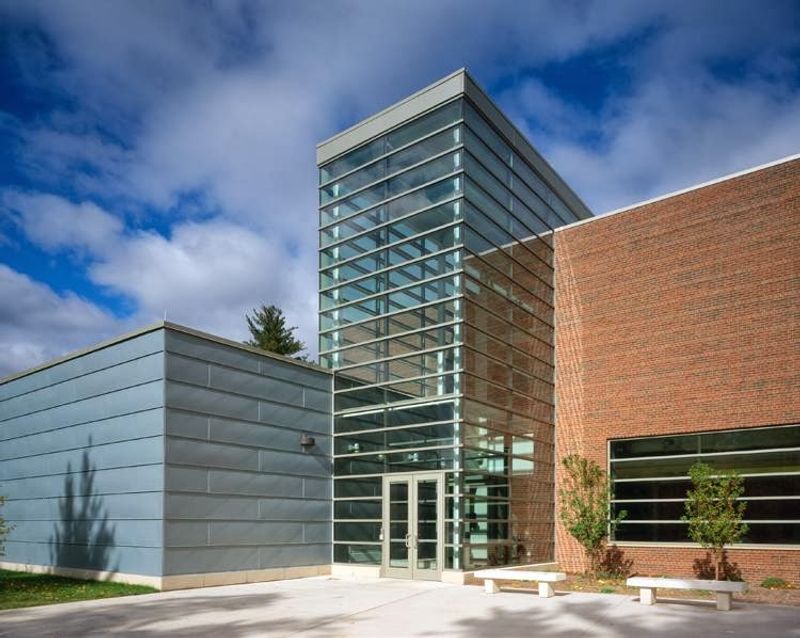
College campuses are not just for lectures and late-night pizza. At Northern Michigan University, one building quietly holds some impressive Indigenous art.
The DeVos Art Museum is part of the School of Art and Design. Its collections include Native American and Inuit art and craft.
Visitors can compare useful everyday objects with decorative pieces. Seeing them side by side shows how skill and style showed up in both.
Rotating exhibitions keep the lineup fresh through the year. Return trips often reveal new artists and new approaches.
Marquette sits right on Lake Superior, so the museum makes an easy cultural break between hikes and beach walks. Check the university calendar, since hours can shift around semester breaks.
Admission is often free, which makes this a budget-friendly way to see Indigenous creativity up close.
9. Drummond Island Historical Museum, Drummond Island, Michigan
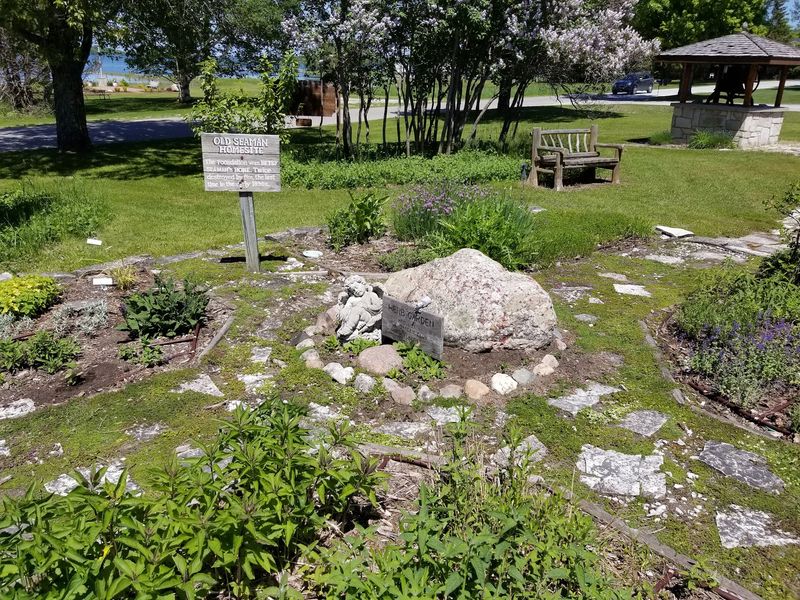
Bring your patience and your ferry ticket. Getting to this museum takes a boat ride, and that is half the fun.
The Drummond Island Historical Museum is housed in a rustic log building. Inside, artifacts tell of Native American communities, early settlers, fishing, and military life on the island.
A section covers the era of British Fort Drummond. For a while, this far-off island held a key spot in Great Lakes strategy.
Today, most visitors come for trails, boating, and off-road adventures. The museum reveals layers of history many of them never hear about.
The ferry leaves from De Tour Village, and the crossing is short. Since the museum keeps seasonal hours, plan a summer visit and confirm open days before you go.
A small donation helps keep the doors open.
10. Dennos Museum Center, Traverse City, Michigan
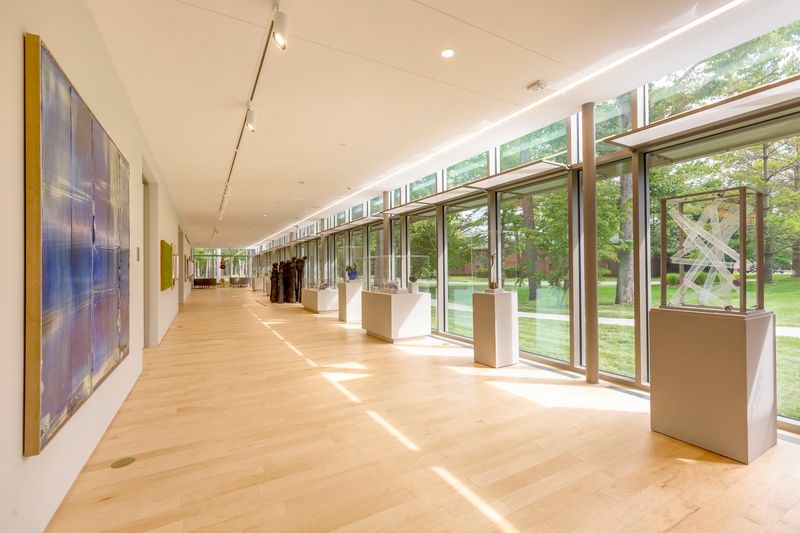
Traverse City is known for cherries, but art fans know it for something else, too. The Dennos Museum Center holds one of the most respected Inuit art collections around.
Located at Northwestern Michigan College, the museum displays sculptures, prints, and other works. They come from Indigenous communities across the Canadian Arctic.
Those pieces were made far from Michigan. Even so, they open a window into Native North American artistic expression that is worth seeing.
Contemporary galleries and changing exhibitions round out the visit. Each one explores links between art, culture, and identity.
Many of the Inuit prints show animals, hunting, and family life. Kids often enjoy picking out favorite creatures in the stone carvings.
Plan about ninety minutes, then head downtown for a cherry treat to finish the day.
11. Sanilac Petroglyphs Historic State Park, Cass City, Michigan
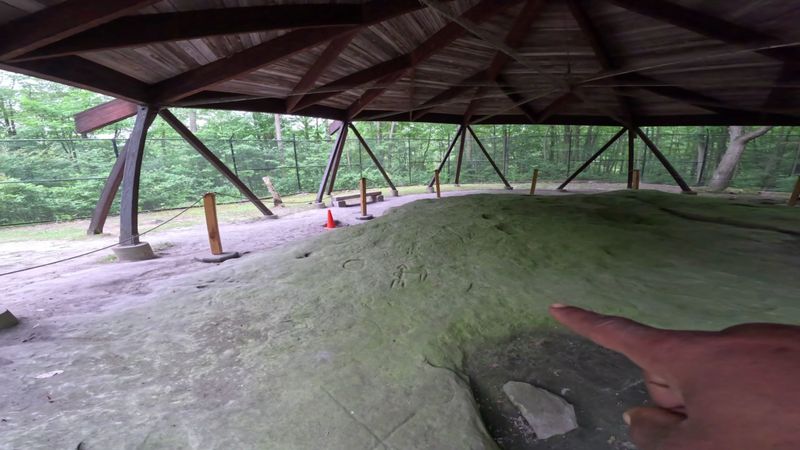
Some history is written in books. Out in the Thumb, it was carved into stone long ago, and it is still there.
Sanilac Petroglyphs Historic State Park protects Michigan’s largest known collection of ancient Native American teachings in rock. In Anishinaabe, the carvings are called ezhibiigaadek asin, meaning written on stone.
The images carry cultural meaning for Anishinaabek communities today. They are teachings, not just old doodles.
The 240-acre park is managed jointly with the Saginaw Chippewa Indian Tribe of Michigan. Seasonal guided tours explain why the carvings matter and how they are protected.
A wooded trail also loops through the property. Plan your trip during tour season, since the carvings sit under a protective structure.
Treat the site with respect, and save the selfies for the trail.
12. Harbor Springs History Museum, Harbor Springs, Michigan
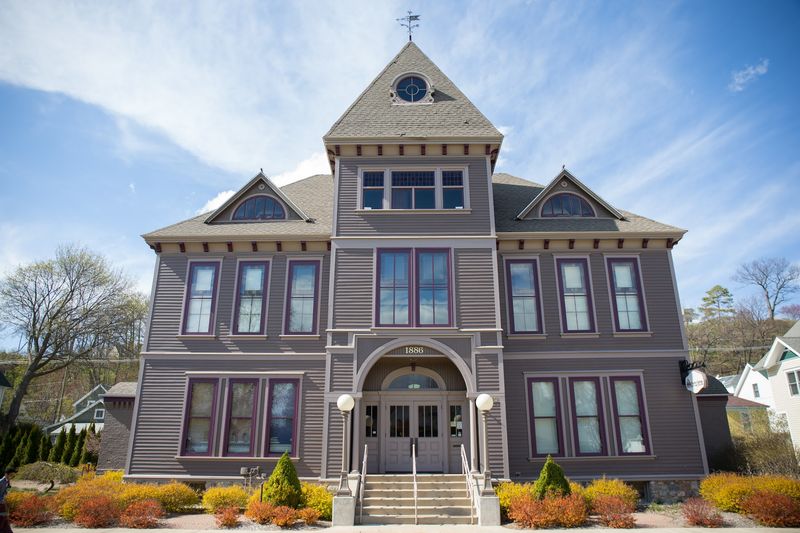
Old vaults usually guard money and records. In Harbor Springs, one guards something much more interesting.
The Harbor Springs History Museum sits inside a well-kept former city hall from the 1800s. It tells the story of a waterfront town where Odawa people lived long before summer visitors showed up.
The permanent gallery begins with those first residents. It then follows the changes brought by settlement, trade, and tourism.
Inside the old records vault, you will find a display of Native American quill boxes. These pieces show a distinctive art form made with dyed porcupine quills on birchbark.
The museum also introduces Andrew J. Blackbird, whose writing helped save Odawa history.
His former home is just down the street, making this an easy two-stop history walk.
13. Kalamazoo Valley Museum, Kalamazoo, Michigan
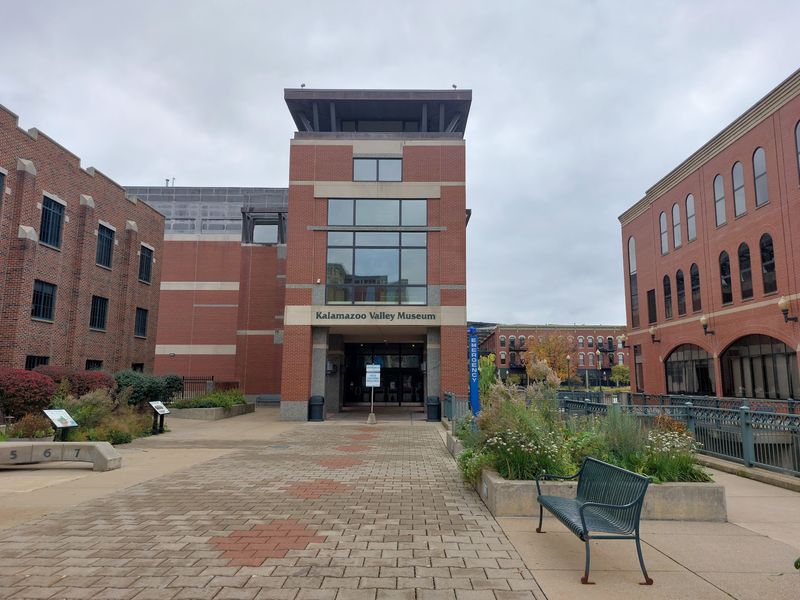
Free admission and a mummy downstairs? Kalamazoo knows how to keep a family field trip interesting.
The Kalamazoo Valley Museum mixes regional history with science and hands-on exhibits. It sits right in the middle of downtown.
Local history displays cover the communities that shaped southwest Michigan. That includes the Indigenous peoples who lived here before European settlers arrived.
Those stories appear next to later chapters on transportation, factories, and daily life. The result is a timeline that shows how the area grew.
Exhibits are built for many ages, so younger kids and grandparents can both stay busy. With general admission free, it is easy to return for a second look.
Check the schedule for planetarium shows, which carry a small fee, and plan lunch at one of the nearby downtown spots.
14. Marquette Regional History Center, Marquette, Michigan
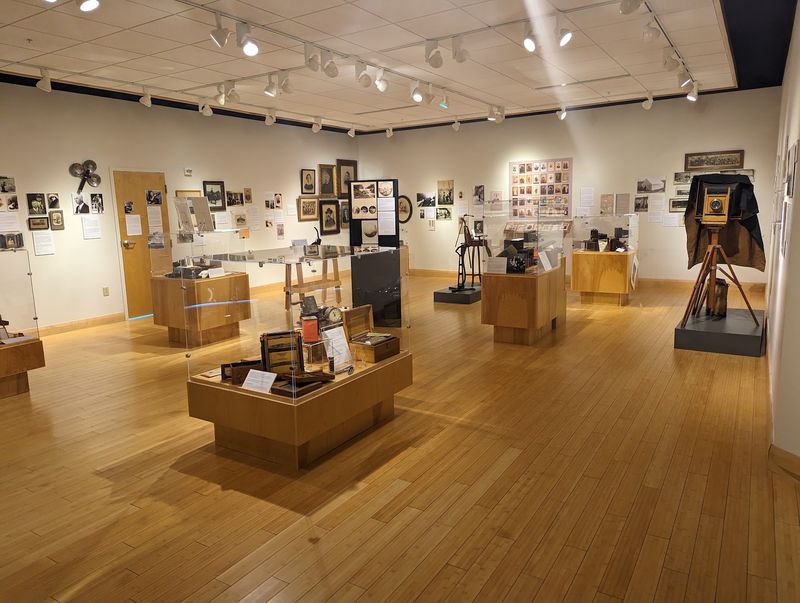
Iron ore made Marquette famous, but people were traveling Lake Superior’s shores thousands of years before the first mine opened.
The Marquette Regional History Center traces that long human story. It starts well before European traders and miners arrived.
Exhibits explore how Indigenous communities connected with natural resources across a changing Upper Peninsula. Copper, waterways, and seasonal travel all play a part.
Archaeological finds and regional artifacts help explain how people lived and moved around the big lake. The details make old history feel close to home.
The center sits downtown, so a visit pairs well with a walk past historic buildings. Researchers will appreciate the archives, which hold maps, photos, and records.
Ask at the front desk about walking tours that connect museum stories to the streets outside.
15. Cranbrook Institute of Science, Bloomfield Hills, Michigan
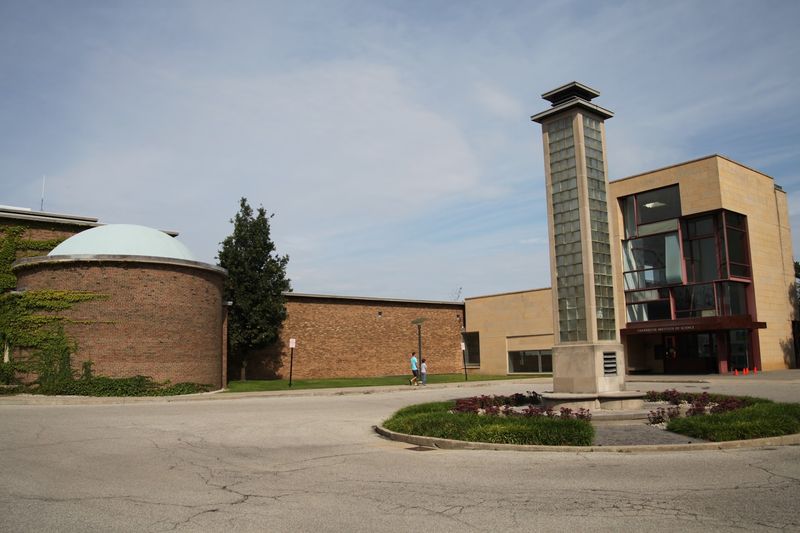
Dinosaurs tend to steal the show here. Still, the anthropology collections deserve their own round of applause.
The Cranbrook Institute of Science is best known for natural history. Its anthropology displays, though, open a path to learning about Indigenous cultures.
Exhibits link objects, materials, and human creativity with the wider history of societies in North America and beyond. Visitors see how people used what the land offered.
Those displays pair well with galleries on Michigan’s ancient environment. You can explore cultural history and natural history in one trip.
The campus also features science exhibits and programs built for curious families. Give yourself a full afternoon, and consider a stroll through the wider Cranbrook grounds afterward.
It is a strong final stop for anyone who wants history and science in the same day.
Share this story