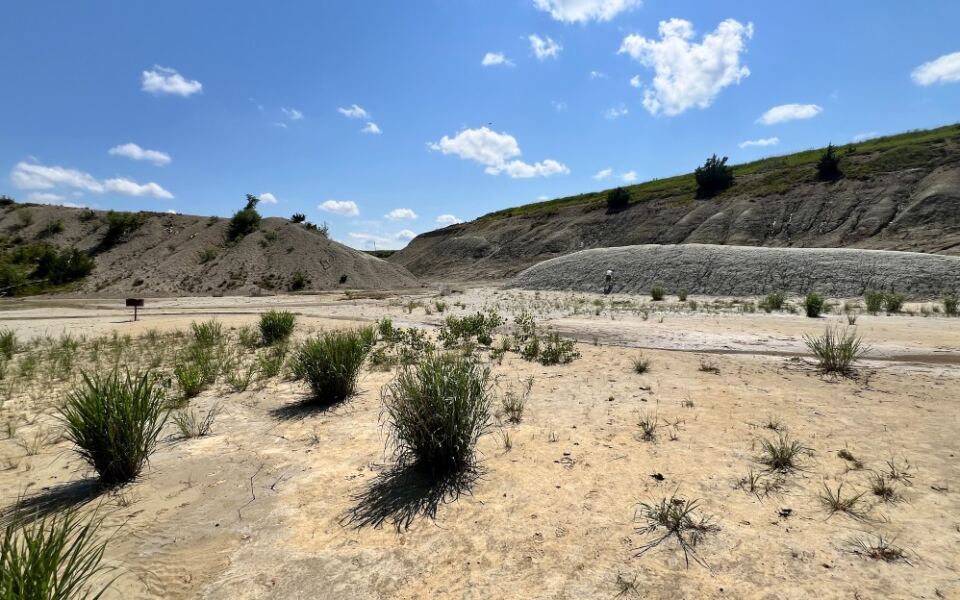
You can find a fossil within a few steps of your car at this Iowa spot. Then you get to keep it.
That is a rare deal.
The fossils here are shells and corals from an ancient sea. Many are around 375 million years old.
They sit in the rock of an old quarry.
I love that a pocket full of prehistory costs nothing to take home. I can’t imagine a better excuse to get a little muddy.
So where do you go to start digging?
Where Fossil Hunting Becomes Free Souvenir Shopping
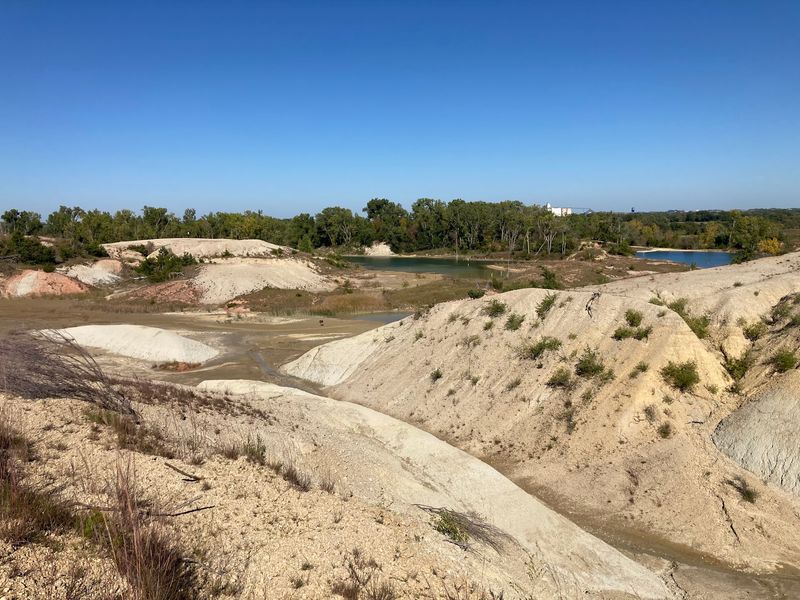
Fossil & Prairie Center, Iowa, is a state-run site where ancient sea life sits right on the ground. Fossils from the Devonian period, about 375 million years old, are what draw people here.
Visitors can pick up fossils and take them home.
The center is a preserve and education site near Rockford. It sits beside an old quarry and a former brick and tile works.
That mix gives the place a strong sense of layers, both in rock and in history.
Think of it as a museum where the exhibits are loose in the dirt. Nobody hands you a glass case or a velvet rope.
You get a pair of eyes, some patience, and a good chance of success.
That setup makes the spot popular with families, rock fans, and anyone curious about Iowa’s deep past. Wear old clothes, bring a bag, and plan to look down a lot.
Your pockets will thank you later, and so will any kid who loves a good treasure hunt.
Meet The Ancient Sea Hiding Under Northern Iowa
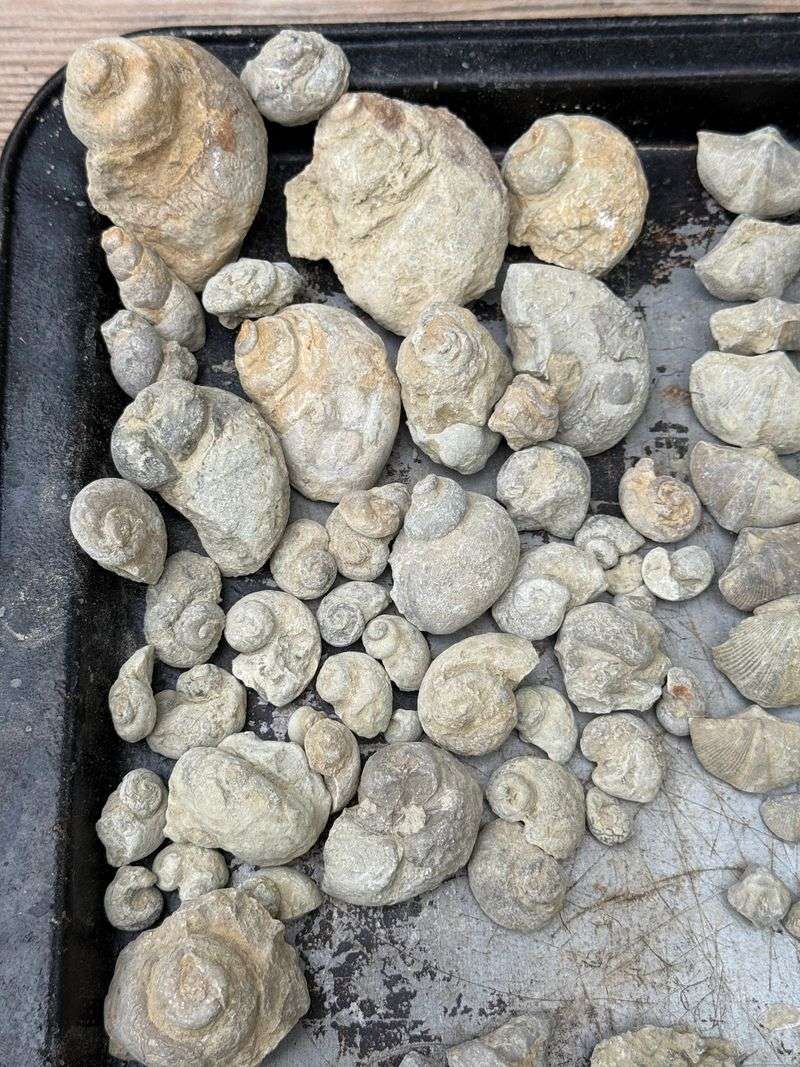
Long before cornfields, a warm shallow sea covered this part of Iowa. Sea creatures lived, settled, and turned to stone over a very long time.
Today their remains are scattered across the quarry floor.
The most common finds are shells. Brachiopods are the stars, and horn corals show up too.
Their shapes are easy to spot once your eyes adjust to the gray and tan stone.
Do not expect dinosaur bones. Dinosaurs came much later than these sea animals.
What you will find is older, quieter, and still amazing to hold.
A good trick is to scan for patterns. Rock is lumpy and random, but fossils have ridges, curves, and tiny details.
Once you spot one, the next ten come quickly.
Some people find a fossil within steps of the parking area. That makes a great first win for younger hunters, and it keeps morale high for the climb ahead.
The Visitor Center Is Worth A Stop Before The Dig
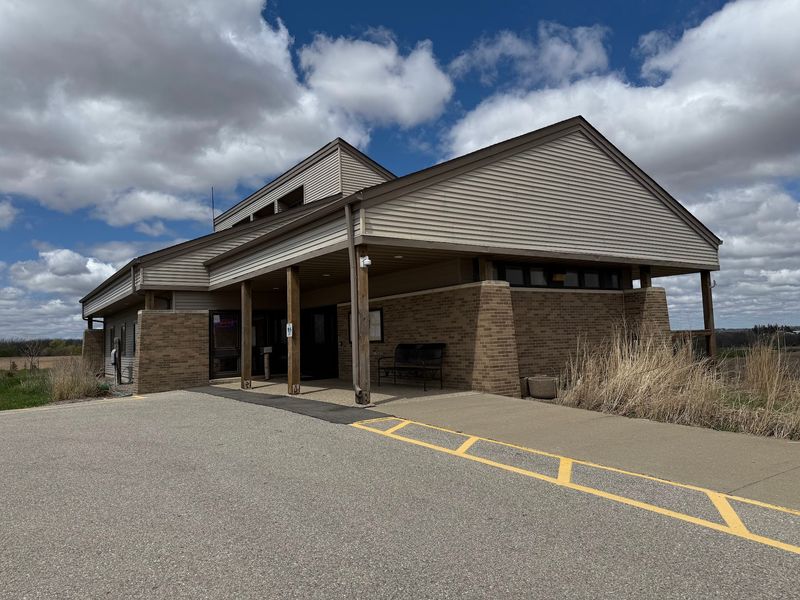
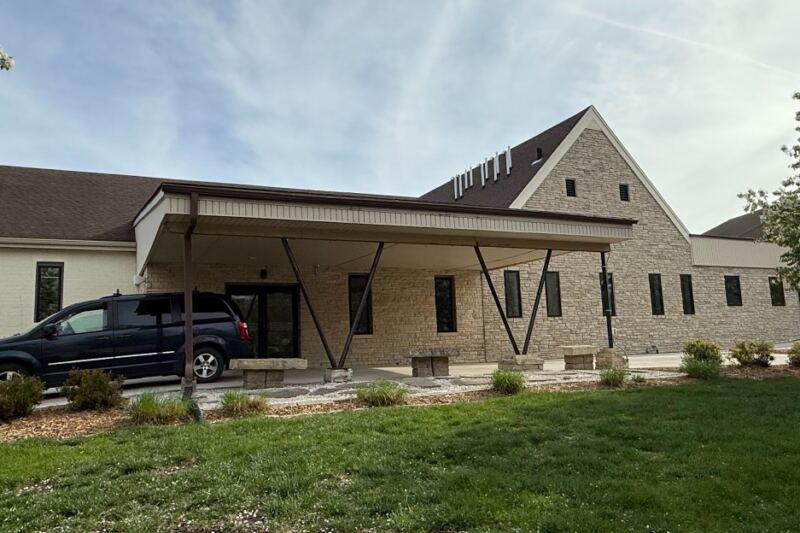
Start inside the visitor center if it is open. It holds displays about local fossils and the natural history of Iowa.
You can learn what to look for before you head outside.
The center also features native animals, including fish, turtles, and salamanders. Kids tend to linger at the tanks.
That gives adults a nice moment to read the signs.
Hours can change by season, and the building may be closed in the off season. Check the official site before you make the drive.
A quick look saves a lot of disappointment.
Staff and volunteers can point you in the right direction. Ask what fossils are common and how to spot them.
A two-minute chat can sharpen your search a lot.
Think of this stop as your warm-up lap. You get the background, a few ideas, and maybe a favorite fossil to chase.
Then the quarry feels less like random rocks and more like a puzzle.
Getting Down Into The Quarry Takes Some Effort
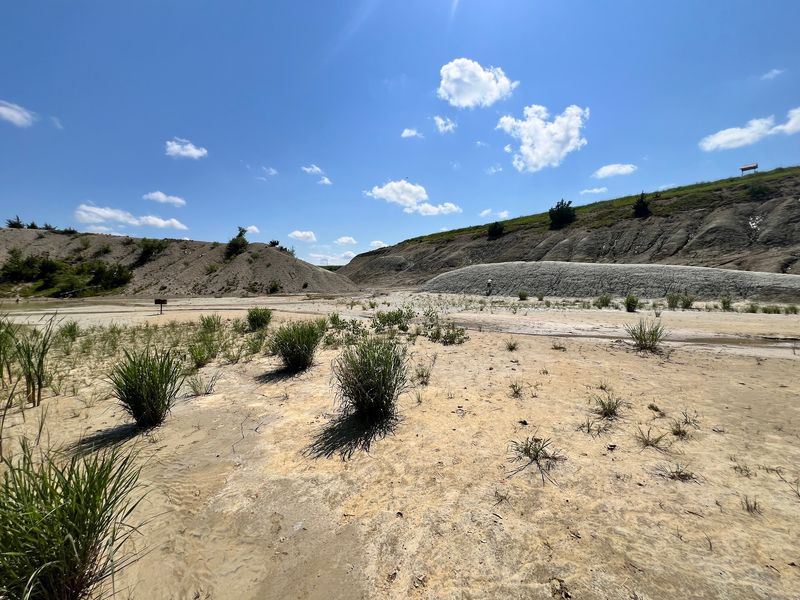
Good news: the quarry is open to explore. Bad news for sneakers: the slopes are steep and the ground can be loose.
Plan on a bit of climbing.
You can hike down the hills or follow trails toward the pits. Either way, the trip back up is the real workout.
Take your time and rest when you need to.
Wet weather changes everything here. The clay soil turns slick and sticky, and it can swallow a shoe.
Many visitors suggest skipping the dig after rain.
The area is not wheelchair accessible down to the dig site. Parents should watch small children closely near drop-offs.
The old pit walls are deep.
You can also stay up top and enjoy the walk. Not every visit needs a deep descent.
Still, the basin is where many fossils wait, so it is hard to resist.
Pack Like A Pro Before You Go
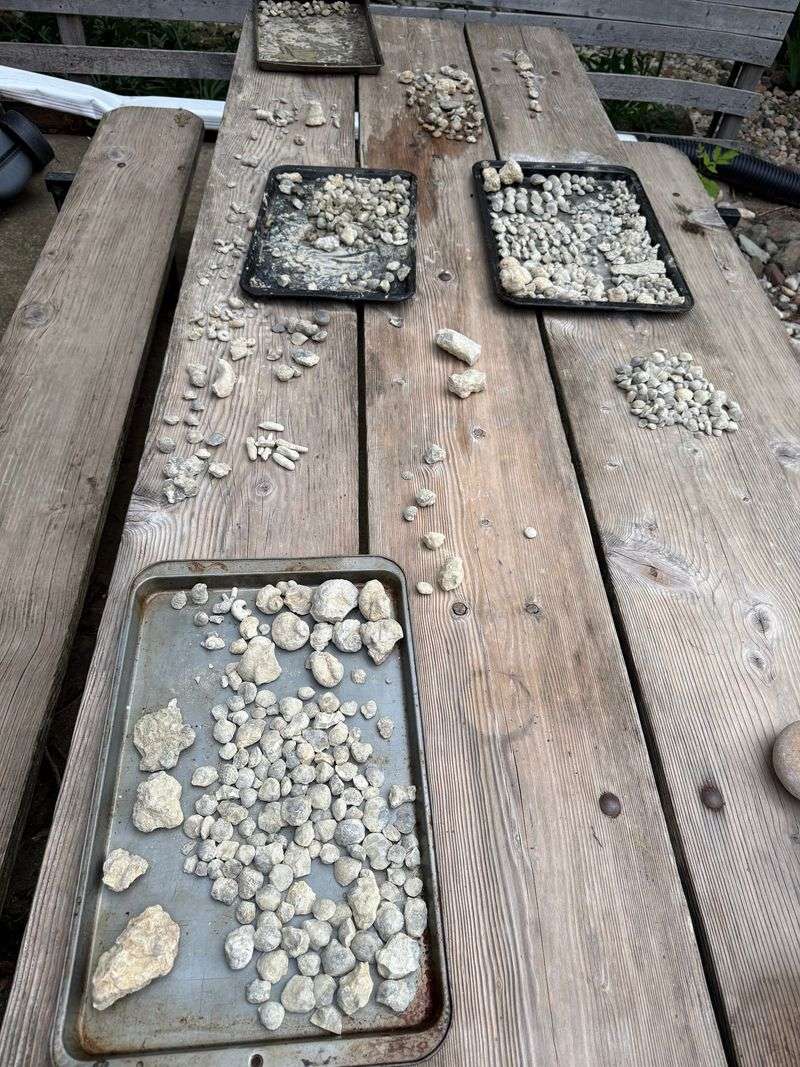
Shoes come first. Pick sturdy boots or thick-soled shoes with a snug fit.
Slippery clay and steep slopes punish flimsy footwear.
Water matters too. The quarry has little shade, so summer days can feel hot.
Bring more than you think you need.
A hat helps with the sun. A canvas bag works better than a bucket for carrying finds, since buckets tip easily.
A small garden knee pad can save your joints.
Leave room for extras. A spare pair of shoes in the car is smart if the mud wins.
A small trowel or shovel may help, but check current site rules first.
Restrooms are available, but they are not plumbed. Plan ahead and bring hand sanitizer.
A little prep turns a muddy day into a fun one.
Old Kilns Add A Second Story To The Day
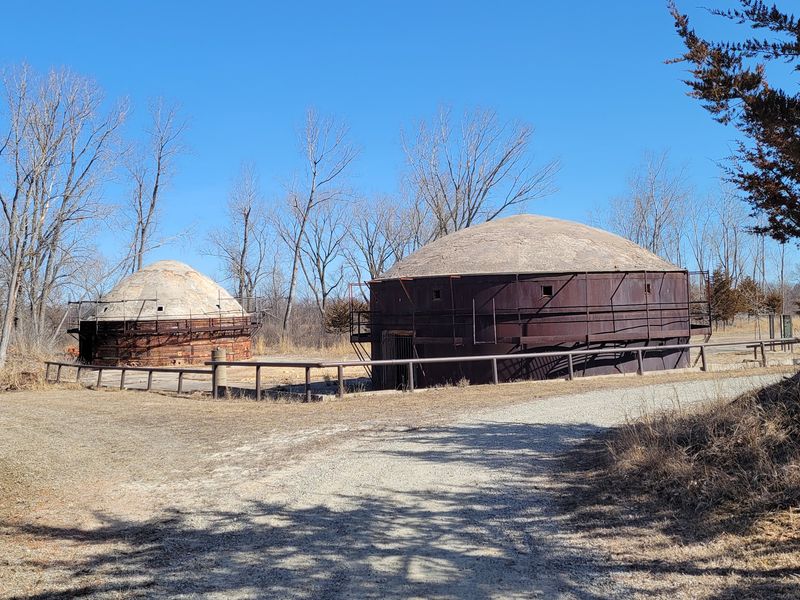
Fossils are not the only history here. The site also holds old kilns from a former brick and tile operation.
Each one looks a little different.
Clay from this land was once shaped and fired into tile. That explains the sticky soil under your boots.
It also explains the old buildings on the grounds.
Walking the kiln area gives your legs a break from the climb. You can read signs, take photos, and imagine the work that happened here.
It is a nice contrast with the ancient sea story.
Trails lead past the kilns toward the river. A bridge on the far side offers a pretty place to pause.
Stay on marked paths and watch your step.
Many visitors call the kilns a highlight. They add variety for anyone who needs a break from rocks.
History fans get a full day out of it.
Prairie Trails Give The Place Its Second Name
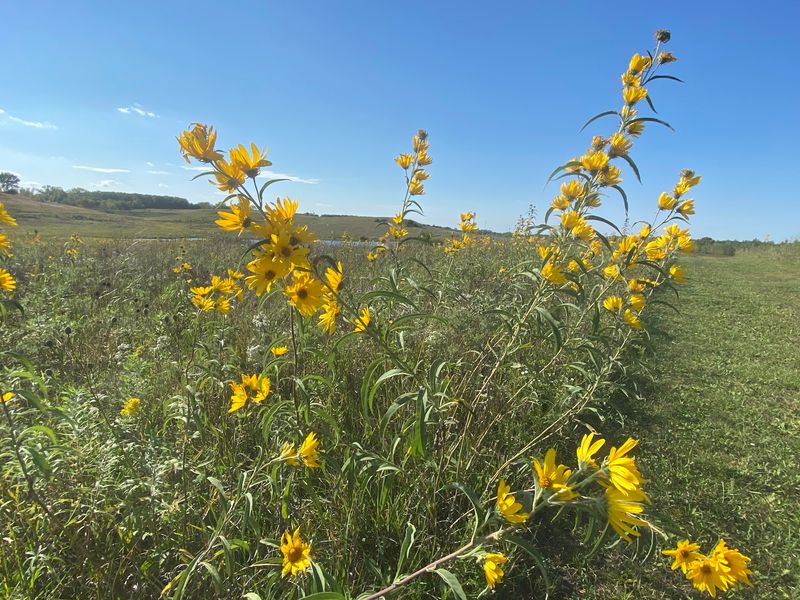
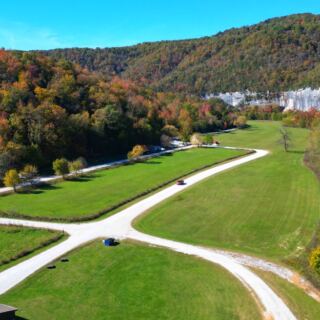
The word Prairie in the name is not decoration. The grounds include native prairie, with wildflowers and wildlife along the paths.
It is a calm contrast to the rocky pits.
Trails are marked and signs explain the fossils and land. Many routes are gentle and good for a slow walk.
That makes the site friendly for people who want fresh air more than a climb.
Spring and summer bring color, while cooler months bring quiet. Winter and early spring may mean fewer visitors.
They may also mean a closed center.
Bring binoculars if you like birds. Keep an eye out for butterflies and small creatures too.
Nature is part of the show here.
Walking the prairie also helps you rest between hunts. You can sort your finds on the trail.
Slow steps, sharp eyes, and a full water bottle make it easy.
Fishing, Picnics, And Other Reasons To Stay Longer
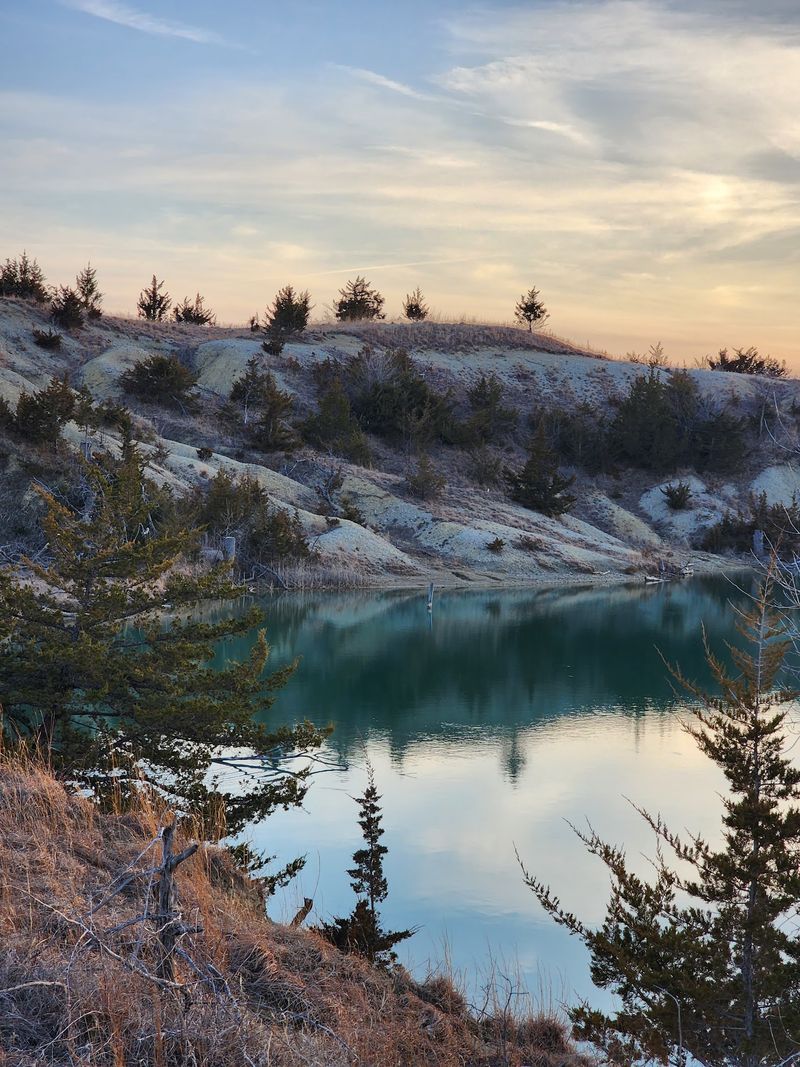
Plan a bit more than a quick stop. The grounds offer a picnic area, scenic views, and spots to set up chairs.
It is easy to turn a fossil trip into a whole afternoon.
Fishing spots are also part of the area. Check current rules and licensing before you cast a line.
State regulations apply.
The turquoise water in the pits catches the eye. It looks lovely, but stay on safe paths.
Steep edges are not good places for goofing around.
Bring snacks and a lunch to enjoy after the hunt. Hungry kids burn out fast on slopes.
A shady table feels great after a sunny quarry.
Fossil & Prairie Center, Iowa, works well as a day trip. Pack your gear, take breaks, and leave time for the walk out.
A relaxed pace makes the memories better.
The Address And Easy Trip Planning Tips
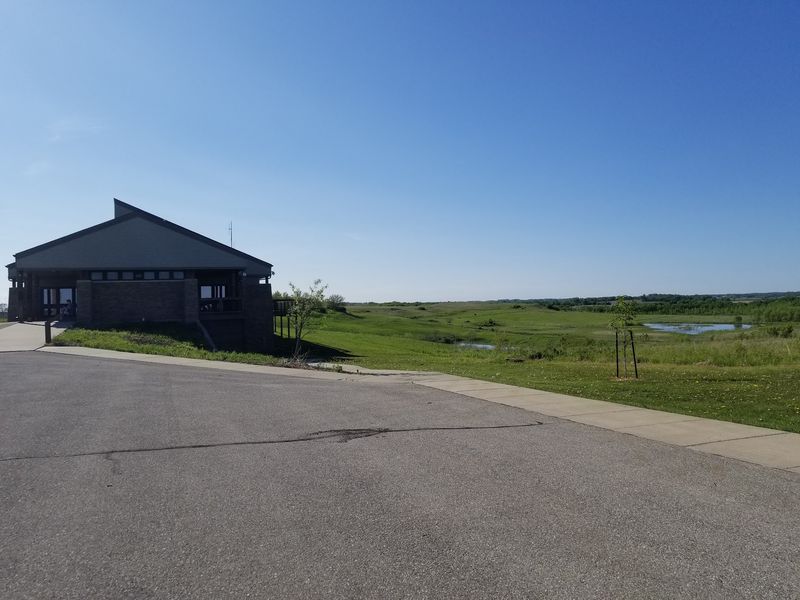
Put 1227 215th St, Rockford, IA 50468 into your map app. The site sits in Floyd County in northern Iowa.
A large parking lot makes arrival simple.
Rockford is a small town, so plan food and gas before you go. Mason City is also within reach for more services.
Check the drive time ahead.
Look up the current hours on the official site before leaving. Seasonal changes can affect the visitor center.
The outdoor areas may be easier to visit, but conditions still matter.
Choose a dry day if you can. Clay soil and rain do not mix well.
A sunny forecast is your friend.
Go early in summer to beat the heat. Bring patience and a plan for the climb back.
Then pocket a fossil and enjoy the quiet drive home.
Share this story