A basement kitchen sits under a Victorian home in Iowa, and it belongs to a story most people never learned in school. The family who lived upstairs helped people seeking freedom on the Underground Railroad.
I like that this house is still standing, still cared for, and still open to the public. I believe old homes tell the best stories when someone walks you through them.
Tours are guided, small, and built around questions. Three floors hold furniture, artifacts, and family stories.
So which Iowa house played such a quiet part in a big chapter of American history? Let’s find out.
A Victorian Home With A Big Story
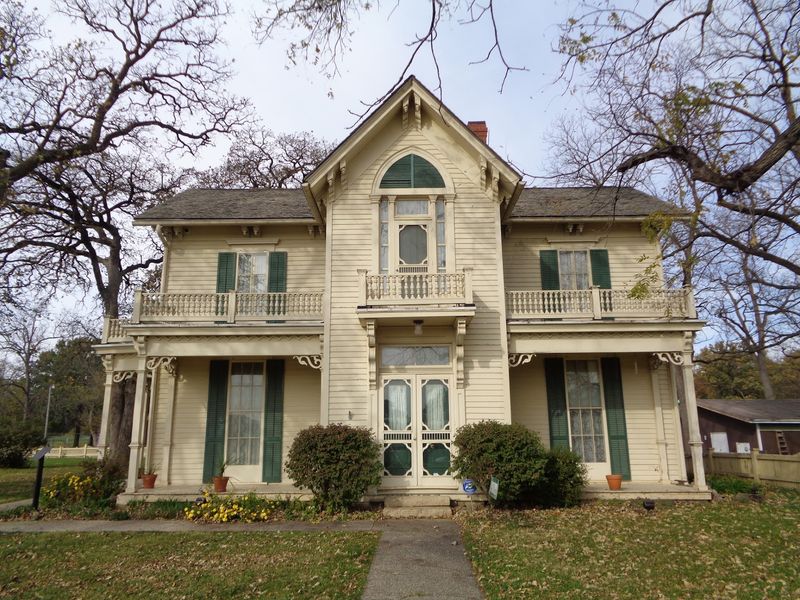
The Jordan House Museum looks like a handsome old home, and that is exactly why its story surprises people. It is a landmark Victorian house in Iowa with guided tours, exhibits, and artifacts.
The museum is known for its Underground Railroad history. That means the house is not only about furniture and fancy rooms, but also about courage and quiet choices.
Visitors often meet the house first from the outside. A small loop parking lot sits next to it, and a sidewalk passes under a trellis to reach the south-facing entry door.
That simple walk sets the mood nicely. You leave the road behind, step toward the door, and get ready for a tour that explains how one family fit into a much larger fight for freedom.
The house also gives people a way to connect with local history. Instead of reading a short paragraph in a book, you stand in the place where the story happened and picture real people living it.
It is a calm start to a thoughtful visit, and the setting makes the history feel close and easy to understand.
The Jordan Family Behind The Walls
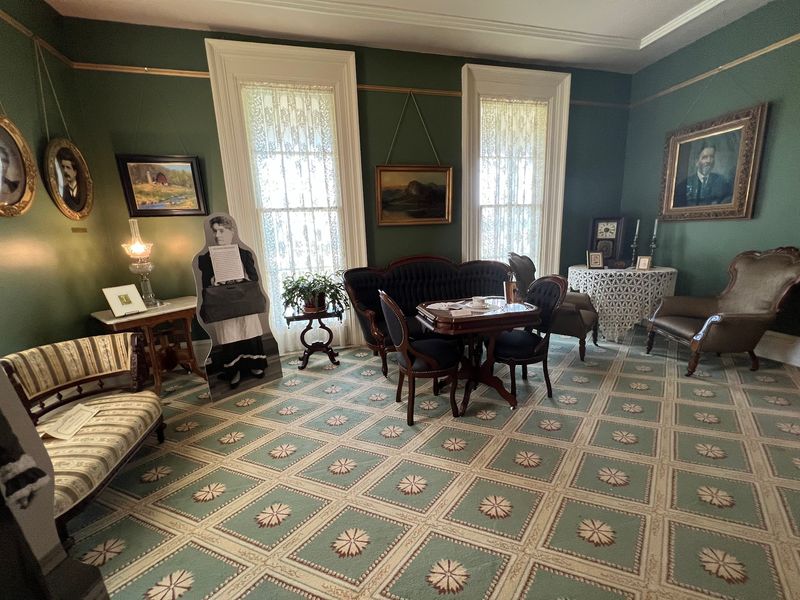
Every old house has a family, and this one has the Jordans. The tour explains the family background and how they supported people seeking refuge on the Underground Railroad.
That focus matters because the story is about real choices made by real people. Guides help visitors understand who lived here, how they lived, and why their home became part of this history.
The tour also covers the domestic life of the family. You hear about daily routines, rooms, and belongings, not just big historical dates.
This mix keeps the visit lively. One moment you are learning about family life, and the next you are thinking about the risks that came with helping others find freedom.
The Jordan House Museum is run by the West Des Moines Historical Society. Its team says it loves telling West Des Moines history, and that enthusiasm gives the stories a friendly feel.
If you enjoy people-centered history, this stop is a strong match. The house becomes a doorway into the lives of those who passed through it.
Why The Underground Railroad Matters Here
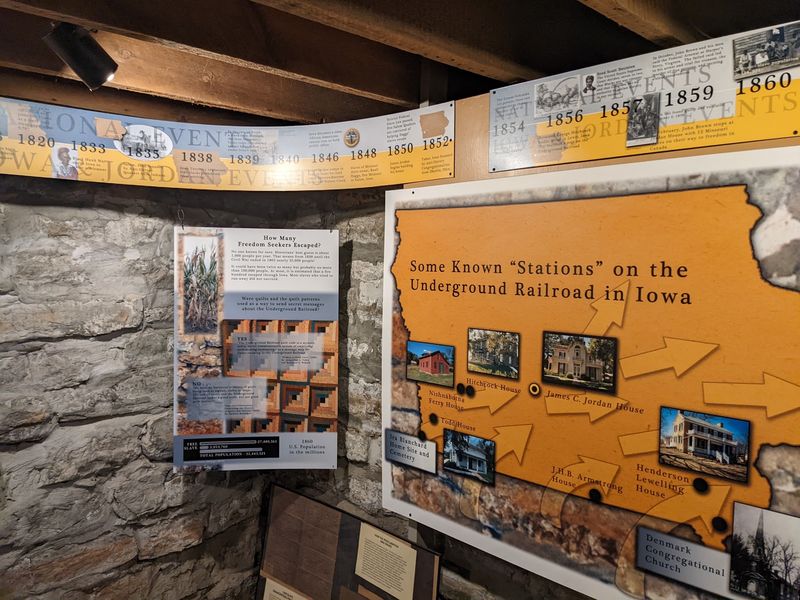
Here is a good reason to visit: the museum features Underground Railroad exhibits, history, and artifacts. The house helps explain how a quiet Iowa home could connect to a national story.
Tours share the history of the Jordan family and their involvement in supporting passengers seeking refuge. Displays and spoken stories work together, so you get both pictures and context.
The museum also talks about the continuing fight for freedom. That gives the visit a bigger frame, because the story does not stop in the past.
For students, this can make history feel less distant. A name in a textbook becomes a family, a house, and a set of choices.
For adults, the tour offers a fresh look at local heritage. Central Iowa has a rich role in this history, and the house helps bring it into focus.
Ask questions along the way. The museum says it welcomes visitors who are curious and eager for deeper talks, and that makes the experience feel open and human.
Take A Three-Floor Tour
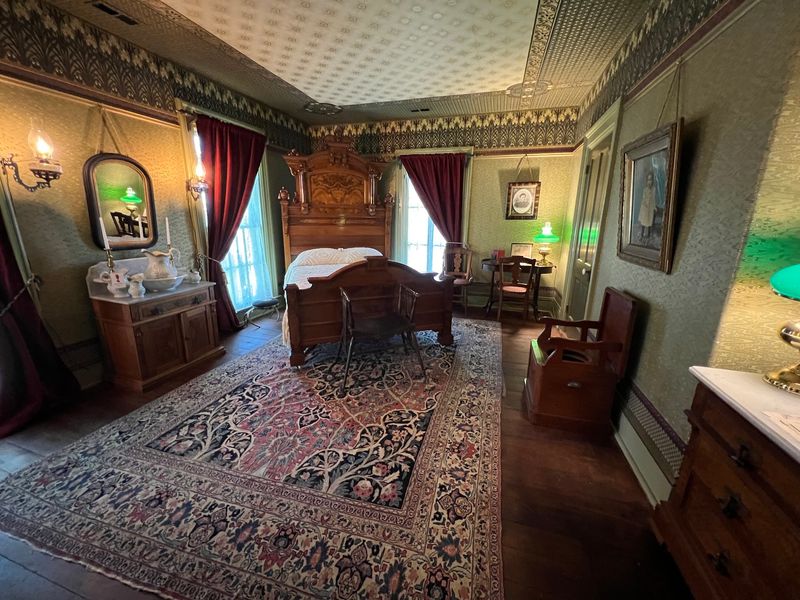
Plan for a little over an hour. The guided tour moves through three levels of the home: the cellar, the ground floor, and the second floor.
Guides begin by setting the historical scene, then lead guests through the house. People are encouraged to ask questions as they go, which makes each tour feel a bit different.
After the formal tour ends upstairs, visitors can explore a few more rooms and displays. Guides may also stay available for extra questions and small group talks.
That relaxed ending is a nice touch. You are not rushed out the door the second the last fact is shared.
The tour covers the house’s architecture, decorative features, furnishings, and family life. It also includes the Underground Railroad story that gives the site its special place in Iowa history.
Because the house has stairs, be ready to climb. The tour works well for curious kids and for adults who are comfortable moving between floors.
Save Time For The Basement
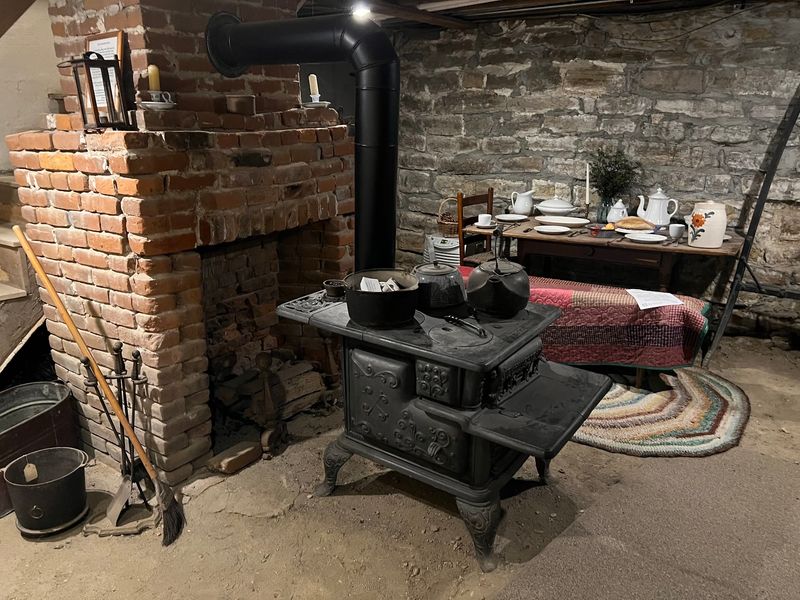
The basement gets a lot of attention, and it earns it. This home has a good-sized cellar that first held the kitchen.
That detail changes how you picture daily life. Instead of cooking on the main floor, the family used lower space for a key household job.
The basement is also a fun reminder that old homes were built for different routines. Every room can answer a question about how people lived, worked, and shared space.
Visitors have called the lower level amazing, and that makes sense for a history lover. It gives you a different angle from the polished rooms above.
Ask your guide about what the space was used for and how the house changed over time. Questions are part of the fun here, and the staff welcomes them.
Even if you only remember one room afterward, this one may be it. It gives the Jordan House Museum a memorable, down-to-earth detail.
Furniture, Artifacts, And Stories With Details
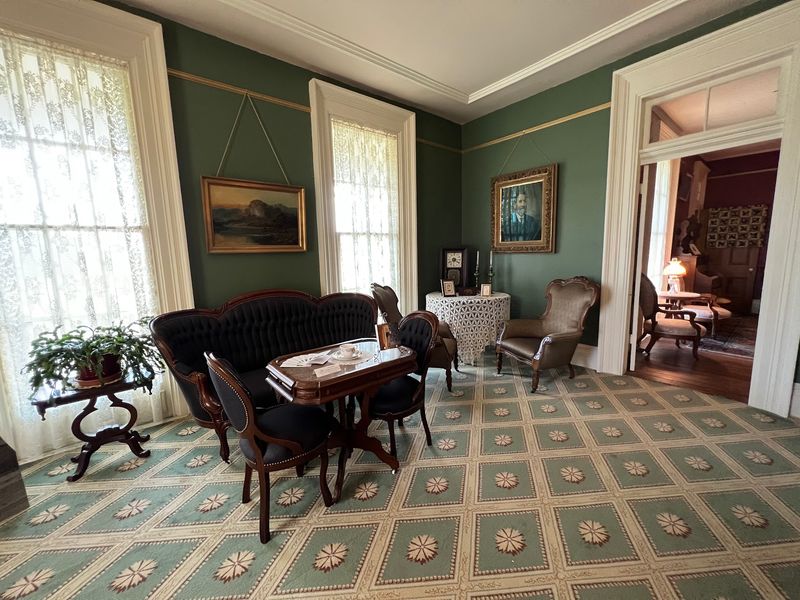
Old objects can talk, if someone explains them. At this museum, the guides share stories and details about items in the house.
Artifacts help bring the Jordan family and the Underground Railroad history into the room. You are not only hearing a timeline, but also looking at things connected to the story.
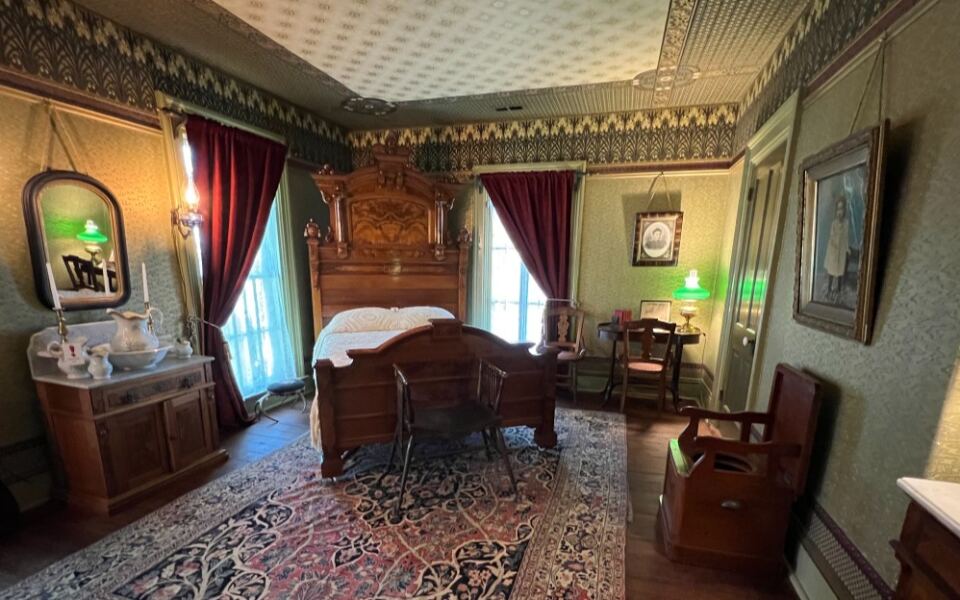
The home itself is part of the collection. Its architecture, decorative features, and furnishings show how a Victorian household looked and worked.
This is a good stop for people who like small clues. A chair, a display, or a room layout can spark a whole conversation.
Some visitors may want even more detail about how the Jordans helped others, and the questions are a good way to dig deeper. The tour is designed for conversation, not silence.
Take your time in the extra rooms after the tour. A few more displays are waiting, and your guide may be happy to keep talking.
Plan Ahead For Friday And Sunday
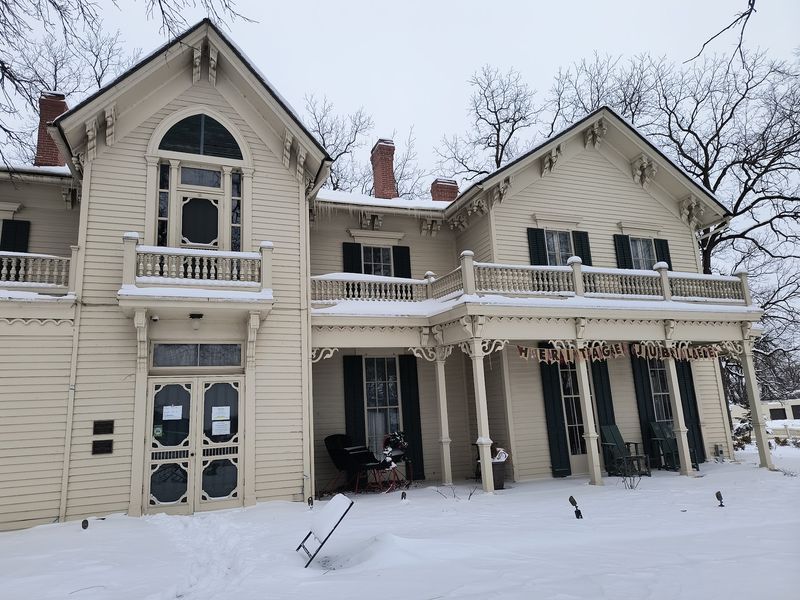
Timing matters at this museum. Public tours are offered on Fridays and Sundays, with posted times at 11 AM and 1 PM.
The museum has said public tours are only five dollars, but check current details before you go. Tickets can be reserved online, which guarantees a spot on the tour.
Walk-up space may be available, but it is smarter not to count on it. A docent needs to be on site, and the groups stay small enough for conversation.
That small size is one of the best parts. Questions are easier, stories feel more personal, and the guide can pay attention to everyone.
Families can bring early school-aged children, and older visitors who can handle stairs can enjoy it too. The house is best for people who like history, though.
If you plan your visit early, you can focus on the tour instead of worrying about whether there is room. Good planning makes a simple trip feel smooth.
The Grounds Are Part Of The Visit
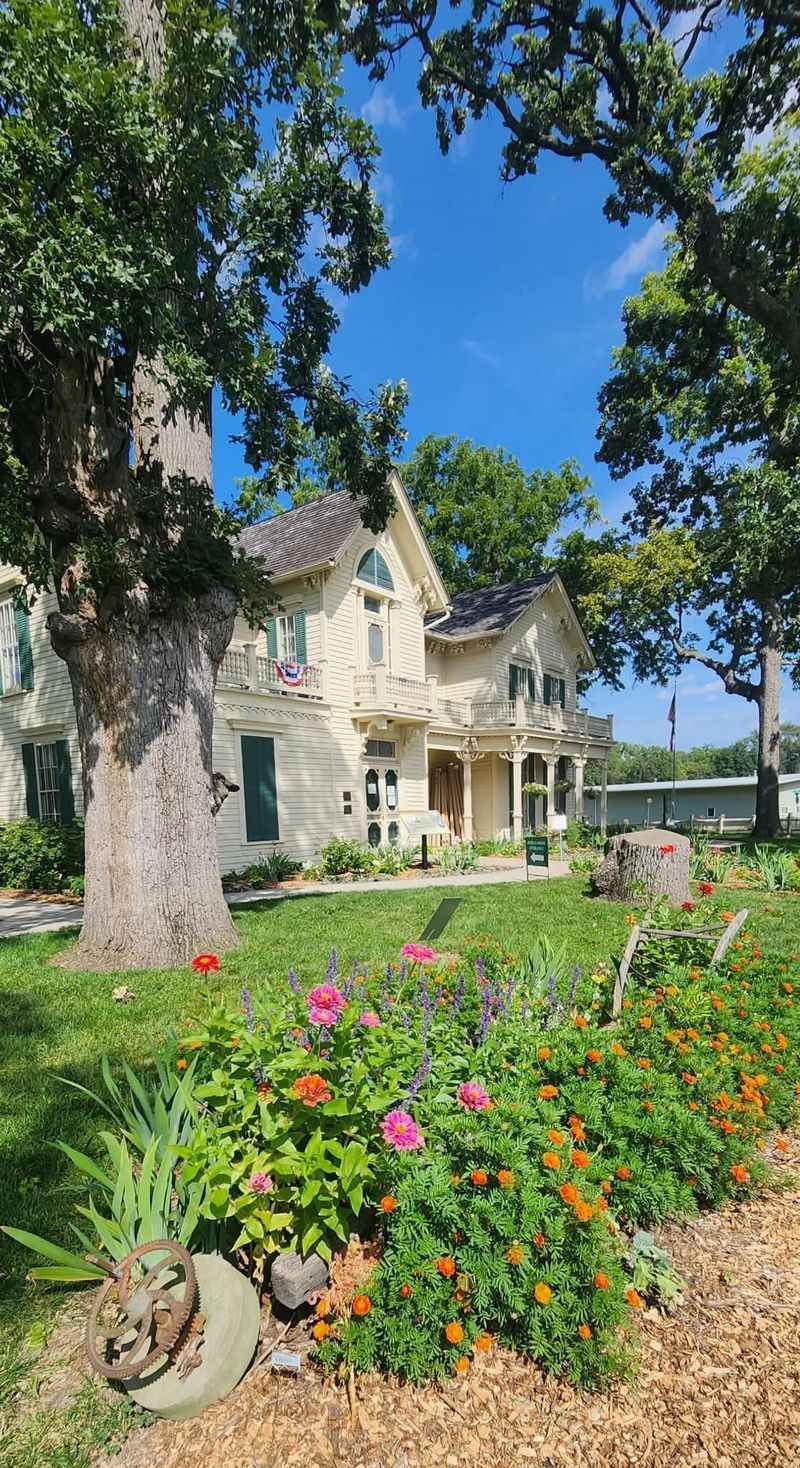
Step outside, and the visit keeps going. The gardens and grounds around the house are a lovely part of the trip.
The property also has room for events, including weddings on the lawn. That shows how the site can serve as both a history stop and a beautiful place to gather.
The landscape around the historic site is being developed into a natural recreation space. It is wise to check current plans before you go, since projects like that can change.
A garden walk is a nice way to slow down after the tour. You can think about the stories, ask yourself what stood out, and enjoy the open air.
The trellis near the entry door adds a pretty detail before you even step inside. It makes the arrival feel welcoming.
History does not have to stay indoors. Here, the setting helps you pause and absorb what you learned.
Find It In West Des Moines
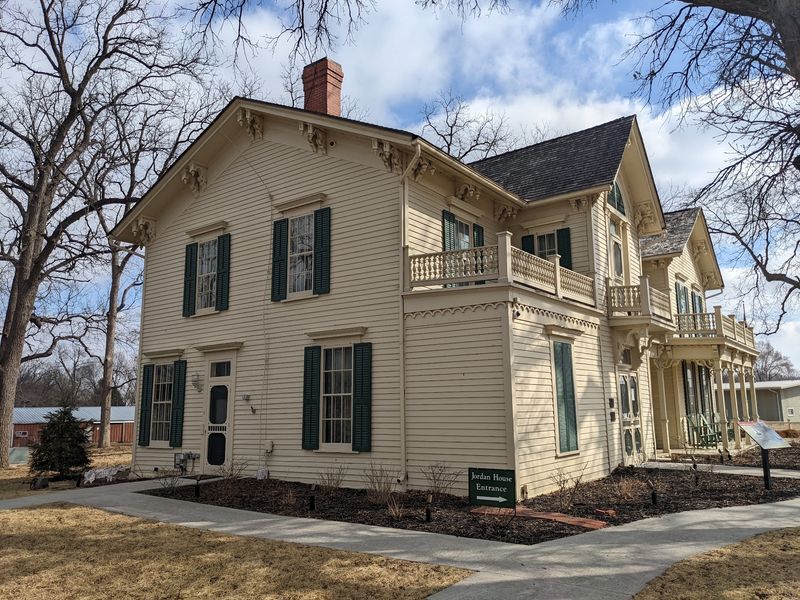
You will find the Jordan House Museum at 2001 Fuller Rd, West Des Moines, IA 50265. It is part of the Greater Des Moines area, so it fits easily into a day of local exploring.
Parking is simple. A small loop lot sits off Fuller Road beside the house, and a sidewalk leads to the entry.
This is a good stop for anyone curious about Iowa heritage. It offers a close look at one family, one house, and one important thread in American history.
Bring questions, wear comfortable shoes, and expect stairs. The tour is about an hour, with time to linger if you want more.
The best part is how personal it feels. A quiet Victorian home in Iowa turns into a place where freedom stories are shared with care.
That is a pretty strong reason to put it on your list.
Share this story