A trap door in the floor of a modest 1800s house once opened onto a dark cellar where freedom seekers waited for their chance. That house still stands in Tennessee, and you can visit it today.
The home is small and easy to pass by. Yet it holds tunnels, a cramped crawl space, and old artifacts tied to the Underground Railroad.
I like how the story here feels close enough to touch. You don’t just read about hiding places.
You stand above them, then step down into one.
I can’t imagine a better way to make history feel real for curious kids and grown-ups alike. Cameras stay put away inside, so your full attention goes to the stories.
So what was it like down in that cellar, waiting in the dark?
An Unassuming House With a Secret Beneath the Floorboards

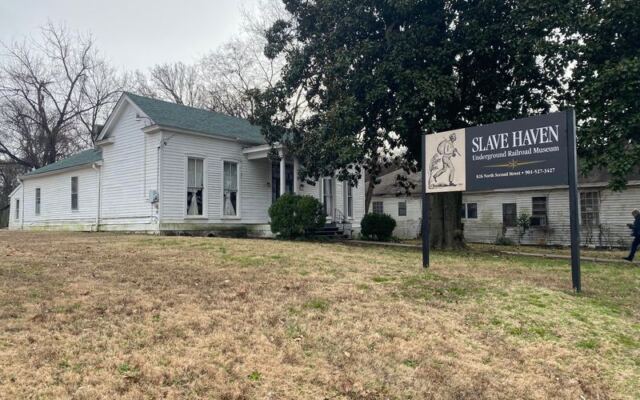
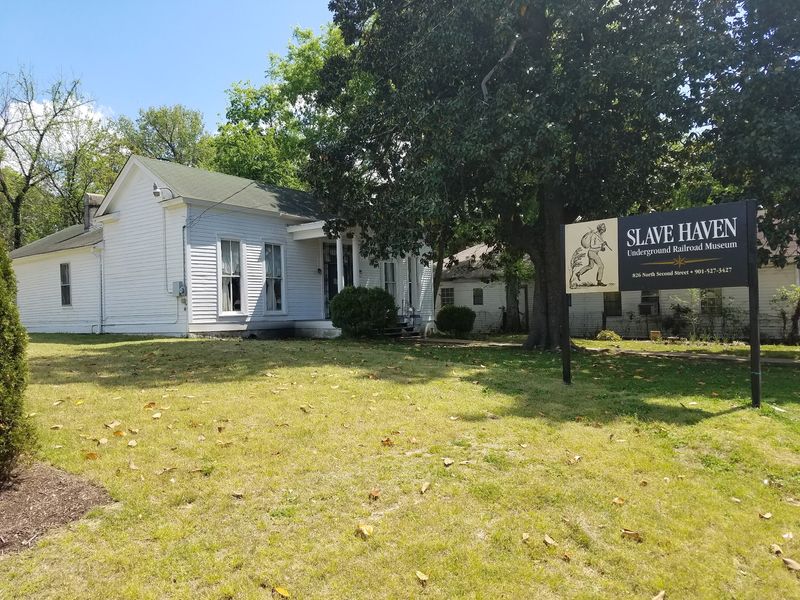
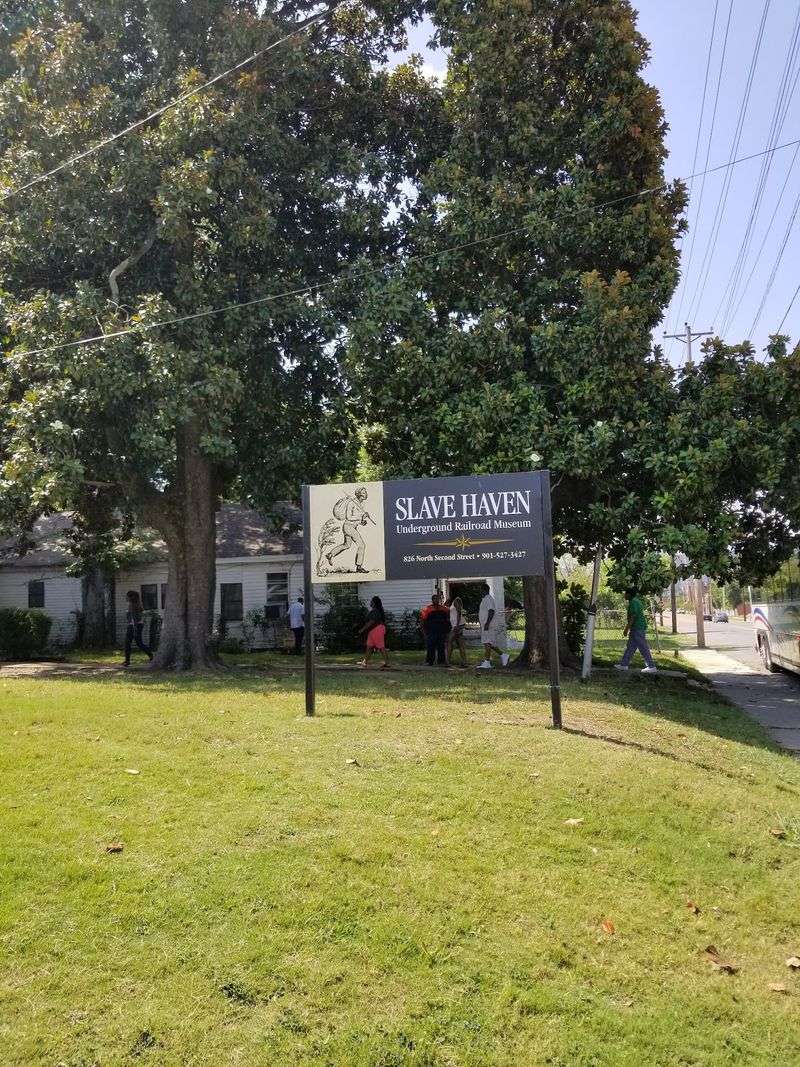
Slave Haven Underground Railroad Museum sits inside a 19th-century home in Memphis. From the street, it looks like a quiet old house with nothing much to say.
Looks fool people, though. Below the floors sit a cellar, a crawl space, and the kind of hiding places that changed lives.
The museum is also known as the Burkle Estate, named for its original owner. Some folks know it by one name, some by the other, and both lead you to the same front door.
Inside, each room holds displays and artifacts connected to slavery and the Underground Railroad. The collection tells a hard chapter of American history in a direct, personal way.
Tennessee has plenty of big, famous museums with sprawling halls. This one works on a smaller scale, and that is exactly its strength.
You move through a real home rather than a gallery built for crowds. That setting makes every story feel tied to a specific place and a specific risk.
Many Tennesseans have never heard of it. That alone makes it a fine addition to your next Memphis weekend list.
Jacob Burkle and the Home Built With Purpose
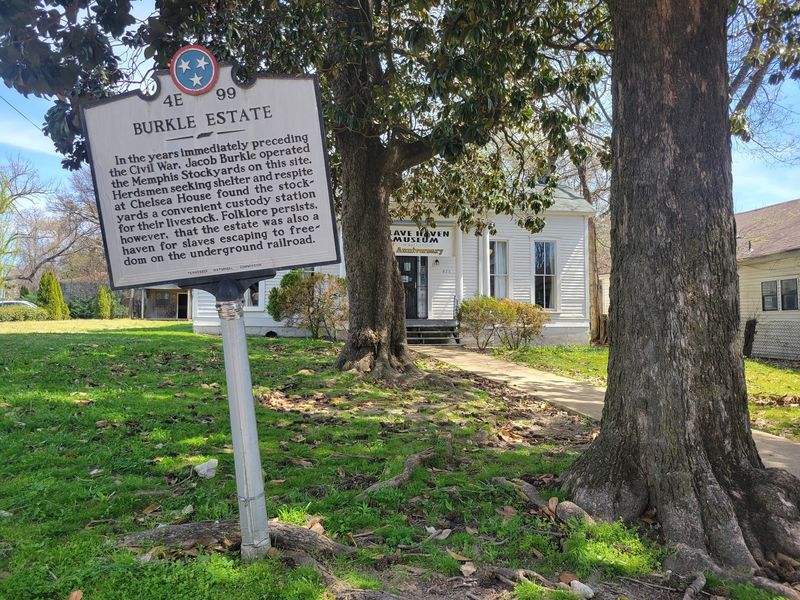
Jacob Burkle, the man behind this house, is remembered as an abolitionist. The museum tells how his home became a stop for people escaping slavery.
His story centers on one bold idea. The house is said to have been built with hiding spaces underneath, along with openings that let in light and air.
Those small openings matter more than they sound. They meant people hiding below could breathe and catch a glimpse of daylight while they waited.
The location adds another layer to the tale. Memphis sits on the Mississippi River, a major route for people trying to travel north toward freedom.
Records from the Underground Railroad era are often thin, since secrecy kept people safe. That’s why the museum presents the house through its stories, displays, and physical spaces.
I believe that mix gives visitors something a textbook can’t. You see the floors, the cellar, and the layout, then connect them to the courage they once protected.
It’s a reminder that ordinary homes could hold extraordinary choices. Burkle’s house is one Tennessee example still standing for anyone willing to look.
Down Through the Trap Door Into the Cellar
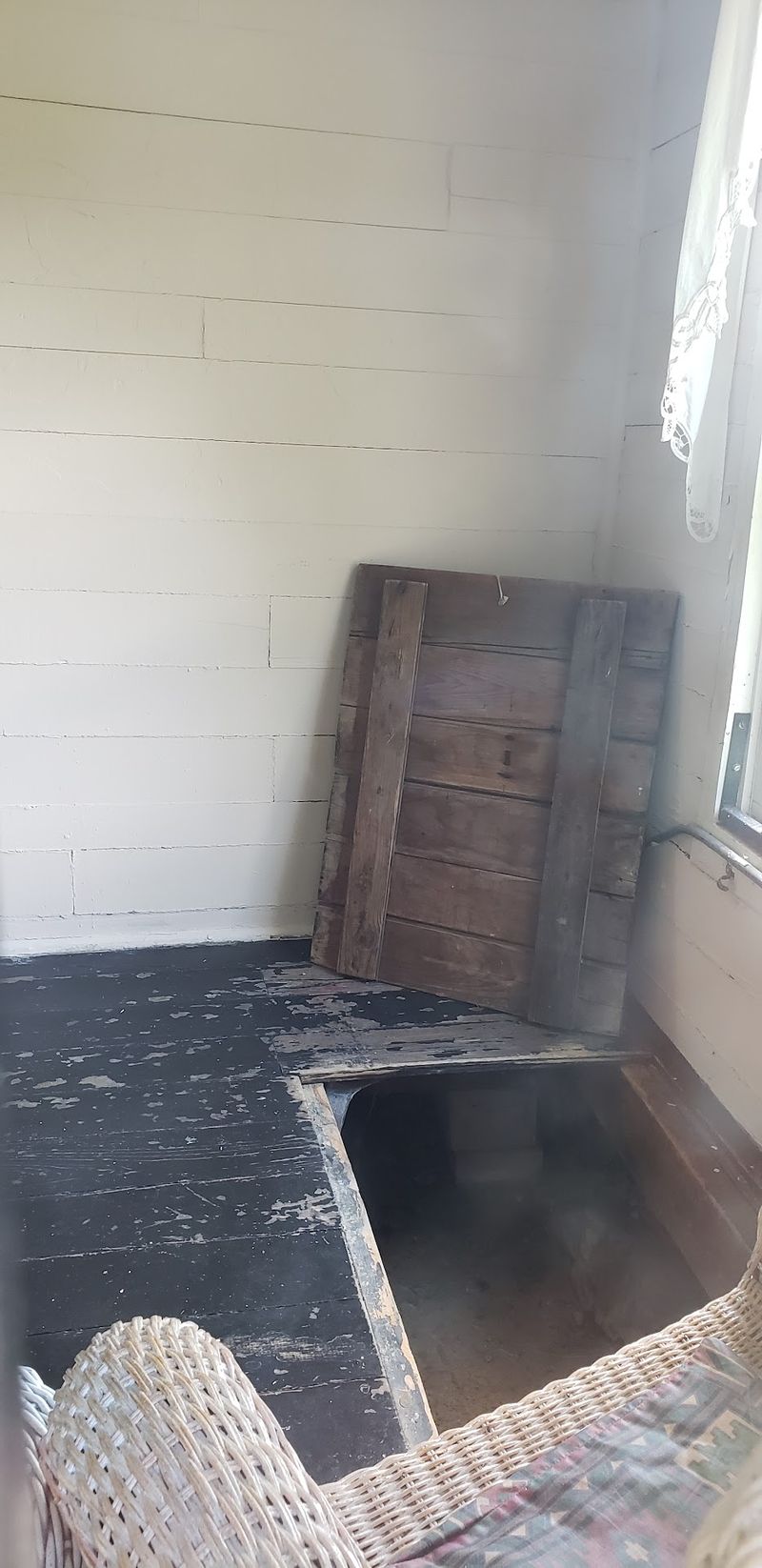
Here’s the moment everyone remembers. The tour heads down to a small cellar beneath the house, the very space tied to the home’s hiding history.
Nearby, the crawl space stretches under the floors. It’s tight, low, and humbling to see in person.
Guides have been known to switch off the lights for a few seconds. Suddenly the darkness feels heavy, and those tiny openings for light and air make sense.
That small exercise turns history into something you feel in your chest. You start to understand the patience, fear, and hope people carried while waiting down there.
The space is compact, so it isn’t a long stop. Still, it tends to be the part people talk about on the drive home.
Kids especially seem to connect with a real hiding place more than a printed timeline. Seeing the cellar answers questions they didn’t know how to ask.
If you have any trouble with tight or dim spaces, keep that in mind before heading down. Even standing at the top offers a strong sense of what the cellar held.
Songs With a Second Meaning
Music did more than lift spirits. At Slave Haven Underground Railroad Museum, the tour explains how songs could carry hidden instructions.
Swing Low, Sweet Chariot comes up as a key example. Its lyrics are described as having double meanings that could share hope and plans without alerting anyone watching.
Drums are also discussed as a way people communicated. Rhythm and sound became tools when written words were too risky or simply unavailable.
Part of the tour includes recorded narration with singing. Some guides even join in, which gives the room a very different energy than a silent exhibit.
I like how this part shows creativity under pressure. People found ways to talk, plan, and encourage each other using what they had.
That idea sticks with you, especially if you grew up singing spirituals in a Tennessee church. Familiar tunes suddenly feel layered with brand-new meaning.
Bring the kids for this one. Songs are easy to remember, and they make a heavy subject feel more approachable for young minds.
Rooms Packed With Artifacts and Recorded Stories
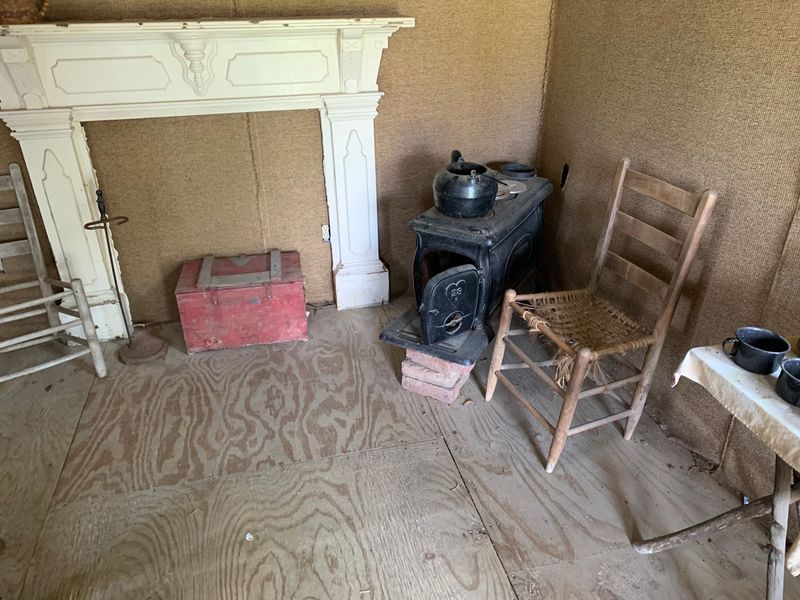
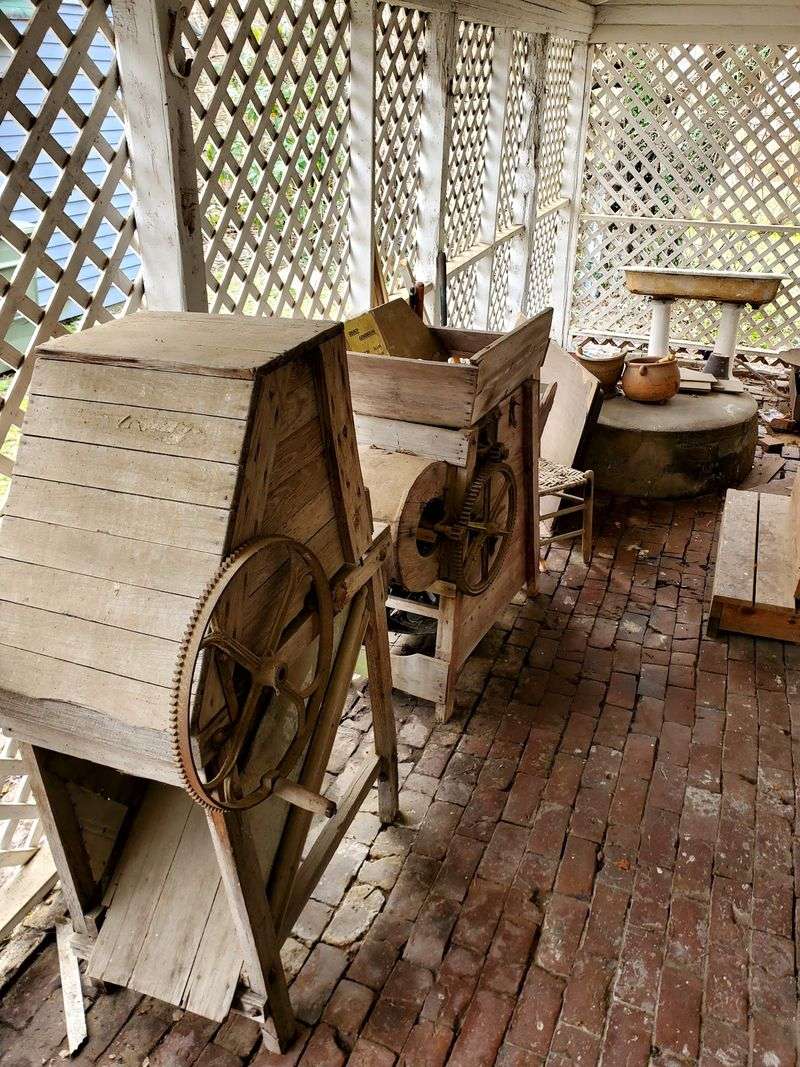
Small house, big collection. Each room of the home holds displays, artifacts, and memorabilia connected to slavery and the Underground Railroad.
The tour is guided, with staff leading groups from room to room. Pre-recorded audio adds history and personal stories along the way.
The narration covers difficult subjects with an honest voice. Expect a serious, emotional experience rather than a light afternoon stroll.
Local Memphis history is woven in too. That gives the displays a hometown feel, not a distant textbook tone.
One rule surprises some people. Photos and videos aren’t allowed inside, so phones stay tucked away for the whole tour.
Honestly, that can be a gift. You end up listening closely, reading the displays, and noticing details you’d miss while framing the perfect shot.
Pictures of the outside are fine, so snap the house and grounds before or after. Your memory will have to handle the rest, and it usually does a pretty good job.
Who Gets the Most From an Hour Here
Students studying American history will find this house hard to forget. Seeing real hiding spaces brings classroom lessons to life faster than any worksheet.
Families with older kids are a natural fit. The cellar, quilts, and songs give children something concrete to hold onto.
Very young children may find the subject heavy. You know your kids best, so plan around their comfort with serious topics.
Groups from churches, schools, and clubs also make the trip. A longer group tour has been offered for parties scheduled in advance, so call ahead if that interests you.
History lovers visiting Memphis will appreciate the change of pace. It pairs well with a weekend of music, barbecue, and river views.
The tour takes about an hour. That makes it easy to fit into a busy day without giving up your whole afternoon.
Above all, it suits anyone ready to listen. The museum rewards patience and an open mind more than anything else.
Planning Your Stop on North 2nd Street
Mark your map for 826 N 2nd St, Memphis, TN 38107. The museum sits just north of downtown, making it a short hop from other city sights.
Driving is simple, and free on-site parking makes life easier. No circling the block hunting for a meter.
Hours have typically run Tuesday through Saturday, from 10 a.m. to 4 p.m. Schedules can shift, so call ahead before you set out.
Tours are guided and can fill up for the day. Arriving earlier gives you a better shot at getting in without disappointment.
Admission is affordable, with a small discount available for seniors. That keeps it friendly for families watching their weekend budget.
From Nashville, Memphis is roughly a three-hour drive along I-40. Folks from north Mississippi and eastern Arkansas can make it a quick day trip.
Leave a few minutes for the gift shop after your tour. Purchases help support the museum and its work of keeping these stories alive in Tennessee.
Worth the Quiet Hour It Asks of You
Not every great museum needs marble halls. Slave Haven Underground Railroad Museum proves a modest house can carry more weight than a grand building.
The trap door, cellar, and crawl space make history physical. Quilts and songs add warmth and cleverness to a painful story.
It won’t be a breezy outing, and that’s okay. Some places are meant to stay with you, and this is one of them.
No photos inside means you’ll leave with impressions instead of a camera roll. Plenty of people find that makes the visit feel more personal.
For Tennessee families, it’s a chance to learn something important close to home. You don’t need a plane ticket to stand where history happened.
Pair it with a Memphis weekend, and you’ll have balance. Mornings for meaning, afternoons for music and a hearty plate of Southern food.
I believe this little house deserves a spot on more road trip lists. Go with curiosity, listen closely, and let the cellar tell its story.
Share this story