Seeing a wild animal in its natural home is a thrill, but nature does not follow a schedule. Some of the world’s best parks protect rare and shy species that may stay hidden for days.
Knowing this ahead of time helps travelers plan better and enjoy the journey, whether or not the animal appears. Here are twelve places where patience matters as much as the camera.
1. Denali National Park and Preserve, Alaska, USA
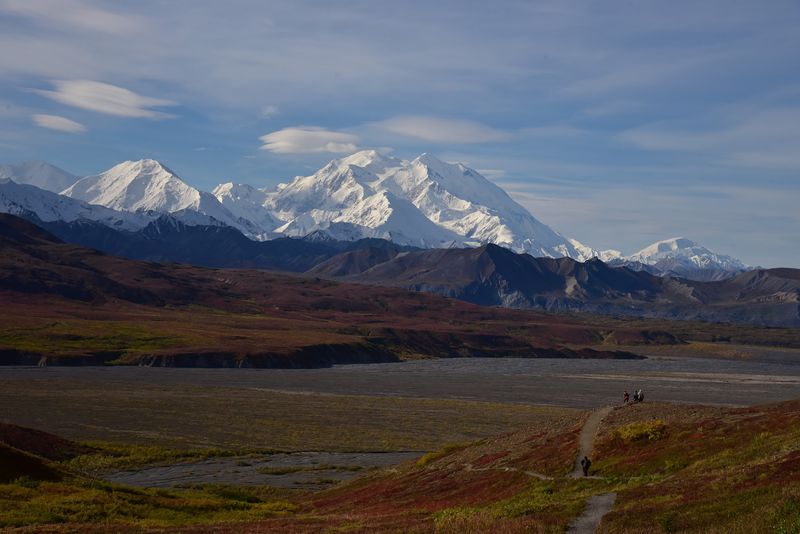
Six million acres of tundra, spruce forest, and rivers make Denali enormous, and the wolves that roam it have plenty of room to disappear. Many visitors ride the park bus for hours and never spot a single one.
Wolf packs here follow caribou and moose, so their location changes with the seasons. Sightings tend to happen near river bars and open slopes, often at dawn or dusk.
Park officials estimate that only a small share of visitors ever see a wolf.
Bring binoculars and a spotting scope, since distance is common. Sit quietly at pullouts and scan the hillsides slowly instead of rushing to the next stop.
Tell the bus driver you want wolf updates, because drivers often hear about recent sightings. Even without wolves, you may see grizzlies, Dall sheep, and golden eagles beneath North America’s tallest peak.
2. Hemis National Park, Ladakh, India
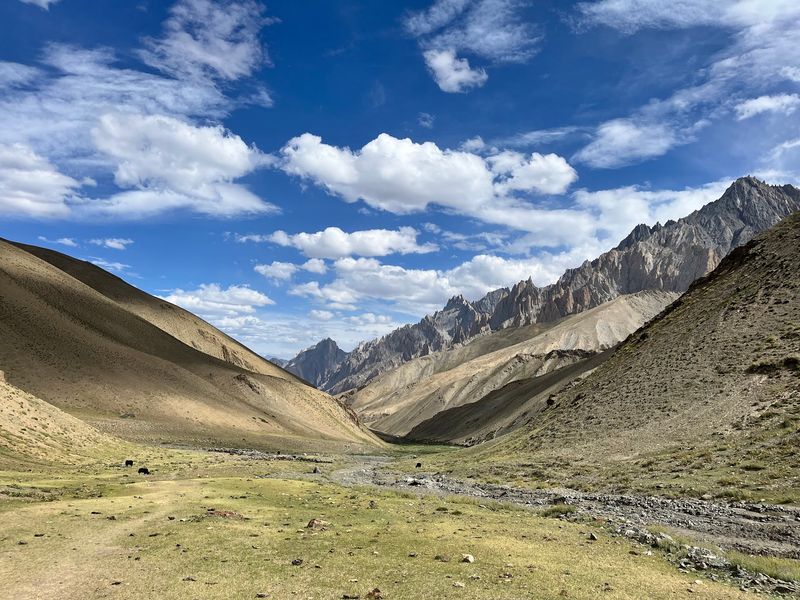
Locals call the snow leopard the ghost of the mountains, and the name fits. Its gray coat with dark rosettes blends so well into the rocks that guides sometimes spend an hour staring at an animal before visitors see it.
Hemis in Ladakh holds one of the highest snow leopard densities in the world. The best time to look is winter, when the cats come down to follow blue sheep.
Temperatures can drop far below freezing, so trips demand serious warm gear.
Trackers use scopes to scan cliffs from far away, then wait. Plan for several days instead of one outing.
Most visitors stay in village homestays, which also supports local conservation efforts. Even a trip with no cat can reward you with Himalayan ibex, red foxes, and sweeping mountain views.
3. Bwindi Impenetrable National Park, Uganda
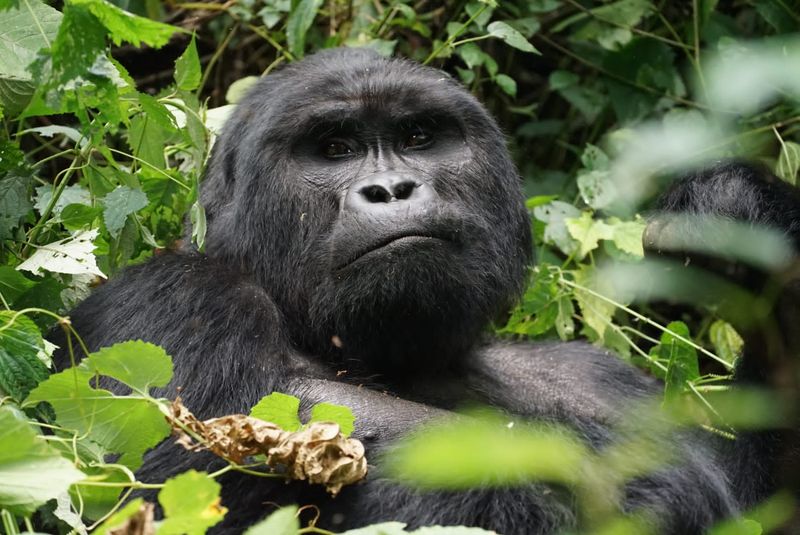
Picture hiking up a steep, muddy slope through thick rainforest, sweat dripping, only to find a silverback calmly chewing leaves. That moment is magical, yet reaching it is never certain.
Bwindi shelters about half of the world’s mountain gorillas. Permits are limited, and trackers set out each morning to find a habituated family.
Most treks succeed, but the walk can last anywhere from one hour to eight, and the gorillas may move deep into the thicket.
Wear sturdy boots, long sleeves, and gloves for grabbing vines. Hiring a porter helps both you and the local community.
Visits are limited to one hour near the animals to protect them from illness and stress. Book early, stay flexible, and treat the forest itself as part of the reward.
4. Pantanal, Brazil
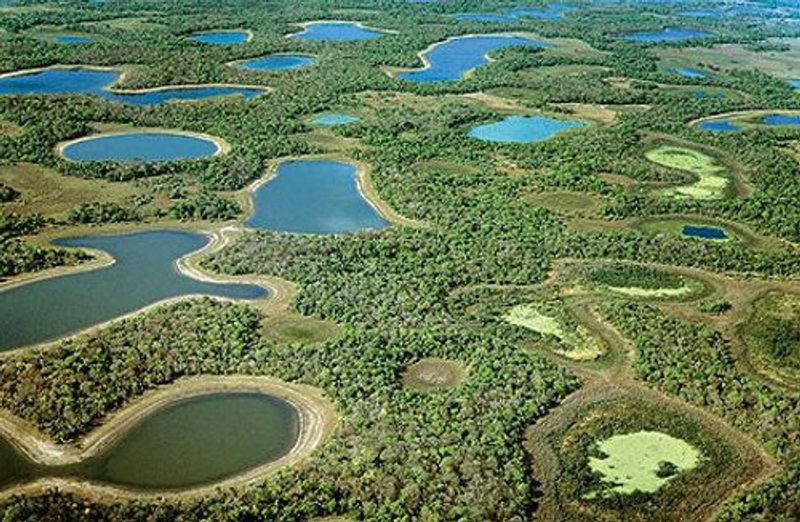
Here is a surprising number: the Pantanal is about the size of the state of Florida, and it is the largest tropical wetland on Earth. Jaguars live throughout it, but finding one still takes luck.
The best odds come from boat trips along rivers like the Cuiabá near Porto Jofre, especially in the dry season from July to October. Low water draws animals to the banks, and jaguars hunt caiman and capybara there.
Many visitors do see a cat, yet some leave with only tracks in the mud. Plan at least three or four boat outings to improve your chances.
Early morning and late afternoon work best. Meanwhile, giant otters, hyacinth macaws, and giant anteaters help fill the waiting time with plenty of wonder.
5. Yellowstone National Park, Wyoming, Montana, and Idaho, USA
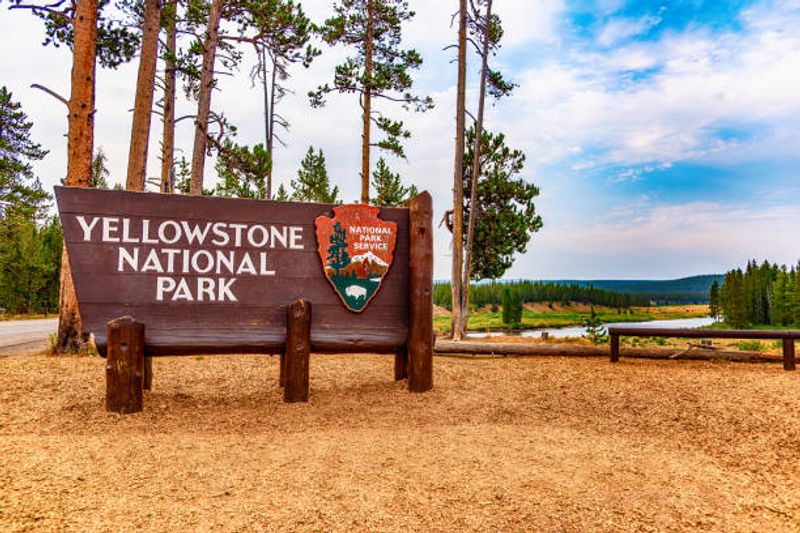
Wolves returned to Yellowstone in 1995 after almost seventy years of absence, and the park has been a favorite for wolf watchers ever since. Even so, the animals are still wild and unpredictable.
Lamar Valley offers the best chance, particularly around sunrise and sunset in winter or early spring. Dedicated watchers set up scopes along the road and share tips with one another.
Packs can change territory, and some years sightings are easier than others.
Dress in warm layers and be ready to wait quietly. Keep at least 100 yards from wolves and bears, as park rules require.
Hiring a local guide can help you read the landscape. If the wolves stay hidden, bison herds, elk, and pronghorn are rarely far away.
6. Ranomafana National Park, Madagascar
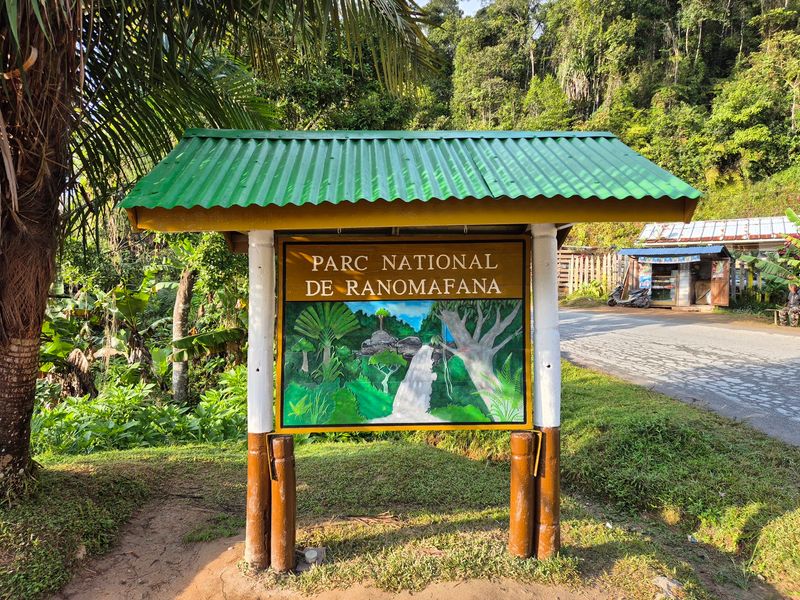
Few places on Earth hold as many lemur species as Madagascar, and Ranomafana is one of the best spots to meet them. The golden bamboo lemur, discovered by scientists in 1986, is among the rarest.
Misty mountain rainforest makes the search tricky. Lemurs hide in dense bamboo, and rain can keep them quiet and still.
Guides listen for rustling leaves and use their knowledge of feeding spots to lead small groups.
Pack a rain jacket, good traction shoes, and a headlamp for night walks, when mouse lemurs and other nocturnal animals appear. Expect to see some species and miss others.
Red-bellied lemurs and greater bamboo lemurs are more common. The park also protects chameleons, frogs, and many birds, so every hike offers something to find.
7. Khao Yai National Park, Thailand
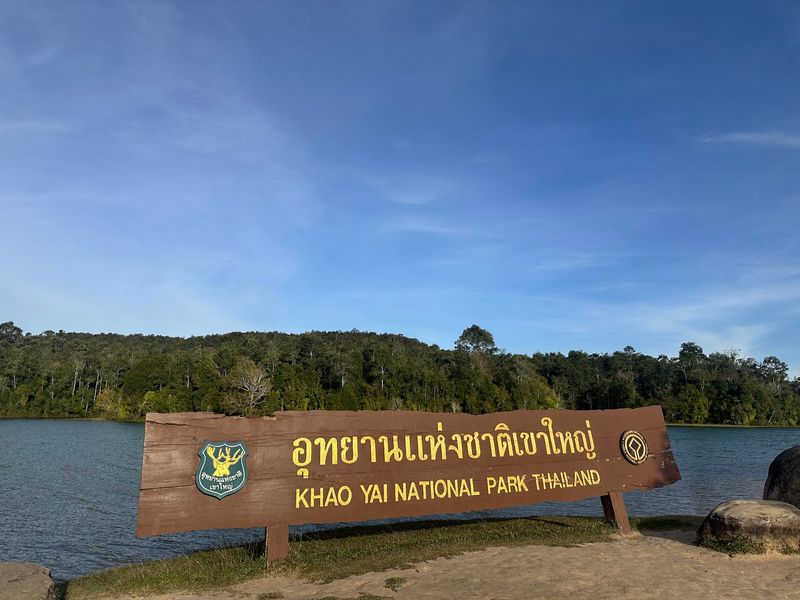
Thailand’s oldest national park sits just a few hours from Bangkok, yet its forests feel a world away. Roughly 300 wild Asian elephants live here, and they roam freely across more than 800 square miles.
Elephants often appear near roads and waterholes in the evening, but they may also wander into thick forest for days. Night safaris led by park rangers can add chances, though nothing is promised.
Visit during the cooler months, from November to February, when the weather is comfortable for walking. Stay inside your vehicle if an elephant is close, and never block its path.
Along the way, you might spot gibbons, hornbills, and barking deer. Even a quiet day offers waterfalls and the chorus of the forest.
8. Corcovado National Park, Costa Rica
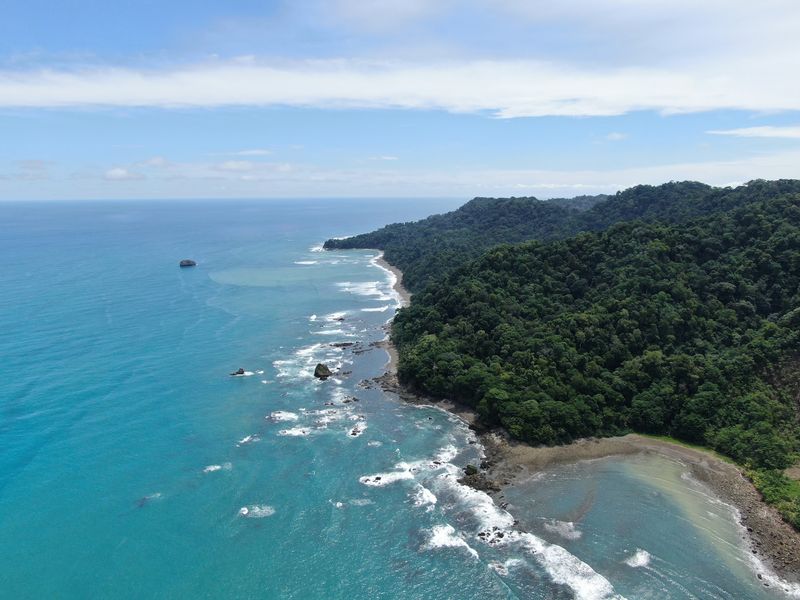
National Geographic once called Corcovado the most biologically intense place on Earth, and that reputation draws hikers from everywhere. Yet the park’s biggest stars, jaguars and Baird’s tapirs, rarely show themselves.
The Osa Peninsula’s thick jungle gives them countless places to hide. Tapirs sometimes wander along beaches or muddy trails at dawn, while jaguars are mostly active at night.
Camera traps record them far more often than people do.
Hire a certified guide, since park rules require one. Early starts and slow, quiet steps improve your odds.
Expect heat, humidity, and sudden rain. Scarlet macaws, spider monkeys, and coatis are much easier to find.
A rare tapir sighting here is the kind of story you will tell for years.
9. Torres del Paine National Park, Chile
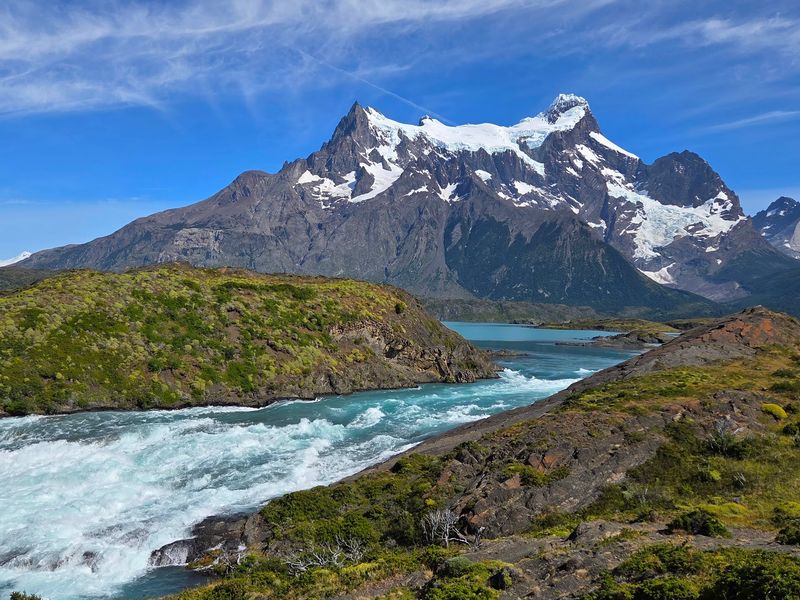
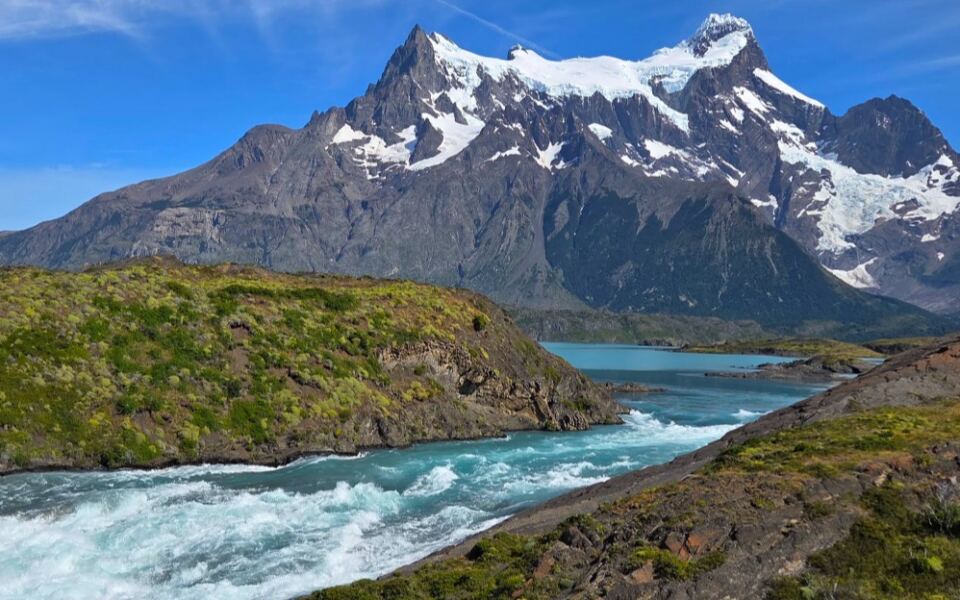
Few sights match a puma strolling across Patagonian grassland beneath jagged granite towers. Torres del Paine has become one of the best places in the world to watch wild pumas, but the cats still make visitors work for it.
Guanacos, their main prey, gather on open plains, and pumas follow. Trackers head out before sunrise, searching for fresh footprints and alarm calls.
Some groups find a cat within an hour, while others return empty-handed.
Winter, from May to September, can improve visibility because snow shows tracks and animals move lower. Wind and cold can be harsh, so bring layers and a windproof shell.
Book a private tracking tour if possible, since small groups are quieter. Even without a puma, condors and foxes patrol the skies and steppe.
10. Komodo National Park, Indonesia
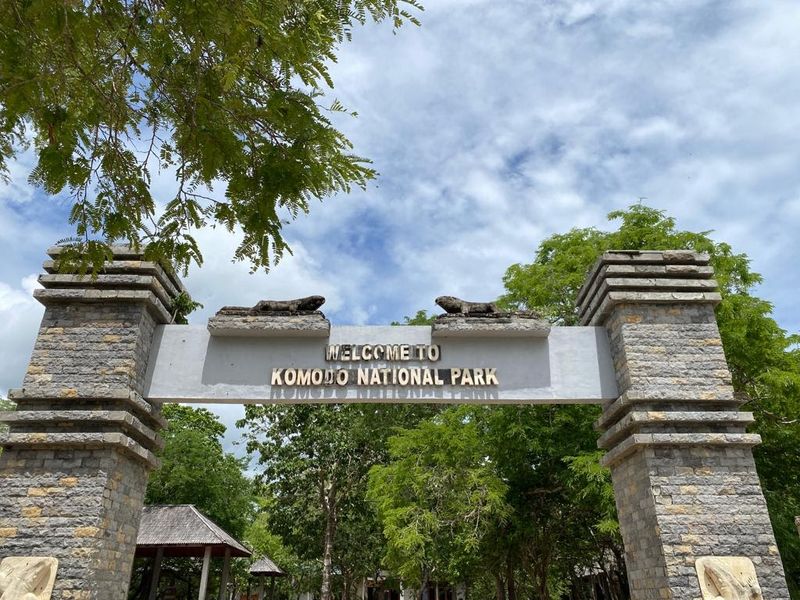
Komodo dragons can grow up to ten feet long and weigh as much as a grown man, yet they can be surprisingly easy to miss. They spend hot afternoons resting in shade or burrows.
The park covers several islands, and Rinca and Komodo are the main places for visits. Rangers lead walks along set trails, often finding dragons near ranger stations where cooking smells drift.
Still, a long hike may end without a single lizard.
Go early in the morning, when the animals are more active. Wear closed shoes, carry water, and follow your ranger’s directions closely, because these reptiles are fast and venomous.
Pink Beach, manta rays, and colorful reefs nearby make the boat journey worthwhile either way.
11. South Luangwa National Park, Zambia
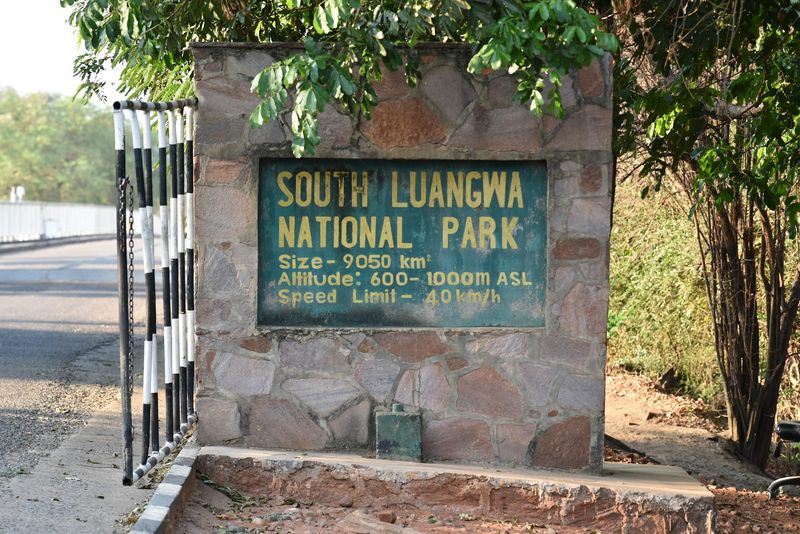
Painted dogs live by their own rules. They travel far, hunt as a team, and can cover miles in a single day, which makes them hard to pin down even in a park famous for walking safaris.
South Luangwa supports several packs. Sightings are best from June to October, when dens are active and the dry landscape makes animals easier to spot.
Guides track them by watching for vultures and following fresh paw prints.
Book at least four or five nights so you have time to be flexible. Morning drives offer the best light and cooler air.
Dogs may vanish for days, then appear right beside the road. Leopards, hippos, and giraffes keep the safari lively while you wait.
12. Daintree National Park, Queensland, Australia
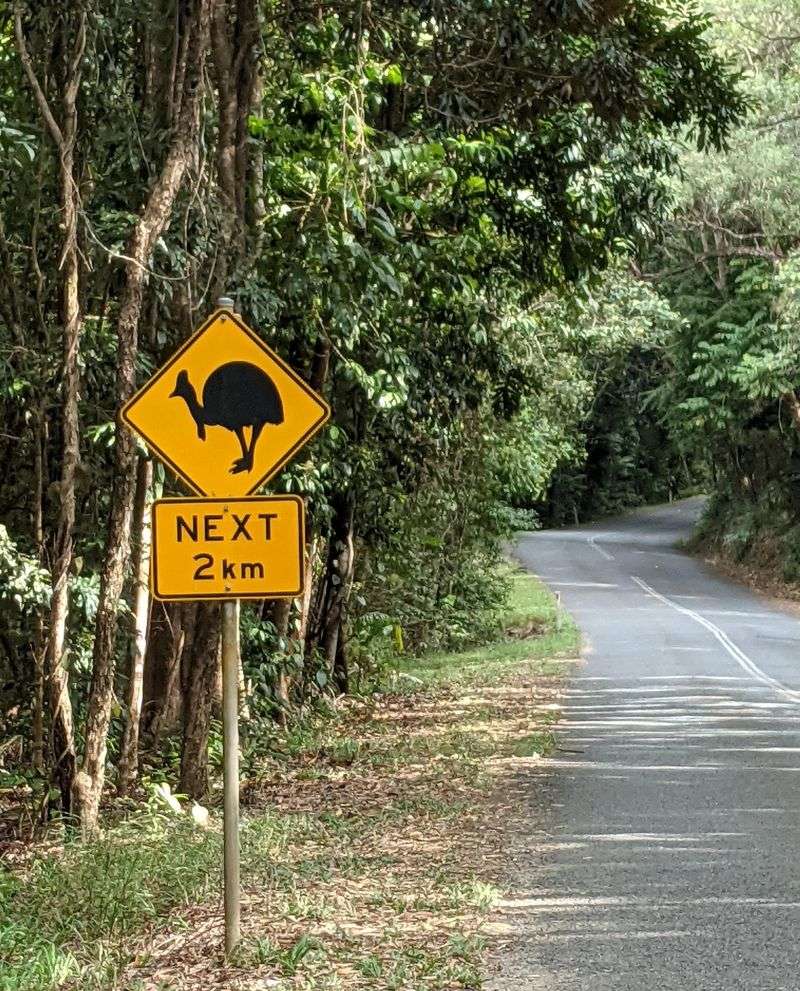
Standing up to six feet tall, with a bright blue neck and a bony crest, the southern cassowary looks like a creature from prehistoric times. Daintree is one of its last strongholds, though only a few thousand remain in Australia.
These birds are shy and live in dense rainforest. Sightings often happen near fruiting trees, since cassowaries spread seeds that help the forest grow.
Even so, many visitors walk the boardwalks and see nothing but ferns and vines.
Join a guided walk, ideally early in the morning, to improve your chances. If you do meet one, keep a safe distance and never offer food.
Strong legs and sharp claws make cassowaries dangerous when stressed. Tree kangaroos, green tree frogs, and the Daintree River crocodiles add more to the adventure.
Share this story