The 1970s gave rock fans guitar riffs, huge choruses, and songs that still fill radio playlists today. Some of these tracks are long and adventurous, while others are short and punchy, but all of them have lasted for decades.
This list brings together twenty recordings that shaped the sound of the era, from stadium anthems to heavy metal starters. Each one has a story, a signature moment, or a musical twist that keeps listeners coming back.
Whether you grew up with these songs or are just finding them, there is plenty here to press play on and talk about with friends.
Stairway to Heaven – Led Zeppelin (1971)
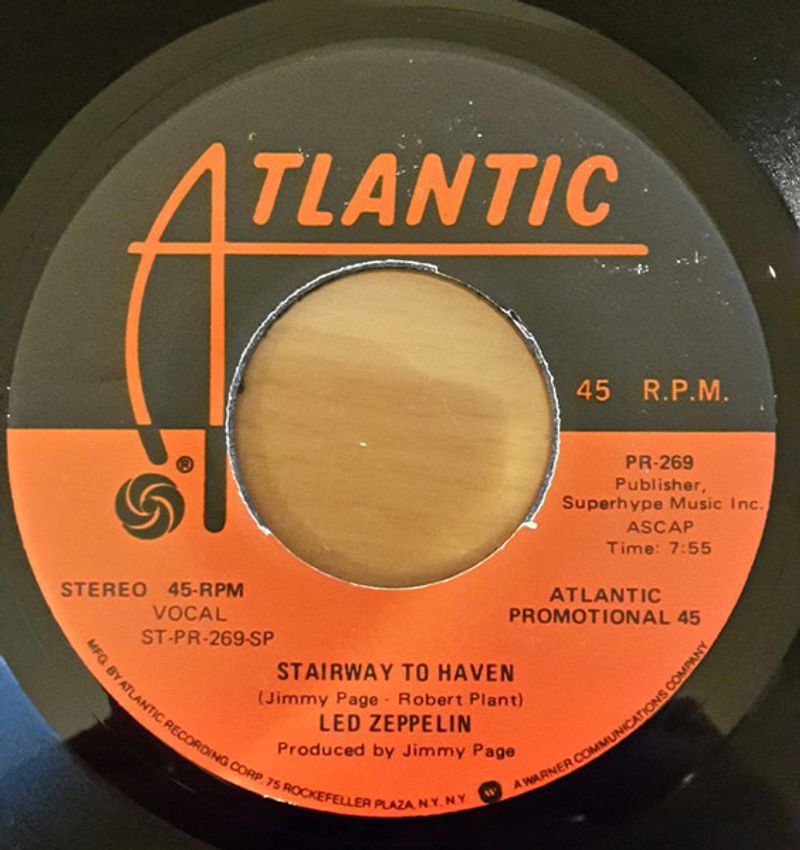
Few songs trace the path of 1970s rock as completely as this one. It opens quietly, then builds step by step until the whole band is roaring.
Jimmy Page’s famous guitar solo is the moment many listeners wait for. After it, the finale arrives with real thunder, giving the track a shape that feels like a full journey in a single recording.
That slow build is a big reason the song became one of Led Zeppelin’s signature recordings. It has a habit of landing at the top of retrospective rankings of the decade’s greatest rock songs.
For a good first listen, try it from start to finish without skipping. The patience pays off, because the quiet opening makes the loud ending hit much harder.
It is also a handy lesson in how a band can use pacing to make a song unforgettable.
Bohemian Rhapsody – Queen (1975)
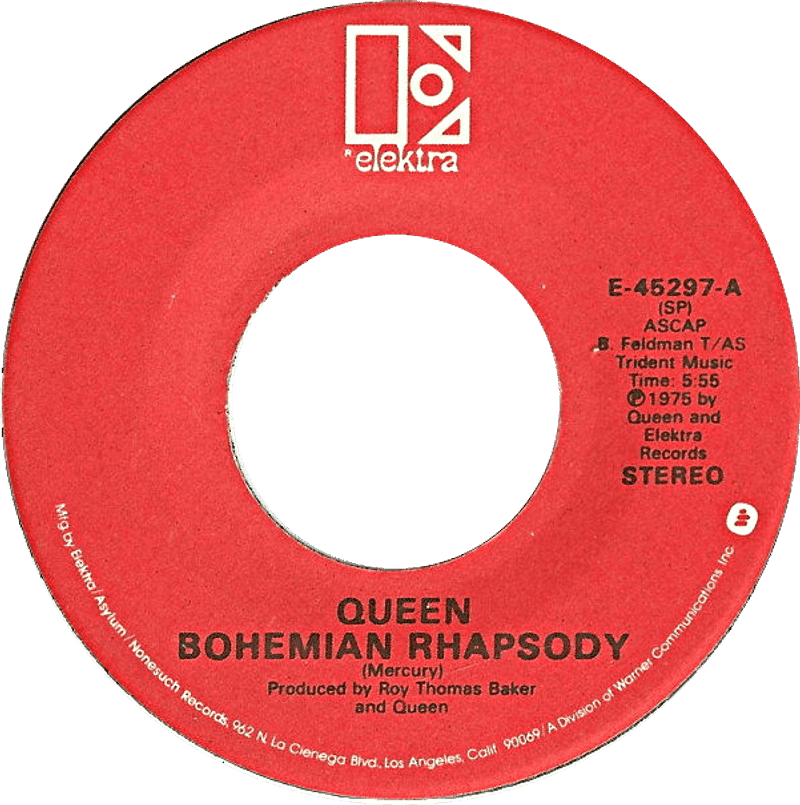
Six minutes is not a long time, yet Queen packed a ballad, an opera section, and a hard-rock charge into it. The band ignored the usual song structure and simply did its own thing.
The gamble worked in a big way. In Britain, the single reached No. 1 and held that spot for nine weeks during its original 1975-76 chart run.
Official Charts also names it the UK’s biggest-selling single originally released during the 1970s. That is a remarkable record for a song that broke so many rules.
The track still sounds fresh because each section feels like a surprise. If you are new to Queen, this is a great starting point, since it shows off the band’s range, big vocal harmonies, and love of drama in one tidy package.
Hotel California – Eagles (1976)
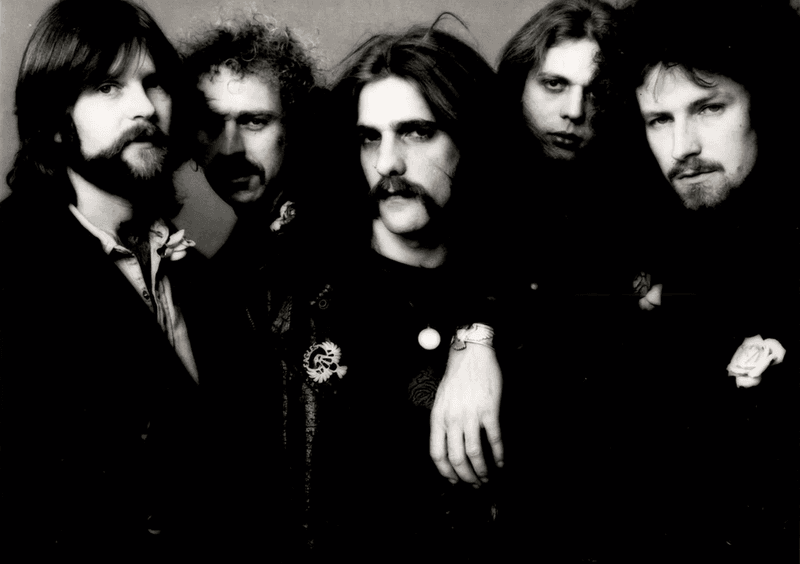
People have argued about the meaning of these lyrics for decades, and the mystery is part of the fun. Still, the closing guitar duel deserves just as much credit for the song’s legendary status.
Two guitars trade lines near the end, and the back-and-forth gives the track an unforgettable finish. Many fans can hum that section from memory.
The song became the title track of the Eagles’ landmark 1976 album. It remains one of the most frequently celebrated American rock songs of the era.
Listening today, you can hear how carefully everything is arranged. The slow, steady pace lets the story unfold, and the guitar work rewards a second or third listen.
It is a good pick when you want a song that invites talk as much as it invites singing along.
Free Bird – Lynyrd Skynyrd (1974)
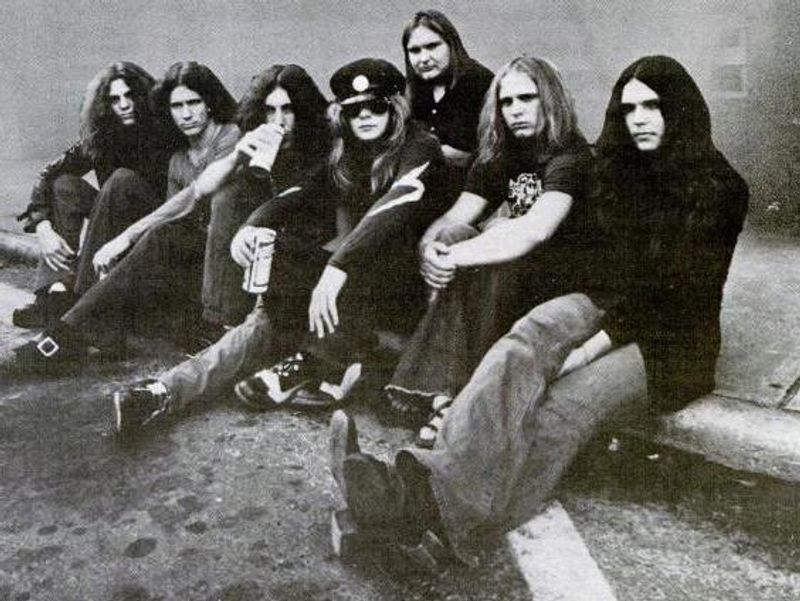
Concert crowds have been shouting for this song for generations. It starts as a gentle Southern rock ballad and slowly turns into one of rock’s most famous extended guitar workouts.
The slow part sets the mood, and then the pace picks up. By the time the final section kicks in, the guitars are trading energy back and forth in a rush.
Lynyrd Skynyrd made this a defining song, and it has become a fixture of classic-rock culture. That escalating ending is a big reason it feels so memorable when played live.
If you like songs that take their time, this one is a good fit. Give it the full running length, and notice how each minute adds a little more power than the last.
Smoke on the Water – Deep Purple (1972)
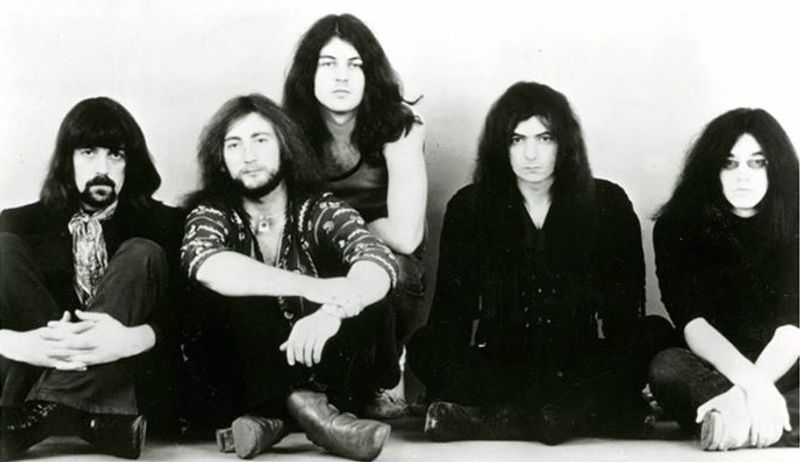
Play just a few notes of that opening riff, and almost anyone can name the song. It is one of the most recognizable guitar lines ever recorded.
The story behind it is true. Deep Purple based the song on the real-life fire at the Montreux Casino in Switzerland, turning an extraordinary incident into a hard rock favorite.
That mix of simple riff and real event gave the track staying power. It remains highly ranked in modern polls of 1970s rock.
Beginner guitar players often learn this riff early, which says a lot about how easy it is to grasp and how hard it is to forget. If you want a quick example of what made early hard rock so catchy, this track delivers it in just a few bars.
Born to Run – Bruce Springsteen (1975)
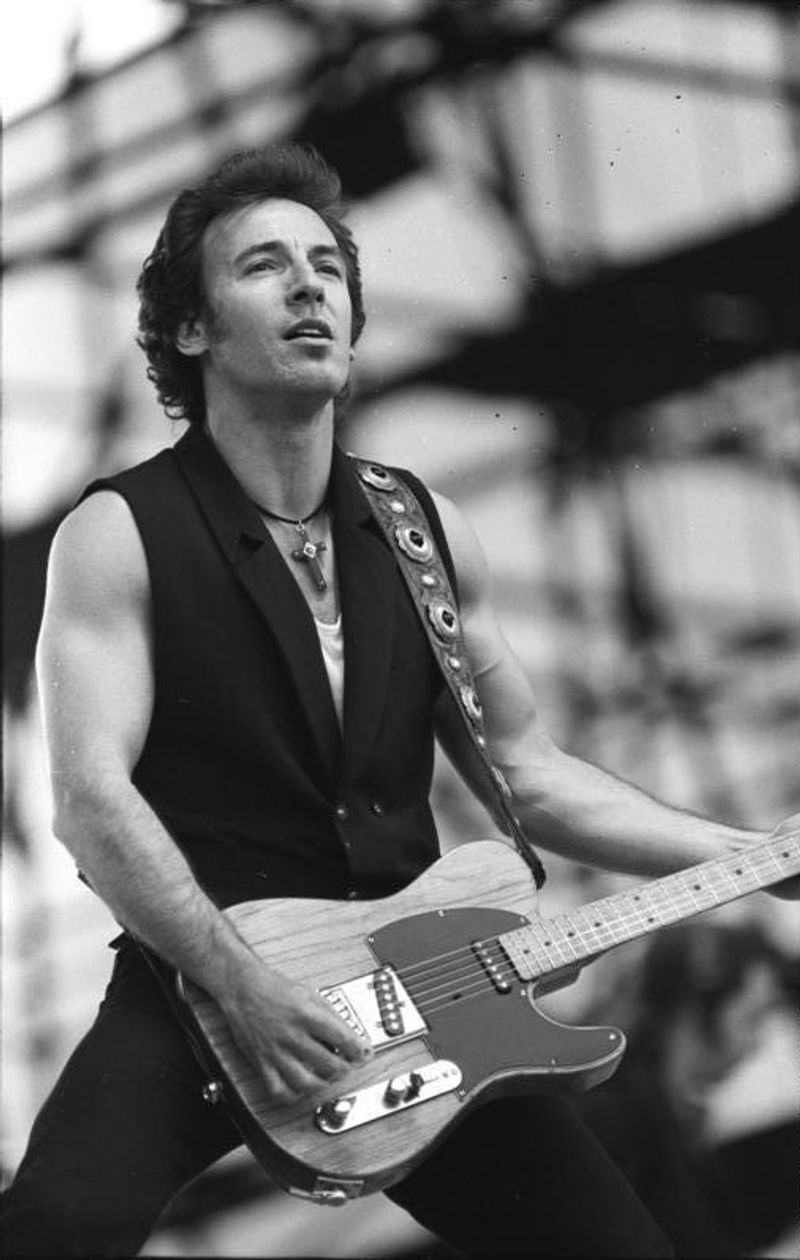
Bruce Springsteen was aiming for something enormous here, and the result became his breakthrough anthem. The song carries a big sense of ambition from the first beat.
It combines youthful escape, romance, saxophone, guitars, and dense production. Together, those pieces helped build the cinematic sound linked with his early career.
Lyrically, it speaks to the urge to leave a small town behind and chase something bigger. That idea still connects with listeners of all ages.
The layers of sound can be fun to pick apart on headphones. You can follow the saxophone in one pass, then focus on the guitars in the next.
It is a good song for road trips, especially when the open highway is calling and the volume is turned up.
Paranoid – Black Sabbath (1970)
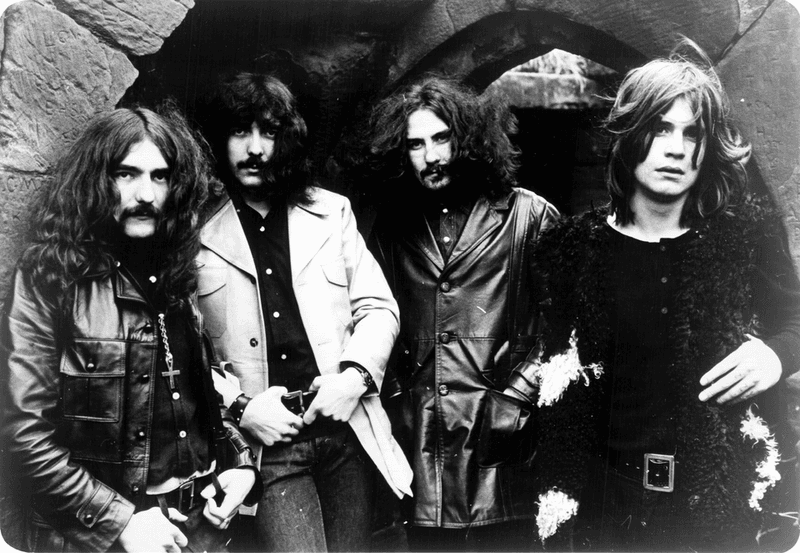
Clocking in at under three minutes, this one proves that heavy music does not need a long runtime. It is short, fast, and straight to the point.
Everything is built around a relentless riff from guitarist Tony Iommi. The song helped define the emerging heavy-metal sound of the early 1970s.
Black Sabbath’s influence extended far beyond that decade, and many later bands took cues from their approach. Among their catalog, this remains one of their most recognizable recordings.
For listeners curious about where metal started, this is a handy place to begin. The quick pace makes it easy to replay, and the riff shows how a simple idea, played with confidence, can shape a whole genre for years to come.
Dream On – Aerosmith (1973)
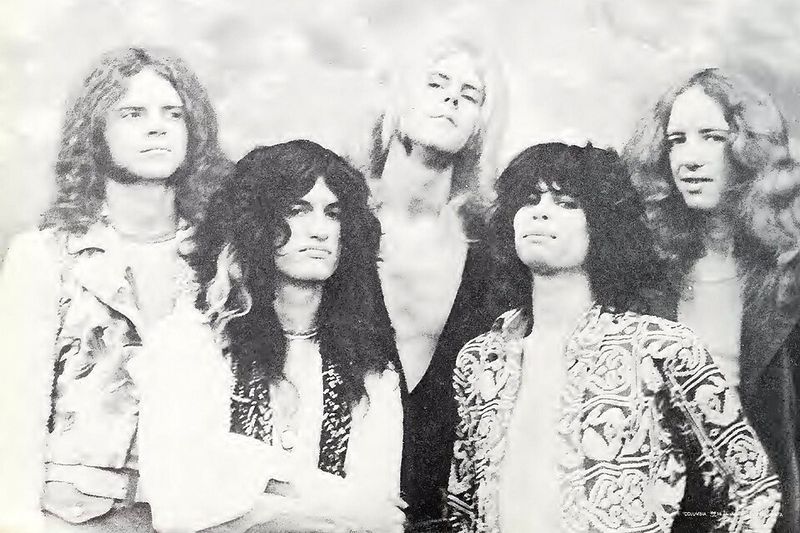
Long before Aerosmith filled arenas, this slow-burning ballad was already showing what the band could do. It gradually grew into one of their signature songs.
Steven Tyler’s vocals climb higher as the track goes on. The dramatic arrangement builds along with him, giving the song a big payoff at the end.
That mix gave “Dream On” a timeless quality. It survived long after its first release and became a classic-rock staple on radio and in playlists.
If you only know Aerosmith for their louder hits, this track is a nice change of pace. It shows a softer, more theatrical side of the band, and it still works well when you want something with a strong build and a big vocal finish.
More Than a Feeling – Boston (1976)
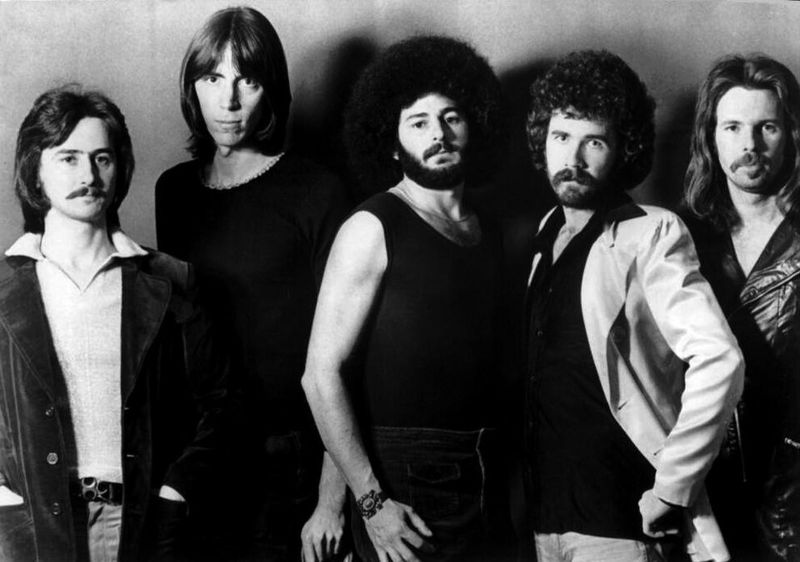
Boston came out of the gate with one of the most polished debut singles of the decade. Few new bands sounded this complete on their first try.
Layered guitars, soaring vocals, and an instantly memorable chorus drive the whole track. Every part is cleanly placed, which gives it a smooth, big-room feel.
This approach became a model for the arena-rock sound that flourished during the late 1970s. “More Than a Feeling” remains an enduring example of that style.
It is a great pick for anyone who likes songs with a big chorus built for singing along. The guitar layers also reward careful listening, so try it on good speakers or headphones to catch how the parts stack together from verse to chorus.
Won’t Get Fooled Again – The Who (1971)
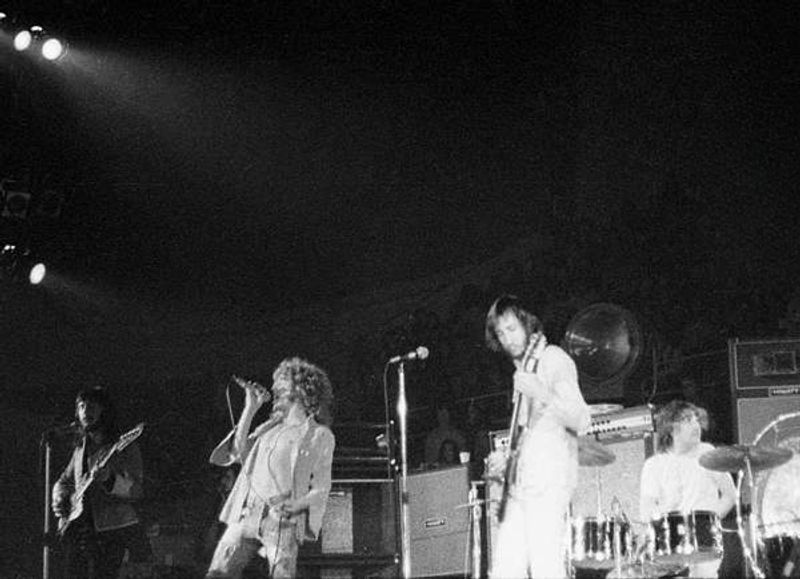
A pulsing synthesizer pattern sets the tone and keeps this sprawling track moving. The band builds around it before the big moment arrives.
Then Roger Daltrey delivers one of rock’s most famous screams. It lands right on cue and makes the long buildup feel worthwhile.
The song closed the band’s acclaimed Who’s Next album. It remains a defining example of The Who’s explosive sound.
Notice how the synthesizer and the live drums share the spotlight. That blend of electronic rhythm and raw rock energy was bold for the time.
Today it still sounds like a band at full strength, which makes this a smart choice for anyone wanting to hear The Who at their most ambitious.
Kashmir – Led Zeppelin (1975)
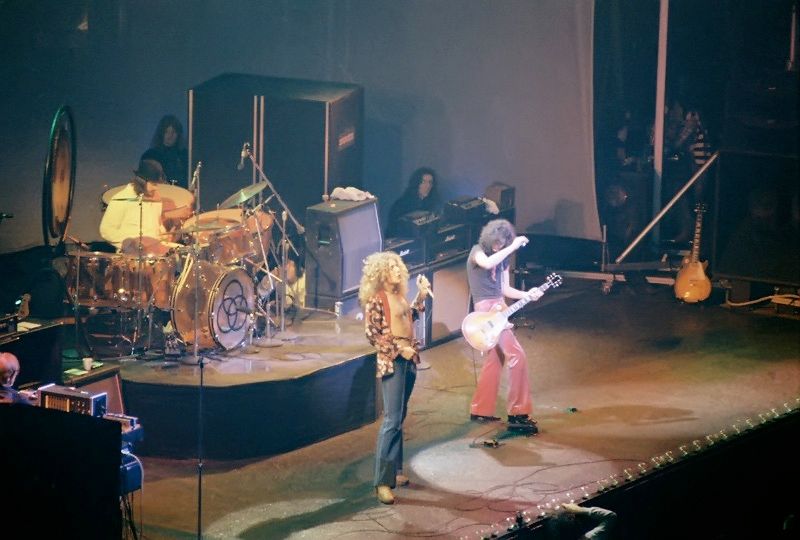
Most rock bands of the era leaned on a blues-based structure. Led Zeppelin chose a different path with this one.
They built the song around an enormous repeating riff and added orchestral textures on top. The result feels grand and steady, like a slow march.
The ambitious track became one of the highlights of Physical Graffiti. It remains among the band’s most highly regarded recordings.
Because the riff repeats, the song asks you to settle in and listen as layers are added. That makes it a great example of how rock could stretch beyond verses and choruses.
Try it when you want something big and patient, with a sound that stays interesting from beginning to end.
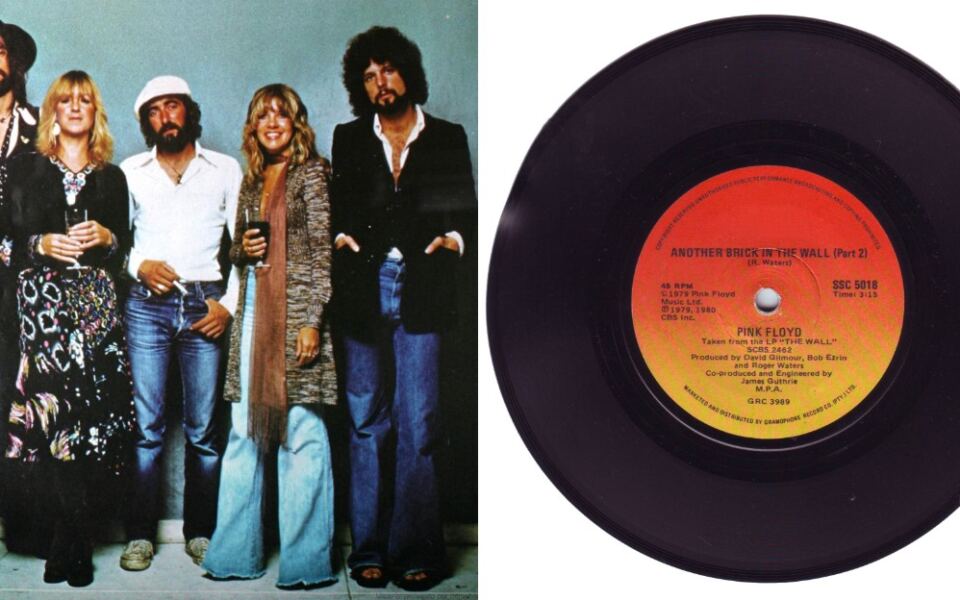
Another Brick in the Wall, Part 2 – Pink Floyd (1979)
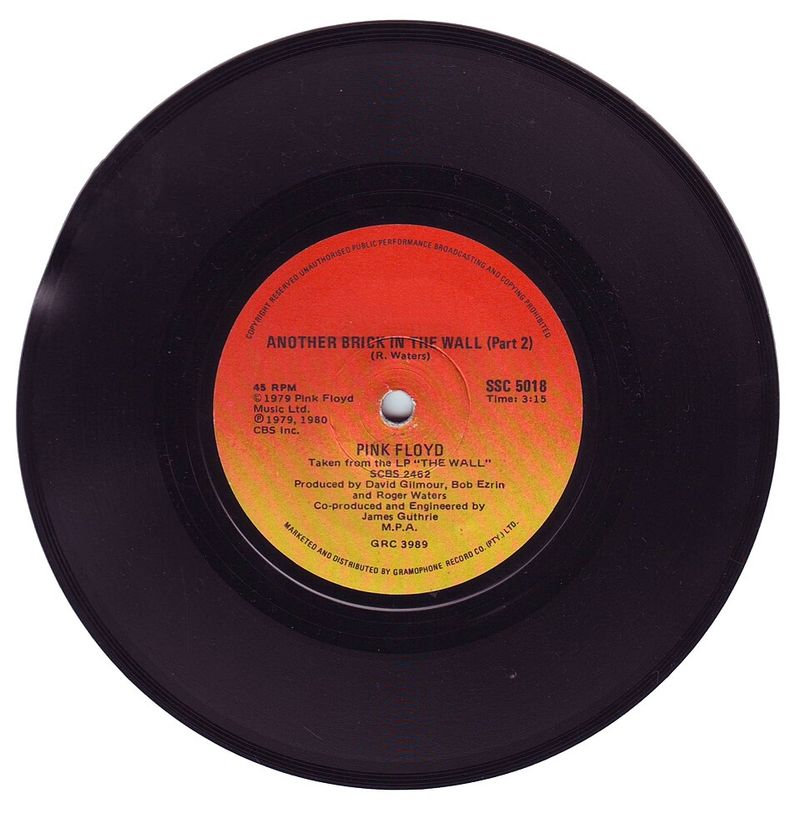
Pink Floyd found a surprise hit with a protest against rigid education. It reached No. 1 in Britain, which was big news for a band known for long, moody albums.
The disco-influenced beat gives it an easy groove. A children’s chorus and a famous refrain make it stick in your head after one listen.
Those features helped make it one of the most accessible moments from The Wall. It works as a gateway for anyone curious about the full album.
The guitar solo near the end adds a sharp edge to the smooth rhythm. If you are exploring Pink Floyd for the first time, this track is a friendly entry point, and it leads naturally into the larger story told across the rest of the record.
Go Your Own Way – Fleetwood Mac (1976)
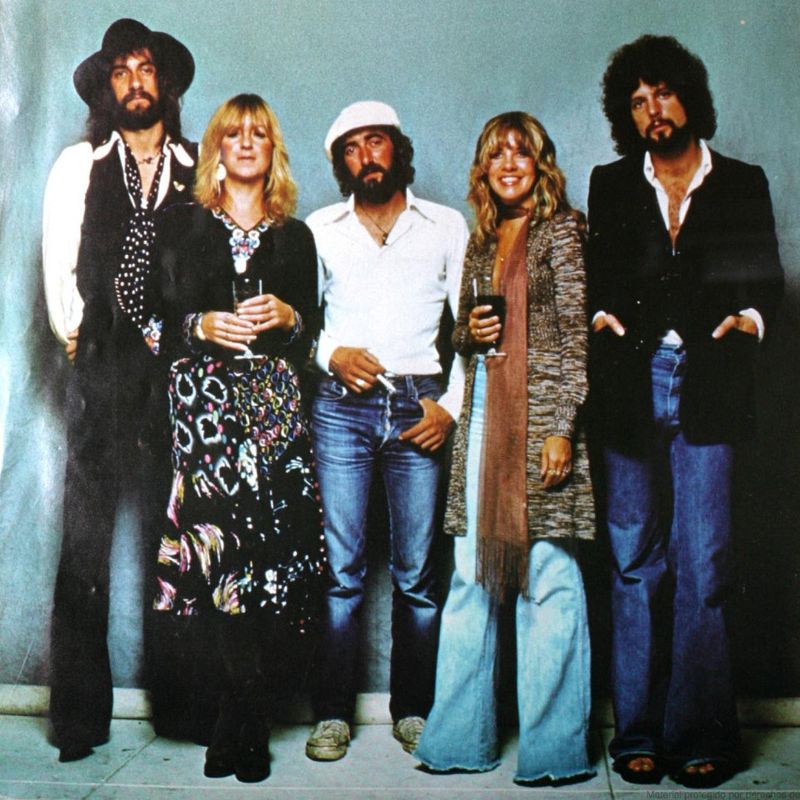
Real-life tension inside Fleetwood Mac helped fuel some extraordinary music. This song is a good example of how that pressure turned into something memorable.
Lindsey Buckingham wrote it, and it became one of the key songs from the massively successful Rumours era. It remains among the group’s best-known rock tracks.
The drumming is driving and busy, while the guitar work stays sharp. Together they give the track a restless energy that matches its message.
Many listeners enjoy the clear, bright harmonies in the chorus. They add a lift that makes the song easy to sing along with.
If you like rock with strong melodies and a bit of edge, this is an ideal one to keep on repeat.
(Don’t Fear) The Reaper – Blue Öyster Cult (1976)
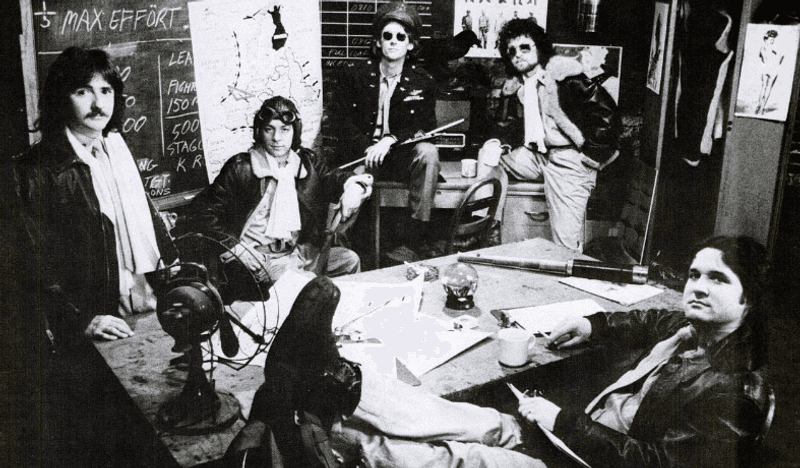
Rock radio in the mid-1970s was full of loud anthems, and this song went a different direction. It leans on a hypnotic guitar riff and haunting lyrics about mortality.
That unusual approach made it stand out right away. Its atmospheric sound has helped it endure as one of the decade’s most recognizable American rock recordings.
The riff repeats in a steady pattern, which keeps the song calm even as the guitars layer up. It is one of the more thoughtful tracks on this list.
Blue Öyster Cult offered something a little moodier than most of their peers. If you like rock that is more about mood than muscle, this track is a smart pick, and it still fits well on playlists next to bigger, louder classics.
Highway to Hell – AC/DC (1979)
Released near the end of the decade, this song had everything that made AC/DC stand out. It features a massive riff, stripped-down production, and Bon Scott’s unmistakable vocals.
The band kept things simple, and that was the point. Nothing gets in the way of the guitar and the beat.
It became one of AC/DC’s defining songs. It also helped set the stage for the band’s enormous success in the 1980s.
For anyone who likes straight-ahead rock, this one is hard to beat. The chorus is easy to shout along to, and the riff is simple enough to catch on the first try.
It is a fitting way to represent how the 1970s ended and how hard rock kept rolling forward.
Layla – Derek and the Dominos (1970)
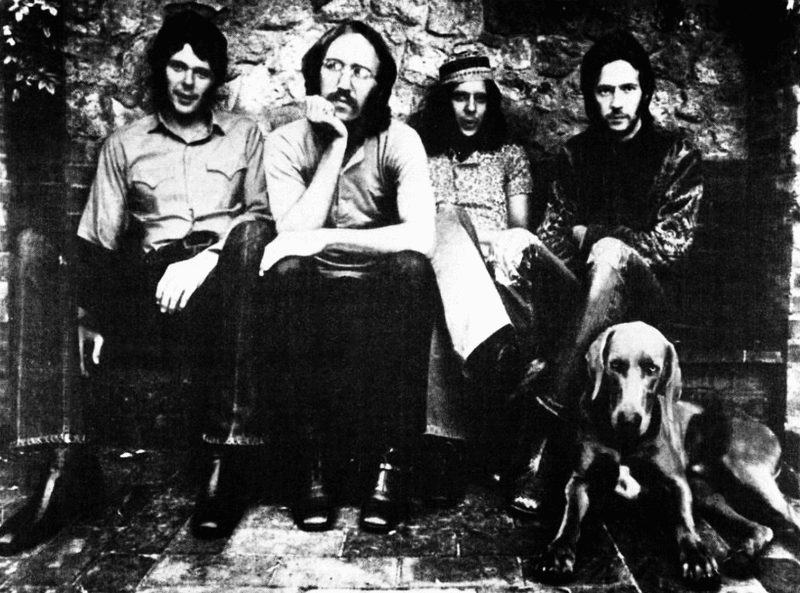
This song has two very different halves, and that is what makes it special. The first part is all driving guitars, and the second part shifts to a calm piano-led ending.
Eric Clapton and Duane Allman helped turn it into an epic of unrequited love. Their guitar parts weave together in a way that still draws attention today.
The coda changes the mood completely. After the intensity of the opening, the piano brings a softer, reflective close.
That unusual structure is one of the most distinctive in classic rock. When listening, try to notice the exact moment the song changes direction.
It is a good reminder that great rock records can take a surprising turn and still hold together beautifully from start to finish.
We Will Rock You / We Are the Champions – Queen (1977)
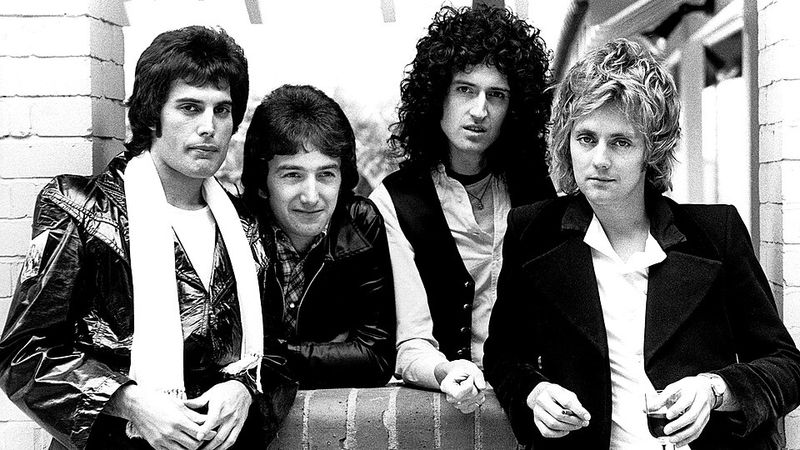
Radio stations liked to play these two Queen songs back-to-back, and the pairing stuck. Together they became a pair almost everyone knows.
The stomping rhythm of “We Will Rock You” needs little more than feet and hands. “We Are the Champions” follows with a victorious chorus made for singing together.
Both recordings became permanent fixtures at sporting events around the world. That steady presence in stadiums has kept them in front of new listeners year after year.
The pairing also appears prominently in retrospective rankings of 1970s rock. It is a fun way to end a list like this, since the songs are designed to be shared.
Put them on with friends, and the whole room will probably join in.
Share this story