Turn on an oldies station today and you will hear the same handful of tunes again and again. But in the 1960s, the radio was packed with hits that seem to have slipped out of the spotlight.
Some topped the charts for weeks, sold a million copies, and filled car speakers across the country. Others came from strange places, like a cartoon band or a Dutch group with a killer guitar riff.
This list brings back fifteen of those songs, with real chart facts and fun background details. Maybe you will spot an old favorite, or maybe you will find a new one to add to your playlist.
Either way, these tunes prove that being huge back then did not always mean staying famous.
“Incense and Peppermints” by Strawberry Alarm Clock
Psychedelic music rarely sounded as colorful as it did on this 1967 record. Swirling organ, odd lyrics, and bright production made it a perfect fit for the Summer of Love.
Many people think of psychedelic songs as underground favorites, but this one was a true mainstream smash. It reached No. 1 on the Billboard Hot 100 in November 1967 and spent 16 weeks on the chart.
It also earned an RIAA gold record after selling one million copies.
That success makes its modest spot on modern playlists a little surprising. Plenty of listeners can hum the organ line without knowing the band behind it.
Strawberry Alarm Clock may not be a household name now, but this single carried the whole era in under three minutes.
If you want a quick taste of 1967 radio, start here. It shows how weird, dreamy sounds could land at the very top of the pop charts.
The song still works as a time capsule, and it rewards a close listen with headphones.
“A Whiter Shade of Pale” by Procol Harum
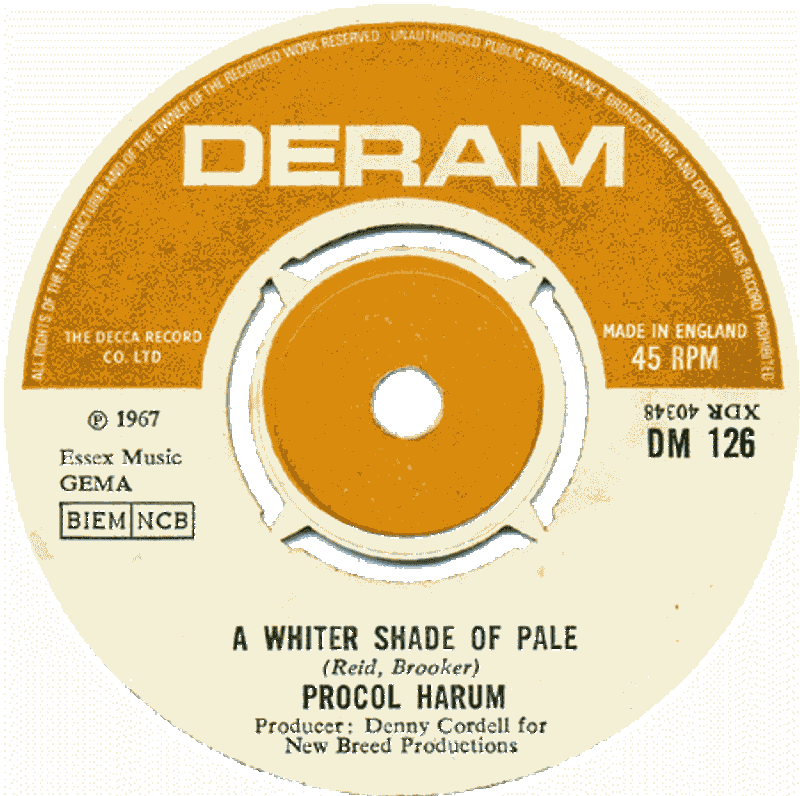
That haunting organ opening is instantly recognizable, even to people who could not name the band. It belongs to one of the defining records of the psychedelic age, released in 1967.
In the United Kingdom, the single spent six weeks at No. 1 on the Singles Chart. In the United States, it climbed to No. 5 on the Billboard chart.
Those numbers show how widely it traveled across the Atlantic.
What set it apart was its mood. The dreamlike sound and cryptic lyrics gave it a more serious feel than much of the pop on the radio at that time.
Listeners debated what the words meant, and that mystery helped keep the song talked about.
Today, the title may be better known than the group itself. Procol Harum deserves more credit for a record that sounded unlike its neighbors on the dial.
Give it a spin on a quiet evening and notice how the organ leads every moment.
“In the Year 2525” by Zager and Evans
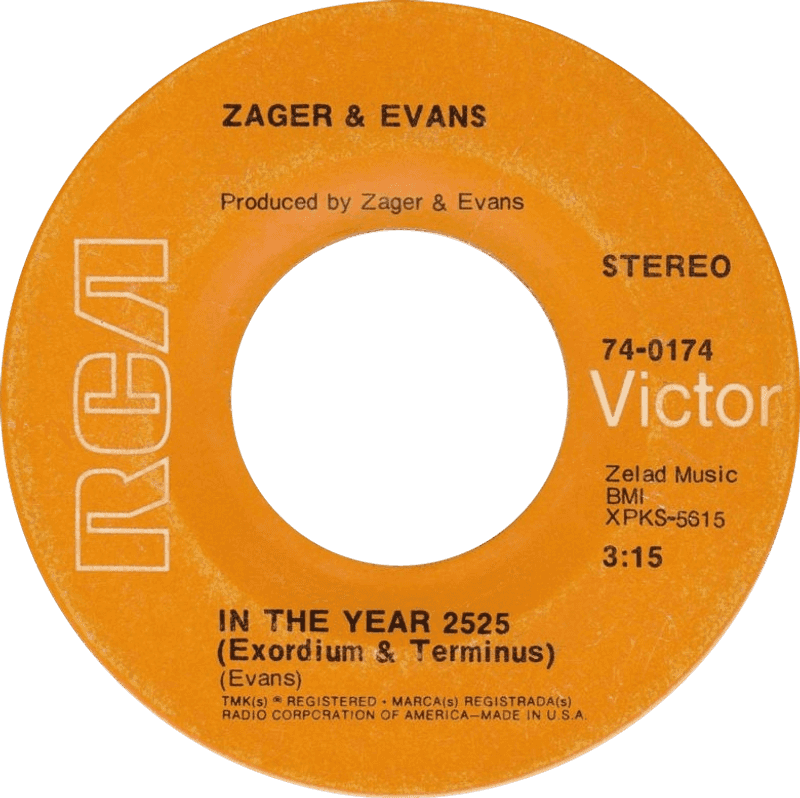
Pop radio does not often turn gloomy predictions about the future into giant hits. Zager and Evans managed it anyway, and they did it in a big way.
The song imagines what could happen to people as technology takes control of daily life. That unusual idea clearly struck a chord with listeners.
It reached No. 1 on the Billboard Hot 100 in July 1969 and stayed there for six weeks.
It also topped charts in the United Kingdom and several other countries. For a duo with a single big moment, that is a remarkable run.
Few acts can claim a worldwide chart-topper built around such a serious theme.
The timing helped, since 1969 was the year of the moon landing and wide curiosity about the future. Today the song often gets mentioned as a one-hit wonder, but its reach was anything but small.
It is a good pick for anyone who likes music with a big question at the center.
“Reflections of My Life” by Marmalade
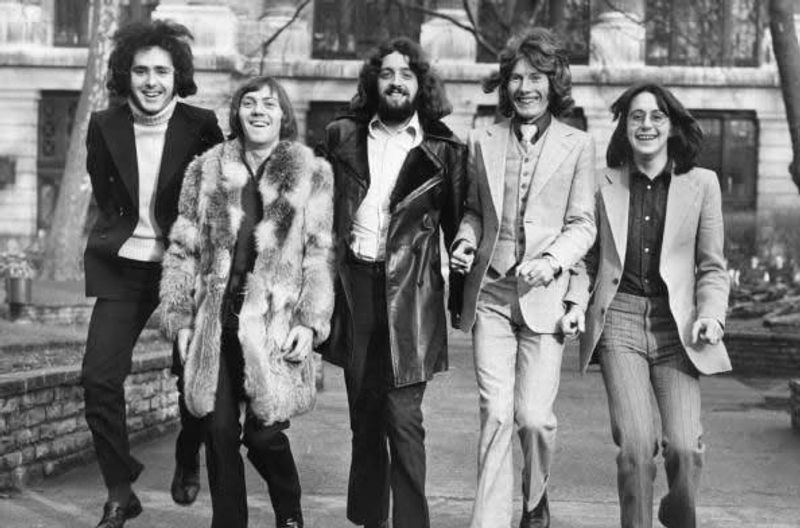
Most late-60s hits cheered for youth and optimism. Marmalade went in a more thoughtful direction with this one, and the choice paid off.
Released at the end of 1969, the song blends rich harmonies with an introspective mood. A memorable reverse-tape guitar section adds a touch of studio magic.
It reached No. 3 in the United Kingdom and later climbed to No. 10 on the Billboard Hot 100 in 1970.
Here is a number that shows how common it once was on the air. BMI recognized its writers after the song gathered more than one million U.S. radio performances.
That is a lot of spins for a tune many people rarely hear now.
It makes a good companion for a slow afternoon. If you only know the louder hits from the era, this one offers a gentler side of the charts.
The backward guitar is worth listening for.
“Time of the Season” by The Zombies
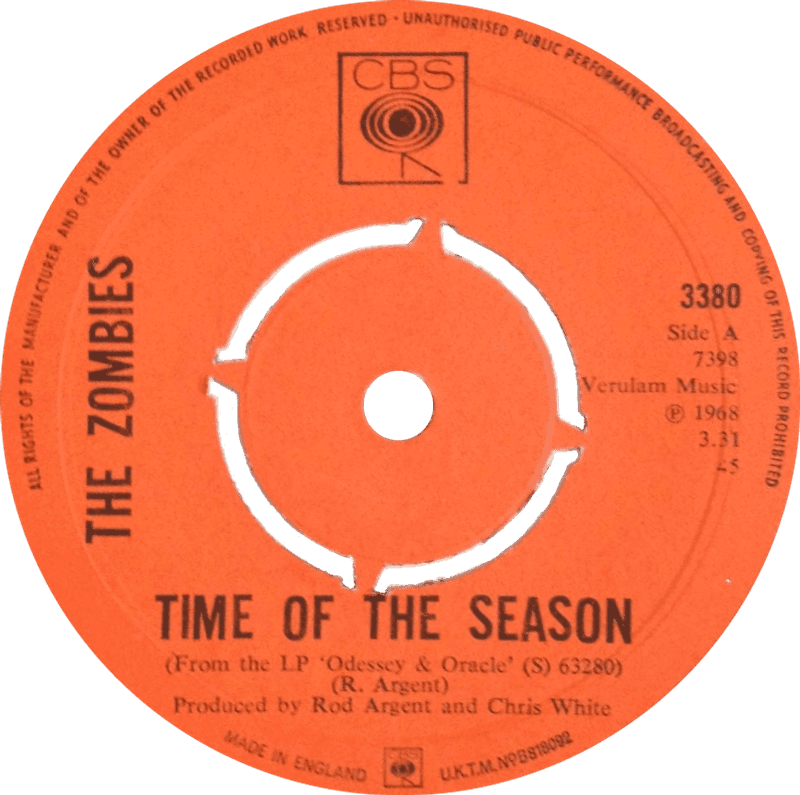
Here is a twist: The Zombies had already broken up before this song became their big late-career hit. That alone makes the story worth knowing.
The track is built around Colin Blunstone’s breathy vocal, Rod Argent’s keyboard work, and a rhythm that is easy to spot. It came from the band’s acclaimed album Odessey and Oracle, which struggled at first.
Over time, the song caught on in America and reached No. 3 in the United States in 1969.
That delayed success shows how music can find its audience slowly. The album is now praised by many fans, but it did not get that welcome right away.
The single helped turn the tide.
If you want to hear one of the most distinctive sounds of the late 60s, this is a strong choice. The spare, cool groove stands apart from the busy pop around it.
Try it on a long drive and let that keyboard take over.
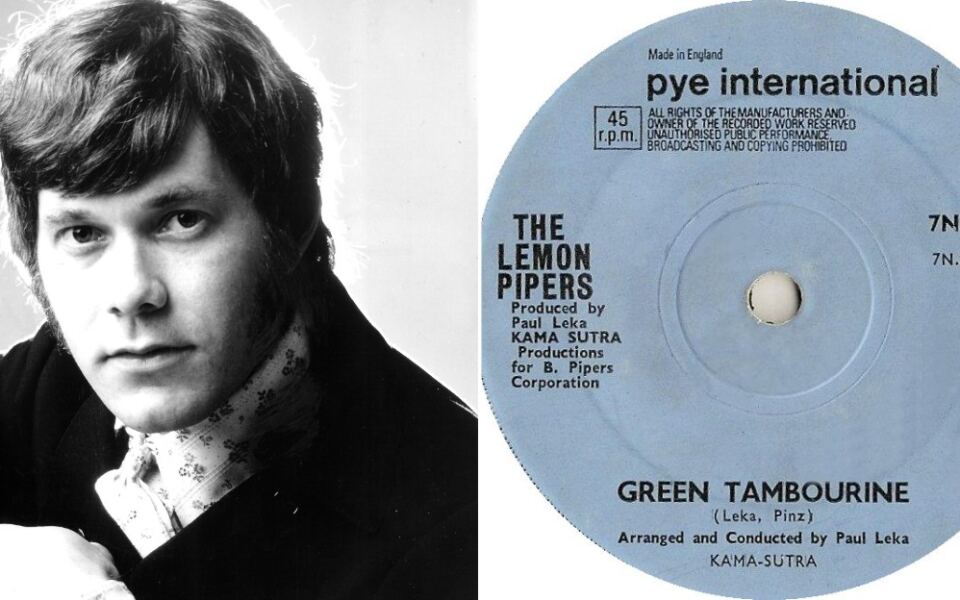
“Green Tambourine” by The Lemon Pipers
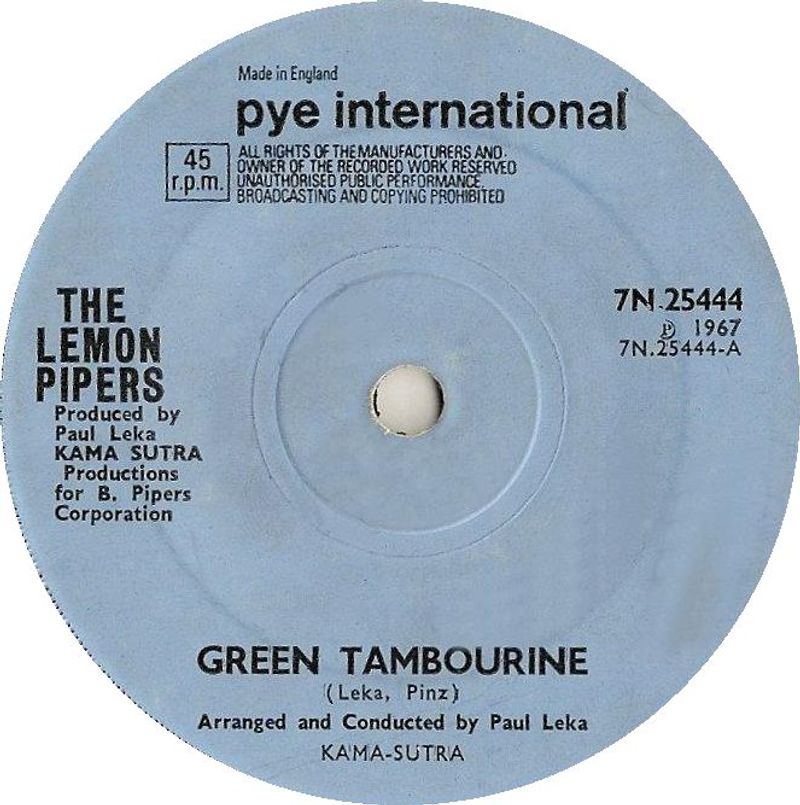
Psychedelic rock met bubblegum pop on this single, and the mix turned out to be a winner. It is a rare song that fits both labels at once.
The Lemon Pipers’ biggest hit features prominent percussion, strings, and studio effects, topped with a chorus that is easy to remember. Released in late 1967, it climbed to No. 1 on the Billboard Hot 100 in February 1968.
That made it the first No. 1 single for Buddah Records.
The record also reportedly sold more than one million copies. Not bad for a band many people cannot name today.
It is a good reminder that the charts of the time were full of odd and fun blends.
Listen for the tambourine, since the title promises it and the song delivers. The strings give it a lift that sets it apart from ordinary pop of the day.
It is a bright slice of 1968 radio that deserves another turn.
“Crimson and Clover” by Tommy James and the Shondells
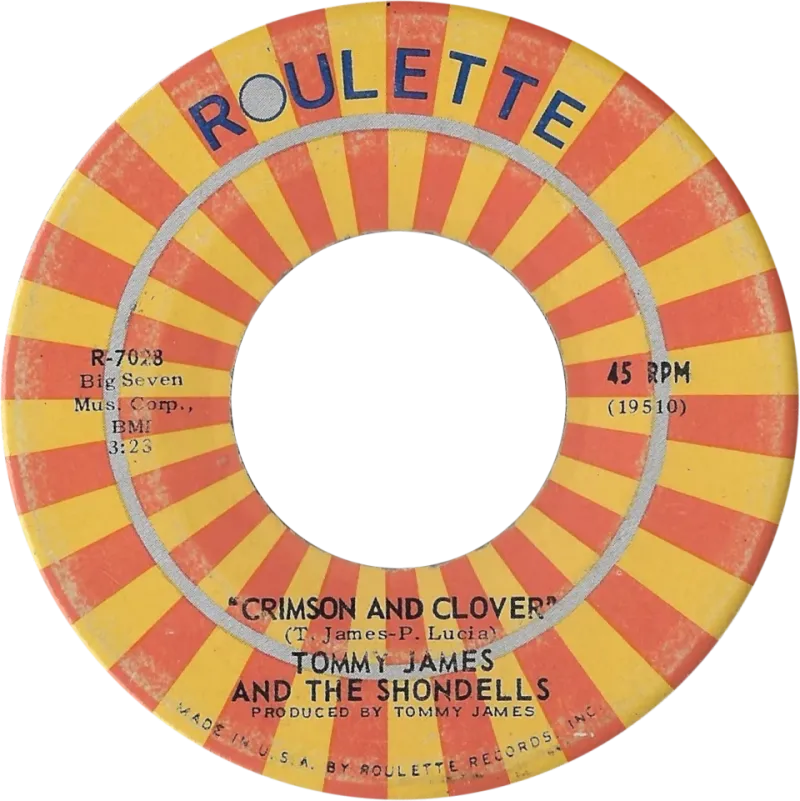
Tommy James and the Shondells already had several big pop hits when they decided to try something bolder. The result was a very different sound for the band.
This single mixes psychedelic production, dreamy vocals, and a distinctive tremolo effect. It felt dramatically unlike their earlier material.
Fans and radio programmers seemed to agree that the experiment worked.
The song spent 16 weeks on the Billboard Hot 100. It held the No. 1 position for two weeks in February 1969.
That is a strong showing for a group stepping outside its comfort zone.
It shows how a pop band can grow without losing its audience. If you only know the earlier, simpler hits, this one will sound like a surprise.
The shimmering vocal effect is the part to listen for, and it gives the whole record a signature that is easy to spot.
“Sunshine Superman” by Donovan

Donovan went from folk singer to psychedelic pop star, and this single shows the change clearly. It marked a fresh chapter in his career.
Released in the United States in 1966, the track blends folk influences with a heavier, more adventurous arrangement. It hinted at the psychedelic boom still to come.
American listeners embraced it right away.
The song spent 13 weeks on the Billboard Hot 100 and reached No. 1 in September 1966. It also became a major hit in the United Kingdom, where it peaked at No. 2.
That double success proved that his new sound could travel.
Many people know Donovan for other songs, but this one is a standout. It sits at a turning point between two eras of music.
Put it on when you want to hear a pop star trying something new and winning.
“Good Morning Starshine” by Oliver
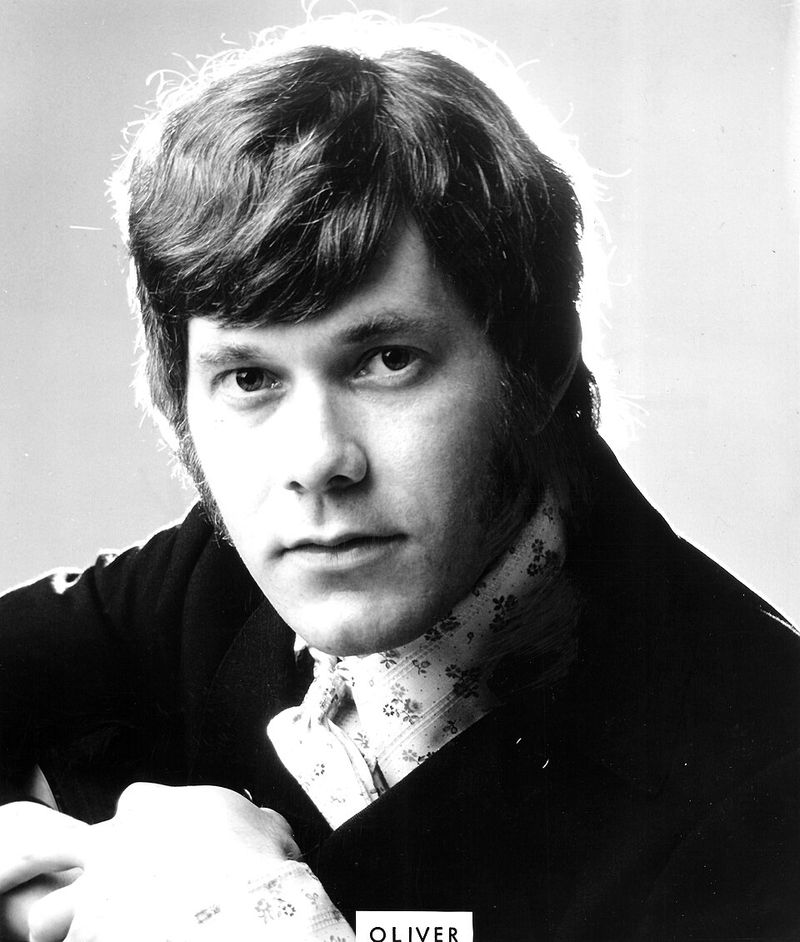
If you remember the musical Hair, you will recognize the wonderfully strange spirit behind this song. It is playful, odd, and a little silly in the best way.
Oliver’s 1969 recording took the tune from the stage and turned it into a pop-radio success. Its cheerful melody and famously nonsensical vocal passages made it one of the year’s more unusual hits.
Few songs sound quite like it.
The recording reached No. 3 on the U.S. Billboard Hot 100 and No. 6 on the UK Singles Chart.
That is a strong showing for a song that borrows so much from musical theater. It shows how widely the show’s music spread.
The scat-style singing near the end is the part many listeners remember. It is easy to sing along to even if you cannot explain the words.
Try it for a lighter break from more serious songs of the era.
“Sugar, Sugar” by The Archies
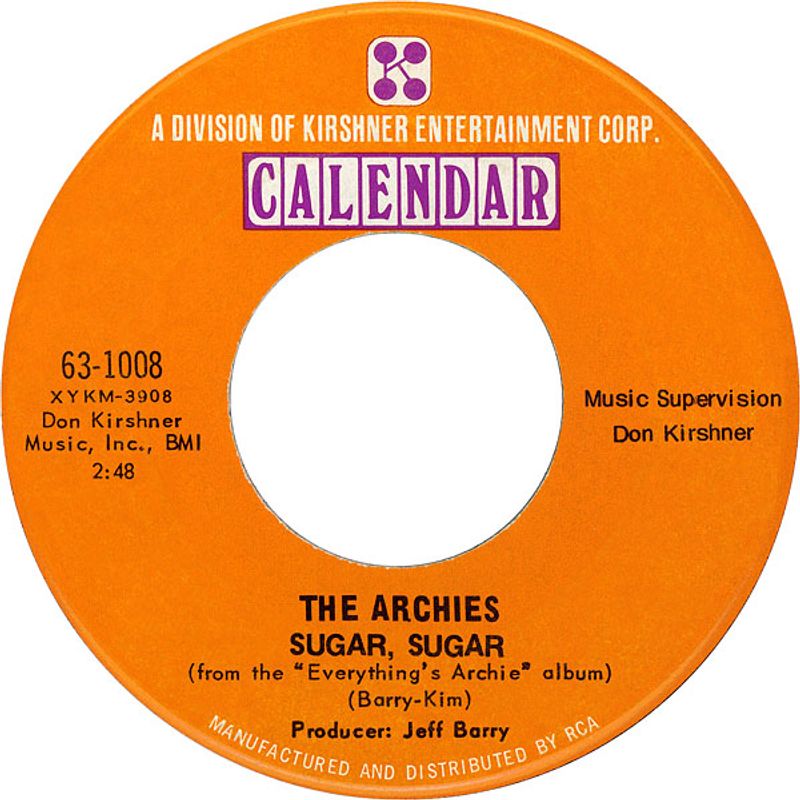
The band behind this song never had to carry an amp. The Archies were a fictional group tied to the Archie franchise, and studio musicians made the recordings.
That odd origin did not stop the song from becoming an enormous success. Released in 1969, its sweet melody and easy chorus made it one of the era’s defining pop singles.
It is a prime example of late-60s bubblegum music.
For a time, it seemed to be on every radio dial. Over the years it became less common in regular rotation.
Still, many people can sing the chorus after hearing just a few notes.
It makes a fun reminder of how cartoons and pop music mixed in those days. If you want a burst of simple, upbeat nostalgia, this track delivers it fast.
Play it for someone who grew up with the comics or the Saturday morning shows.
“The Rain, the Park & Other Things” by The Cowsills
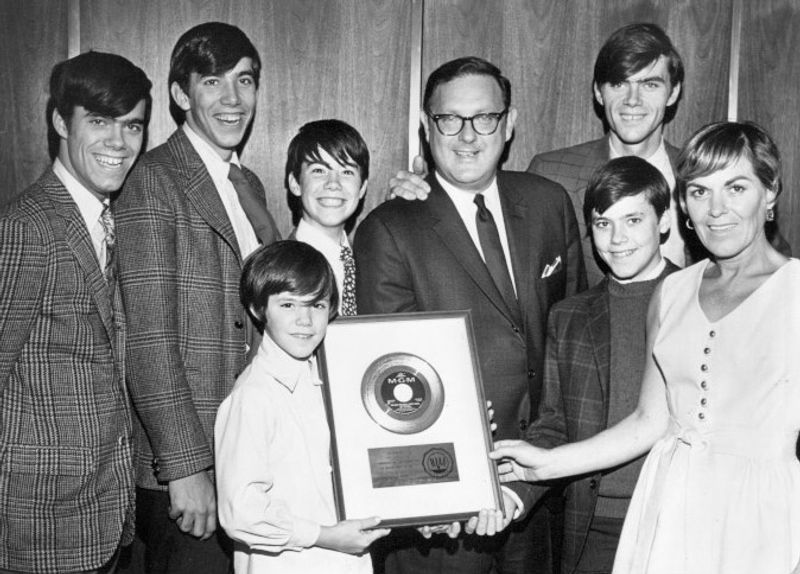
Long before television introduced The Partridge Family, a real family was already scoring major hits. The Cowsills were that family, and they had the harmonies to prove it.
This song has everything tied to sunshine pop: lush vocals, orchestration, dreamy imagery, and a cheerful melody. Released in 1967, it reached No. 2 on the Billboard Hot 100.
It also hit No. 1 on Canada’s RPM chart.
The mix of sibling voices gave the group a sound that was hard to copy. It stood out among the many solo acts and bands of the day.
The song feels like a bright snapshot of the period.
For anyone who grew up hearing it, the record can bring back the sound of late-60s AM radio in an instant. For new listeners, it is a sweet introduction to a family act worth knowing.
Let the harmonies carry you through.
“Spooky” by Classics IV
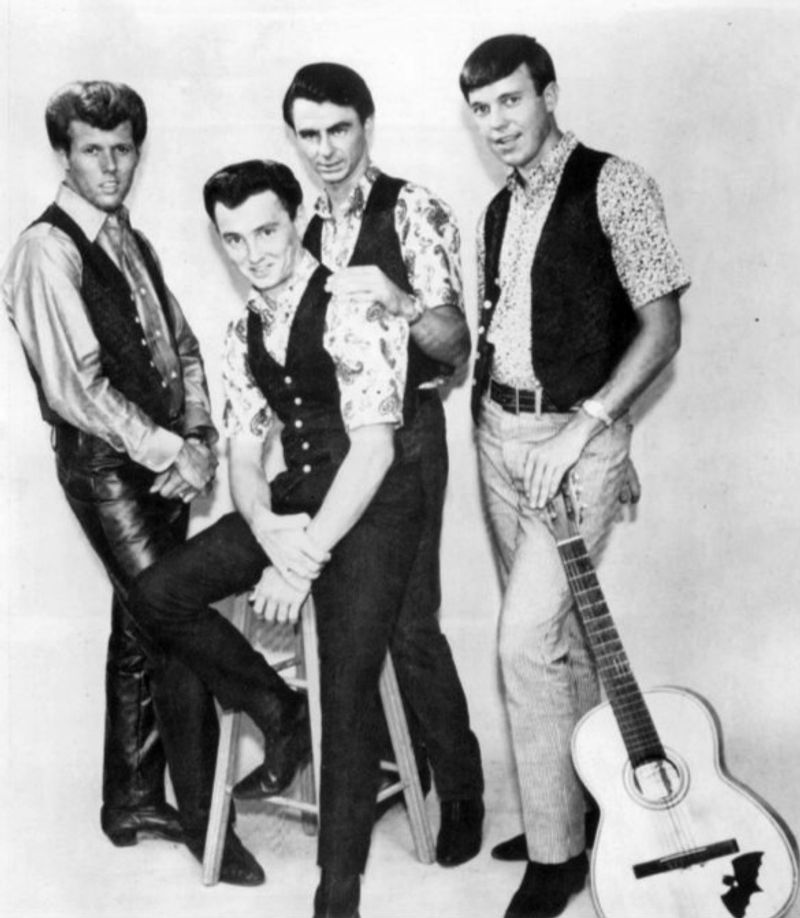
Before this song picked up many later covers, Classics IV turned it into one of the smoothest pop hits of the decade. The original still has a cool style all its own.
Dennis Yost’s laid-back vocal pairs with jazzy instrumentation and a memorable saxophone-driven arrangement. The result is a track that feels unusually relaxed for a major pop single.
It does not rush, and that is part of its appeal.
Listeners responded. The vocal version reached No. 3 on the Billboard Hot 100 in 1968 and topped the Canadian RPM singles chart.
The Atlanta Rhythm Section later brought the song back to the U.S. charts with its own version in 1979.
That second life shows how strong the tune really is. If you only know a cover, go back and hear the Classics IV take.
It is an easy, breezy listen from start to finish.
“Venus” by Shocking Blue
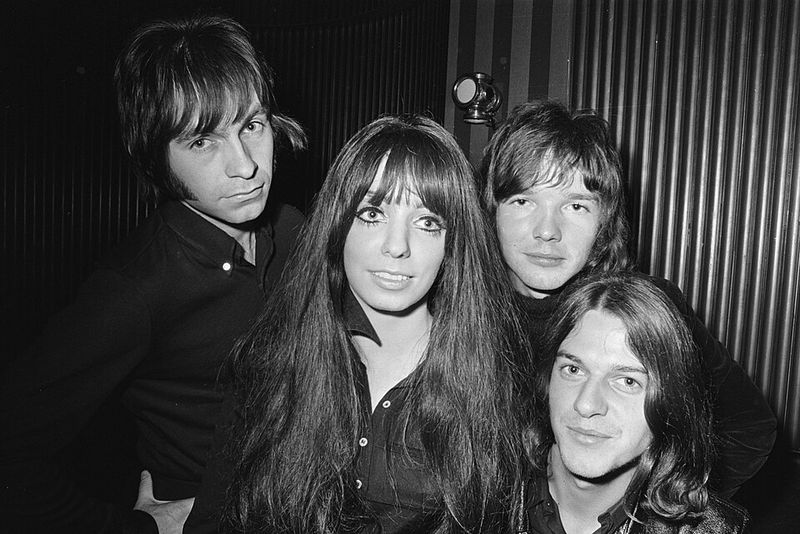
One of the most recognizable guitar riffs of its time came straight from the Netherlands. Shocking Blue’s single made a loud entrance on both sides of the Atlantic.
Fronted by Mariska Veres, the Dutch group released the song in 1969. It became a major European hit before breaking through in the United States.
Musically it belongs to the late 60s, but chart history adds a twist.
The song did not reach No. 1 on the Billboard Hot 100 until February 7, 1970. That made Shocking Blue the first Dutch band to score a Billboard Hot 100 No. 1.
The single ultimately sold millions of copies worldwide.
It is a great pick for fans of guitar-driven pop with a strong vocal. That opening riff is hard to forget once you hear it.
Turn it up and let the band show how far a Dutch group could reach.
“Yummy Yummy Yummy” by Ohio Express
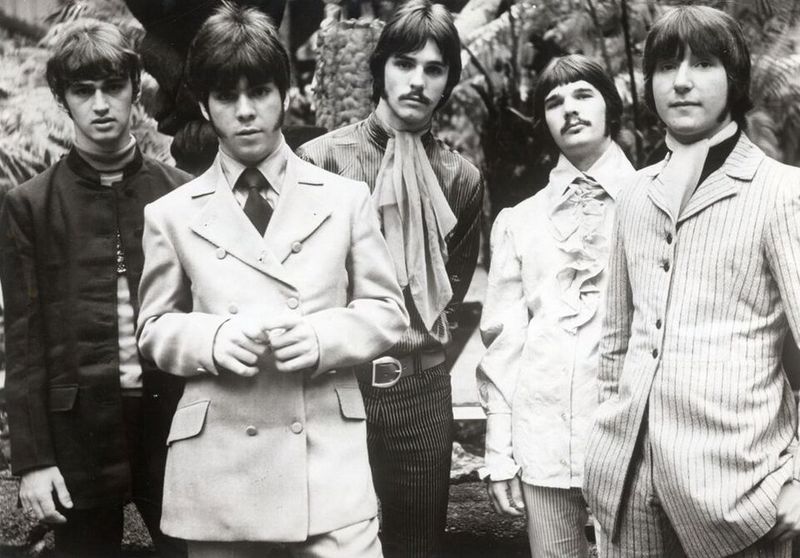
Subtle it was not. Catchy it absolutely was, and that was the whole plan.
Ohio Express released this song in 1968, at the peak of the bubblegum-pop craze. Its repetitive chorus and bright, uncomplicated production were built to stick in listeners’ heads.
That strategy worked very well.
The song became an international success. In Britain, it spent 15 weeks on the Official Singles Chart and peaked at No. 5.
Few simple songs have had such a long stay on a national chart.
Its sugary style may be exactly why it feels tied to one moment in pop history. Hearing it now is like opening a time capsule from the bubblegum years.
It is a fitting final entry for a list of songs that once seemed to be everywhere.
Share this story