Wolves are some of the most talked about animals in North America, yet few people ever get to see one up close. Across the country, sanctuaries and conservation centers give visitors a safe way to meet wolves and learn their stories.
Some focus on rescued wolfdogs, while others work to bring back endangered species like the Mexican gray wolf. Many offer guided tours, evening howl programs, and hands-on learning.
Here is a list of places where you can learn, listen, and maybe even join the chorus. Check each website for current hours and reservation rules before you go.
Colorado Wolf and Wildlife Center, Divide, Colorado
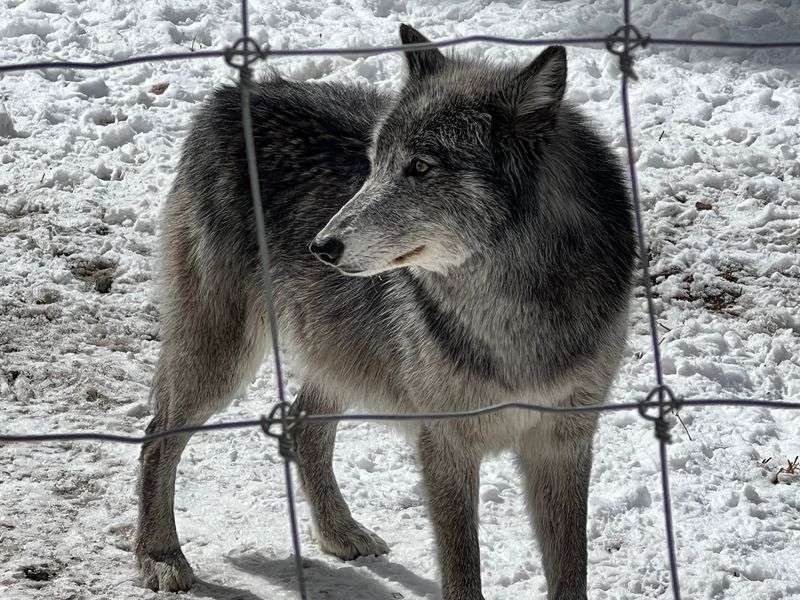
High in the mountains near Colorado Springs, this center offers several ways to meet its resident wolves. Standard guided tours introduce guests to wolves, coyotes, and foxes while explaining wolf biology and conservation.
Guides also cover the challenges these predators face, which gives the visit a strong learning angle. Anyone who wants a closer look at feeding time can book a feeding tour instead.
Night owls have an option too. Special full-moon programs pair animal viewing with talks about hunting, pack behavior, and howling.
That makes the evening version a good pick for visitors who like a little extra science with their sightseeing.
Tours traditionally finish with a group howl, so guests get to join in rather than just watch. It is a fun moment for families, friends, and solo travelers alike.
Since programs vary, check the center’s calendar and book ahead so you can choose the tour style that fits your trip to the Pikes Peak region.
International Wolf Center, Ely, Minnesota
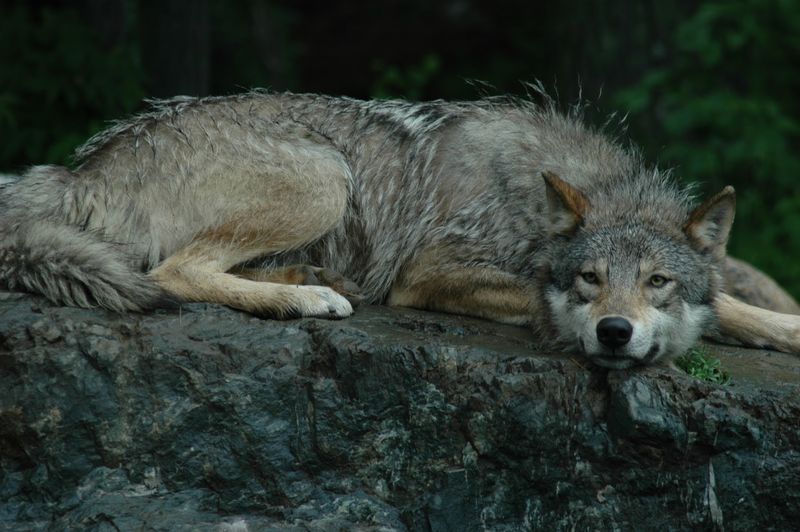
Ambassador wolves here live in a wooded 1.25-acre enclosure, and big viewing windows let guests watch them without disturbing the pack. That setup makes the International Wolf Center one of the best-known wolf education stops in the country.
General admission covers wolf viewing, educational presentations, films, and exhibits. It is a full visit even if you only have a few hours in northern Minnesota.
Summer brings something extra. Special behind-the-scenes programs let participants observe wolves from the outdoor side of the enclosure and talk directly with wolf-care staff.
If you are planning a winter trip, the center has published operating hours for the 2026-2027 winter season. Looking those over first will help you build your day around the schedule.
Bring questions, because the staff are used to curious visitors of every age.
Wolf Sanctuary of PA, Lititz, Pennsylvania
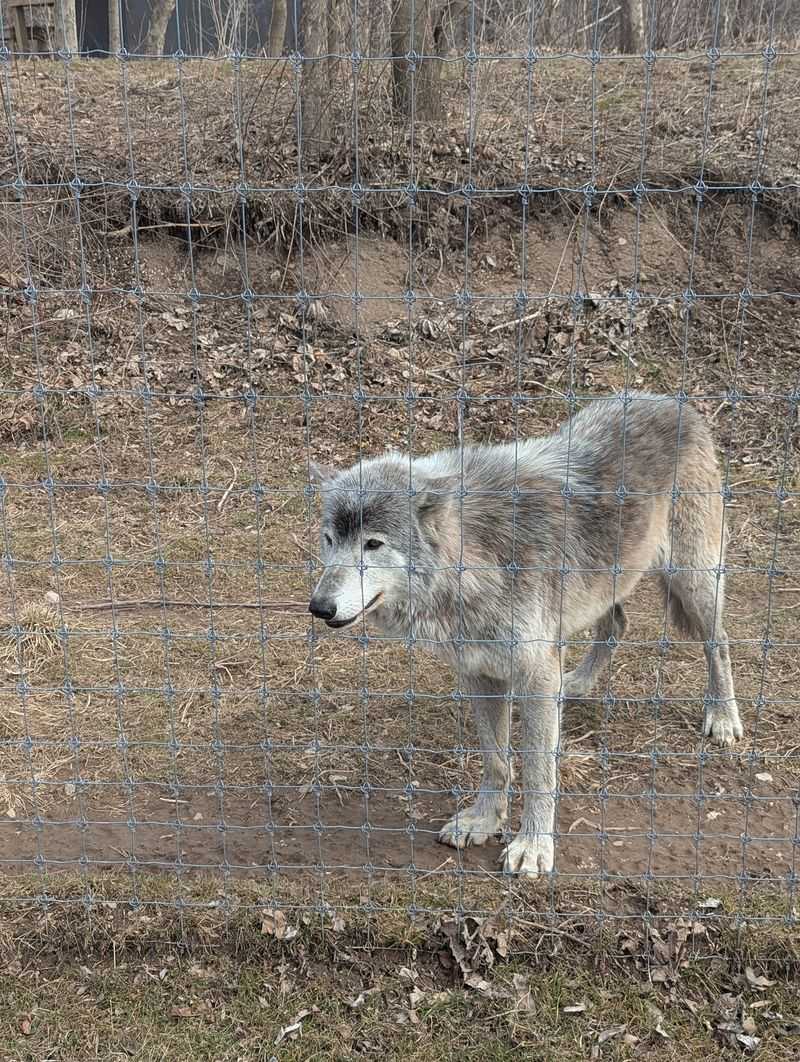
For decades, this Lancaster County sanctuary has given rescued wolves and wolfdogs a place to live out their lives. That long track record makes it a trusted name for anyone curious about wolf care.
Guided public tours lead visitors along natural trails to several packs. Along the way, guides explain wolf behavior, conservation, and the individual stories of the animals who call the sanctuary home.
Planning matters here. Public tours currently run on Tuesdays, Thursdays, Saturdays, and Sundays, and they require advance reservations.
Popular dates can sell out, so book early if you have a specific day in mind. A weekend trip to Pennsylvania Dutch country could easily include a stop here.
Wear comfortable shoes for the trails and be ready to listen, because every resident has a backstory worth hearing.
Wolf Park, Battle Ground, Indiana
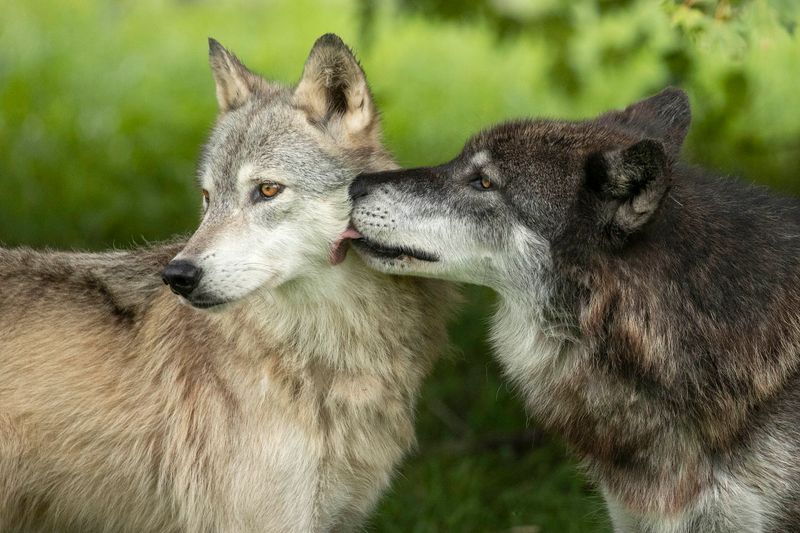
Few wolf destinations blend animal watching with behavioral research the way Wolf Park does. Visitors get education and science in the same trip, which sets it apart from simple viewing spots.
Guests can choose from scheduled educational tours, private programs, and special events. Among the most popular are the evening howl programs, which are a favorite for families and wildlife fans.
The calendar is worth a close look before you go. The current November 2026 schedule shows multiple daily wolf tours on operating days, along with private tours and other wildlife encounters.
That variety gives you options if you are traveling with a group that has different interests. Check which days the park is open, reserve where needed, and plan to stay a while.
A Midwest road trip near Lafayette is a great excuse to visit.
Wolf Haven International, Tenino, Washington

Wolf Haven is not a zoo, and that is the whole point. It provides lifetime sanctuary for captive-born wolves and other wild canids, so the animals’ welfare comes first.
Instead of open-ended wandering, guests join structured sanctuary visits. These are designed to introduce people to the animals while keeping stress for the residents low.
Timing is simple to remember. Visits are currently available on weekends and need advance reservations.
The Tenino visitor center and sanctuary stay open to the public on scheduled days, so confirm your date before driving south of Olympia. It makes an easy add-on for a Pacific Northwest weekend.
Bring a notebook if you like to jot down facts, since the focus here is on learning how to respect wild animals from a distance.
California Wolf Center, Julian, California
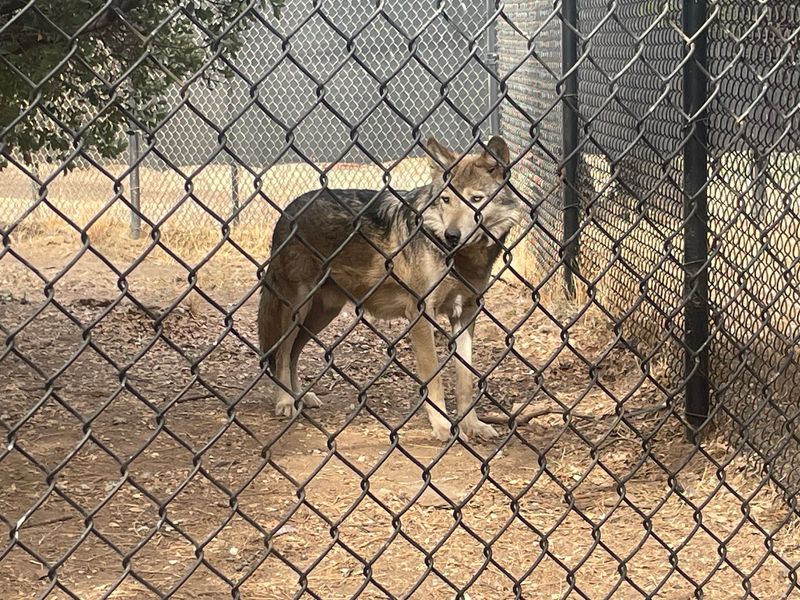
Conservation drives everything at this mountain center east of San Diego. Its main focus is the recovery of the endangered Mexican gray wolf.
The guided Conservation Tours introduce guests to ambassador wolf packs. Along the way, staff cover the history of wolves in North America and the recovery projects happening now.
Public tours are presently offered from Friday through Monday at selected times. Reservations are required, so lock in your spot before heading up into the hills.
Julian is already known as a popular mountain getaway, which makes the center easy to combine with a day trip. Come with questions about how recovery programs work, because this is a place where the science is front and center.
It is a smart choice for anyone who wants a visit with a real mission behind it.
Wild Spirit Wolf Sanctuary, Ramah, New Mexico
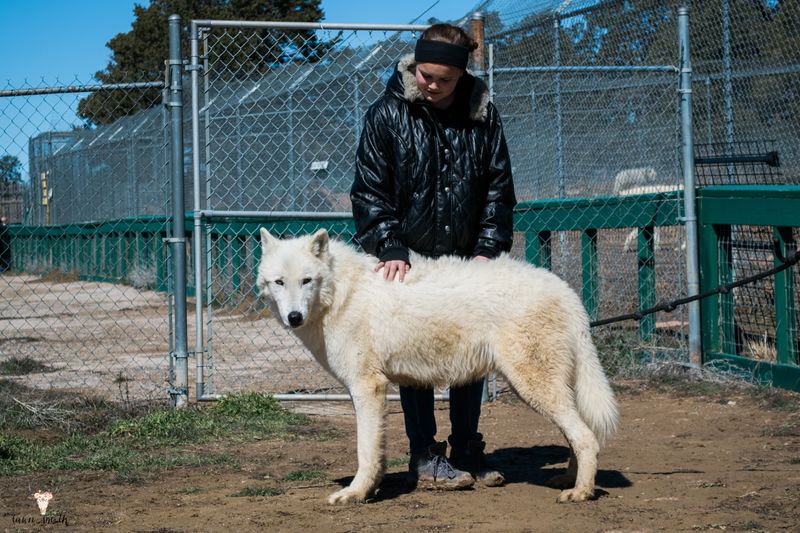
Some animals cannot go back to the wild, and Wild Spirit exists for them. The sanctuary provides lifelong homes for rescued wolves, wolfdogs, and other wild canids.
Visitors can explore part of the grounds and join guided tours. Guides share the stories of individual animals, which turns each stop into a small lesson about how they ended up here.
Hours are limited, so plan ahead. Current visitor hours run Thursday through Sunday.
There is also a seasonal catch. The sanctuary closes during part of winter, so check the schedule before making the trip to western New Mexico.
The remote setting means this is a destination in itself, best paired with a longer drive through the region. Pack water, wear sturdy shoes, and bring curiosity.
Endangered Wolf Center, Eureka, Missouri
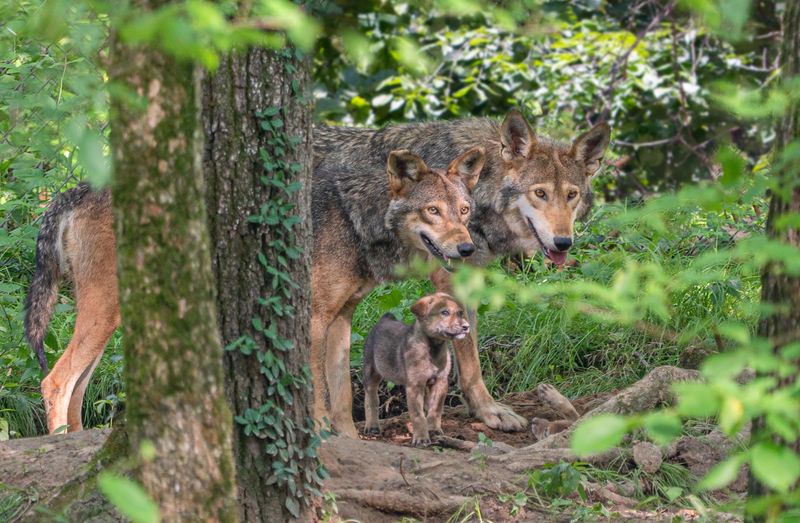
Just southwest of St. Louis, a serious conservation program is hiding in plain sight. The Endangered Wolf Center blends public education with work to protect threatened and endangered canids.
Guided programs let guests meet members of the center’s pack and learn about recovery efforts. It is a hands-on way to understand why these animals need help.
After dark, evening wolf-howl programs offer another memorable option. Visitors get a chance to hear wolves vocalize once the sun goes down.
Reservations are required for visits, so book ahead instead of showing up on a whim. The location makes it a handy outing for anyone in the St. Louis area who wants a half-day adventure.
Bring a jacket for evening programs and your best howling voice.
Seacrest Wolf Preserve, Chipley, Florida
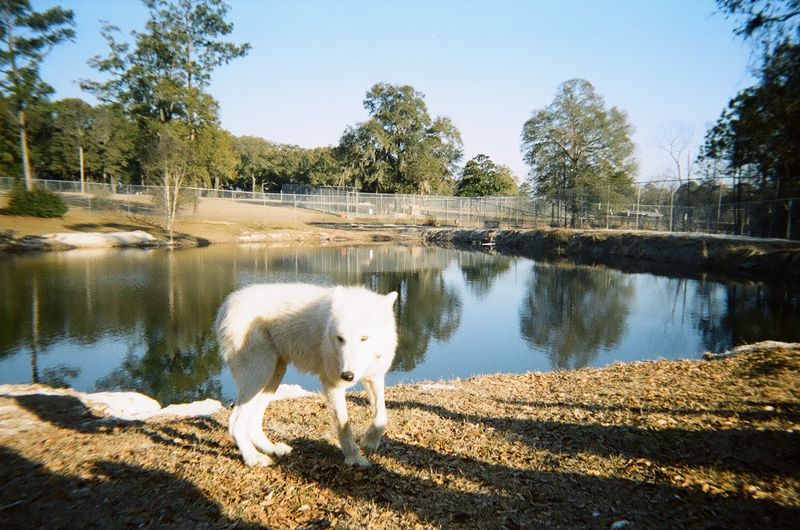
Few wolf stops are as immersive as Seacrest in the Florida Panhandle. Visitors can pick from scheduled group tours, private VIP experiences, private group programs, and photography sessions.
Depending on the tour and current rules, some experiences include entering wolf enclosures under staff supervision. That sets Seacrest apart from places where all viewing happens from behind a fence.
Every visit requires an advance reservation, so spontaneous drop-ins are off the table.
Safety rules are strict, too. Guests entering animal areas must follow clothing and safety requirements, so read the guidelines before you pack.
Photographers and small groups may find the private options appealing. As with any close encounter, listen carefully to staff and follow every instruction.
Lakota Wolf Preserve, Columbia, New Jersey
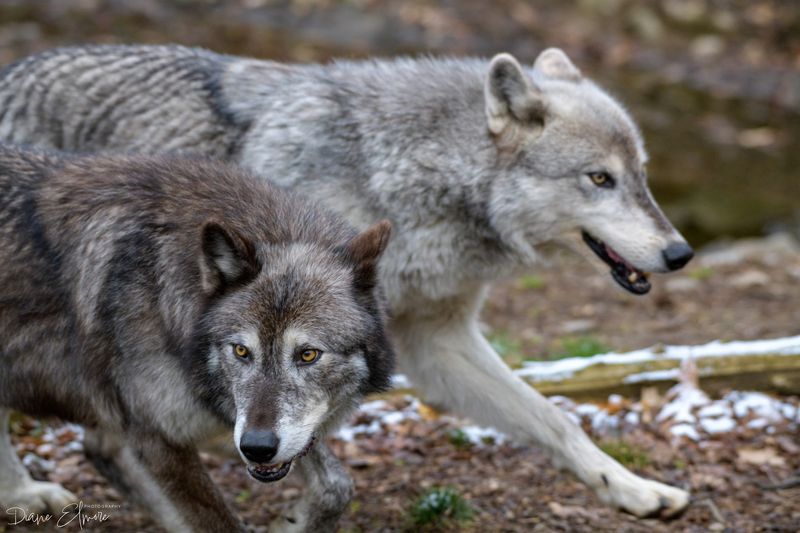
Forget the walk-in ticket booth. Lakota Wolf Preserve can only be visited through a scheduled guided tour, which keeps groups small and organized.
The preserve sits in wooded hills near the Delaware Water Gap. Wolves roam spacious natural surroundings, so visitors observe them in a setting that looks closer to the wild than a typical exhibit.
Tours are normally offered twice per day. Reservations are required before arriving, so pick your time slot first and plan your day around it.
New Jersey might not be the first state people link with wolves, which makes this a pleasant surprise for road trippers. Pair it with other outdoor stops in the Water Gap area.
Arrive on time and bring a camera for the tour.
Saint Francis Wolf Sanctuary, Navasota, Texas
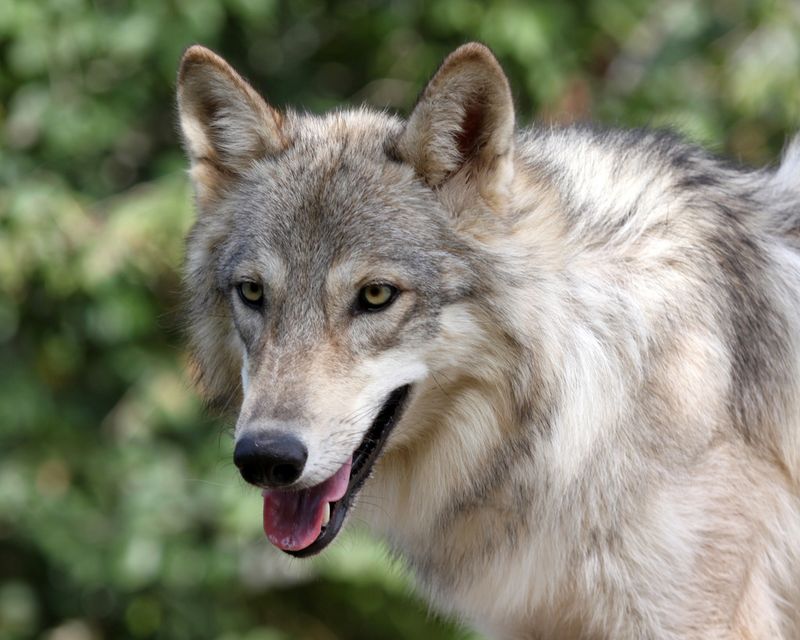
Rescue stories carry the day at this Texas sanctuary. It cares for wolves and wolfdogs while using their histories to teach visitors about responsible ownership and wolf conservation.
General tours typically bring guests within roughly 20 to 25 feet of the animals. That is close enough to watch behavior without crowding anyone.
VIP tours go closer. Guests stand approximately three to five feet from some residents and can help with enrichment feeding using long tongs.
A barrier always remains between visitors and the animals, which keeps everyone safe. If you are deciding between tour types, think about how close you want to get and how much time you have.
Either way, expect to leave with a better understanding of why wolfdogs are not simple pets.
WolfWood Refuge, Ignacio, Colorado
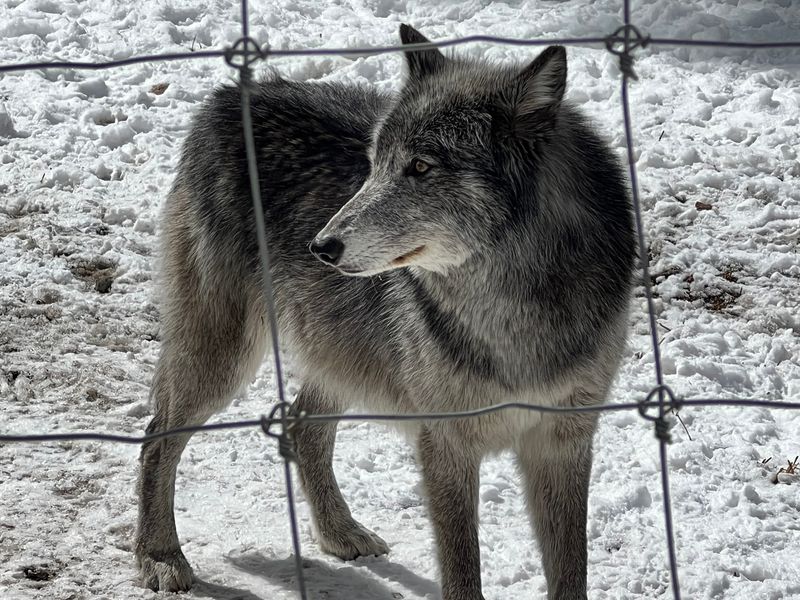
Since the 1990s, WolfWood Refuge has cared for rescued wolves and wolfdogs in southwestern Colorado. Today it provides a home for dozens of animals.
Guided visits are designed to be smaller and more personal than a conventional zoo outing. That approach gives guests time to hear about the residents rather than rush past them.
Some visits include more than watching. Depending on each animal’s temperament and comfort level, guides may allow carefully managed interactions during a tour.
Because those decisions depend on the animals, no two visits are exactly alike. Check the refuge’s current visitor information before planning your trip near Ignacio.
Come ready to follow your guide’s directions closely.
White Wolf Sanctuary, Tidewater, Oregon
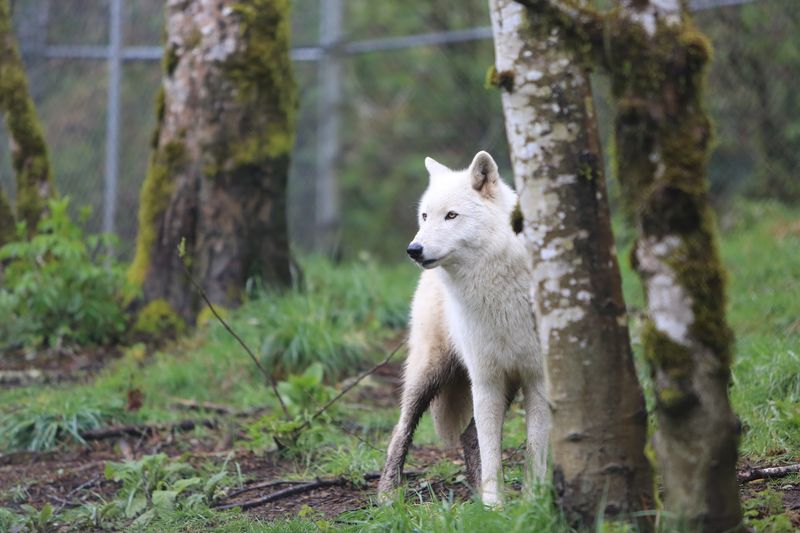
A secluded mountain setting along the Oregon coast gives this sanctuary a quiet character. Large natural habitats provide room for its resident ambassador wolves.
Tours here are private and available by appointment. That means you will not be joining a big crowd, which suits families or small groups.
Each visit begins with an educational presentation. Afterward, guests walk through the sanctuary and learn the histories of individual wolves.
Plan on tours lasting around two hours. Build your schedule so you are not rushed, especially if you are driving the coast highway.
Call or check the sanctuary’s website to arrange your appointment before you go. Wear layers and sturdy shoes for the walk.
Wolf Connection, Acton, California
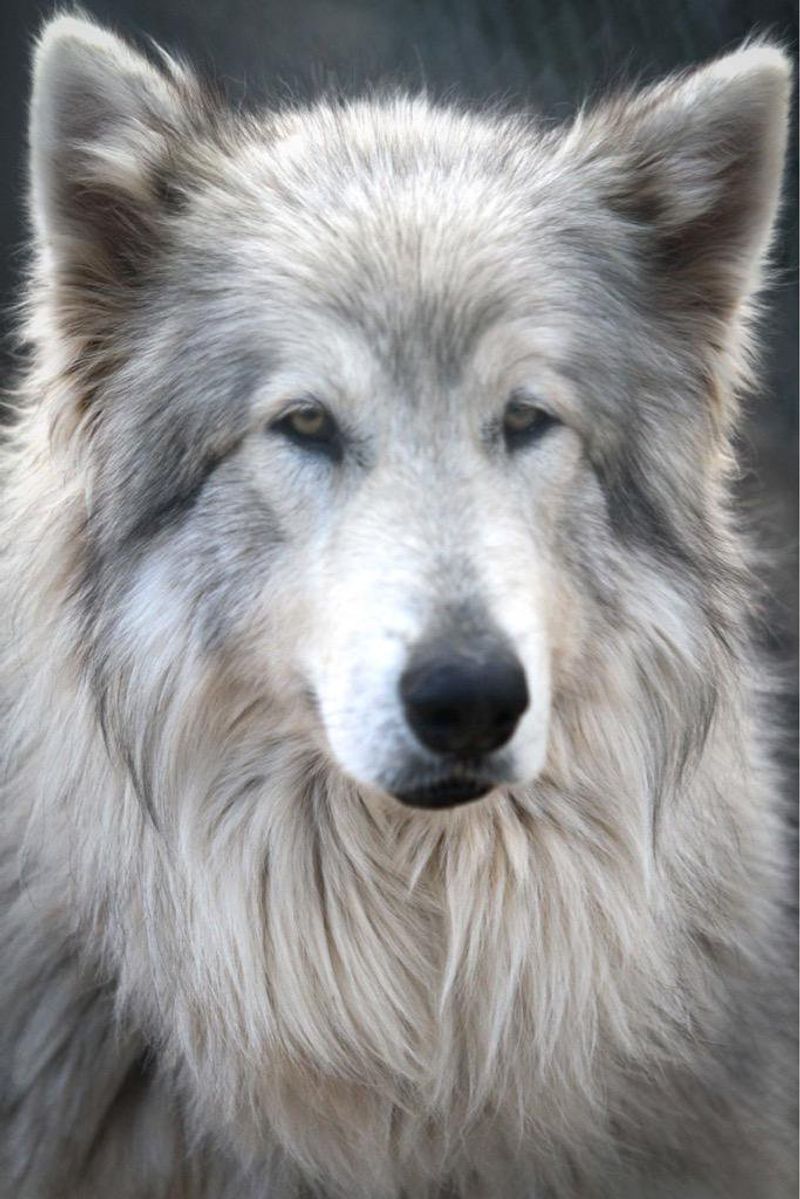
North of Los Angeles, Wolf Connection runs a large sanctuary that mixes rescue work with educational and experiential programs. It is a mountain escape within reach of the city.
Current offerings include private visits, Enchanted Wolf Encounters, and Wander With Wolves programs. Each has its own style, so read the descriptions before booking.
Some experiences include touring areas that house more than 40 wolves and wolfdogs. Selected programs may involve walking near sanctuary animals or carefully managed interactions.
The organization’s calendar lists scheduled events in November and December 2026, which helps with planning holiday-season outings. Reserve early if a particular date matters to you.
Follow staff guidance at all times.
Mission: Wolf, Westcliffe, Colorado
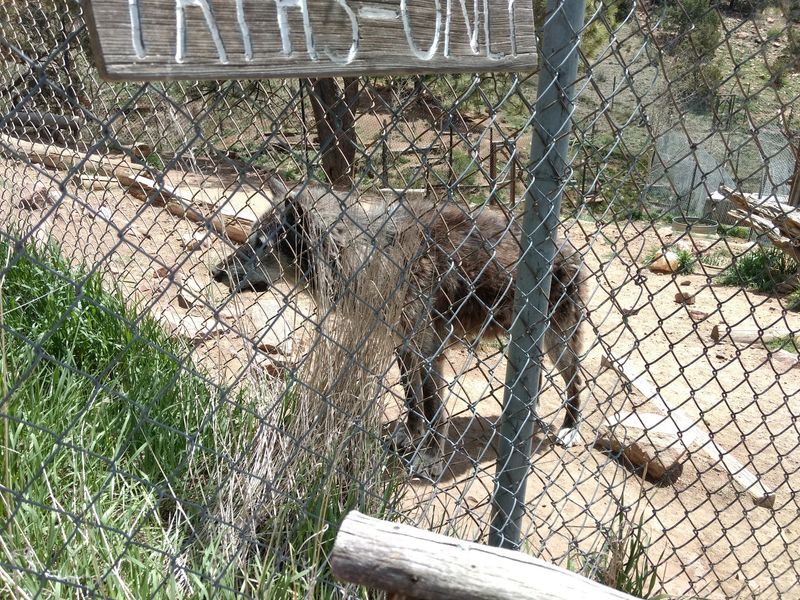
Remote southern Colorado is the backdrop for a very different sanctuary experience. This off-grid organization cares for wolves and wolfdogs while teaching visitors about wildlife, sustainability, and responsible animal stewardship.
Visitors are currently welcome on Tuesdays and Saturdays. Arrivals are generally scheduled between 9 and 10 a.m., so plan an early start.
Guests can take a tour and may also join volunteer projects during their stay. That adds a hands-on layer for anyone who wants to give something back.
There is no standard admission fee, although donations are encouraged. Those gifts help support the animals and the work.
Confirm current visiting details before you travel, since the location is remote.
Share this story