The second-largest Cambodian community in the United States lives less than an hour north of Boston. Its best-known comfort food is a clear pork noodle soup that many Cambodian families eat for breakfast.
I did not see that coming.
The soup is called kuy teav. Thin rice noodles rest in a light broth, topped with things like sliced pork, herbs, bean sprouts, and fried garlic.
You add lime and chili at the table and build the bowl the way you like it.
What gets me is the setting. The soup lives in an old mill city in Massachusetts, a place better known for brick factories and canals than lemongrass.
Refugee families started rebuilding their lives here in the 1980s, and they brought their kitchens with them.
So why would anyone from Boston drive up for soup? Honestly, I think the better question is why more people don’t.
1. Kuy Teav
Breakfast soup sounds odd until you meet the bowl that Cambodian families have loved for generations. Kuy teav is a clear broth soup built on pork bones, with thin rice noodles waiting underneath.
The toppings change from kitchen to kitchen, which is part of the fun. You’ll often see sliced pork, ground pork, bean sprouts, scallions, cilantro, and a shower of fried garlic.
Then the bowl becomes yours. Lime wedges, chili, and sauces usually sit nearby, so you can push the flavor brighter, hotter, or saltier.
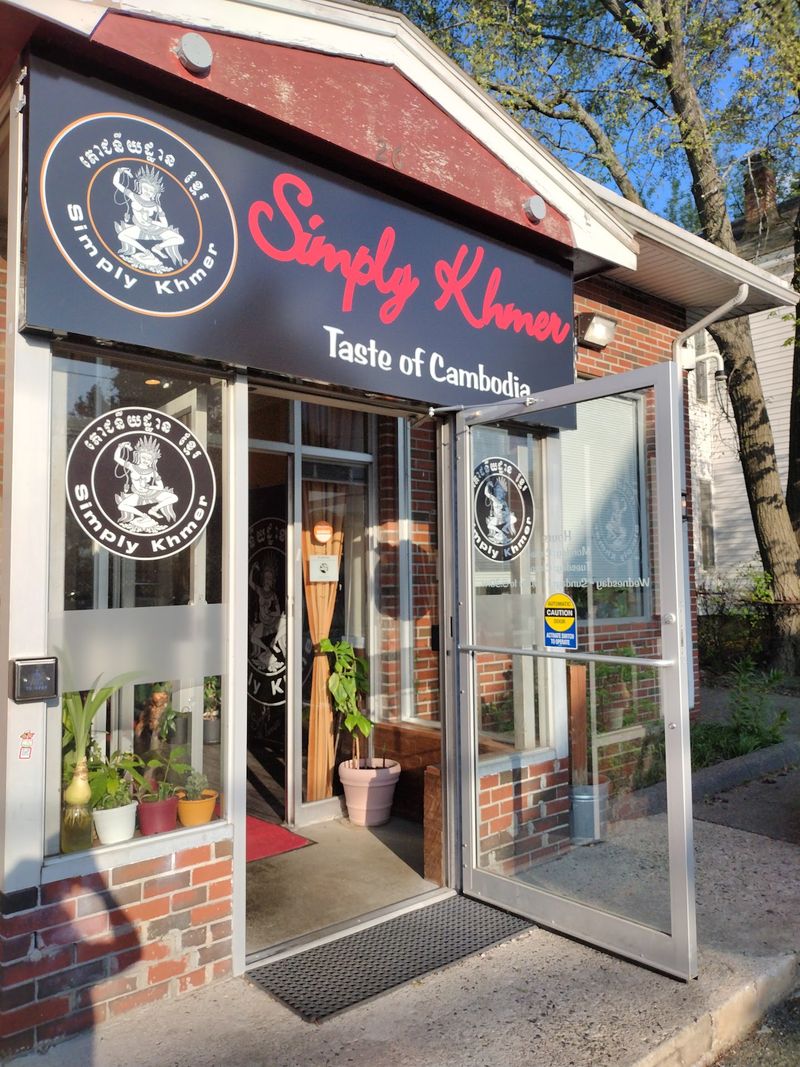
Lowell happens to be one of the best places in Massachusetts to try it. Cambodian restaurants like Simply Khmer, on Chelmsford Street, serve Khmer cooking to a city with deep roots in the cuisine.
Why does a light soup earn a highway trip? Part of the answer is that Cambodian restaurants are rare in the Boston area, while Lowell has a cluster of them close together.
The other part is the soup itself. It’s gentle enough for a chilly October morning and lively enough that you’ll keep reaching for the lime.
Order it once and you’ll understand why kuy teav is the dish people mention first when Lowell and Cambodian food come up in the same breath.
Address: Simply Khmer, 26 Chelmsford St, Lowell, MA 01851
2. Cambodia Town
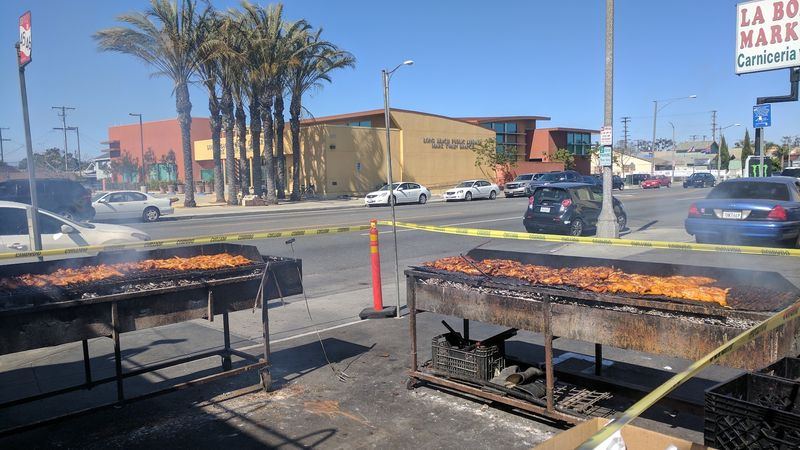
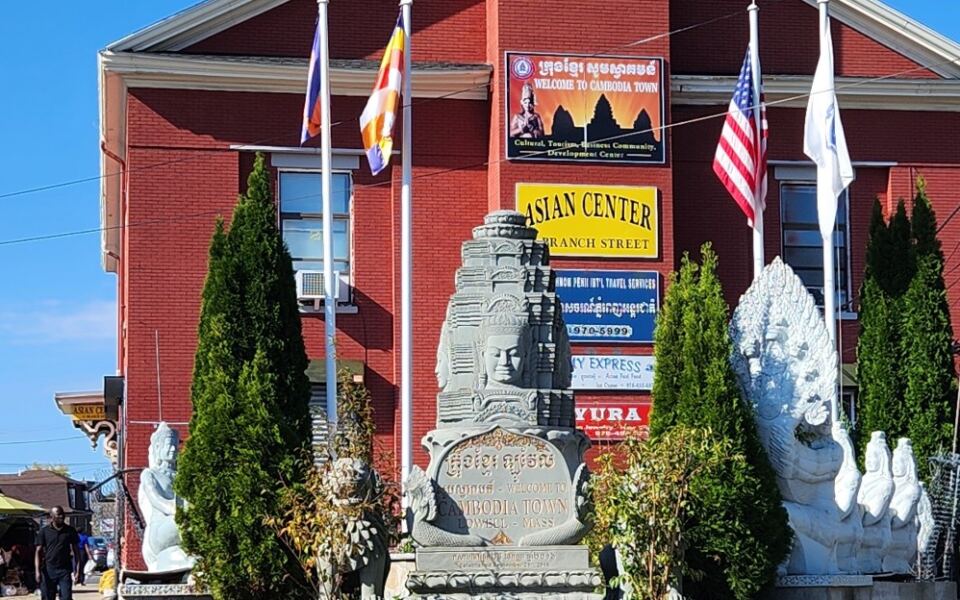
Not many Massachusetts neighborhoods carry a country’s name on their street signs. Lowell’s Cambodia Town does, and it centers on the Middlesex Street area west of downtown.
The city formally recognized the district to honor the Cambodian community that shaped it. You’ll find markets, small restaurants, jewelry shops, and businesses with signs written in Khmer script.
For a soup hunter, that density is gold. Instead of chasing one lonely restaurant, you can browse a whole stretch where Cambodian cooking is part of daily life.
Grocery stops are a bonus worth planning for. Southeast Asian markets in the area often stock rice noodles, fish sauce, herbs, and snacks that are harder to track down in Boston.
Treat the visit like a slow afternoon, not a quick errand. Park once, wander a few blocks, and let your appetite pick the next stop.
Residents from around the region already know this corner of Lowell well. For many Bostonians, though, it remains a surprise just a short drive away, and that’s half the appeal.
Showing up with a friend who has never heard of Cambodia Town is a pretty great way to look like the most in-the-know person in your group chat.
Address: Middlesex St, Lowell, MA 01851
3. A Community That Rebuilt
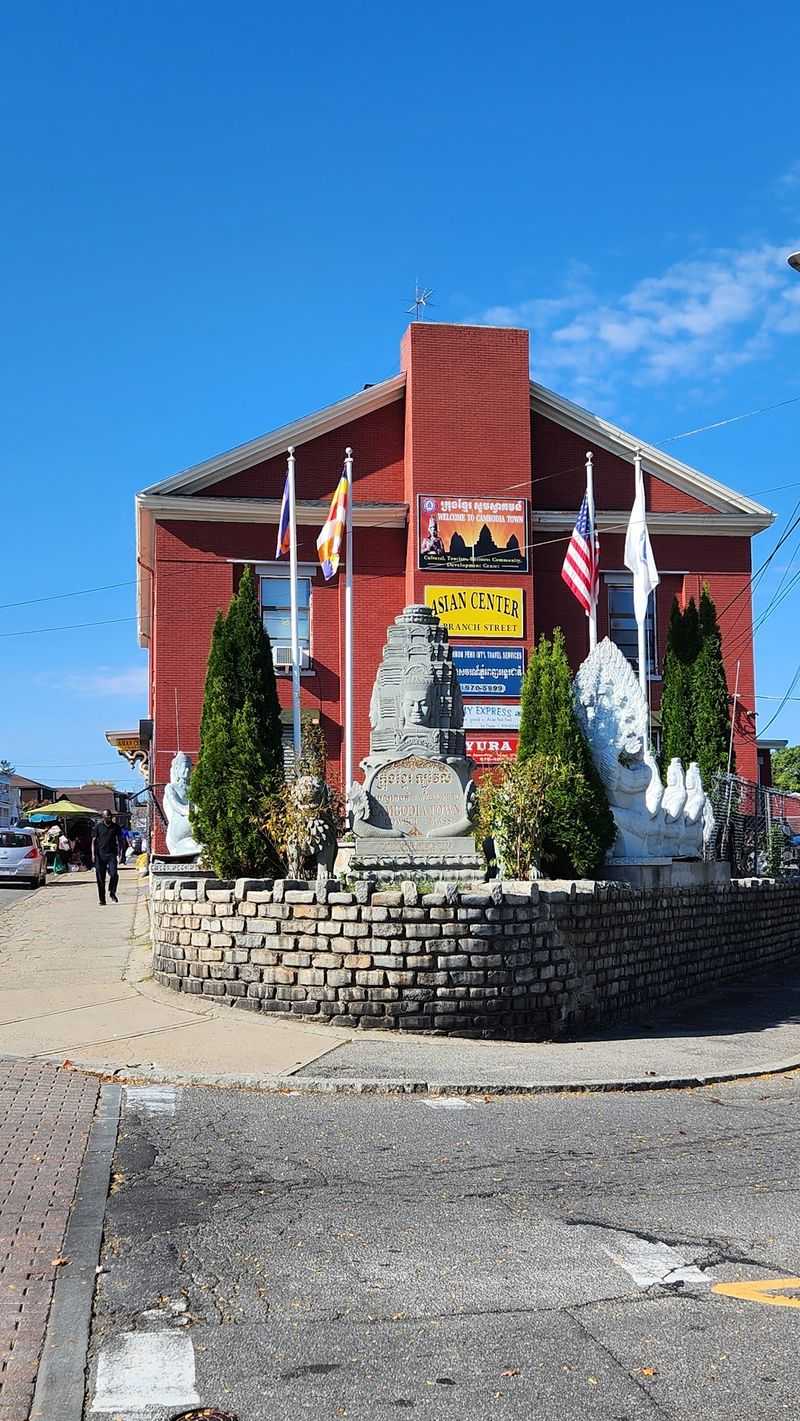
Soup tastes better when you know the story behind the stove. Lowell’s Cambodian community grew largely from refugees who fled the Khmer Rouge era and resettled in the United States.
Many families arrived during the 1980s. Jobs in the area, along with support from local churches and organizations, helped draw newcomers to the city.
Word spread, and relatives followed relatives. Over time, Lowell became home to one of the largest Cambodian populations in the country, often cited as second only to Long Beach, California.
Food was one way families held on to home. Recipes for dishes like kuy teav and num banh chok traveled in memory, then found new life in Massachusetts kitchens and storefronts.
Cambodian Americans have also stepped into local leadership. Lowell has elected Cambodian American city councilors, and Sokhary Chau became the city’s mayor in 2022, a first for a Cambodian American mayor in the United States.
Knowing this history changes the meal in a quiet way. You’re not just grabbing lunch on a drive.
You’re tasting the result of decades of courage, patience, and stubborn love for the flavors of home, served up in one of the most historic cities in the state.
Address: Lowell City Hall, 375 Merrimack St, Lowell, MA 01852
4. The Easy Ride North
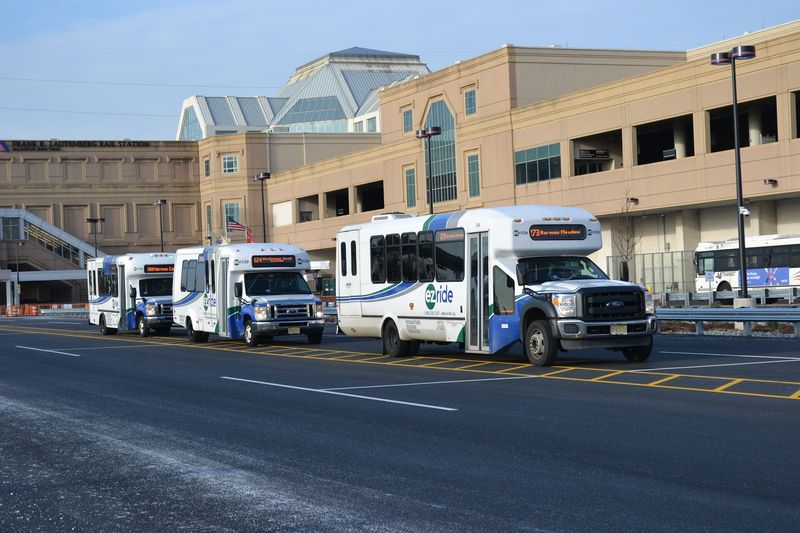
Good news for anyone who dreads Boston traffic: you don’t even need a car. The MBTA Lowell Line runs commuter rail trains between North Station and Lowell.
The ride usually takes under an hour, depending on the train. That means you can read a chapter, scroll a bit, and arrive hungry without fighting I-93.
Driving works fine too. Lowell sits roughly 25 miles northwest of Boston, so a weekend run is short enough to feel spontaneous.
The math also favors your wallet. Noodle soup is an affordable meal by nature, and a train ticket costs far less than a fancy brunch in the city.
Plan around the clock a little. Some Cambodian restaurants open early because soup is a morning tradition, and hours can vary by day, so a quick check before leaving saves disappointment.
Once you reach the Gallagher Terminal, downtown and Cambodia Town are both within reach by a short ride or a longer walk. Pack comfortable shoes, an empty stomach, and maybe a tote bag for market finds.
Few Massachusetts day trips deliver this much flavor for this little effort, and that low-stress payoff keeps Boston folks coming back.
Address: Charles A. Gallagher Transit Terminal, 145 Thorndike St, Lowell, MA 01852
5. Lowell National Historical Park
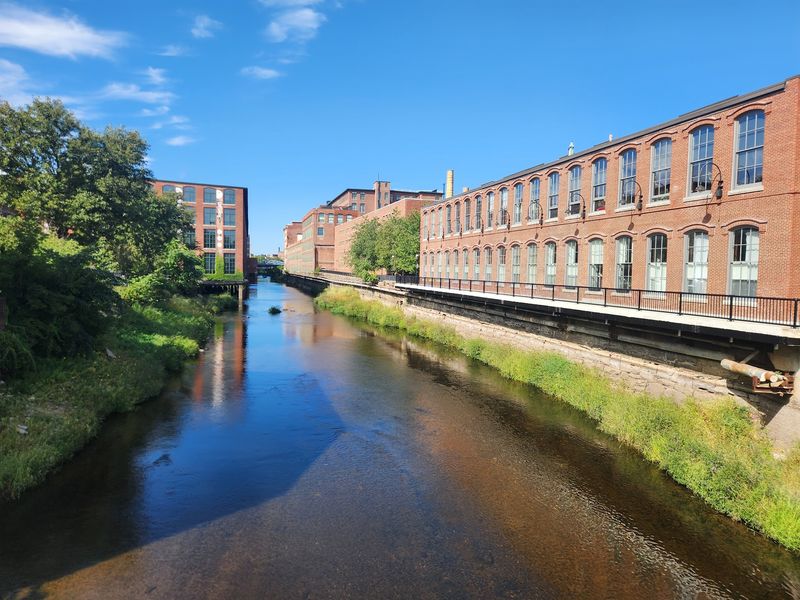
Mills first, noodles second, or the other way around? Lowell National Historical Park makes a great partner to a soup run either way.
The park tells the story of America’s Industrial Revolution through Lowell’s brick mills and canal system. Its visitor center on Market Street is a handy place to start.
Here’s the neat connection. Lowell has always been a city of newcomers, from the Yankee mill girls of the 1800s to Irish, Greek, Portuguese, and later Southeast Asian families.
Cambodian residents are part of that long chain of arrivals. Eating kuy teav after a canal walk turns one afternoon into a mini lesson on how immigrant cities grow.
The park also offers seasonal canal boat tours and ranger programs. Schedules change through the year, so look them up before you go.
Autumn adds a bonus layer. Trees along the canals turn gold and red, and the brick buildings look sharp against a crisp blue sky.
Grab a hot bowl of soup afterward, and you’ve got a fall day in Massachusetts that feels rich, cheap, and wonderfully unexpected for a town many Bostonians only know from highway signs.
Address: Lowell National Historical Park Visitor Center, 246 Market St, Lowell, MA 01852
6. Southeast Asian Water Festival
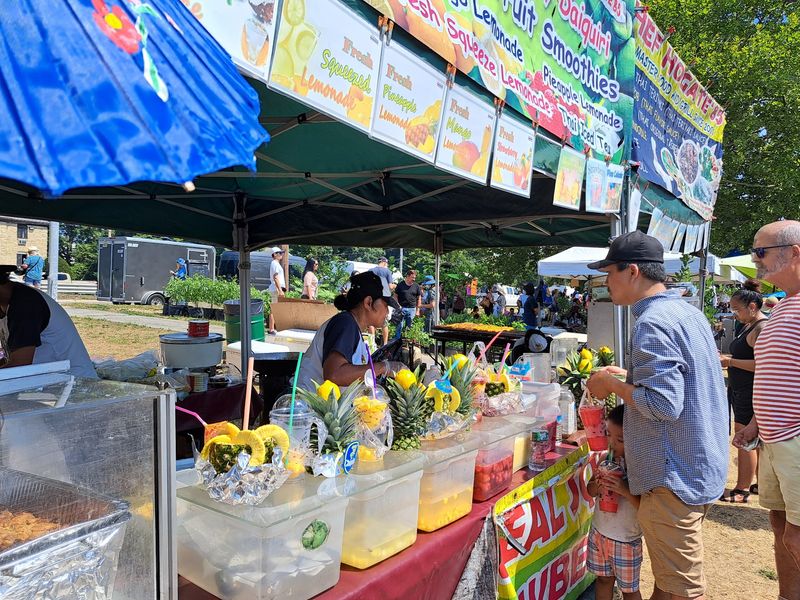
Dragon boats on the Merrimack sound like a daydream, yet Lowell makes it real each summer. The Southeast Asian Water Festival brings racing boats, music, dance, and food to the riverbank.
The celebration draws inspiration from Cambodia’s traditional water festival. In Lowell, it has grown into a community event that welcomes neighbors from many backgrounds.
Events are typically held along Pawtucket Boulevard near the river. Food vendors are a major draw, so it’s a tasty chance to sample Cambodian, Lao, and other Southeast Asian dishes in one place.
Fall is the perfect time to put it on your radar. The festival usually lands in August, so mark next year’s calendar now while the idea is fresh.
Exact dates and lineups change each year. Keep an eye on the organizers’ announcements before you plan the trip.
Even outside festival season, the riverside is lovely for a stroll after lunch. Knowing the boats will return gives a soup trip extra meaning, though.
You’re not just visiting a restaurant row. You’re getting to know a community that throws one of the most joyful riverside parties in Massachusetts, and that’s an easy reason to come back.
Address: Pawtucket Blvd, Lowell, MA 01854
7. Boott Cotton Mills Museum
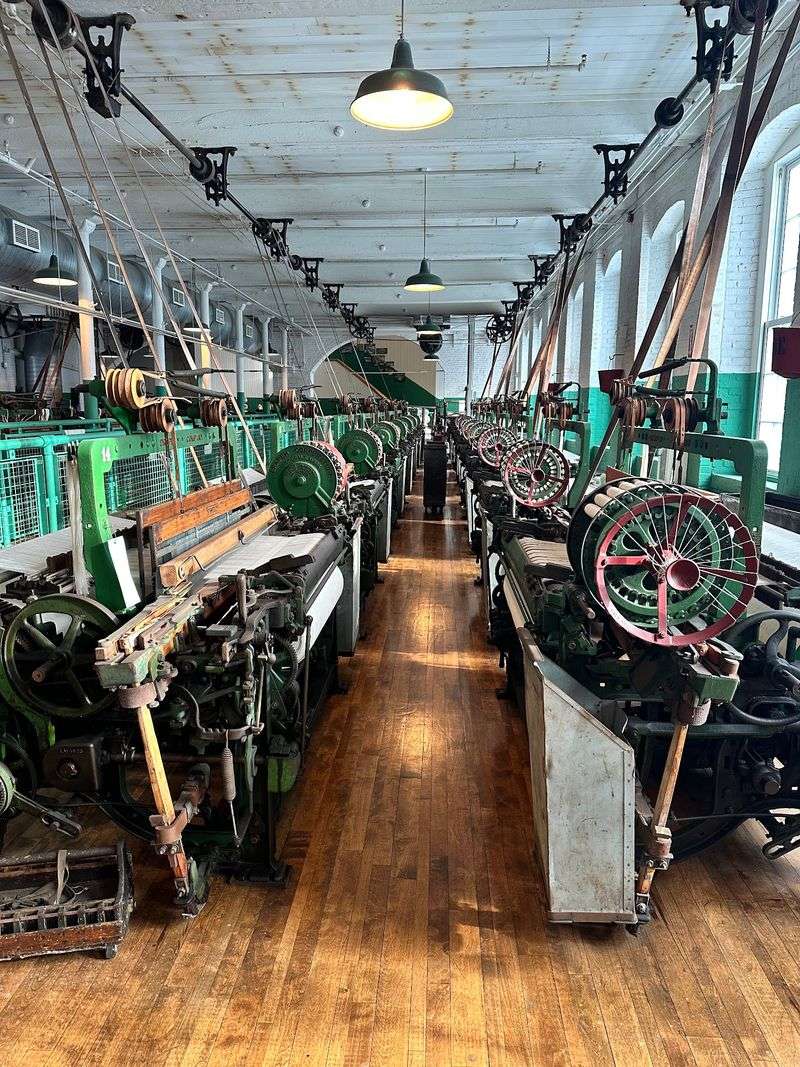
Few museums let you feel history through your feet, but the weave room at Boott Cotton Mills does exactly that. Operating power looms recreate the clatter that once filled Lowell’s factories.
Part of Lowell National Historical Park, the museum sits inside a restored mill complex. Exhibits explore the workers, machines, and money that powered the textile boom.
Bring a sense of contrast to your day. You go from roaring looms to a quiet bowl of noodle soup, and both tell you something about who built this city.
Ear protection is usually offered in the weave room, which says plenty about the noise. Kids tend to love that part, and adults often leave a little stunned.
Timing helps a soup trip feel complete. A morning in the museum leaves you good and hungry for kuy teav, and an afternoon visit makes a calm finish after a big meal.
Put it all together and the answer to the big question gets clear. Bostonians drive to Lowell for a rare soup, then discover a whole city layered with stories, flavors, and history.
Massachusetts keeps some of its best rewards just up the road, waiting for anyone hungry enough to look.
Address: Boott Cotton Mills Museum, 115 John St, Lowell, MA 01852
Share this story