A national park in Massachusetts with no hiking trails, no campsites, and cobblestone streets instead? That one stopped me cold.
The park covers a whole historic downtown district. Its home base offers free entry, a short film, and park rangers who lead walking tours past old whaling-era buildings.
Kids can even earn a junior ranger badge on the spot.
I like how the history here sits right outside the door. The streets themselves tell the story of a port once famous worldwide for lighting lamps.
You can wander for hours and barely spend a thing.
I believe the best local discoveries are the ones hiding in plain sight. This one feels like a time capsule that somebody forgot to bury.
So how does a single neighborhood manage to keep the 1800s so close?
A National Park Hiding Inside a City Neighborhood
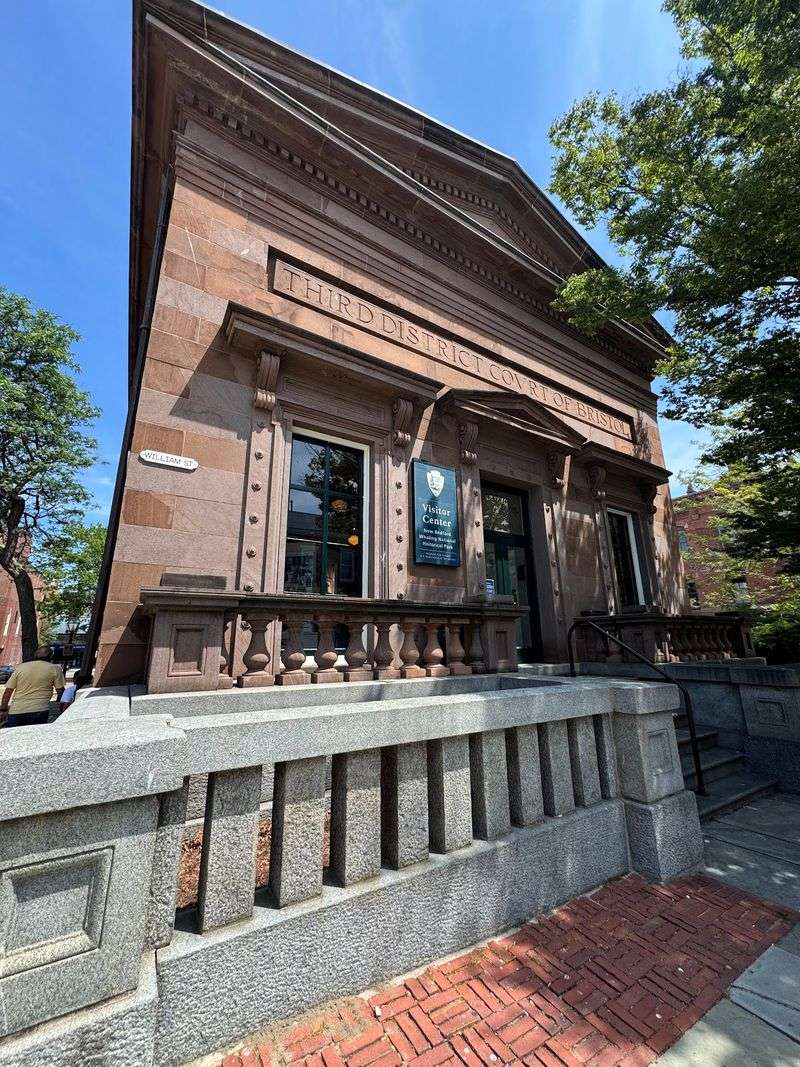
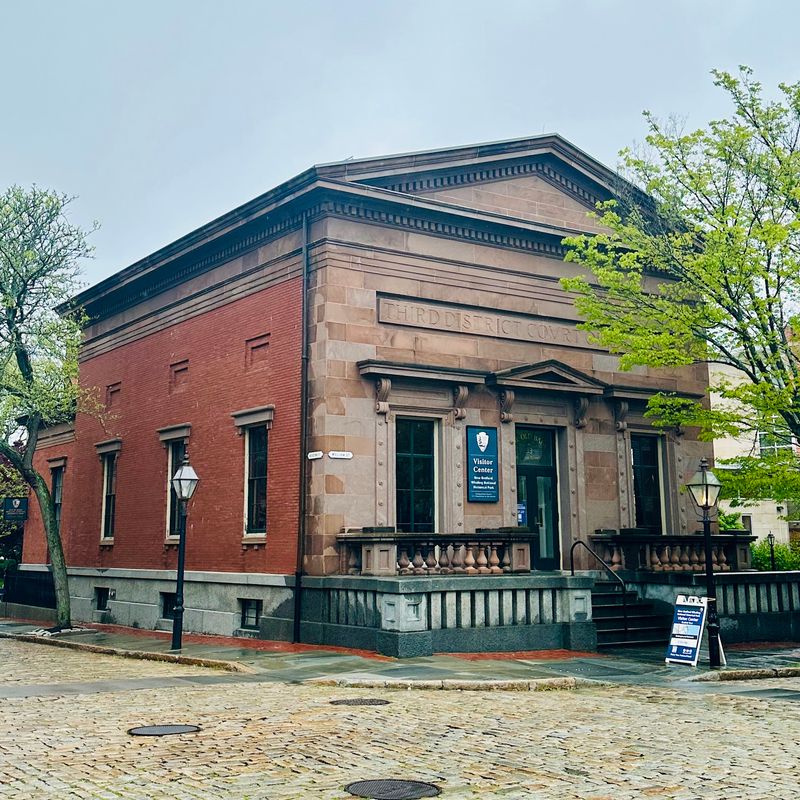
Most national parks come with mountains or canyons. The New Bedford Whaling National Historical Park Visitor Center instead sits in the middle of historic downtown New Bedford, Massachusetts.
That setting is the whole point. The park isn’t one building or one field, but a district packed with attractions tied to the city’s 19th-century whaling past.
Think of the visitor center as your front door. It’s where you get your bearings, grab information, and figure out how to spend the day.
The building itself sits along a cozy downtown street. Interpretive signs dot the surrounding blocks, so learning keeps going once you step back outside.
For South Coast residents, it’s an easy close-to-home outing. For anyone else in Massachusetts, it’s a reason to finally explore a city they may have only driven past on the highway.
Better yet, the visitor center is free to enter. That alone makes it one of the friendliest history stops in the region.
Treat it like a launchpad. A few minutes inside can turn a casual stroll into a much richer afternoon on those old streets.
The City That Lit the World
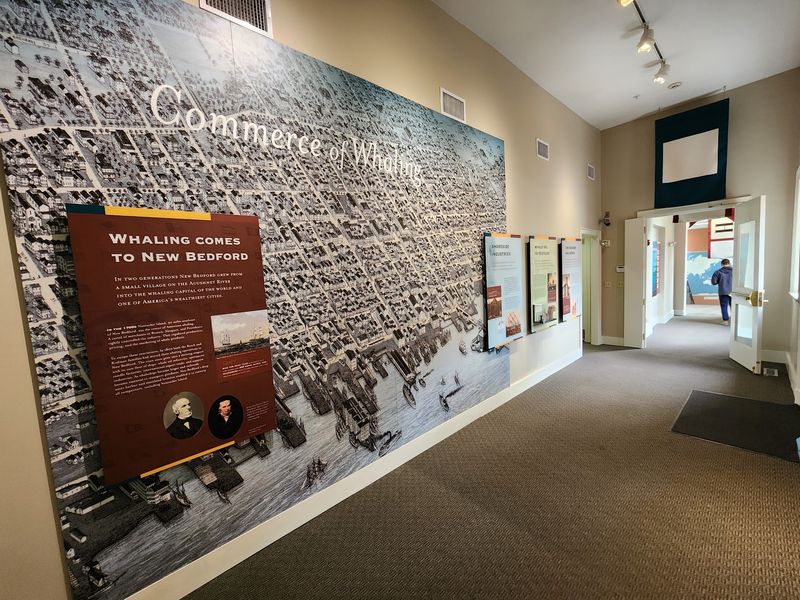
Lamp light once had a hometown. New Bedford earned the nickname The City That Lit the World during its whaling heyday.
Whale oil fueled lamps far beyond Massachusetts. Ships left this harbor on long voyages, and the money they brought home shaped the downtown you see now.
That story is exactly what the national park exists to share. The district preserves the streets, buildings, and landmarks connected to that 19th-century boom.
Whaling wasn’t only a local job, though. It was an international trade, with crews and connections stretching around the globe.
Knowing that changes how the old storefronts look. Each brick facade feels less like decoration and more like evidence.
Today’s park also tells the story with honesty. Whales are viewed very differently now, and the history is presented as something to learn from rather than simply celebrate.
The result is a balanced visit. You get the drama of sailing ships and fortunes, plus a thoughtful look at what that industry meant.
Start with this backstory in mind. Every cobblestone afterward will carry a little more weight.
Cobblestones Underfoot and Storefronts Overhead
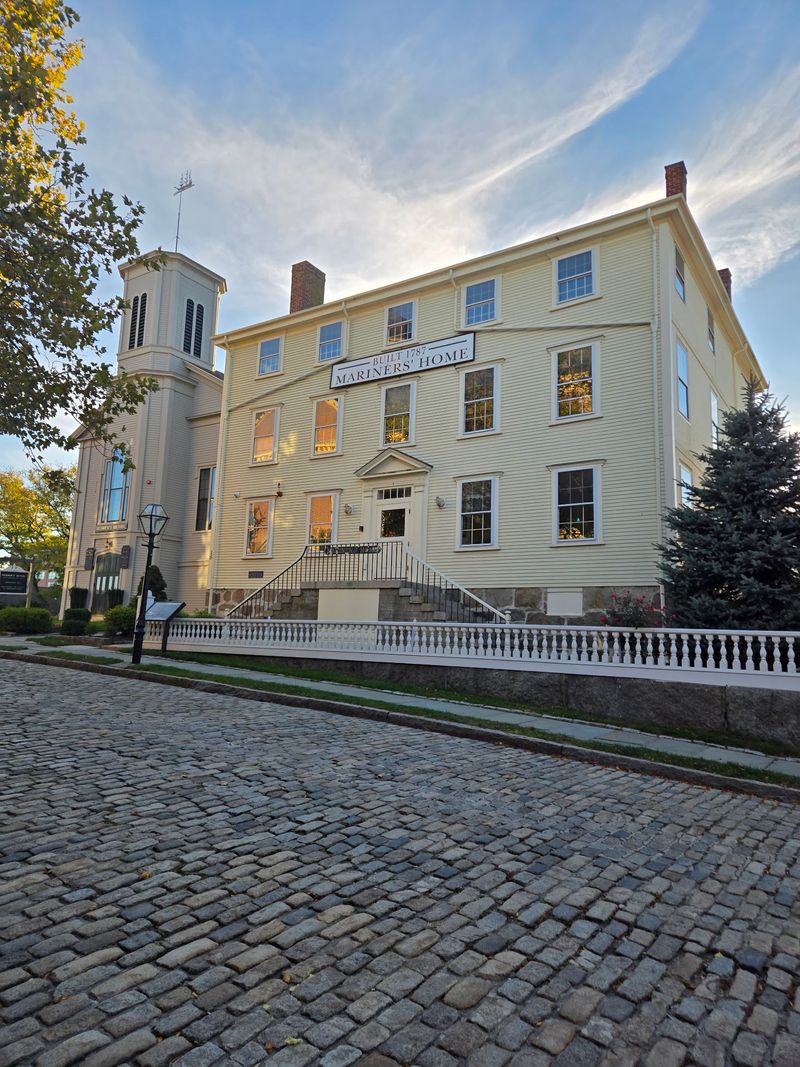
Watch your step, in the best way. The cobblestone streets around the visitor center are among the district’s most memorable features.
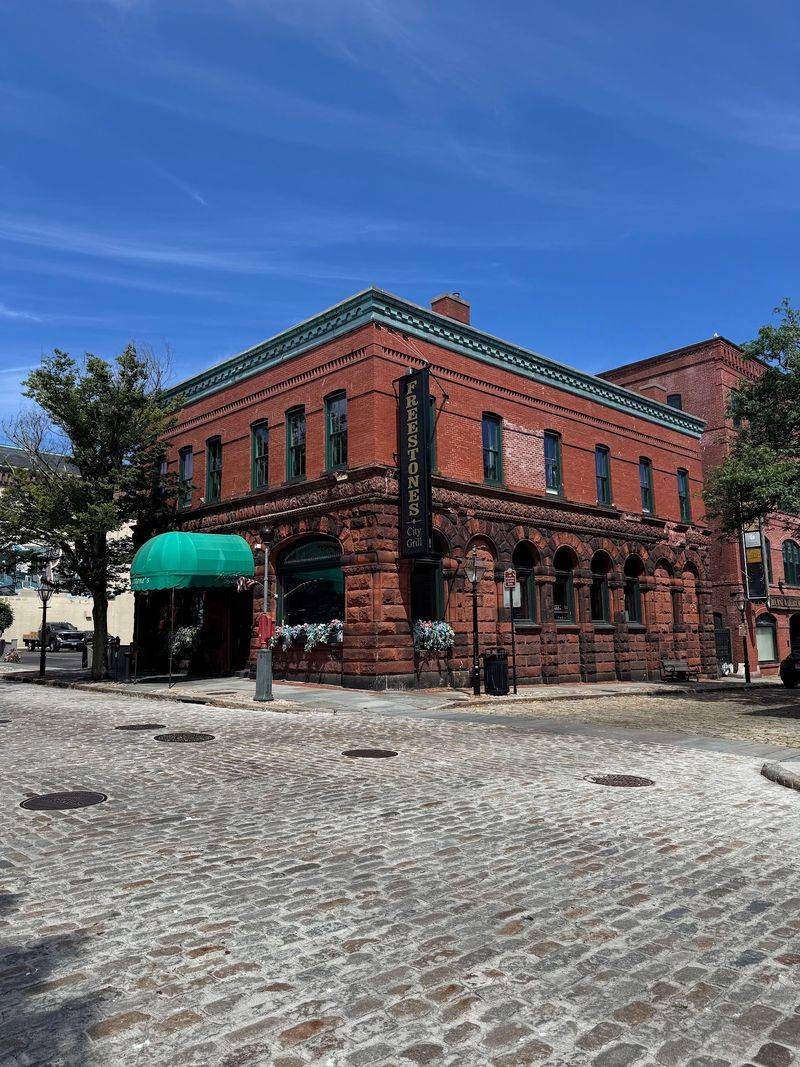
Uneven stones give the neighborhood a texture modern pavement can’t fake. Combined with old brick and granite buildings, the blocks feel genuinely rooted in another century.
That’s why the area works so well for a slow wander. There’s no rush, no ticket gate, and no set route required.
Comfortable shoes are a smart call here. Those charming stones aren’t exactly sneaker-friendly in heels.
Photographers will find plenty to frame. Rooflines, doorways, and narrow lanes offer views that look surprisingly unchanged from older eras.
Fall is an especially pleasant time to stroll. Cooler air makes long walks easier, and the brick tones look rich under autumn light.
The neighborhood also mixes old with new. Restaurants and shops now occupy many blocks, so history and everyday city life sit side by side.
It’s a rare kind of place. You can learn a lot simply by looking up, looking down, and taking your time.
Rangers Who Turn Streets Into Stories
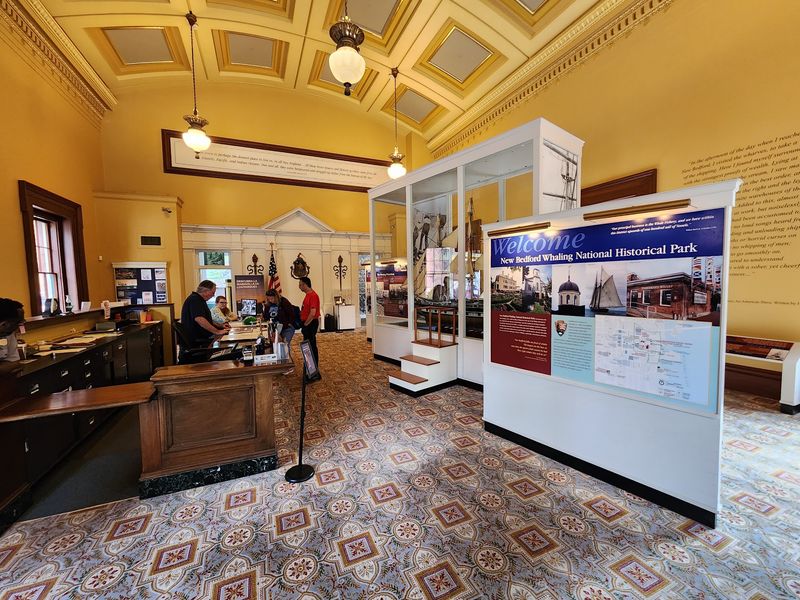
Some of the best guides here wear flat hats. Park rangers and volunteers staff a large info desk right inside the entrance.
They’re ready for questions big and small. Need directions, history, or ideas for a short visit?
That desk is the place to start.
Ranger programs are offered at the New Bedford Whaling National Historical Park Visitor Center. These can include talks and guided walking tours through the surrounding neighborhood.
A walking tour adds a whole new layer. Guides point out details you’d likely miss alone and connect buildings to the people who used them.
Schedules can vary, so ask at the desk when you arrive. Planning around a program is worth it if your timing allows.
Costumed interpretation has appeared here too. Historic whaling wives have shared their stories on the front lawn in the past.
That kind of storytelling sticks with kids and adults alike. It’s much easier to remember a voice than a plaque.
Leave room in your plans for a tour. Even an hour with a ranger can make the district feel alive.
A Short Film Worth Sitting Down For
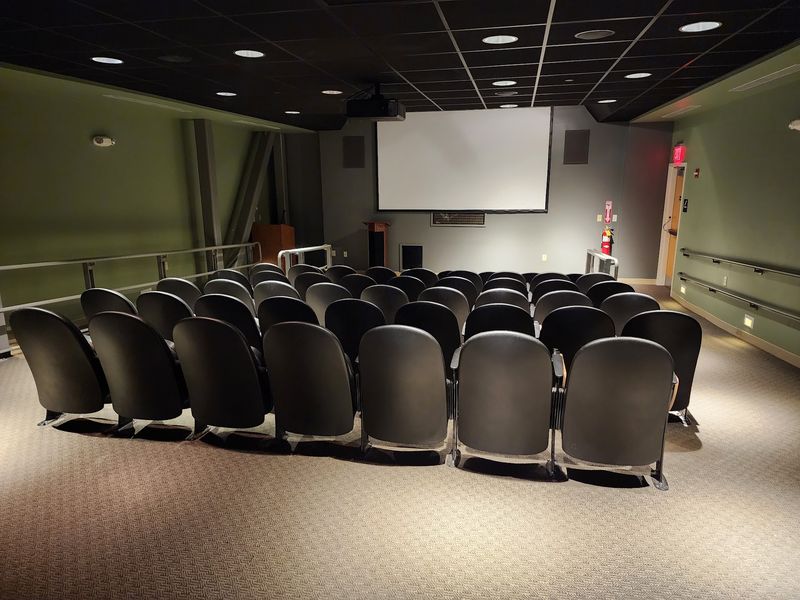
Tired feet, meet a theater seat. Toward the back of the building, the visitor center has a theater that shows a short film.
It’s a smart first stop. The video gives a quick overview of the whaling story before you head out into the district.
The building also turns out larger than it looks from the street. It stretches further back than you’d expect, which is where that theater lives.
Watching first makes everything else click. Old buildings and street names start to mean something once you know the background.
The film is short, so it won’t eat up your day. That makes it ideal for families with limited time or restless little ones.
It’s also a calm break from walking. On a chilly fall afternoon, a few minutes indoors feels pretty great.
Many visitors treat the video as a must. It’s easy to see why, since it sets the stage for the whole neighborhood.
Arrive, grab a map, and catch the next showing. Then go see the real places it describes.
Junior Ranger Badges and a Passport Stamp
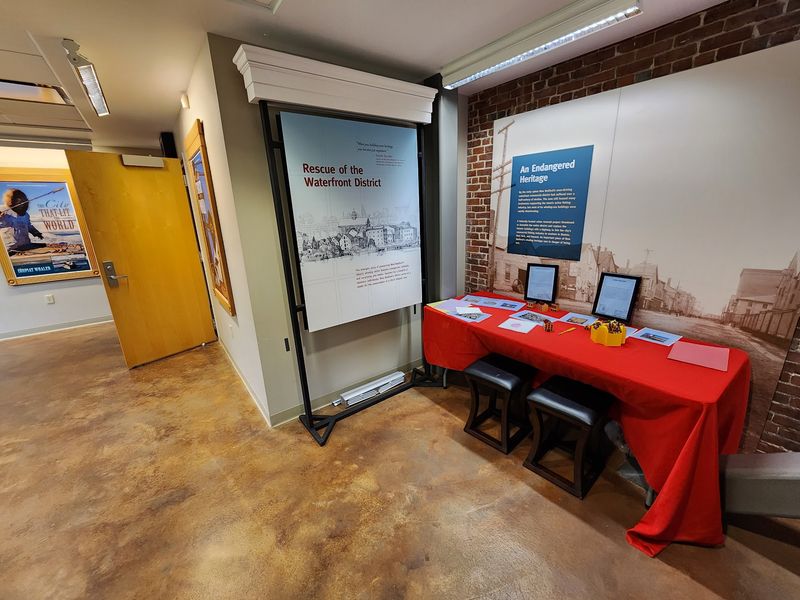
Kids love a mission. The junior ranger program here gives them one, complete with an activity packet to work through.
Families can finish it right on site. The packet also encourages exploring more of the park campus and its historical markers.
That turns a history lesson into something closer to a scavenger hunt. Young visitors get a goal, and parents get a reason to keep wandering.
Collectors have a treat too. The National Park Service passport cancellation stamp sits to the right as you come in.
Stamp fans across Massachusetts know how satisfying that ink can be. It’s a small thrill, but a real one.
The program costs nothing extra, like the visitor center itself. That keeps the outing friendly for families watching their spending.
Ask at the desk for the current packet. Staff can explain what to complete and where to go.
Bring a pencil if you have one handy. Then let the kids lead the way through the cobblestone blocks, clues in hand.
Tiny Park Store, Big Souvenir Potential
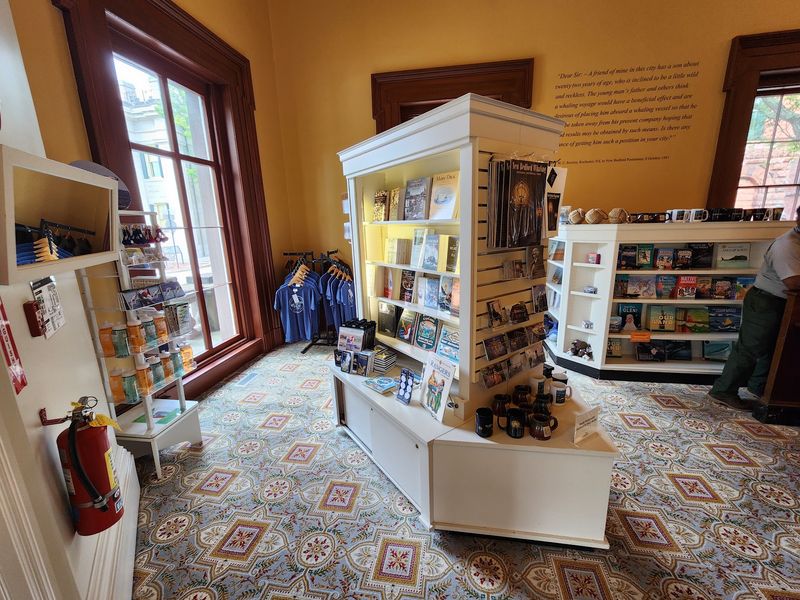
Souvenir hunters, look left. A small park store sits just inside the entrance of the visitor center.
The selection is modest rather than sprawling. It’s the kind of shop where you browse a few minutes instead of an hour.
That’s honestly part of its charm. You can pick up a keepsake without getting lost in endless aisles.
A store this size suits a quick stop. Grab something small, then head back outside to explore.
Buying from a national park store also feels a little more meaningful. Your souvenir connects directly to the place you just learned about.
Families might use it as a reward. Finish the junior ranger packet, then pick out something whale-themed together.
Inventory can change, so expectations should stay flexible. What’s on the shelves one week may differ the next.
Still, it’s convenient. Since it sits right by the door, you can’t really miss it on your way in or out.
Comfort Details That Make the Day Easier
Practical stuff matters on a day out. The visitor center offers restrooms, which travelers always appreciate in a busy downtown.
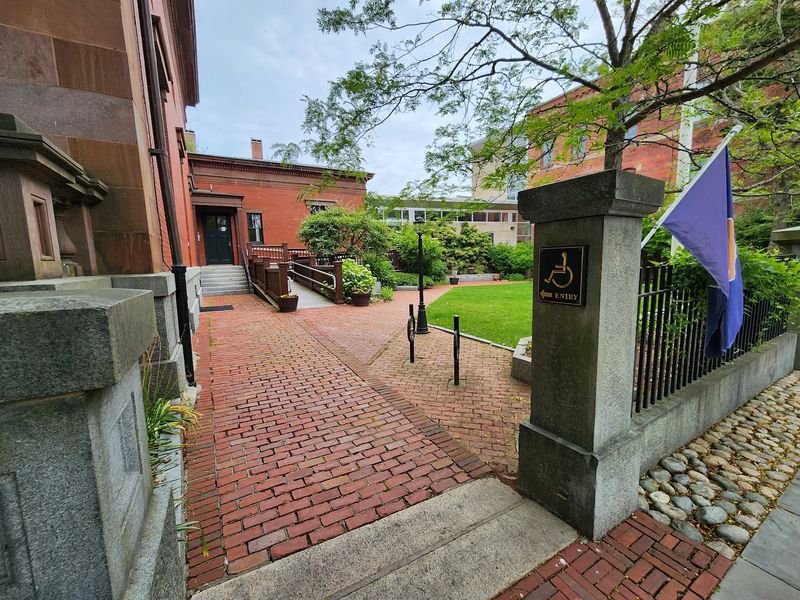
Accessibility gets attention too. A wheelchair entrance sits at the back of the building, with ramps inside.
Out back you’ll also find a pleasant outdoor area that looks ready for a picnic. It’s a nice spot for a snack break between stops.
Packing lunch can stretch a budget even further. Pair that with free admission, and the outing stays very affordable.
The facility has been described as clean and welcoming. Friendly staff help set a relaxed tone from the moment you arrive.
Small comforts like these shape how a visit feels. Nobody enjoys history while hunting for a bathroom.
Families with strollers will appreciate the ramps as well. Getting around inside is simpler than the old exterior might suggest.
Consider this your refuel station. Rest, recharge, and then return to those charming streets ready for more.
The Whaling Museum Just Across the Street
Right across the way stands a heavy hitter. The New Bedford Whaling Museum is a natural next stop after the visitor center.
It’s a separate attraction, not part of the National Park Service. Unlike the free visitor center, the museum charges admission.
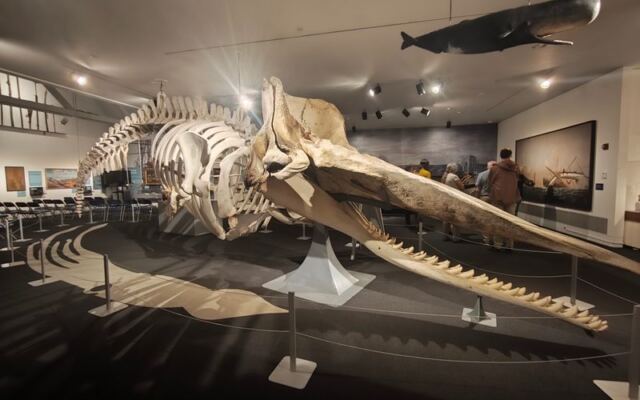
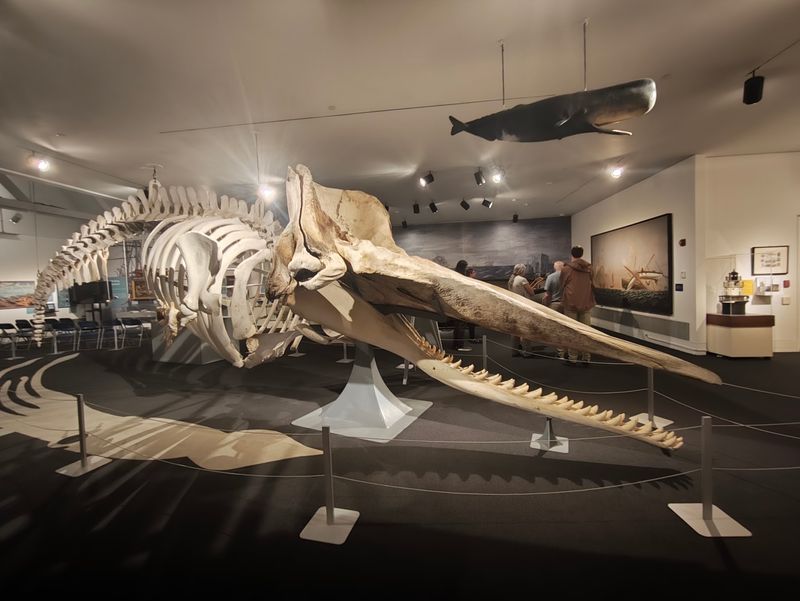
Inside, giant whale skeletons hang overhead. Exhibits spread across several floors, including a large whaling ship model you can explore.
Scrimshaw displays draw plenty of admiration too. These detailed carvings show the artistry sailors developed on long voyages.
Families often find hands-on activities for kids. That makes the museum a good fit for younger history fans.
Many people use the visitor center as a warm-up. Think of it as a historical appetizer before a much bigger meal.
Budget a couple of hours if you go. There’s a lot to absorb, and rushing doesn’t do it justice.
Doing both creates a well-rounded day in Massachusetts. One sets the scene, and the other fills in the dramatic details.
Where Melville Once Sat With Whalers
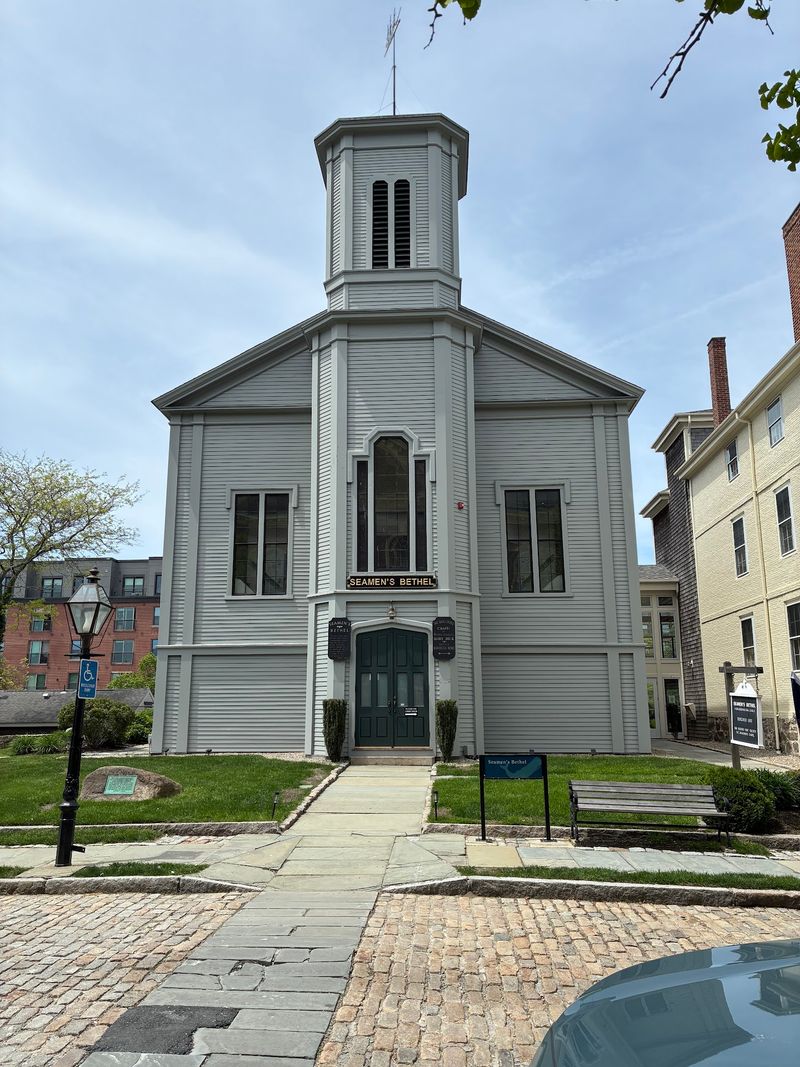
Call me curious. Near the Whaling Museum sits the Seamen’s Bethel, a mariners’ church tied to literary history.
Herman Melville worshipped there alongside whalers. He spent time in New Bedford before writing Moby-Dick, and the city appears in the novel.
That connection gives the district extra pull for book lovers. Standing near the chapel, the famous opening line feels a lot closer.
The church is part of the larger historic district experience. It fits perfectly into a walking loop from the visitor center.
Ask rangers for the best route. They can point out how to link the Bethel with other nearby landmarks.
Even readers who never finished Moby-Dick will enjoy the setting. Few small chapels carry such a big story.
Visiting hours for the Bethel may differ from the visitor center. Checking ahead keeps you from arriving at a closed door.
Either way, the walk past is worthwhile. The building looks right at home among the old cobblestones.
Who Will Love a Day Downtown
History buffs are the obvious match. Yet the New Bedford Whaling National Historical Park Visitor Center appeals to a surprisingly wide crowd.
Families get junior ranger packets and a short film. Kids have goals, and parents get a calm, educational outing.
Photographers will enjoy the textured streets and displayed pictures inside. Old architecture rewards anyone who likes framing a good shot.
Budget-minded explorers win too. Free admission and walkable sights keep costs low.
Readers drawn to classic literature have the Melville link. Food lovers can explore the downtown restaurant scene afterward.
The pace suits relaxed visitors best. You can spend an hour or stretch it across a full day.
Time inside the visitor center itself can stay short. The bigger adventure happens across the surrounding district.
Massachusetts residents looking for a low-effort day trip should take note. It’s educational without feeling like homework, which is a rare and welcome combination.
Hours, Parking, and Timing Your Visit
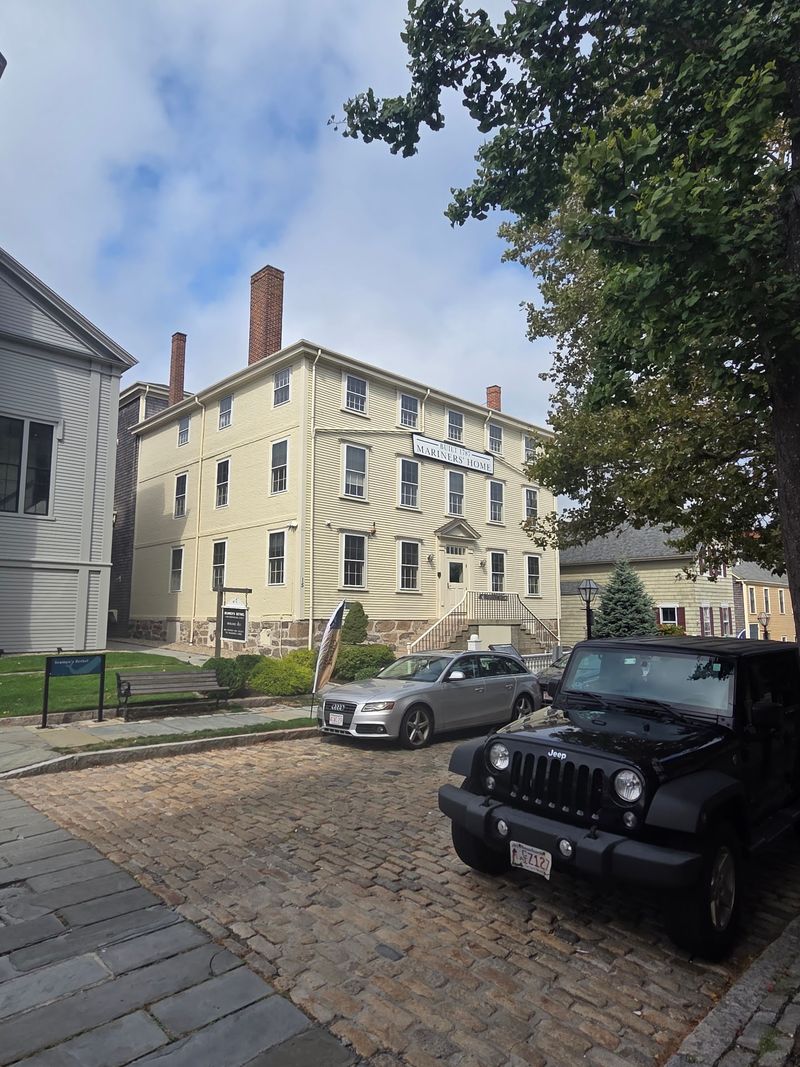
Mark your calendar carefully. The visitor center at 33 William St, New Bedford, MA 02740 opens Wednesday through Sunday.
Hours run from 9 AM to 5 PM on those days. It’s closed Mondays and Tuesdays, so plan weekend or midweek trips accordingly.
Admission to the visitor center is free. That makes it easy to pop in, even on a tight schedule.
Parking takes a little strategy. On-street spots are available, and a nearby parking garage is another option.
Tall vehicles may struggle with the garage. Anyone with a rooftop carrier might prefer the street instead.
Watch for time limits too. Some parking can be restricted to around three hours, which matters if you want the museum and walking tour.
Federal closures can occasionally affect operations. A quick check before leaving home is always wise.
Arrive near opening for the most flexibility. You’ll have time for the film, a ranger program, and plenty of exploring.
A Free Doorway Into Old New Bedford
Free things rarely feel this rich. The New Bedford Whaling National Historical Park Visitor Center punches well above its size.
It won’t swallow an entire day by itself. What it does is unlock the whole neighborhood around it.
Rangers share stories, the film sets context, and kids chase badges. Then the cobblestones take over.
That combination makes it a strong pick for Massachusetts locals. Low cost and easy logistics turn it into a simple yet memorable outing.
Some visitors see it once and feel satisfied. Others return for different ranger programs or seasonal strolls.
Either approach works fine. A first visit alone offers plenty of perspective on the South Coast’s past.
Pair it with the Whaling Museum, the Seamen’s Bethel, and a downtown meal. Suddenly you have a full, well-rounded day.
Go with curiosity and comfy shoes. Few spots in the state make the 1840s feel quite this close to the present.
Share this story