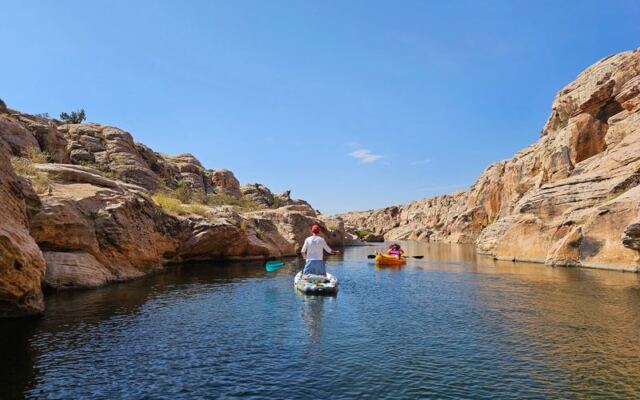
Out near Winslow, a long drive across open desert ends at a canyon full of water. Near the ramps you get jet skis, picnic tables, and kids hurling themselves off rock ledges.
Keep paddling past where the motorboats turn around, though, and the canyon walls rise higher, birds nest under the ledges, and old markings appear on the stone. Here is how to find that quiet back stretch, what to bring, and what to expect along the way.
A Canyon Lake Near Winslow
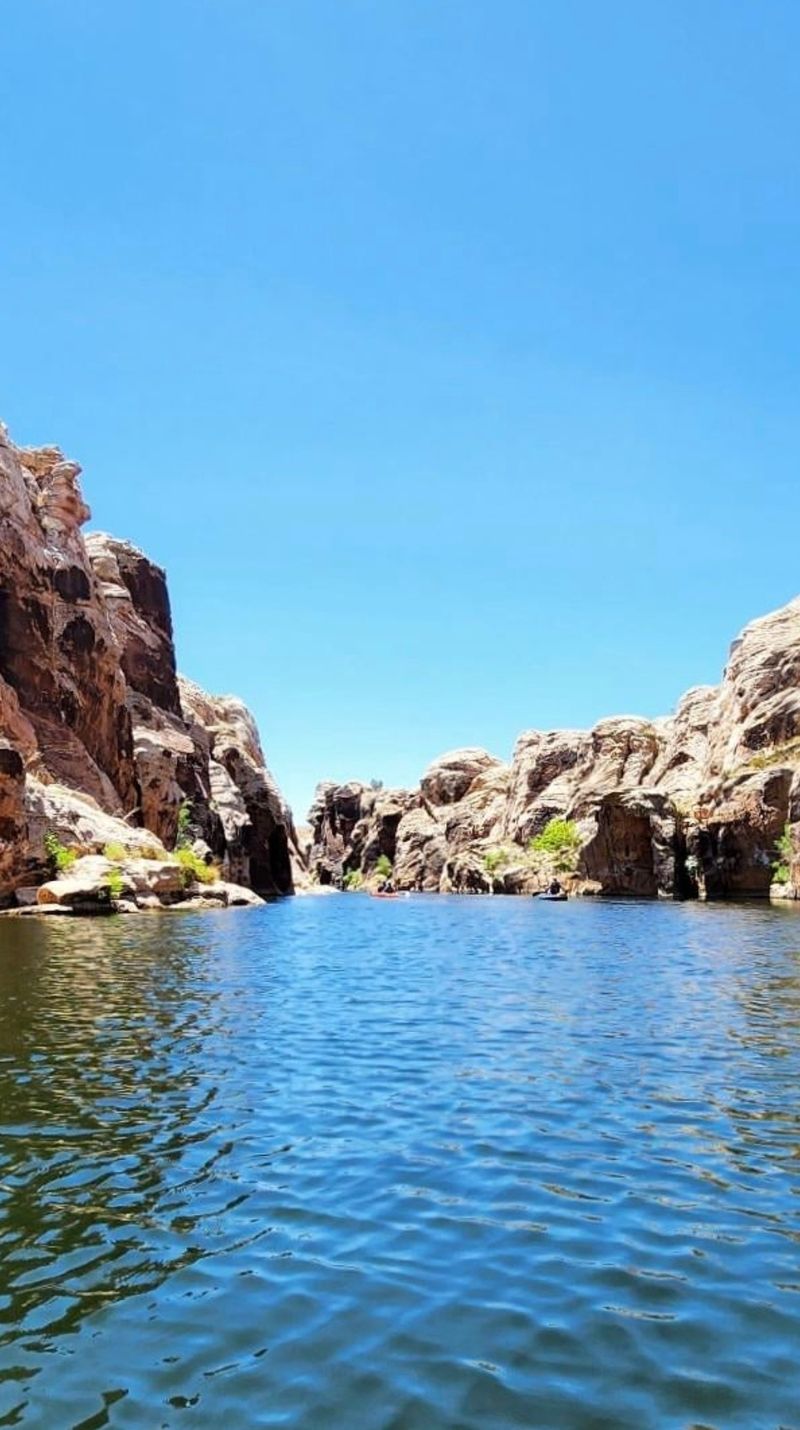
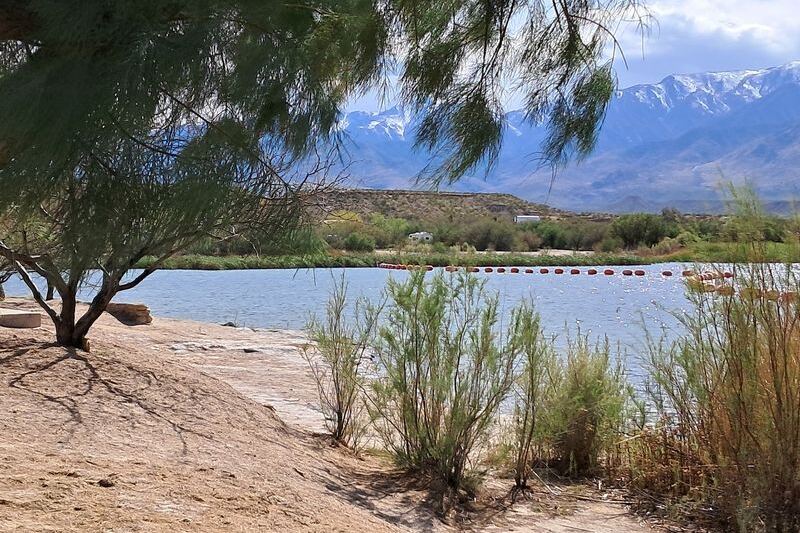
Few travelers rolling through northern Arizona expect to find a canyon full of water just outside town. Clear Creek Reservoir sits in Arizona 86047, USA, close to the town of Winslow in the northeastern part of the state.
Officially, it is classified as a lake and recreation area. In practice, it behaves more like a long, narrow creek squeezed between rock walls.
The water snakes back into a canyon, so the scenery changes the farther you travel from the launch areas. Swimming, fishing, canoeing, kayaking, paddle boarding, and cliff jumping all share the same stretch of water.
People who make the trip tend to call it a surprise, and plenty of them say it was worth the long drive. It holds a 4.7-star standing on Google Maps across more than a hundred opinions, which is a solid score for a desert lake with no fancy resort attached.
Consider this the starting point before the real adventure begins upstream.
An Oasis Nobody Saw Coming
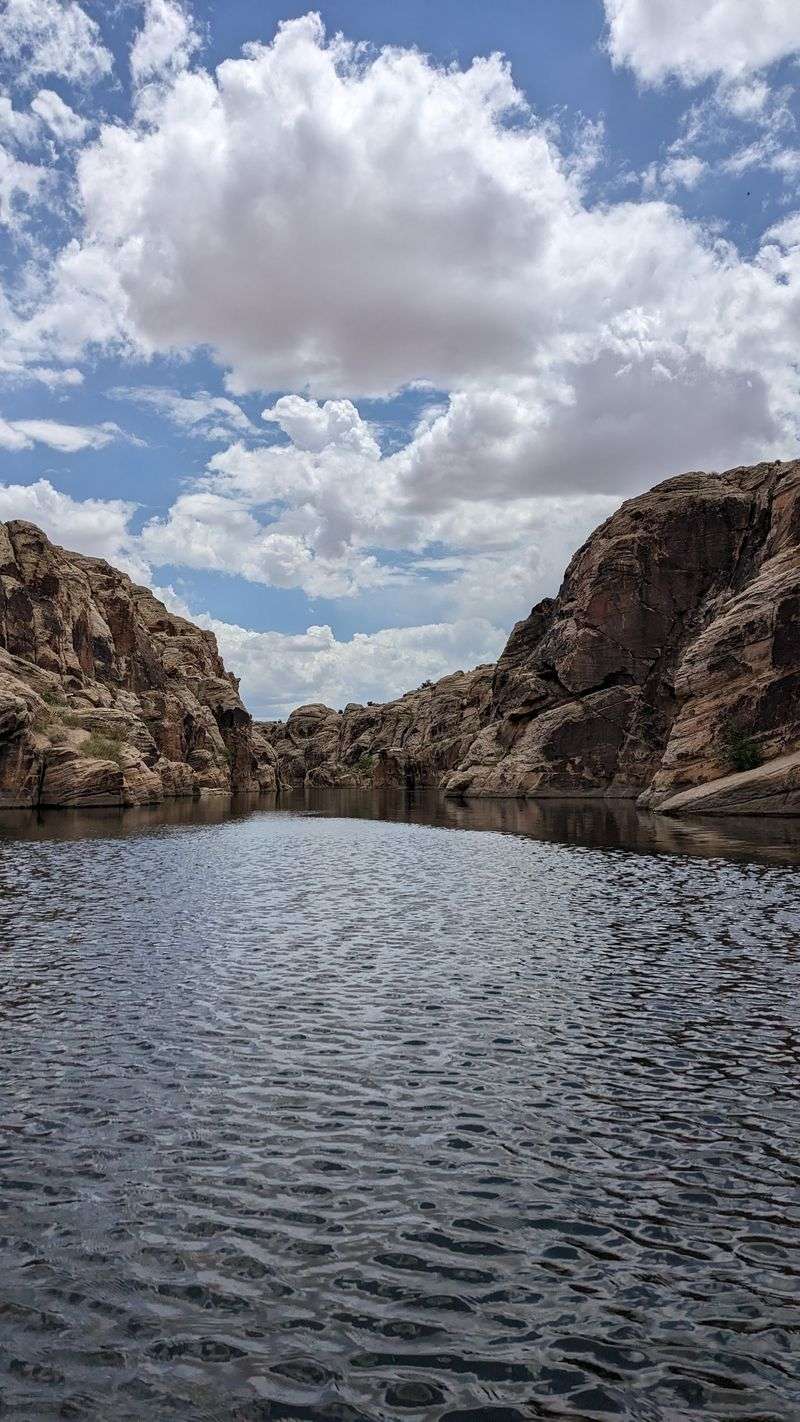
Desert country around Winslow does not exactly advertise itself as a water destination. That is part of the charm here.
Many first-timers describe the reservoir as an unexpected oasis, a pocket of clear water and rock surrounded by miles of dry land. Locals sometimes admit they take it for granted, even while calling it one of the most beautiful places they know.
The appeal is simple geography. A creek has carved a narrow, rocky channel, and the reservoir fills it, creating water lined with rock faces on both sides.
Above it all stretches a wide Arizona sky, and the rock formations along the banks give paddlers plenty to look at. The landscape changes from flat and ordinary near the bridge to dramatic and walled-in farther back.
So the reservoir rewards patience. The deeper you go, the more it shows off, and the next few sections follow that same route upstream.
McHood Park, the Busy Front Door
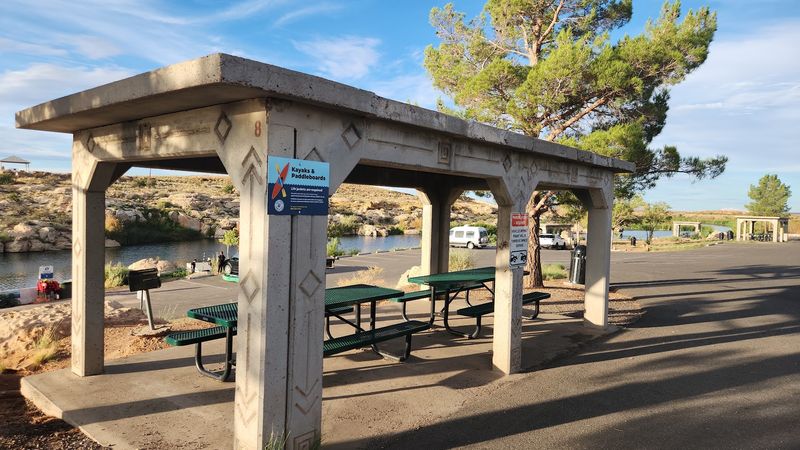
Most trips begin at McHood Park, the service area at the front of the reservoir. Boats slip into the water here, and families claim picnic tables early.
The day use area includes picnic tables with grills, a ramada, a playground, and even a horseshoe pit. A small ramp makes it easy to launch paddle boards and kayaks.
Across the creek sits a campground with individual barbecue pits, restrooms, and a boat ramp for smaller craft. There are also dry RV sites for those bringing a rig.
Parking fills up quickly on busy days, so arriving early pays off. Locals mention there is a fee to park in the main area, while some people drive farther back to avoid it.
Expect a lively scene up front. Rentals of kayaks, canoes, and paddle boards have been mentioned too, which helps anyone arriving without gear.
Up next, the water itself.
Paddles Up Under the Bridge
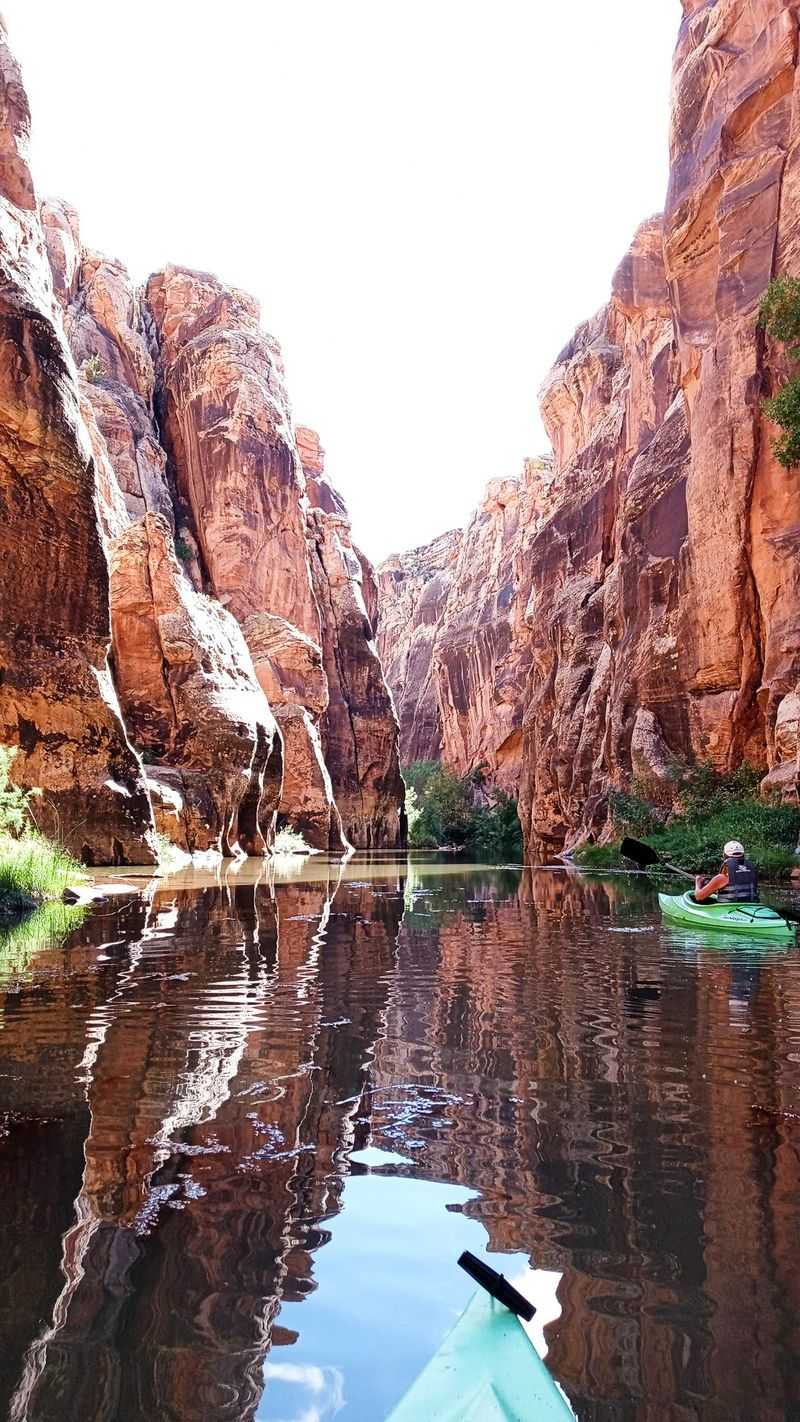
Kayakers who know the place offer an honest warning. The first part of the paddle is fairly unremarkable.
Hang in there, because things improve fast. After launching, paddlers pass under a bridge, and the canyon walls slowly begin to grow taller on either side.
Kayaking is one of the most talked-about activities at Clear Creek, with paddle boarding close behind. Some call it one of the best paddle boarding spots they have tried, and others have hauled kayaks a long way just for this canyon.
One couple based themselves at nearby Homolovi State Park, parked at McHood Park, and paddled as far into the canyon as they could manage. They saw only two other kayakers on an October trip.
That detail says a lot about timing. A calm fall weekday can feel almost private, while summer brings a crowd.
Either way, the bridge is the doorway to the good stuff.
Ledges Built for a Leap
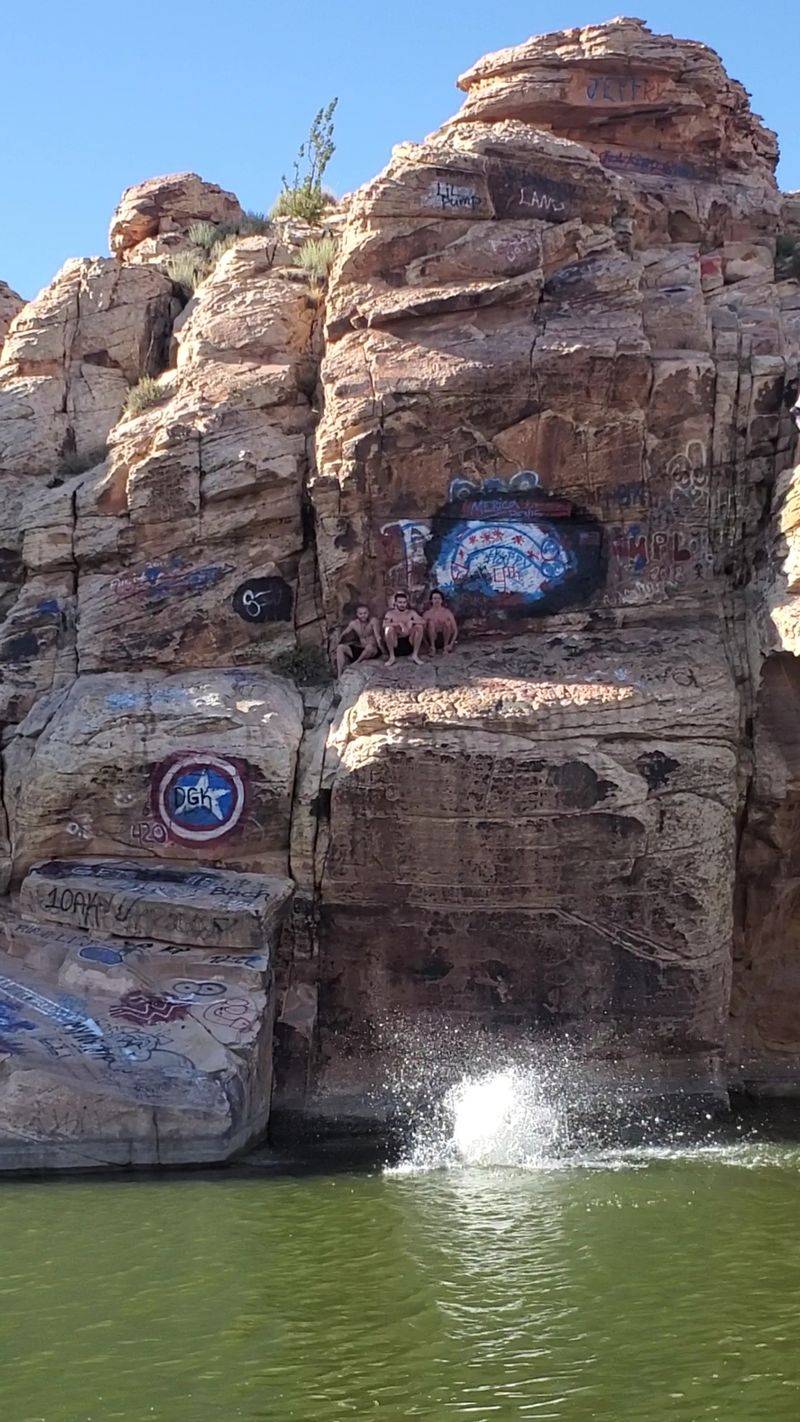
Somewhere past the bridge, the shouting starts. That is usually the cliff jumping spot announcing itself.
Jumping off the rock walls ranks among the reservoir’s best-known activities. Families, groups of friends, and local teens all treat the ledges as a summer tradition, and there are several spots along the canyon for it.
Paddlers who prefer to stay dry often stop just to watch. It makes for a fun break before heading farther upstream.
A little common sense goes a long way here. Check the depth, know your limits, and keep an eye out for boats nearby, since motorized traffic still reaches this section.
Not everyone on the rocks comes to jump, either. Plenty of people simply hang out on the ledges, soak in the canyon views, and cool off between swims.
Just remember the cleanup part, because trash dropped up here tends to float downstream, which brings us to the next stretch.
Where Motors Meet Their Limit
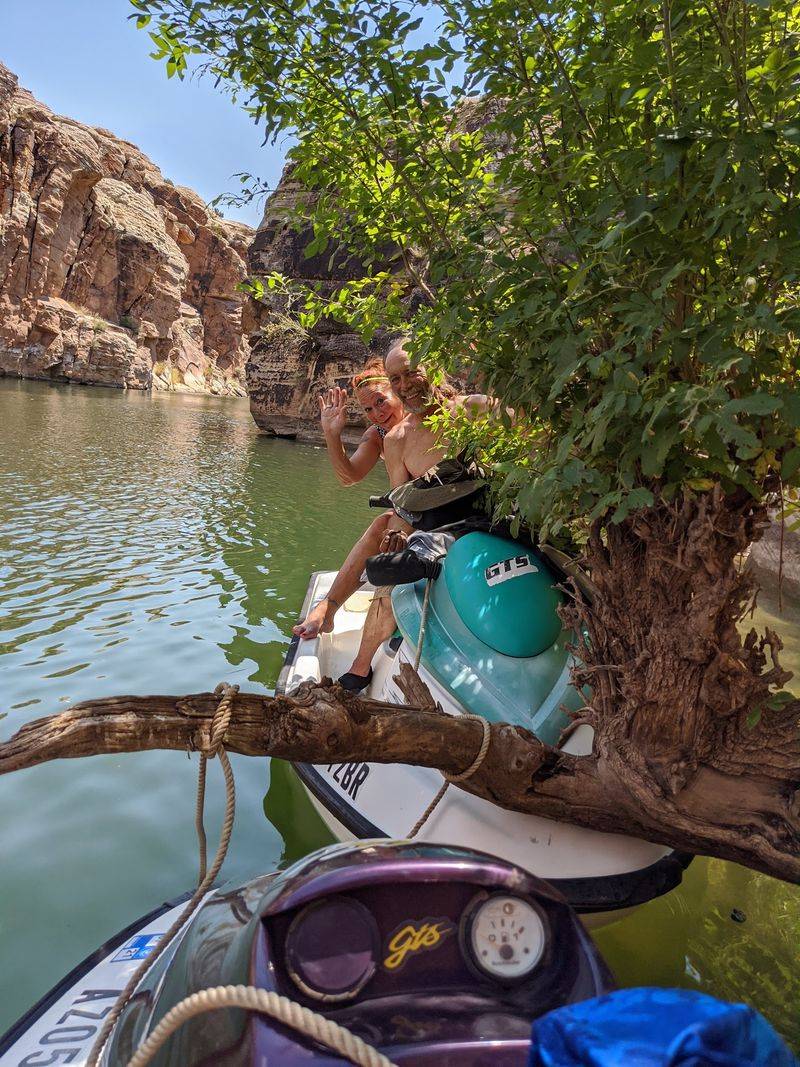
Boaters get their share of the canyon too. A good stretch of water past the jumping area is still reachable by bigger boats with motors.
Jet skis are popular, and groups of friends often bring them out for a day of cooling off. Small craft, rafts, and inflatables join the mix on warm afternoons.
There is a posted 5 mph speed limit, and some paddlers have noted that not every boat or jet ski follows it. Kayakers and paddle boarders should stay alert near the busier front section.
The canyon is narrow and rocky, which naturally keeps the large boats from going too far. Eventually the motors fall away and the water belongs to paddlers.
That turning point changes the whole mood. One paddler summed it up neatly: the area near the ramps can be rough, but once you get past where boats can go, it is a five-star place.
Ready for the back canyon?
Old Marks on the Canyon Walls
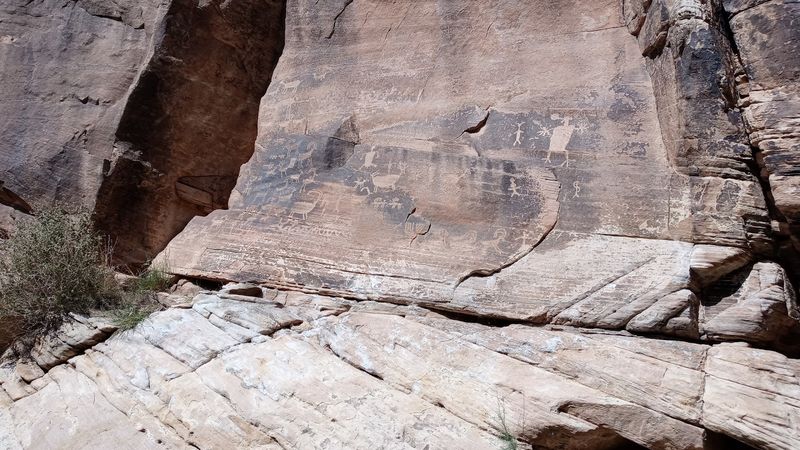
Here is the payoff the title promised. Deep in the canyon, a small wall holds old Native markings on the rock.
Paddlers describe them as petroglyphs or pictographs, and they appear well beyond the busy launch area. Reaching them takes some effort, which is exactly why they feel like a reward.
Treat them with respect. These markings are part of a much older story than any weekend trip, and touching or adding to the rock can damage them for good.
Sadly, graffiti has defaced some rocks closer to the busier areas. That contrast makes the untouched panel farther back even more worth protecting.
Keep paddles off the walls, snap photos from the water, and leave everything as it was found. A quiet moment floating beside this wall is easily the most memorable part of the whole paddle, and it costs nothing but time and arm strength.
Neighbors With Wings and Fur
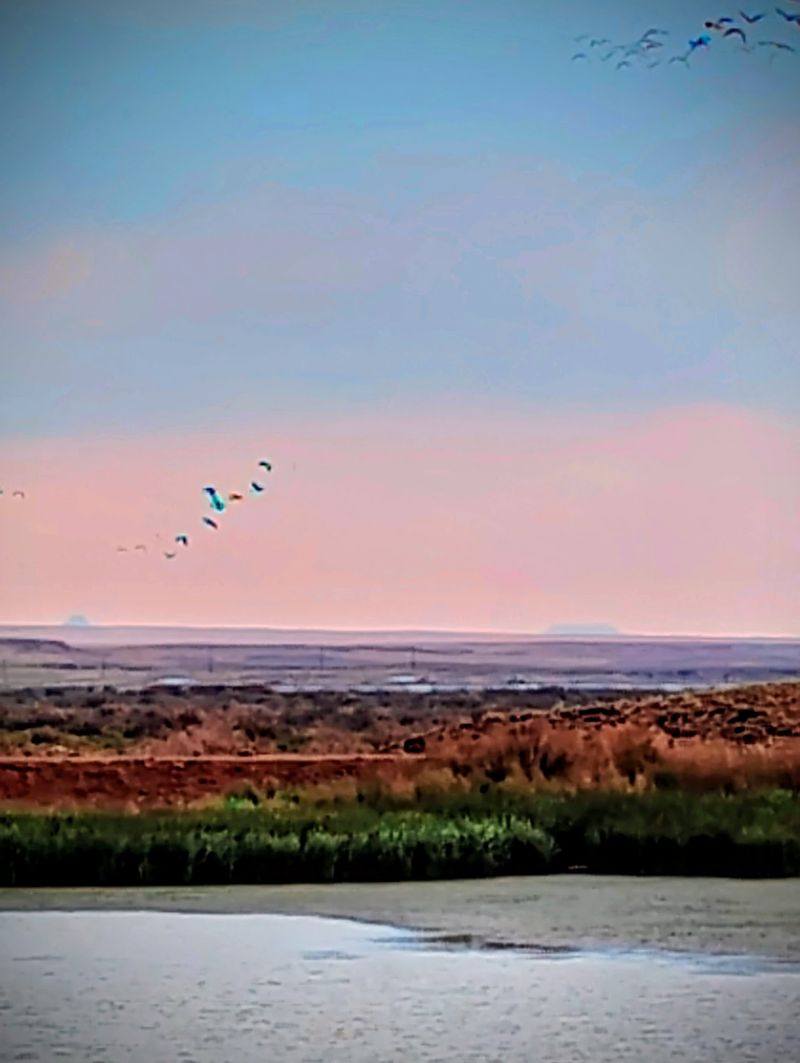
Birds run the back canyon. Their little nests sit tucked up under the rock ledges, and they seem to be everywhere.
Beavers have been spotted along the water, too, a fun surprise in such a dry region. Paddlers also report mini waterfalls and plenty of fish in the clear water.
Wildlife sightings depend on luck and timing, of course. Quiet paddling and early starts usually improve the odds.
Fishing is another big draw. The reservoir works as a peaceful fishing hole near the picnic area, and anglers deeper in the canyon have had decent results.
Still, many say the trip becomes more than just fishing once the canyon opens up. The scenery, the critters, and the calm water combine into something closer to a nature tour.
Pack binoculars if there is room in the boat, and give nesting birds plenty of space as you drift past their rocky homes.
Camping by the Water
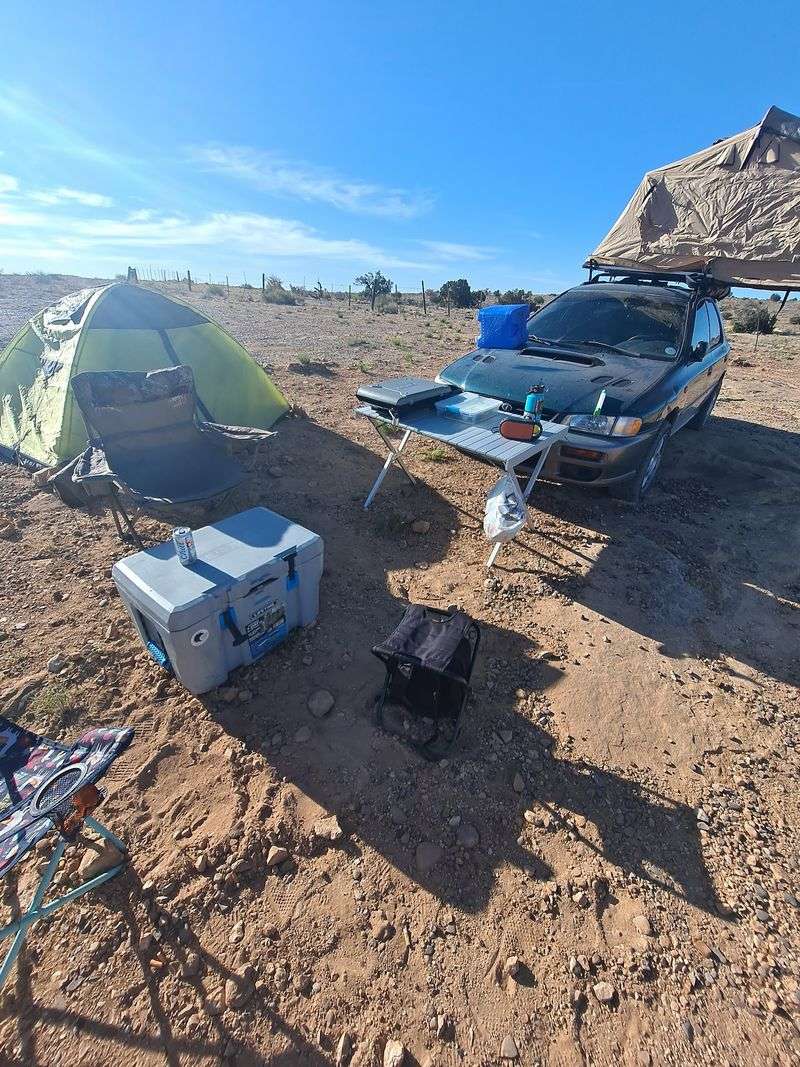
Staying overnight turns a long drive into a proper getaway. Clear Creek offers a campground across the creek from the day use area, with barbecue pits and restrooms.
Camping there comes with a fee. Some campers instead park down the road and pitch a tent in the surrounding area for free.
Dry RV sites are available for those traveling with a camper. Homolovi State Park nearby has also served as a home base for paddlers exploring the reservoir.
One practical tip comes up often. The area gets very windy, so stake tents firmly and secure anything that could blow away.
Families return year after year to camp, explore, and spend long days on the water. A night here also means an early start on the paddle, which helps beat both the crowds and the parking rush.
Bring extra trash bags, since leaving campsites cleaner than you found them makes a real difference here.
Summer Crowds and Quiet Seasons
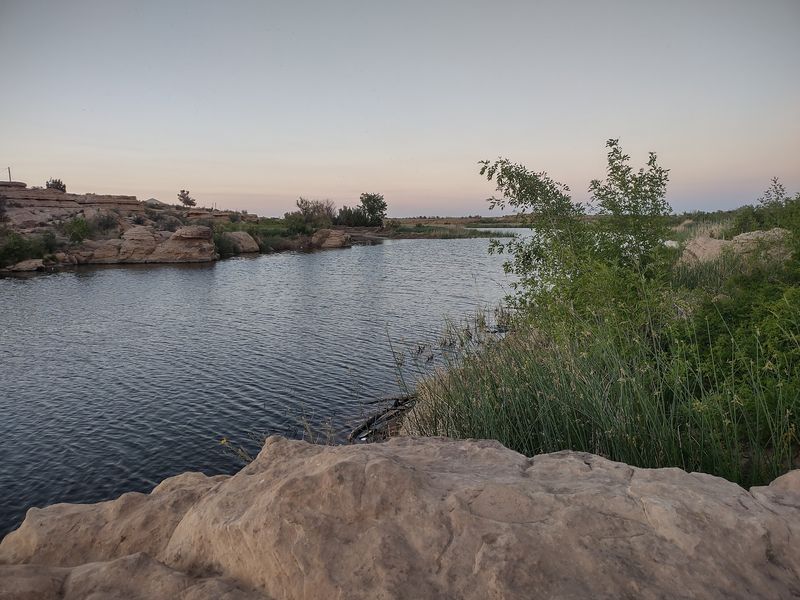
Summer is prime time. When temperatures climb, the reservoir becomes a go-to place to cool off for families and friends from Winslow and beyond.
Swimming ranks right alongside kayaking as a favorite activity. People float on rafts, splash near the ledges, and spend whole afternoons in the water.
For local kids in a small town, it is one of the main summer hangouts. That popularity also explains the busy parking lots on warm weekends.
Fall tells a different story. An October paddle through the full canyon turned up only a couple of other kayakers, which suggests cooler months offer much more solitude.
So pick your season based on your goal. Want energy, jumping, and a social scene?
Head out in summer. Prefer a calm trip to the petroglyphs with room to drift?
An autumn weekday may suit better, so pack layers and enjoy having the canyon nearly to yourself.
Roads, Rigs, and a Few Honest Warnings
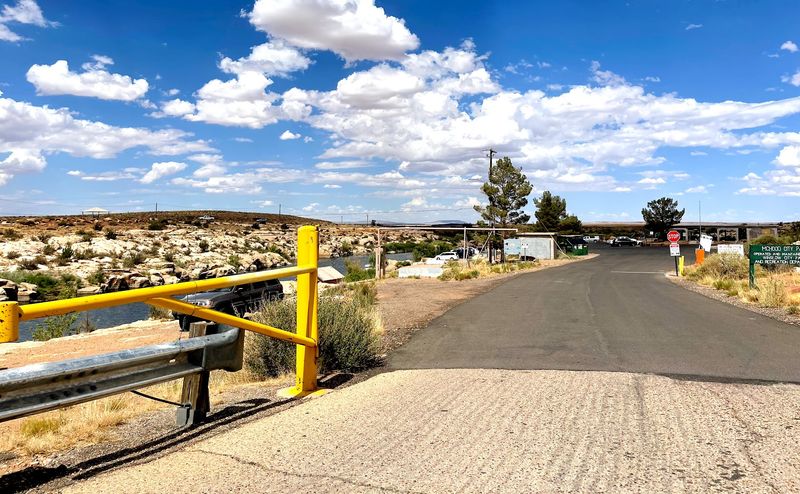
Getting to the main entrance is straightforward. Getting anywhere beyond it can be a different story.
Regulars recommend a truck or SUV for exploring away from the main area, since the back roads can be rough on a regular car. Driving farther back is also how some people avoid the parking fee.
The trip itself can be long for anyone coming from places like Payson. Several scenic photo stops along the way help break it up.
Now the less glamorous part. Trash around the ramps and beach area has been a recurring complaint, along with graffiti on some rocks.
Plenty of paddlers pick up litter on their way out, and that habit helps. Pack out everything you bring, plus a little extra if you can.
Arrive early for parking, carry plenty of water, and keep the windy afternoons in mind before unloading lightweight gear on the shore.
Worth Every Desert Mile
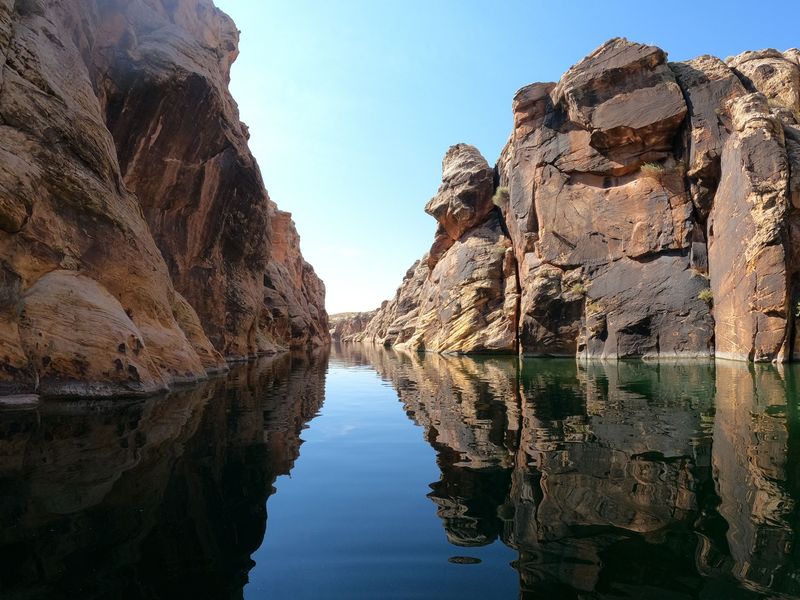
Clear Creek Reservoir plays two roles at once. Up front, it is a lively hangout with grills, ramps, jet skis, and cliff jumpers.
Farther back, it turns into a quiet canyon with nesting birds, clear water, and old markings on stone. Both versions have loyal fans.
Families like the playground and picnic spots. Paddlers come for the long, peaceful stretch beyond the motors, and anglers find a calm hole to cast in.
It is not polished, and the front area could use more care from everyone who visits. Even so, people keep calling it worth the drive and promising to return again and again.
The best plan is simple. Launch early, paddle under the bridge, wave at the jumpers, outlast the boats, and keep going until the walls rise high.
That is where this reservoir saves its best surprise, and it is waiting patiently for anyone willing to paddle.
Share this story