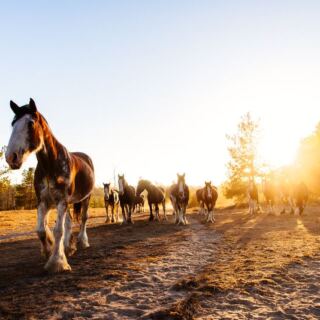
Some of the biggest horses in the country live on a quiet lot in Gilbert, Arizona, and you can meet them in person. Clydesdales are famous for their size, their feathered legs, and their calm way of carrying all that weight.
Most people only see them on television or in parades, far behind a rope. On this small farm, the experience is personal, educational, and supports a good cause, all for a $25 donation.
Keep reading to learn where it is, what the visit is like, and why the people running it matter as much as the horses.
A Quiet Lot on Saragosa Street
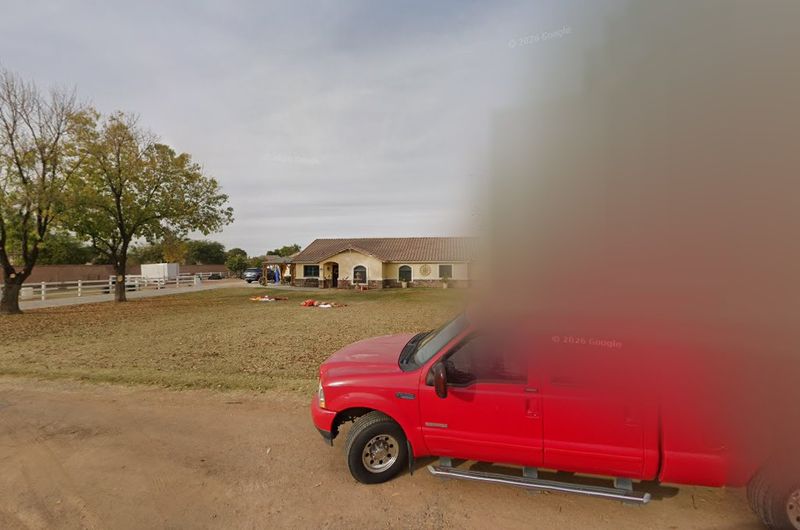
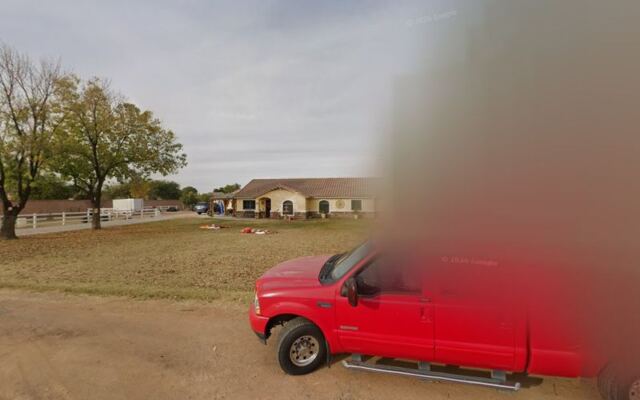
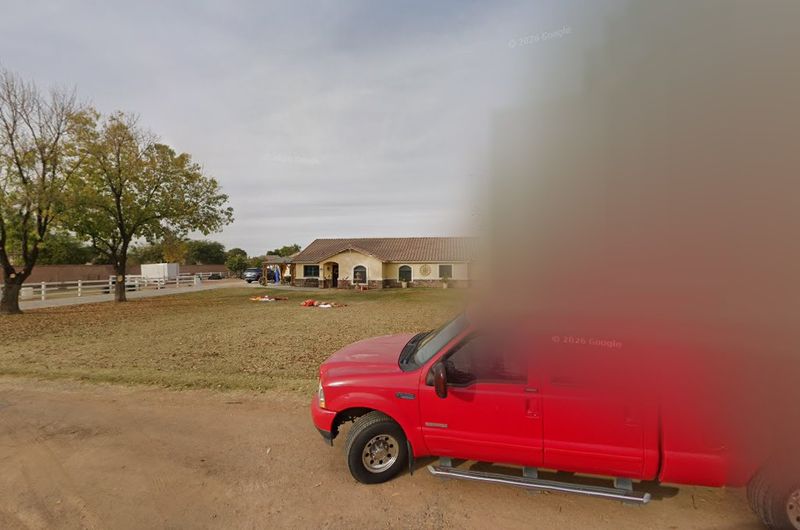
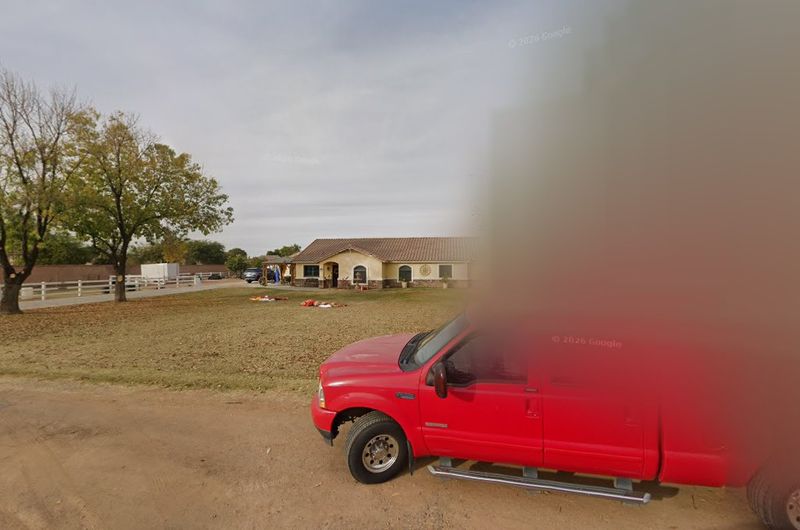
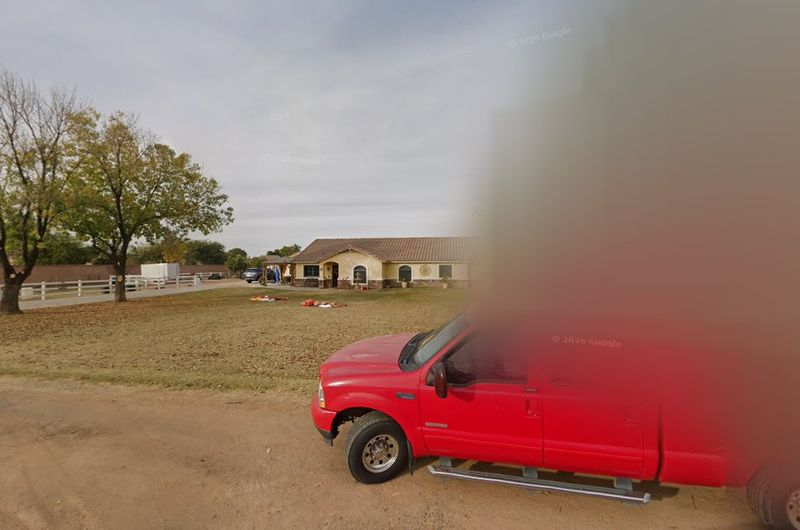
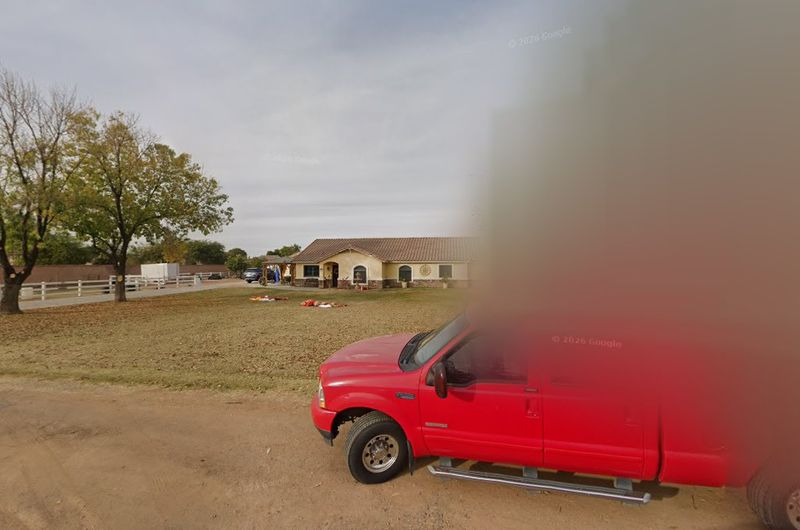
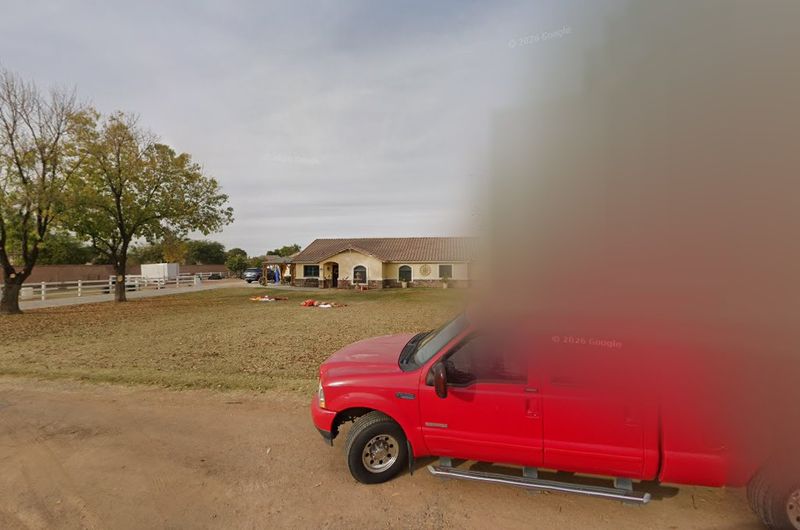
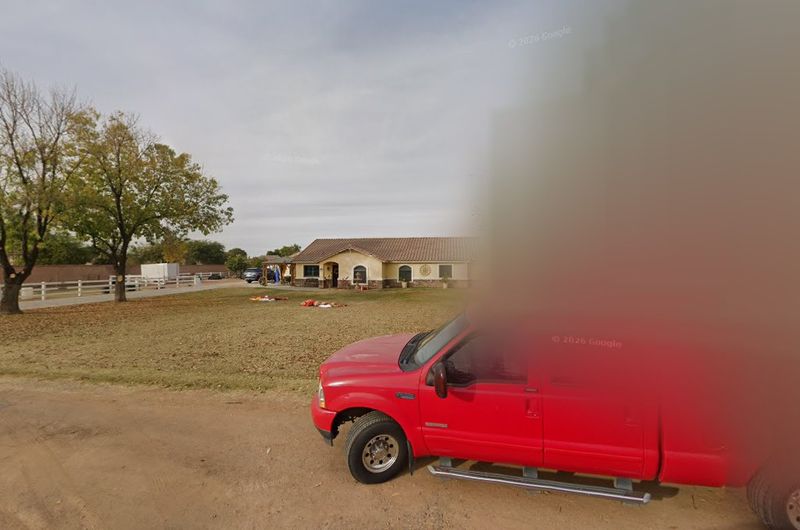
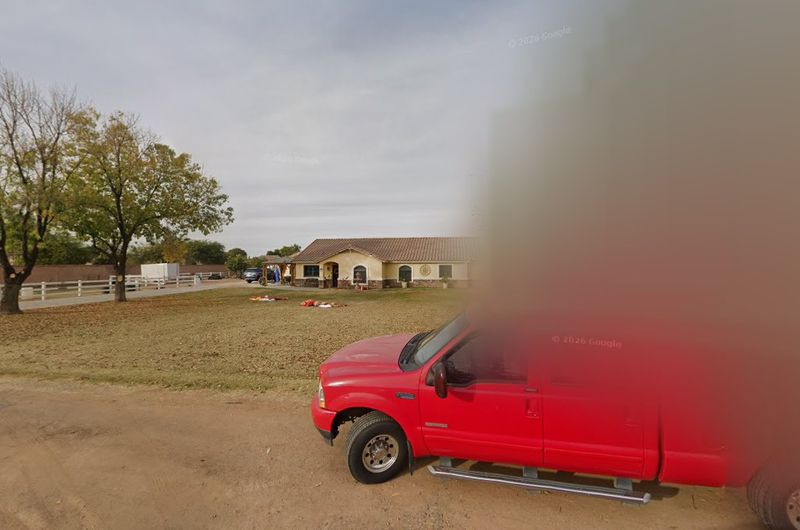
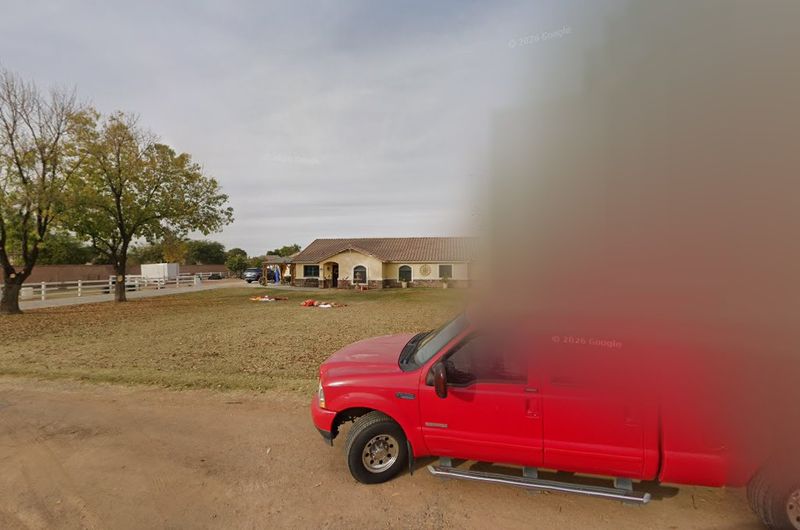
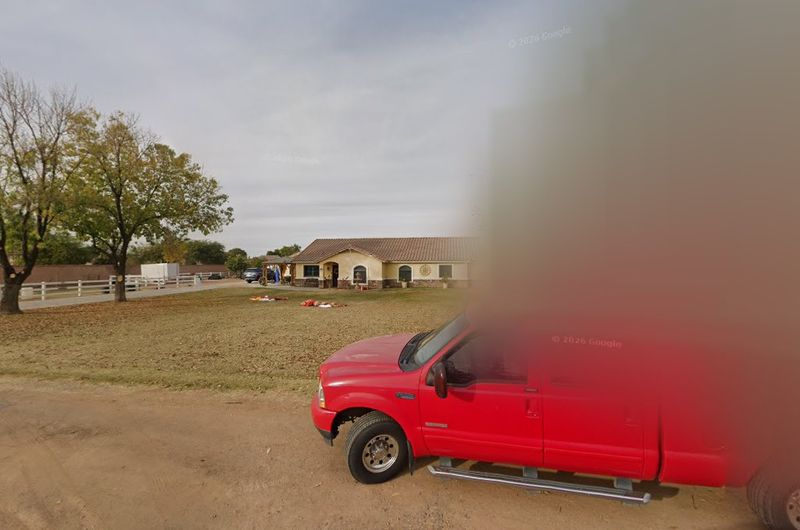
Big horses need a home, and in the East Valley that home sits at 17208 E Saragosa St, Gilbert, AZ 85295, United States.
The USA Clydesdale Preservation Foundation operates as a stable devoted to these famous draft horses. It is not a theme park or a petting zoo, and that difference shapes everything about a visit.
Gilbert is a growing suburb southeast of Phoenix, so the farm sits within easy reach for many Arizona families. The setting stays residential and low key, which suits the slow, personal style of the experience here.
The name says a lot about the mission. Preservation is the focus, meaning the work centers on caring for Clydesdales and sharing knowledge about them with the public.
A visit here feels less like a ticketed attraction and more like being welcomed onto someone’s property by people who love their animals. Keep that mindset, and the rest of the day makes perfect sense.
Why Preserve a Draft Horse
Few breeds carry as much history on their shoulders as the Clydesdale. These horses were developed as working draft animals, built to pull heavy loads with steady strength.
Today, most people know them from parades and advertising. That fame is fun, but it also hides a simple truth.
A breed needs dedicated people to keep it healthy and understood.
The foundation in Gilbert exists for exactly that purpose. Its name points to a mission of preservation, and its daily work shows up in the care these horses receive.
Fun fact for the road: Clydesdales are known for the long hair around their lower legs, called feathering. It is one of the easiest ways to spot the breed in a crowd of horses.
Learning a little background before arriving makes the visit richer. Every question asked on site adds another layer to the story of these gentle giants.
The $25 Donation Deal
Twenty-five dollars does not buy much these days. Here, it buys a personal meeting with some of the most impressive horses around.
The foundation asks for a $25 donation, and the common verdict is simple: it is worth every penny. Guests leave feeling they got far more than they gave.
That donation also does real work. Feeding and caring for horses of this size takes serious resources, so each contribution helps keep the stable running and the Clydesdales thriving.
Think of it as a fair trade. You get time with the horses and a solid dose of education, and the horses get continued care.
Exact pricing details can change, so checking with the foundation before arriving is a smart move. Its website handles contact and volunteering information.
Showing up prepared keeps the visit smooth and lets the focus stay right where it belongs, on those famous feathered hooves.
Horses That Get Royal Treatment
Healthy horses tell their own story, and the Clydesdales here speak clearly. The animals are well taken care of, a point that comes up again and again.
Caring for a draft horse is a big job. These animals need plenty of feed, regular hoof care, grooming, and space to move.
At this Gilbert stable, that care is visible from the moment guests arrive. The horses look content and well kept, which makes the experience easier to enjoy.
Responsible animal care matters for anyone choosing where to spend money. Supporting a place that clearly puts its horses first feels good, and it encourages the kind of work that keeps breeds strong.
Families who want kids to see what thoughtful animal ownership looks like will find a strong example here. Sometimes the best lesson is simply watching people who do the job right.
Owners Who Know Their Herd
Behind every great stable stands someone who knows each horse by name and habit. The owners at this foundation fit that description well.
They come across as friendly, welcoming, and deeply informed about their Clydesdales. Questions get real answers, not rehearsed lines.
That knowledge turns a quick visit into a learning session. Guests hear about the horses’ personalities, their care routines, and what makes the breed special.
Friendliness is one of the most mentioned qualities of the place. People leave talking about the humans almost as much as the horses, which says plenty.
For curious kids and adults alike, this is a chance to ask anything. How much does a Clydesdale eat?
How tall do they get? The people here are happy to share.
Bring a list of questions, because the answers may spark even more.
Quiet Grounds, Personal Moments
Crowds and loudspeakers have no place here. The grounds are known for being quiet and personal, a welcome change from busy attractions.
That calm setting matters. Big horses do best in a relaxed environment, and guests get to enjoy them without fighting for a spot at the fence.
The property itself earns praise as a very nice place. It is tidy, well kept, and clearly built around the needs of the horses.
Small group settings also make conversations easier. Guests can talk with the owners, watch the horses up close, and take their time.
People who feel overwhelmed by large tourist spots will appreciate the pace. There is no rush, no long line, and no script.
The result is a visit that feels more like spending an afternoon with neighbors who happen to own very large, very charming horses.
A Classroom With Hooves
School never looked this tall. A visit to the foundation doubles as an education, packed with information about Clydesdales and their care.
Guests often describe leaving with plenty of new knowledge to take in. The owners share details that most people never learn from watching a parade.
Kids especially benefit from this hands-on approach. Learning about animals is easier when the animal is standing right in front of you.
Topics can range from the breed’s background to daily feeding and grooming. Every horse becomes a lesson in patience, responsibility, and respect.
Homeschool families and curious grandparents might find this a great outing. It blends fun with facts in a way textbooks cannot match.
Bring a notebook if your crew likes to remember details. Odds are good someone will want to share what they learned at dinner that night.
Who Will Love This Outing
Horse lovers, obviously, top the list. Still, the appeal stretches far beyond people who already ride.
Families with children will appreciate the personal attention and educational focus. Couples looking for a different kind of date can find something memorable here too.
Photographers and animal fans get a rare chance to see draft horses outside a parade route. The quiet setting makes it easier to enjoy the moment.
Guests often say they cannot wait to come back. That kind of repeat interest suggests the experience sticks with people long after they leave.
Anyone who values supporting animal causes will feel good about the visit. The donation model means fun and generosity go hand in hand.
Visitors from out of town spending time around Phoenix could add this to their list as well. It offers a slice of Arizona that most travel guides skip entirely.
Giving Time as Well as Money
Money helps, but hands help too. The foundation welcomes both donations and volunteer time.
Guests have encouraged others to give in both ways, and it makes sense. A stable full of large horses always has work to be done.
The foundation’s website includes a page for volunteering and contact information. That is the best place to learn about current opportunities and how to get involved.
Volunteering can turn a one-time visit into an ongoing connection. Locals in Gilbert and nearby communities may find it a meaningful way to spend free hours.
Details about specific volunteer tasks are best confirmed directly with the foundation. Needs can shift depending on the season and the horses.
For animal lovers who want more than a quick hello, this path offers something deeper. The horses are clearly worth the effort.
Planning the Visit, Then Coming Back
Good plans make good memories. Since this is a working stable and not a standard attraction, reaching out ahead of time is the wise first step.
The foundation’s website is the place to find contact and volunteer details. Confirming the donation amount and arrangements before arriving avoids surprises.
Getting there is simple for anyone in the Phoenix area. The stable sits on E Saragosa St in Gilbert, within the growing East Valley.
Arizona weather can be intense, so dressing for the conditions and bringing water is smart for any outdoor outing.
As for the verdict, the story speaks for itself. Healthy horses, friendly owners, quiet grounds, and real education all come together for a modest donation.
Many guests leave already planning a return trip. After one afternoon with these towering, good-natured horses, that urge to come back seems completely reasonable.
Share this story