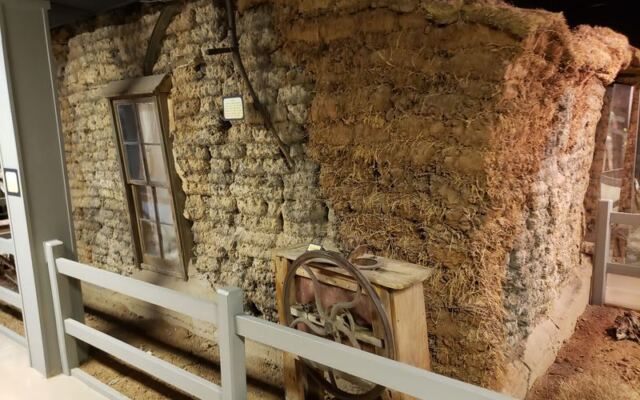
Some of the best stops in Oklahoma are the ones you almost drive right past. A plain building sits beside a quiet highway, and inside it hides a home built from the prairie dirt itself.
Walking through it feels like opening a time capsule from the land run days, and it stays with you long after you leave. If you are curious about how Oklahoma pioneers really lived, this little stop is a big surprise.
A Prairie Home Tucked Along Highway 8
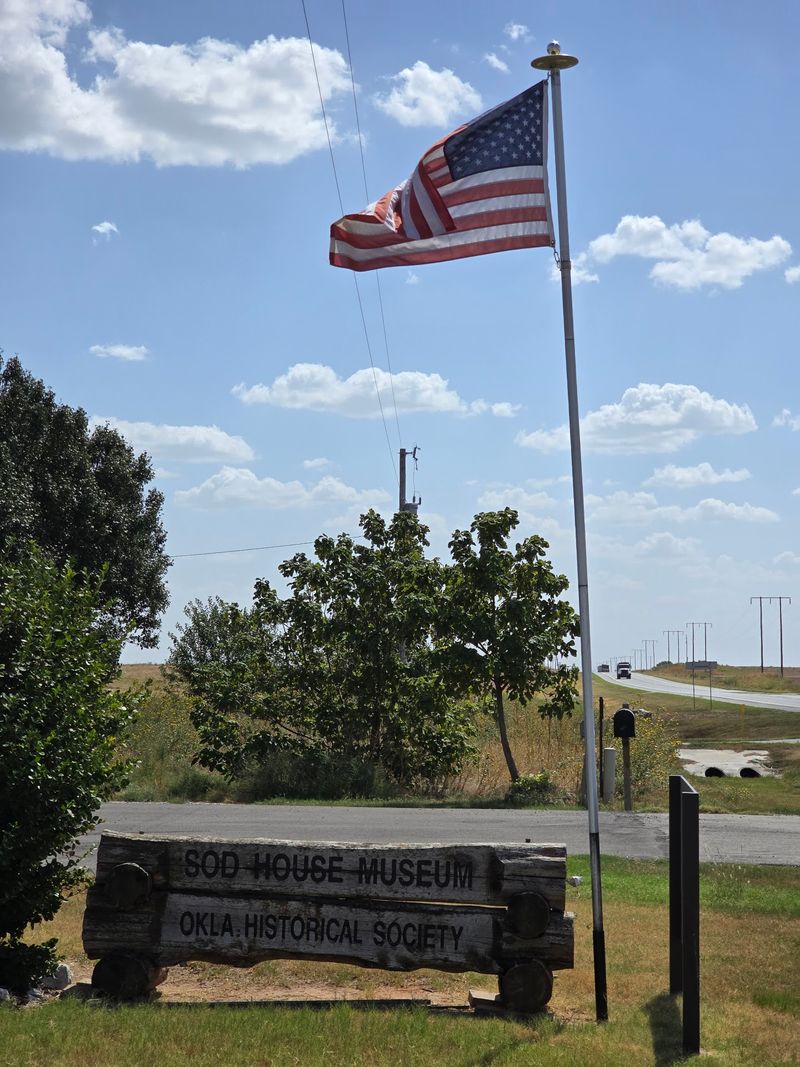
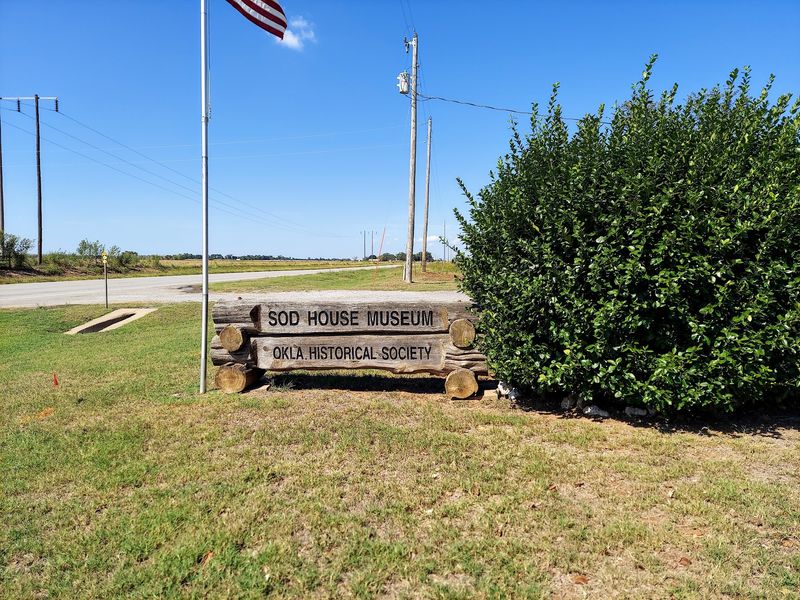
Out in northwest Oklahoma, just off OK-8 near the small town of Aline, sits a museum that looks almost too modest to matter. The address is 4628 OK-8, and from the road you might mistake it for a farm building.
Keep driving and you would miss something truly rare.
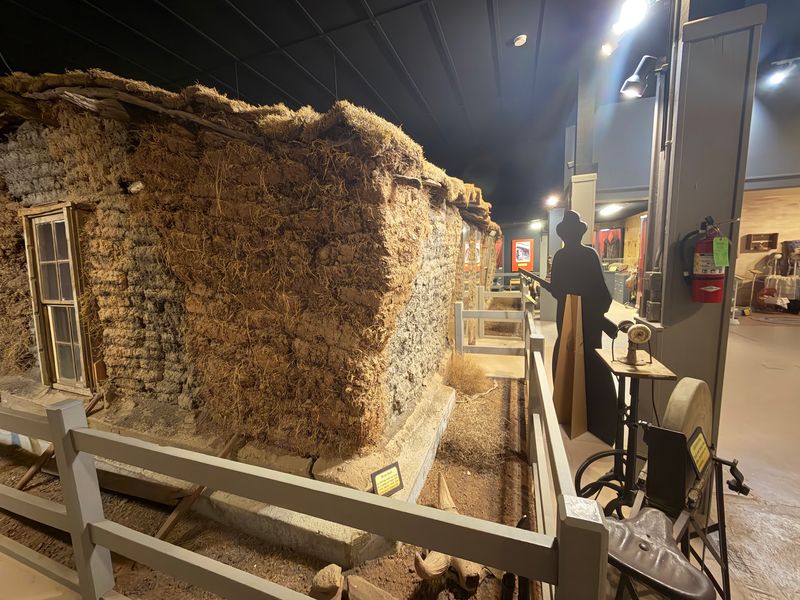
Inside that shelter stands the Sod House Museum, home to the last remaining sod house in Oklahoma. Built from blocks of prairie earth, it is a real pioneer dwelling that has survived well over a century.
Visitors describe walking through it as history in real life, and that phrase fits better than any brochure line could.
The museum is operated through the Oklahoma Historical Society, which helps explain why the house is so carefully cared for. Guests repeatedly mention how well maintained and well preserved everything feels.
Nothing about it is flashy, and that is part of the charm.
Plenty of travelers admit they had never heard of the place and simply pulled over on a whim. Those spur-of-the-moment stops tend to turn into favorite memories.
For road-trippers crossing the plains, it is the kind of quiet discovery that makes a long drive feel worthwhile.
Built in 1894 From the Ground Up
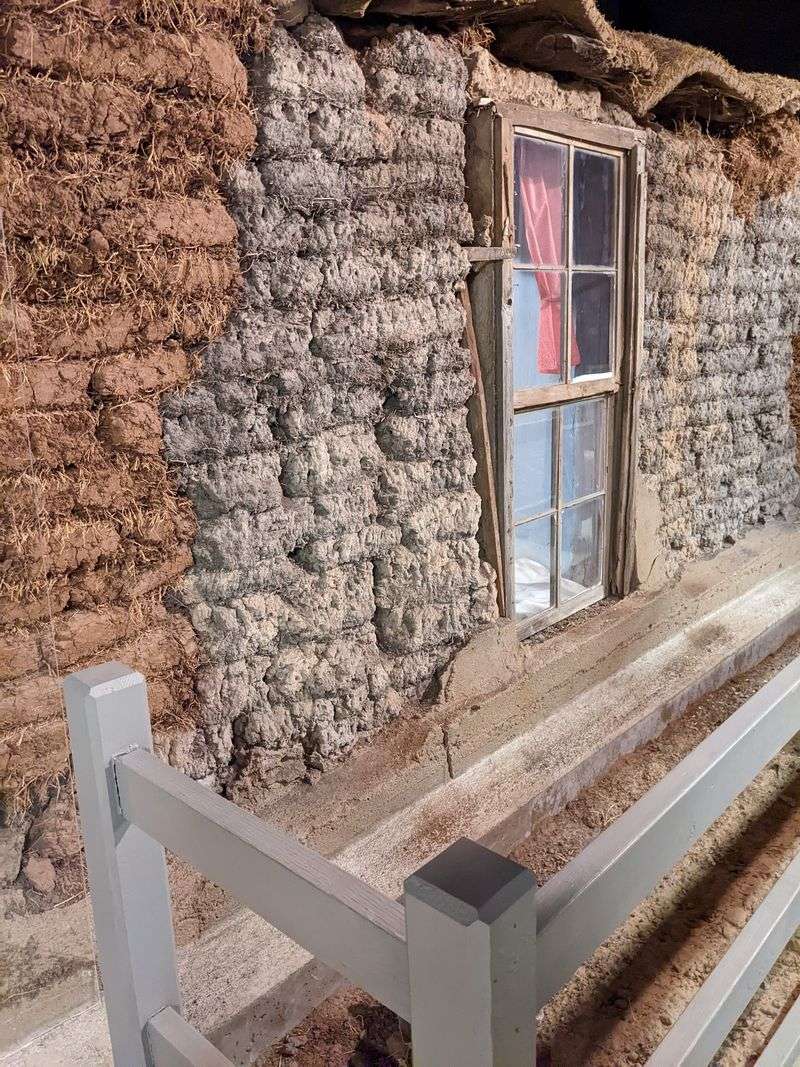
Picture a family arriving on the open prairie with almost no trees in sight. No lumber, no brick kiln, just endless grass.
So they built with what lay beneath their feet.
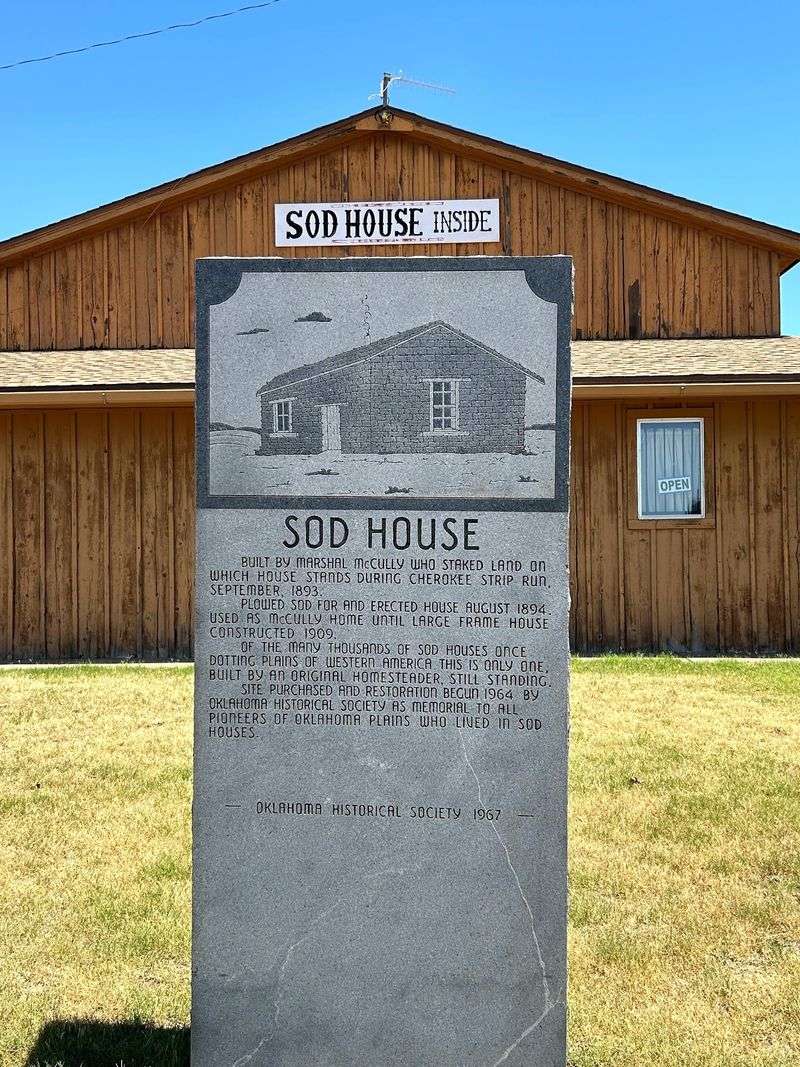
That is the story behind this 1894 home, constructed from thick slabs of sod cut from the Oklahoma soil. Settlers stacked the grassy blocks like bricks, creating walls that held off wind and heat.
Staff at the museum walk guests through how the house was built and how it changed over time, and visitors say hearing that progression makes the structure come alive.
One guest summed up the wonder nicely, noting this was a home that probably should not have lasted more than five years. Sod houses were meant to be temporary, a first shelter until something sturdier could be afforded.
Somehow this one kept standing.
Seeing it as originally built, alongside original artifacts, gives the story real weight. You are not looking at a replica or a drawing in a textbook.
You are standing beside actual earth walls raised by pioneer hands, and that is a strange, humbling feeling worth experiencing at least once.
The Last Soddy Standing
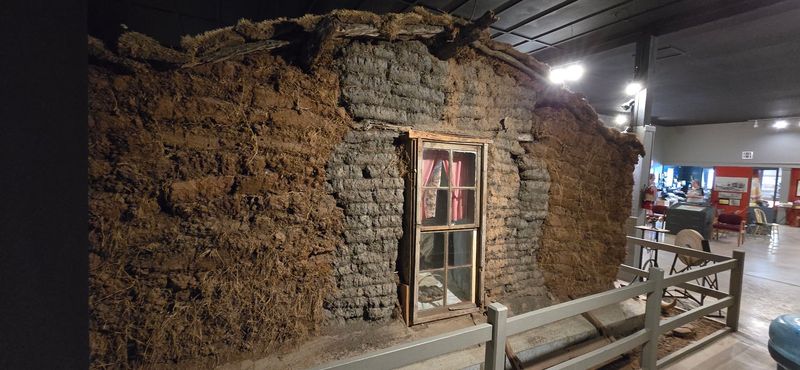
Here is a fun bit of trivia for your next road trip: Oklahoma once had countless sod homes, and now it has exactly one left. That makes this little building a true survivor.
Pioneers often called these homes soddies. One visitor described the soddy as the physical embodiment of the pioneer spirit, and it is easy to see why.
These houses stood for grit, patience, and making do with almost nothing during the push west across the plains.
Because sod naturally breaks down with rain and time, most of these homes simply melted back into the land. That is what makes this one so special.
Guests often say they feel grateful just to walk through it, knowing nothing quite like it exists anywhere else in the state.
Its rarity also gives the visit a slightly offbeat thrill. You are seeing the final example of a whole way of building that once dotted the prairie.
For anyone who loves quirky Oklahoma landmarks or hidden history, few stops can claim a title as unusual as the last soddy standing. It is a bragging-rights kind of visit.
A House Within a House
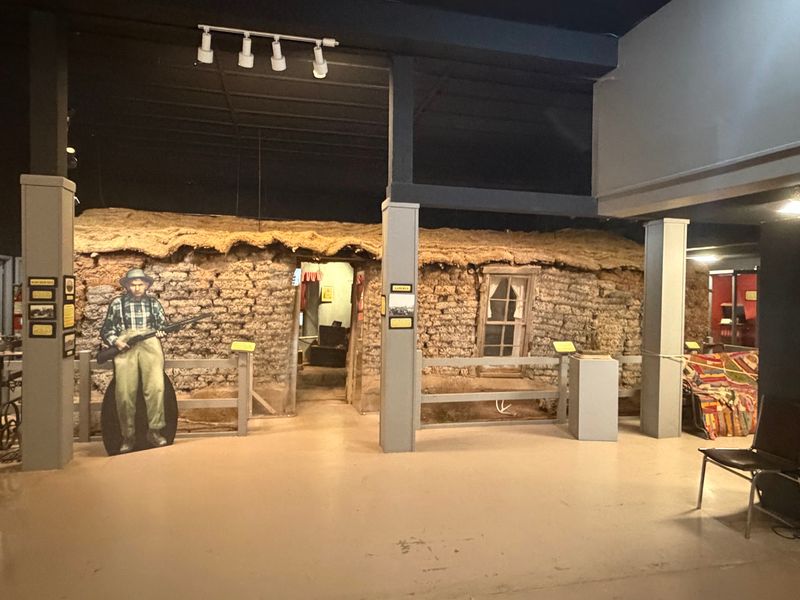
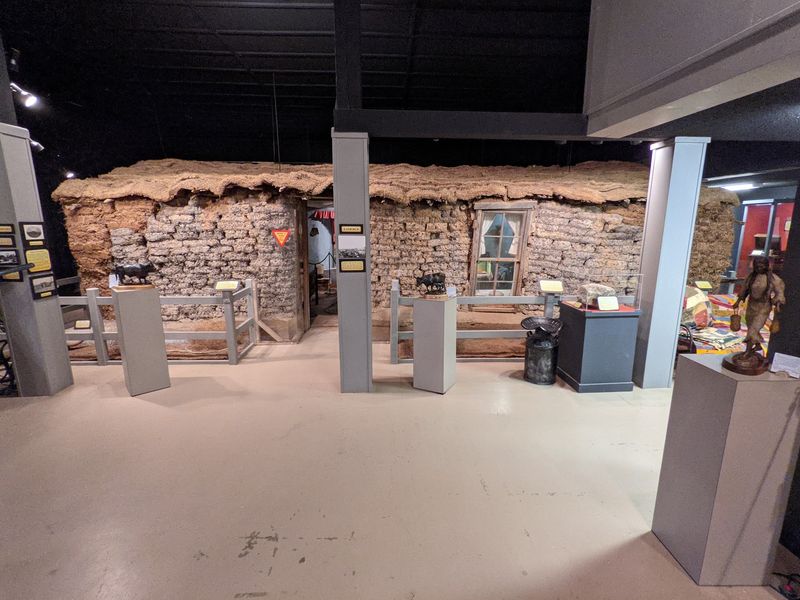
Walk through the front door and the first surprise hits fast. The sod house is not out in a field.
It sits fully inside a larger protective building, like a treasure kept under glass.
That clever setup shields the fragile earth walls from rain, wind, and the harsh plains weather that wore down every other soddy in the state. It also means you can explore in comfort no matter what the sky is doing outside.
Visitors frequently point out how well designed and thoughtfully laid out the space feels.
Seeing an old home enclosed this way is a little surreal at first. You circle around it, peek in its windows, then step through its doorway.
The contrast between the modern shelter and the rough sod blocks helps you appreciate just how different life used to be.
For families, the arrangement is practical too. Everything is close together and easy to follow, so younger kids are not dragged across long trails.
Guests describe the exhibits as intimate, and that word captures the whole experience. You get close enough to really see the texture of history without anything feeling crowded or rushed.
Down the Steps Into the Root Cellar
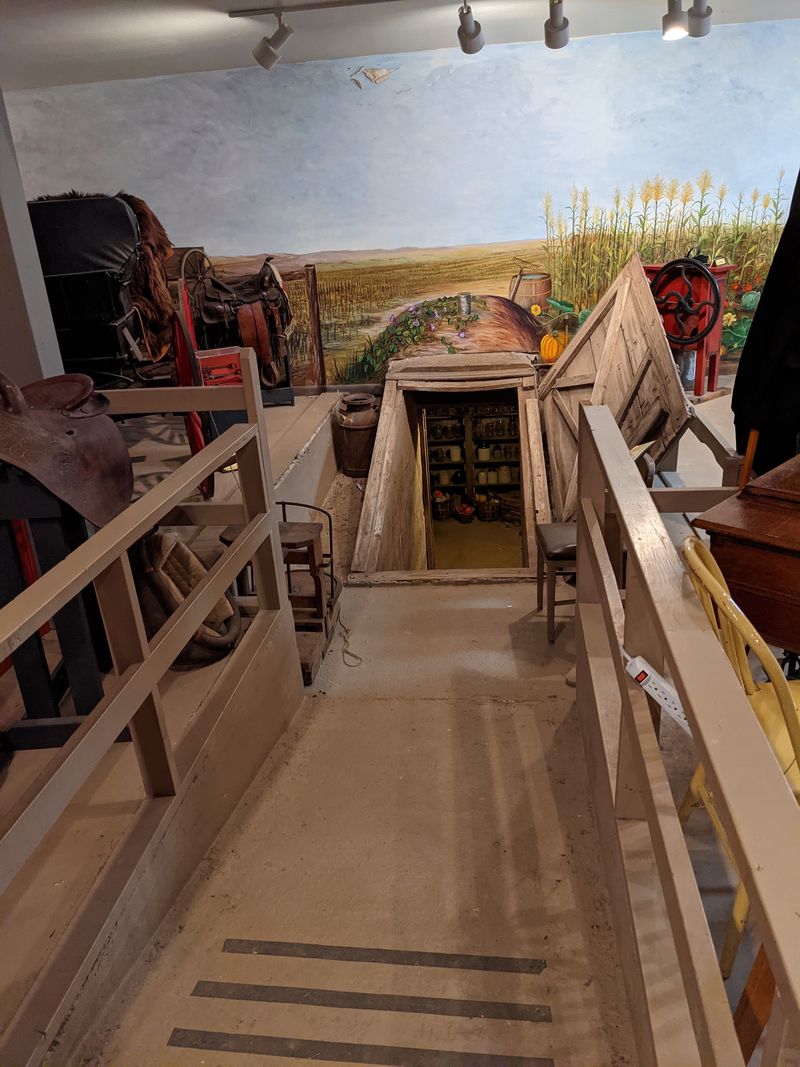
Ready for a little goosebump moment? Head down into the root cellar, and you will feel the air change almost instantly.
Visitors love this part of the tour, and several say the temperature drop is very noticeable once you descend. Pioneer families relied on cellars like this to keep food cool long before refrigerators existed.
Potatoes, preserved goods, and supplies for the months ahead would have been tucked away down here.
Standing in that earthy chill makes the lessons upstairs feel real. You start to understand how settlers planned for tomorrow, stretching every harvest to last.
A cellar also offered shelter from sudden plains storms, which made it one of the most valued spaces on a homestead.
The root cellar ranks among the most talked-about features of the museum, and guests describe it as a one-of-a-kind experience alongside the house itself. Kids especially seem to enjoy the adventure of walking down into the ground.
It is short, simple, and surprisingly memorable.
Bring your curiosity and maybe a light jacket feeling in your bones. That cool breath of underground air is a reminder that pioneers worked with nature rather than against it.
Everyday Objects From the Land Run Era
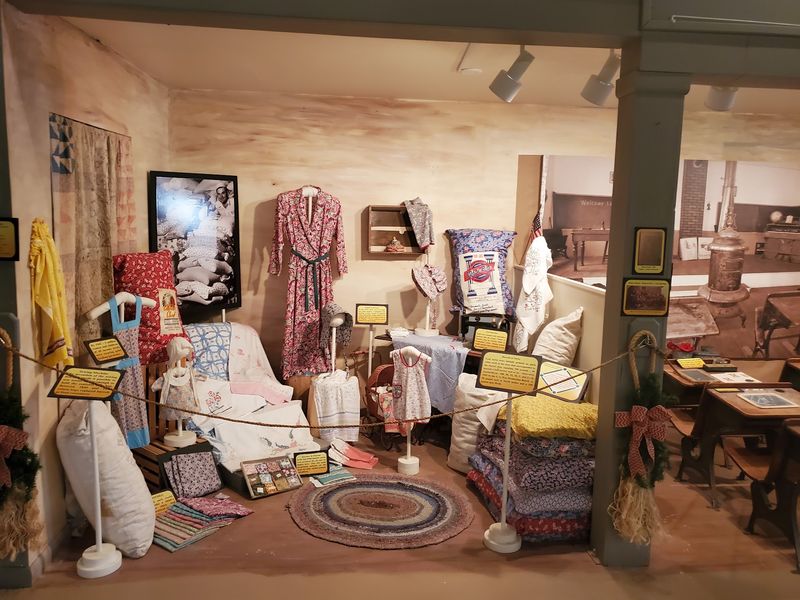
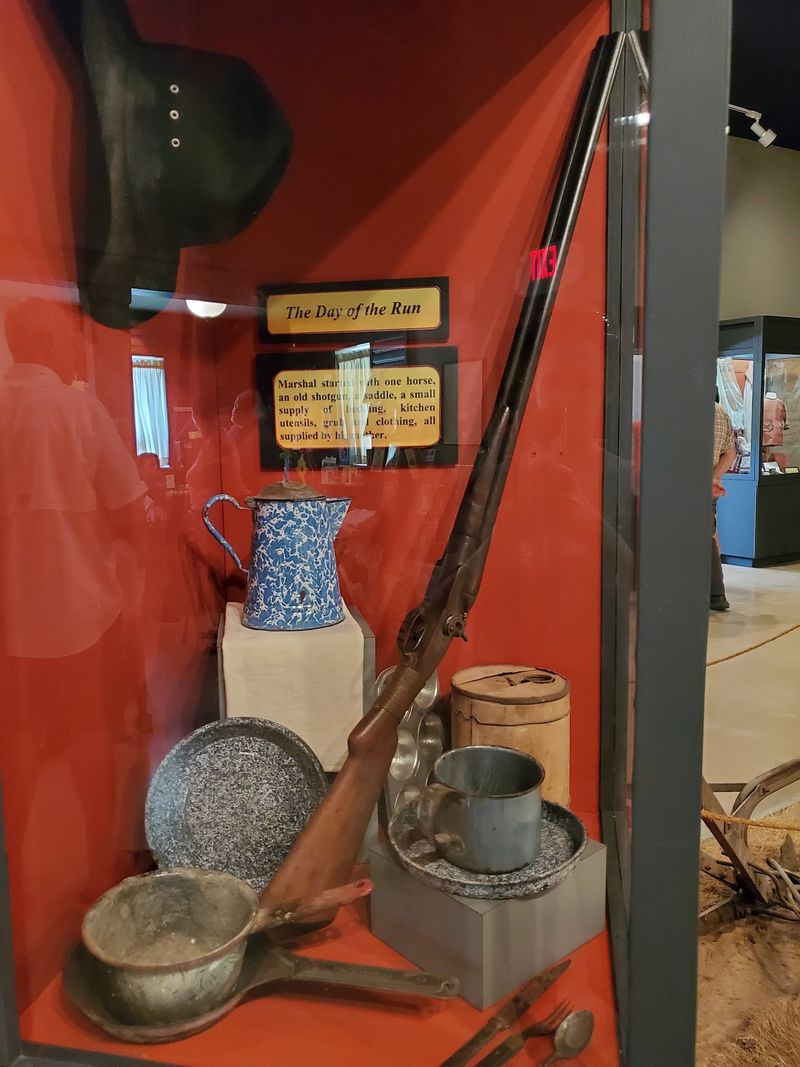
Grandma’s kitchen, anyone? One visitor said many of the items on display looked just like things their grandmother used regularly, and that sense of recognition is common here.
The museum holds tons of memorabilia from the Oklahoma Land Run period. Cooking tools, household goods, and period items fill the space, each one hinting at a daily routine that took real effort.
Guests regularly mention the sheer number of artifacts and how interesting each little detail turns out to be.
Looking closely, you begin to piece together how a family ate, cleaned, slept, and stored supplies. Visitors describe learning about what pioneers ate and how they prepared for the days ahead.
Even small objects carry big stories.
Parents say the displays open great conversations with kids. One guest noted that young visitors quickly realize sleeping on a pallet on the floor was a lot tougher than modern bedtime.
Those comparisons spark questions naturally.
Because many pieces are original, the collection feels personal rather than staged. It is less like a museum shelf and more like peeking into someone’s life.
That warm, lived-in feeling is what keeps people lingering a little longer than planned.
Old Farm Equipment and Prairie Tools
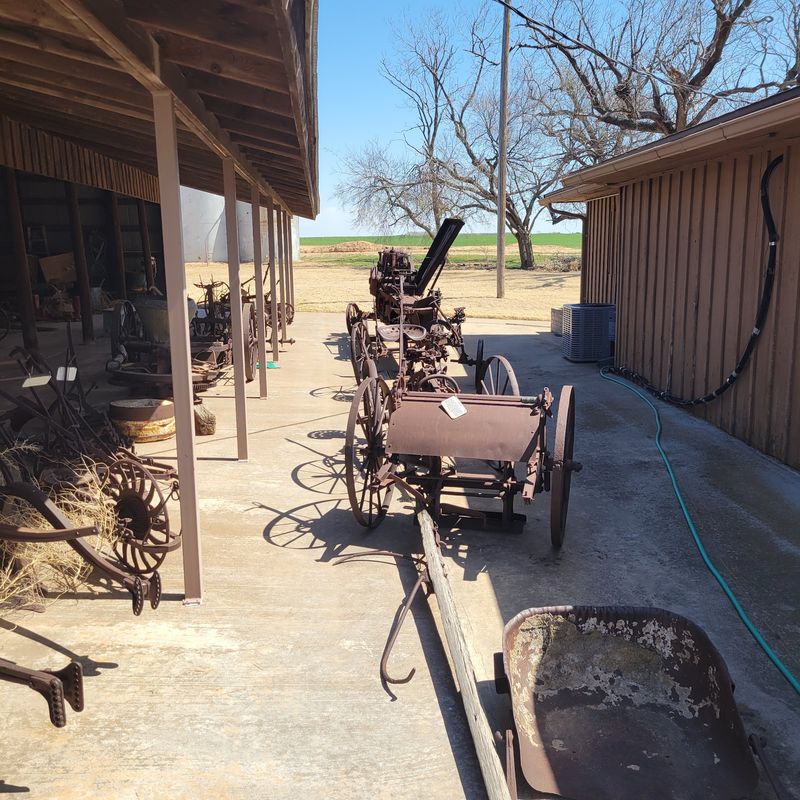
Life on the prairie was work, plain and simple. One visitor put it in capital letters, and after seeing the tools on display, you will understand the emphasis.
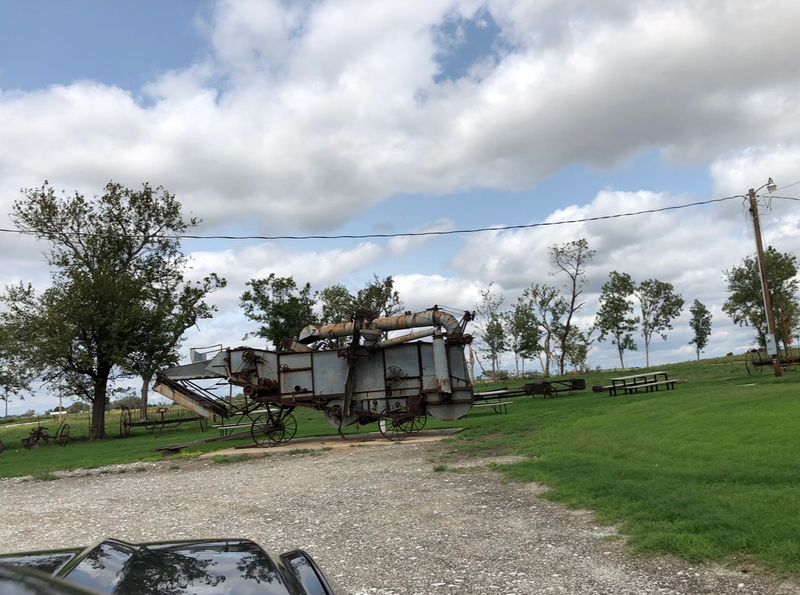
Alongside the house, the museum shows old farmers equipment and period tools used by homesteaders. These rugged implements helped families break ground, plant crops, and cut the very sod that became their walls.
Each piece shows the muscle and patience farming once demanded.
History buffs enjoy studying how these tools functioned without engines or electricity. Every task, from tilling soil to hauling supplies, depended on human and animal strength.
Guests mention appreciating modern technology much more after seeing what pioneers worked with day after day.
The equipment also connects the home to the land around it. A sod house was not just shelter; it was part of a working farm, tied tightly to the seasons and the soil.
Seeing the gear makes that link clear.
For anyone who grew up around farms in Oklahoma, some of these items may spark memories of older relatives. For city folks, they offer a hands-on look at a lifestyle that shaped the state long before highways crossed the plains.
Guides Who Know Every Story
Ask almost anyone who has visited what they remember most, and the staff comes up again and again. Knowledgeable, friendly, and generous with their time, the people here make the visit shine.
Guests describe guides as a wealth of knowledge and say the tours feel informative without ever turning dry. Some visitors received personal tours, and others called the welcome a VIP experience.
That kind of attention is rare at larger museums.
One story stands out. A guest shared that their tour guide had family ties to the man who built the original sod house.
Hearing history from someone with that kind of connection adds a layer you simply cannot get from a placard.
Longtime visitors also speak warmly about a caring curator who clearly pours herself into the museum. That dedication shows in how well everything is kept and how eagerly questions get answered.
Do not be shy here. Ask about how the walls were built, what families ate, or how the home changed over the years.
The staff seems to genuinely enjoy sharing, and their enthusiasm turns a quick stop into a conversation you will remember.
Quiet, Intimate, and Full of Heart
Forget crowds and gift shop chaos. The mood here is calm, cozy, and a little reflective, the kind of place where you naturally lower your voice.
Visitors call it a cute museum, a historical gem, and a true hidden treasure. The small scale works in its favor.
You can take your time, read every display, and really absorb the feeling of pioneer life without rushing.
Many guests mention how the visit made them think about their own comfortable lives. Stepping into a dirt home tends to do that.
Suddenly running water and soft mattresses seem like small miracles.
There is also a homey, small-town warmth. One visitor encouraged others to stop by, sign the visitor log, and say hello, which sums up the welcoming spirit nicely.
Another playfully mentioned that even their travel mascot, a stuffed chicken, enjoyed the trip.
That mix of thoughtful and lighthearted makes the atmosphere easy to love. It is personal and unpretentious, run by people who care.
Several guests say places like this deserve support, and after an hour inside, you will probably agree and want to tell your friends about it.
Who Will Love This Stop Most
Oklahoma history buffs, raise your hands. This is your kind of place, packed with land run stories and real pioneer artifacts.
Families do especially well here too. Kids get a vivid, easy-to-understand look at prairie life, and parents say the contrast with modern living sparks plenty of questions.
Some adults return years later with their own children, having first visited as kids themselves.
Genealogy fans may find it surprisingly emotional. One visitor whose great-great grandparents lived in an Oklahoma sod house around 1900 said seeing this one felt deeply personal.
If your roots run through the plains, expect a few heartstring tugs.
Road-trippers and curious drivers fit right in as well. A good number of guests simply spotted the building while passing by and decided to stop.
Others swung in while exploring nearby outdoor spots, including trips to dig for crystals and visits to Gloss Mountain.
Teachers, homeschool groups, and lifelong learners will also appreciate the clear storytelling. Honestly, anyone with an hour to spare and a little curiosity will walk away with something new.
It is educational without feeling like homework, which is a rare and welcome balance.
Pairing the Museum With Nearby Adventures
Northwest Oklahoma rewards travelers who build a full day around their stops. The Sod House Museum slots in beautifully with other outdoor adventures in the area.
Visitors mention combining it with trips to Gloss Mountain, where rugged mesas rise above the plains. Others stopped by on their way to dig for crystals, then made sure to swing back in afterward.
That mix of rocky scenery and pioneer history makes for a satisfying road trip.
Because the museum tour takes about an hour, it fits easily into a busy itinerary. You can hike or hunt for crystals in the morning, then cool off indoors with a dose of history.
The root cellar’s chill feels especially welcome after time in the sun.
The location along OK-8 keeps things simple for drivers. It sits right on the highway, so there is no complicated detour needed.
Many guests say they never planned to stop but are glad they did.
Think of it as the perfect bridge between outdoor fun and storytelling. Oklahoma’s landscape and its pioneer past are deeply linked, and seeing both in a single day helps everything click into place.
Hours, Fees, and Payment Tips
Planning ahead pays off, especially with a small rural museum. Here are the practical details to keep handy.
The Sod House Museum is open Tuesday through Saturday from 9 am to 5 pm. It is closed on Sundays and Mondays, so time your road trip accordingly.
Arriving earlier in the day gives you plenty of room to chat with staff and explore without watching the clock.
There is an entry fee, and visitors say it is well worth it. One guest noted a discounted student rate of $4 and free admission for veterans, though it is smart to confirm current pricing before you go.
Calling ahead at 580-463-2441 is an easy way to check.
Payment is the big tip. Guests report the museum takes cash or check only, with no cards accepted.
Grab some cash before heading out, since rural stretches of highway do not always offer convenient options.
Plan for about an hour inside. The museum sits at 4628 OK-8 near Aline, and more information is available through the Oklahoma Historical Society website.
A little preparation keeps the visit relaxed and smooth from start to finish.
Worth the Detour, Every Time
Some places impress with size. This one wins you over with sincerity, history, and a story you will not find anywhere else in Oklahoma.
Visitors consistently describe the Sod House Museum as fascinating, unexpected, and well worth the stop. Many say they would happily return, and some already have.
That kind of loyalty says a lot about a tiny museum on a rural highway.
What makes it memorable is the honesty of the experience. You stand inside real earth walls from 1894, feel the chill of a root cellar, and hear stories from people who care deeply.
Few attractions offer such a direct line to the pioneer past.
It also leaves you thinking. Guests often walk out with fresh appreciation for modern comforts and for the families who carved out lives on the open plains.
That reflection lingers long after the drive home.
So if you are crossing northwest Oklahoma between Tuesday and Saturday, pull over. Bring some cash, sign the visitor log, and give yourself an hour.
Odds are good you will leave grateful that the last soddy in the state is still standing and still sharing its story.
Share this story