Missouri’s State Capitol has something many visitors might not expect: a free museum covering everything from ancient fossils to Civil War history. Located on the first floor in Jefferson City, the Missouri State Museum offers two exhibition halls dedicated to the state’s natural resources and cultural history.
Visitors can explore Missouri’s early communities, mining heritage, military history, and historic figures without paying admission. The museum also provides guided tours of the Capitol, where Thomas Hart Benton’s famous 1936 murals are among the highlights, although access to the murals can be limited.
The combination makes this more than a typical museum visit. You can explore Missouri’s past, discover the artwork inside its seat of government, and visit nearby historic sites along the Missouri River.
A Museum Inside the Missouri State Capitol
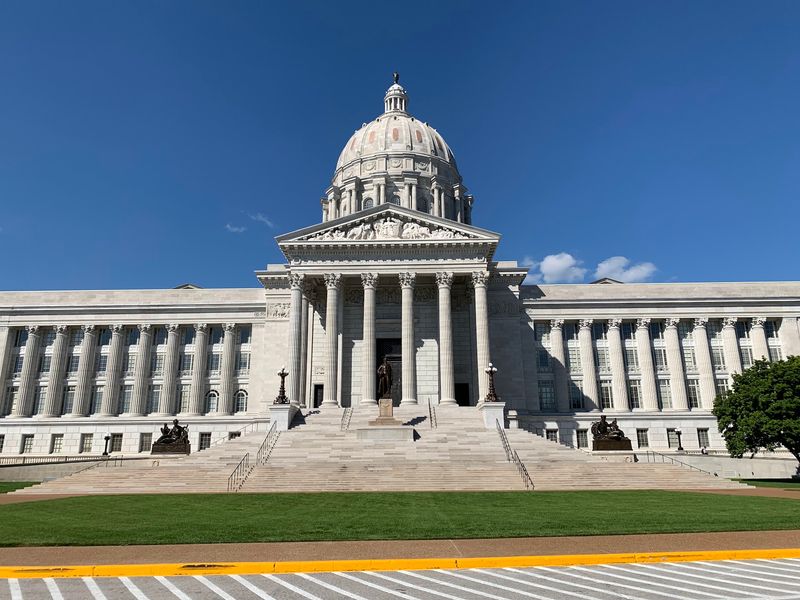
Most museums get their own building. The Missouri State Museum shares one with the state government, filling the first floor of the Missouri State Capitol at 201 W Capitol Ave, Jefferson City, Missouri 65101.
The capitol itself is a big domed building made of stone, and it overlooks the Missouri River. Lawmakers, staff, and tour groups pass through the same halls where families stop to read exhibit panels.
That mix gives the place a lively, real-world feel.
Missouri State Parks manages the museum, which explains its careful focus on state history. The goal is simple.
Help people understand how Missouri grew from wild land into the state it is today.
Admission is free, which is a nice surprise for families on a budget. You can wander at your own pace without a ticket or a timed entry slot.
I would treat the museum as the starting point for a capitol visit. It gives you background that makes the rest of the building make more sense.
Once you know the basics, the two main wings are where the story really opens up.
Two Wings, Two Halves of the Story
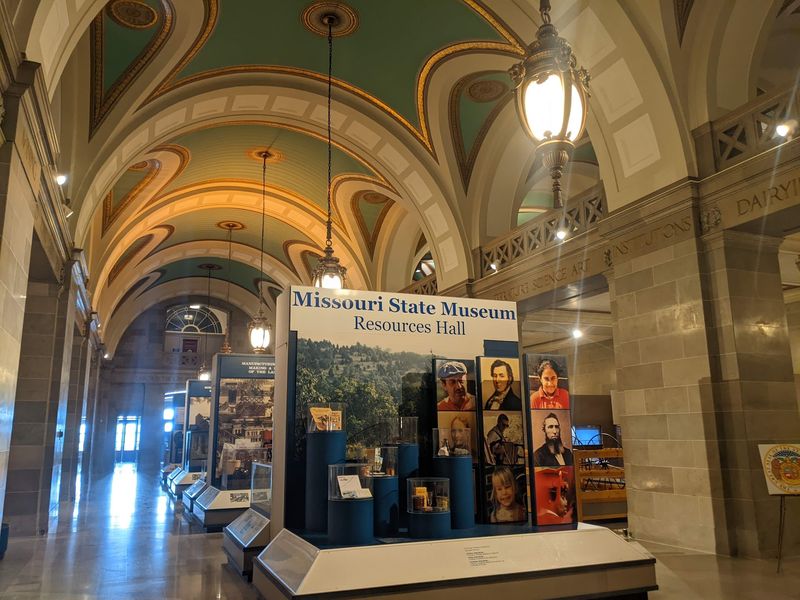
Split a state’s story in half, and what do you get? At this museum, you get the History Hall and the Resources Hall, two wings that face each other across the capitol’s first floor.
The Resources Hall looks at the land itself. It covers the rocks, minerals, plants, animals, and natural wealth that shaped how people lived and worked in Missouri.
The History Hall turns to people. It follows Missouri from its earliest residents through settlement, statehood, conflict, and modern times.
I like this setup because it keeps things organized. You never feel lost trying to figure out where one topic ends and another begins.
A smart plan is to choose one wing first based on your interests. Kids who love animals and rocks may want the Resources Hall.
History fans may head straight for the timeline.
Either way, the two halls connect naturally. The land explains why people came, and the people explain how the land changed.
Starting with the ground beneath Missouri makes a lot of sense, so that is where we go next.
Rocks, Rivers, and Missouri’s Natural Wealth
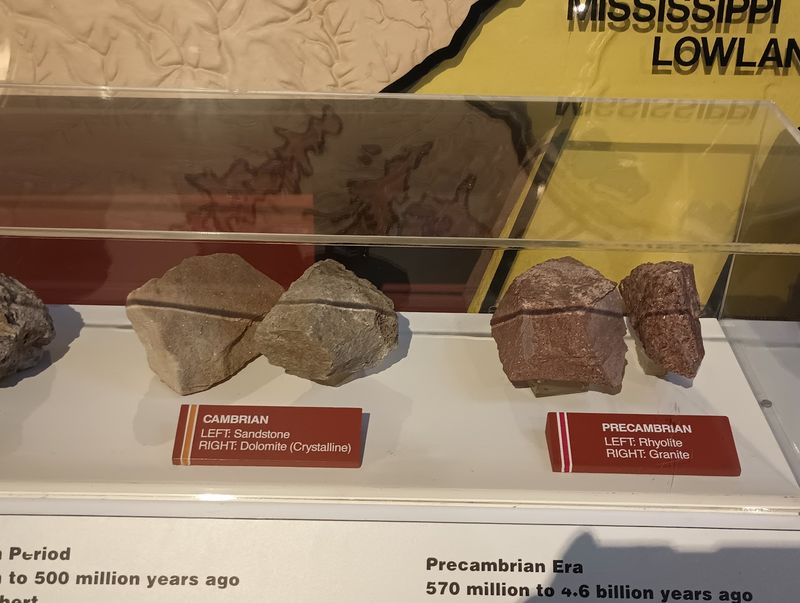
Missouri has long been known for lead mining, and the Resources Hall helps explain why. Minerals like galena, the state mineral, played a huge part in drawing early miners to the region.
This wing looks at how natural resources built the state’s economy. Soil, timber, water, and wildlife all get attention here, along with the ways people used them.
For students, this section works like a living science lesson. You can connect what you read in a textbook to real samples sitting right in front of you.
I find the link between geology and daily life especially interesting. A rock in a case suddenly matters when you learn it helped build towns and jobs.
The hall also touches on Missouri’s rivers. The Missouri and Mississippi rivers shaped trade, travel, and settlement across the state.
Take your time reading the labels here. Some of the most useful facts sit in the small print, and they help explain why so many people chose to settle in Missouri.
Those settlers, and the people already living here, fill the hall across the way.
Following Missouri From Its First Residents
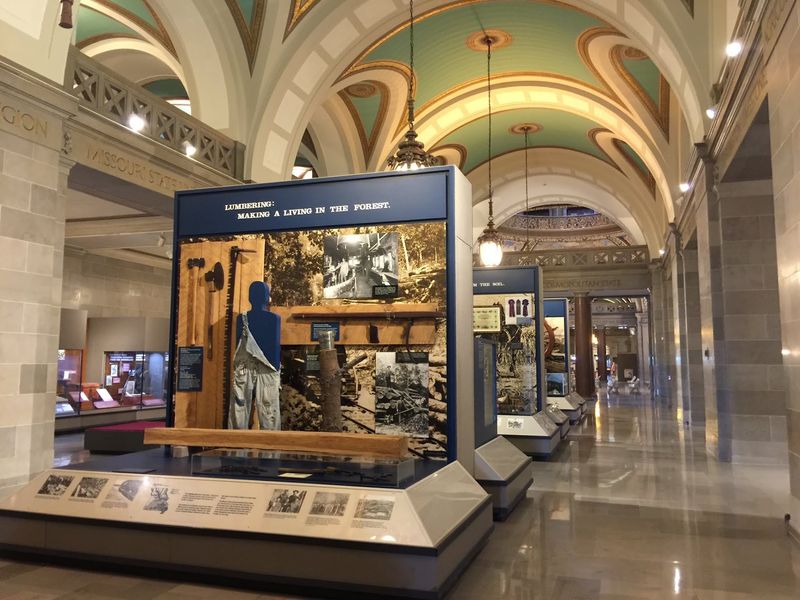
Long before Missouri had a name, people lived along its rivers and hills. The History Hall begins with those early residents and moves forward through time.
The timeline format helps a lot. You can watch the story unfold step by step instead of jumping between random facts.
Exhibits trace the arrival of European explorers and American settlers. They also show how Missouri became a state in 1821 as part of a heated national debate.
That 1821 date is a good one to remember. Missouri’s path to statehood came through the Missouri Compromise, an agreement that shaped the country for decades.
I would slow down in this part of the hall. Early chapters set up so much of what comes later, especially the conflicts that split the state in the 1860s.
Families can turn this section into a quick game. Ask kids to spot the oldest object, then the newest, as you move along.
The timeline eventually reaches one of the hardest periods in Missouri history. That chapter gets serious attention, and it deserves its own section here.
Civil War Flags and a Divided State
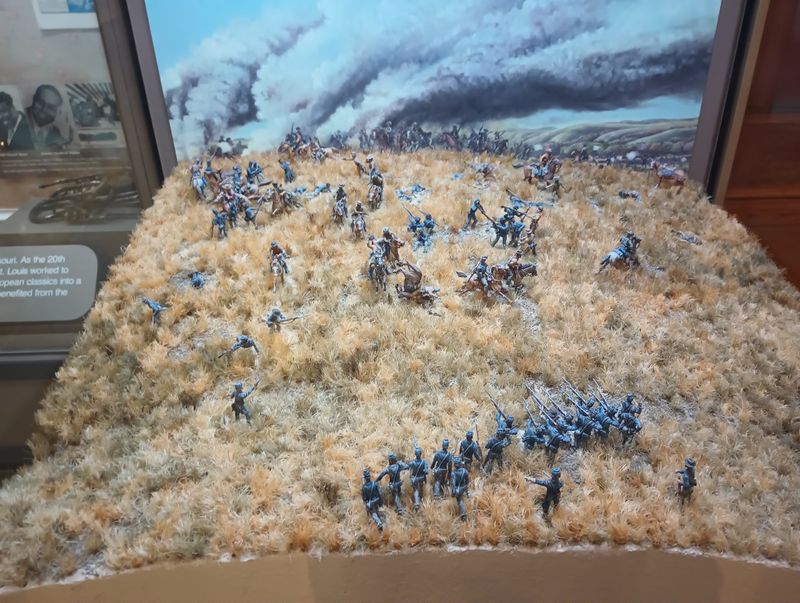
Missouri was a border state in the Civil War, and its people fought on both sides. The museum shows how that split touched families, towns, and the state government.
Civil War artifacts help make the story feel personal. Old flags, uniforms, and equipment remind you that real people carried these items through hard times.
Battle flags are especially meaningful. Missouri has worked to preserve many of these fragile pieces of fabric, and seeing one up close gives you a sense of their age.
The exhibits avoid making things simple. Missouri stayed in the Union, yet many residents supported the Confederacy, and that tension shows up throughout the displays.
I appreciate a museum that lets visitors sit with complicated history. It helps students understand that the past was messy, not neat.
Bring questions for younger readers. Why would neighbors choose different sides?
Talking it through can make the visit more memorable.
Military history here does not stop with the 1860s. Missouri’s veterans from later conflicts also get space, which keeps the story moving forward.
Honoring Missouri’s Veterans
Uniforms, medals, and photographs tell quiet stories in this part of the museum. Missouri’s military veterans are honored across many eras, not just one.
Exhibits connect national history to local people. A soldier or nurse from a small Missouri town suddenly becomes part of a much bigger story.
This is a great place to talk with kids about service. Many families have a grandparent or relative who served, and the displays can spark those conversations.
I like that the focus stays on people. Names, faces, and personal items make history easier to understand than dates alone.
Reading carefully pays off. Short captions often share where someone came from and what they did after coming home.
If you have a veteran in your family, consider snapping a photo of a related exhibit. Sharing it later can be a nice way to connect generations.
Military history is only one part of Missouri culture, though. Art, music, and everyday life also shaped the state, and the capitol has a famous example upstairs.
Thomas Hart Benton’s Bold Murals
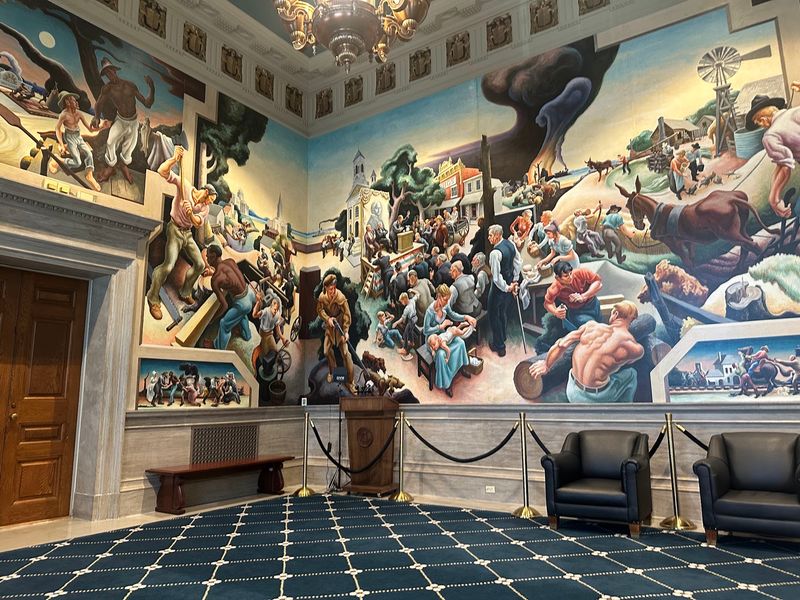
Painter Thomas Hart Benton did not tidy up history. His mural, A Social History of the State of Missouri, fills the House Lounge of the capitol with pioneers, farmers, workers, and even outlaw Jesse James robbing a train.
The mural was finished in 1936, and it stirred debate. Some people felt Benton showed too much ordinary life and too many uncomfortable truths.
Today, that honesty is the point. The painting shows Missouri as a busy, crowded, hardworking place instead of a perfect picture.
Benton was born in Neosho, Missouri, so this work reflects his home state. It is one of his best-known public projects.
The House Lounge is not part of the museum wings, so plan ahead. Guided capitol tours often include it, and booking early is a good idea.
I would look for small scenes first, then step back for the full view. Every corner holds a new detail.
Benton’s work is only one part of the art here. The rest of the capitol is packed with paintings and sculpture worth a slow look.
Busts, Stained Glass, and Capitol Art
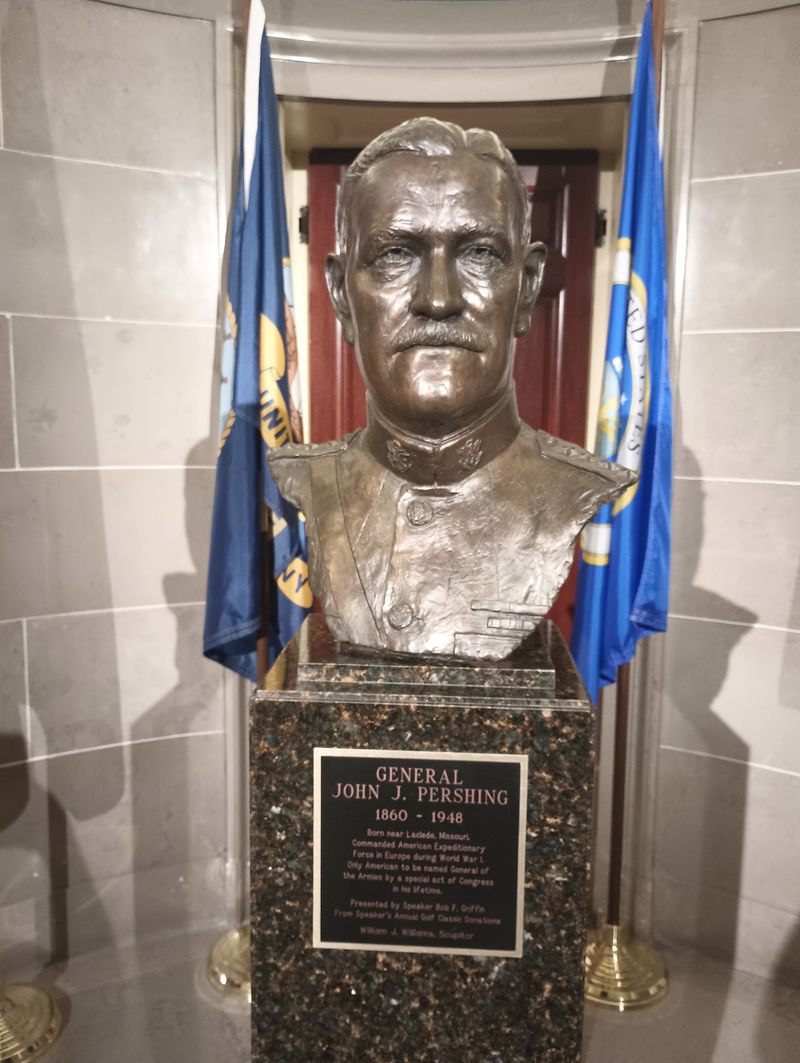
Mark Twain, Harry Truman, and George Washington Carver all have Missouri roots. Bronze busts of famous Missourians honor people like these in the capitol’s Hall of Famous Missourians.
Walking past these faces turns history into a guessing game. Kids can try to name each person before reading the plaque.
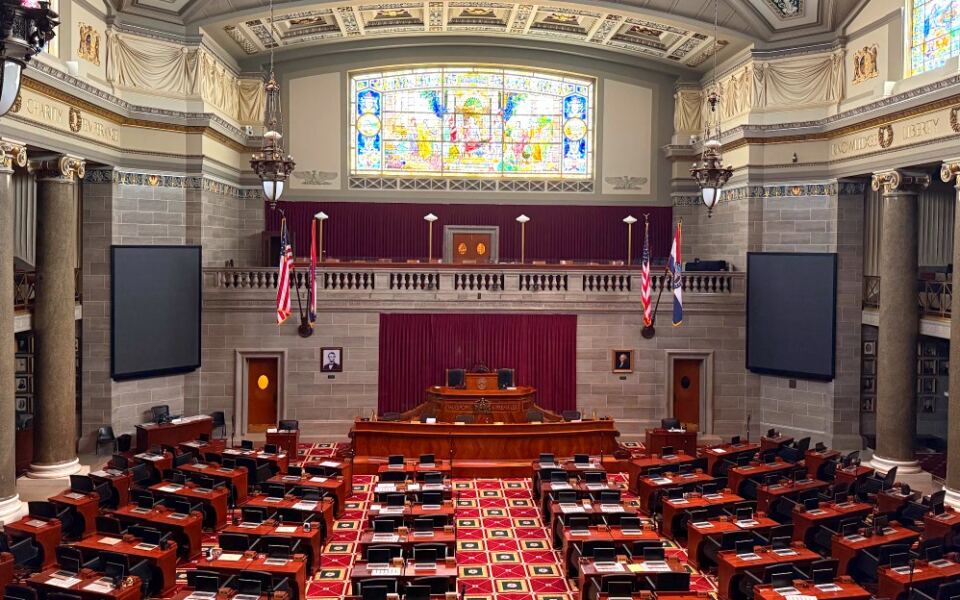
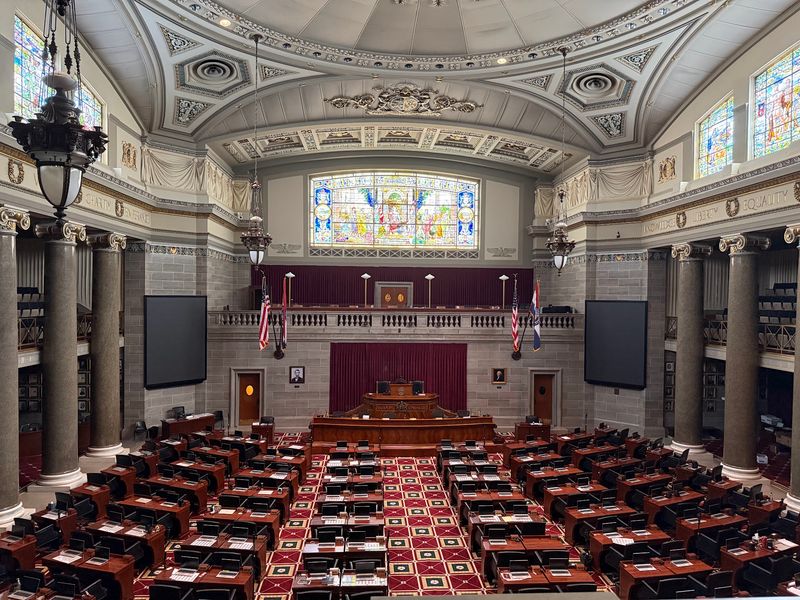
The building also features stained glass, including large windows in the House of Representatives chamber. Murals and carvings appear throughout the halls and ceilings.
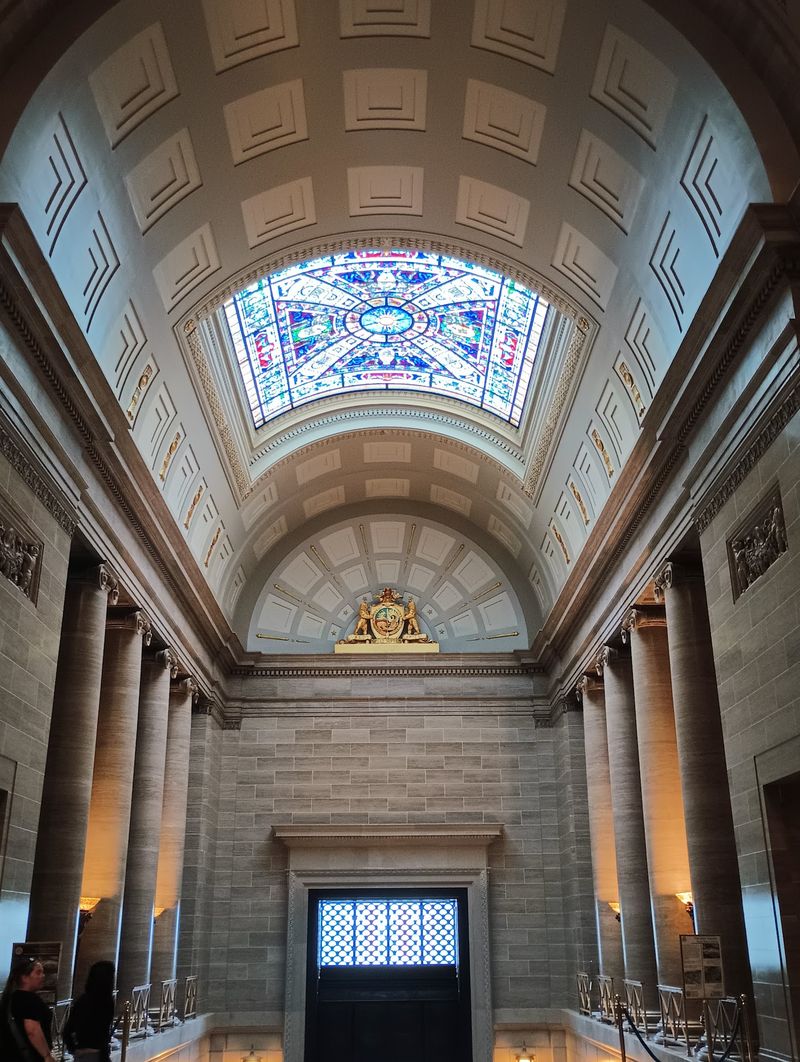
Since the museum sits on the first floor, art lovers can easily keep going. A short walk takes you from exhibit cases to painted ceilings and marble stairways.
I find it interesting how much of Missouri’s story lives in the walls themselves. Even quotes carved in stone add to the experience.
Bring a phone or camera. Photo opportunities are everywhere, from the grand staircase to the outdoor views.
Exploring alone works fine, but a guide can point out details you might miss. That brings up one of the easiest ways to get more from your visit.
Free Tours and Smart Planning
Good news for budget travelers: capitol tours are free. Missouri State Parks staff lead guided tours that explain the building’s history and art.
Group tours usually need to be scheduled ahead of time. Checking with the museum before your trip helps you avoid surprises.
The museum is open daily, with shorter hours on weekends. Holiday closures can happen, so confirm before you drive in.
Plan for security when entering the capitol. It is a working government building, so expect a quick check at the door.
I would aim for a weekday if you want to see lawmakers at work. Legislative sessions add energy to the halls, especially in spring.
Weekends tend to feel calmer. That can be ideal for families who want to move slowly and read every display.
Small shops in the museum area sell Missouri souvenirs, which make easy gifts. Take a look before you leave.
Once you finish indoors, don’t rush back to the car. The capitol grounds have plenty to offer on a nice day.
Gardens, River Views, and Nearby History
Outside, the capitol sits on a bluff above the Missouri River. The view helps explain why the river mattered so much to the exhibits you just saw.
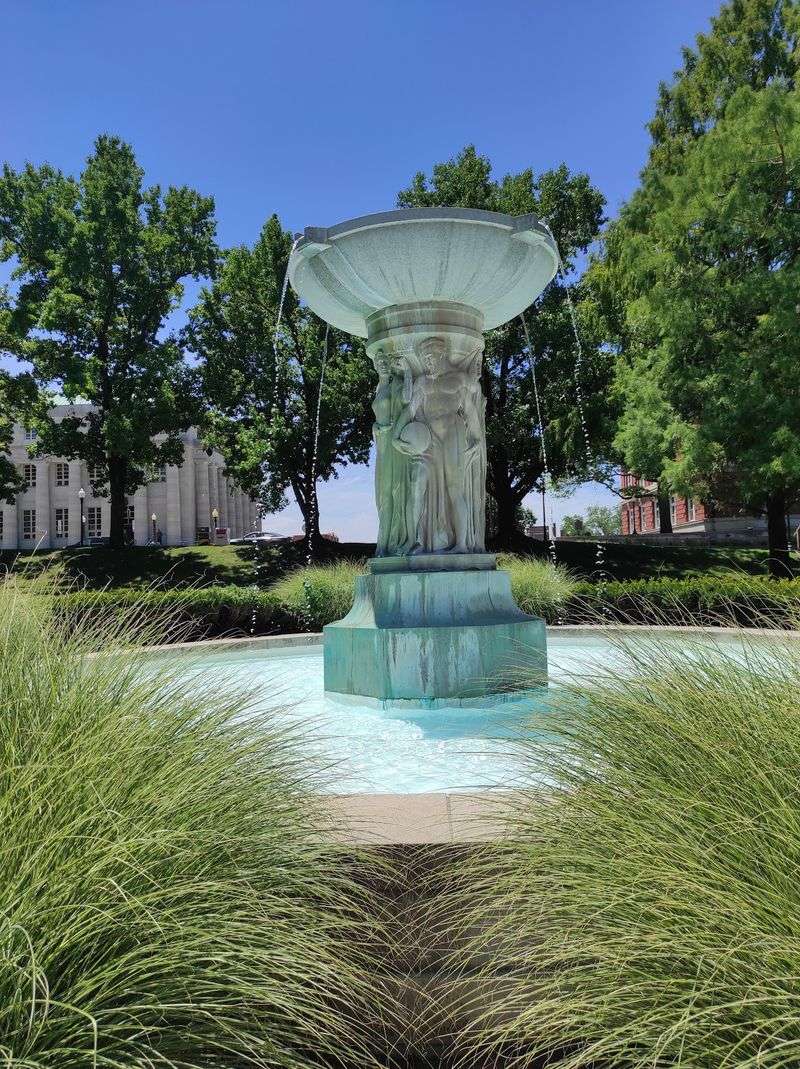
The grounds include fountains, statues, and well-kept gardens. Walking paths make it easy to stretch your legs after time indoors.
A sculpture of the Lewis and Clark expedition stands nearby, honoring their famous trip up the Missouri River. It connects nicely to the history inside.
The Missouri State Museum also manages the Jefferson Landing State Historic Site just down the hill. Its Lohman Building dates to the 1830s and once served river traffic.
That site adds more context to a capitol visit. You can see where boats and travelers once arrived in the young capital city.
I’d save a little energy for the outdoors. The views and statues fill in parts of the story that glass cases cannot.
Visiting in spring or fall makes the walk more comfortable. Summer heat can be strong, so bring water and pace yourself as you explore downtown Jefferson City.
Share this story