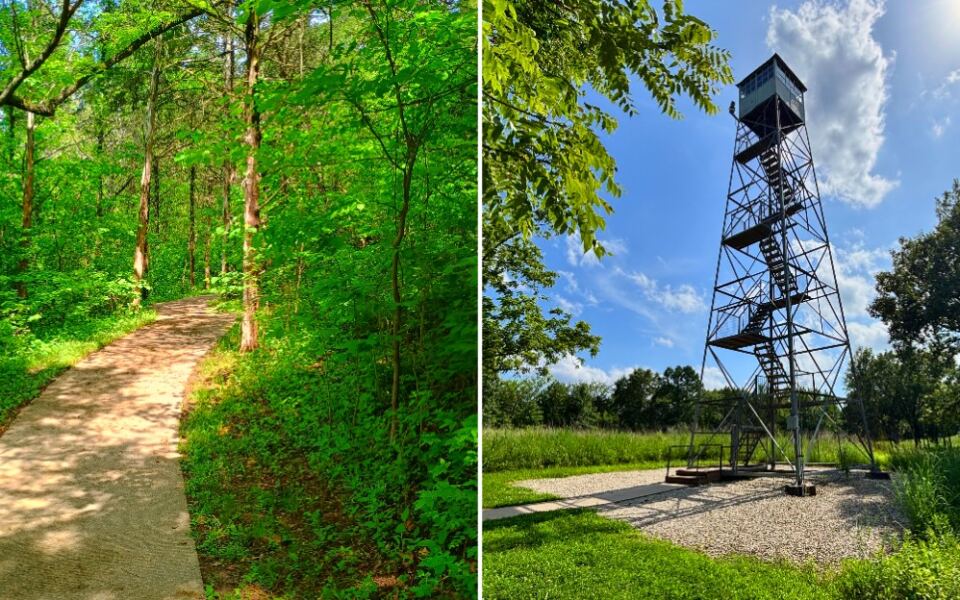
You can climb a 60-foot fire tower, meet live snakes and turtles, and explore five hiking trails without paying an admission fee. All of it is waiting at Runge Conservation Nature Center in Jefferson City, just minutes from Missouri’s Capitol.
The center has a large aquarium, hands-on exhibits, and an indoor wildlife viewing area where families can watch birds and other animals. Outside, 2.4 miles of trails wind through woods, prairies, and other native habitats.
Wild turkeys and deer are among the animals visitors might spot along the way. But the historic fire tower is one of the biggest surprises, offering views over the surrounding landscape.
It’s an easy family outing with plenty to explore, even if you only have a couple of hours.
A Conservation Classroom Minutes From the Capitol
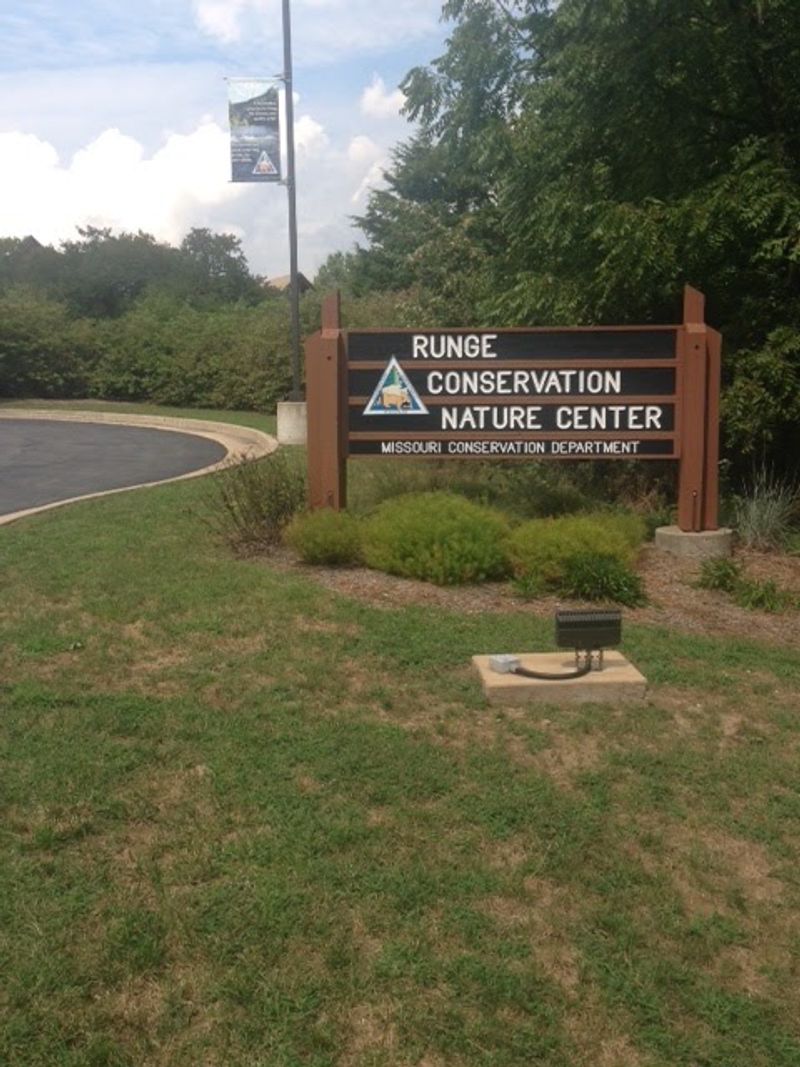
Jefferson City has a state capitol, a river, and a surprisingly wild patch of woods right off a busy road. That patch is the Runge Conservation Nature Center, usually just called Runge Nature Center.
You’ll find it at 330 Commerce Drive, Jefferson City, Missouri 65109. The Missouri Department of Conservation runs it, so the focus is on helping people understand the plants and animals of this state.
The setup has two main halves. Inside is a visitor center packed with exhibits, live animals, and a small library.
Outside are about two miles of trails winding through forest, grassland, and seasonal wildflower fields.
I like how close it sits to town. You don’t need to plan a long road trip to get kids into the woods.
Runge works for a quick afternoon stop or a longer family day.
The building keeps regular weekday and Saturday hours and closes on Sundays and Mondays. Plan around that before you load up the car.
Many families start indoors, and that makes sense. The exhibits help kids learn what to look for before they ever step onto a trail, which leads right into the live animals waiting inside.
Turtles, Snakes, and Other Indoor Neighbors
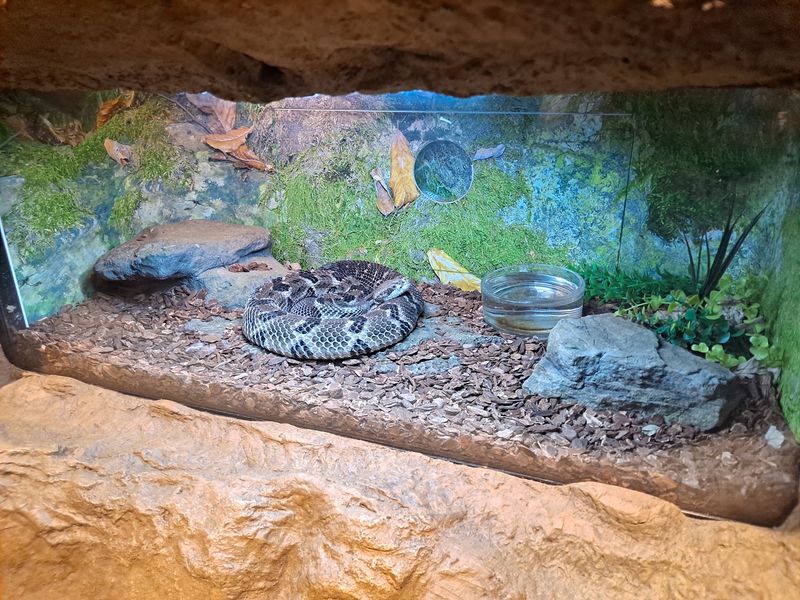
Kids tend to press their noses against the glass the second they spot a turtle. Runge gives them plenty of reasons to do that.
The visitor center holds live animals native to Missouri. Turtles and snakes are part of the lineup, and there’s an aquarium too.
Seeing these creatures up close helps young visitors connect names in a book with real, breathing animals.
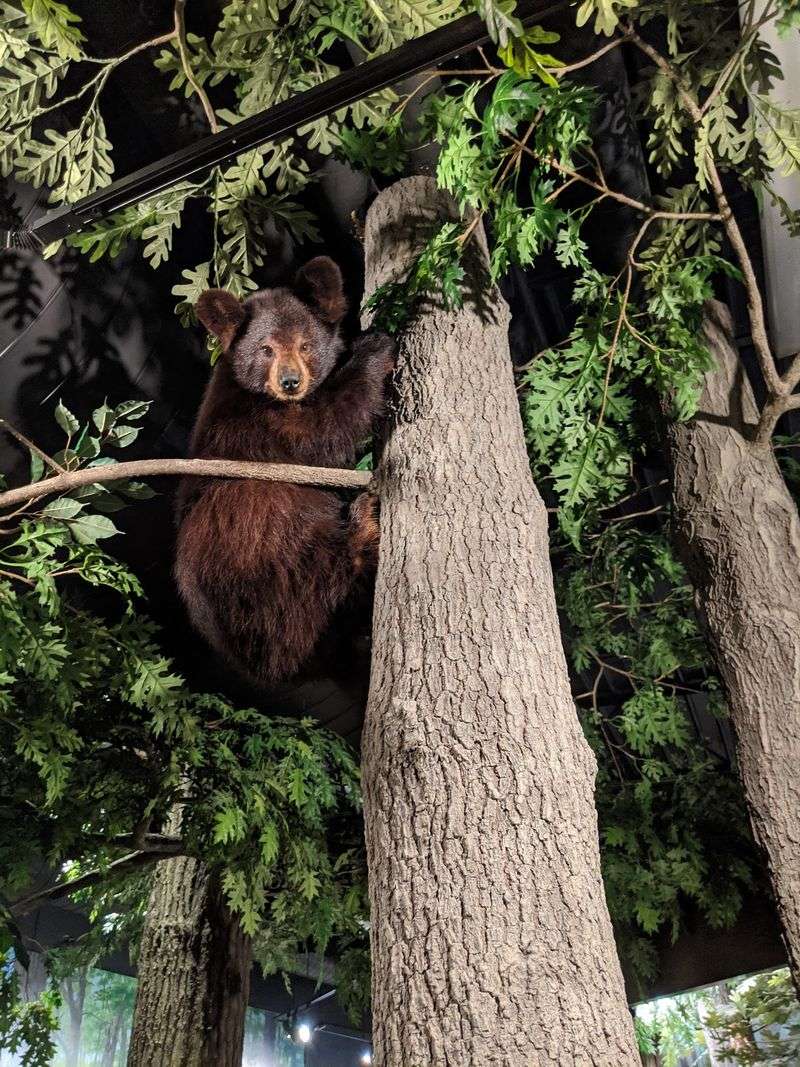
Alongside the live displays, you’ll see mounted animals and conservation exhibits. Those let kids study creatures that would be hard to spot in the wild, like shy mammals or birds that never sit still.
Plenty of the displays invite touching, reading, and exploring. That hands-on approach keeps restless kids interested longer than a quiet museum ever could.
One practical tip helps a lot here. Little ones who aren’t ready for longer hikes can spend most of a visit inside and still have a full day.
Staff members and volunteers are around to answer questions. If your child wants to know what a turtle eats or how a snake sheds, ask.
Those quick chats often turn into the most memorable part of the visit.
The Window Where Wildlife Comes to You
Sometimes the best way to see wildlife is to sit still and let it show up. Runge built a whole room around that idea.
The nature center has a large wildlife viewing area where kids can watch animals approach from inside. Birds, squirrels, and other visitors wander up while families stay warm and dry behind the glass.
This spot is great for younger children. They don’t have to stay quiet on a trail or keep up on a hill.
They can point, ask questions, and watch at their own pace.
I’d make time for this window early in a visit. It teaches kids to notice small details, like how a bird lands or which animal shows up first.
That kind of patience pays off later outdoors. A child who learned to spot a cardinal through the window is more likely to notice one along the trail.
Bird watching is a big part of what draws people to Runge. Bring a simple field guide or ask staff which species have been showing up lately.
Then take those sharp new eyes outside, where the trails are waiting.
Two Miles of Trails With Plenty of Choices
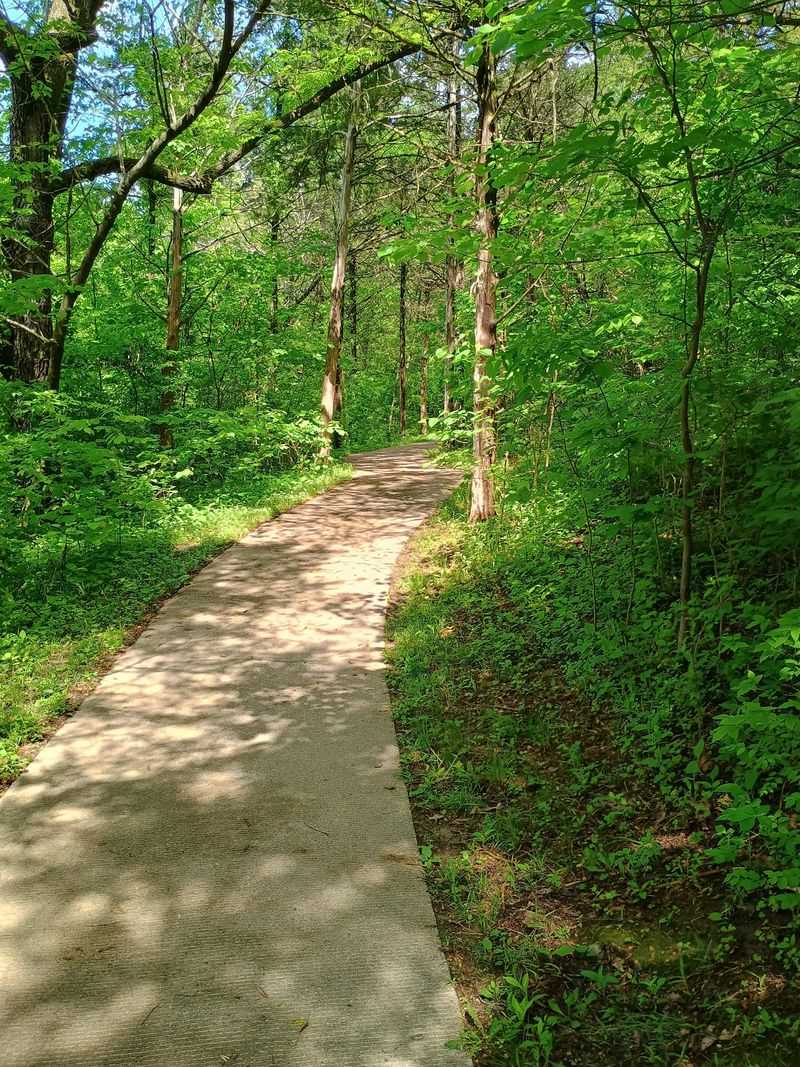
About two miles of trails loop through the grounds, and they don’t all feel the same. That variety keeps return visits interesting.
Some paths are paved blacktop. Others use gravel, wood chips, mulch, or boardwalk.
The routes pass through quiet grassland, shady forest, and fields that fill with wildflowers in summer.
Trails come in different lengths, so you can pick one that fits your group. A short loop works for toddlers, while older kids might enjoy a longer route with real hills.
Paved sections are handy after a rain since you won’t be slogging through mud. Some stretches have enough elevation change to give your legs a workout, so plan accordingly with strollers.
A creek runs through the area when there’s enough water. Kids love checking whether it’s flowing, and it’s a natural place to pause.
Winter walks have their own appeal, even with nothing blooming. Bare trees open up views and make wildlife easier to see.
One rule matters before you go. Dogs aren’t allowed on the trails, since this place puts wildlife first.
Leave pets at home and bring your curiosity instead.
Climb the Old Fire Lookout Tower
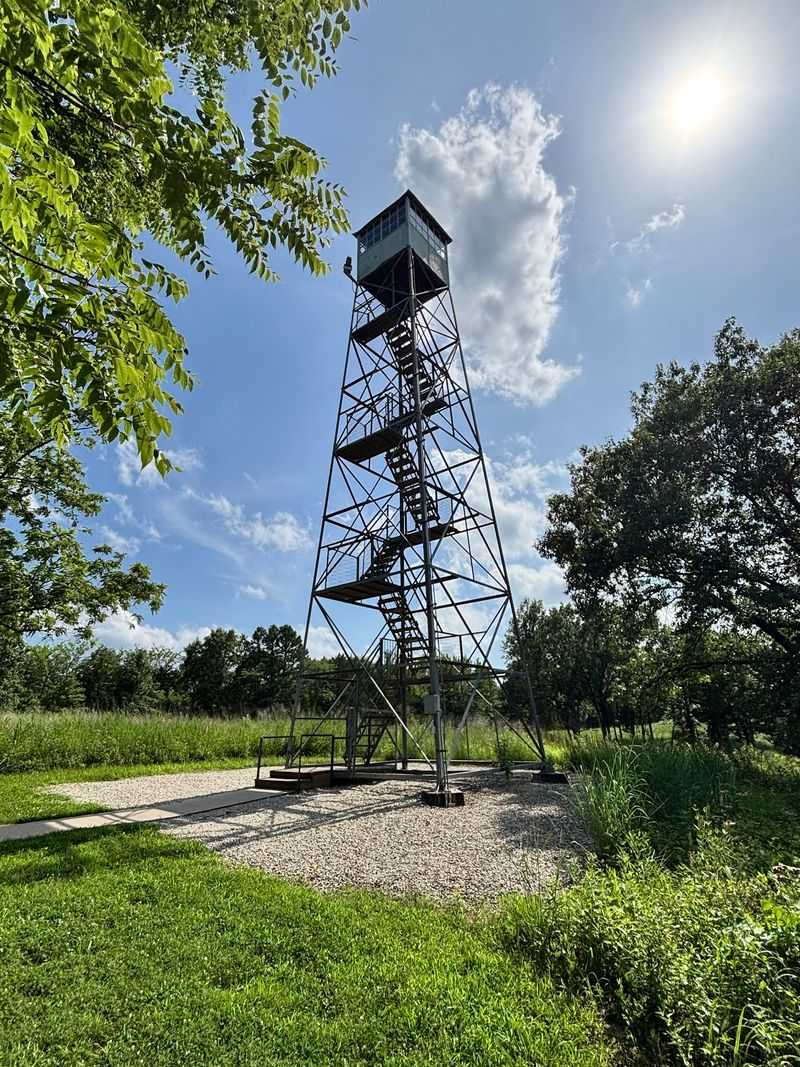
Long before cell phones, people watched for forest fires from tall towers. Runge kept one of these lookouts, and you can climb it.
The fire tower rises above the trees on the grounds. Visitors can walk up the steps for a wide view over the nature center and the surrounding area.
The small cab at the very top stays locked, so you won’t get inside. Still, the stairs take you high enough for a real bird’s-eye view.
History signs at the base share the story of the tower and a husband and wife who operated it for many years. I find that detail especially interesting, since it turns a metal structure into a story about real people and their work.
A compass setup sits near the tower, which adds a fun lesson in directions. Kids can figure out which way they’re facing before and after the climb.
Hold little hands tightly on the way up. The steps are kept safe, but height can surprise young climbers.
Once you’re back on the ground, keep your eyes on the trail edges. Some of Runge’s most confident residents walk around on two feet.
Turkeys That Barely Bother to Move
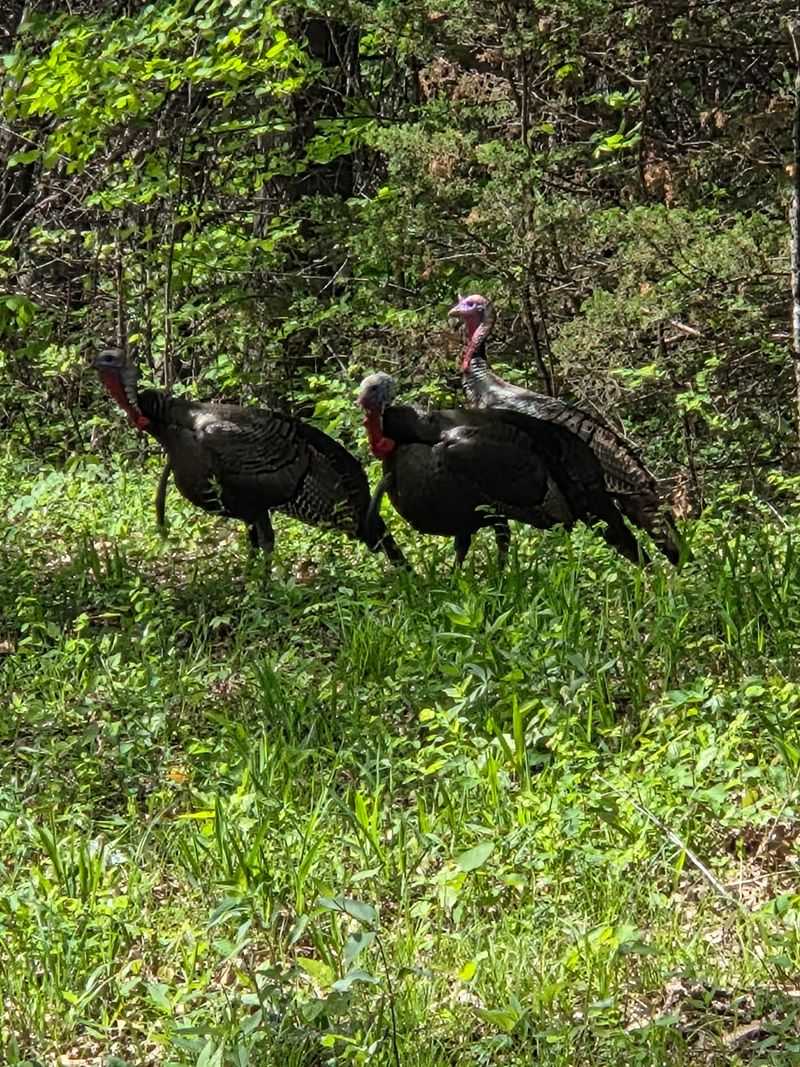
Wild turkeys at Runge seem pretty relaxed about sharing the trails. They often keep pecking around while hikers walk past.
That makes the nature center a strong spot for wildlife viewing. Deer and turkeys show up often, and smaller creatures move through the grass and trees too.
Birds are a constant presence. Spring brings singing even before flowers bloom, and different species pass through as the seasons change.
Here are a few easy habits that help families see more. Walk slowly, keep voices low, and stop every so often to look around.
Early in the day and later in the afternoon can be good times to watch. The trails stay open into the evening, longer than the building, which gives after-work visitors a chance too.
Kids enjoy turning sightings into a game. Count the turkeys, list birds by color, or look for deer tracks in soft dirt.
Remember that these animals are wild, even when they act calm. Give them space and never feed them.
All this outdoor watching pairs nicely with what’s happening back inside, where programs help explain what you just saw.
Programs That Get Kids Doing, Not Just Looking
Archery, kayaking, and eagle talks have all appeared on the program list at Runge over the years. Learning here often means getting your hands busy.
The nature center hosts events and classes throughout the year. Many happen on Saturdays, which makes them easier for families with school schedules.
Programs cover native plants, animals, and outdoor skills. Staff lead demonstrations and hands-on lessons about the flora and fauna found across Missouri.
Some programs need advance registration, so check the Missouri Department of Conservation event listings before your visit. Popular classes can fill quickly.
Groups can also schedule programs, which is why Runge works well for school field trips, scouts, and homeschool groups.
An auditorium inside the building hosts talks and wildlife films. That gives families a cozy option on rainy or very hot days.
I like that these programs welcome a wide range of ages and abilities. A preschooler and a grandparent can both learn something at the same event.
The hands-on approach builds confidence too. A child who shot a few arrows or held a paddle often goes home asking when they can try again.
A Quiet Corner With Books, Games, and Puzzles
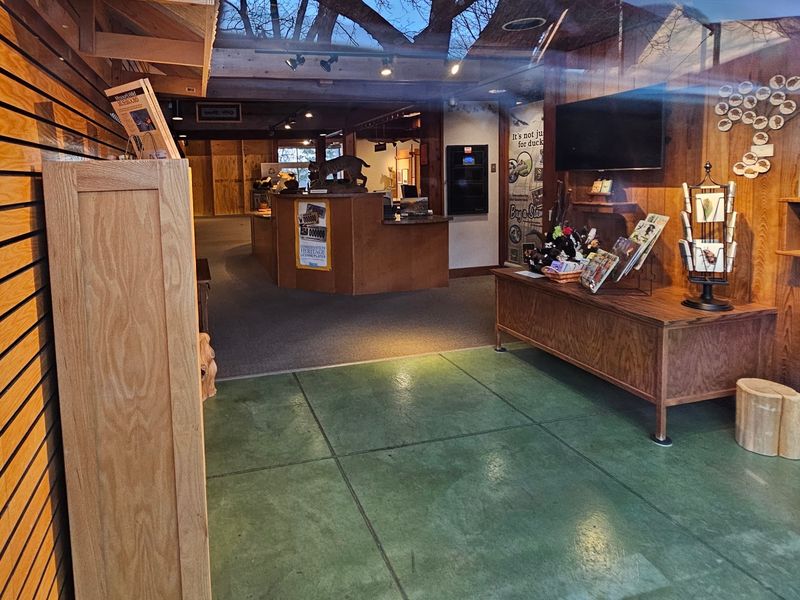
Not every kid wants to hike, and not every parent wants to chase one. Runge has a calmer corner for those moments.
The visitor center includes a small nature library. You’ll find reference books, plus games and puzzles that keep young minds busy.
This space works as a reset button. After a walk outdoors, kids can sit down and look up the bird they just spotted or the turtle they saw in the tank.
Free printed materials are also available. These cover specific Missouri animals and plants, and they make handy take-home learning for curious kids.
I’d grab a few to read in the car. They give children something to talk about long after the visit ends.
A small gift shop sits inside too. It’s a simple way to pick up a nature-themed souvenir that keeps the learning going.
Parents of toddlers will appreciate having a quiet spot to regroup. A few minutes with a puzzle can rescue an outing that’s starting to wobble.
Then there’s the matter of getting everyone around comfortably, especially visitors who need easier paths.
Paved Paths That Welcome Every Visitor
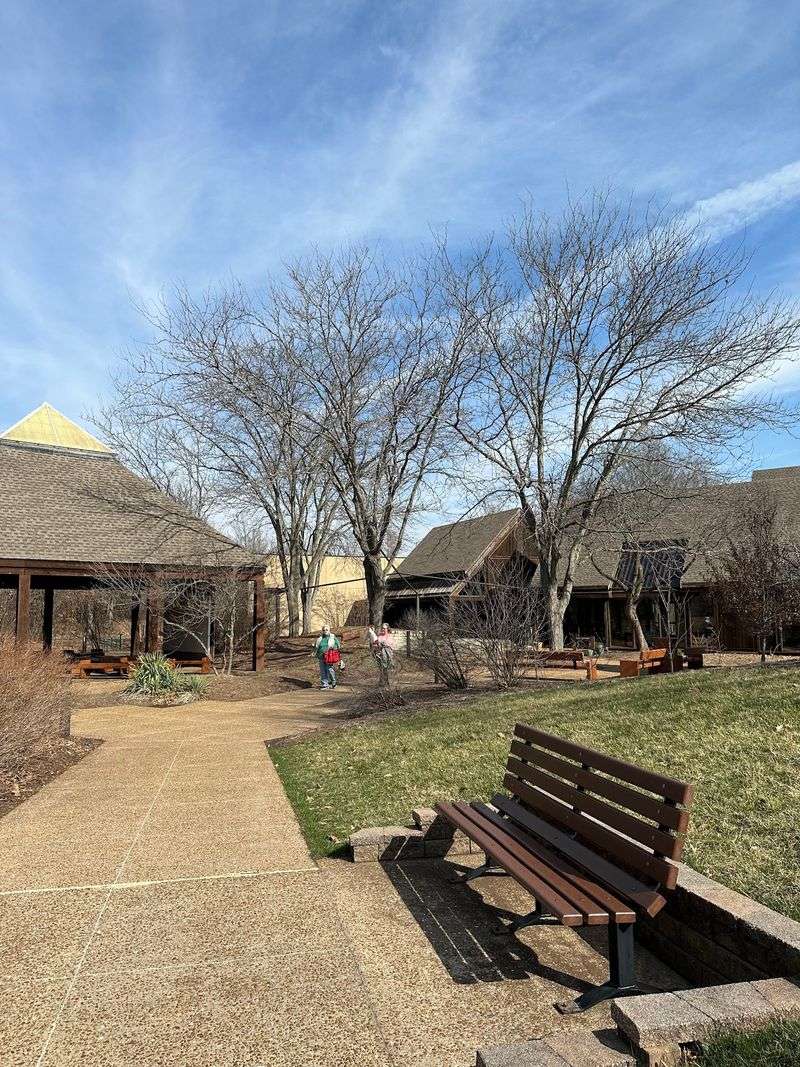
Strollers, wheelchairs, and tired little legs all have options here. Runge thought about accessibility in practical ways.
A shorter wheelchair-accessible trail starts right off the parking lot. Along the way, signs share information about Missouri’s plants and animals.
Several other paths are paved too. Some include hills, so plan for a little effort if you’re pushing a chair or stroller uphill.
The large parking lot makes arrivals simple. Public restrooms and clean facilities inside the building help families stay comfortable.
I can understand why grandparents and young families both feel at home here. Nobody has to sit out the outdoor part of the visit.
If you need a gentle route, start with the short paved trail. It gives a taste of the grounds without a long commitment.
Mulched and natural trails offer a rougher feel for those who want it. Mixing the two lets groups split up and meet back later.
Comfort matters for a good outing. When everyone can join in, the day feels shared rather than divided, and that brings us to timing your visit wisely.
Timing Your Trip Around the Seasons
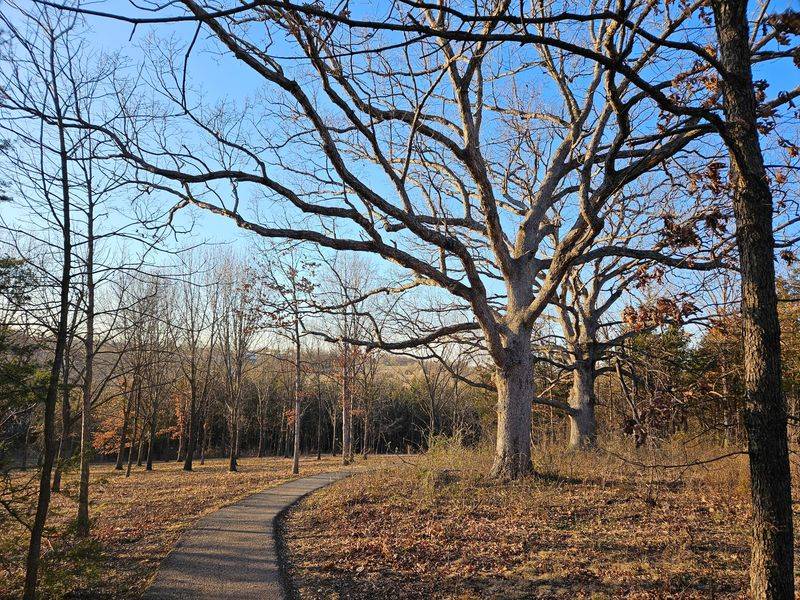
Summer turns the trail edges at Runge into strips of color. Wildflowers fill the grassland sections once the warm months arrive.
Spring brings bird song before most blooms open. Fall and winter offer quieter walks, with bare branches that make wildlife easier to spot.
The visitor center opens Tuesday through Saturday and closes Sundays and Mondays. On Thursdays, the building stays open into the evening.
The trails keep longer hours than the building. That helps people who work daytime jobs still sneak in a walk before dark.
Check the Missouri Department of Conservation page for current hours and events before you go. Improvement projects have taken place at the site, so updates are worth a quick look.
Bring water, sturdy shoes, and bug spray in warmer months. A small pair of binoculars helps with bird watching too.
Runge also makes an easy stop for travelers crossing Missouri. It sits close to main routes through Jefferson City.
Any season works, as long as you match your plans to the weather. Each visit shows a slightly different side of the same patch of land.
Share this story