A wall of flames once climbed about four miles into the sky. Trains raced it, packed with families who had nowhere else to go.
That story lives inside a small brick-and-timber railroad depot off I-35 in Minnesota. Highway signs point to it, and plenty of drivers admit they cruised past for years before finally stopping.
I like how a building this modest holds a tale this big.
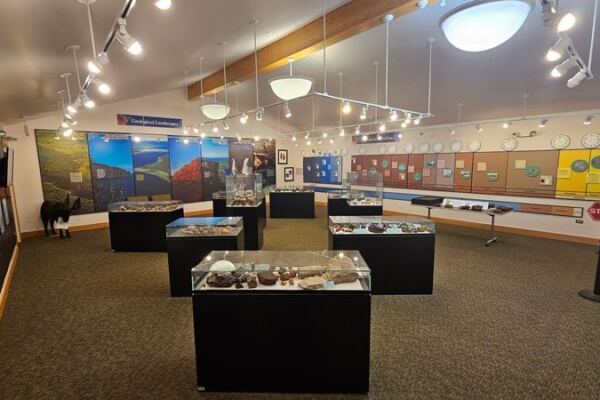
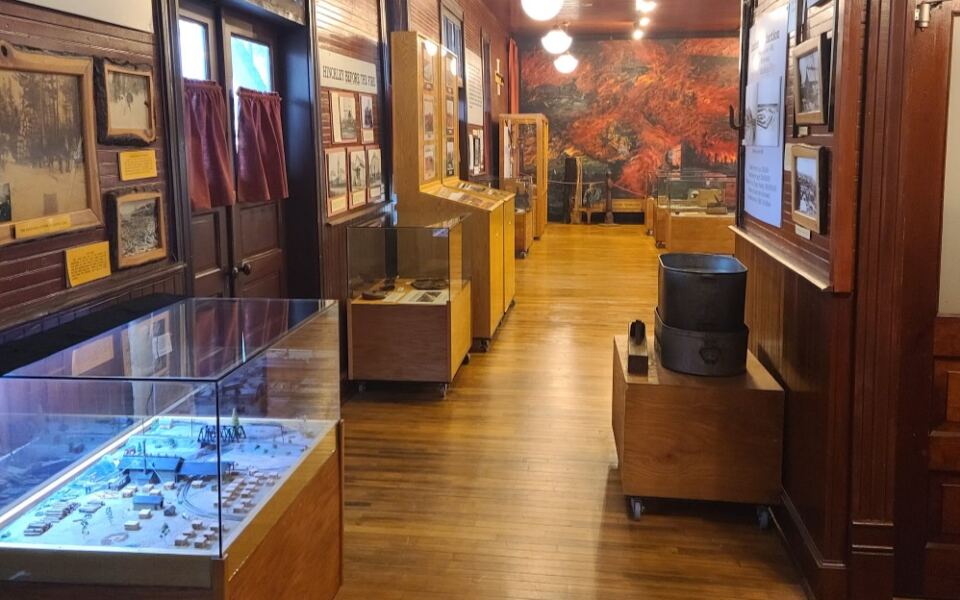
The rooms carry real objects that came through the blaze. A short film sets the scene before you wander.
Upstairs, period living quarters show how a station agent’s family once lived above the tracks.
I can’t imagine a better reason to pull off the interstate halfway between the Twin Cities and Duluth. So why does a story about engineers and boxcars still grip people more than a century later?
A Little Depot That Guards A Giant Minnesota Story
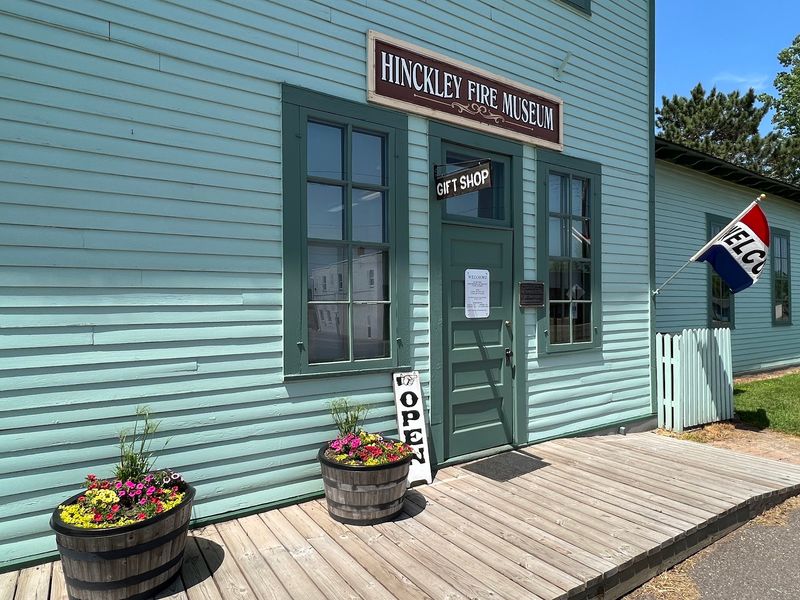
Highway signs on I-35 have been nudging travelers toward the Hinckley Fire Museum for years. Plenty of people only stop after their tenth drive past, and they tend to wish they’d stopped sooner.
The museum sits inside the town’s old train station, which fits the story perfectly. You’re learning about a rail rescue in a building that once watched trains roll by every day.
Its whole focus is the Great Hinckley Fire of 1894. That single afternoon reshaped this corner of Pine County and left a mark on Minnesota history that still feels fresh.
Don’t expect a sprawling big-city institution with marble lobbies. Expect something better suited to the subject: a carefully kept local museum run with obvious pride.
Many guests seem surprised by how much fits inside. An hour often disappears quickly, and some folks stay closer to two.
That’s the charm of small-town Minnesota in one tidy package. A modest building, a huge story, and people who genuinely want you to understand it.
Four Hours That Changed Pine County Forever
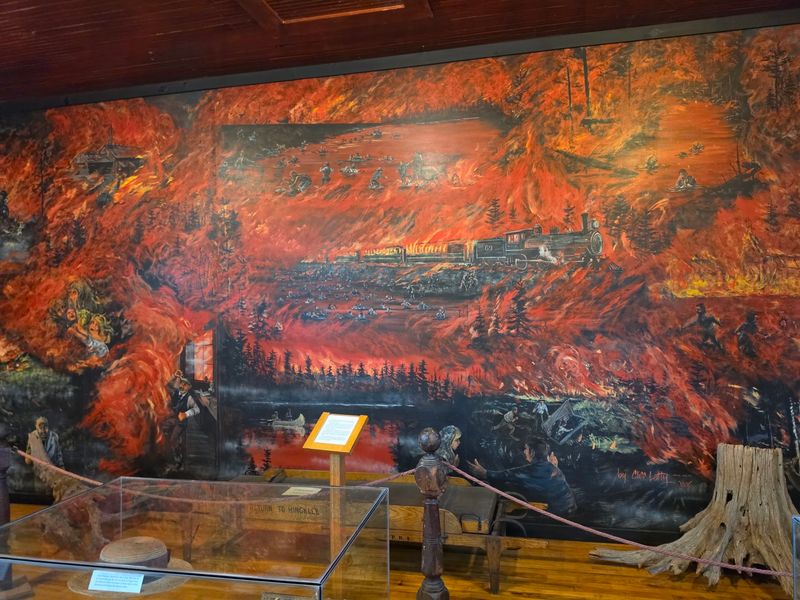
September 1, 1894, started as a hot, dry day in a booming lumber town. By evening, a firestorm had swept through Hinckley and the surrounding countryside.
Logging had left the area thick with slash and leftover timber. Combined with a long drought, the conditions were ripe for something enormous.
Accounts describe a blaze that roared for roughly four hours. Flames and smoke reportedly towered about four miles high, which is hard to wrap your head around.
Hinckley had been a prosperous spot with sawmills and busy rail lines. In a single afternoon, much of it was gone, along with several nearby settlements.
The museum doesn’t sensationalize any of this. Instead, it lays out the timeline clearly, so you understand how quickly ordinary life turned upside down.
What sticks with people is the human scale of the story. These were farmers, mill workers, shopkeepers, and kids, all suddenly racing for safety.
Knowing that backdrop makes the rest of the visit hit harder. The rescue stories only make sense once you grasp what everyone was escaping.
Engineers Who Became Hometown Heroes
Here’s the part that earns the title. Trains became lifeboats on land during the 1894 fire, and railroad crews made split-second choices that carried hundreds to safety.
One famous account involves engineer James Root of the St. Paul and Duluth line. Historical retellings say he backed his train miles through the smoke toward Skunk Lake, a shallow marshy spot.
Passengers reportedly huddled in the water there until the worst passed. Root kept at the controls despite serious burns, according to the stories passed down.
Another train on the Eastern Minnesota line also loaded fleeing townspeople. Its crew pulled out toward Duluth with cars crowded far beyond normal.
The museum gives these railroad heroes their due without turning them into cartoons. You get a sense of the real people behind the throttle.
For a Minnesota audience, it’s a point of quiet pride. Ordinary working folks stepped up when it mattered most, and their courage still gets told today.
Fittingly, you hear it all inside a depot. The setting does half the storytelling for you.
The Short Film That Sets The Stage
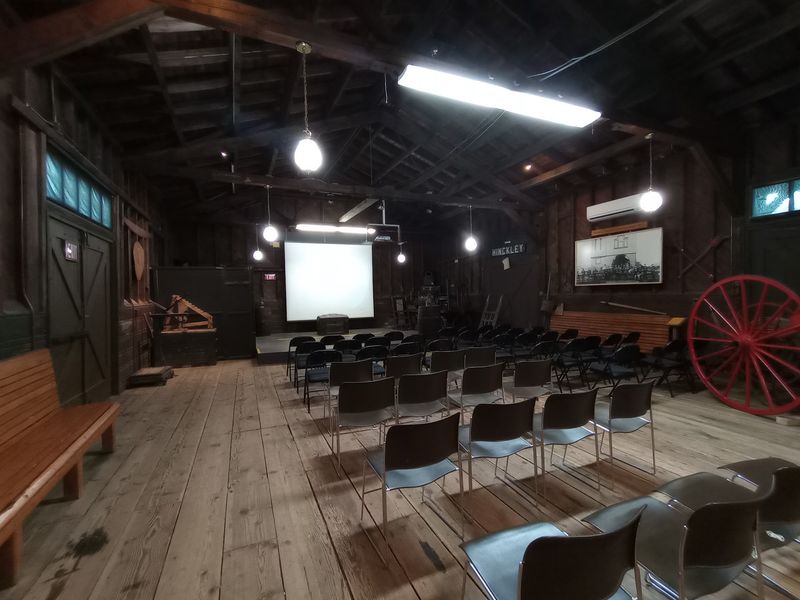
Most visits begin in front of a screen, and that’s a smart move. A short documentary about the fire runs roughly 20 minutes and lays the groundwork for everything else.
Fair warning: the film isn’t brand new. Some describe it as a bit dated, yet that vintage quality somehow suits the old depot perfectly.
It walks through the conditions, the spread of the flames, and the escape efforts. By the end, the artifacts in the next room suddenly carry real weight.
Staff often gather everyone when a showing is about to start. That small courtesy keeps you from missing the best introduction to the place.
Families with kids may appreciate starting this way too. A film gives younger visitors a clear picture before they’re surrounded by display cases and old photos.
Think of it as the opening chapter of a good book. Skip it and the story still works, but watch it and every exhibit makes more sense.
Grab a seat, settle your road-trip snacks away, and let it roll.
Everyday Objects With Extraordinary Stories
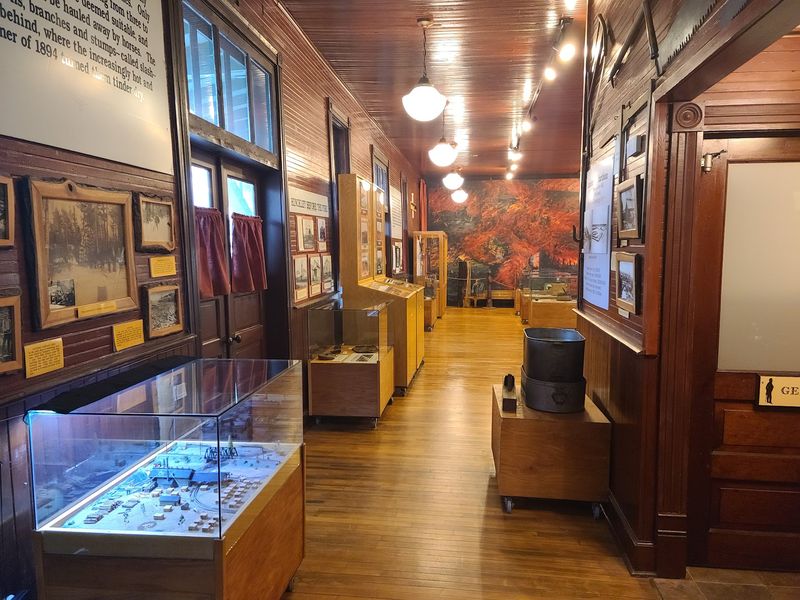
A warped household item can say more than a paragraph of text. Some of the most striking pieces here are simple, ordinary things that made it through the blaze.
Seeing how intensely they were changed by the heat is sobering. It shows the fire’s power in a way numbers alone never could.
Artifacts come up again and again when people talk about this museum. There’s a lot to look at, and the displays are thoughtfully arranged rather than crammed together.
Audio elements accompany certain exhibits, adding voices to the objects. That layered approach helps the story feel personal instead of distant.
Don’t rush past the newspaper collection either. Articles published after the disaster show how the rest of the country learned what happened in Minnesota.
Old photographs fill in the faces and places of the era. You start recognizing the town as it once stood, busy and hopeful.
For history lovers, this room alone justifies the exit off I-35. For everyone else, it’s a gentle, memorable lesson.
Climb Upstairs For A Peek At Depot Family Life
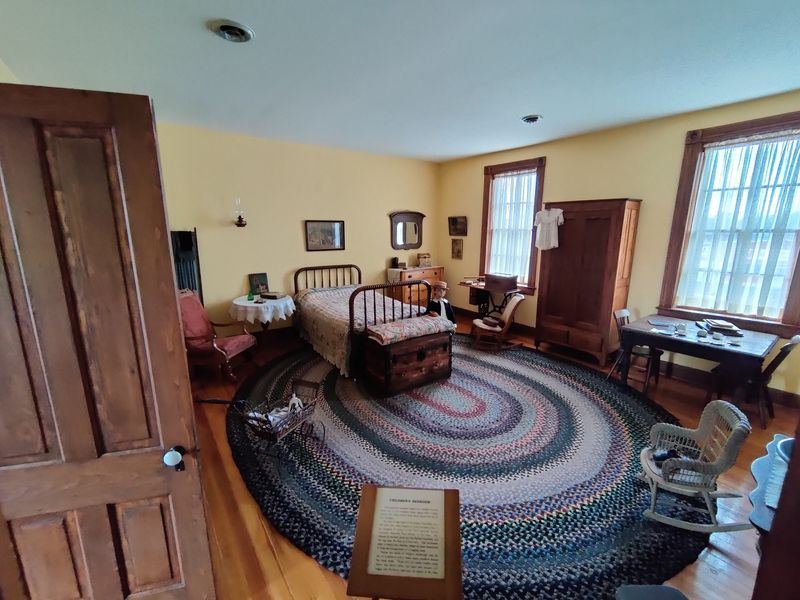
Head up the stairs and the mood shifts from disaster to daily life. The second floor holds living quarters decorated to match the period.
Railroad depots of that era often housed the station agent and family above the waiting room. Walking through these rooms gives you a feel for how they cooked, slept, and spent evenings.
Many visitors name the upstairs as a favorite part. It’s quieter and more intimate, a nice breather after the heavy fire exhibits below.
The furnishings help you understand what life looked like in a turn-of-the-century Minnesota railroad town. Simple, practical, and built around the rhythm of the trains.
Kids tend to enjoy comparing these rooms to their own homes. No screens, no microwaves, just sturdy furniture and a lot of elbow grease.
It also rounds out the bigger story nicely. You’re reminded that the people who fled in 1894 lived in homes much like these.
Take your time up here. The details reward a slower look.
A Caboose Worth Circling Twice
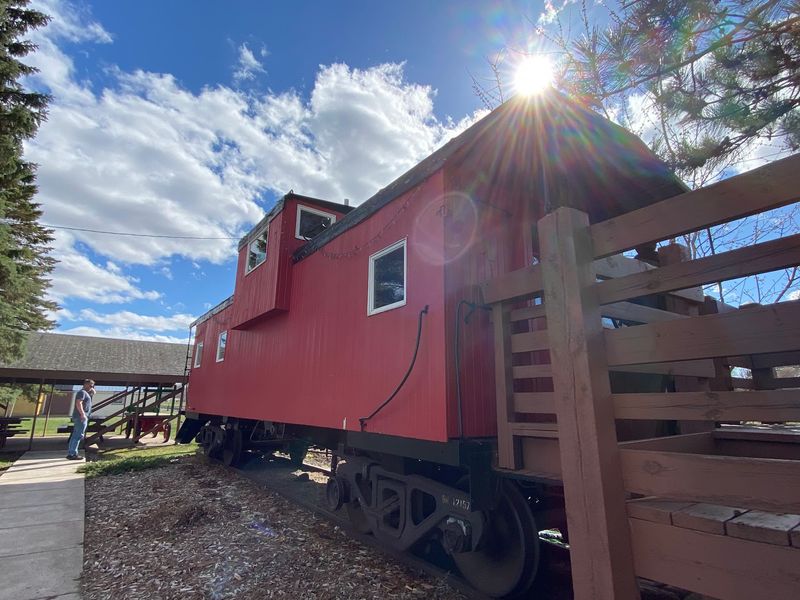
Railroad fans, this one’s for you. A caboose is part of the museum’s rail-themed collection, and it rarely fails to draw a grin.
Few things say classic railroading quite like that iconic car. It once trailed freight trains as an office and lookout for the crew.
Next to a historic depot, it completes the scene beautifully. You can almost hear a conductor calling out the next stop.
It’s also a great photo spot, especially if your travel crew includes little train enthusiasts. Expect a few requests to pose beside it before you hit the road again.
The caboose ties back to the heart of the museum’s message. Rail lines were Hinckley’s lifeblood, and on the day of the fire, they became escape routes too.
That connection gives the car more meaning than a typical roadside display. It’s a reminder of the crews whose work kept this region moving.
So swing by before or after your indoor tour. A few extra minutes here pays off nicely.
Volunteers Who Treat You Like Neighbors
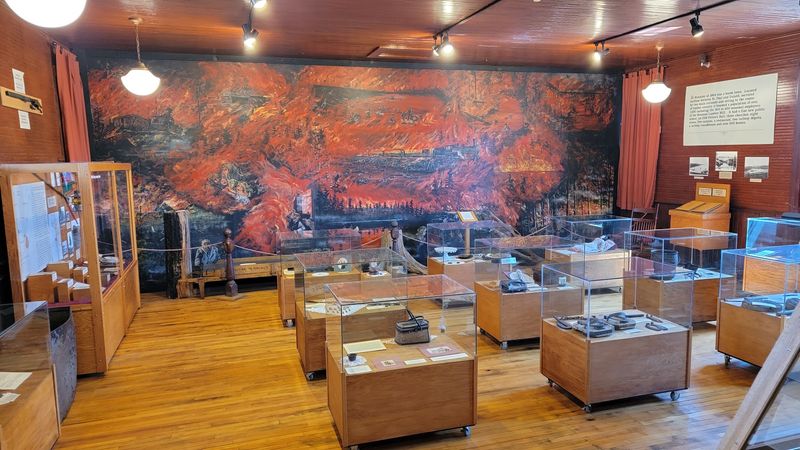
Friendly faces might be the museum’s secret ingredient. Volunteers here earn steady praise for being warm, patient, and eager to help.
Many of them are locals with deep ties to the region. That means questions about the fire, the railroad, or the area often get thoughtful, detailed answers.
On slower days, some guests have even received a personal walk-through. It’s the kind of attention you’d rarely find at a crowded metro museum.
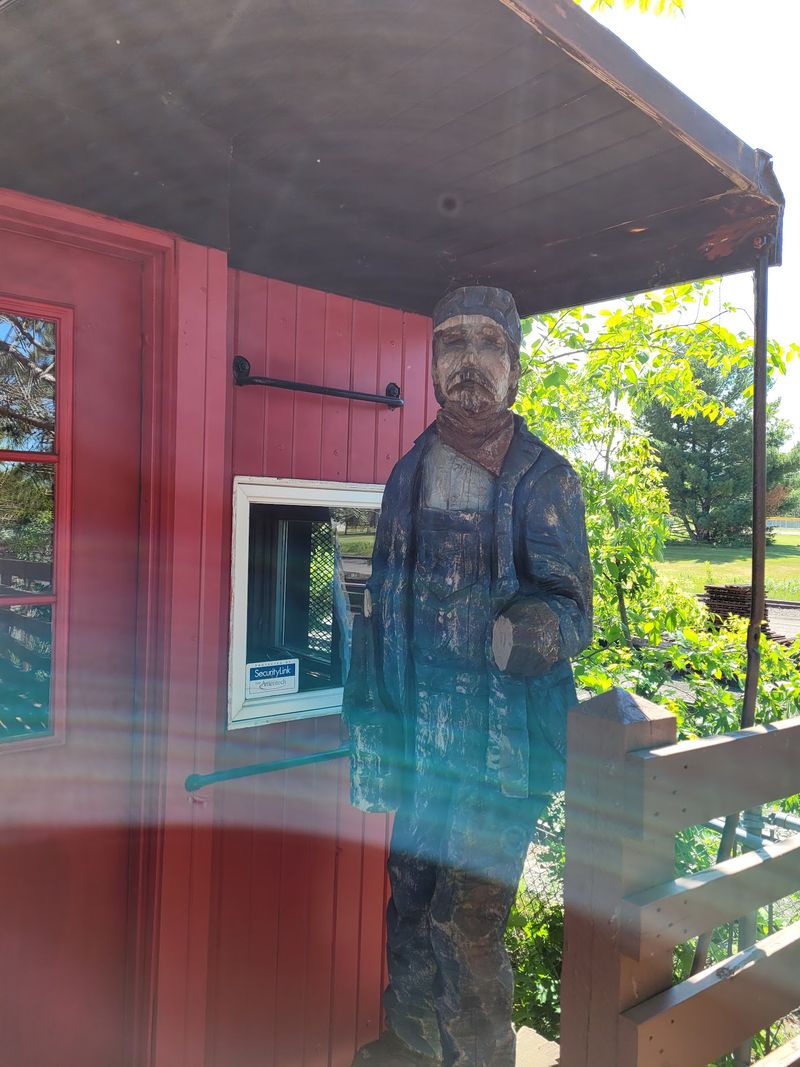
One volunteer has been known to greet guests in full railroad attire. That extra touch turns a simple admission into a small piece of theater.
Staff also point out rooms and displays you might otherwise miss. They want you to leave having seen everything worth seeing.
This is small-town Minnesota hospitality at its finest. Nobody’s rushing you, and nobody’s reading from a script.
If you enjoy a good conversation, ask about the area while you’re there. You’ll likely walk out knowing more than the placards alone could teach.
Gift Shop Finds And A Bargain Ticket
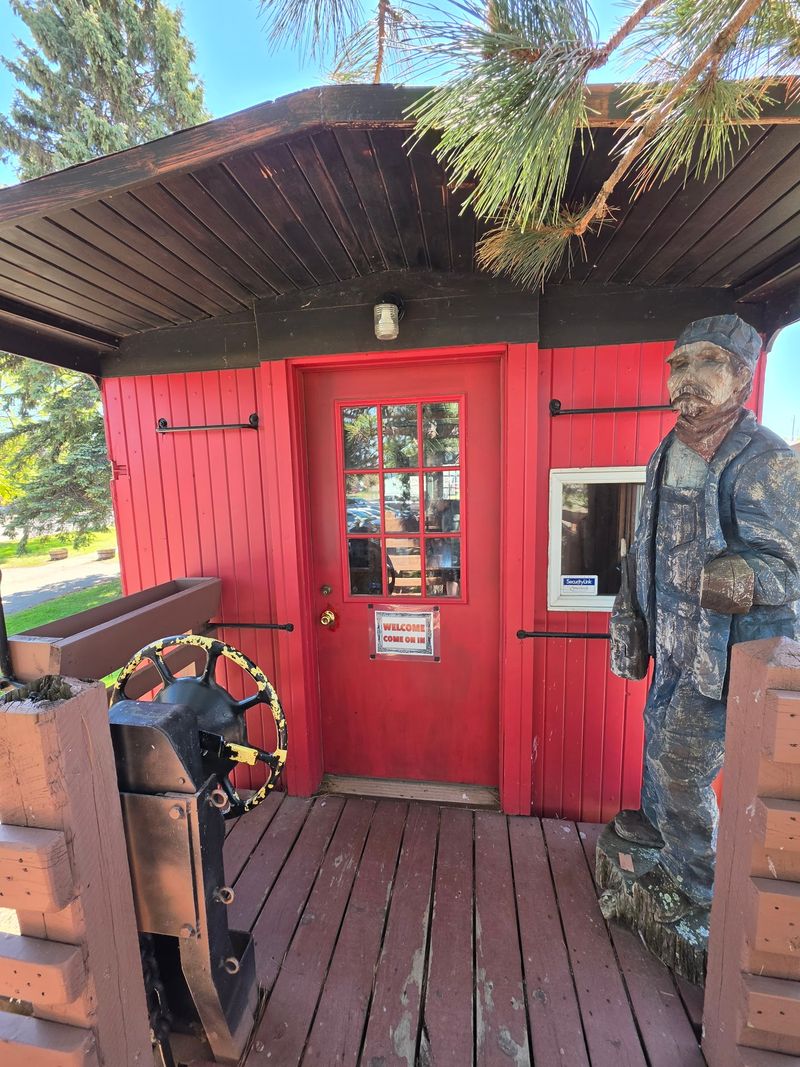
Good news for thrifty Minnesotans: this is one of the friendliest values along I-35. Admission is famously modest, and it covers both the museum and the gift shop area.
Free on-site parking sweetens the deal even more. No meters, no garage fees, no circling the block.
For that small fee, you get a film, multiple rooms of exhibits, the upstairs quarters, and a caboose. Plenty of guests spend one to two hours exploring, which is serious mileage for the money.
The gift shop deserves a browse on its way out. Prices there are often described as fair, which is refreshing compared to big-city museum stores.
Picking up a book or souvenir also helps support a local museum. That’s a nice bonus when the place runs largely on volunteer energy.
Families stretching a road-trip budget will appreciate this stop. It’s educational, affordable, and keeps everyone out of the car for a good while.
Big museums in the metro can’t easily match that kind of value.
Planning Your Stop Between The Cities And Duluth
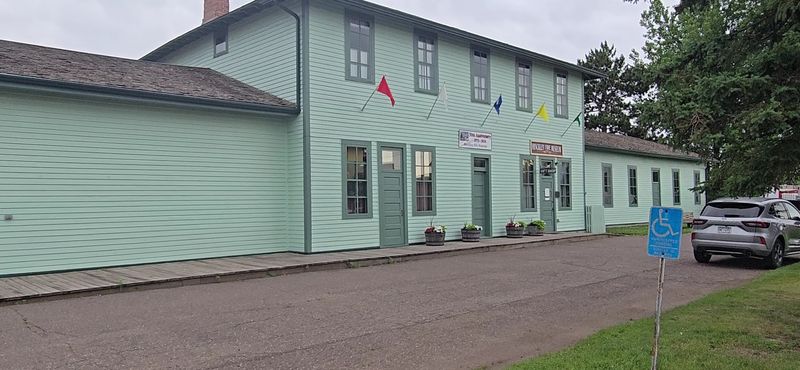
Timing matters here, so plan ahead. The museum typically opens Thursday through Sunday from 10 a.m. to 5 p.m., and stays closed Monday through Wednesday.
Hours can shift by season, so a quick check before you leave is wise. Nobody wants to arrive at a locked depot door.
You’ll find it at 106 Old Hwy 61 S, Hinckley, MN 55037. It sits roughly halfway between Minneapolis and Duluth, making it an easy break on the drive north.
MnDOT signs along I-35 help point the way. Once you exit, the route into town is short and simple.
Budget at least an hour for a comfortable visit. History buffs may want closer to two, especially if they read every newspaper clipping.
Summer brings plenty of up-north traffic, and the museum makes a welcome escape from the heat. Cooler months offer a quieter, cozier visit on the way to a winter getaway.
Either way, it beats another gas-station stretch break.
Why This Depot Deserves A Spot On Your Minnesota Road Trip
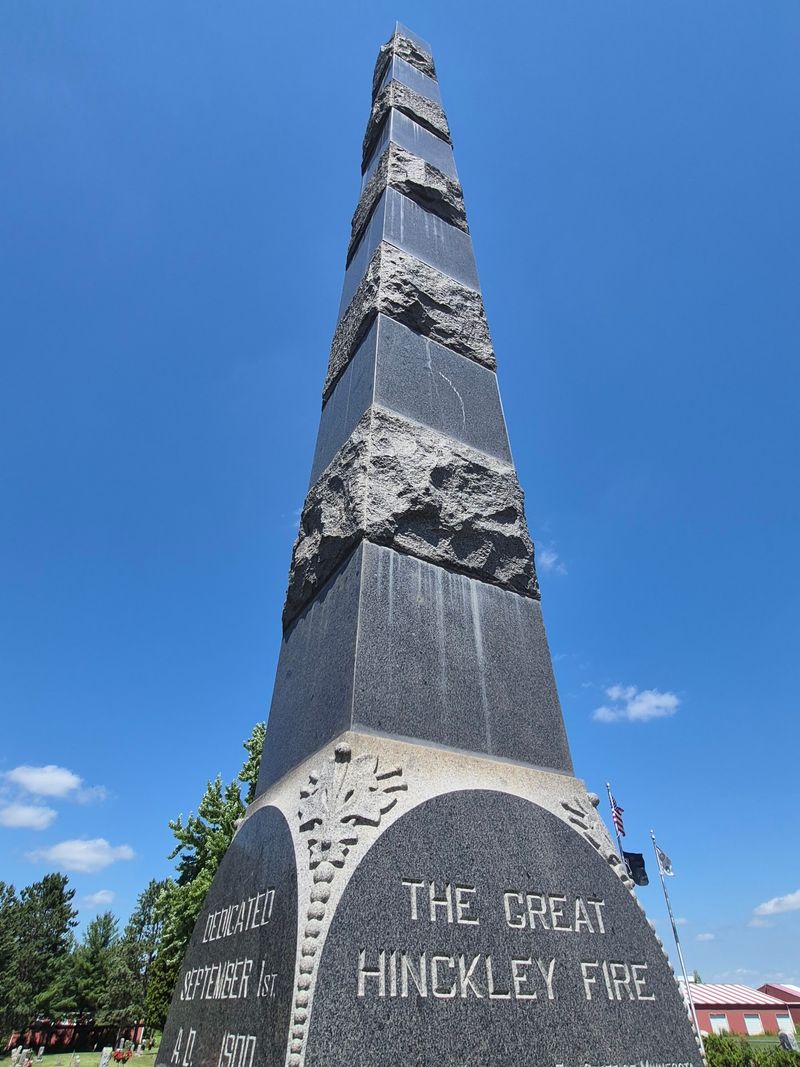
Sometimes the best stops are the ones you almost skip. The Hinckley Fire Museum proves that a small town can tell a story as powerful as anything in a major metro.
It blends tragedy and courage with real care. You leave understanding not just what burned, but who rose to help.
The railroad rescue thread gives the visit its heartbeat. Engineers, crews, and townspeople turned trains into lifelines, and that bravery still resonates.
Nearby, the Hinckley Fire State Monument offers a quiet place for reflection. Pairing both stops gives the full picture of how deeply the fire touched this community.
Got hungry travelers? Hinckley also has local eateries, including the well-known Tobies, so it’s easy to make an afternoon of it.
For Minnesotans who love their state’s grit and history, this one is a winner. It’s affordable, welcoming, and genuinely moving.
Next time that highway sign appears, take the exit. Tag the friend who always says they’ll stop someday, and finally make it happen together.
Share this story