A Clydesdale foal made history in Louisiana. It became the first registered one born in the state.
I love how big that story feels. Clydesdales are famous draft horses, and they are not a common sight in the Deep South.
The dream behind this ranch began far away, in Montana. Somehow it traveled all the way to Louisiana and put down roots.
I can’t imagine a better surprise for horse lovers. How does a Big Sky idea end up in the bayou state?
Let’s find out.
A Foal Makes Louisiana History
Louisiana has plenty of famous firsts, but a registered Clydesdale foal is a brand-new kind of milestone. The ranch in this story is home to the state’s first one.
That title carries real weight in the horse world. Papers and bloodlines matter there just as much as good looks.
A registered foal has documented parents. That record proves the little horse belongs to a recognized family tree.
For a state better known for trail horses and quarter horses, a draft breed really stands out. Heads turn when something this tall shows up in a Louisiana pasture.
Even a newborn Clydesdale is much larger than most people expect from a baby horse. Those long legs and that sturdy frame hint at the giant it will become.
Horse fans now have a fresh reason to look toward the Louisiana countryside. Not bad for a breed that began an ocean away.
The Montana Dream Behind It All
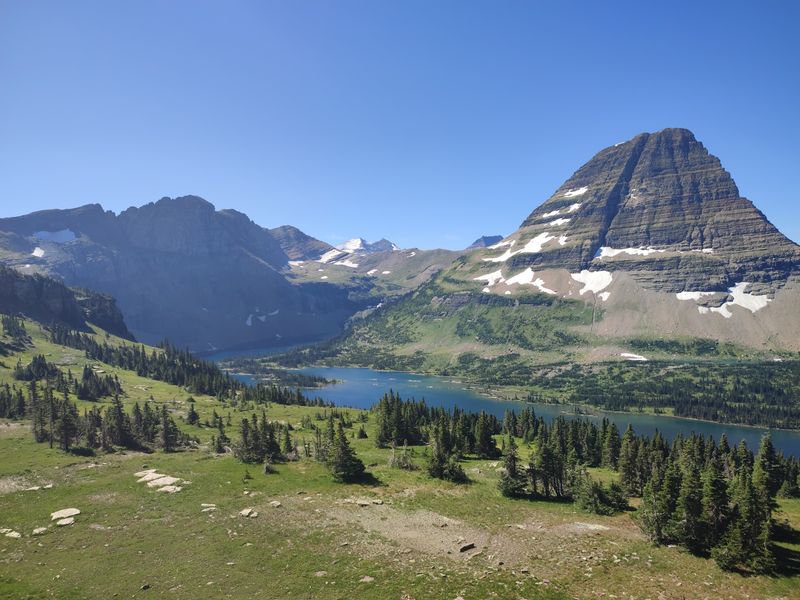
Every ranch starts with a dream, and this one started in Montana. Big skies and open range have a way of inspiring big plans.
Montana is known for wide valleys, cattle country, and horses that work hard. It is easy to see why a love of draft horses could grow there.
The dream did not stay in the mountains, though. It made the long move south and landed in Louisiana.
That is quite a change of scenery. Humid summers and green pastures replace dry air and snowy winters.
Moving a vision across the country takes planning, patience, and a lot of heart. Moving horses this large takes even more.
The result is a Western dream living in a Southern setting. Louisiana now gets to share a little Montana spirit with every Clydesdale on the property.
Why Clydesdales Turn Every Head
Spot a Clydesdale from across a field and you will know what it is. The breed has a look all its own.
Most Clydesdales are bay, with a white blaze down the face. White socks on the legs add to the classic style.
Then come the feathers. Long, silky hair flows around the lower legs and moves with every step.
Height is the other showstopper. Adults often stand well over five and a half feet at the shoulder.
Their high-stepping walk looks proud and polished. It almost feels like a parade is following them around.
That presence is why the breed shows up in parades and farm shows across the country. In Louisiana, a foal with those traits is sure to draw a crowd of curious fans.
A Breed With Scottish Roots
Clydesdales come from Scotland, and the name gives it away. It comes from Clydesdale, the old name for the valley of the River Clyde.
Farmers there needed strong horses to haul heavy loads. Over time, they bred horses that could do the job well.
Those early workers pulled wagons, plows, and carts of coal. Strength and a steady attitude made them very useful.
The breed later crossed the ocean to North America. Farms and cities both put them to work.
Today, most Clydesdales are known for shows, hitches, and parades. The tradition of hard work still shows in their build.
A foal born in Louisiana carries that long history in its bloodline. Not many horses can claim roots stretching from Scottish farms to a Southern ranch.
Feathers, Flair, And Big Hooves
Let’s talk about the legs, because they steal the show. Clydesdale feathering is long, soft-looking hair that falls over the hooves.
The hooves themselves are enormous. A Clydesdale hoof can be roughly the size of a dinner plate.
All that hair needs steady care to stay clean and healthy. Louisiana’s damp weather makes that job a real challenge.
Owners of feathered breeds pay close attention to leg health. Regular grooming and dry footing help prevent skin troubles.
That extra work is part of the charm. The flowing look is a big reason people fall for the breed.
A young foal’s feathering starts out small and grows fuller with age. Watching that style develop must be part of the fun for a ranch with a first-of-its-kind foal.
Meet A Giant In The Making
Clydesdale foals arrive big. A newborn often weighs well over one hundred pounds.
Growth happens fast after that. By adulthood, many Clydesdales weigh somewhere between 1,800 and 2,000 pounds.
That is about the weight of a small car. Yet these horses are known for being calm and willing to learn.
Foals still act like kids at first. They kick up their heels, stay close to mom, and explore every corner of the pasture.
Their legs look almost too long for their bodies. It gives them an awkward, adorable charm.
A foal needs time to grow into that frame. Good feed, safe space, and patient handling help it get there.
What Registration Really Means
Registration is how a breed keeps its story straight. For Clydesdales in the United States, that work is handled by a breed association.
A registered horse has parents that are already recorded. The paperwork traces its family back through the generations.
That proof helps breeders make smart pairings. It also protects the quality of the breed over time.
It matters for shows too. Registered horses can enter events that unregistered horses cannot.
For Louisiana, this foal marks a first on that official list. It puts the state on the Clydesdale map in a clear, documented way.
Fans of horses love a good paper trail. In this case, the paper trail leads to a very cute foal.
Southern Pastures Meet Big Sky Style
Louisiana does not look much like Montana. Instead of mountains, you get live oaks, green fields, and warm breezes.
Yet a Clydesdale looks right at home under a moss-draped tree. The contrast makes for a pretty picture.
Draft horses can adapt to many climates with proper care. Shade, fresh water, and good airflow matter most in a Southern summer.
Ranch owners also watch for bugs and humidity. Smart management keeps big horses comfortable all year.
The mix of Western dreams and Southern scenery is what makes this story fun. Two very different parts of the country meet in one pasture.
It is a reminder that a good idea can grow almost anywhere. Louisiana soil has proved it once again.
How To Follow The Story
Curious about this ranch? The best move is to check its official channels for news and updates.
Working ranches are not always open for drop-in visits. A quick look online can save a wasted trip.
Some farms share photos, events, and announcements for fans. Those posts are often the easiest way to meet the horses from afar.
If a visit is possible, respect the rules. Stay behind fences and give the animals plenty of space.
Clydesdales are large, so safety comes first. Kids should stay close to a grown-up around any horse.
However you follow along, the news is worth sharing. Louisiana now has its first registered Clydesdale foal, and a Montana dream helped make it happen.
Share this story