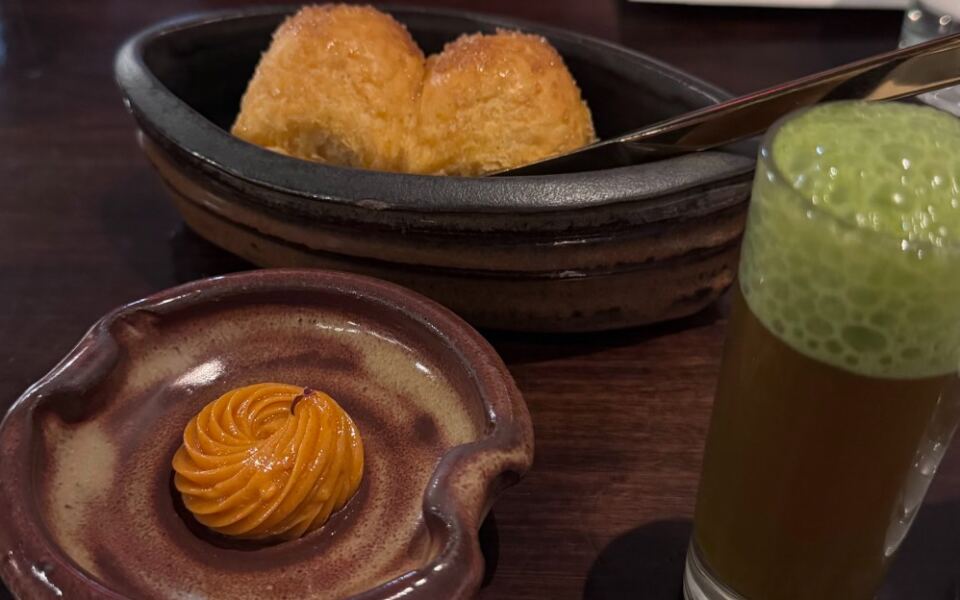
A seven-course Senegalese dinner begins with a handwashing ritual. Then comes a warm tea with mint foam.
I can’t think of a better way to start a meal.
This small Louisiana restaurant won a James Beard Award. It serves West African flavors with a New Orleans connection.
Guests can sit at a communal table and share the evening with new faces.
I love when a quiet little house on an ordinary street turns into a meal people talk about for months. I believe that’s the best kind of food discovery.
So where is this place, and what is on the menu?
A Welcome Unlike Any Other Dinner Out
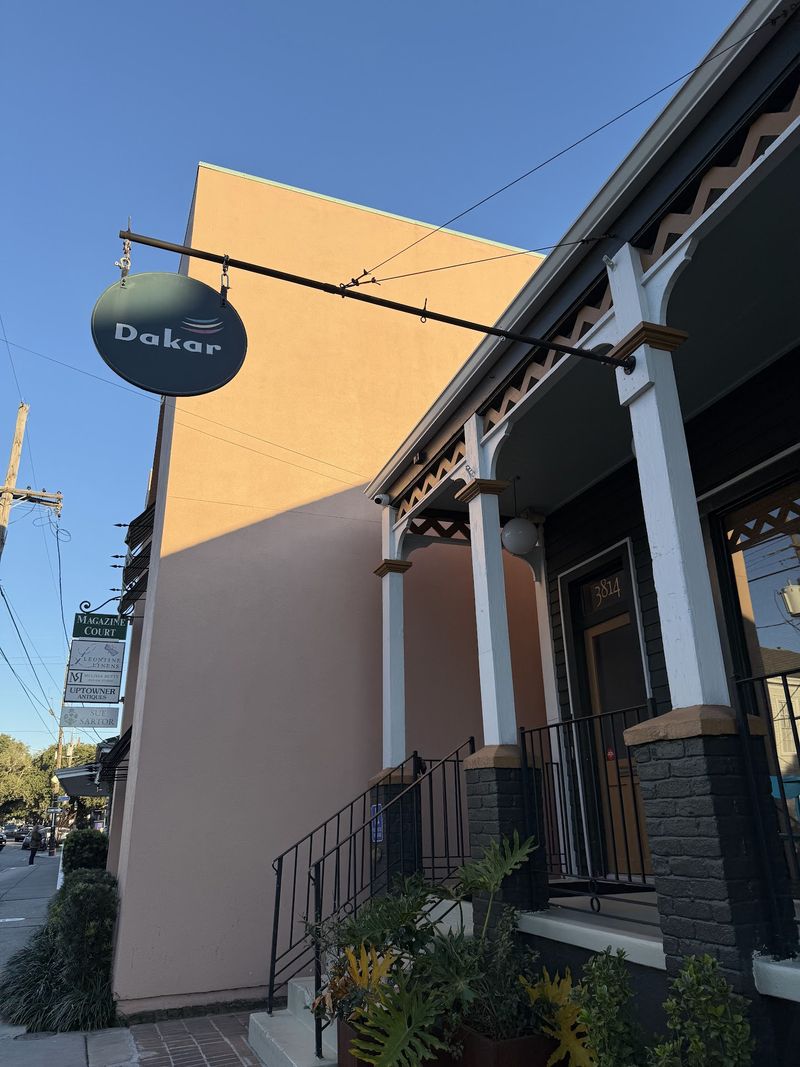
Dakar NOLA opens its evening with a handwashing ritual. It is a small gesture that sets the tone for everything after it.
Right away, you know this is a dinner built around culture and care.
The restaurant is a West African spot in New Orleans, Louisiana. The meal follows a set tasting format, so there is no stack of menus to flip through.
You simply settle in and let the courses arrive.
Guests also get a warm ginger and mint tea early in the night. It works like a gentle hello before the first bites show up.
Think of it as the restaurant clearing its throat before a really good story.
The story behind the food matters here. Each course comes with a description from the team, so you learn what is on your plate and why it belongs there.
That turns dinner into a tour of Senegalese tradition, one dish at a time.
Plan to be on time. The courses are served together to the dining room, so showing up late means missing part of the show.
Treat the start time like curtain time at a theater and you will be fine.
The James Beard Award Is Only Part Of The Story
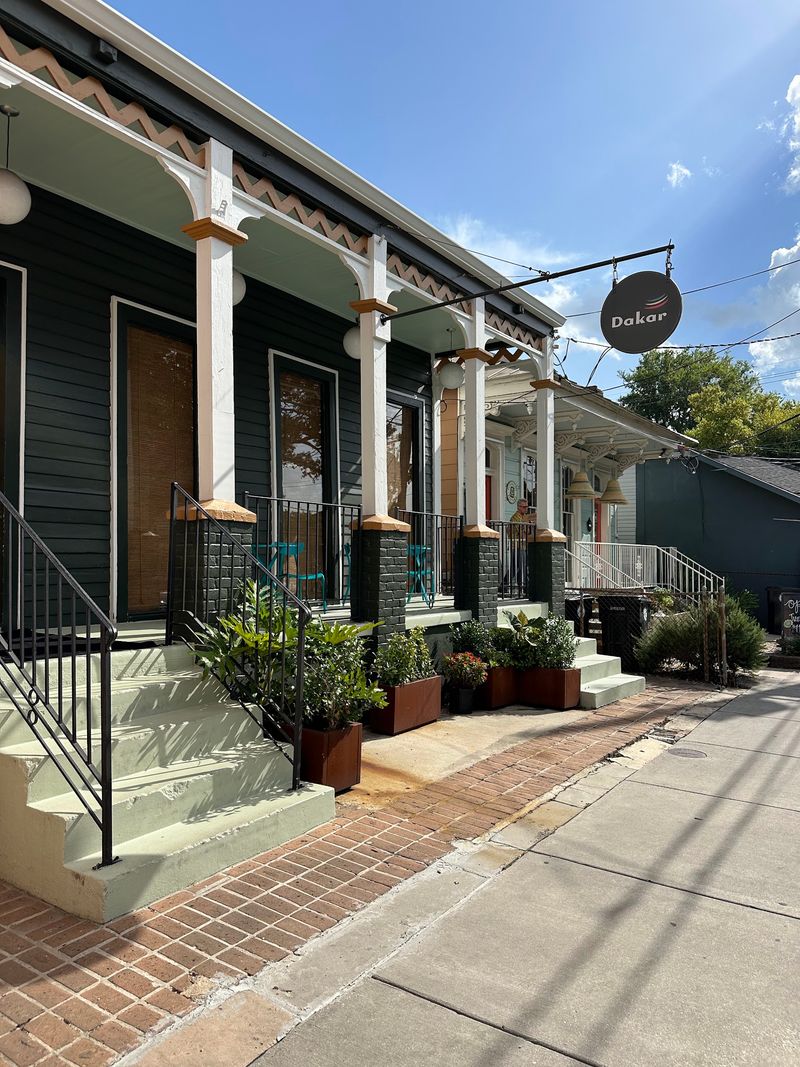
Awards make headlines, but the real draw is the food. Dakar NOLA earned national attention from the James Beard Foundation for its Senegalese cooking.
That is a big deal for a small restaurant in Louisiana.
The kitchen is led by Chef Serigne Mbaye. He built the menu around the flavors of Senegal and the Black food traditions that link West Africa to the American South.
That connection is the heart of the concept.
Why does this matter to a hungry traveler? Senegalese cuisine is still rare on American fine dining menus.
Here, it gets center stage instead of a side role.
You do not need to know the cuisine ahead of time. The staff walks you through each course, and the chef is known to greet tables as well.
Come curious, and you will leave with new favorite flavors.
It is a good reminder that a James Beard honor can land on a modest house on a neighborhood street, not just in a big downtown dining room.
Gumbo’s Ancestor Might Be On Your Spoon
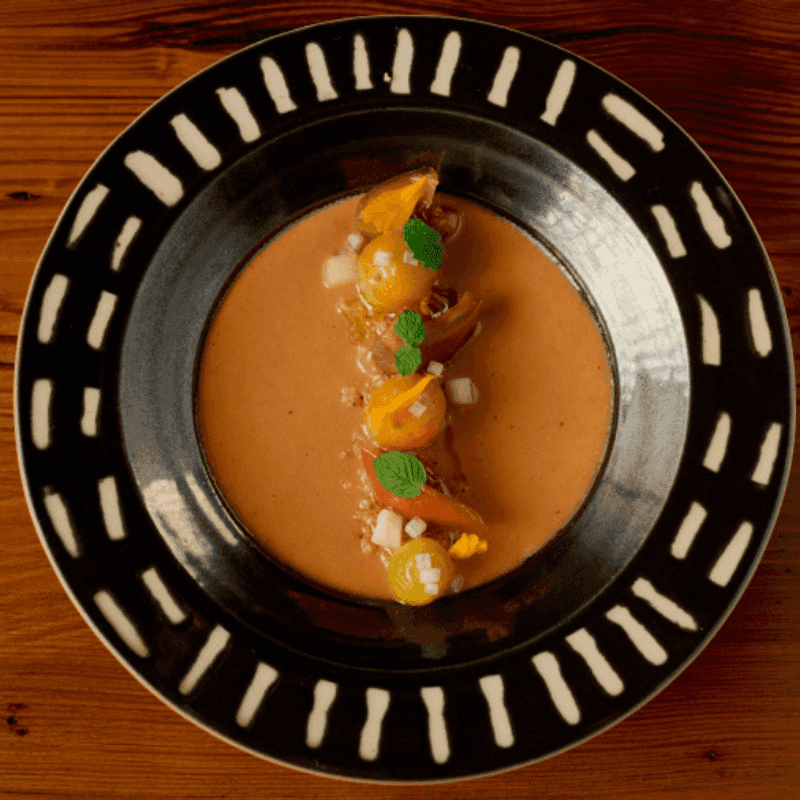
Gumbo fans, lean in. One dish at Dakar NOLA is described as what gumbo was before gumbo.
It is called Soupa Kanja, and it links Senegalese cooking to Louisiana’s most famous pot.
Okra is the clue. The vegetable traveled from West Africa and became a signature part of Louisiana cooking.
Seeing it in its older form makes the connection feel real instead of just a history lesson.
This is the kind of dish that makes a food nerd smile. It also gives newcomers an easy way in, since the flavors feel familiar even when the recipe is new.
The restaurant’s tasting menu is built on moments like this. West African roots meet New Orleans flavors, and the two sides talk to each other all night.
Menus can change, so treat any single dish as a possibility rather than a promise. Still, the idea behind it stays the same: dinner as a story about how food travels and what it carries along.
Rice, Fish, And Flavors That Travel
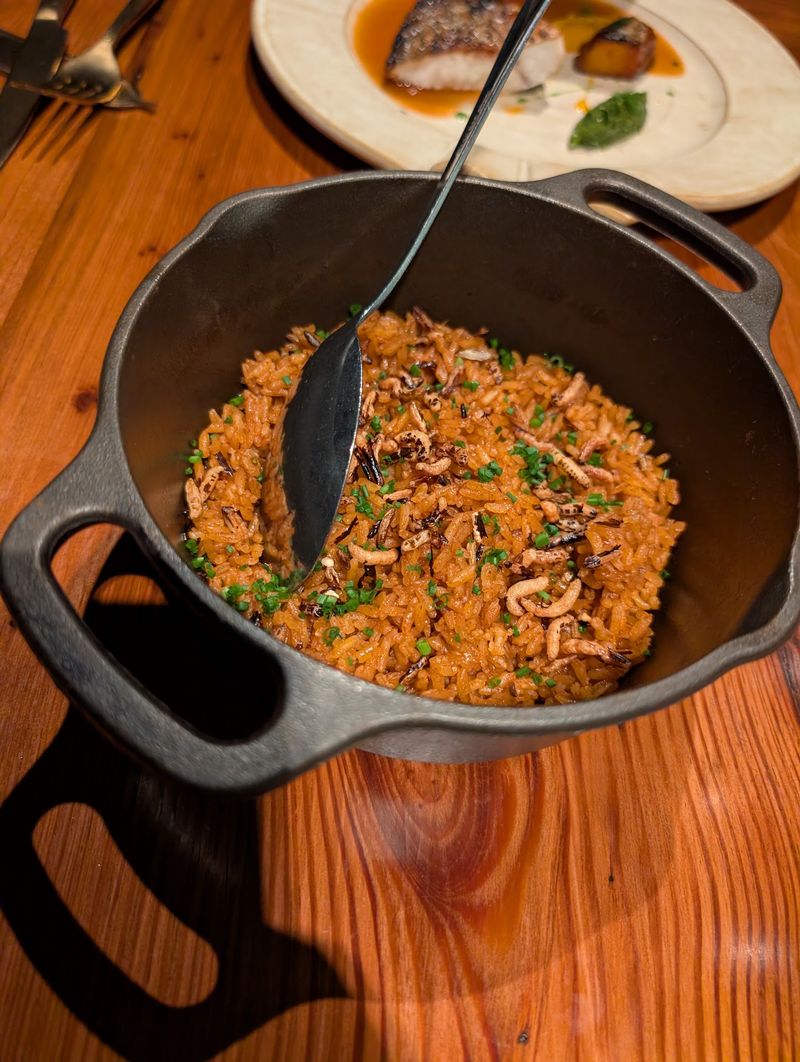
Rice is a big deal in West African cooking, and Dakar NOLA treats it with respect. Wolof jollof, a dish tied to Senegal’s Wolof people, has been highlighted by guests of the restaurant.
It shows how much flavor a humble grain can carry.
Seafood plays a major role too. Senegal sits on the Atlantic coast, so fish and shellfish are natural stars.
In New Orleans, that coastal spirit fits right in.
Louisiana cooks have long loved rice, seafood, and bold seasoning. Senegalese cuisine shares that love, which makes this pairing feel like a family reunion on a plate.
Shrimp and grits has also appeared on the menu, giving a Southern classic a Senegalese spin. It is a fun way to see how two food cultures can meet and shake hands.
Since the menu can shift, ask about the current courses when you reserve. Dietary needs can often be discussed ahead of time, which helps the kitchen plan.
Pull Up A Chair At The Communal Table
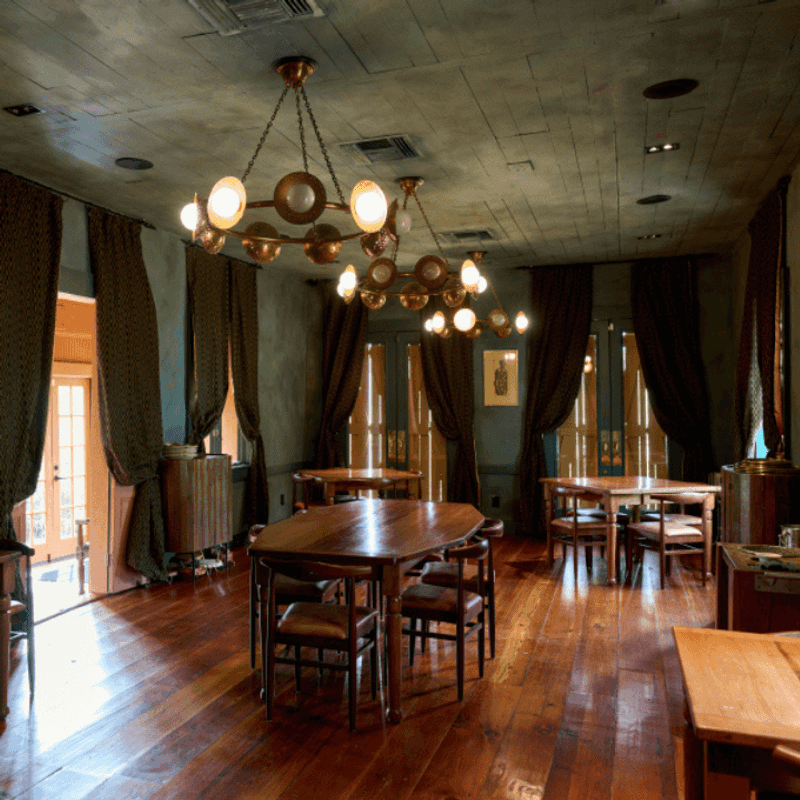
Dinner with strangers sounds risky until the first course lands. Dakar NOLA offers a communal table where guests share the evening.
It fits the Senegalese spirit of eating together.
Sharing a table gives you built-in conversation. Everyone is trying the same dishes at the same time.
That makes it easy to compare favorites between courses.
If you would rather keep things private, the restaurant also offers other seating. Check the options when you book, because tables are limited in a small dining room.
Communal dining is a nice fit for solo travelers. Instead of sitting alone, you get a welcome to the table and a story to swap.
Couples and friends can enjoy it too.
Bring an open mind and a bit of curiosity. Ask your neighbor which course surprised them most.
It is a great icebreaker, and it often leads to the best part of the night.
A Small House With Big Atmosphere
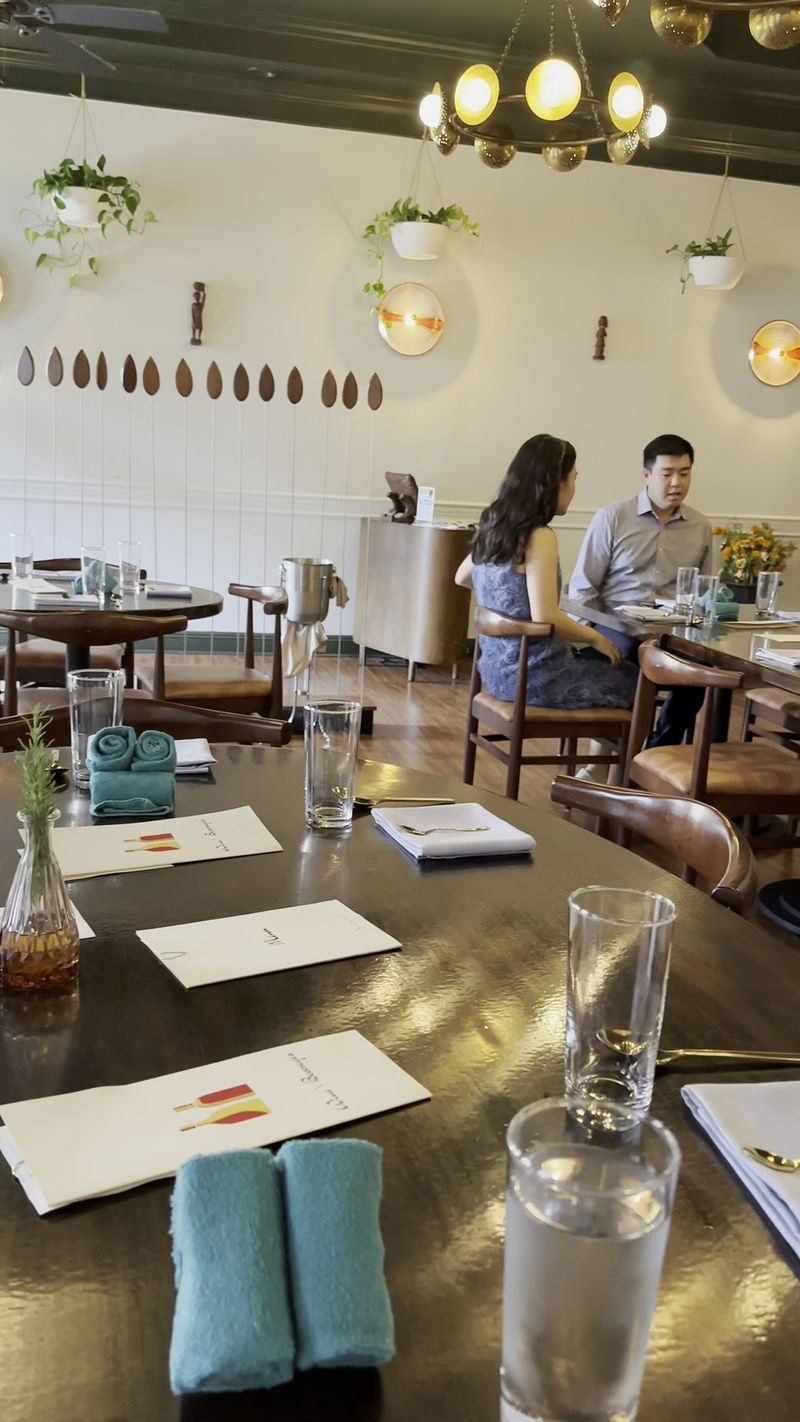
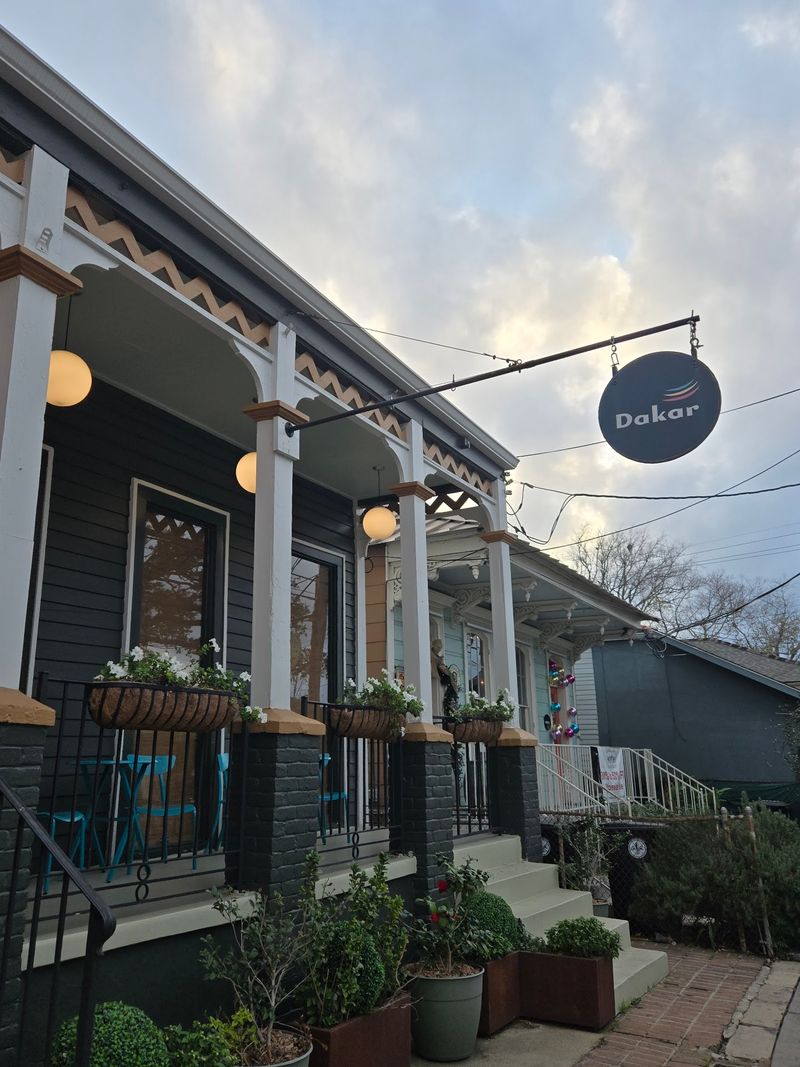
Dakar NOLA lives at 937 Leonidas St, New Orleans, LA 70118. The restaurant is in a small historic house in Louisiana’s most famous food city.
Its cozy size is part of the appeal.
A smaller room means a quieter, more personal evening. The team can walk each guest through the story behind the food without rushing.
It feels closer to a dinner party than a busy dining hall.
The neighborhood is residential, so give yourself a few extra minutes to find parking and your way to the door. Arriving early also helps with the start of the night.
The mood is calm and welcoming. Nobody expects a suit and tie, but it is still a special-occasion kind of night.
Dress comfortably and think nice dinner.
Inside, the focus stays on the table. Good plates, good company, and good stories do most of the decorating.
Drinks That Skip The Alcohol And Still Impress
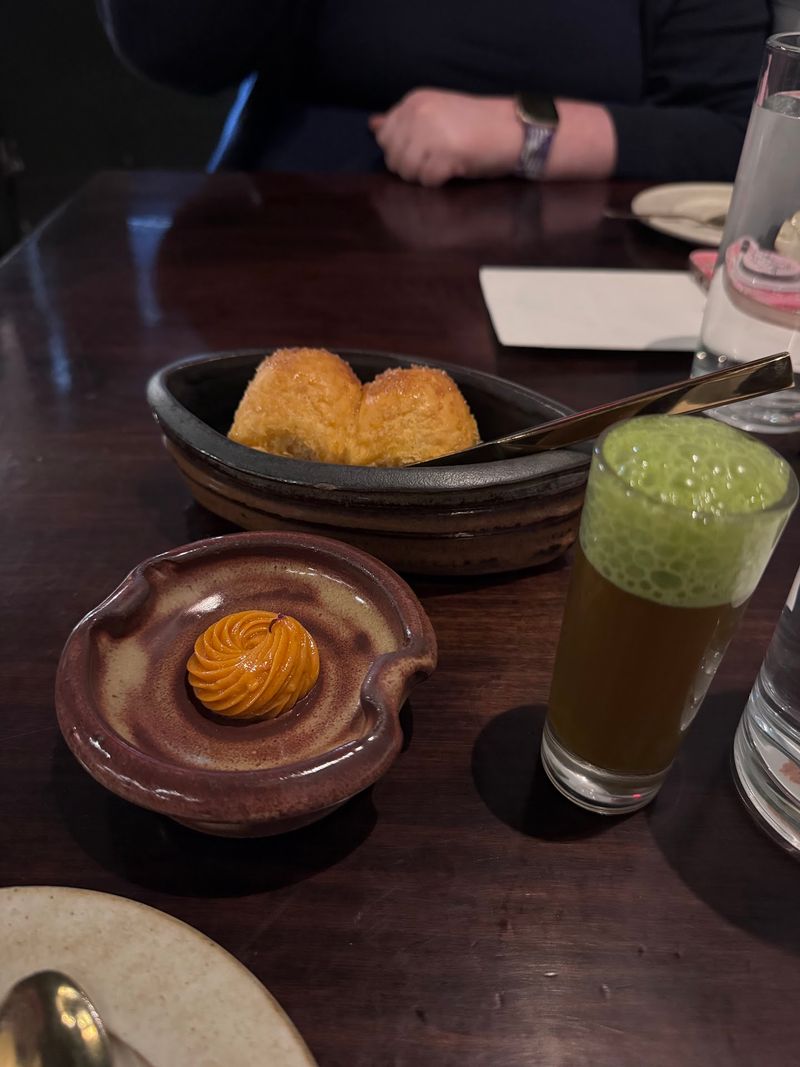
The drink side of the night gets plenty of attention too. Dakar NOLA offers a non-alcoholic pairing for guests who want drinks matched to each course.
That makes the evening easy to share with everyone at the table.
West African ingredients like ginger, hibiscus, and mint are common in Senegalese drink traditions. Seeing them in a pairing ties the beverages to the same story as the food.
The opening ginger and mint tea is a great example.
Pairings can turn each course into a two-part experience. A sip changes how the next bite tastes.
It is a fun way to notice flavors you might otherwise miss.
Not sure what to pick? Ask the staff while you are seated.
They can explain options and help you choose what fits your night.
Drivers, families, and curious foodies can all enjoy this part. Nobody has to feel left out of the toast.
Plan Your Night Around The Schedule
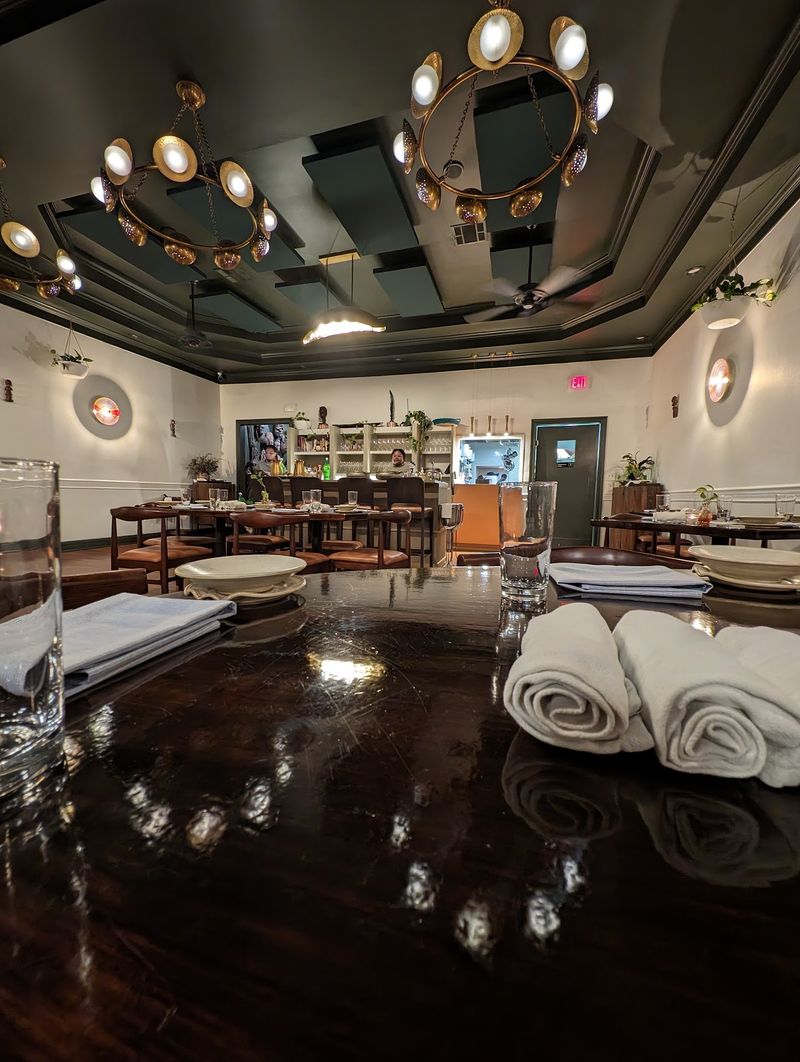
Timing matters at Dakar NOLA. The restaurant is open Tuesday through Saturday from 5 to 8 PM.
It is closed Sunday and Monday.
Because it is a set tasting experience, reservations are the way to go. Walk-ins are not the plan for a small room that serves courses together.
Book ahead and pick a night that works for your group.
Plan on a leisurely dinner. A seven-course meal is meant to be savored, so do not schedule anything tight afterward.
Give yourself room to relax.
It is also smart to check the restaurant’s official pages before you go. Hours and menus can change, and the team posts updates there.
A quick look saves surprises.
If you have allergies or dietary needs, mention them when you book. The kitchen can plan better with advance notice.
That keeps your evening smooth.
Why This Dinner Sticks With You
Great meals fade, but great stories stay. Dakar NOLA wraps Senegalese heritage, Louisiana history, and careful cooking into one evening.
That mix is why people talk about it long after dessert.
The James Beard recognition shows the cooking has earned respect. Yet the heart of the place feels personal.
A small house, a shared table, and a chef who tells the story through food.
For first-timers, it is an easy way to try Senegalese cuisine. For longtime fans of West African food, it is a chance to see it on a fine dining stage.
Both groups get something special.
I like that the experience teaches as it feeds. You learn how okra, rice, and seafood connect two continents.
Then you taste it.
If New Orleans is on your travel list, save a night for this one. Book early, arrive on time, and bring a good appetite for new flavors.
Share this story