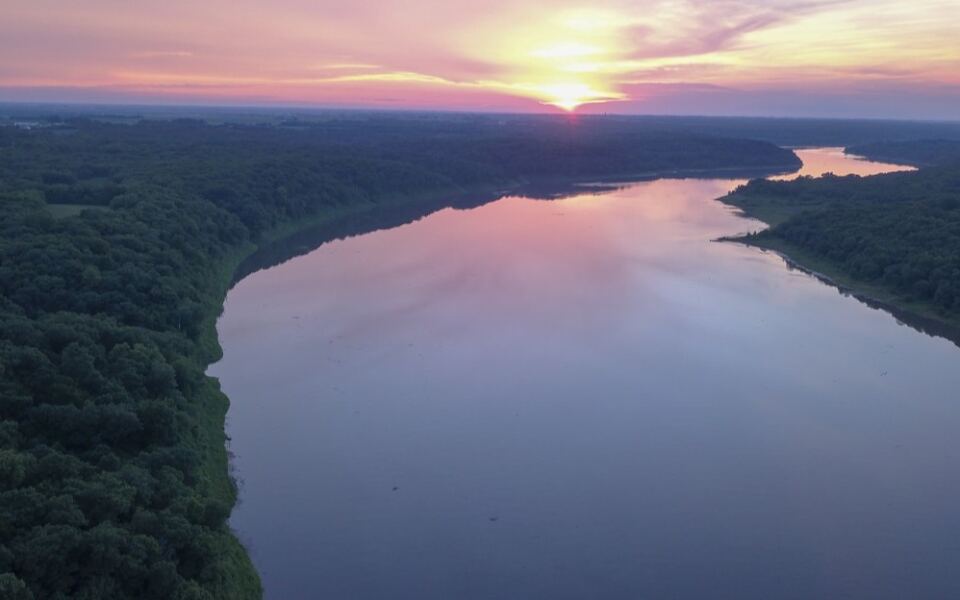
A river that starts in Minnesota and runs 525 miles to the Mississippi is hard to ignore. I like that one stretch of it can feel calm and wild, even in Iowa farm country.
It flows past deep valleys, old bridges, and wide lakes. Fishing spots, trails, and kayak launches show up all along the way.
I believe a long river deserves a slow trip. I can’t imagine rushing it.
So where do you start with a water trail this big?
A Long River With A Big Story
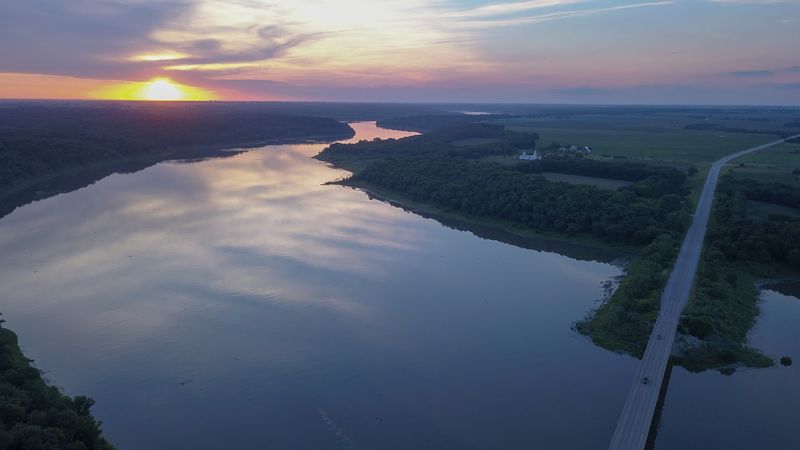
Hundreds of miles of water make the Des Moines River one of the biggest stories in Iowa. It begins in southwestern Minnesota and flows southeast across Iowa before it meets the Mississippi River.
The full trip is about 525 miles, which is a lot of river to explore.
The river cuts straight through the middle of the state. It passes farm fields, small towns, and the capital city that shares its name.
Here is a fun fact that trips up many people: the city took its name from the river, not the other way around.
Long before roads and railroads, the river served as a travel route. Native peoples lived along its banks for centuries, and later settlers followed the water too.
That history still shapes many towns you can visit today.
A good plan is to pick one stretch and stay with it for a day. Trying to see the whole river at once is a bit like trying to read an entire library in a weekend.
Choose a park, a trail, or a bridge, and let the water set the pace.
Where The Water Begins
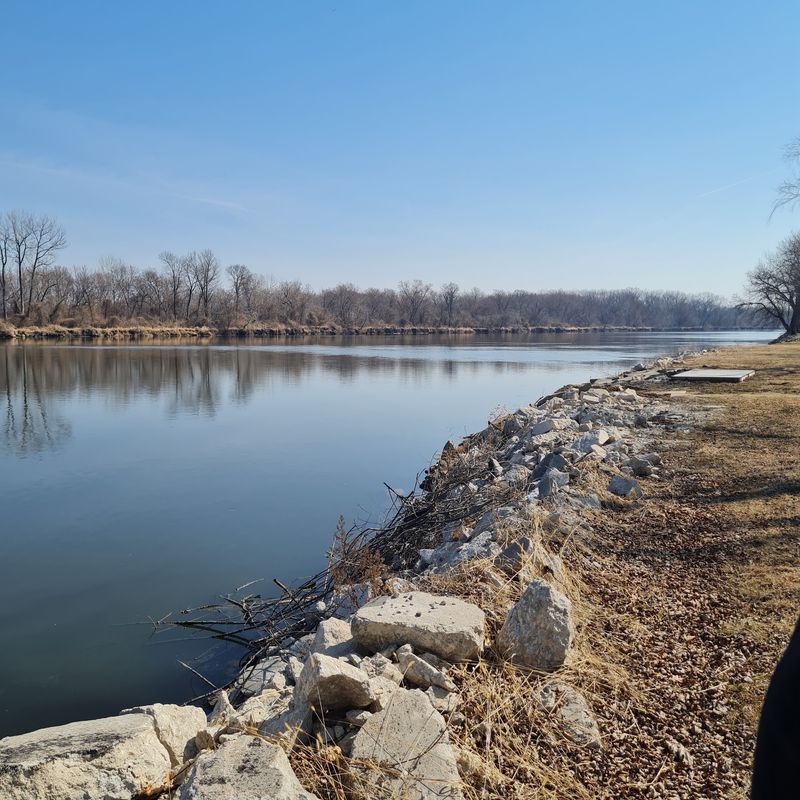
Every big river has a humble start. The Des Moines River begins in southwestern Minnesota, close to the area around Lake Shetek.
From there it gathers strength as it heads south toward Iowa.
The early miles feel quiet and open. Prairie grass, wide skies, and gentle bends set the mood.
Anglers and bird watchers often enjoy this kind of calm scenery.
Once the river crosses into Iowa, it keeps growing. Smaller creeks feed into it along the way.
By the time it reaches the northern Iowa counties, it looks like a real river instead of a stream.
If you like starting at the beginning, this is a fine way to appreciate the whole trip. You can follow the water south and notice how the landscape changes mile by mile.
The flat farmland slowly gives way to rolling hills and tree-lined bluffs.
Bring a map or a phone with offline directions. Some rural roads near the river are quiet and have few signs.
A little planning keeps the day relaxing instead of confusing.
Valleys That Surprise You
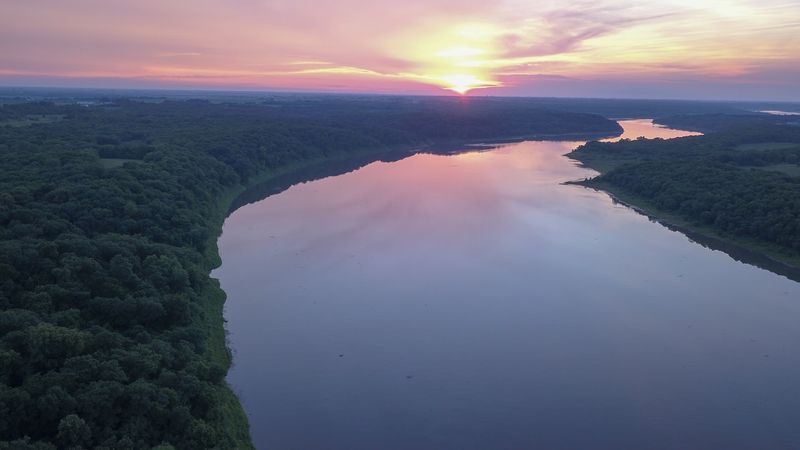
Iowa is known for flat fields, yet the Des Moines River valley breaks that image. In several places the land drops into wooded bluffs and curving bends.
Fall brings bright color to those hillsides.
Stephens State Forest and Ledges State Park are two well-known areas near the river. Ledges State Park sits along Pea’s Creek near the Des Moines River valley and is famous for its sandstone cliffs and canyon views.
It makes a great stop for anyone who wants a short hike with a big payoff.
Walking trails in these areas wind through trees and past rock walls. Wildlife shows up often, from songbirds to deer.
Early morning is a lovely time to catch some quiet.
Pack sturdy shoes, since trails can be muddy after rain. A water bottle and a few snacks go a long way too.
Check the park website or visitor center for current trail conditions before you go.
Valleys like these remind you that Iowa has more variety than most people expect.
Lakes Born From The River
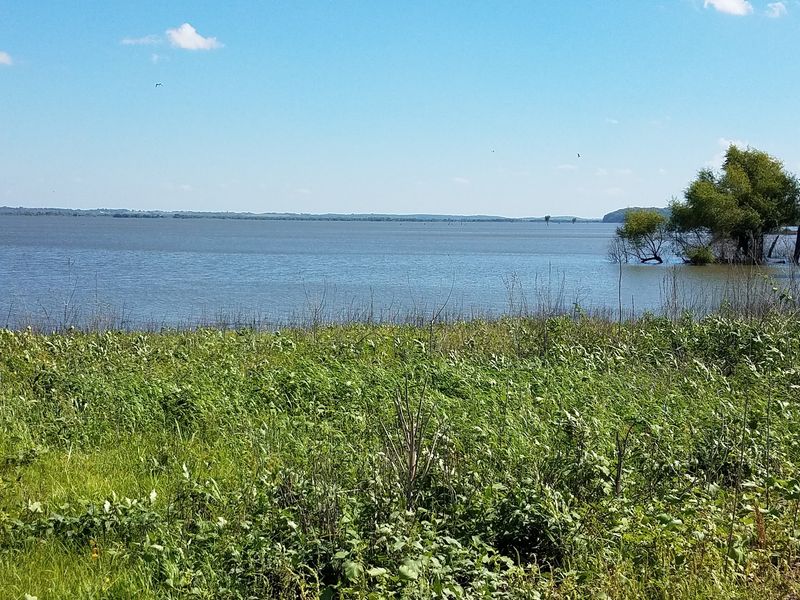
Two big lakes owe their existence to this river. Saylorville Lake sits just north of Des Moines, and Lake Red Rock sits to the southeast.
Both were created when dams were built on the Des Moines River.
Lake Red Rock is the largest lake in Iowa. The U.S.
Army Corps of Engineers manages both lakes, and each offers boating, fishing, camping, and trails.
The dams also help control flooding downstream. That job matters a lot in a state with big rainstorms.
The spillways can also be exciting to watch when water is moving fast.
Families like these lakes because there is room to spread out. Picnic shelters, beaches, and boat ramps give everyone something to do.
Anglers can chase crappie, bass, and walleye depending on the season and the lake.
Before you head out, check current conditions and rules with the Corps of Engineers. Water levels can change, and some areas close during high water.
A quick look ahead saves a lot of frustration.
Bring sunscreen, because open water gives very little shade.
Trails That Follow The Water
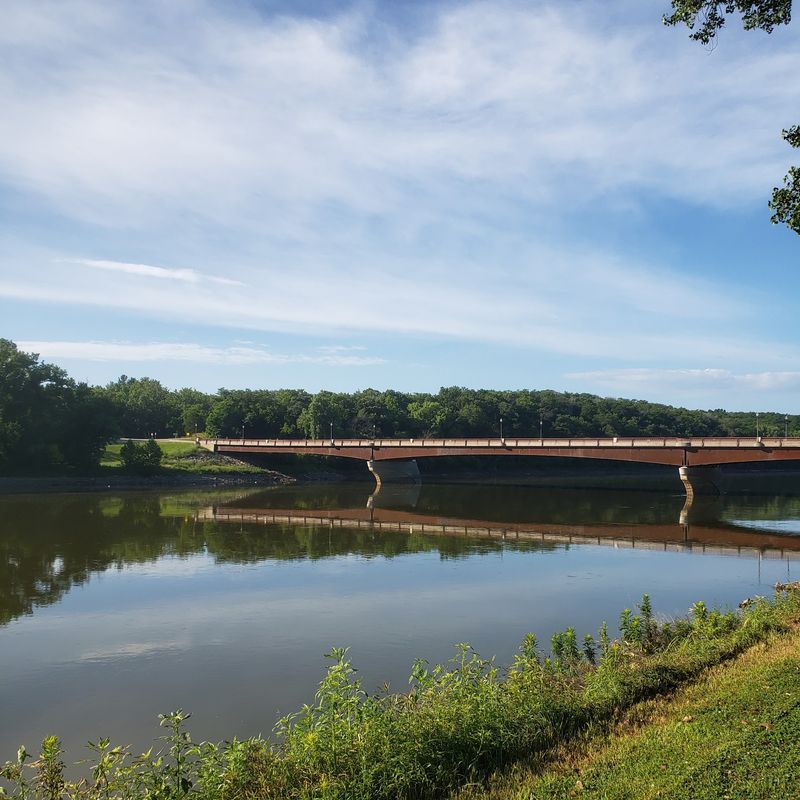
Bike paths and walking trails make the river easy to enjoy without a boat. Near the capital city, the trail system links parks, bridges, and riverfront views.
Many paths are paved and friendly for beginners.
Saylorville Lake has a popular trail loop that circles much of the shoreline. Riders and walkers can pick short sections or go for a longer day.
The views of open water and tall trees make the miles feel shorter.
Downtown Des Moines has riverwalk areas too. Bridges cross the water at several points, and they make nice spots for photos.
Sunset light on the river is hard to beat.
Wear comfortable shoes and bring water, even on short outings. Trails can be busy on warm weekends, so early morning is a calm time to go.
Sharing the path politely makes everyone’s day better.
Wildlife often appears along the edges. Keep an eye out for herons, turtles, and squirrels that seem to own the place.
Fishing Without The Fuss
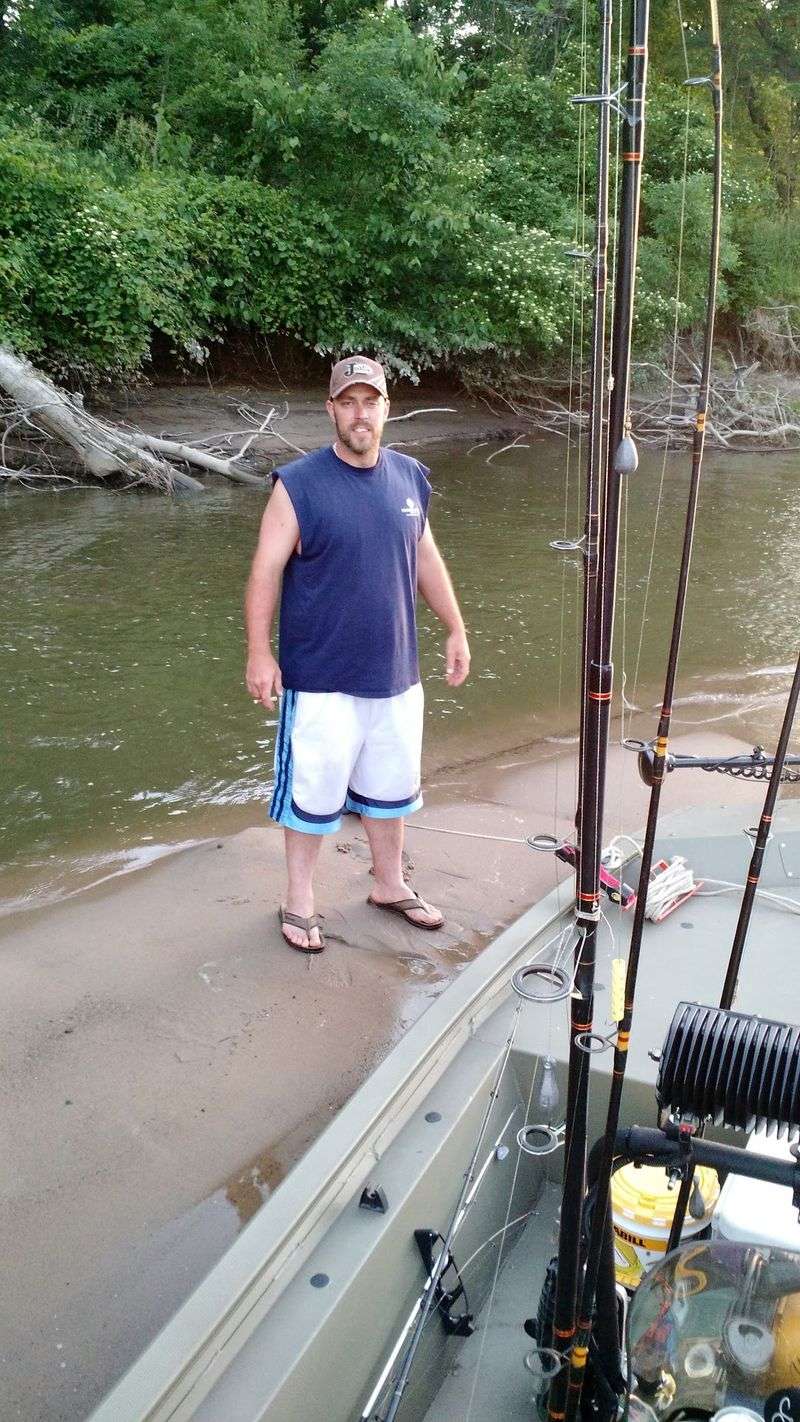
Grab a rod and a bucket, and the Des Moines River is ready for you. Anglers fish for catfish, walleye, bass, and other species along its length.
Many access points are free and easy to reach.
Bank fishing works well in many spots. Boat ramps at the lakes and river parks help anglers who want to cover more water.
The Iowa Department of Natural Resources keeps fishing information and regulations for the area.
Remember that Iowa requires a fishing license for most adults. Rules about size and catch limits can change, so check the current regulations first.
That small step keeps your trip stress-free.
Patience is the real secret here. The river moves at its own speed, and fish do too.
Bring a folding chair, a snack, and a good attitude.
Please take your trash with you when you leave. Clean banks keep the river nice for the next person with a fishing line.
A little care makes every visit better for everyone.
Paddle Time On Calm Stretches
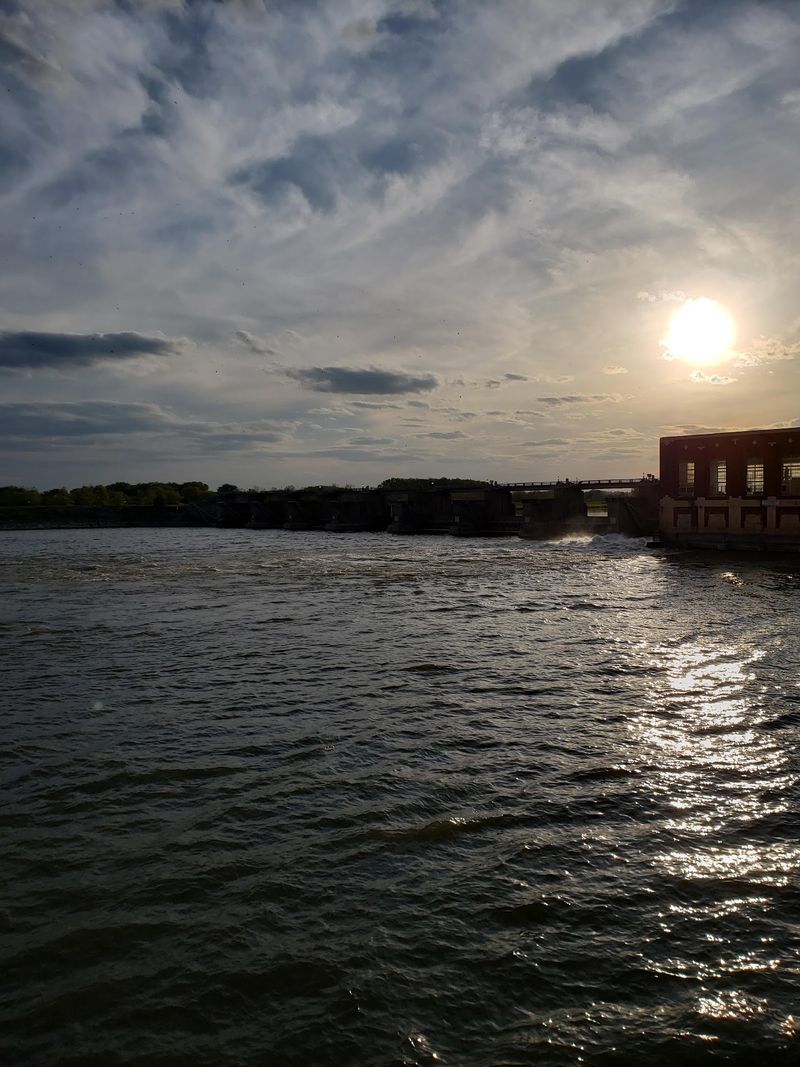
Kayaks and canoes fit this river nicely. Gentle sections let beginners enjoy the scenery without a fight against fast water.
Paddlers often see birds, turtles, and shady banks.
Planning matters on a river this big. Water levels change with rain and dam releases, so always check current conditions before launching.
Wear a life jacket every time, no matter how calm it looks.
Some areas near dams and spillways are not safe for boats. Signs and buoys mark these zones, so follow them closely.
When in doubt, ask a park ranger or local outfitter.
Short trips work best for first-timers. Pick a stretch with a clear put-in and take-out so you are not guessing.
A shuttle or a friend with a second car helps a lot.
Bring a dry bag for your phone and keys. A hat and sunscreen will help too.
By the end of the day, you will have a story and maybe a few good photos.
Small Towns Worth A Slow Stop
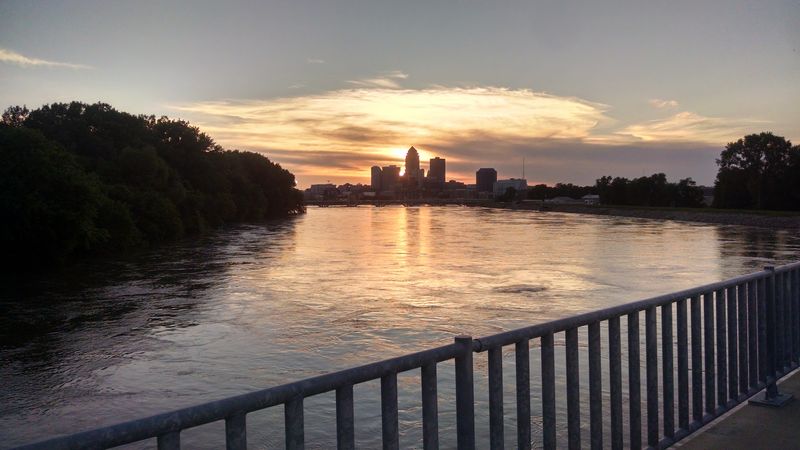
Along the river you will find towns that are easy to love. Places like Boone, Ottumwa, Fort Dodge, and Keosauqua each have their own personality.
Many have local museums, parks, and cozy downtown streets.
Keosauqua is near Lacey-Keosauqua State Park, which sits inside a big bend of the river. The park offers lake views, trails, and campsites.
The nearby Van Buren County area also has historic buildings worth seeing.
Boone has a railroad story to share. The Boone and Scenic Valley Railroad runs excursion trains over the Des Moines River valley on the Bass Point Creek and river bridge area.
It gives riders a unique view of the landscape from above.
Small towns reward a slow pace. Park the car, walk a few blocks, and see what catches your eye.
Local shops and museums often have friendly staff happy to point you toward the best river overlooks.
Check hours before you go, since small-town businesses may keep limited schedules. A quick look online saves a wasted trip.
Wildlife And Quiet Moments
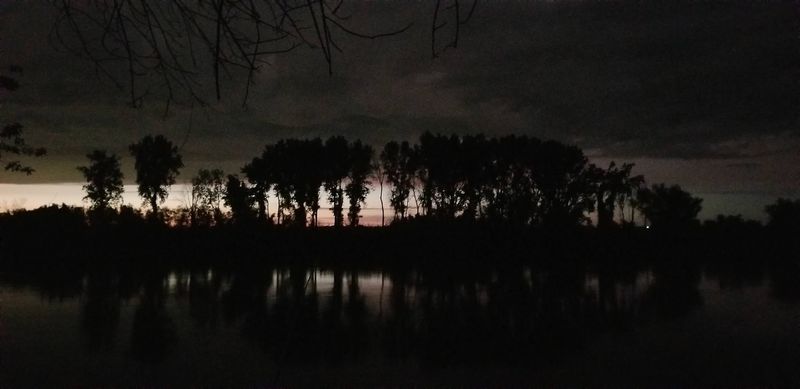
Open your eyes and ears, because the river is busy with life. Great blue herons, bald eagles, and many songbirds use the corridor.
Deer, turtles, and beavers also make their homes near the water.
Winter can be a special time for eagle watching. Areas below dams often stay open, which attracts fish and the birds that hunt them.
Bring binoculars and warm layers if you try it.
Spring and fall bring migrating birds. Bird watchers love the river for that reason.
A simple field guide or bird app can make the walk more fun.
Quiet is a big part of the draw. Skipping rocks, sitting on a bench, or watching the current can feel like a reset button.
You do not need a big plan to enjoy it.
Leave nature as you found it. Keep your distance from wildlife and pack out whatever you bring in.
That way the next visitor gets the same peaceful scene, and the river stays healthy.
Plan Your Own River Day
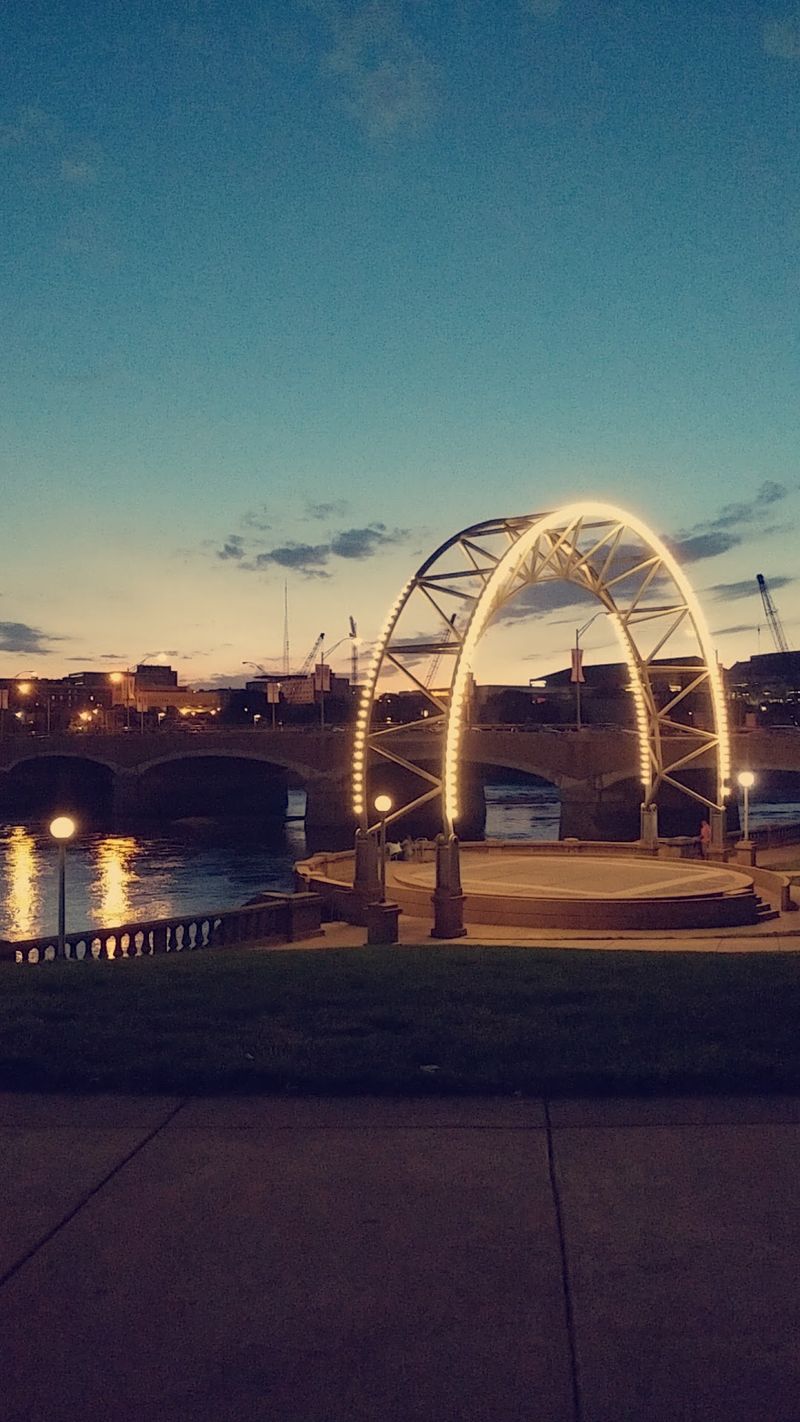
Pick one part of the river and make a day of it. Saylorville Lake is close to Des Moines and offers trails, a visitor center, and picnic areas.
Lacey-Keosauqua State Park suits people who want a longer weekend with camping.
Before you go, check official park pages for hours, fees, and closures. Weather changes fast in Iowa, so pack layers and rain gear.
A small first-aid kit is smart too.
Bring water, snacks, and a trash bag. Many river areas have limited services, and some are far from stores.
Planning ahead keeps the day smooth.
Swimming is not allowed or safe in many river sections. Currents and hidden objects can cause problems.
Stick to designated beaches at the lakes when you want to get in the water.
Most of all, leave time to simply sit and watch. The Des Moines River has been moving through Iowa for a very long time.
An afternoon beside it might become your favorite kind of trip.
Share this story