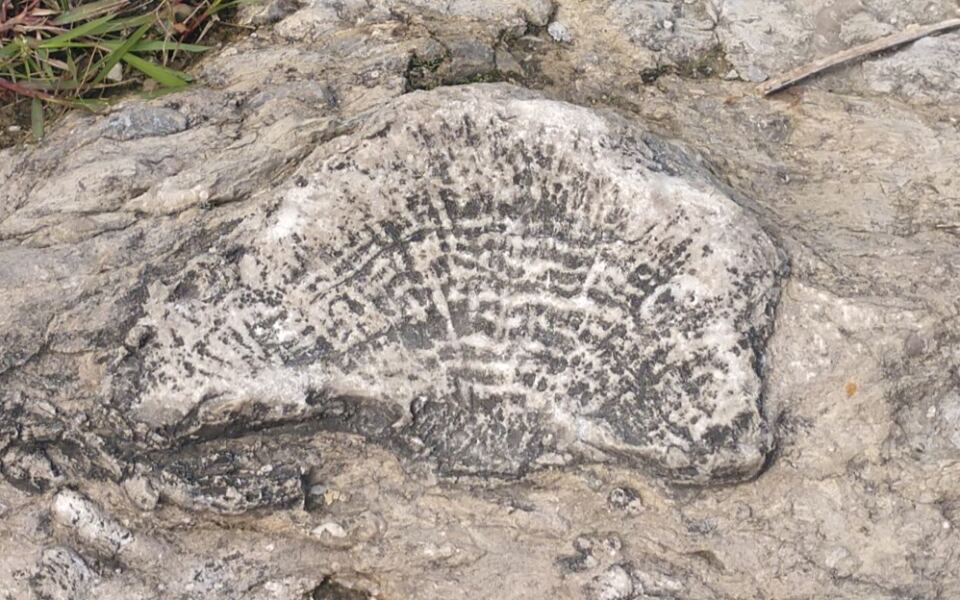
The ground under your boots in this Iowa gorge was a tropical sea floor 375 million years ago. Corals, shells, and other tiny sea creatures are still pressed into the limestone.
I love that it costs nothing to visit. The site is open around the clock, and the fossils sit right out in the open.
A floodwater surprise helped uncover much of this rock. Kids hop from ledge to ledge, and grown-ups kneel to squint at stone.
I can’t imagine a better excuse to look down while you walk. Where is this ancient sea bottom hiding?
A Sea Floor You Can Walk Across For Free
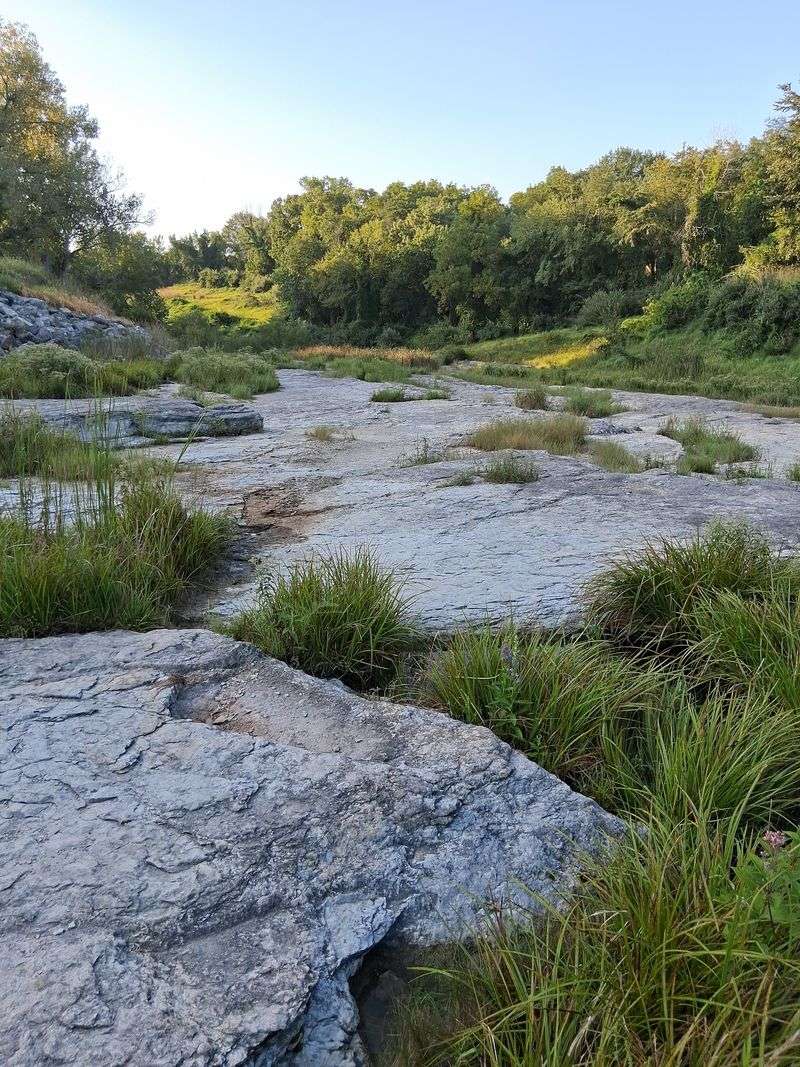
Devonian Fossil Gorge is a free spot in Iowa where the ground itself tells a story. About 375 million years ago, a shallow tropical sea covered this area.
Today, you can walk on the rock that formed its floor.
The site is listed as open 24 hours a day, every day. That makes it easy to fit into a morning stroll or a lazy afternoon.
Nobody needs a ticket, and nobody needs a guide.
The rock here is pale limestone, and it looks like a rough stone staircase. Look closely and you will spot small shapes pressed into the surface.
Some are round, some are tubular, and some look like tiny honeycombs.
That is the fun of this place. You do not need special gear or a science degree.
You just need curious eyes and a slow pace.
Think of it as a museum with no walls and no velvet ropes. The exhibits are the ground, and you are invited to stand right on them.
Not many attractions can say that.
How Floods Opened A Window To The Past
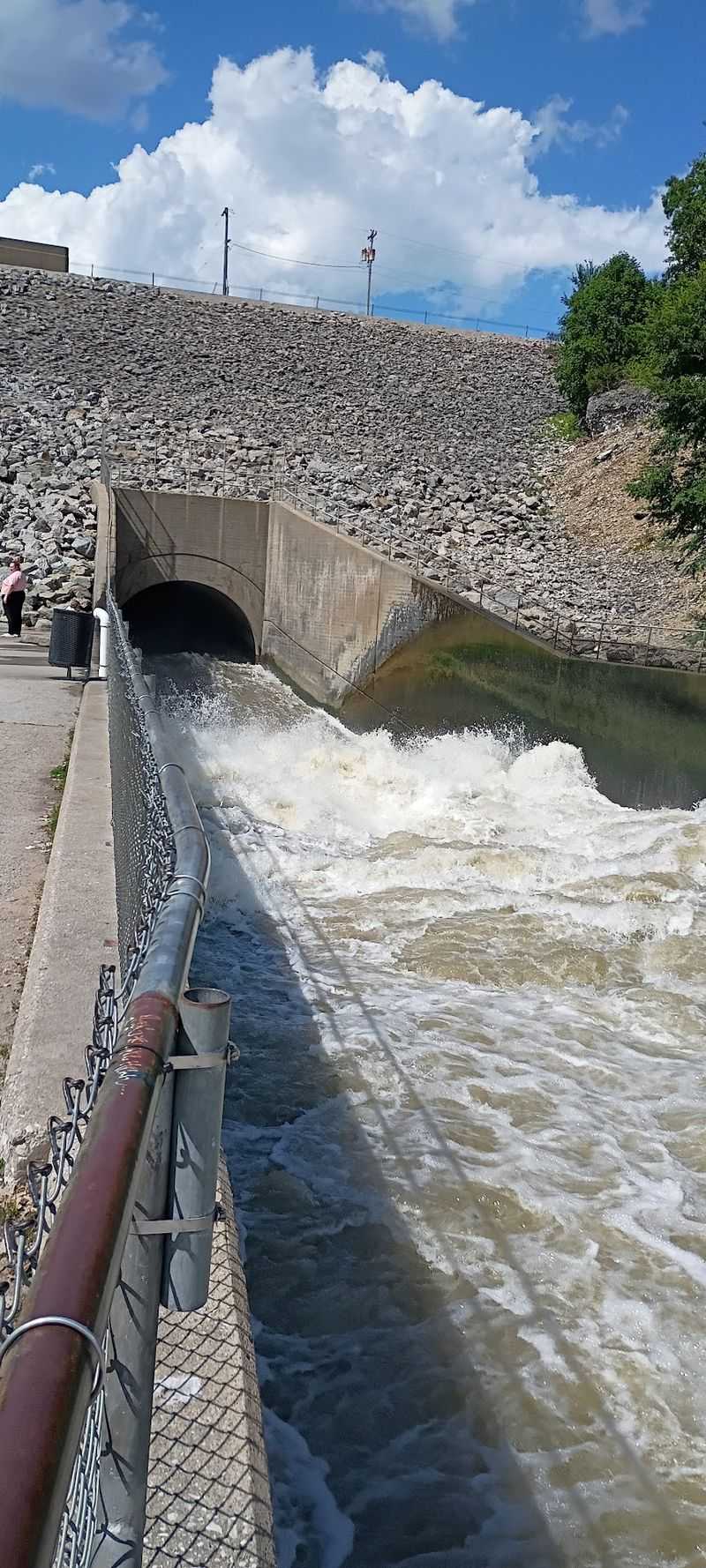
Here is a twist: the gorge owes its fame to high water. The spillway at Coralville Lake sits just upstream.
When the Iowa River surged in 1993 and again in 2008, the rushing water scoured away soil and loose rock.
That scouring revealed the limestone bedrock below. Beneath it were fossils that had been buried for ages.
In a way, the floods did the digging for everyone.
The site is managed by the U.S. Army Corps of Engineers as part of the Coralville Lake area.
The corps keeps the area open for visitors who want to explore the exposed rock.
This also means the landscape keeps changing. Rain and moving water shape the stone and the paths around it.
One family favorite is that no two trips look exactly the same.
So if you visited years ago, a return trip might show something new. A fresh patch of rock may be clear, or a pool may sit in a different spot.
That is a nice reason to come back.
The Ancient Creatures Hiding In The Stone
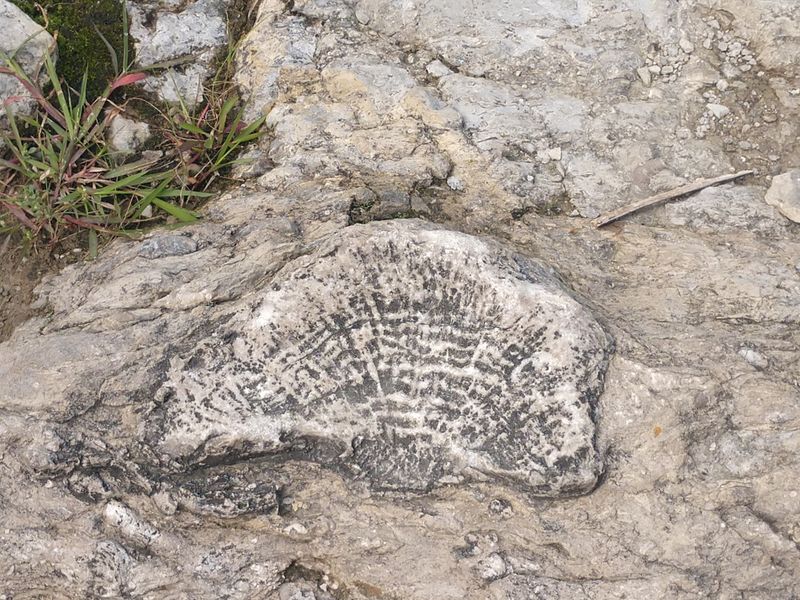
Corals, brachiopods, crinoids, and bryozoans all left their marks here. Those are big words for sea creatures that lived in warm, shallow water.
Some looked like plants, but they were animals.
Brachiopods are the ones with shells, a bit like clams. Crinoids are sometimes called sea lilies, and their stems show up as small round discs in the rock.
Corals can look like little honeycombs or rough stars.
Let’s be clear about what you will not find. There are no dinosaurs here.
Dinosaurs came much later, so this is a sea-life story.
That detail matters when you set expectations. The fossils can be small, and some take a patient eye to spot.
Crouch low, let your eyes adjust, and scan the surface in slow sweeps.
Once you spot one, the rest start to appear. It feels like those picture puzzles where you suddenly see the hidden shape.
After that, the whole ledge seems to be covered in them.
Where To Find It And When To Go
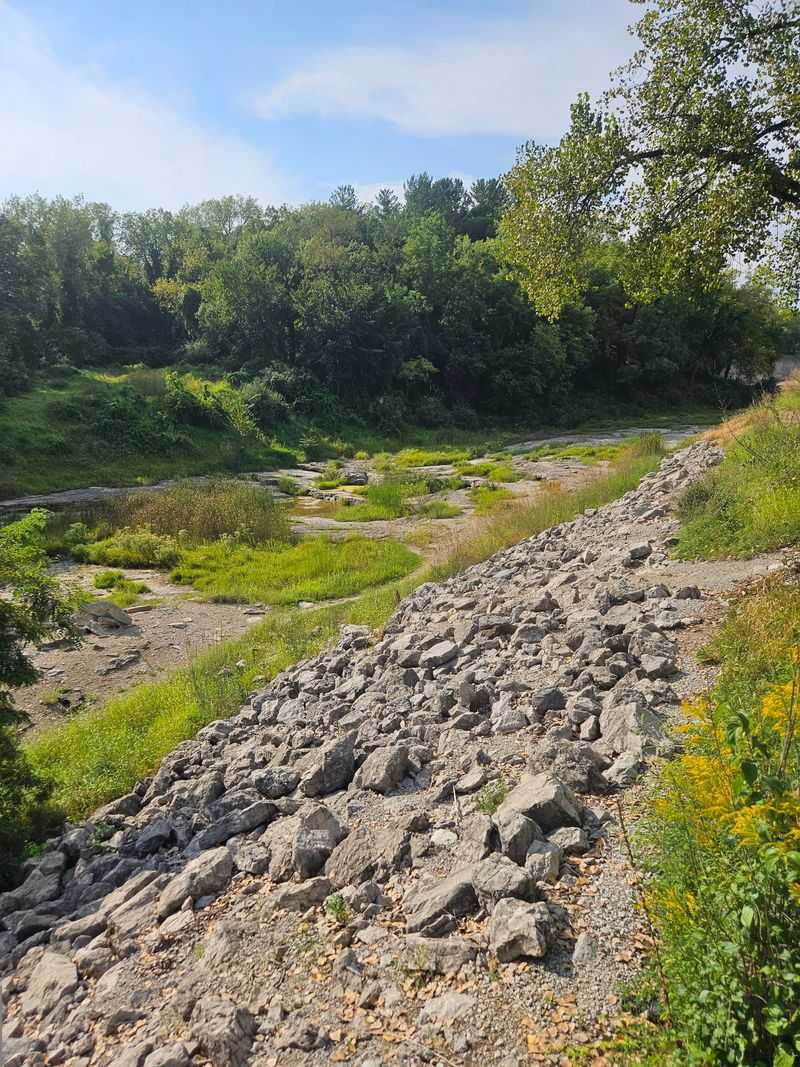
Devonian Fossil Gorge sits at 2850 Prairie Du Chien Rd NE, Iowa City, IA 52240. It is close to Coralville Lake and not far from the city.
That makes it an easy stop for locals and road trippers alike.
The gorge is listed as open 24 hours a day. Daylight is the smart choice, though, since you will be stepping over uneven rock.
Good light also helps you see the fossils.
Parking is simple, and a short trail leads down to the limestone. The walk is easy enough for most families.
Still, the ground is rough once you reach the rock.
Wear sturdy shoes with good grip. Wet stone can be slick, and sandals are not ideal here.
A water bottle and a hat are handy on sunny days.
Spring, summer, and fall all work well for a visit. Each season gives the gorge a different mood.
Green leaves, wildflowers, and river views add extra charm.
Follow The Numbered Trail Like A Fossil Detective
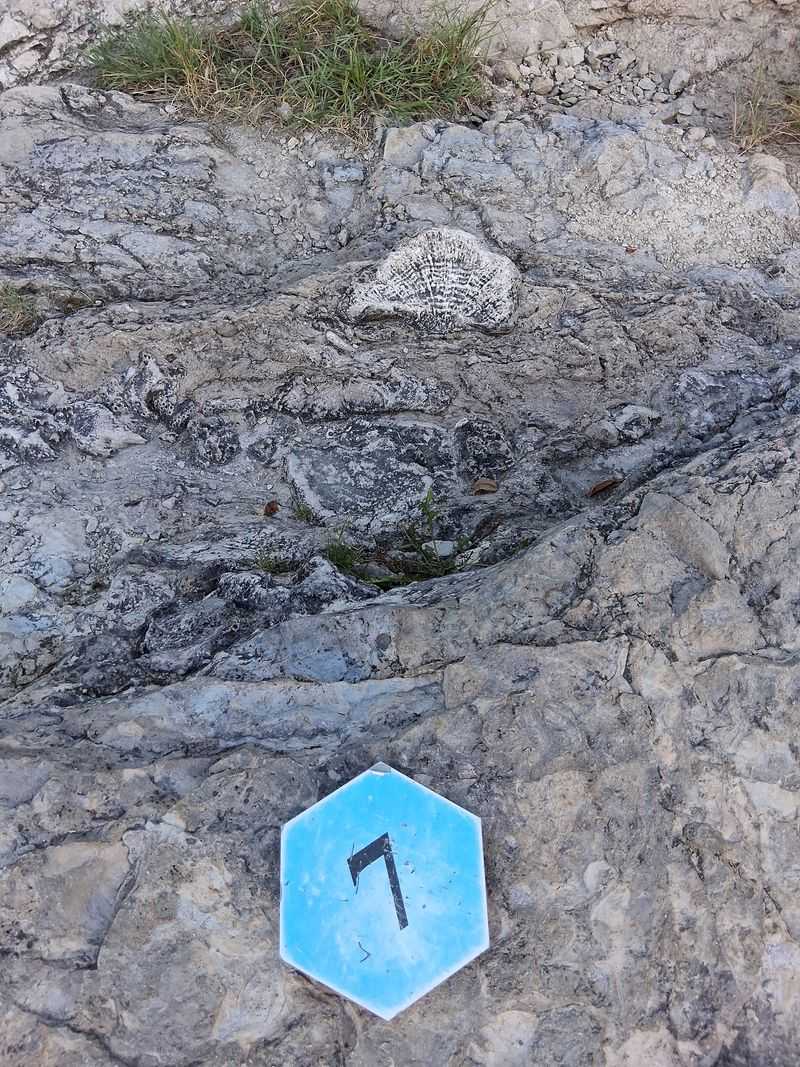
A self-guided trail with numbered markers helps you make sense of the rocks. Each stop points out something to look for.
It is like a scavenger hunt written in stone.
A printed guide goes along with those markers, and signs along the path add more detail. You can read a bit, look down, and then compare.
It turns a quiet walk into a small lesson.
Go slowly and let the guide steer your eyes. Fossils are easier to spot when you know what shape to hunt for.
A ring, a curl, or a tiny ridge can be the clue.
Kids tend to love this part. Give them the job of finding the next marker, and they become tour guides.
Adults get to relax and look smart.
One handy tip is to explore past the main viewing area. A narrow path leads toward more uncovered rock.
There is also a pond and a wide paved path along the river.
Kids Will Treat This Place Like A Giant Playground
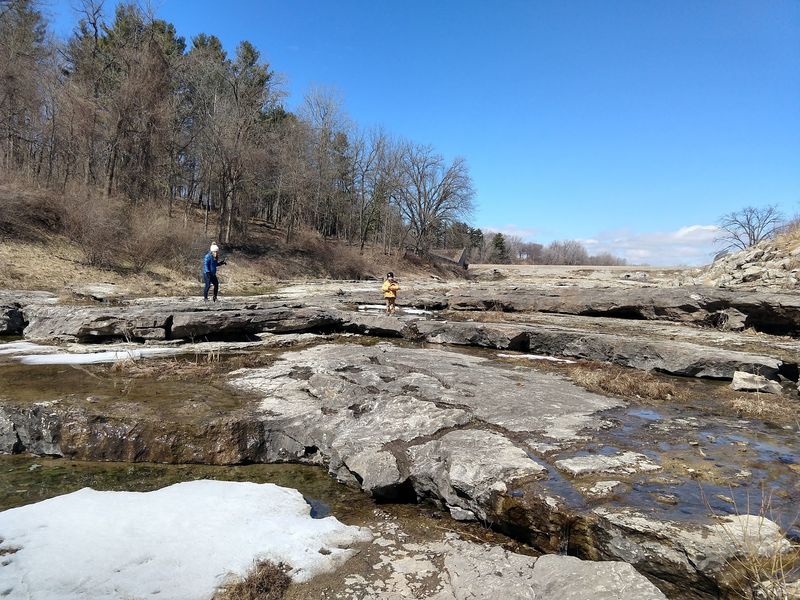
Rock hopping is the main event for many young visitors. The ledges form natural stepping stones, and small legs can leap from one to the next.
Parents get plenty of photo chances.
Learning sneaks in without anyone noticing. Kids spot a fossil, ask what it is, and then want to find another.
That is a pretty good trade for a free afternoon.
Pools of water collect in low spots, and tadpoles sometimes appear in them. Kids can watch these little swimmers without much fuss.
Just look, and leave the creatures where they live.
Bring a sketchbook and pencils for a quiet activity. Press paper over a fossil and rub gently with a pencil to make an imprint.
Grown-ups can try it too.
Keep a close eye on little ones near the water and the ledges. The rock can be uneven, and the footing changes after rain.
A slow pace keeps everyone happy and safe.
Leave The Fossils Where The Sea Left Them
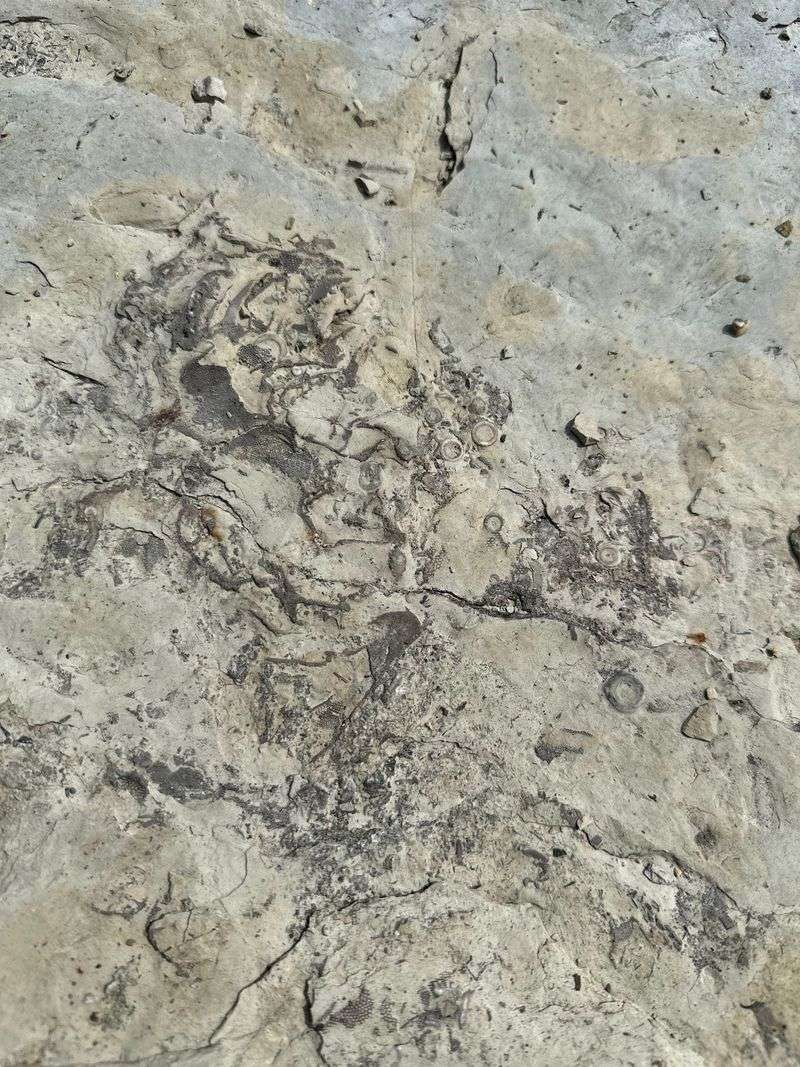
Here is the golden rule: look, touch gently, and leave everything in place. The fossils have waited hundreds of millions of years.
They should stay for the next visitor too.
Collecting is not what this site is about. If everyone took a piece, the gorge would slowly lose its treasures.
Taking pictures and making rubbings are much better souvenirs.
Paper and pencil imprints are a great alternative. They capture the pattern without harming the rock.
Photos work well too, especially in slanted morning or evening light.
Try placing a coin or a pencil beside a fossil in your photo. It shows scale and makes the shot more interesting.
Your friends will want to know what they are looking at.
Staying on the paths also protects plants and wildlife. It keeps the shoreline and rocks from wearing down.
A little care goes a long way here.
Birds, Frogs, And Wildflowers Join The Show
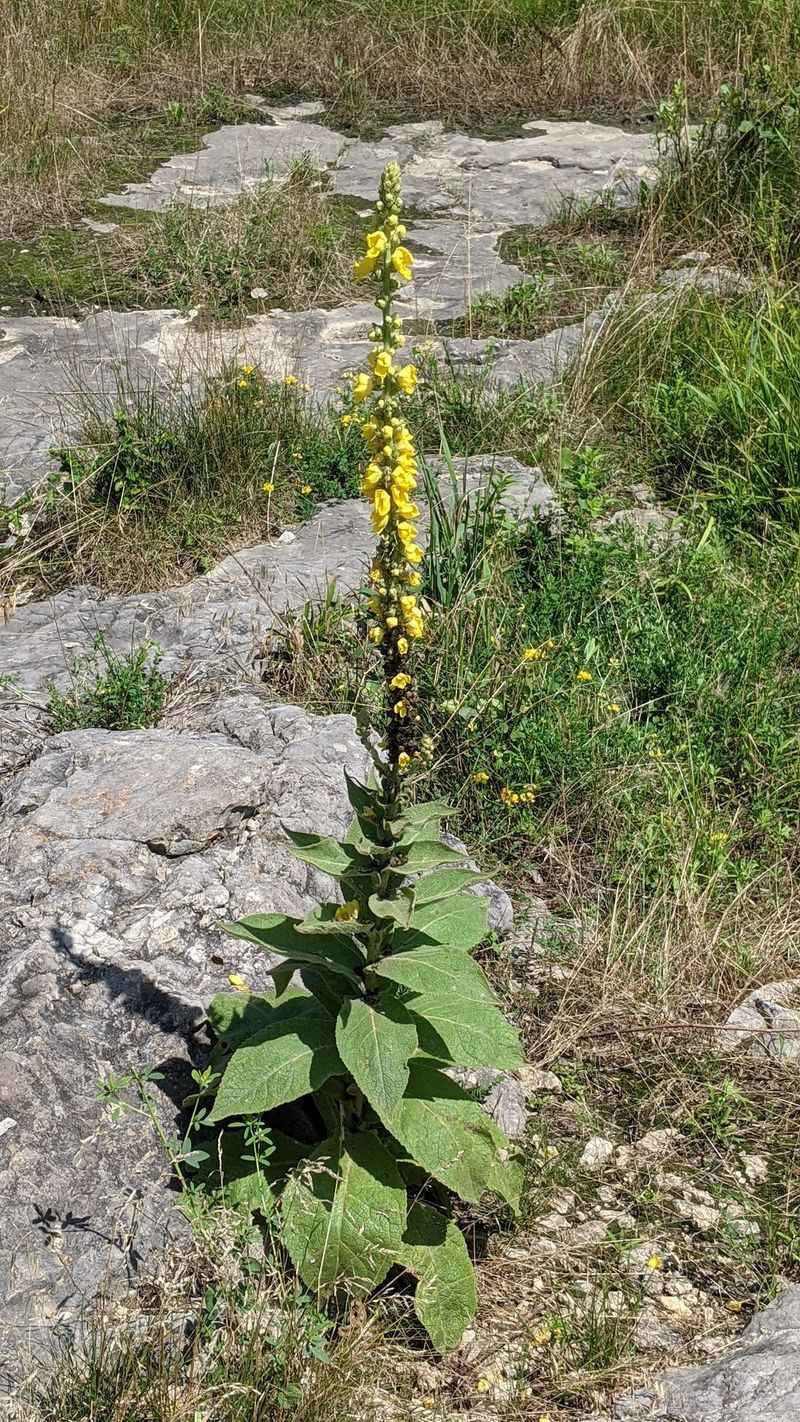
Fossils may steal the spotlight, but the setting is lovely too. The gorge sits beside the Iowa River, and trees and wildflowers frame the rocks.
Birds are easy to hear and often easy to spot.
Frogs and tadpoles appear in small pools after wet weather. Painted turtles and deer have been seen around the area as well.
Bring patience, and you might catch a glimpse.
A wide paved path runs along the river. It is a pleasant place for a walk once you finish with the rocks.
You can even skip stones at the water’s edge.
Bugs can show up on wooded trails, so repellent is a smart idea. Warm months bring more insects, especially under tree cover.
A light long-sleeve shirt helps too.
Binoculars are a fun extra for bird fans. A small notebook lets you jot down what you see.
It makes the trip feel like a nature field day.
Make A Day Of It Around Coralville Lake
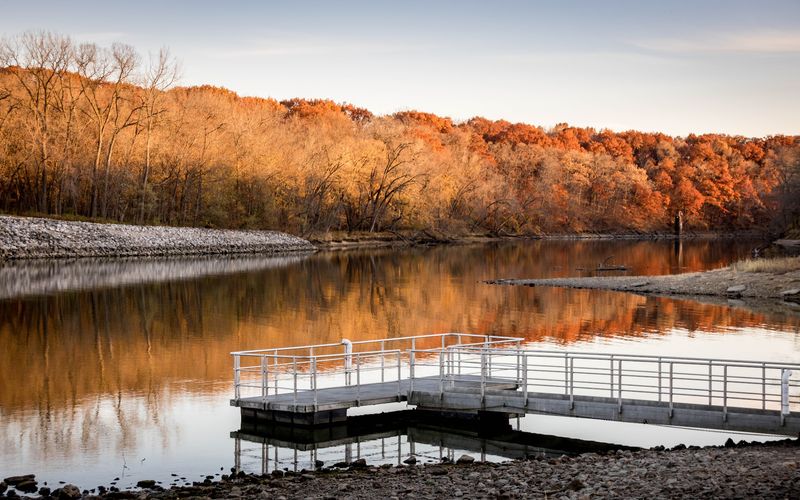
A campground sits next to the gorge, so an overnight stay is possible. You can walk over from your site or drive down.
Restrooms are near the campground, though some facilities may be closed early in the season.
There is no RV parking at the gorge itself. Campers can park at their site and walk.
That keeps the lot easy for everyone.
A visitor center near the site has featured displays about the area’s ancient past. Renovation work has closed it at times, so check the Coralville Lake page before you go.
Plans can change, and updates are worth a quick look.
Accessibility is worth knowing. Most of the visit involves walking over uneven rock, so it is not easy for wheelchairs.
A section with shale is reachable for some visitors.
Plan on an hour or two for the full experience. That leaves time for the trail, the rocks, and the river path.
It is Iowa fun without a big price tag.
Share this story