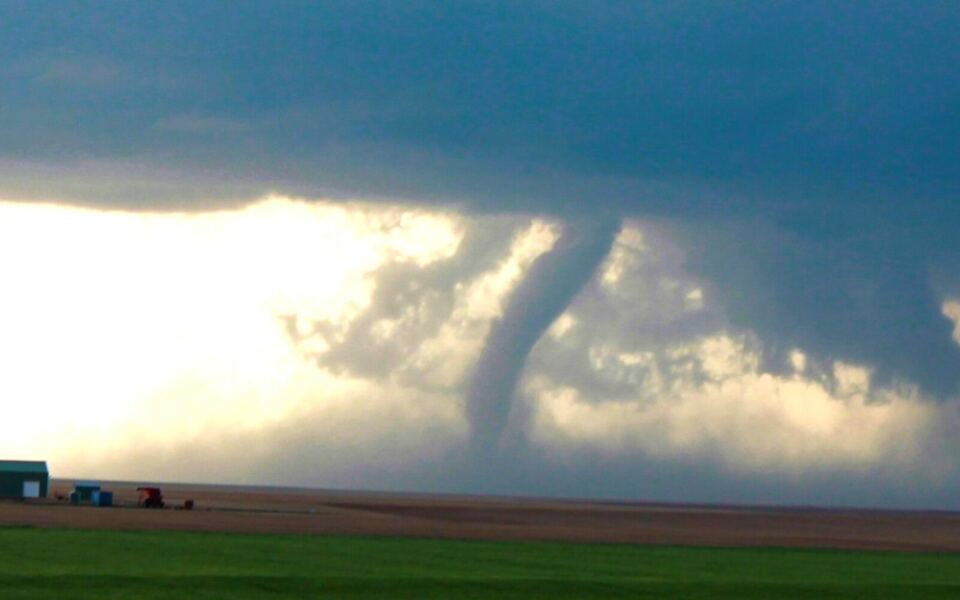
Kansas may be famous for tornadoes, but it doesn’t even make the top five states with the highest annual totals. Texas leads the ranking, while several Southeastern and Midwestern states record more tornadoes than many people expect.
Mississippi nearly matches Oklahoma’s annual average, and Florida records more than 50 tornadoes a year. Even northern states like Minnesota appear among the nation’s busiest tornado regions.
This ranking uses annual tornado averages from 2016 through 2025, based on NOAA Storm Prediction Center records. It measures how frequently tornadoes occur, not their strength or the damage they cause.
The results show why tornado risk extends well beyond traditional Tornado Alley, with a few states ranking much higher than their reputations might suggest.
1. Texas
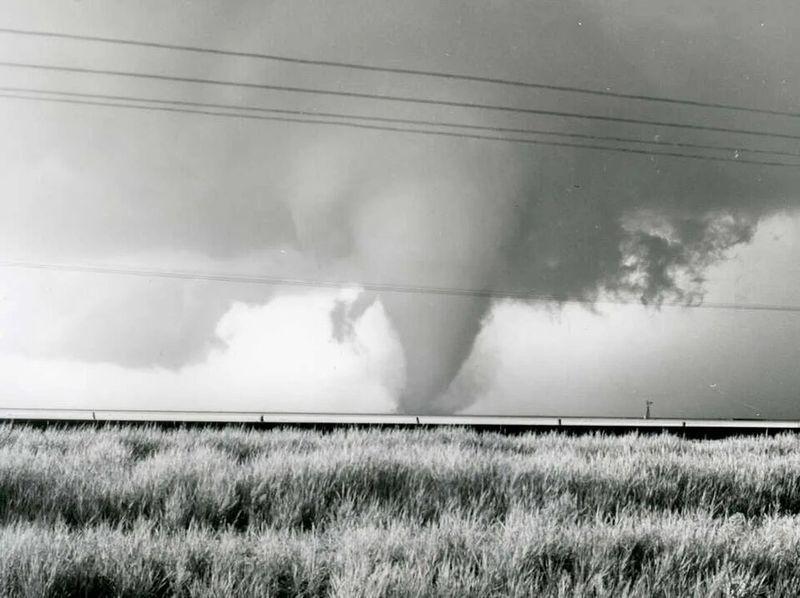
Everything is bigger in Texas, and that includes the yearly tornado tally. The state averages 111.7 tornadoes per year, the highest total in the nation.
Size plays a big role here. Texas covers more ground than any other state in the lower 48, so storms simply have more room to form.
Geography adds fuel. Warm, humid air flows north from the Gulf of Mexico and runs into drier air moving east, and that clash builds powerful thunderstorms.
The Panhandle and North Texas see the most action, especially in spring. Still, tornadoes can pop up in almost any corner of the state during any month.
Texans have a handy habit worth copying. Many families keep a weather radio and pick a safe interior room long before storm season begins.
A plan made on a calm day works far better than one made during a warning.
2. Oklahoma
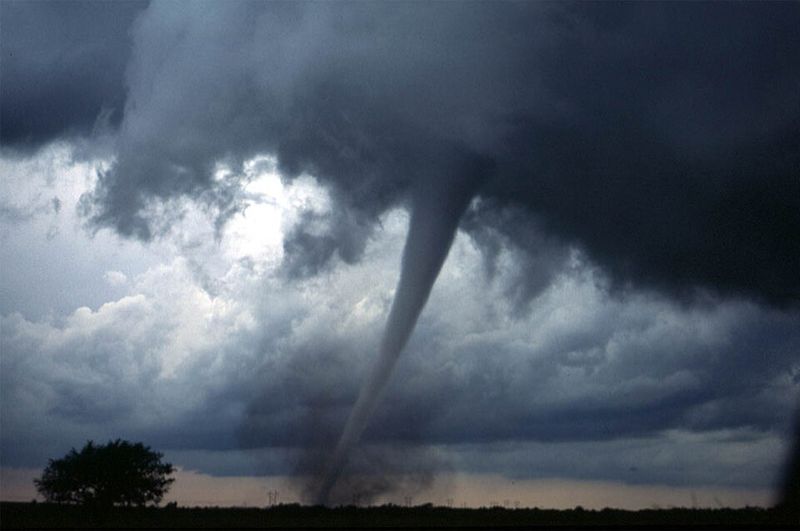
Say the words Tornado Alley, and many people think of Oklahoma first. The state backs up that reputation with an average of 81.9 tornadoes each year.
Oklahoma sits right where the ingredients for supercells meet. Supercells are rotating thunderstorms that can produce large and long-lasting tornadoes.
The Oklahoma City area has a long storm history. In May 2013, an EF5 tornado struck Moore with peak winds estimated around 200 to 210 mph.
Here is a fun fact for weather fans. Norman, Oklahoma, is home to the NOAA Storm Prediction Center and the National Weather Center, so some of the country’s top forecasters work right in the middle of the action.
Spring is peak season. Many Oklahoma schools and homes now include storm shelters or safe rooms, and residents treat severe weather drills as a normal part of life.
3. Mississippi
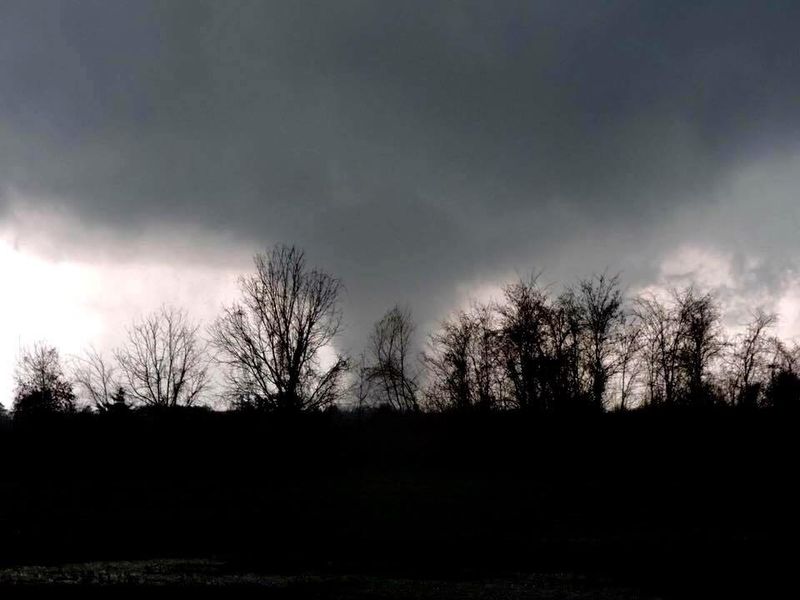
Hardly anyone would guess that Mississippi nearly ties Oklahoma for third place, yet the numbers say so. The state averages 81.6 tornadoes per year, just a hair behind its famous neighbor to the west.
Mississippi sits in a region called Dixie Alley. Here, tornado season does not stick to spring, and storms can also strike in late fall and winter.
Timing makes things tricky. Many Mississippi tornadoes arrive after dark, when people are asleep and the storm is hard to spot.
In March 2023, a violent EF4 tornado tore through Rolling Fork and nearby Delta towns. It became one of the most destructive storms in recent state history.
Smart move for anyone in Dixie Alley: set phone alerts to wake you up at night. A loud warning at 2 a.m. may be annoying, but it buys precious minutes to reach shelter.
4. Illinois
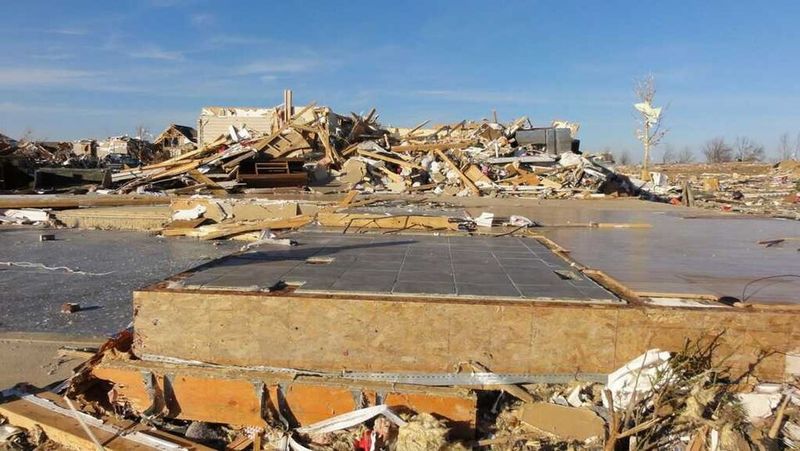
Cornfields stretching to the horizon make Illinois a natural runway for storms. The state averages 74.6 tornadoes per year, enough to land at number four.
Many readers find this surprising. Illinois rarely gets mentioned alongside Kansas or Oklahoma, but its central location puts it right in the path of warm-season thunderstorms.
The flat land helps storms travel without much to slow them down. Tornadoes can form almost anywhere in the state, including the suburbs around Chicago.
A memorable example came in November 2013. A powerful EF4 tornado hit Washington, Illinois, proving that late-autumn storms can pack a serious punch.
Yearly totals bounce around quite a bit here. One season might be quiet while the next is packed with storms, so Illinois residents learn to stay ready every spring and summer, no matter how calm the previous year seemed.
5. Alabama
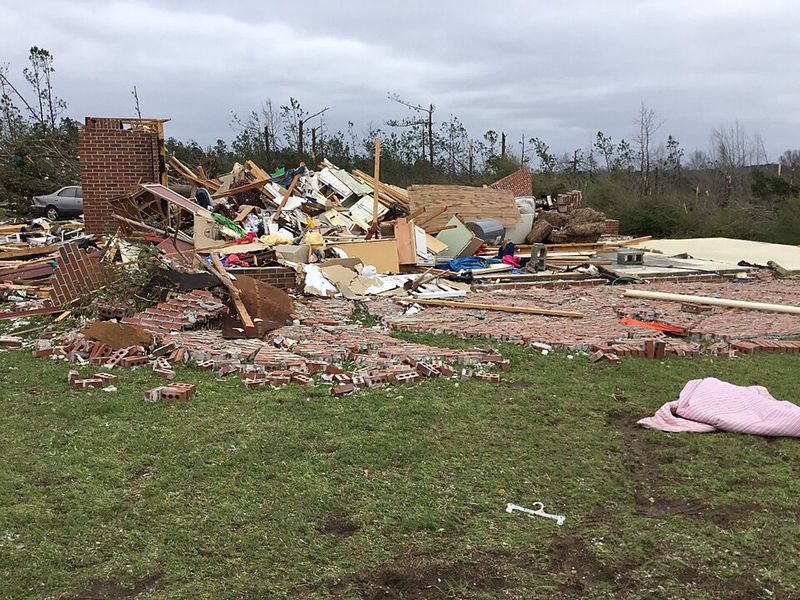
April 27, 2011, is a date many Alabamians will never forget. A huge outbreak sent numerous violent tornadoes across the state in a single day, making it one of the worst outbreaks in U.S. history.
Today, Alabama averages 69 tornadoes per year. That places it fifth in the nation.
Alabama has two storm seasons, not one. Spring brings plenty of activity, and a second round often shows up in late fall and winter.
The landscape adds a challenge. Thick forests and rolling hills block the view, and many tornadoes are wrapped in heavy rain, so people often cannot see them coming.
That is why local meteorologists in cities like Birmingham are practically celebrities. Residents tune in closely during storm days and rely on warnings instead of their eyes.
In Alabama, trusting the radar beats trusting the sky.
6. Iowa
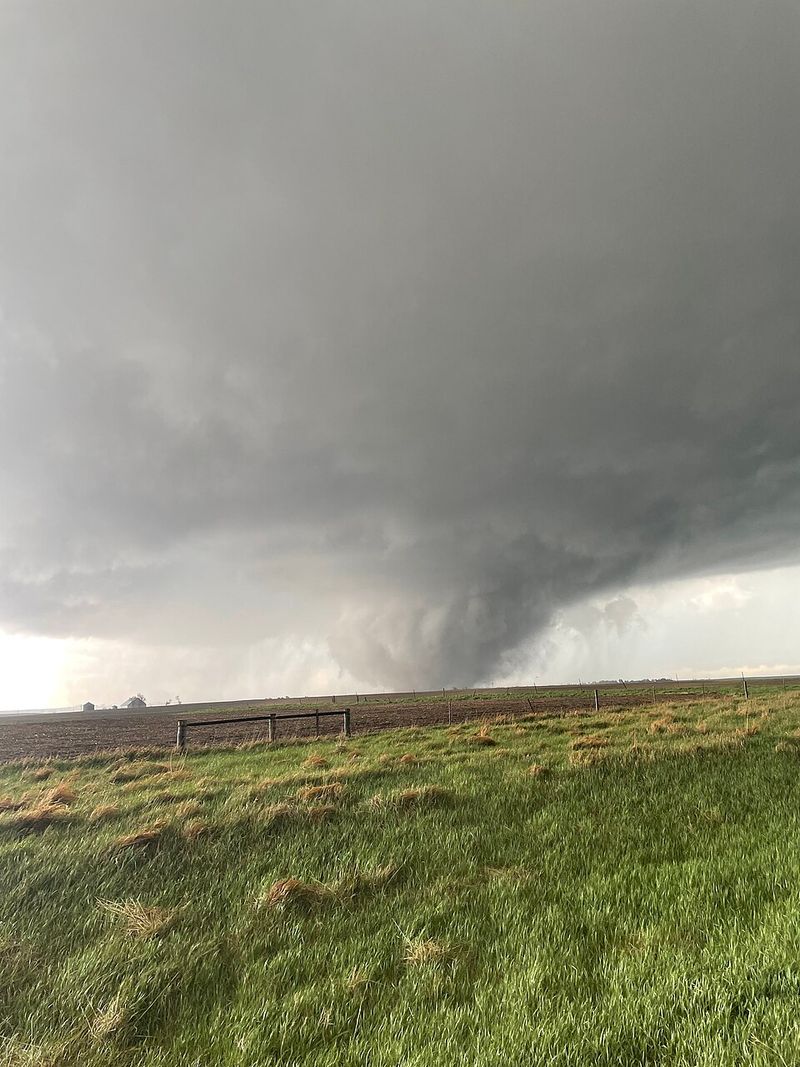
Iowa may be famous for corn and county fairs, but its skies stay busy too. The Hawkeye State averages 63.9 tornadoes per year.
Late spring and summer bring the most action. Warm, humid air drifts north and meets strong winds high in the atmosphere, which helps storms start to spin.
The year 2024 was especially wild. Iowa recorded an unusually high number of tornadoes, including an EF4 that struck the town of Greenfield in May.
That storm even toppled several large wind turbines. It showed how much strength a tornado can carry across open farm country.
Rural living brings its own safety lesson. Farms can be miles from the nearest town siren, so many Iowa families depend on weather radios and phone alerts.
A basement or storm cellar remains the go-to hiding spot when warnings sound.
7. Louisiana
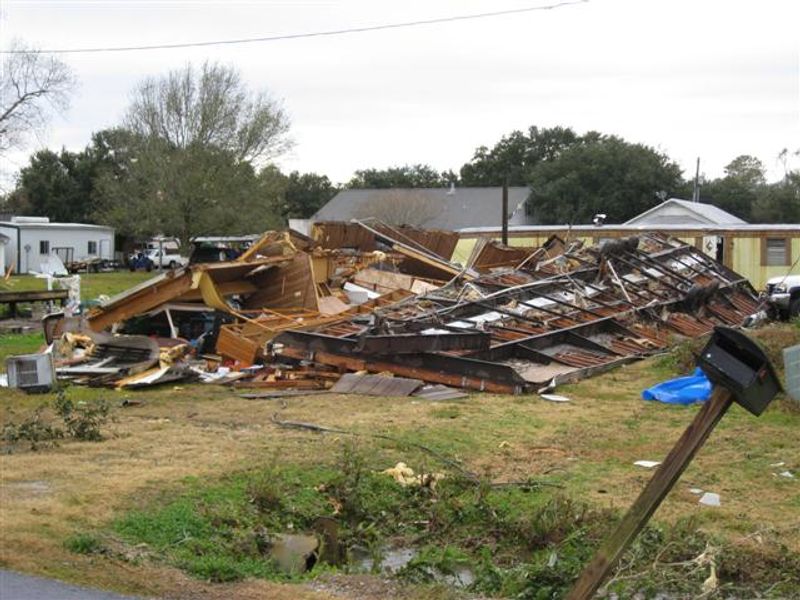
Bayous, jazz, and gumbo get most of the attention, but Louisiana quietly racks up 61.9 tornadoes per year. That lands it at number seven.
The state faces storms from two directions. Spring thunderstorms roll in from the west, and tropical storms and hurricanes push in from the Gulf of Mexico.
Hurricanes often spin up small tornadoes as they move ashore. That means Louisiana’s tornado season can stretch well into late summer and fall.
Warm, moist air sticks around most of the year. Because of that steady supply of fuel, severe storms can form even outside the usual spring months.
The New Orleans area saw a strong EF3 tornado in March 2022. It moved through Arabi and the Lower Ninth Ward.
During hurricane season, Louisiana residents keep an eye on tornado warnings as well as flood and wind alerts.
8. Kansas
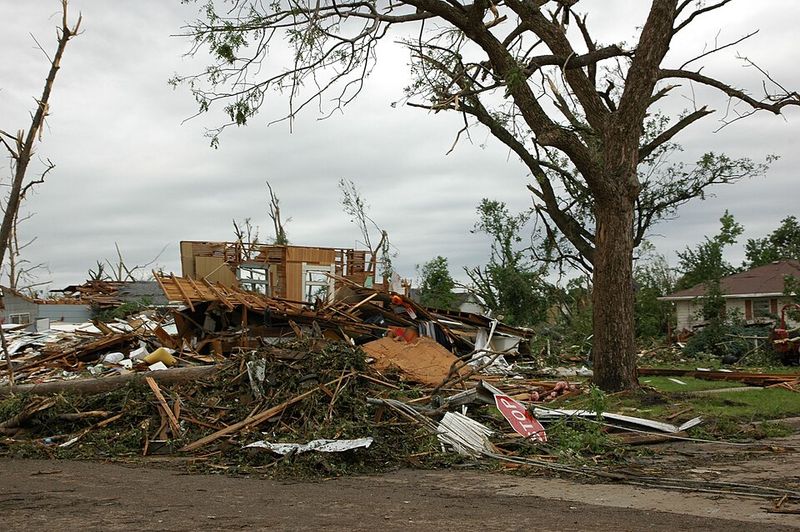
Thanks to Dorothy and her little dog Toto, Kansas might be the most famous tornado state on the planet. In real life, it averages 55 tornadoes per year, good for eighth place.
Those wide, flat plains are classic storm country. Powerful spring thunderstorms form there regularly, especially in May and June.
Kansas holds a notable spot in weather history. In May 2007, a tornado struck Greensburg and became the first storm ever rated EF5 on the new Enhanced Fujita scale.
Greensburg rebuilt in an impressive way. The town chose energy-efficient designs for many new buildings and became a model for green rebuilding.
Kansas sits lower in this ranking than some people expect. Over the last decade, southern and Midwestern states recorded more tornadoes, but Kansas remains a favorite stop for storm chasers every spring.
9. Florida
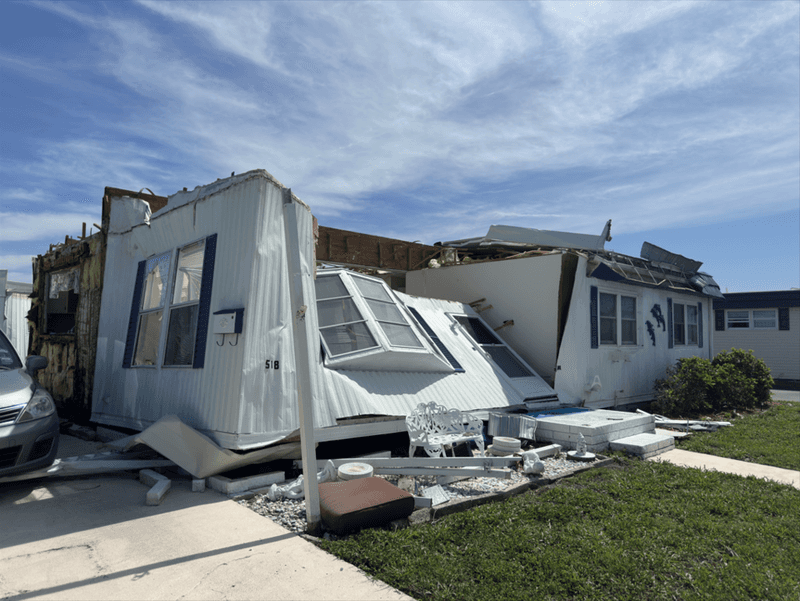
Sunscreen and storm shelters both belong on a Florida checklist. The Sunshine State averages 52.7 tornadoes per year, which surprises plenty of visitors.
Most of those tornadoes are on the weaker side. Many last only a few minutes and travel short distances.
Florida gets frequent thunderstorms, especially on summer afternoons. Tropical storms and hurricanes add even more chances for tornadoes during hurricane season.
Here is a quirky Florida feature: waterspouts. These spinning columns form over water, and the Florida Keys see more of them than almost anywhere else in the world.
Sometimes a waterspout drifts onshore and becomes a tornado. Beachgoers who notice a funnel over the ocean should head indoors rather than grab a phone for photos.
Mobile homes are common in parts of the state, so local officials encourage residents to know the nearest sturdy building before storms arrive.
10. Missouri
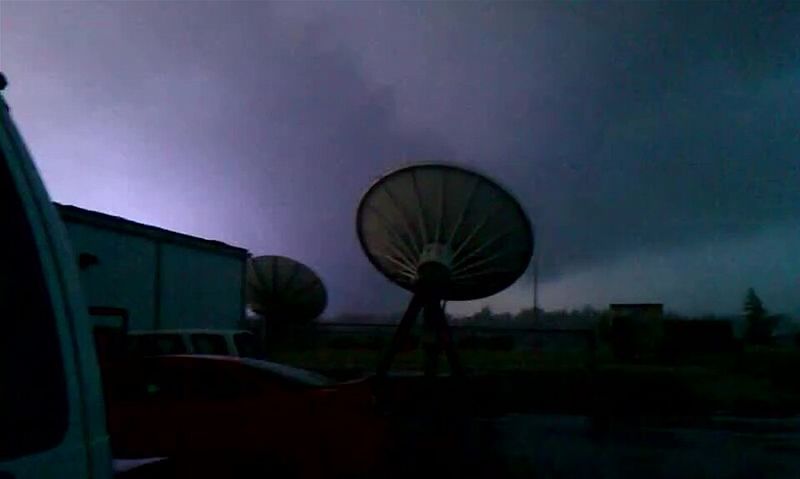
Sitting at a weather crossroads gives Missouri a steady share of storms. The Show-Me State averages 49.8 tornadoes per year.
Missouri lies between the Great Plains and the Mississippi Valley. Because of that position, it gets storms fed by several different weather patterns.
Spring and early summer are the busiest stretch. Afternoon and evening storms are common, though nighttime tornadoes happen too.
The city of Joplin experienced a historic EF5 tornado on May 22, 2011. It remains one of the most destructive tornadoes in modern American history.
Joplin’s story changed how warnings work. Researchers studied how people responded to sirens that day, and the findings helped improve warning messages nationwide.
The big lesson is simple. Tornado danger depends on more than how often storms occur, so even an average year deserves full attention.
11. Georgia
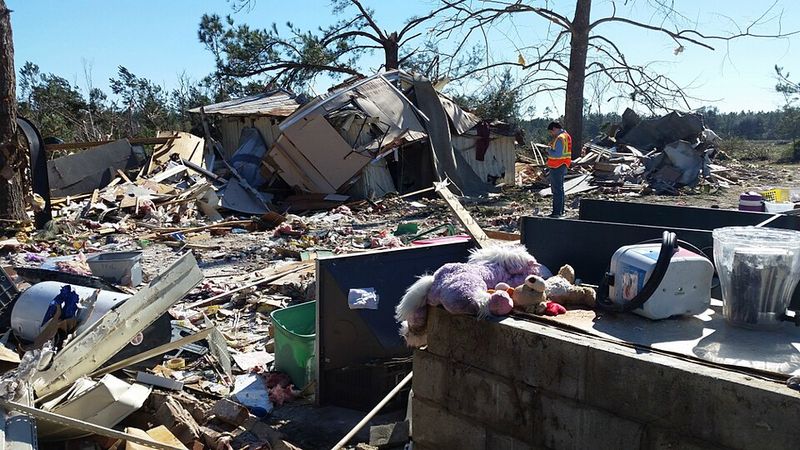
Peaches and pine trees are Georgia trademarks, and tornadoes are an unexpected third. The state averages 48.5 tornadoes per year, which puts it at number eleven.
Most activity hits the northern and western parts of the state. Big spring storm systems moving across the Southeast often bring outbreaks there.
Georgia also gets tornadoes from tropical weather. Storms and hurricanes moving inland from the Atlantic or the Gulf can spin up quick tornadoes far from the coast.
Put those patterns together and Georgia lands close to 50 tornadoes in a typical year. That is a lot for a state not usually linked with twisters.
Metro Atlanta has seen its share too, including a tornado that hit downtown in March 2008. Busy city life does not make anyone immune, so office workers and students benefit from knowing their building’s shelter spot.
12. Minnesota
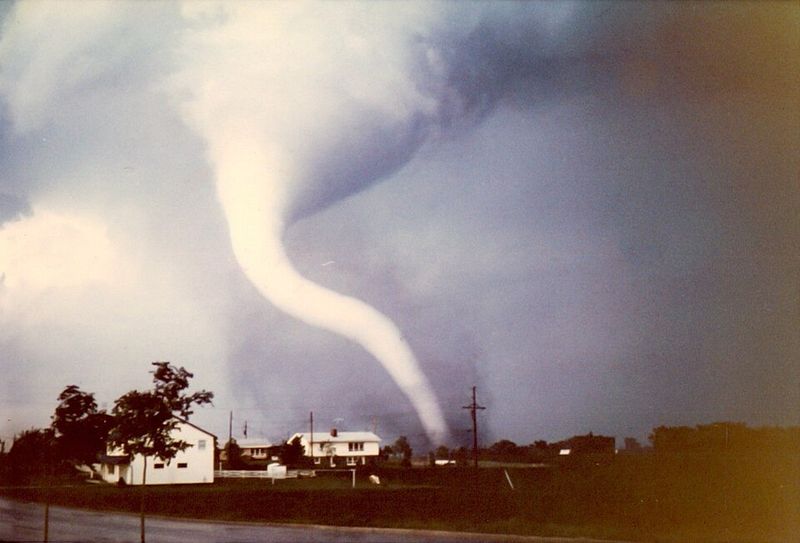
Snowmobiles and ice fishing might seem like Minnesota’s main weather story. Summer tells a different tale, with the state averaging 48.3 tornadoes per year.
Tornado season here is short but busy. It usually ramps up in late spring and peaks during June and July, when warm, humid air finally reaches the north.
June 17, 2010, set a record. Minnesota saw 48 tornadoes that single day, the most ever recorded in the state on one date.
Fun fact: Minnesota’s location in the northern Plains lets storms grow quickly once summer heat builds. That is why a calm lake morning can turn into a stormy evening.
Summer cabins and campgrounds draw crowds across the state. Campers should check the forecast before heading out and learn where the nearest solid building is.
A tent offers zero protection from severe winds.
13. Nebraska
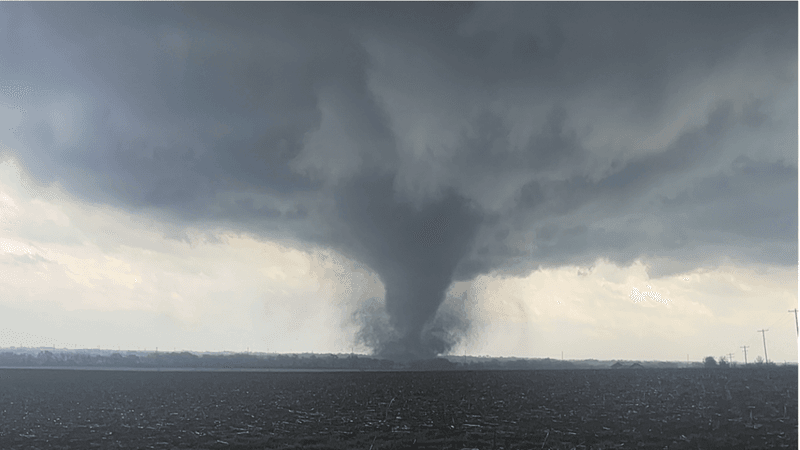
Open skies and endless grassland make Nebraska a dream destination for storm researchers. The Cornhusker State averages 43.9 tornadoes per year.
Nebraska sits firmly in traditional Tornado Alley. Its season peaks in late spring and early summer, when warm air, moisture, and wind shear come together.
April 2024 brought a wild stretch of storms. Strong tornadoes struck areas around Omaha and towns farther west, damaging hundreds of homes.
The flat, wide views help science. Research teams often set up radar trucks on Nebraska back roads to study exactly how tornadoes form.
Their work has helped forecasters issue better warnings. Some of what scientists know about tornado formation came from field projects across the Great Plains.
For residents, the best tools are basic: a charged phone, a weather radio, and a basement plan.
14. Colorado
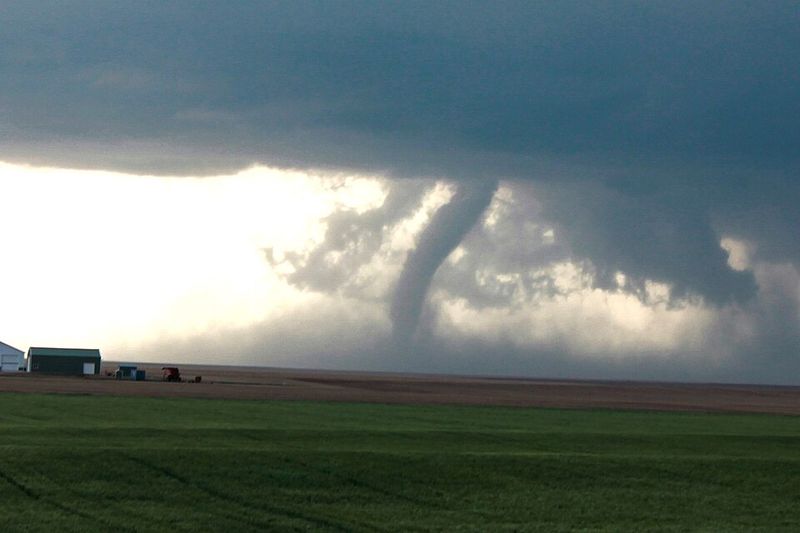
Ski slopes grab the spotlight, but Colorado’s flat eastern half has a stormy side. The Centennial State averages 40.2 tornadoes per year.
Most of those tornadoes form east of the Rocky Mountains. As storms move off the high terrain, they meet moisture and shifting winds on the plains.
Weld County, northeast of Denver, is a hot spot. It ranks among the most tornado-active counties in the country.
Colorado’s tornadoes are usually weaker than the strongest storms in Oklahoma or Texas. Many are brief landspouts, which form differently than tornadoes from rotating supercells.
Still, they can cause damage, and some areas near Denver sit close enough to watch them form. Travelers driving along Interstate 76 or 70 in summer should keep weather alerts switched on, since afternoon storms build quickly over the plains.
15. Arkansas
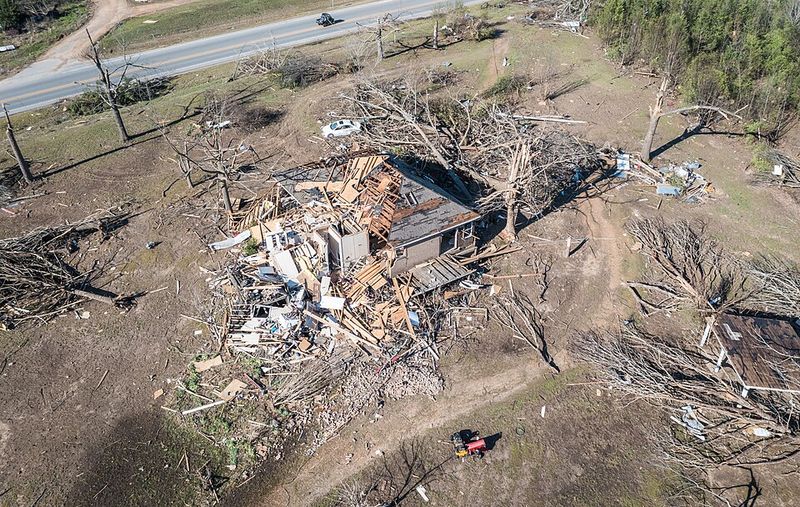
Rounding out the list is a state caught right between two storm zones. Arkansas averages 37.1 tornadoes per year, which earns it the fifteenth spot.
The Natural State sits where the Great Plains meet the humid Southeast. That mix brings spring storms and occasional outbreaks in fall and winter too.
On March 31, 2023, an EF3 tornado moved through the Little Rock area. It was part of a large outbreak that hit several states that day.
Arkansas terrain adds a twist. Dense forests and the hilly Ozarks can hide an approaching tornado, so looking out the window is not a reliable plan.
Warnings matter most here. Residents are encouraged to have more than one way to get alerts, such as a phone app plus a weather radio.
When the sky gives no clear view, the alert has to do the job.
Share this story