Some books do more than entertain. They shift how people think, vote, worship, and treat one another.
This list looks at fifteen writers whose work left a lasting mark on history, science, politics, and culture. Each one shows how powerful a pen can be.
1. William Shakespeare
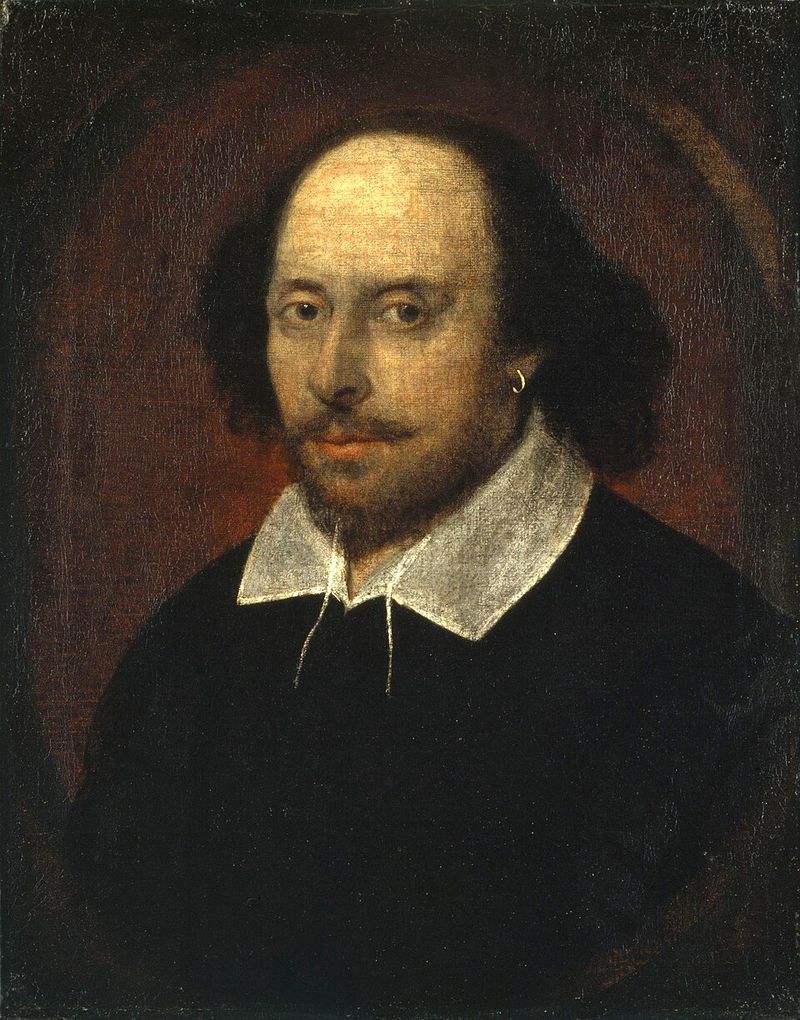
Few writers have given everyday speech as many new phrases as Shakespeare. Words like lonely, bedroom, and eyeball appear in print in his work, and expressions such as break the ice still sit on our tongues today.
Working in London around 1600, he wrote about 37 plays and more than 150 sonnets. His stories covered love, jealousy, ambition, and grief, which are feelings people still know well.
That is a big reason his plays keep being performed in many languages.
His influence reaches far beyond the stage. Modern films, novels, and songs borrow his plots and character types, from star-crossed lovers to troubled rulers.
Teachers around the globe still use Hamlet and Romeo and Juliet to help students explore human nature, which keeps his words alive for each new generation of readers and audiences.
2. Karl Marx
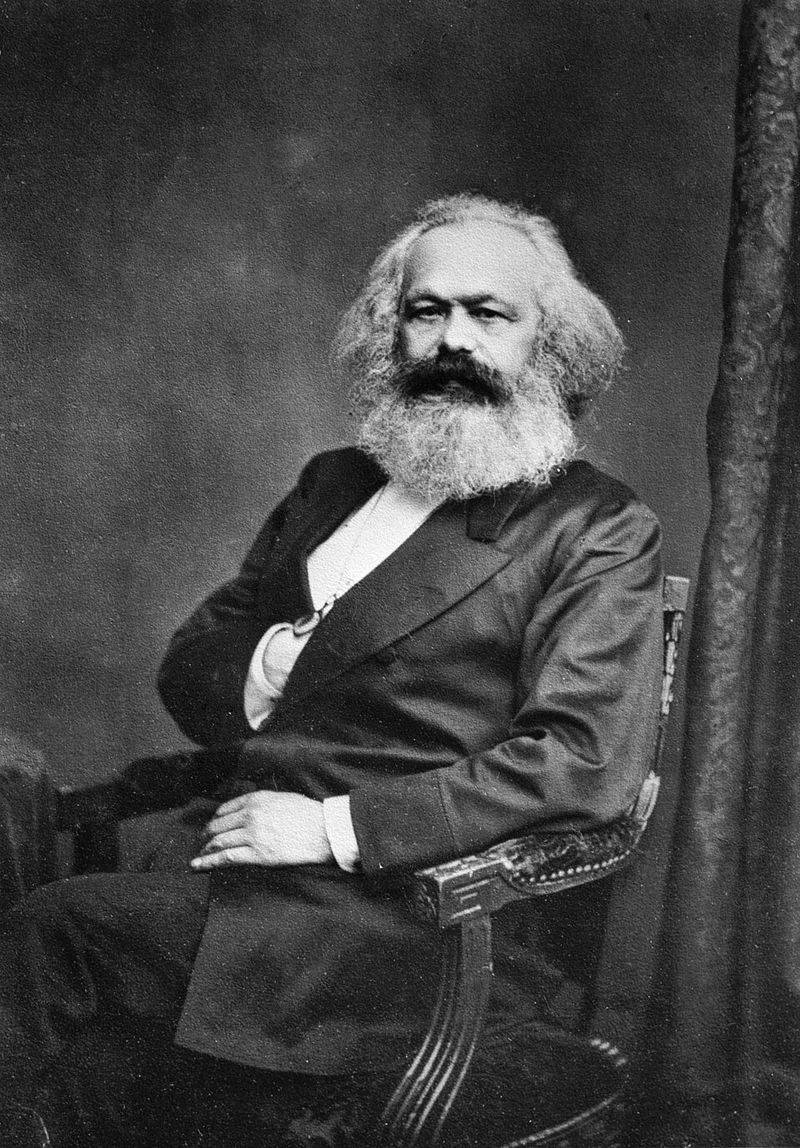
Picture a man spending long days in the British Museum Reading Room, filling notebooks with ideas about money and power. That was Karl Marx, a German thinker who lived much of his life in London.
In 1848, he and Friedrich Engels published The Communist Manifesto, a short pamphlet arguing that history is shaped by struggles between social classes. Later, his large work Das Kapital examined how factories, wages, and profit worked in an industrial economy.
His ideas were debated fiercely and still are. Some political movements and governments in the twentieth century claimed to follow his teachings, while critics pointed to the results as warnings.
Whatever people think of his conclusions, his writing changed how economists, historians, and activists talk about work, wealth, and fairness.
3. Charles Darwin
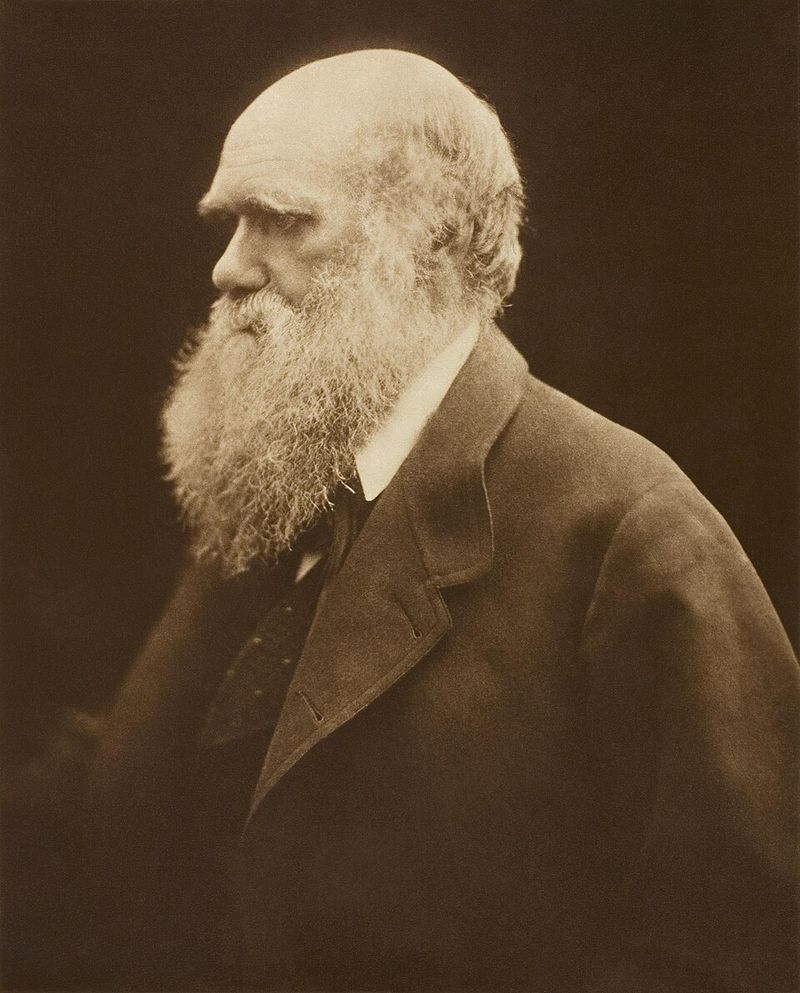
Sailing on the HMS Beagle in the 1830s, a young Darwin collected beetles, birds, and fossils from around the world. He did not rush to share what they taught him.
He spent more than twenty years studying and testing his ideas first.
In 1859, he published On the Origin of Species. The book explained that living things change over many generations through natural selection, as those best suited to their surroundings tend to survive and reproduce.
The idea shook many beliefs of the time, and debate over it continued for years. Over time, evidence from fossils and later from genetics strongly supported his central argument.
Today, evolution is the foundation of modern biology, guiding research in medicine, farming, and conservation across the world.
4. Mary Wollstonecraft
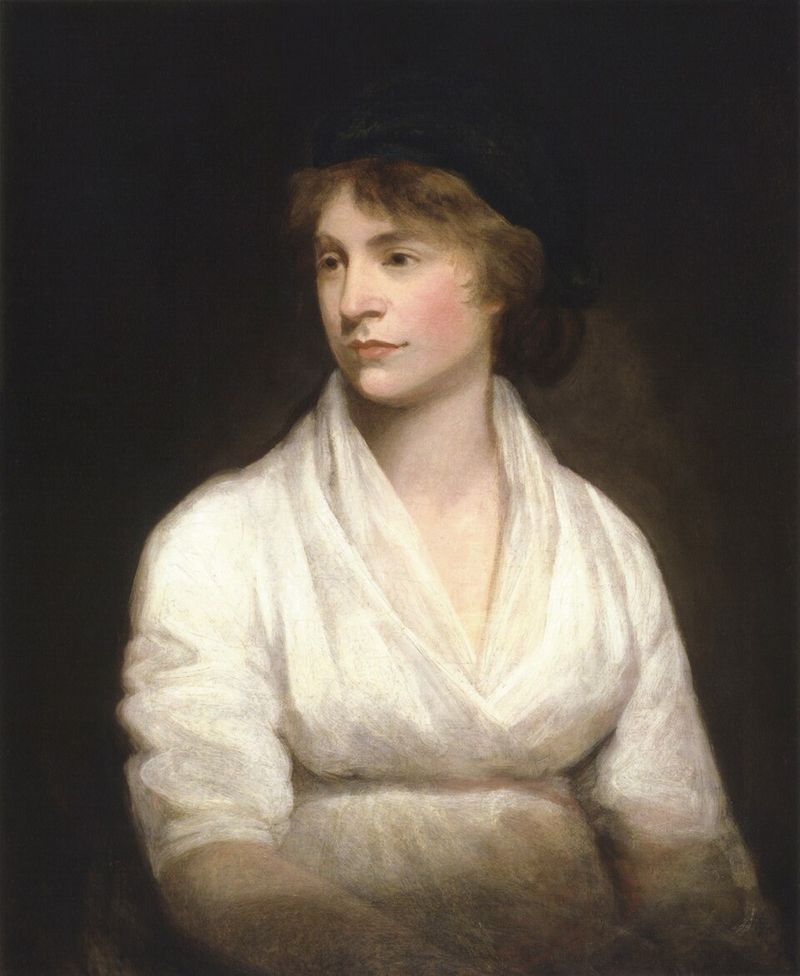
In 1792, a bold idea appeared in print: girls deserve the same education as boys. Mary Wollstonecraft made that case in A Vindication of the Rights of Woman, written in just a few weeks.
She argued that women were not naturally less capable than men. Instead, she said, society held them back by limiting their schooling and treating them as decoration.
Reason, she believed, should guide both sexes.
Her views drew sharp criticism in her own time, and her personal life was often judged harshly. Still, her book became a cornerstone of feminist thought.
Later campaigners for women’s voting rights, education, and legal equality looked to her work as an early and powerful voice. Her daughter, Mary Shelley, went on to write Frankenstein.
5. Martin Luther
According to tradition, a German monk named Martin Luther nailed a list of arguments to a church door in Wittenberg in 1517. Whether or not he used a hammer, his Ninety-Five Theses spread quickly.
The document questioned the sale of indulgences, which were payments people made hoping to reduce punishment for sins. Thanks to the printing press, copies traveled across Europe within weeks.
Luther later translated the Bible into German so ordinary people could read it themselves. That choice boosted literacy and helped shape the German language.
His writings sparked the Protestant Reformation, which split Western Christianity into new branches and changed politics, education, and daily life across Europe for centuries afterward.
6. Harriet Beecher Stowe
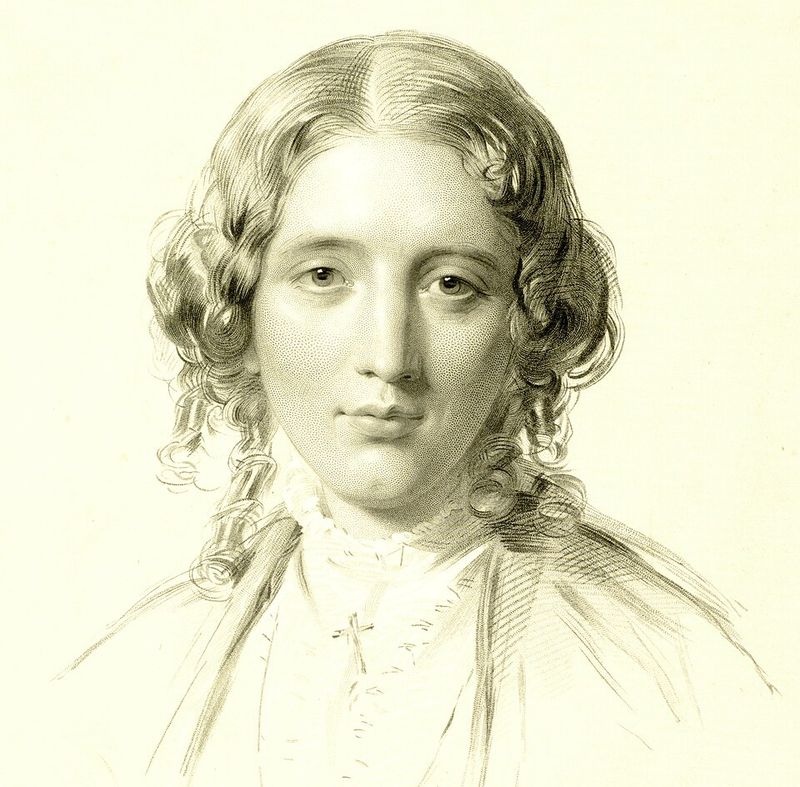
When Abraham Lincoln supposedly met her, he is said to have greeted her as the little woman who started a big war. The story may be exaggerated, but it shows how widely her book was felt.
Harriet Beecher Stowe published Uncle Tom’s Cabin in 1852. The novel followed enslaved characters and showed families torn apart, giving readers in the North a human view of slavery’s cruelty.
It became one of the best-selling books of the century and stirred strong feelings on both sides of the debate. Southern writers answered with angry rebuttals.
Today, the book is also criticized for stereotypes in its portrayals. Even so, historians agree it played a major role in turning public opinion against slavery in the years before the Civil War.
7. Thomas Paine
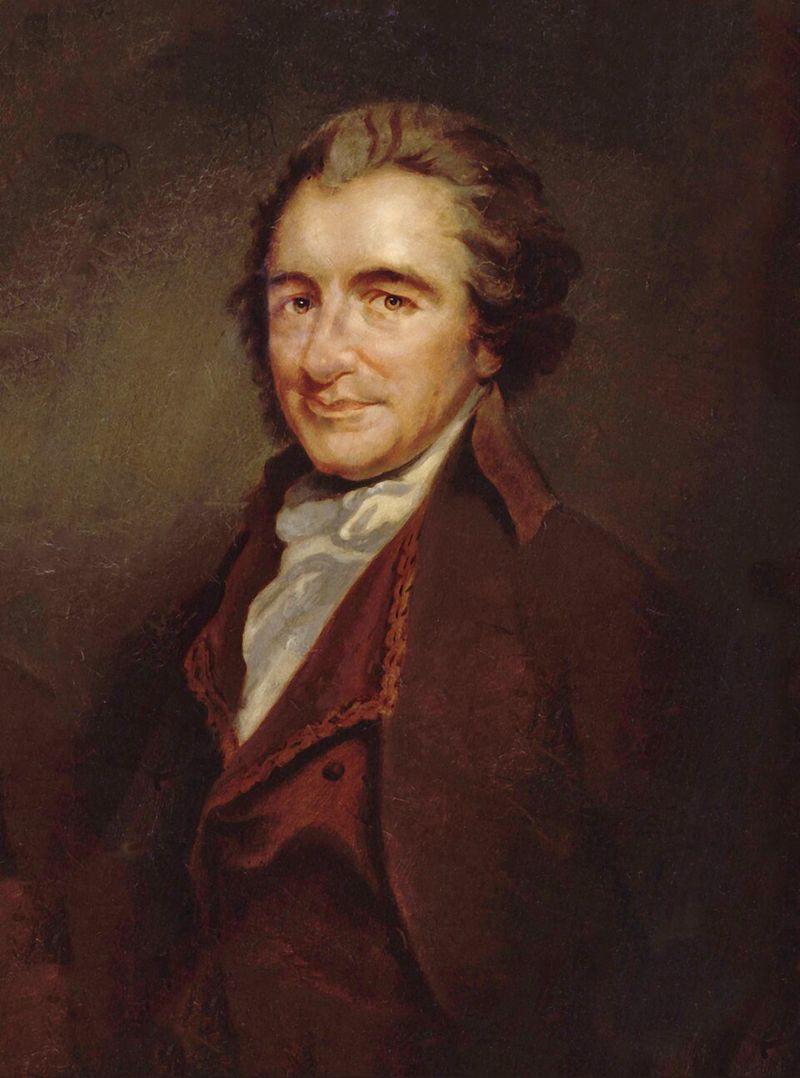
“These are the times that try men’s souls.” Thomas Paine wrote that line during the dark winter of 1776, and George Washington had it read aloud to his troops.
Earlier that year, Paine had published Common Sense, a pamphlet that argued the American colonies should break away from Britain. He wrote in plain language, avoiding fancy terms so farmers and shopkeepers could follow his points.
It sold hundreds of thousands of copies, a huge number for the time. Many historians believe it helped move colonists from hoping for a deal with the Crown toward supporting independence.
Paine later backed revolutionary ideas in France as well, and his talent for clear, direct writing still serves as a model for persuasive speech.
8. Jean-Jacques Rousseau
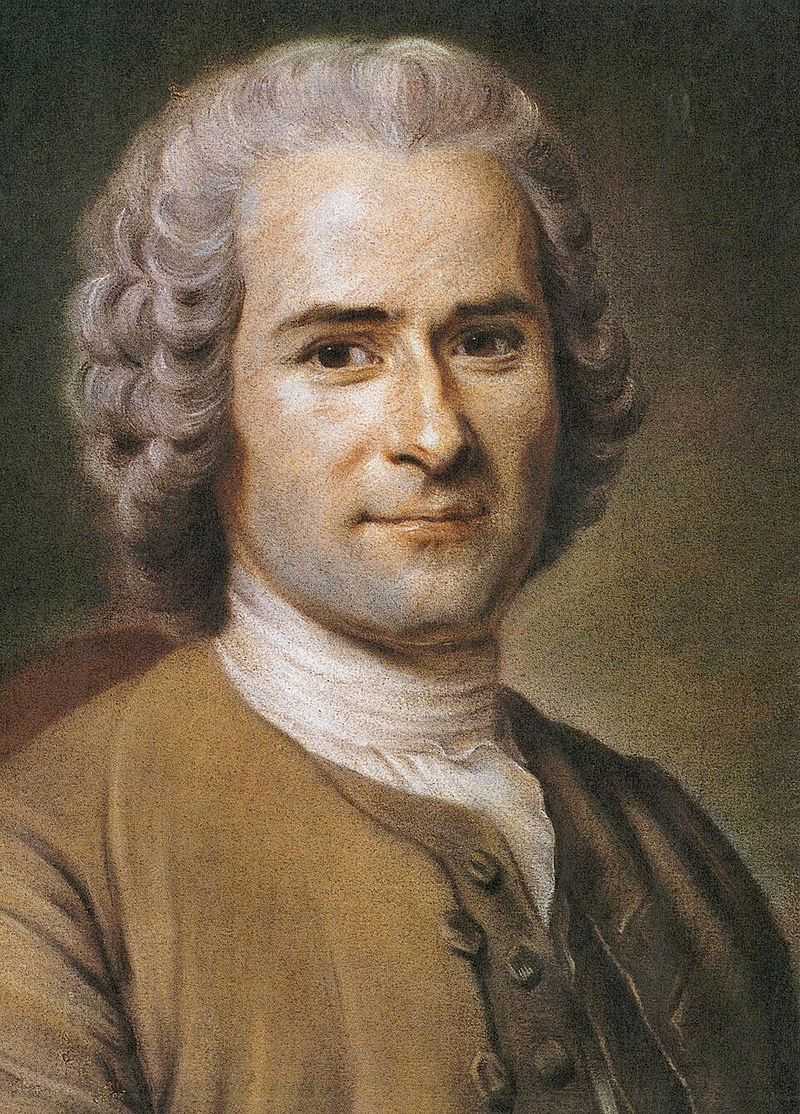
Opening line, big claim: “Man is born free, and everywhere he is in chains.” Rousseau began The Social Contract with those words in 1762, and readers have argued over them ever since.
Born in Geneva, he asked what makes a government legitimate. His answer was that power should come from the agreement of the people, guided by what he called the general will, rather than from kings or birthright.
The book was banned in places, yet it spread widely. Leaders of the French Revolution drew on its language of popular sovereignty.
Scholars still debate what he meant, and some worry his ideas could be misused. Still, his thinking helped shape modern democratic and republican ideas about citizens and the state.
9. John Locke
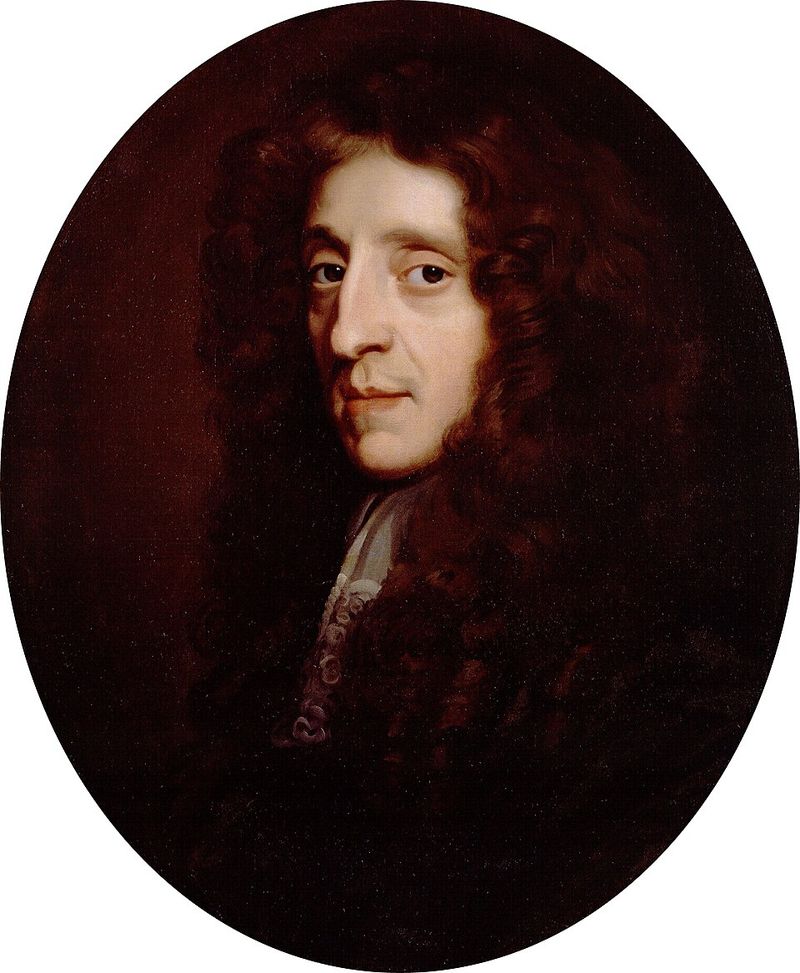
Long before modern constitutions, an English physician and thinker proposed that people hold rights simply by being human. John Locke argued this in his Two Treatises of Government, published in 1689.
He wrote that life, liberty, and property belong to individuals, and that governments exist to protect them. If rulers fail to do so, he said, people may have the right to replace them.
Those ideas traveled across the Atlantic. Thomas Jefferson’s phrasing in the Declaration of Independence echoes Locke’s thinking, and many writers of constitutions cited him.
His work also fed into debates about religious tolerance and limited government. Few political thinkers have shaped the foundations of liberal democracy as deeply as he did.
10. Rachel Carson
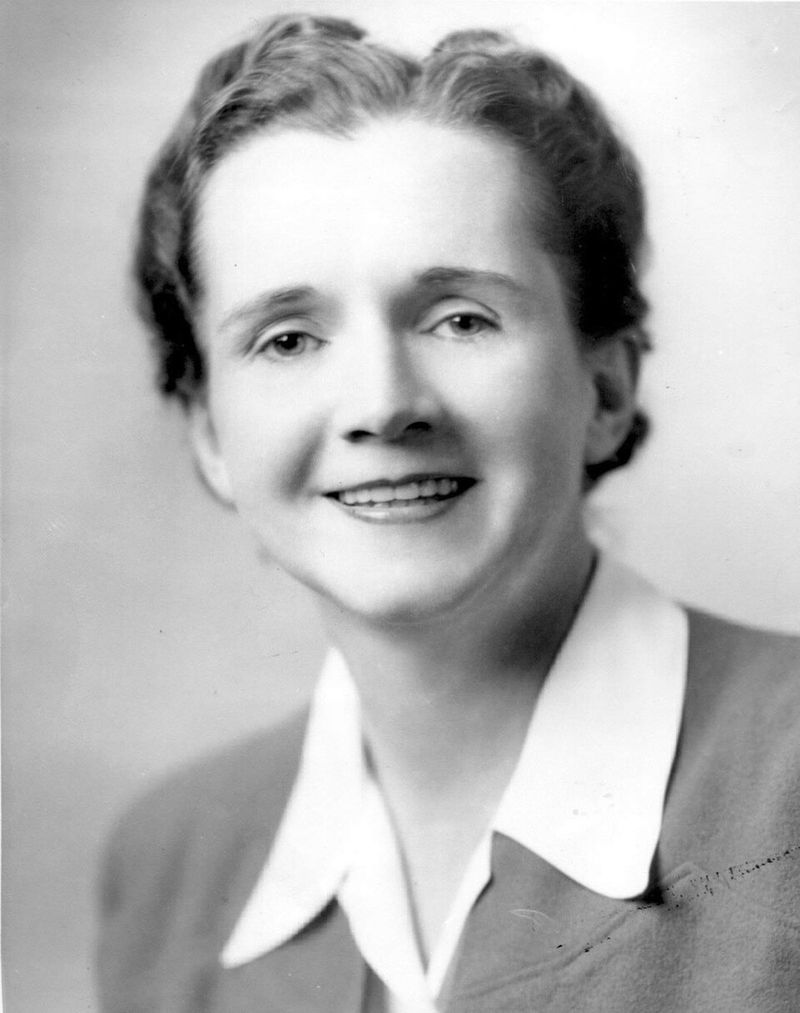
A marine biologist who loved the ocean wrote a book that changed how Americans viewed pesticides. Rachel Carson published Silent Spring in 1962 after studying how chemicals like DDT moved through nature.
The title pictured a spring without birdsong, a warning that poisons sprayed on crops could harm wildlife and people. Her research was careful, but chemical companies attacked her work and her reputation.
Public concern grew anyway, and a presidential committee reviewed her claims. Within a decade, the United States created the Environmental Protection Agency and banned DDT for most uses.
Carson died in 1964, but many credit her with inspiring the modern environmental movement and with showing how science writing can reach ordinary readers.
11. George Orwell
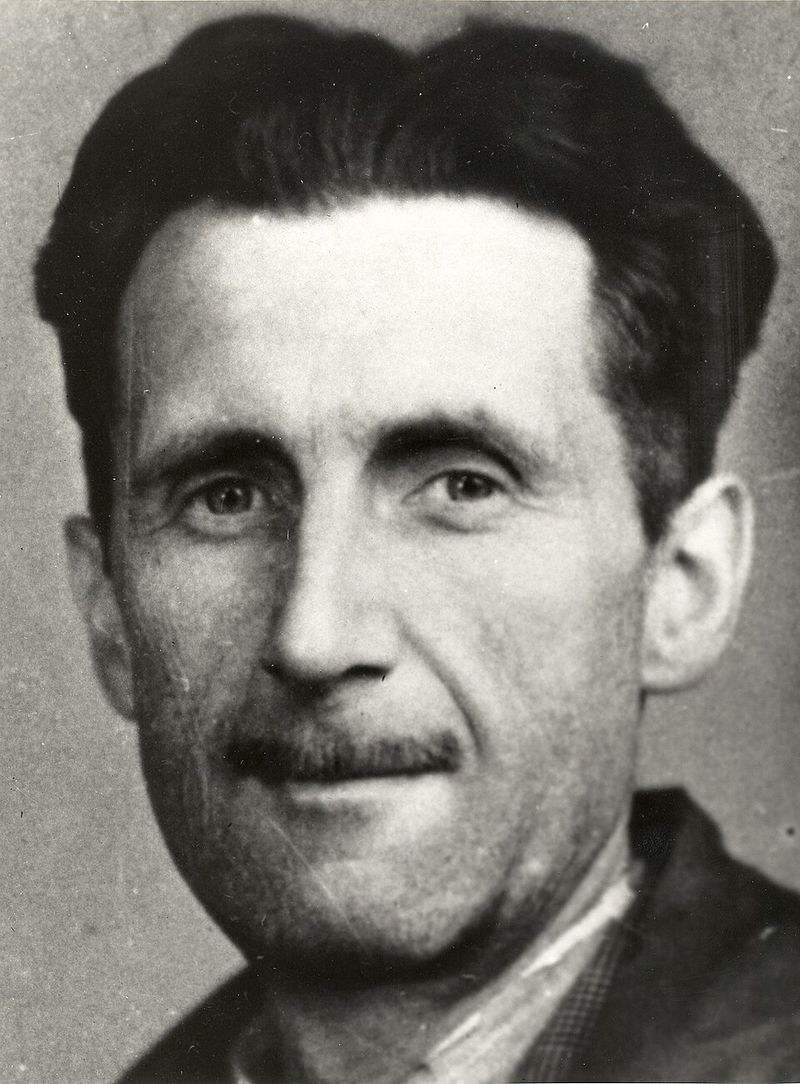
Big Brother is watching you. Few phrases from fiction have slipped so deeply into daily conversation as that one from Nineteen Eighty-Four, published in 1949.
George Orwell, born Eric Blair, had seen war in Spain and the rise of dictators in Europe. In Animal Farm, he used a barnyard rebellion to show how revolutions can turn into new tyrannies.
His later novel imagined a world of constant surveillance and twisted language.
Terms like doublethink, thought police, and Orwellian now help people describe real attempts to control truth. Readers continue to turn to his books whenever debates arise about privacy, propaganda, or misleading speech.
His plain, sharp style also made him a model for clear writing.
12. Simone de Beauvoir
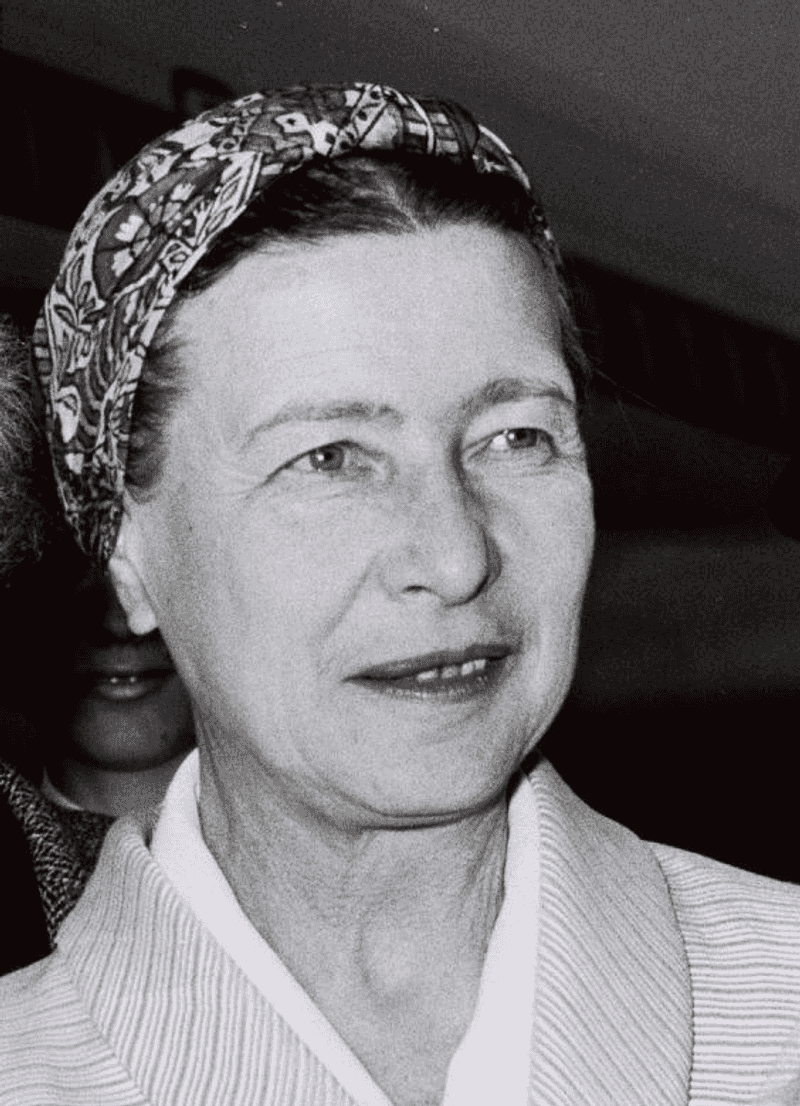
“One is not born, but rather becomes, a woman.” That sentence from The Second Sex, published in 1949, set off one of the most lasting conversations in modern thought.
Simone de Beauvoir was a French philosopher who spent years studying how history, myths, and customs shaped women’s roles. She argued that many ideas about femininity were taught by society rather than fixed by nature.
The book shocked many readers and was condemned by religious authorities, yet it sold widely. In later decades, it became a key text for the feminist movement of the 1960s and 70s.
Scholars still study and debate it, and its questions about freedom and identity remain part of classrooms around the world.
13. Adam Smith
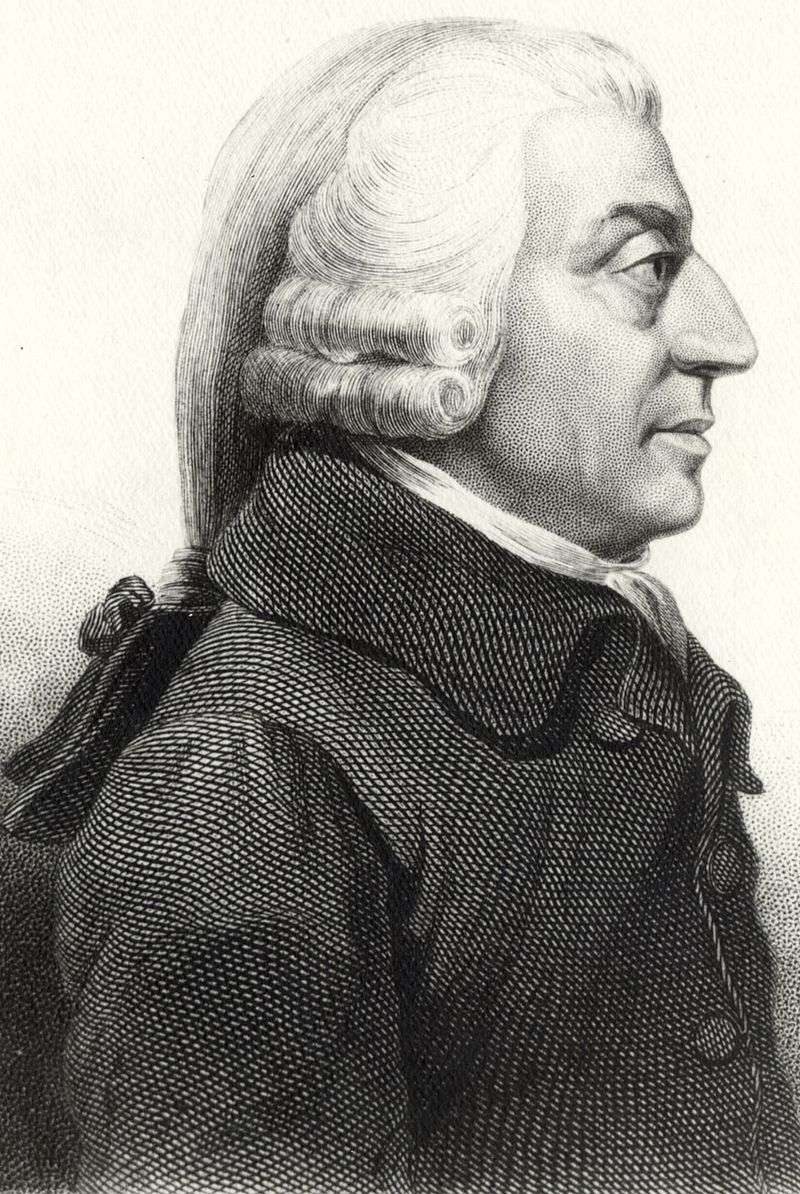
Ever heard of the invisible hand? Scottish thinker Adam Smith used the phrase in The Wealth of Nations, published in 1776, to describe how people pursuing their own interests can end up helping the wider economy.
He studied how pin factories divided up tasks so workers could make far more pins together than alone. That example showed how specialization raises output, and it became one of the most famous ideas in economics.
Smith also argued for freer trade and warned against rules that protected favored businesses. Yet he was no simple cheerleader of greed, and he cared about wages and fairness too.
His book laid the groundwork for modern economics, and policy makers still cite it today.
14. Frederick Douglass
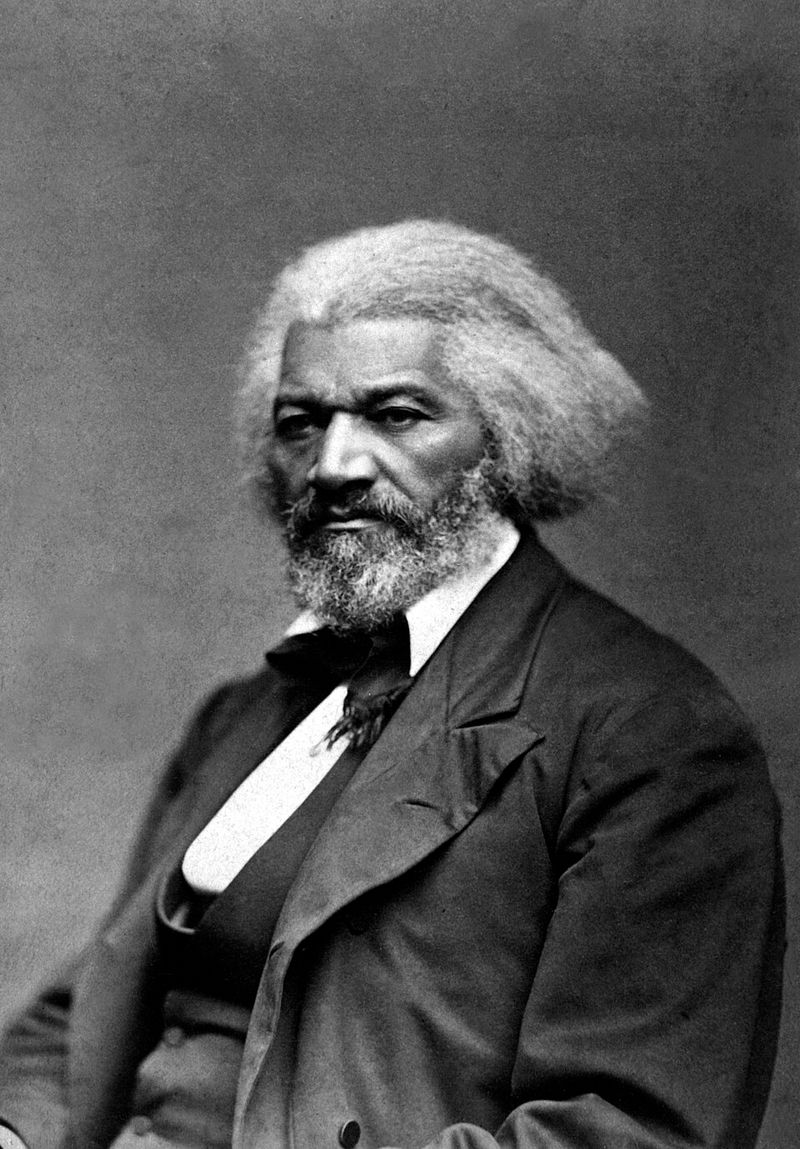
Born into slavery in Maryland, Frederick Douglass taught himself to read despite the risks. That skill became his path to freedom and, later, a powerful tool against the system that held him.
After escaping in 1838, he published Narrative of the Life of Frederick Douglass in 1845. The book gave a firsthand account of beatings, family separation, and the lies used to defend slavery.
Some doubted that a former slave could write so well, which only made the book more striking.
He revised his story in later autobiographies and became a leading speaker, editor, and adviser to President Lincoln. His writing gave abolitionists strong evidence and a human voice, and it still ranks among the most important American memoirs.
15. W. E. B. Du Bois
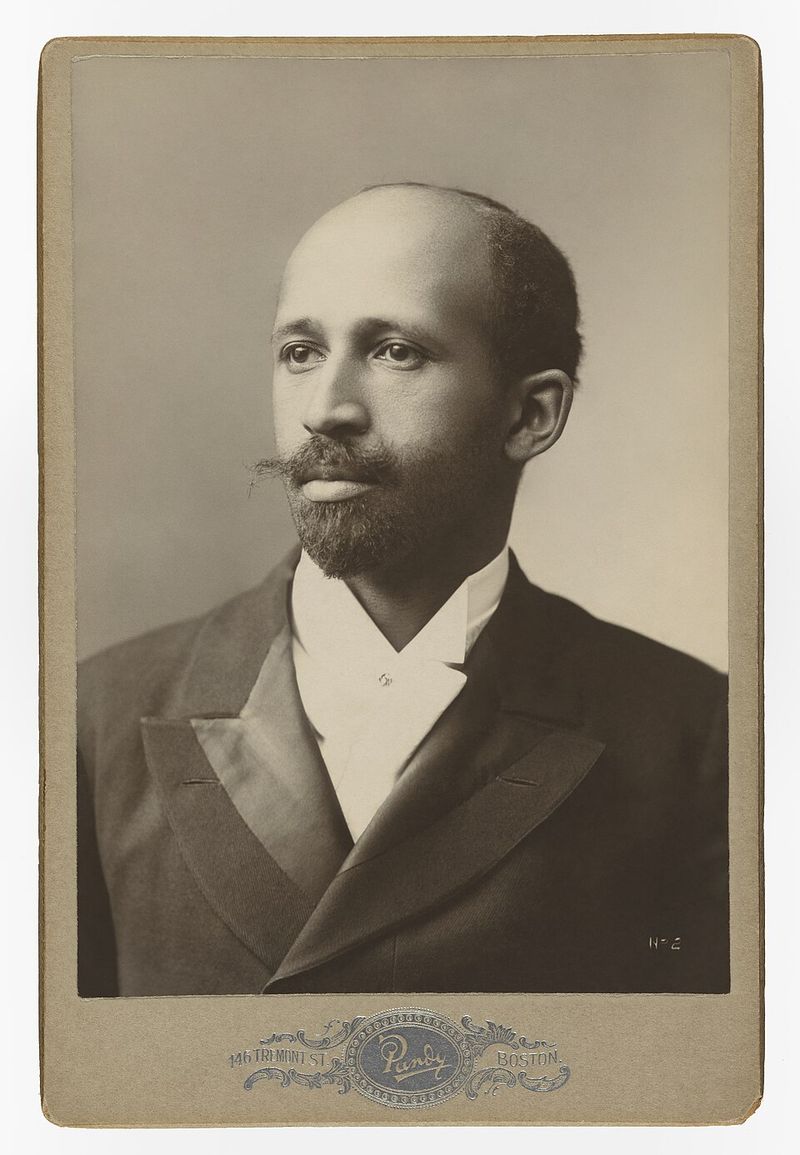
In 1903, a Harvard-trained scholar opened a book with a bold statement: the problem of the twentieth century is the problem of the color line. That scholar was W.
E. B.
Du Bois, and the book was The Souls of Black Folk.
Mixing essays, history, and personal stories, he described life for Black Americans after Reconstruction. He also introduced the idea of double consciousness, the feeling of seeing oneself through both one’s own eyes and the eyes of a prejudiced society.
Du Bois later helped found the NAACP and kept writing for decades. His work challenged the belief that Black Americans should simply accept limited rights, and it inspired generations of civil rights leaders.
Today, the book remains a central text in discussions of race and equality.
Share this story