A giant freight elevator lifts you through the floors of an old flour mill, pausing at scenes from its working days. Then the doors open onto a rooftop deck above the Mississippi River.
I can’t imagine a better way to learn where the flour in your pantry came from.
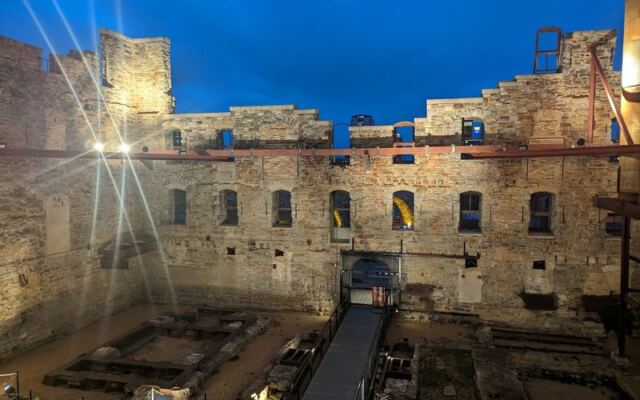
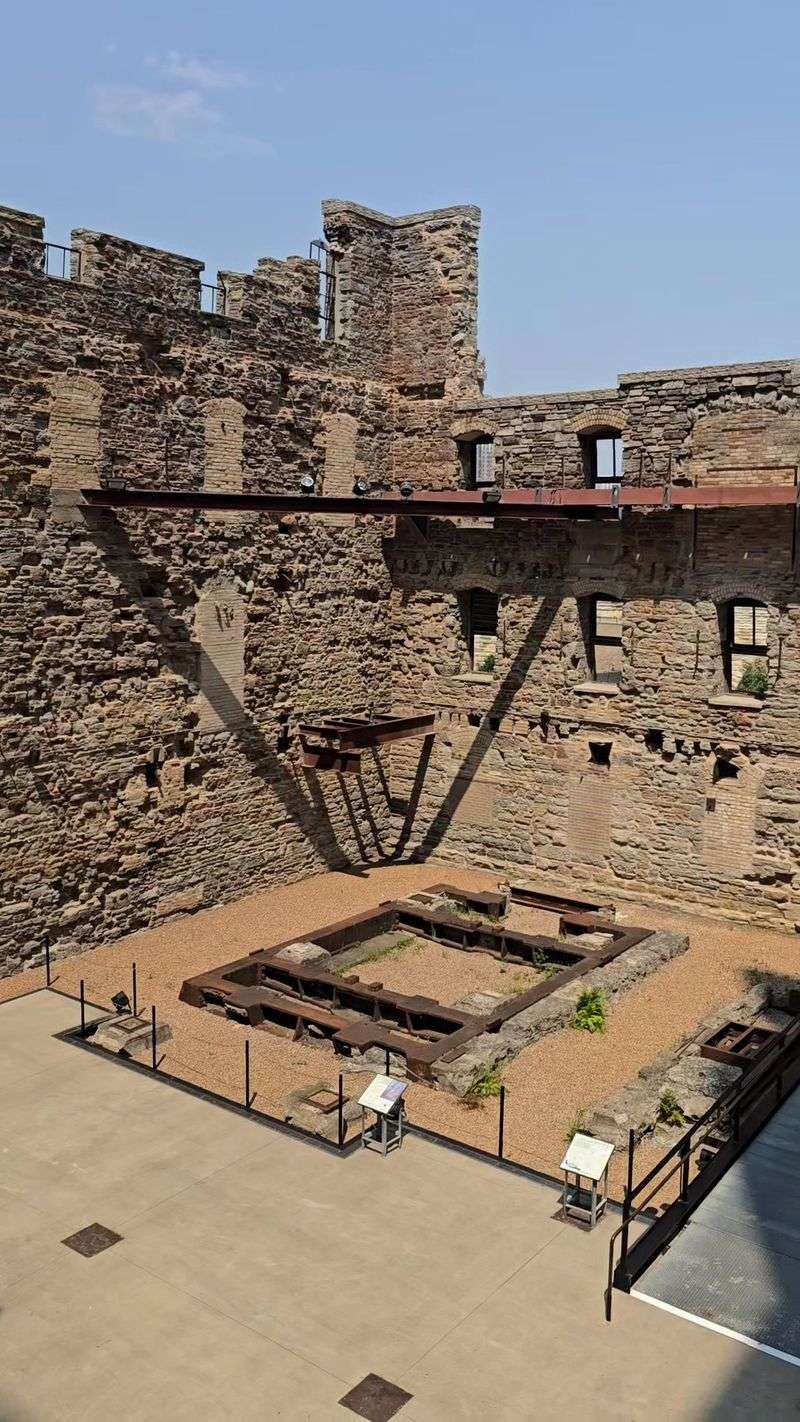
The building itself tells half the story. A fire gutted the old mill decades ago, and a modern museum now stands inside the surviving stone walls.
I like how the ruins stay visible instead of being hidden away.
Minnesota has plenty of history museums, but few let you ride the story vertically. The voices of real mill workers play along the way.
Hands-on exhibits wait downstairs for curious kids and grown-ups alike.
So how did one riverside mill help an entire city earn a flour-dusted nickname? The answer is surprisingly fun to explore.
A Riverside Museum Built Right Into Old Mill Walls
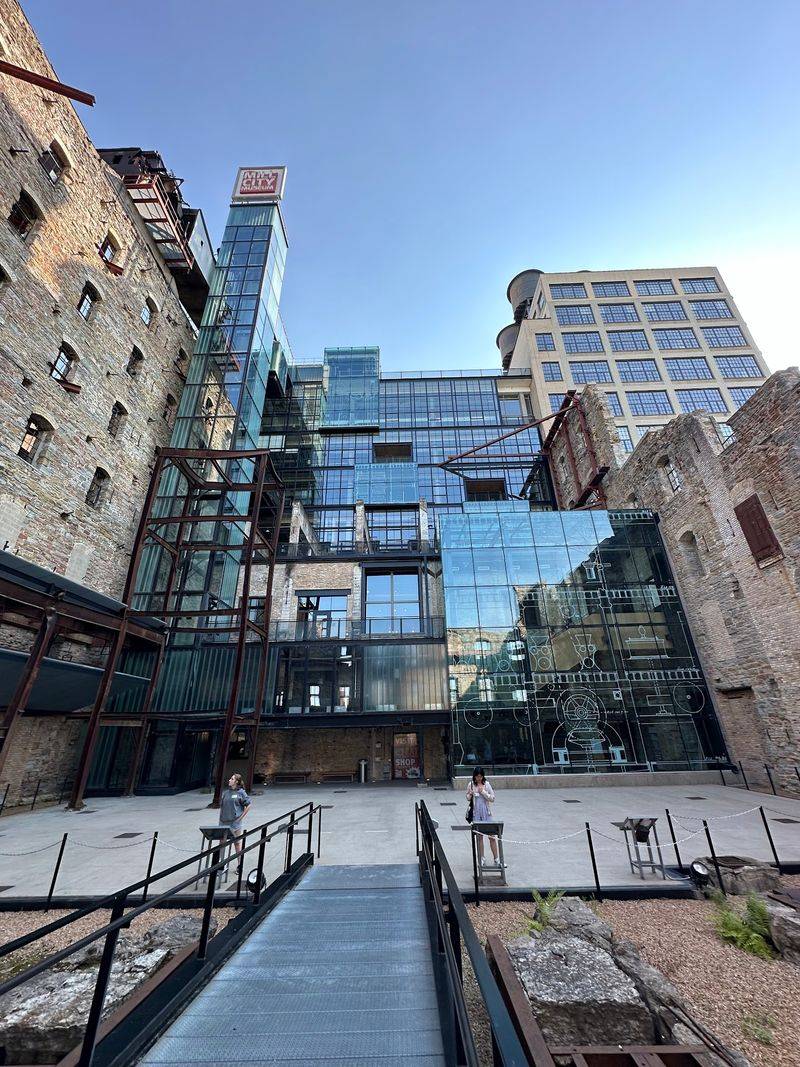
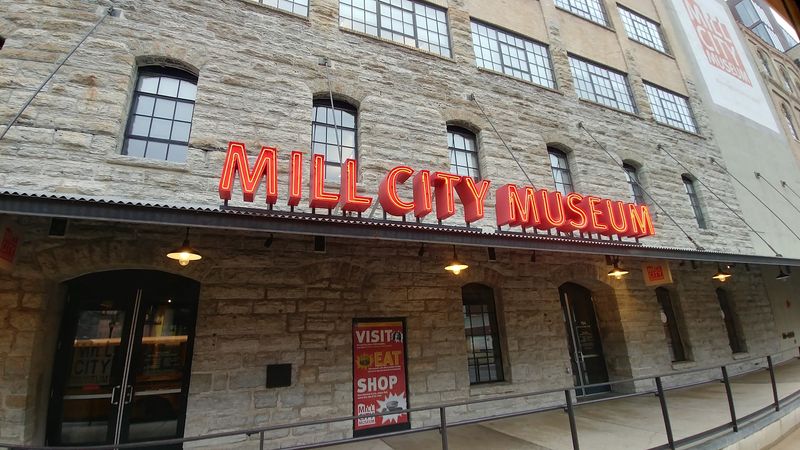
Few museums sit inside the very thing they explain. Mill City Museum does exactly that, occupying the historic Washburn A Mill on the banks of the Mississippi River in Minneapolis.
The museum is run by the Minnesota Historical Society. Its focus is narrow but mighty: the flour industry that once powered this city’s growth and fame.
Exhibits mix artifacts, machinery, film, and hands-on stations. The goal is to show the technology, the companies, and the people who kept these mills running.
Location matters here more than usual. The mill stands near St. Anthony Falls, whose water power once drove the grinding machinery across the district.
That setting gives the museum instant credibility. You aren’t learning about milling in some generic gallery miles away from the action.
Instead, you’re standing where the grain arrived, where the flour left, and where the workers clocked in every day. It’s history with an actual address and real stone underfoot.
For Minnesotans, it’s a reminder that a world-class industry grew up right here. Not in a coastal metro, but along a Midwestern river that still flows past the windows.
How Flour Turned Minneapolis Into Mill City
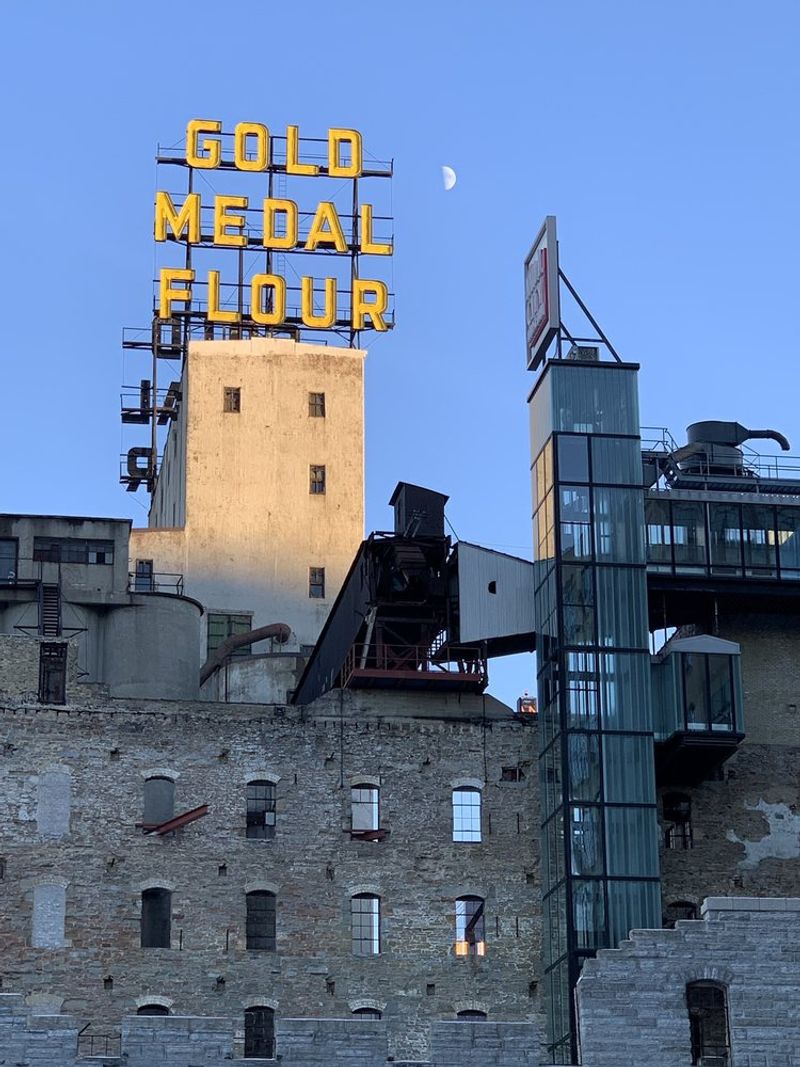
Minneapolis once wore a bold title: the Flour Milling Capital of the World. That nickname wasn’t marketing fluff, and the museum explains exactly how the city earned it.
Dozens of mills crowded the riverfront, all tapping the energy of St. Anthony Falls. Big names rose from this district, including Washburn-Crosby, Pillsbury, and eventually General Mills.
The Washburn A Mill was where the Gold Medal brand milled its flour. The museum’s tower ride even tells the story of how Gold Medal Flour got its name.
Operations at the mill ended in 1965. A fire in 1991 then destroyed much of the building, leaving dramatic ruins behind.
Rather than clearing the site, planners built the museum within those surviving walls. Old stone and new framework now share the same footprint.
A quirky introductory film also traces the city through the years. It connects the mill to the broader economic growth of Minneapolis, so the bigger picture clicks quickly.
Honestly, it’s hard to look at a bag of flour the same way afterward. That ordinary pantry staple suddenly carries a lot of Minnesota backstory.
The Flour Tower Ride Everyone Talks About
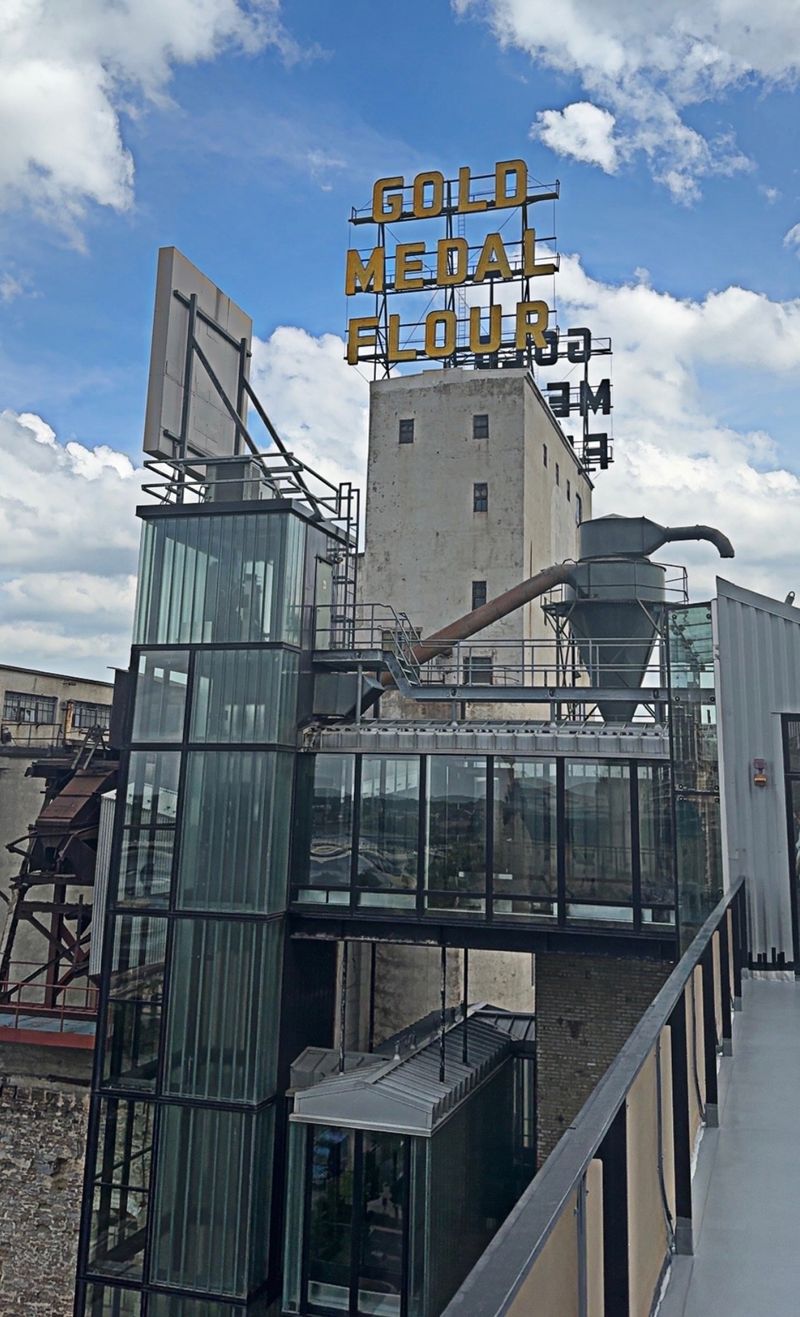
Hop aboard a massive freight elevator, and the history lesson starts moving. The Flour Tower is the museum’s signature experience, and it earns every bit of its reputation.
The elevator climbs through the building and stops several times along the way. At each stop, reconstructed scenes show what mill work looked like in its prime.
Audio brings those scenes to life. Recorded accounts from former mill workers share memories of the jobs, the coworkers, and daily routines.
Some folks describe it as a theme park ride for wheat, minus any scary drops. That comparison feels fair, since the staging is theatrical yet totally gentle.
The ride also covers the Gold Medal Flour story. It explains what happened to the original plant, which adds weight to the scenes you pass.
It works as an orientation, too. By the time the doors open, you understand the building’s layout and purpose far better.
Skipping it would be like visiting a lighthouse without climbing the stairs. The tower tour is the heart of the place, so plan your visit around it.
Rooftop Views That Steal The Show
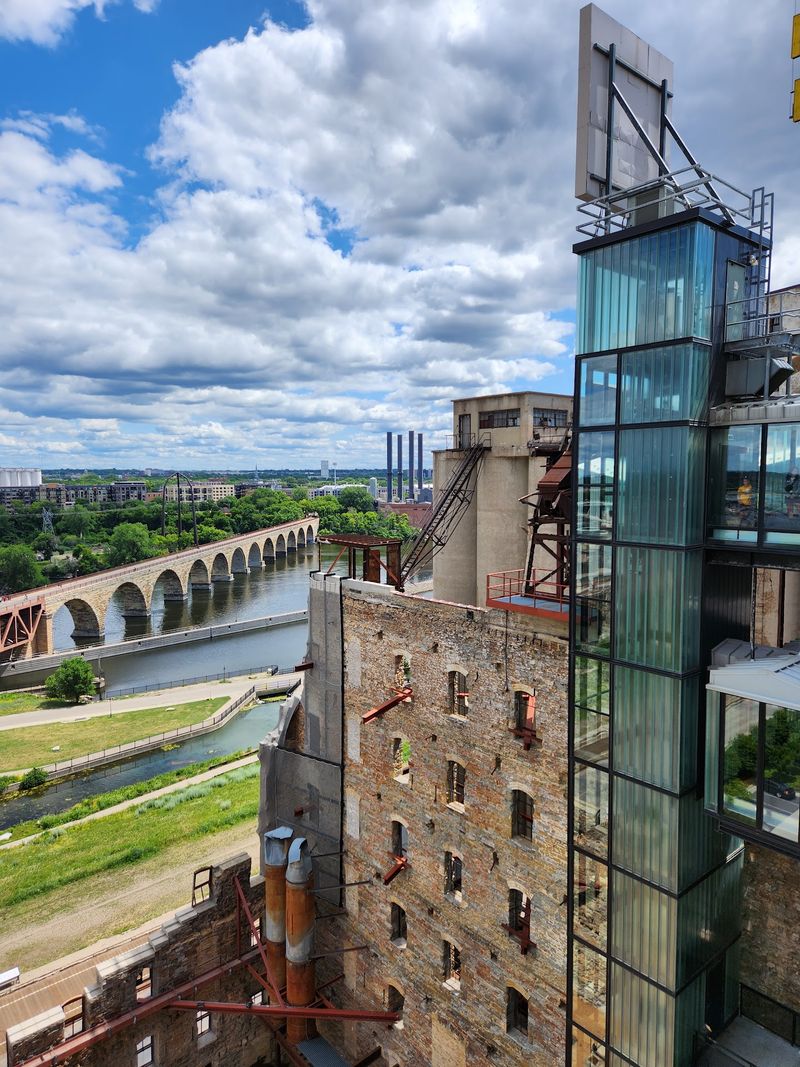
Up top, the payoff arrives all at once. The observation deck opens onto sweeping views of the Mississippi River and the city beyond.
Look one way, and the historic Stone Arch Bridge curves across the water. Look another, and St. Anthony Falls tumbles below while the Minneapolis skyline rises in the distance.
The deck also offers a bird’s-eye look at the mill itself. From here, you can see the old foundation and original exterior walls that survived the 1991 fire.
That contrast is striking. A modern framework sits inside weathered stone, so the past and present stand side by side.
The scenery holds up even in gloomy weather. Rain doesn’t erase the river views, which is welcome news in a state with famously moody skies.
Bring your phone fully charged. Between the falls, the bridge, and the ruins, the photo opportunities stack up quickly.
It’s a fitting reward for riding the tower. After learning how the river powered the mills, you finally see that river from above, doing its thing just like it always has.
Hands-On Labs And Nostalgic Treasures Downstairs
Kids get their own kind of fun on the lower level. Most exhibits sit on the first floor, and an elevator carries you down from street level.
A water lab and a baking lab tend to hold young attention for a long stretch. Children can explore how water power and grain transformed into everyday food.
One demo explains flour dust explosions, a real hazard in historic mills. It’s educational and memorable without being frightening.
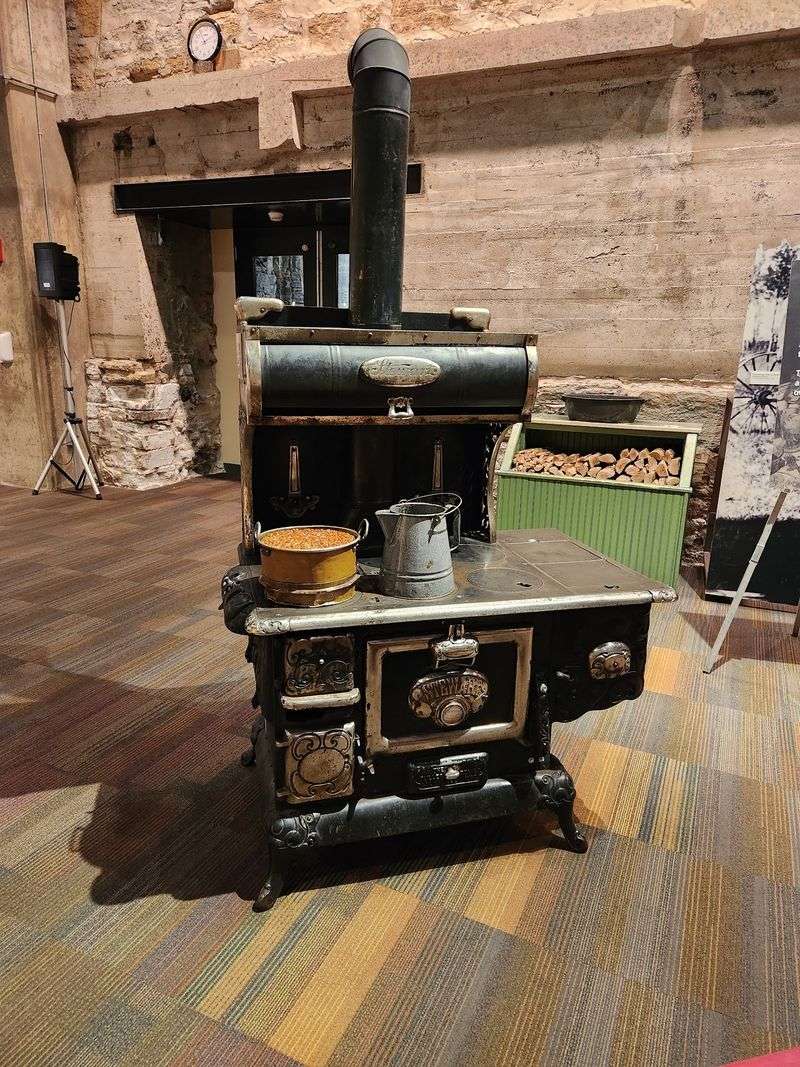
Grown-ups get plenty to read, plus a dose of nostalgia. Vintage ads, old TV and radio commercials, Betty Crocker cookbooks, and Pillsbury Doughboy keepsakes fill the displays.
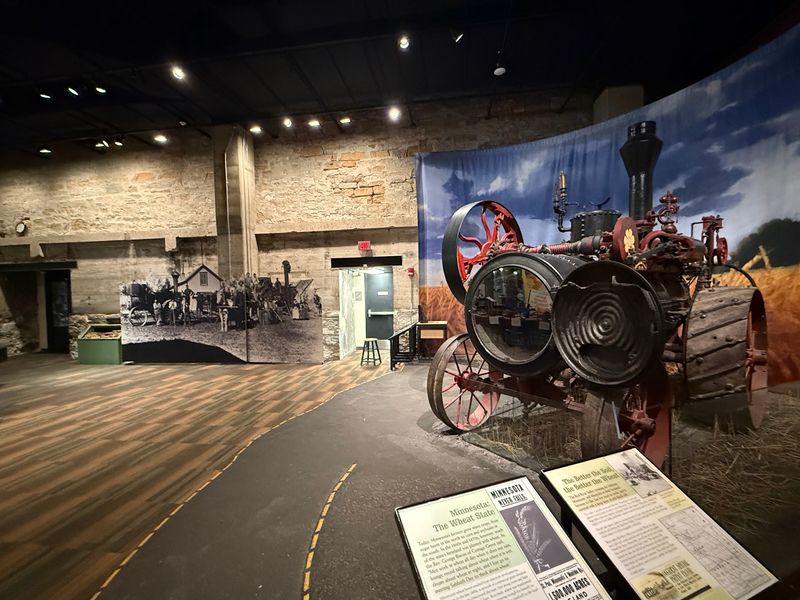
Large milling machines are on view, too. They show how technology evolved from early grinding methods toward modern equipment.
The exhibits also highlight the contributions of women workers. That thoughtful touch broadens the story beyond machinery and brand names.
Teens aren’t left out either. A big wooden block puzzle and other interactive stations appeal to older kids, and a scavenger hunt guide keeps families moving with purpose through every corner.
Who Will Love An Afternoon Here
History buffs are the obvious fans, but the guest list runs much wider. Families with young children find plenty to touch, test, and explore.
Adults who love specific, offbeat topics will feel right at home. The subject is focused, yet it connects to the whole story of Minneapolis.
Newcomers to the Twin Cities get a quick primer on the industry that built the region. It’s also an easy pick when out-of-town guests arrive.
Even self-described museum skeptics might be won over. The elevator show, film, and quirky artifacts keep things lively rather than stuffy.
Much of the experience is self-guided. You can linger at displays that grab you and move past the rest.
Friendly, knowledgeable staff and docents help fill in the gaps. Their expertise adds depth when questions pop up.
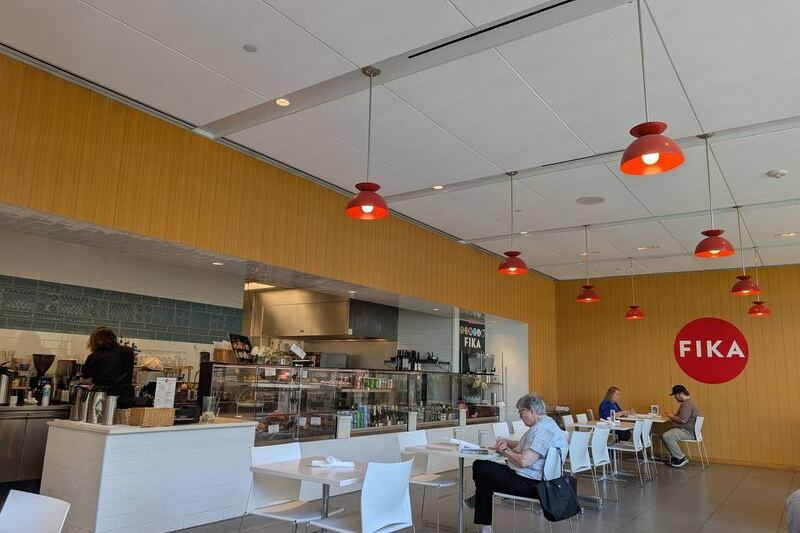
The gift shop is worth a browse before leaving. A cafe on site makes it easier to refuel without wandering off.
For Minnesota families seeking a meaningful outing, this one checks a lot of boxes. It’s educational, approachable, and just quirky enough to spark dinner-table conversation.
Hours, Parking, And Smart Timing Tips
Plan ahead, because the museum isn’t open every day. Doors typically open Wednesday through Friday from 10 a.m. to 4 p.m.
Weekend hours usually run a bit longer, from 10 a.m. to 5 p.m. on Saturday and Sunday. Mondays and Tuesdays are closed, so check before you go.
You’ll find Mill City Museum at 704 S 2nd St, Minneapolis, MN 55401. The spot sits close to the riverfront and the Stone Arch Bridge.
Parking is mostly on the street and can be limited. Arriving early may make finding a spot much easier.
Budget roughly two hours for a full visit. Big readers may want extra time to soak in every panel.
Admission is charged, and it’s best to confirm current rates through the Minnesota Historical Society before visiting. Members of that organization may receive perks.
Start with the Flour Tower, then head downstairs to the exhibits. That order helps the rest of the museum make sense.
Seasonal bonus: a farmers market sometimes operates nearby. Pairing the two makes a tidy weekend morning by the river.
A Flour-Dusted Reason To Plan Your Next Minneapolis Day
Flour rarely gets the spotlight, which is exactly why this museum feels so refreshing. It takes a humble pantry staple and reveals the empire behind it.
The Flour Tower alone justifies the trip. Add the rooftop views, the nostalgic artifacts, and the ruins, and the visit feels complete.
Some guests find the exhibit floor smaller than expected. Still, what’s there is well done, focused, and packed with interesting history.
Mill City Museum also shows Minnesota at its proudest. A riverside town grew into a global milling powerhouse, and that story deserves telling.
It’s easy to pair with a stroll across the Stone Arch Bridge. The surrounding riverfront makes the whole outing feel bigger than one building.
Families, history fans, and curious friends can all find something to enjoy. It’s a solid choice for showing visitors what makes Minneapolis special.
So the next time you bake cookies, think about that elevator ride. Then maybe plan a trip to see where Minnesota’s flour story began, right beside the falls that started it all.
Share this story