Montreal has a way of surprising first-time visitors. One minute you are walking on old cobblestones, and the next you are riding a giant wheel above the river.
This Canadian city has earned a reputation as a friendly, easy place to explore, and the list below shows why it fits so well on a travel wish list. You will find historic streets, grand churches, big views, lively markets, museums, and even a huge indoor network built for winter days.
Some stops are free to wander, while others need tickets or a quick check of seasonal hours. Whether you are planning a first trip or just daydreaming, these 14 stops give you a clear picture of what makes Montreal such a rewarding place to visit.
Walk Through Old Montreal
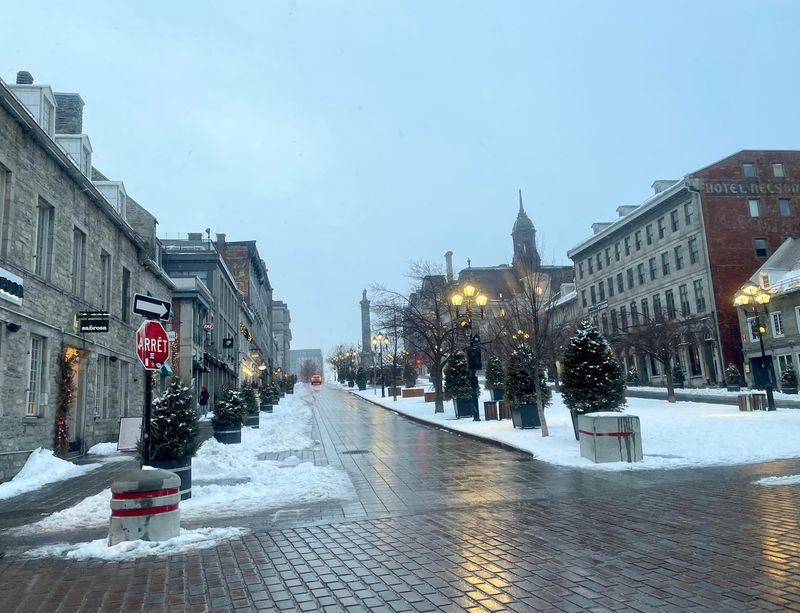
Start here if it is your first time in the city. Old Montreal packs cobblestone streets, historic stone buildings, cafes, and galleries into a district that feels strikingly European.
Rue Saint-Paul is a great street for wandering without a plan. Shop windows, side lanes, and old facades keep giving you reasons to stop and look around.
Place Jacques-Cartier and the nearby streets put several major attractions within walking distance of each other. That makes comfortable shoes the most useful item to pack for this part of town.
Tourisme Montreal continues to recommend the neighborhood as one of the essential areas for first-time visitors. Give yourself a few unhurried hours here, since the best moments tend to happen between the famous landmarks.
Step Inside Notre-Dame Basilica
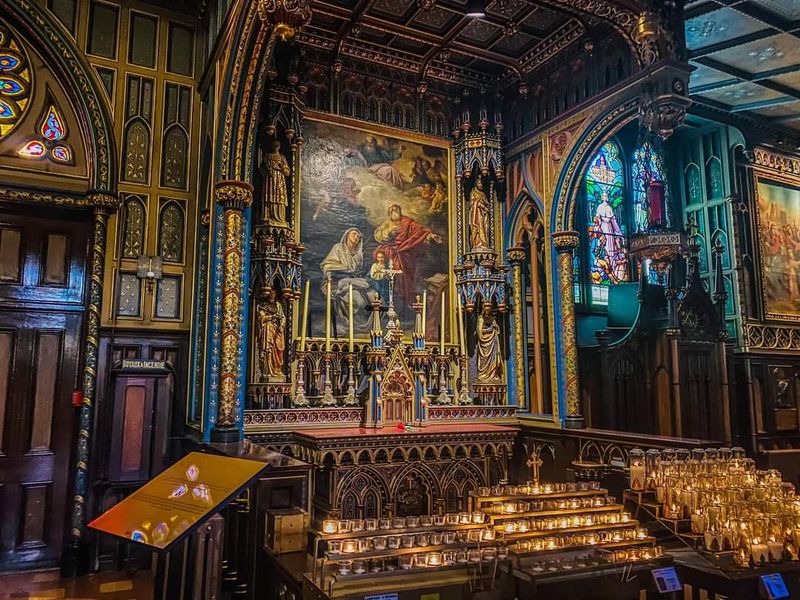
Deep blue ceilings are not what most people expect inside a church. Notre-Dame Basilica surprises almost everyone with its dramatic Gothic Revival interior, one of the most recognizable sights in Montreal.
Ornate woodwork, stained glass, and a richly decorated sanctuary fill the space. Even travelers who rarely add churches to their itineraries tend to find this one worth the stop.
Tourist visits currently run Monday through Saturday, with limited hours on Sundays. Regular religious services also take place here, so it helps to check the schedule before you go.
Plan to visit while exploring Old Montreal, since the basilica sits right in the middle of the historic district. A short visit can easily turn into a longer one once you start noticing the details overhead.
See the City From Mount Royal
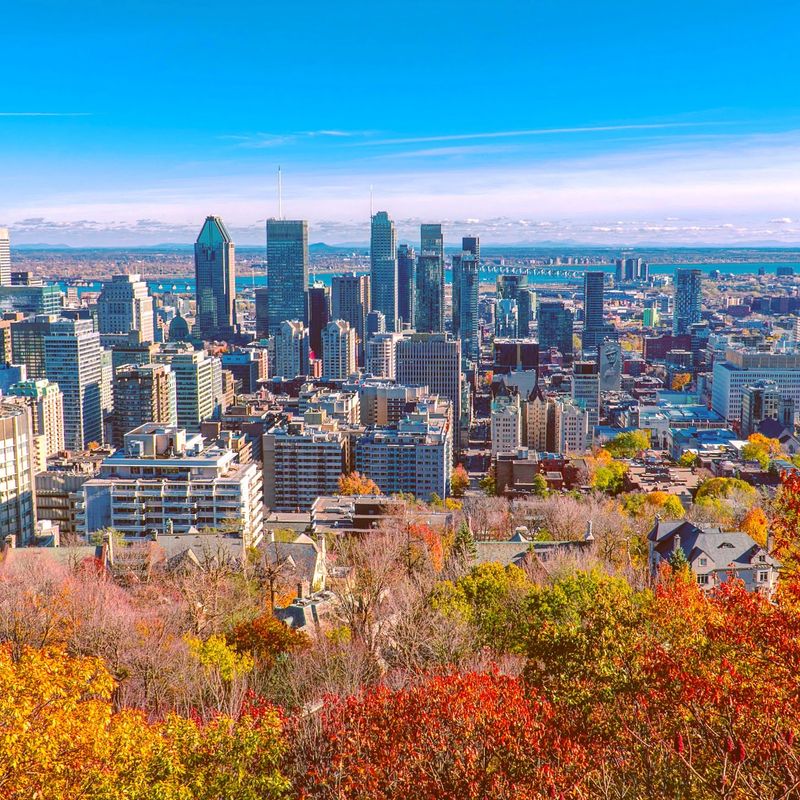
The city takes its name from this hill, so it makes sense to start your sense of Montreal here. Mount Royal remains one of the best places to understand how the city is laid out.
Walk through Mount Royal Park to the Kondiaronk lookout for a broad view across downtown and toward the St. Lawrence River. Frederick Law Olmsted designed the park, and he also helped design Central Park in New York.
Fall brings brilliant red and orange leaves to the surrounding trees, which makes it a favorite season for photos. Winter turns the park into a popular spot for snow activities.
Whatever the month, bring layers and a camera. The skyline view is the kind you will want to remember.
Spend an Afternoon at the Old Port
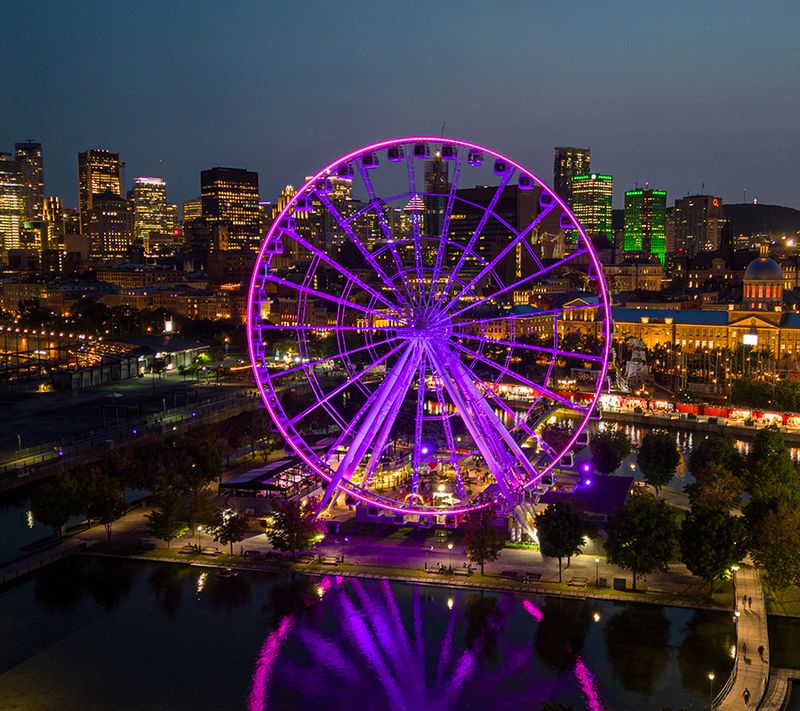
Right beside the historic district, the waterfront opens up into wide, breezy space. The Old Port stretches along the St. Lawrence River and shows a more relaxed, recreational side of Old Montreal.
You can stroll the waterfront, try seasonal activities, visit nearby museums, or simply sit and watch the river and skyline. Nothing here requires a strict schedule, which makes it a nice change after busy sightseeing mornings.
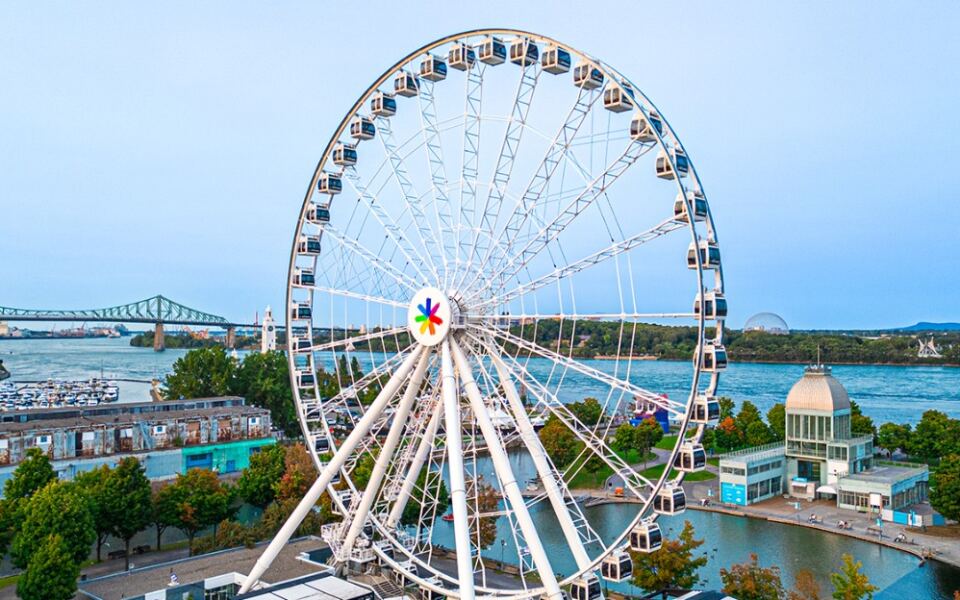
The area also includes La Grande Roue de Montreal, the large observation wheel that has become one of the waterfront’s modern landmarks. It gives the area a clear focal point you can spot from far away.
Because activities change with the seasons, a quick look at the current calendar can help you pick the best time for your visit.
Explore Five Ecosystems at the Montreal Biodome

Forget what you know about zoos. The Montreal Biodome is not a conventional zoo or a natural history museum, and that is exactly what makes it interesting.
Under one roof, it recreates five ecosystems: a tropical rainforest, a Laurentian maple forest, the Gulf of St. Lawrence, the Labrador Coast, and the Sub-Antarctic Islands. Walking from one to the next means moving through very different climates and landscapes in a single visit.
Animals range from puffins to penguins, so there is plenty to spot along the way. It is an easy pick for a rainy day or a cold one.
The Biodome remains open to visitors, though operating hours change by season. Checking the official schedule before you head out will save you a surprise at the door.
Slow Down at the Montreal Botanical Garden
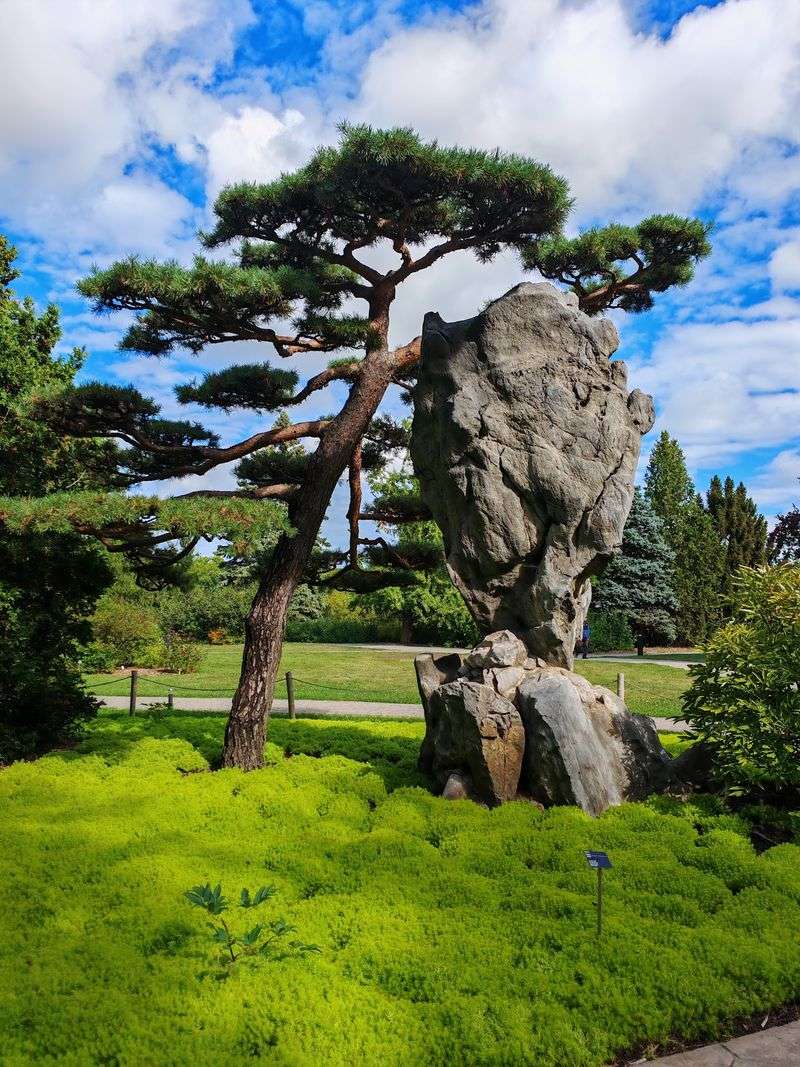
After busy downtown streets, a garden can feel like a deep breath. The Montreal Botanical Garden sits near the Biodome and offers a quieter contrast to the city center.
It belongs to Montreal’s Espace pour la vie museum complex. Extensive plant collections and landscaped areas change dramatically with the seasons, so a spring visit and a fall visit can look like two different places.
The garden stays open through much of the year, although hours vary by season. Looking at the official calendar before you go is a smart habit here.
Pairing it with the Biodome makes a full day in the same area. Pack water and plan a slow pace, since the grounds reward people who stop and look closely.
Eat Your Way Through Jean-Talon Market
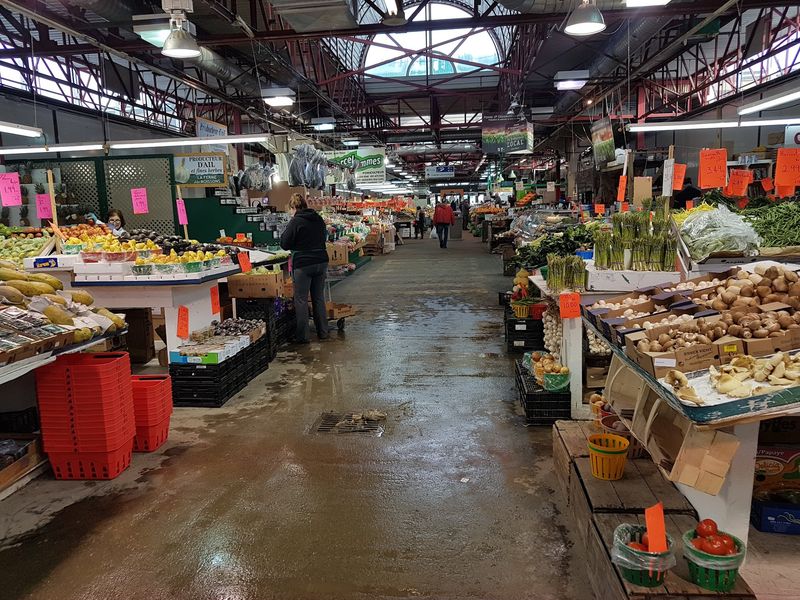
Come hungry. Montreal’s food culture deserves as much attention as its architecture, and Jean-Talon Market is an excellent place to experience it.
Located in Little Italy, the market brings together produce sellers, bakers, butchers, cheesemakers, specialty food vendors, and other merchants. Walking the aisles is a good way to see what local shoppers pick up for their kitchens.
Unlike many seasonal farmers markets, Jean-Talon operates year-round. Temporary walls allow it to continue through the cold winter months.
Bring a bag, since snacks and picnic supplies are easy to collect as you go. It works well as a casual lunch stop or a relaxed morning outing.
Discover Montreal’s History at Pointe-a-Calliere
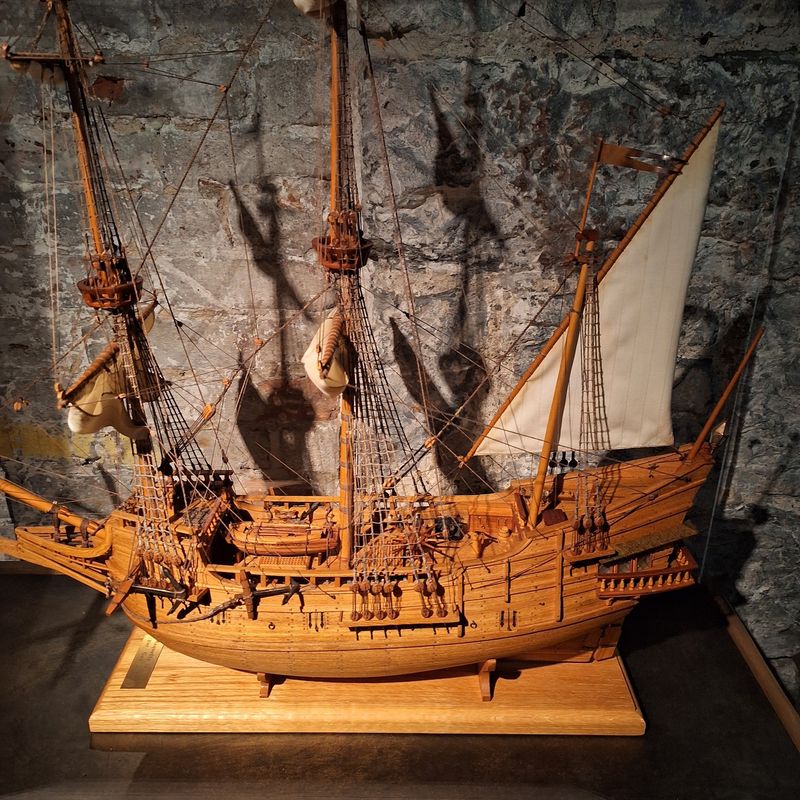
To understand how Montreal grew, this museum is one of the city’s most useful stops. Pointe-a-Calliere is an archaeology and history complex built around the area where Montreal was founded.
Archaeological remains are part of the exhibitions, so you are looking at the actual ground where the story began. That gives the displays more weight than a typical gallery of objects behind glass.
Permanent and temporary exhibits explore Indigenous history, New France, archaeology, and the development of the city. The museum is currently open Tuesday through Sunday.
It sits in the Old Montreal area, so it pairs well with a walk through the historic streets. Seeing it early in your trip can make everything else in the city easier to appreciate.
Visit the Montreal Museum of Fine Arts
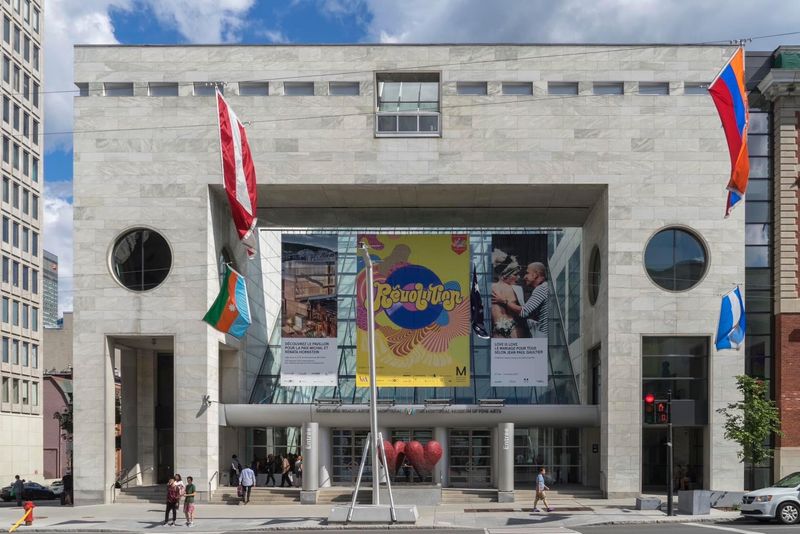
Art lovers have an easy choice here, and so does anyone who needs an indoor plan on a chilly day. The Montreal Museum of Fine Arts is one of Canada’s major art institutions.
Its collections cover Quebec and Canadian art, international works, Inuit art, decorative arts, and contemporary pieces, among other areas. That range means visitors with different tastes can each find a favorite room.
The museum also keeps a rotating calendar of major temporary exhibitions, including several already scheduled into 2027. Checking what is on before you buy tickets can help you plan the best day.
Give yourself a few hours rather than a quick walk-through. There is more to see than most people expect.
See Saint Joseph’s Oratory
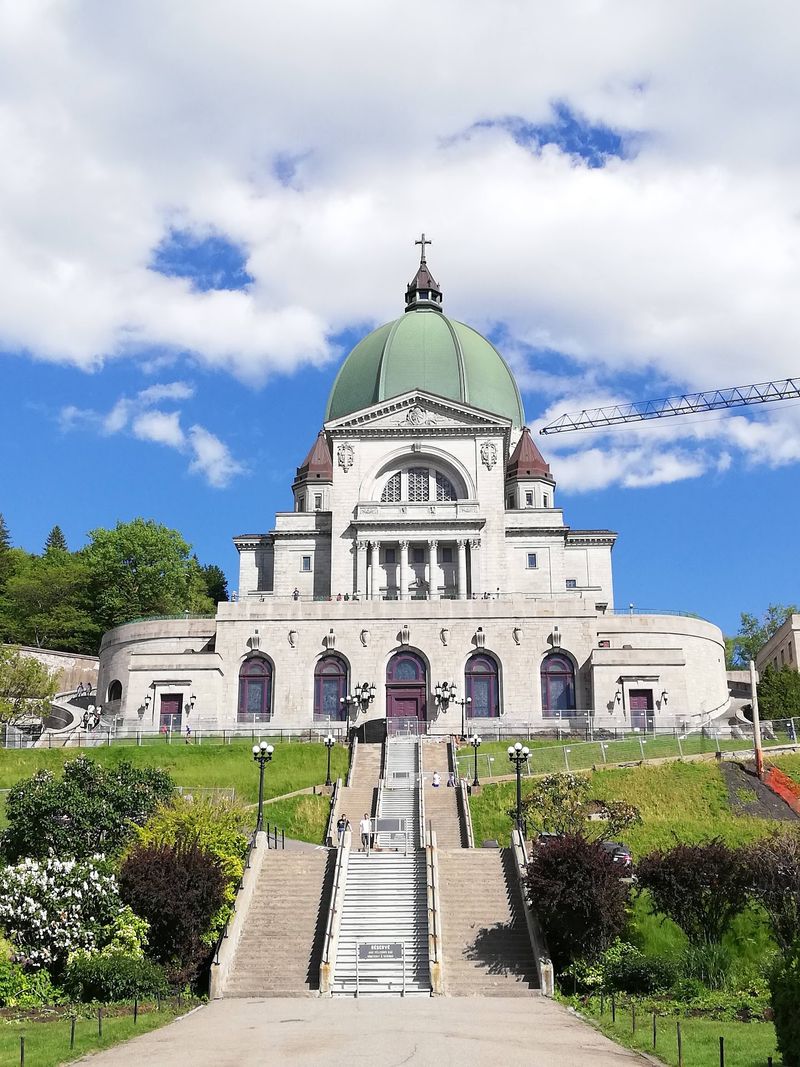
You can spot it rising above the city long before you reach it. Saint Joseph’s Oratory sits near Mount Royal and ranks among Montreal’s most impressive landmarks.
The enormous Roman Catholic shrine draws both pilgrims and tourists. Its elevated location also provides wide views across Montreal, which adds a scenic reason to visit.
According to the Oratory, nearly two million pilgrims and visitors come each year. The complex remains active and is currently open daily.
Expect some climbing if you approach on foot, so wear comfortable shoes. Because it is an active place of worship, quiet voices and respectful behavior go a long way during your visit.
Wander Through Mile End and the Plateau
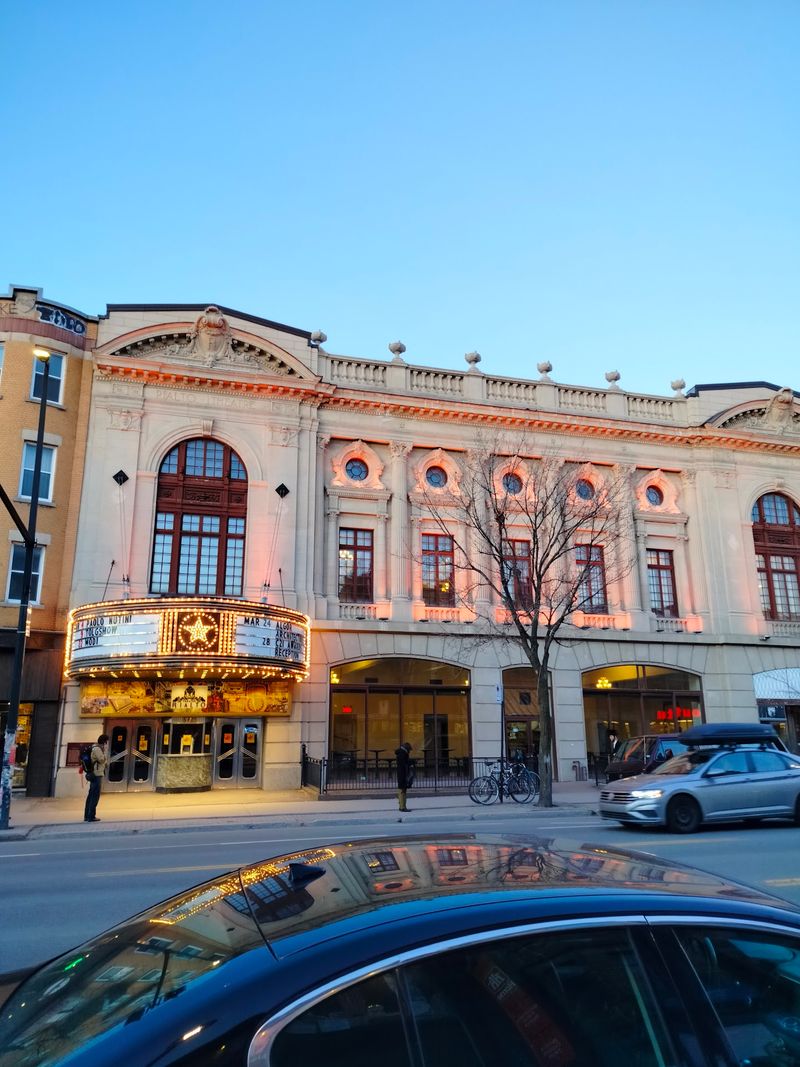
Some of Montreal’s best moments happen far from the major monuments. Spending time in its neighborhoods shows a more everyday side of the city.
The Plateau is known for colorful homes, exterior staircases, restaurants, cafes, murals, and lively residential streets. Walking here is a good way to see how locals live and where they spend free afternoons.
Nearby Mile End adds independent shops, creative spaces, and two of Montreal’s famous bagel institutions. A fresh bagel makes a handy snack for the walk.
Tourisme Montreal lists the Plateau, Mile End, and the city’s bagel culture among its essential experiences for first-time visitors. Set aside a relaxed half day and let the streets lead the way.
Walk or Bike Along the Lachine Canal
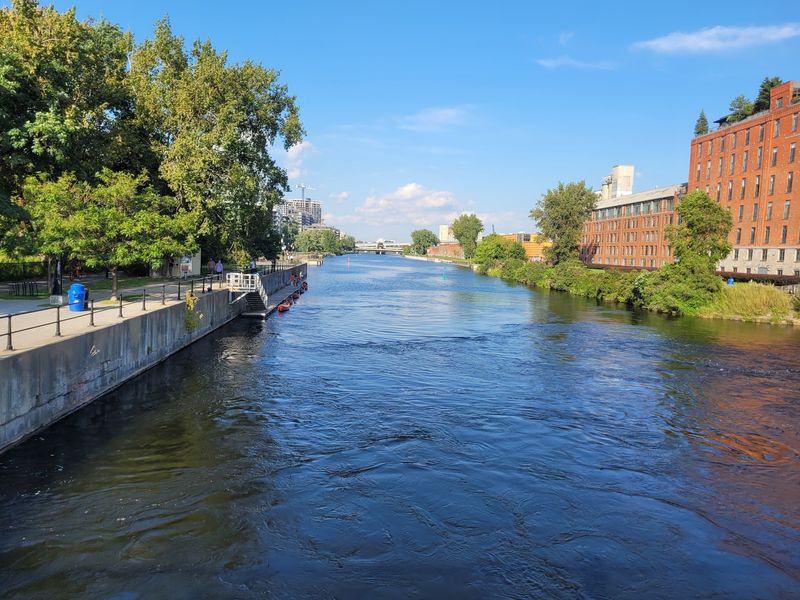
Here is a route that shows Montreal from a different angle. The Lachine Canal winds through the city’s southwest neighborhoods and offers a calmer view than downtown.
This National Historic Site links the Old Port with Lake Saint-Louis. A roughly 13.5-kilometer multi-use route runs alongside, which makes the area popular with both walkers and cyclists.
Parks Canada says the historic site itself is accessible every day from sunrise until 11 p.m. Navigation and some visitor services operate seasonally, so summer offers the fullest experience.
You do not have to cover the whole distance. Pick a stretch, bring water, and turn around whenever you like.
Experience Montreal’s Underground City
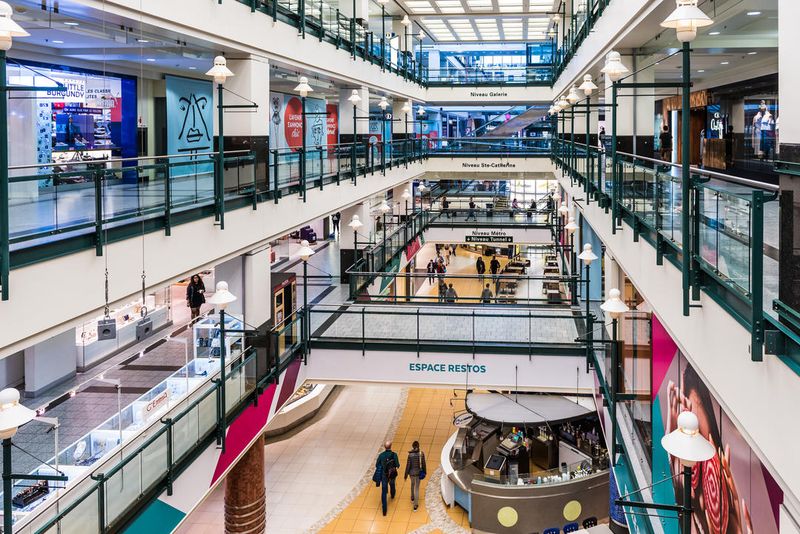
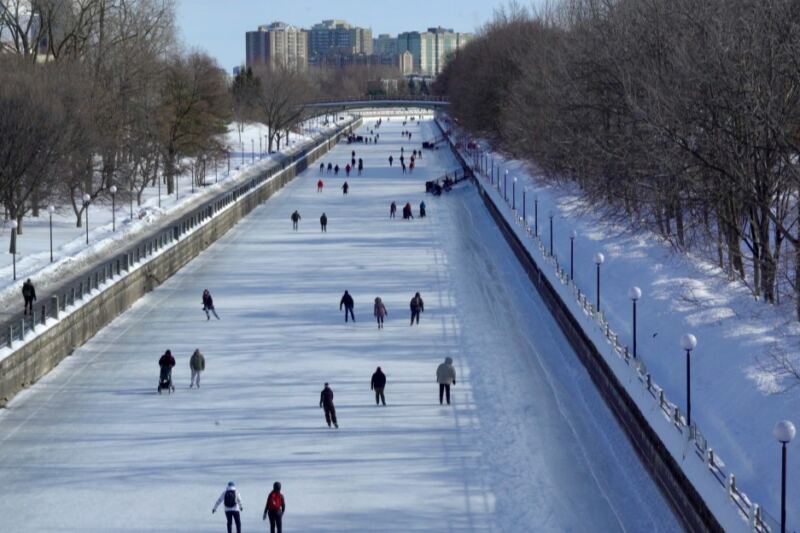
Winter here can be intense, and the city built a clever answer. Its enormous network of interconnected indoor spaces is one of the more unusual features you will find in any destination.
Often called the Underground City or RESO, the network connects shopping centers, offices, hotels, restaurants, entertainment venues, and metro stations through downtown. It is not one single attraction.
Think of it as an indoor pedestrian network that becomes especially useful when temperatures drop.
Travel guides and Tourisme Montreal continue to list it among the city’s signature experiences. It is handy for staying warm, but also for getting around on rainy days.
Follow the signs, keep a map handy, and expect to find new shortcuts as you explore.
Take in the Views From La Grande Roue de Montreal
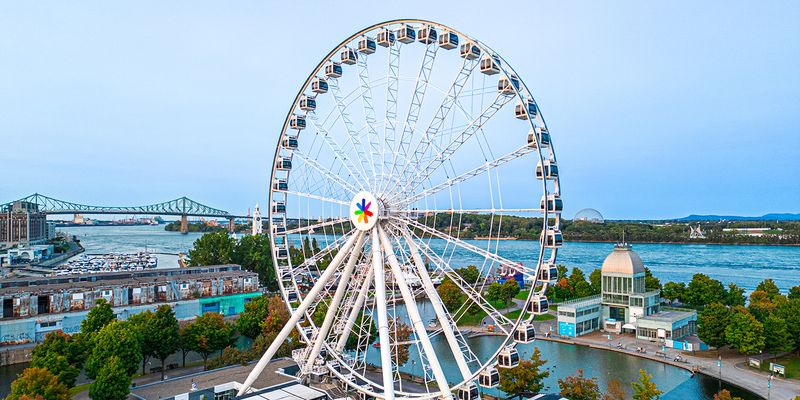
End your day of sightseeing with a slow ride into the sky. La Grande Roue de Montreal rises over the Old Port waterfront and gives you a chance to see the city from above.
Panoramic views reach across Old Montreal, downtown, Mount Royal, and the St. Lawrence River. Seeing the places you visited earlier from this height helps the whole trip click into place.
Tourisme Montreal continues to highlight the observation wheel as one of the city’s notable attractions and a particularly scenic way to see the skyline.
Since it sits right on the waterfront, it fits easily into an Old Port afternoon. Bring a camera, and check current operating details before you head over.
Share this story