Many places on the map were once known by very different names. Some of those old names came from empires, tribes, or trade routes that shaped history.
Learning them helps make sense of old books, maps, and famous stories. Here is a look at fifteen ancient names and the modern lands they connect to.
1. Persia: Iran
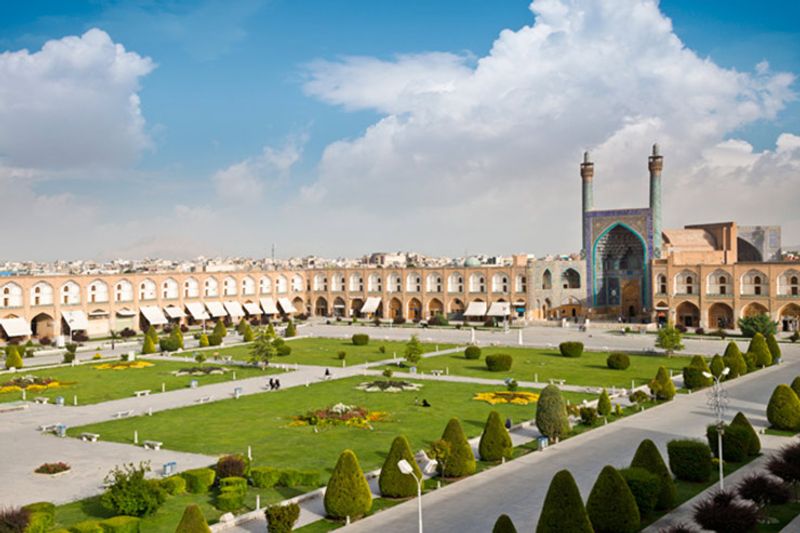
Persia once ruled one of the largest empires the world had seen. Its kings governed lands from Egypt to the edges of India, and its roads helped messages travel quickly across great distances.
The name Persia came from the Persis region, known today as Fars, in the southwest of the country. Greek writers used this name for the whole land, and it stuck in the wider world for many centuries.
In 1935, the ruler Reza Shah asked other countries to use the name Iran. People living there had long called their homeland Iran, which connects to an old word linked to the Aryans.
Today the country is known for poetry, carpets, and historic sites like Persepolis. Persian is still the name of the main language, called Farsi by its speakers.
2. Mesopotamia: Mostly Iraq
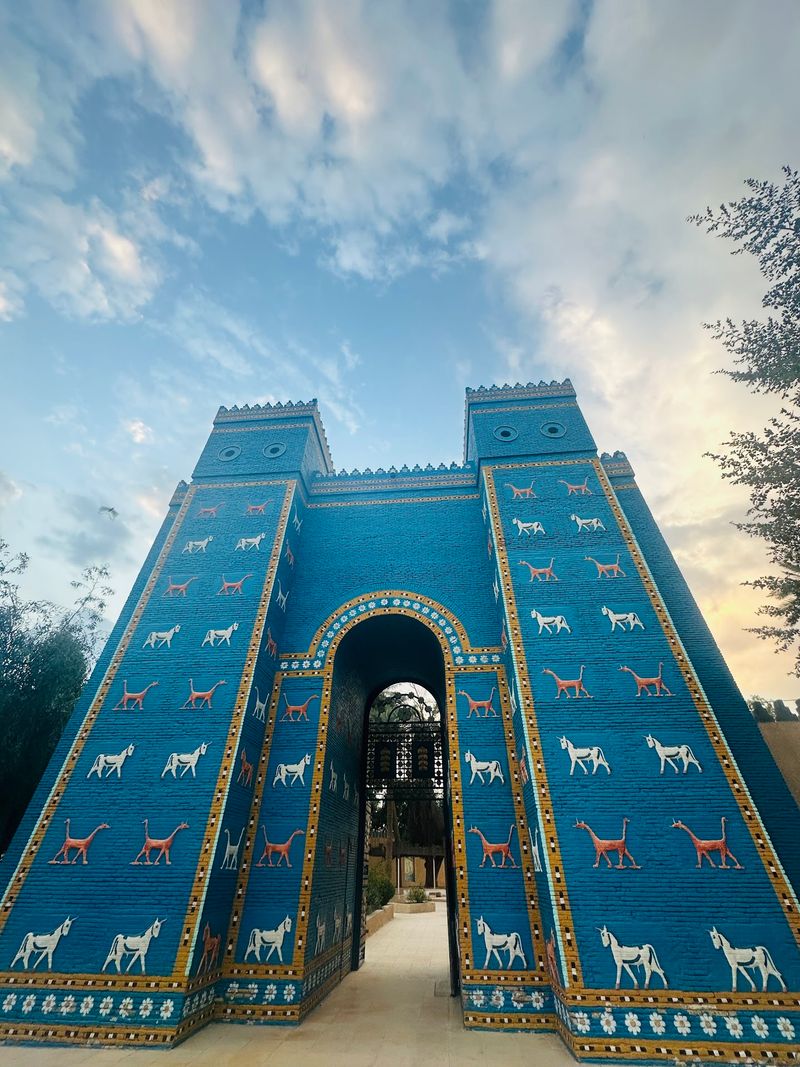
Between two rivers, a whole way of life began. The word Mesopotamia comes from Greek and means the land between the rivers, pointing to the Tigris and the Euphrates.
This region gave the world some of its earliest cities, including Ur and Babylon. People here developed writing on clay tablets, known as cuneiform, to track trade, laws, and stories.
Most of ancient Mesopotamia lies in modern Iraq. Parts also reach into northeastern Syria and southeastern Turkey, where the rivers begin their journey.
Farmers used canals to bring river water to their fields, which helped feed growing towns. Because of these firsts, the area is often called a cradle of civilization.
3. Gaul: Mostly France
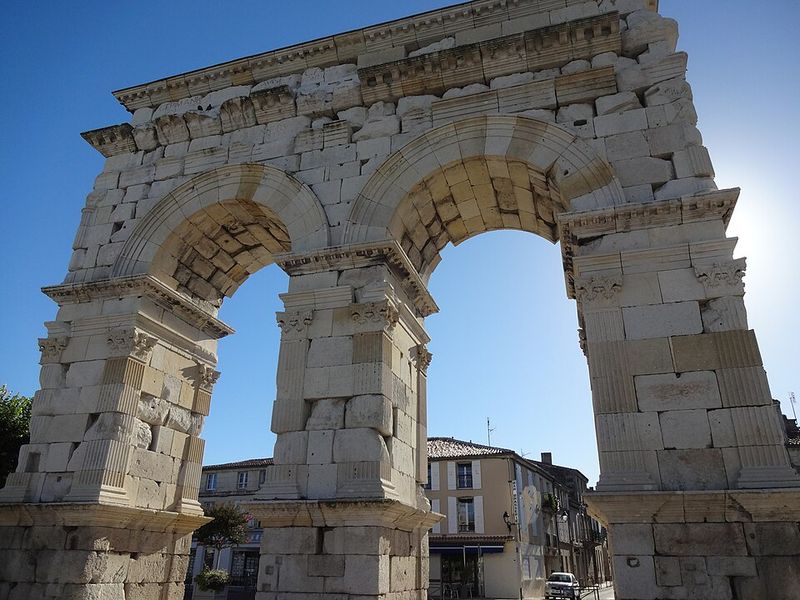
Julius Caesar once began a famous book by saying that all of Gaul is divided into three parts. That line made the name known to students for two thousand years.
Gaul was home to Celtic peoples such as the Gauls, who lived in villages and hill forts. Rome conquered most of the region in the first century BC, and the land slowly blended Roman and local customs.
The name Gaul covered most of modern France. It also included Belgium, Luxembourg, and parts of Switzerland, Germany, and northern Italy.
After Rome weakened, a Germanic group called the Franks took control. Their name eventually gave us France, replacing Gaul on the map.
4. Hispania: Spain and Portugal
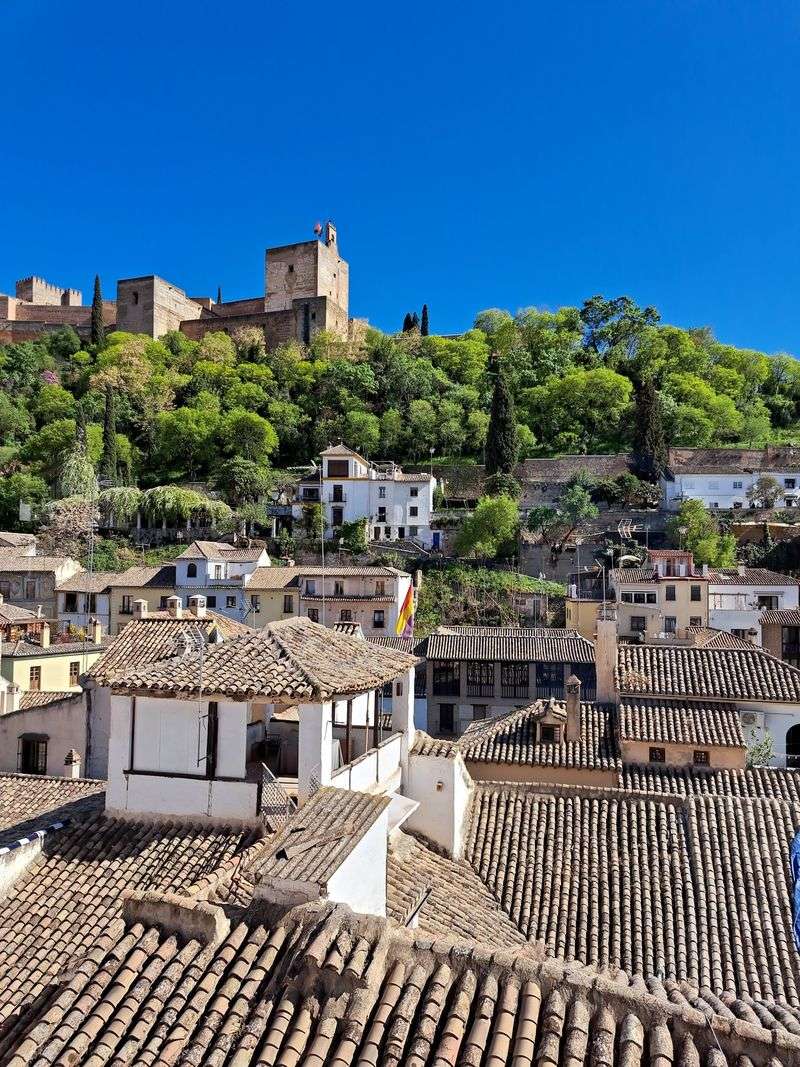
Rabbits may have helped name a whole peninsula. Some historians think Phoenician sailors saw so many of them that they gave the land a name linked to a word for hyrax or coney.
Romans called the region Hispania and divided it into provinces. They built roads, bridges, and aqueducts there, and many still stand today.
Hispania covered the entire Iberian Peninsula, which now holds Spain and Portugal. Latin spoken by Roman settlers slowly grew into Spanish, Portuguese, and Catalan.
The name Spain developed from Hispania over time. Portugal took its own name from a port town called Portus Cale, which later gave the country its identity.
5. Britannia: Much of Great Britain
Stand at Hadrian’s Wall, and you can almost feel the edge of an empire. Built by Romans in the second century, it marked the northern border of the province of Britannia.
Romans arrived in 43 AD and stayed for nearly four centuries. They founded towns such as Londinium, now London, and linked them with straight roads.
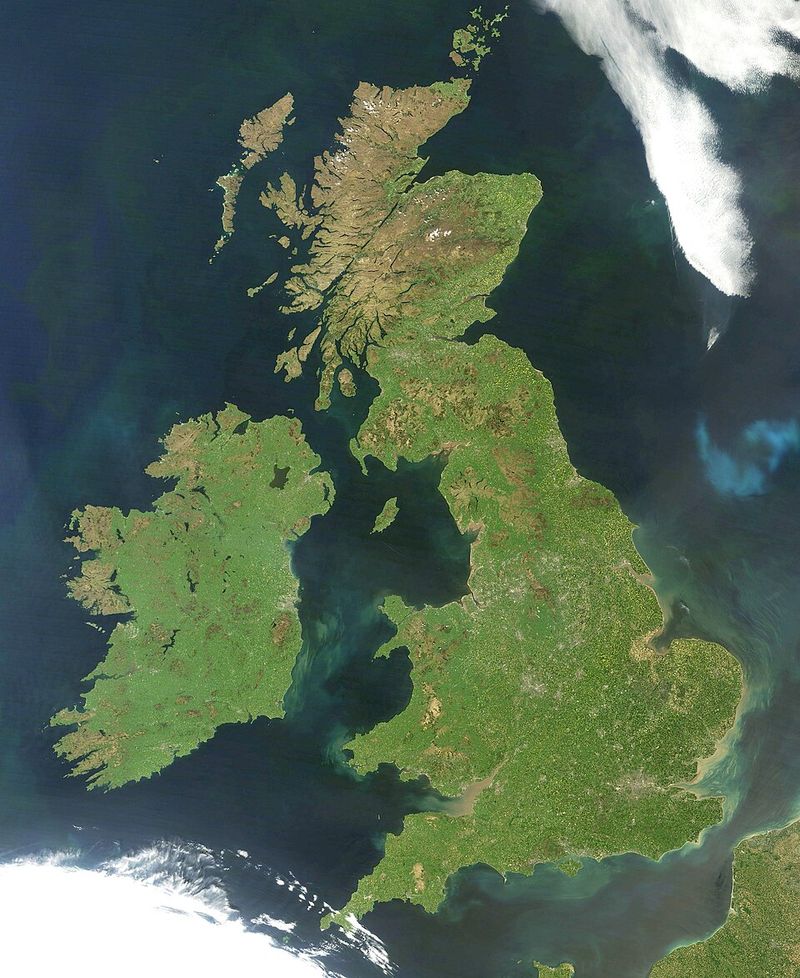
Britannia mostly covered England and Wales, with some campaigns reaching into Scotland. The Romans never fully held the far north, which they called Caledonia.
The Latin name lives on in the figure of Britannia, who appears on British coins. Today the island is part of the United Kingdom, a country with a very different political shape.
6. Anatolia: Most of Asian Turkey
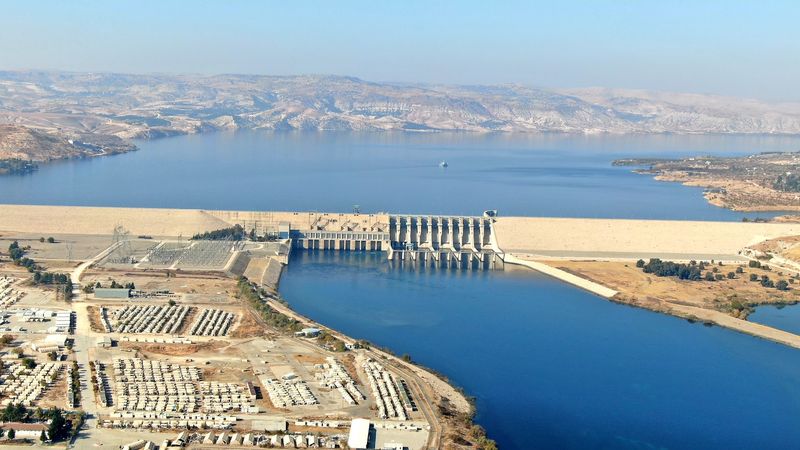
Anatolia means sunrise or east in Greek, a name given by people who looked toward it from the Aegean coast. Another old name for the region is Asia Minor, meaning Lesser Asia.
Many peoples lived here, including the Hittites, Lydians, Phrygians, and Greeks. The Hittites built a powerful kingdom around 1600 BC with a capital at Hattusa.
King Midas and the rich king Croesus also ruled parts of this land. Cities like Troy and Ephesus were found along its western shores.
The area makes up most of modern Turkey, the part lying in Asia. Visitors today explore its cave homes in Cappadocia and ancient ruins that hold thousands of years of history.
7. Dacia: Mostly Romania
Gold from Dacia helped fuel Rome’s greatest building projects. When Emperor Trajan conquered the region in the early second century, he brought back huge treasure.
The Dacians were skilled fighters who lived in mountain fortresses in the Carpathians. Their capital, Sarmizegetusa, held temples and defensive walls built on high ground.
Trajan’s Column in Rome shows the wars in carved scenes that wind up its tall stone shaft. It is one of the best records of Dacian life we have.
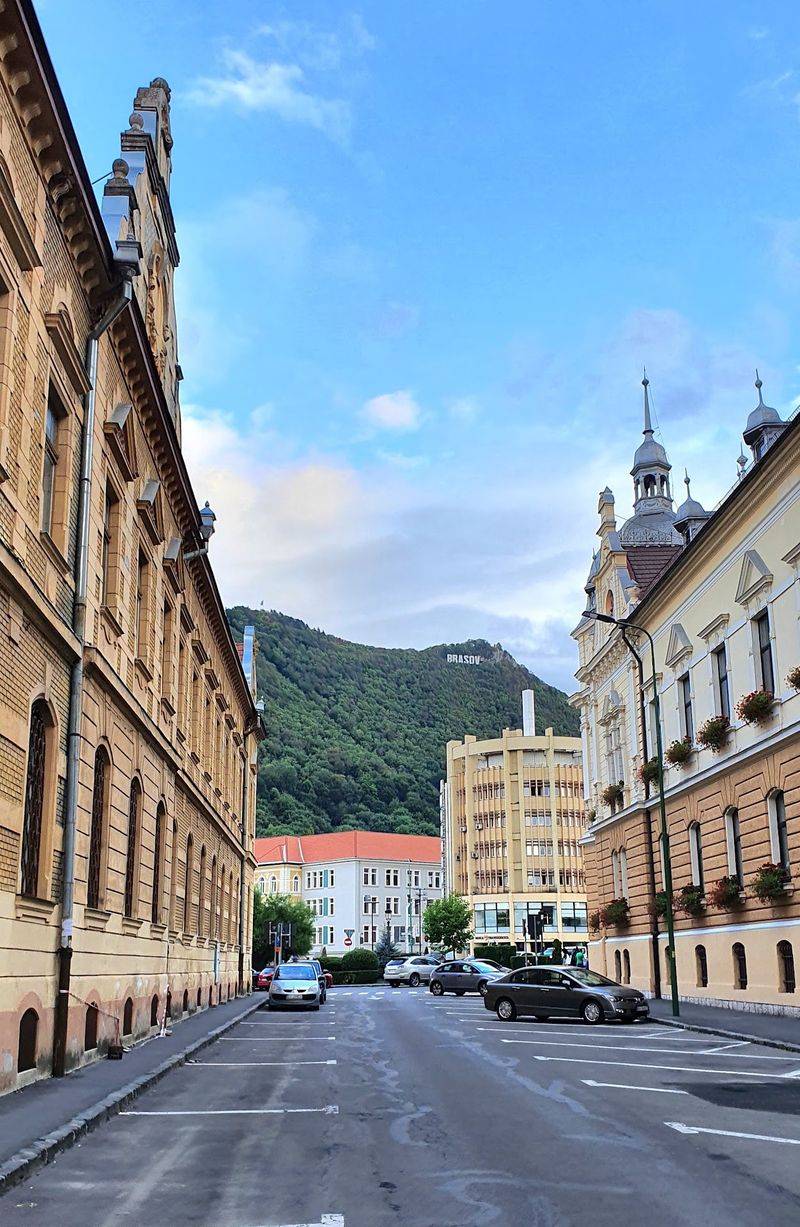
Dacia covered most of present-day Romania. It also reached into Moldova and parts of Hungary, Serbia, and Bulgaria.
The name Romania reflects the Roman heritage that stayed in the language.
8. Thrace: Bulgaria, Greece, and Turkey
Legend says the musician Orpheus came from Thrace, and his songs could charm even wild animals. The Thracians were known in the ancient world for music, horses, and fierce warriors.
They lived in tribes rather than a single state, though some kings united many groups. The Odrysian kingdom grew strong around the fifth century BC.
Thracians left behind rich goldwork and painted tombs, including one near Kazanlak in Bulgaria. These finds show skilled artists with a taste for horses and feasts.
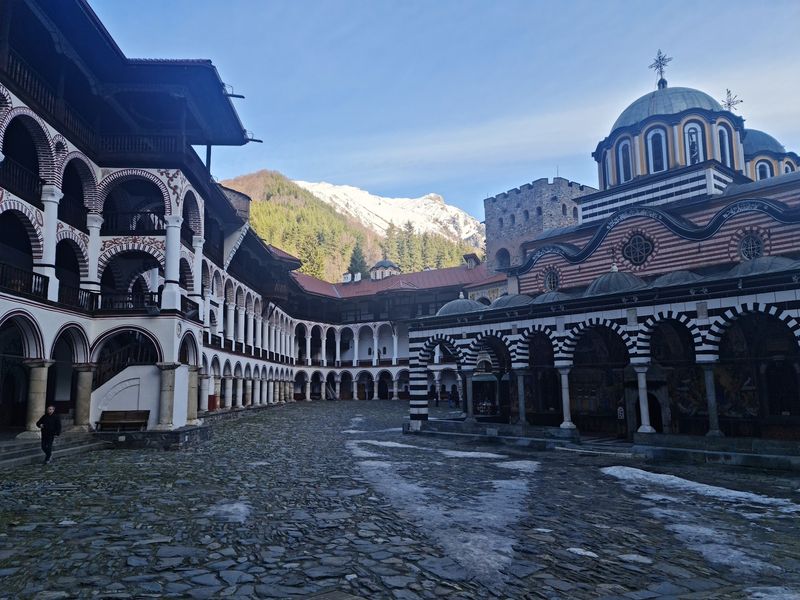
The region is now split between Bulgaria, northeastern Greece, and the European part of Turkey. Many people still use the word Thrace for this area on modern maps.
9. Illyria: The Western Balkans
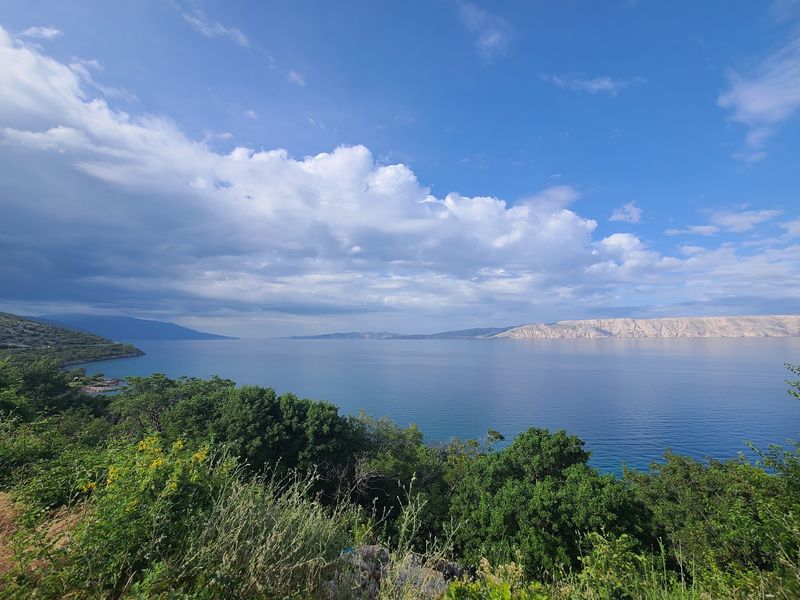
Pirates gave Illyria a rough reputation. Ancient writers said Illyrian ships raided traders along the Adriatic Sea, which sometimes drew Rome into conflict.
The Illyrians were many tribes sharing similar customs and languages. They lived in hill forts and were known as strong fighters and sailors.
Rome took control after a series of wars and made Illyricum a province in the first century BC. Later the region produced several Roman emperors, including Diocletian, who was born near Salona.
The old territory covers parts of Albania, Croatia, Montenegro, and Bosnia and Herzegovina. Some Albanians see the Illyrians as distant ancestors, though scholars still debate the exact link.
10. Numidia: Algeria and Tunisia
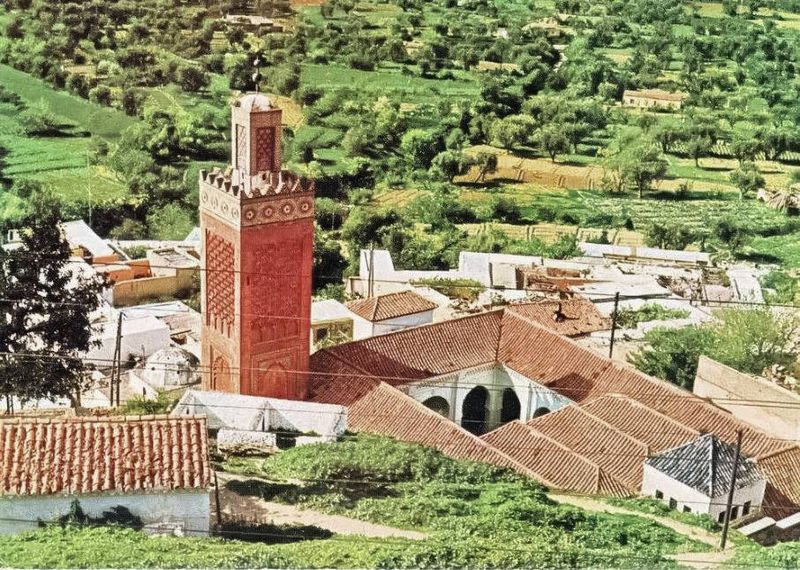
Few horsemen of the ancient world matched the Numidians. Their cavalry rode without saddles and guided horses with light touches, which made them a prized force in many wars.
Numidia was a Berber kingdom in North Africa. King Masinissa united the tribes and sided with Rome against Carthage, helping Rome win the Second Punic War.
Later the king Jugurtha fought Rome for control, but he was finally captured. After that the kingdom became part of the Roman world.
The land lay mostly in modern northeastern Algeria, with some parts in western Tunisia. Ruins at Timgad and Cirta, now Constantine, offer a window into this past.
11. Carthage: Modern Tunisia
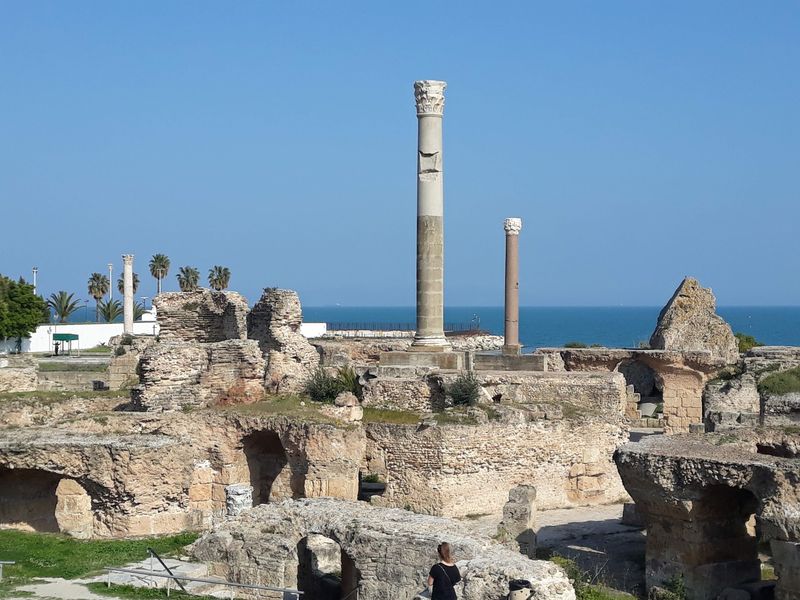
When Hannibal marched elephants over the Alps, he was fighting for Carthage. That daring trip is one of the most famous stories of the ancient world.
Carthage began as a Phoenician colony around 814 BC. Its harbors and trading ships made it rich, and it came to control much of the western Mediterranean.
Rome and Carthage fought three wars called the Punic Wars. In 146 BC, Rome destroyed the city, though it later rebuilt it as a Roman center.
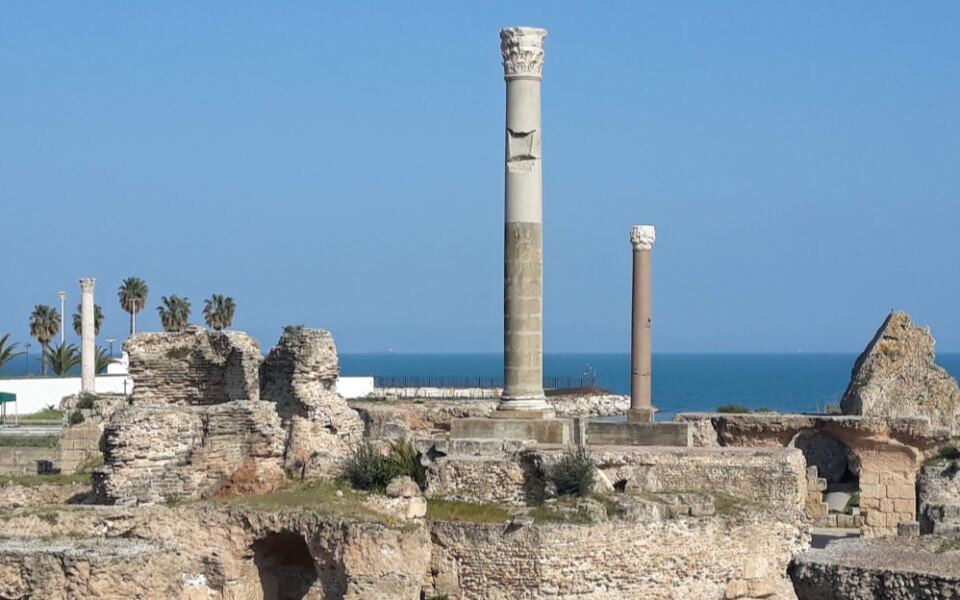
Carthage was a city and a civilization rather than a modern-style country. Its ruins sit near Tunis, the capital of Tunisia, where visitors can see baths, harbors, and old burial grounds.
12. Abyssinia: Ethiopia
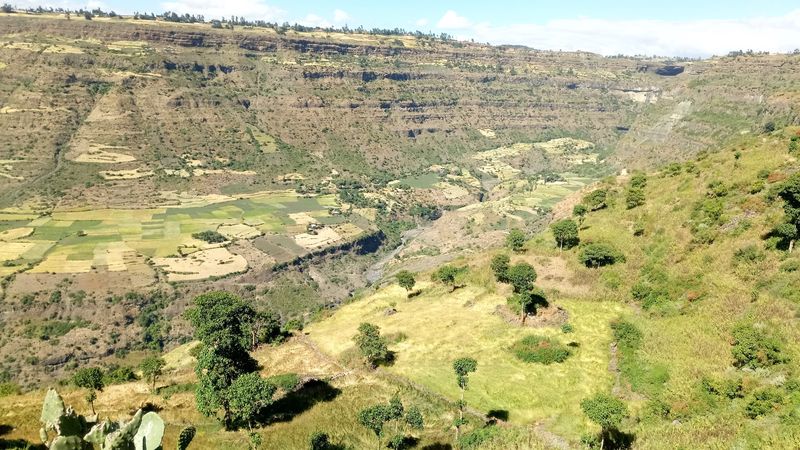
Few countries can say they were never fully colonized, but Ethiopia can. At the Battle of Adwa in 1896, Ethiopian forces defeated an Italian army and protected their independence.
Abyssinia was long the name used by outsiders. It may come from an Arabic word linked to the Habesha people, who lived in the highlands.
The ancient Kingdom of Aksum rose here and traded with Rome, India, and Arabia. It was one of the first states to adopt Christianity, in the fourth century.
Historically the name was also tied to parts of Eritrea. Ethiopia became the more common name in the twentieth century and is the official title today.
13. Ceylon: Sri Lanka
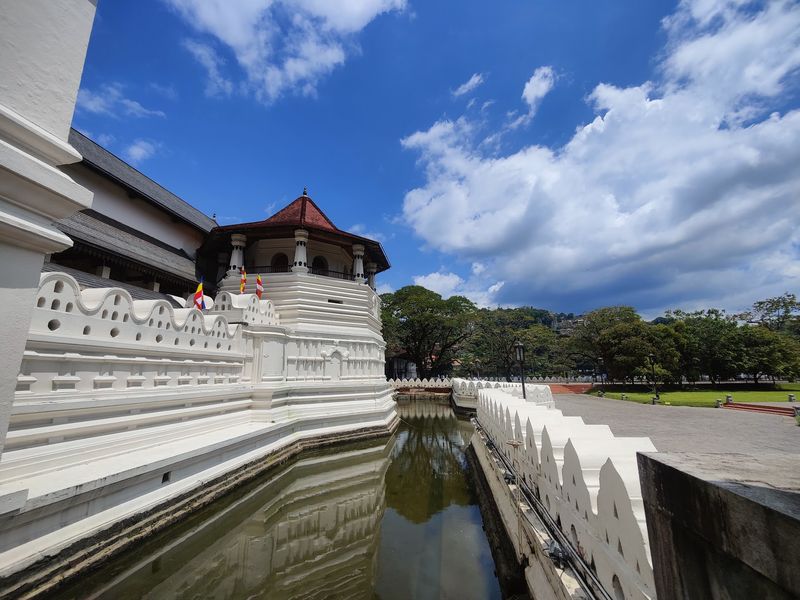
A cup of Ceylon tea carries a bit of history in every sip. The name still appears on tea boxes, even though the island changed its official name decades ago.
Sri Lanka has had many names over time. Ancient Greeks called it Taprobane, Arab traders used Serendib, and Europeans later used Ceylon.
Britain ruled the island until 1948. The country was called Ceylon until 1972, when it became Sri Lanka, a name meaning resplendent island in Sanskrit.
The island holds ancient cities like Anuradhapura and the rock fortress of Sigiriya. Its long Buddhist heritage and trade links made it important across the Indian Ocean.
14. Siam: Thailand
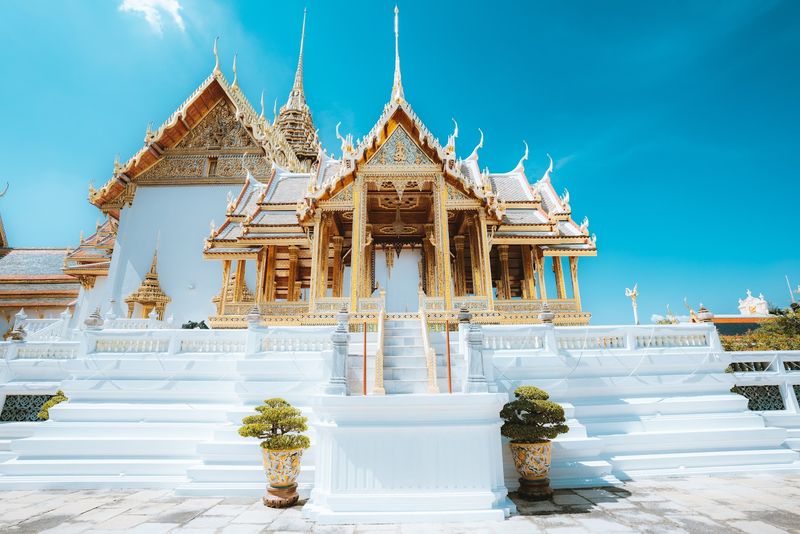
Siamese cats and Siamese twins both took their names from a country that no longer uses that title. Siam was the name known abroad for centuries.
The kingdom was ruled by dynasties based in cities such as Sukhothai and Ayutthaya. Ayutthaya grew into a busy trading port that welcomed merchants from Europe, China, and Persia.
In 1939, the government changed the name to Thailand, which means land of the free. The country briefly used Siam again after World War II, then returned to Thailand in 1949.
Siam also avoided European colonial rule, a rare feat in Southeast Asia. Clever diplomacy by rulers such as King Mongkut and King Chulalongkorn played a big part.
15. Burma: Myanmar
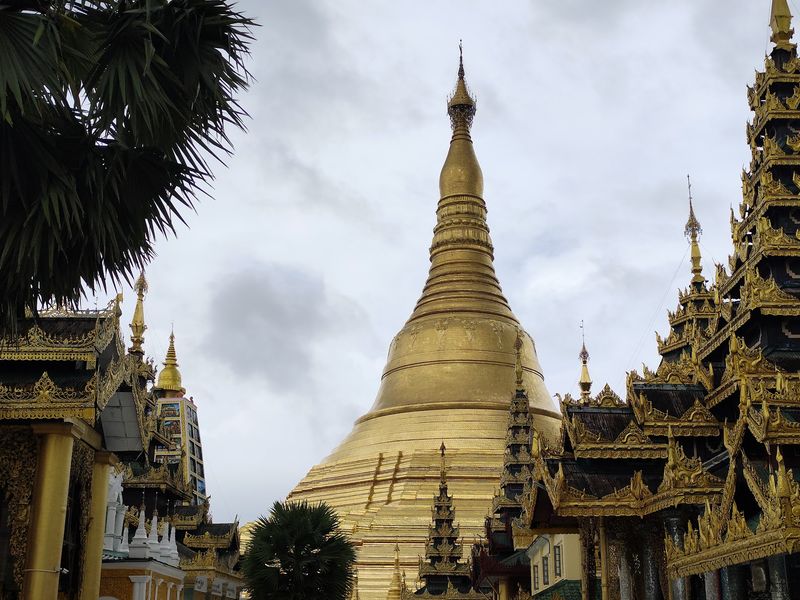
Ask someone in Southeast Asia what to call their country, and the answer can depend on who is asking. Burma and Myanmar have both been used for a long time, and each carries its own history.
Both names come from the Bamar people, the largest ethnic group. Myanmar is often seen as more formal, while Burma is more common in everyday speech.
In 1989, the ruling military government officially changed the English name to Myanmar. Some governments and news outlets kept using Burma because of political disagreements.
The land holds the old kingdom of Bagan, where thousands of temples were built from the eleventh century onward. Today the name used often reflects a person’s view of the country’s recent past.
Share this story