Europe has famous cities that fill up fast every summer. But the continent also hides quiet towns, wild islands and sleepy valleys where life moves at a gentler speed.
Visiting them means more space, more local flavor and more stories to bring home. Here are fifteen places that deserve a spot on your map.
Gjirokastër, Albania
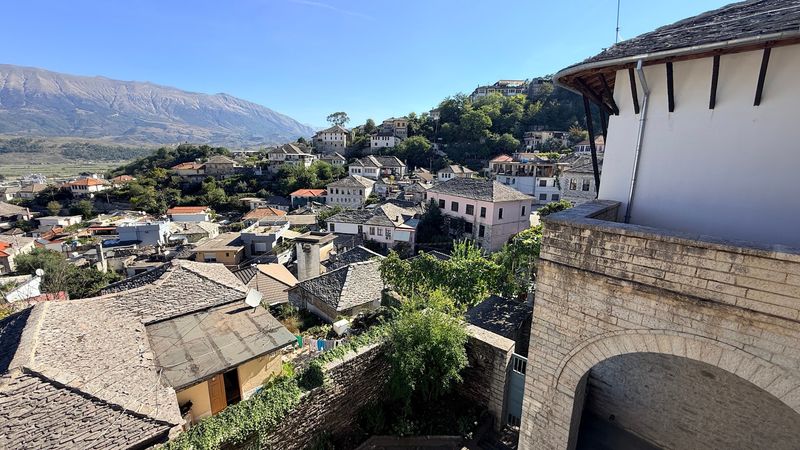
Dark stone roofs stacked up a steep hill make Gjirokastër look like a storybook village built by someone who loved stairs. The town sits above the Drinos Valley in southern Albania, and a big fortress watches over everything from the top.
UNESCO lists it with Berat as a rare example of Ottoman-era town life. You will find tall 17th-century houses, an old bazaar and an 18th-century mosque tucked among the lanes.
Wear good shoes, because the cobblestones are slippery and the slopes are no joke.
Albania’s coast gets most of the attention these days, which leaves Gjirokastër feeling calm and personal. Day-trippers usually leave by late afternoon, and that is when the town really relaxes.
Stay overnight if you can. Evening light turns the stone warm and gold, and the streets go quiet enough to hear your own footsteps.
Grab a table at a small local restaurant, order something grilled, and watch the lights flicker on across the hillside. It is a slow, rewarding way to meet southern Albania without rushing from one famous stop to the next.
Vipava Valley, Slovenia
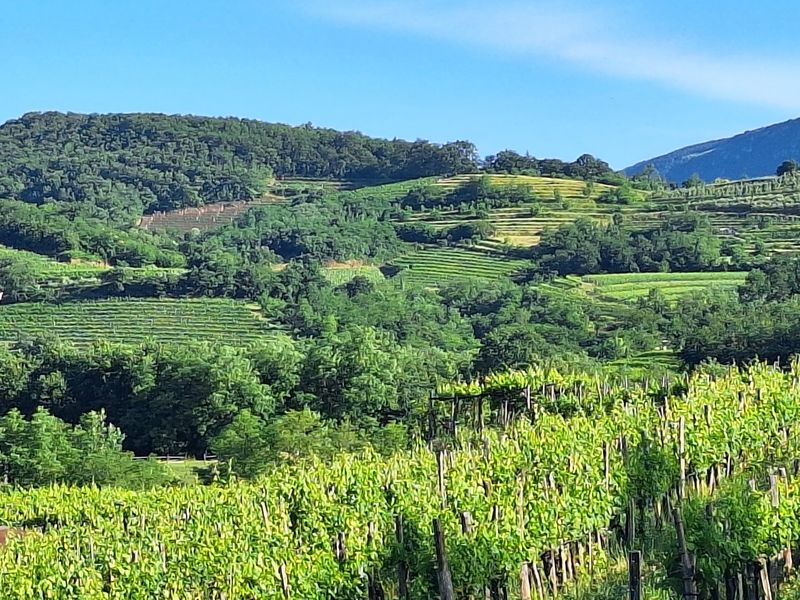
Wine lovers, meet your new favorite secret. The Vipava Valley in western Slovenia is packed with vineyards, orchards and stone villages, yet far fewer people visit than at Lake Bled or in Ljubljana.
A warm breeze from the Mediterranean shapes the land here. It helps grapes ripen and gives the valley a softer feel than the Alpine parts of the country.
Hills around the valley offer fine lookout points, so bring a camera and a bit of curiosity.
Travel experts often name Vipava as a calmer alternative for people who want scenery with real character. Cycling is a favorite way to explore, since the roads are quiet and the stops are close together.
The valley fits neatly into a road trip. Start in Ljubljana, drift toward the Karst region, then finish at Slovenia’s short Adriatic coast.
Plan a long lunch along the way. Local winemakers are friendly, and many are happy to pour a taste while telling you about their family vineyard.
Kuldīga, Latvia
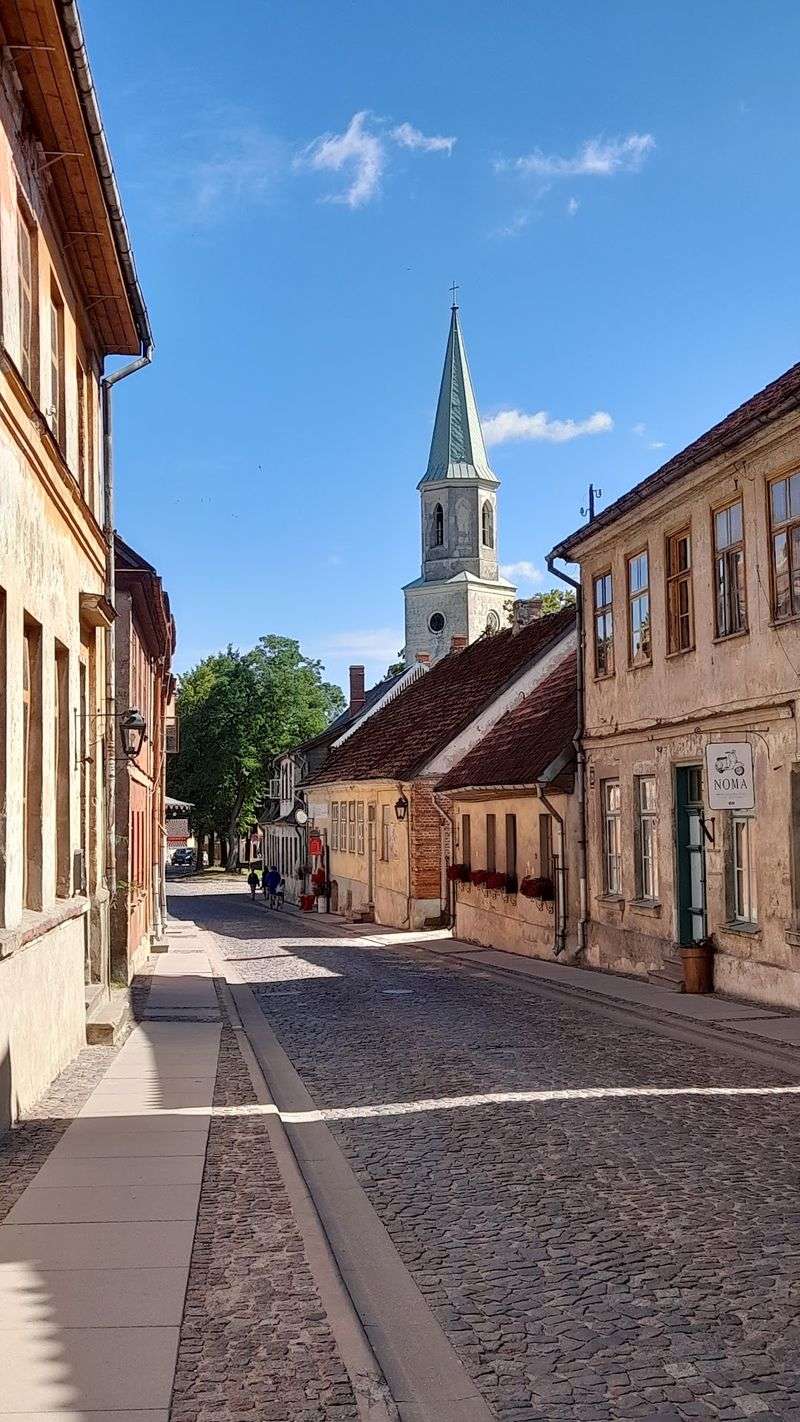
Here is a fun fact: Kuldīga once ruled as an important center of the Duchy of Courland and Semigallia. That history still shows in the streets, which keep their old pattern from the 16th to 18th centuries.
UNESCO added the old town to its World Heritage List for that reason. Wooden houses, brick buildings and Baltic touches make a stroll feel like flipping through a living history book.
The Venta River runs right beside town, giving it a relaxed waterside mood. Sit on the bank, watch the water roll past and let the afternoon stretch out.
Nobody here seems to be in a hurry.
Riga and Tallinn get most of the Baltic spotlight, but Kuldīga offers charm on a smaller scale. If you are road-tripping through the region, it makes a perfect pause.
Come for the old streets, stay for the quiet, and leave with a postcard-worthy memory that did not require elbowing through a crowd.
Suðuroy, Faroe Islands
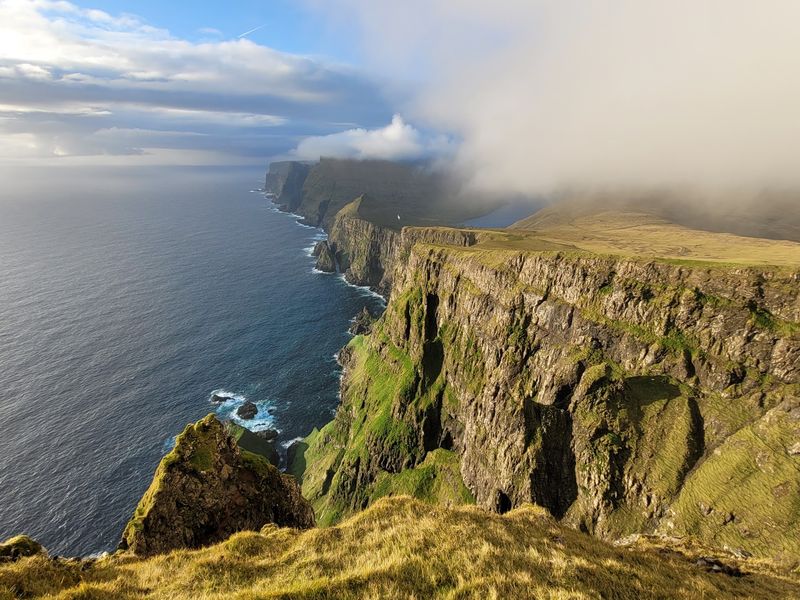
Cliffs that drop about 470 meters into the sea tend to leave visitors speechless. That is the scene at Beinisvørð on Suðuroy, the southernmost island in the Faroes.
Even though the Faroe Islands are growing popular, Suðuroy still feels apart from the main visitor trail. It has its own culture, small fishing villages and deep green valleys that look almost too bright to be real.
Head to Hvannhagi for mountain views that stretch toward Lítla Dímun and Stóra Dímun. Bring a windproof jacket, because the weather changes fast and the breeze likes to make an entrance.
Getting here takes effort. You need to ride the longer ferry from Tórshavn, and that distance is part of the magic.
Fewer people make the trip, so the roads are quiet and the scenery feels wild. Pack snacks, charge your camera and give yourself at least a night or two to soak it all in.
Metsovo, Greece
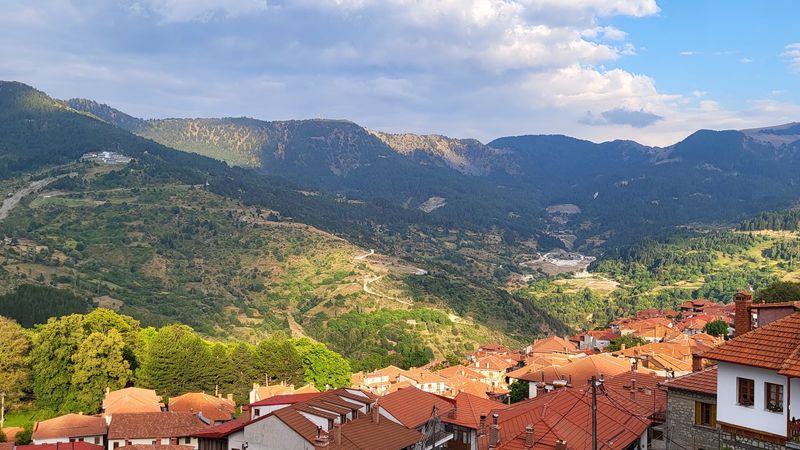
Forget beaches for a moment. Metsovo shows a Greece of pine forests, stone houses and cool mountain air high in the Pindus range.
The town was once a busy trading center, and its history shows in carved wooden balconies and cobbled streets. Walking around feels like stepping into a cozy mountain painting.
Food is a big reason to visit. Metsovo is known for smoked cheeses, and the local wine from around Katogi Averoff is worth a taste.
Order a cheese plate and settle in for a while.
The town works in every season. Summer brings hiking trails and fresh mountain views, while winter covers the rooftops in snow and gives the whole place a fresh personality.
Use it as a base to explore the quieter, inland side of Greece. You will find friendly cafes, peaceful valleys and far fewer tour buses than on the islands.
Maramureș, Romania
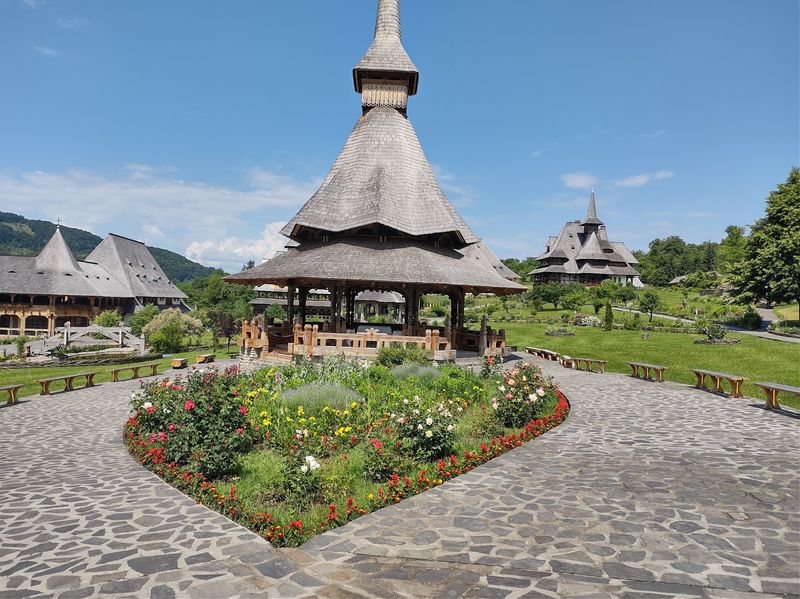
Picture a village where the gates are carved like works of art and the church is made entirely of wood. That is everyday scenery in Maramureș, in northern Romania.
The region feels very different from Transylvania’s famous castle trail. Farming communities, hayfields and roadside shrines set the pace, and traditional architecture is still easy to spot.
Many travelers stay in rural guesthouses, which puts you right in the middle of village life. Breakfast might come with homemade jam, and your host might share a story or two about local customs.
Guides to lesser-known Romania often highlight Maramureș for its folk traditions and wooden buildings. A car makes exploring easier, since the best moments often appear around a bend in the road.
Stop at local markets, chat with vendors and take your time. The experience feels more like visiting friends than ticking off sights.
Albarracín, Spain
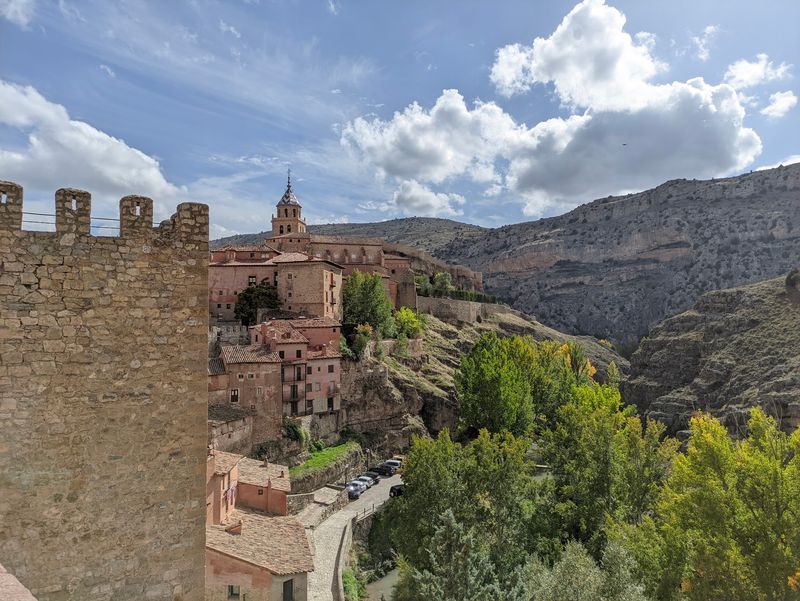
At nearly 1,200 meters up, Albarracín feels like a village that decided to touch the clouds. Its medieval houses crowd along steep streets beneath old defensive walls in Aragón.
Spain’s official tourism portal calls it one of the country’s prettiest villages. It even recommends the town for travelers wanting to go beyond the usual routes.
Wander the narrow lanes and you will pass historic mansions, a castle and a cathedral. Spanish visitors love it, but it is far less known abroad than Barcelona, Seville or Granada.
The surrounding mountains add a bonus. Hiking and climbing are popular, so Albarracín is more than a quick photo stop.
Spend a night so you can see the walls glow in the evening and enjoy the quiet after the day visitors depart. Pack layers, because the mountain air can turn cool once the sun goes down.
Ascoli Piceno, Italy
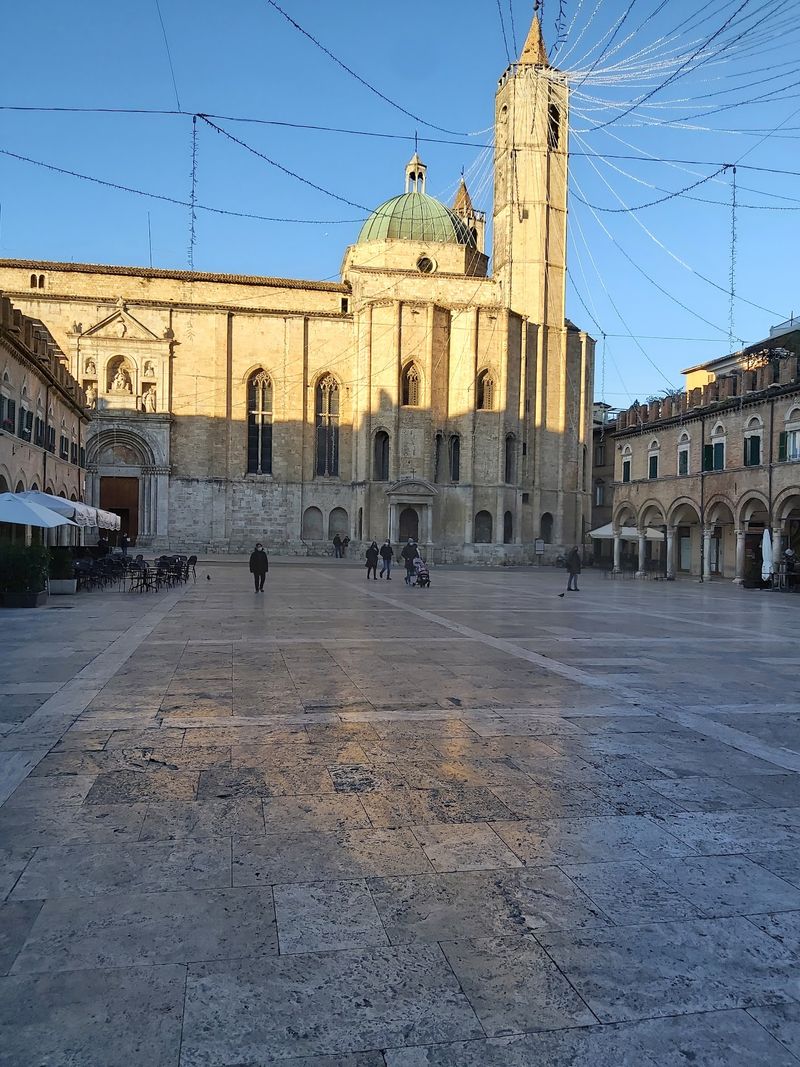
Late afternoon is when Ascoli Piceno really shows off. The pale travertine stone of its center glows warm and golden, and the piazzas look like they have been polished by sunlight.
This compact medieval city in the Marche region brings the beauty of Italy’s famous art towns without the same crowds. Italia.it describes elegant squares, historic churches and a skyline that was once crowded with towers.
Piazza del Popolo is the star. Grab a seat at a cafe, order a coffee and watch locals go about their day.
Side lanes lead to small churches and shops that are perfect for slow browsing.
If you want historic Italy beyond the Rome, Florence and Venice circuit, this is a smart choice. Walk everywhere, since the center is easy to explore on foot.
Leave time for wandering with no plan. Some of the best moments here happen when you simply turn down a street that looks interesting.
Gozo, Malta
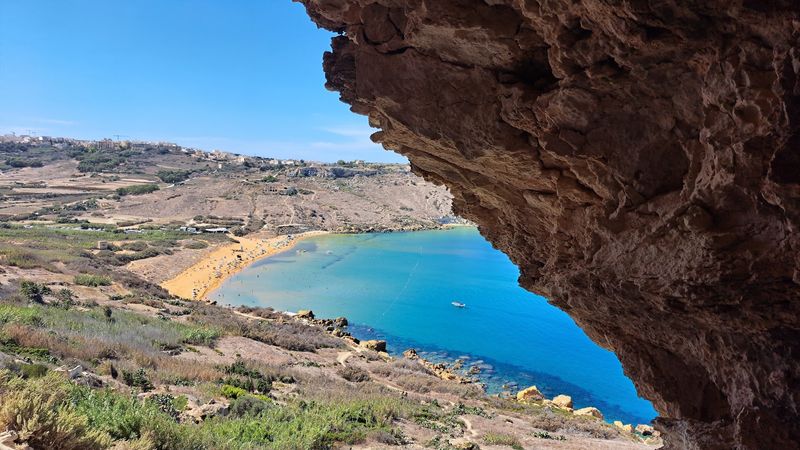
Malta has a smaller sister, and she prefers a slower schedule. Gozo is greener, quieter and wilder than the busy urban areas of the main island.
Limestone villages, salt pans and sea caves make up much of its charm. Outside peak summer, the coastline feels wonderfully open, with plenty of room to spread out.
Victoria serves as the cultural center, with lively streets and local shops. Head west to Dwejra and you will find dramatic rock formations and sunsets worth planning your evening around.
Getting there is easy, since a ferry connects the two islands. Many people treat Gozo as a quick day trip, but that misses the point.
Stay a few nights and the island’s gentle rhythm starts to sink in. Mornings feel unhurried, dinners stretch out, and the countryside invites you to wander without checking your watch.
Trebinje, Bosnia and Herzegovina
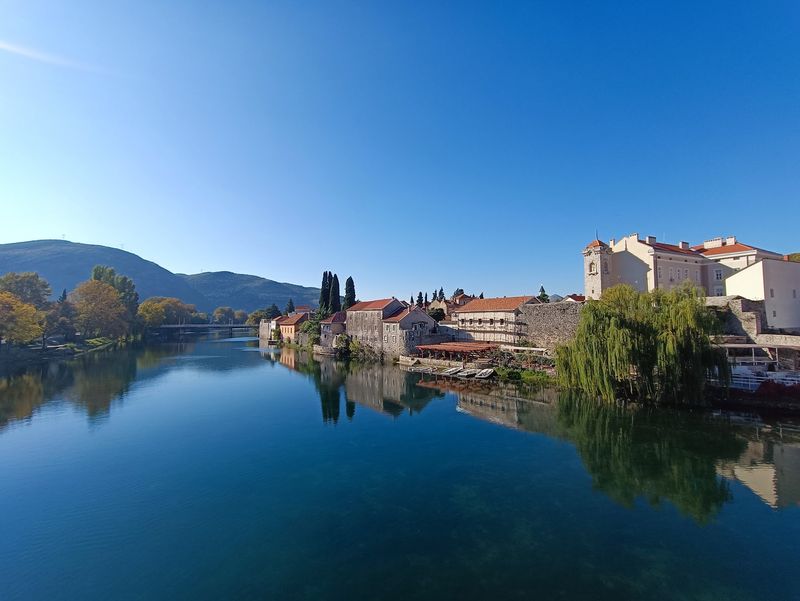
Big plane trees shade the cafes of Trebinje, and nobody seems to mind if your coffee takes an hour. The town sits along the Trebišnjica River in southern Herzegovina, ringed by dry hills and vineyards.
The compact center is relaxed and easy to explore. The historic Arslanagić Bridge is one of the best-known landmarks, and the river adds a lovely backdrop for an afternoon stroll.
Nearby monasteries and wineries make Trebinje a handy base for day trips. Sample a local wine, then visit a hilltop monastery for views over the countryside.
Dubrovnik is just across the border and Mostar lies farther north, yet Trebinje sees far fewer international visitors. That lower profile is a gift.
You get to see everyday Herzegovinian life, not a town built only around tourism. Chat with locals, linger over lunch and enjoy a refreshingly unhurried corner of the Balkans.
Marvão, Portugal
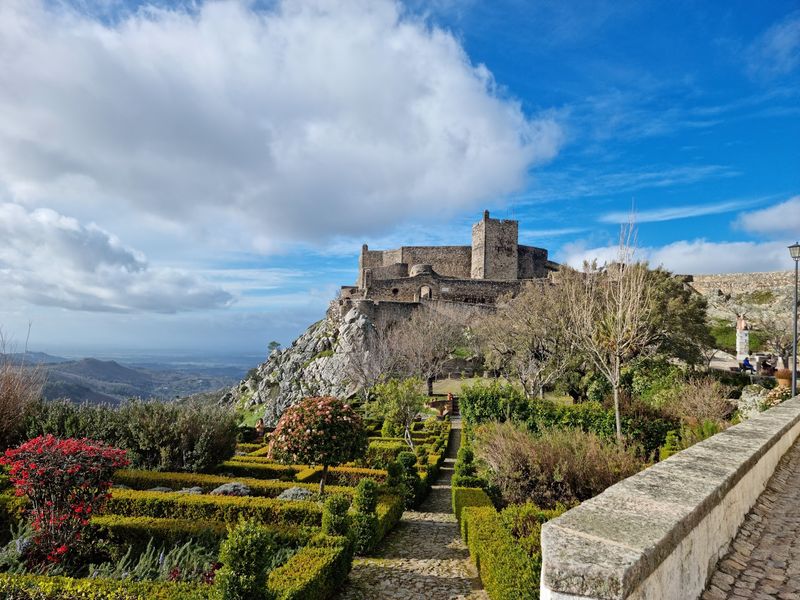
Few villages sit as proudly as Marvão, perched on a rocky hilltop in Portugal’s Alentejo near the Spanish border. Stone houses huddle inside medieval walls, and the views stretch across plains and mountains.
The remote location has kept the atmosphere calm. While Portugal’s coast gets the crowds, Marvão enjoys a peaceful pace and lots of fresh air.
Walk along the fortifications and explore the castle. Then slow down and simply look out at the horizon.
On clear days, it feels like you can see halfway across the country.
A car helps a lot here. The wider Alentejo is full of vineyards, cork-oak landscapes and historic villages that reward long, scenic drives.
Pack a picnic, stop whenever a view tempts you and skip the rush between major cities. Marvão is best enjoyed as part of a countryside adventure with no tight schedule.
Görlitz, Germany
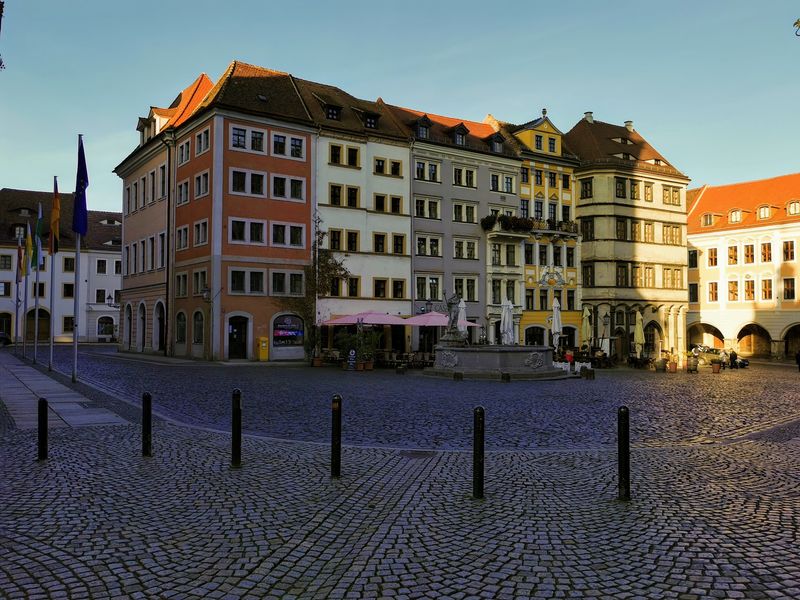
Hollywood directors have noticed Görlitz, and you will see why once you step into its streets. The town on Germany’s eastern border holds an unusually dense mix of historic buildings from several centuries.
Renaissance, Baroque and Art Nouveau styles stand side by side in the old center. The well-preserved streets have attracted many film productions over the years.
The Neisse River separates Görlitz from the Polish town of Zgorzelec. Walk across a bridge and you are in another country, which makes for a fun cross-border afternoon.
Despite all this beauty, Görlitz sees far fewer international visitors than Berlin, Munich or Dresden. That means you can admire facades and courtyards without fighting for a clear photo.
It is a great city to explore on foot, with no rush and no crowds at every corner. Bring comfortable shoes and keep your eyes up, because the best details are often above the shop windows.
Saaremaa, Estonia
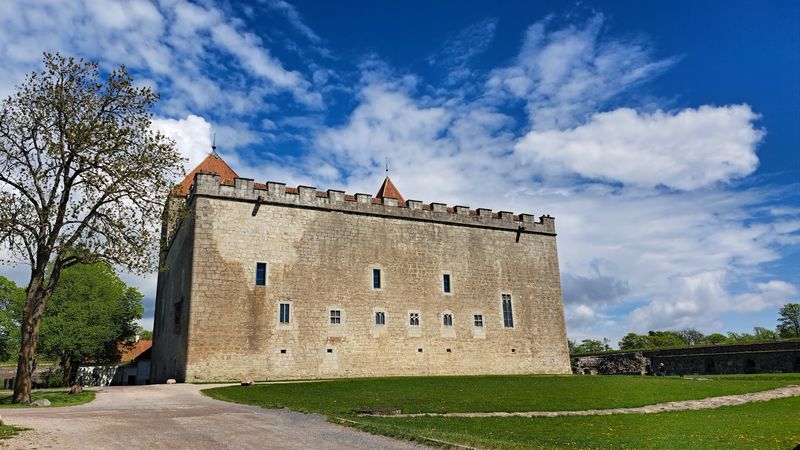
A meteorite crashed here thousands of years ago, and the crater is still waiting for visitors. The Kaali crater is one of the quirky highlights of Saaremaa, Estonia’s largest island.
Life on Saaremaa centers on forests, coastal roads and small communities rather than big-city sights. Kuressaare is the main town, and its medieval episcopal castle is a defining landmark.
Windmills dot the countryside, and long stretches of coastline remain refreshingly undeveloped. Many attractions are spread out, so a car or bicycle is the best way to explore.
If you already know Tallinn, Saaremaa shows you a very different Estonia. Maritime traditions and slower rural life set the tone here.
Take the ferry, rent a bike and pedal from one quiet spot to the next. Stop for fresh fish or local bread, and enjoy the feeling of having a whole island more or less to yourself.
Taramundi, Spain
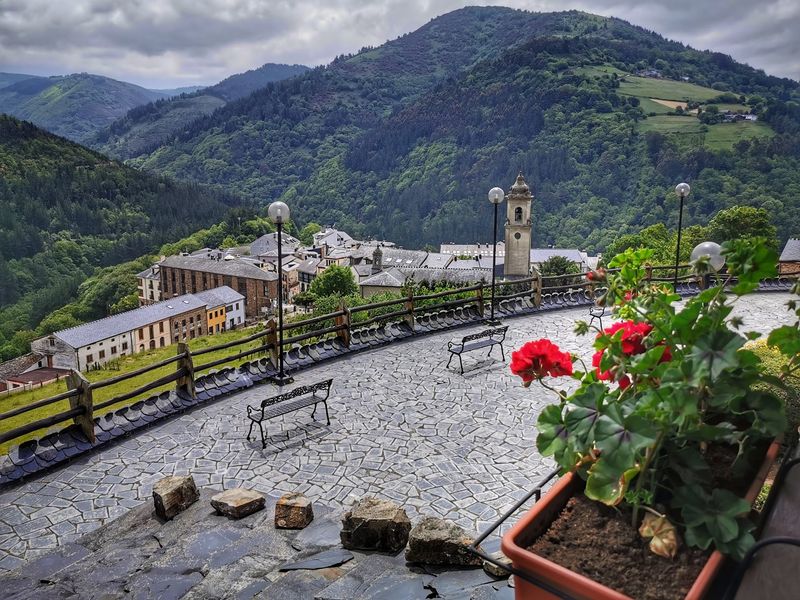
Spain is not all sunshine and sand, and Taramundi proves it with misty green mountains and deep valleys in Asturias. Spain’s official tourism board recommends it for anyone craving a different side of the country.
Crafts are the heart of the town, especially knife-making and water-powered mills. The Mazonovo complex shows how old milling technology worked, and it is surprisingly fun to watch.
Forest paths and stone villages surround the town, so walking is the main activity. Pull on sturdy boots, follow a trail and listen for streams along the way.
Taramundi suits travelers who love rural tourism, local food and peaceful scenery over big monuments. Try hearty regional dishes after a day outdoors.
It also makes a refreshing contrast to Spain’s crowded coastal resorts, offering fresh air, green hills and a slower pace that feels like a deep breath.
Piran, Slovenia
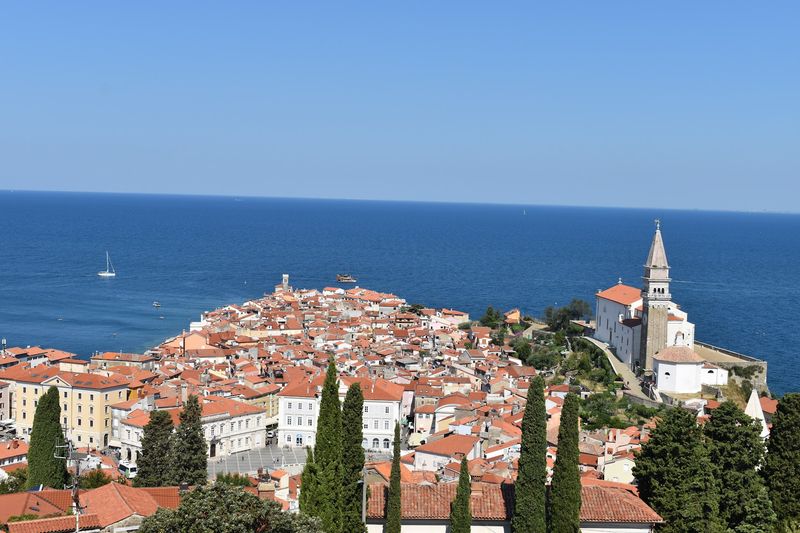
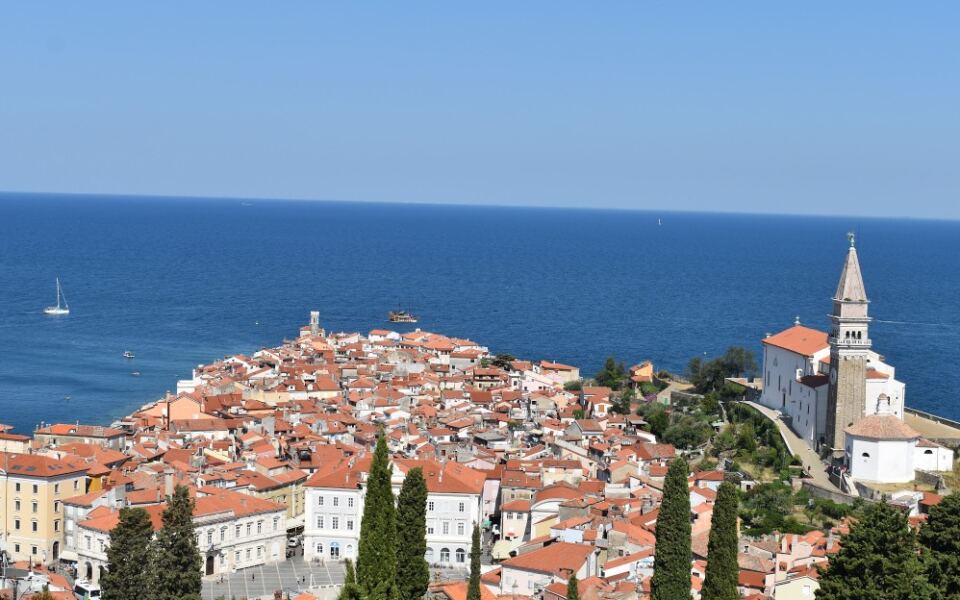
Terracotta rooftops tumble toward the Adriatic in Piran, a town packed onto a small peninsula. Venetian-style buildings and narrow alleys give it a charm that feels straight out of a postcard.
Slovenia’s coastline is tiny, and it gets far fewer visitors than neighboring Croatia or Italy. That makes Piran feel like a well-kept secret, even though it is one of the prettiest coastal towns around.
The old town is best explored on foot. Steep lanes climb to St. George’s Church and the surviving town walls, where the sea views are fantastic.
Summer weekends can get busy. Visit in spring or autumn, or stay overnight, and the town becomes much calmer.
Evenings are especially nice, with soft light on the water and a gentle buzz from waterfront cafes. Piran blends Central European and Mediterranean influences, making it a lovely final stop on a trip through Slovenia.
Share this story