Many American presidents have been admired for sharp minds, wide reading, and deep knowledge. Some earned advanced degrees, while others taught themselves through books and hard work.
Looking at their backgrounds shows how learning shaped their decisions and the country’s history. Here are twelve presidents known for their remarkable intelligence.
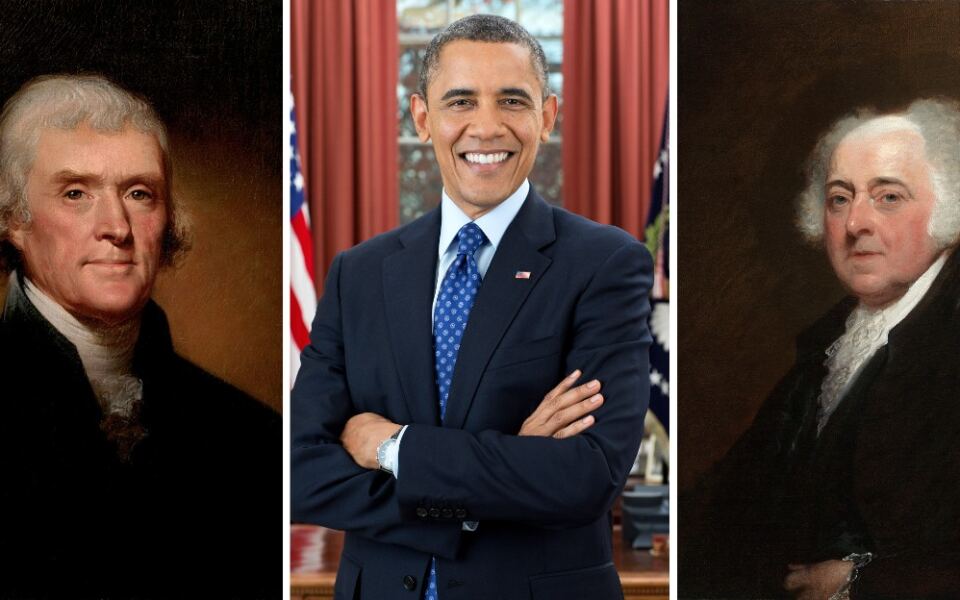
1. Thomas Jefferson (1801-1809)
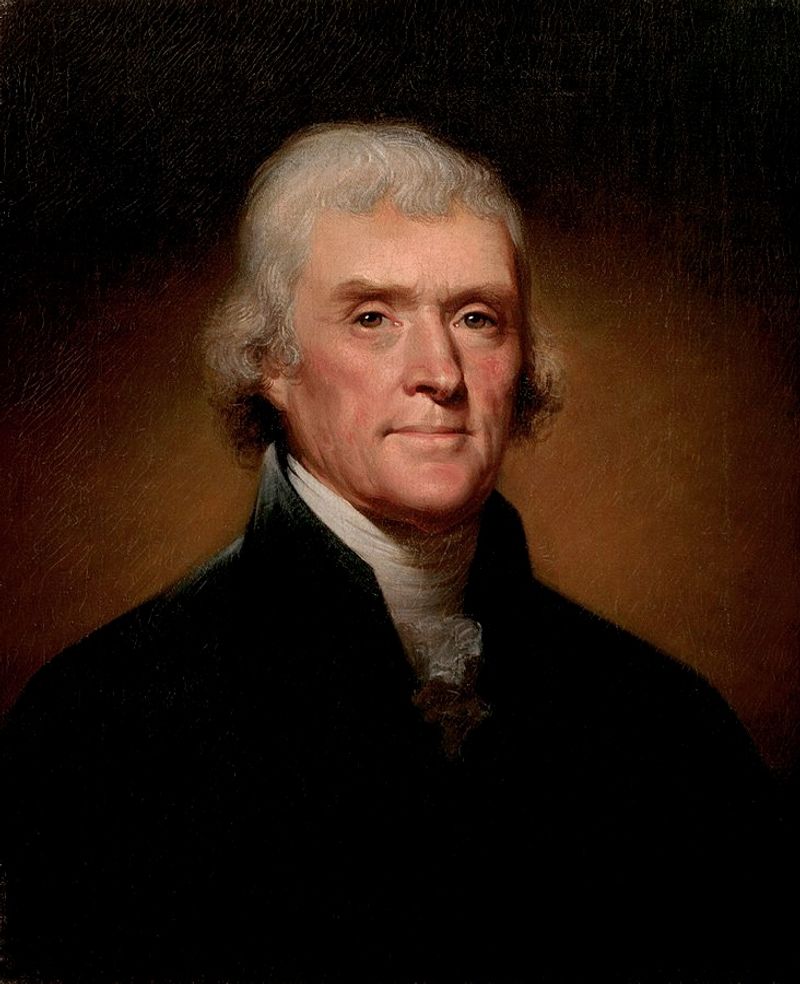
Few people in history could match the range of Thomas Jefferson’s curiosity. He studied architecture, science, philosophy, languages, and law, and he treated each subject as a serious project.
Jefferson designed his own home, Monticello, in Virginia. He filled it with books, scientific tools, and clever inventions.
His personal library was so large that it later became the base of the Library of Congress collection after the British burned the original in 1814.
Education mattered deeply to him. He founded the University of Virginia, planning its courses, its buildings, and its grounds himself.
He wanted students to explore many fields instead of following one narrow path.
Did you know? Jefferson asked that his gravestone mention the University of Virginia and the Declaration of Independence, but not his time as president.
That tells you a lot about what he valued most.
2. John Quincy Adams (1825-1829)
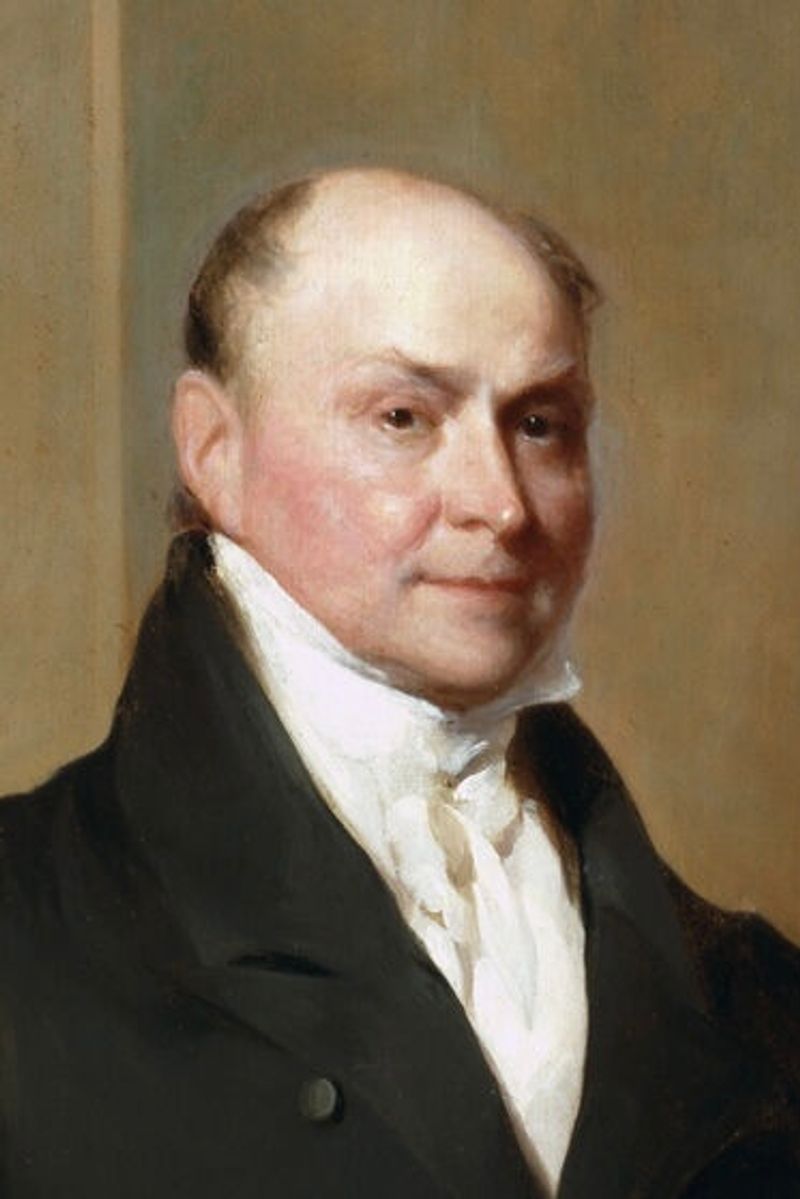
Picture a teenager serving as a secretary to American diplomats in Russia. That was John Quincy Adams, who started his international career at just fourteen.
By adulthood he spoke several languages and understood European politics better than almost anyone in America.
He graduated from Harvard and later taught there as a professor of rhetoric. His diplomatic work took him across Europe, and he helped shape key foreign policy ideas, including those behind the Monroe Doctrine.
Adams kept a diary for most of his life, and it grew to thousands of pages. It gives historians a detailed view of early American politics and daily life.
After his presidency, he served nearly seventeen years in the House of Representatives. His sharp arguments and deep research made him a respected voice, and he is often ranked among the most accomplished scholars to hold the office.
3. James Madison (1809-1817)
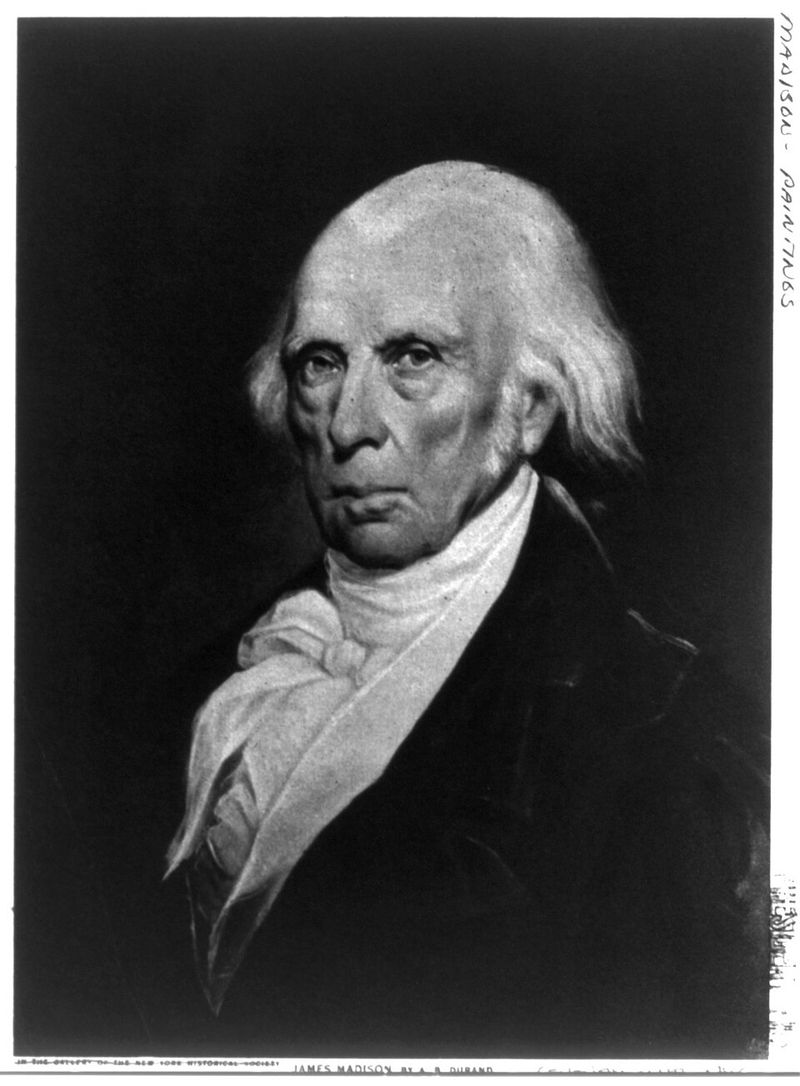
Standing barely over five feet tall, James Madison carried enormous influence in the room. People remember him as the Father of the Constitution because of how much of the document grew from his ideas.
Before the Constitutional Convention in 1787, Madison studied ancient and modern governments for months. He wanted to learn why other republics had failed.
That research shaped his plan for three branches of government with checks on each other.
He also worked with Alexander Hamilton and John Jay on the Federalist Papers, a series of essays that explained and defended the new system to the public. Many of those essays remain required reading in classrooms today.
Madison later helped write the Bill of Rights, turning careful theory into protections for ordinary citizens. His patient, thoughtful style made him one of the most effective political thinkers in American history.
4. Abraham Lincoln (1861-1865)
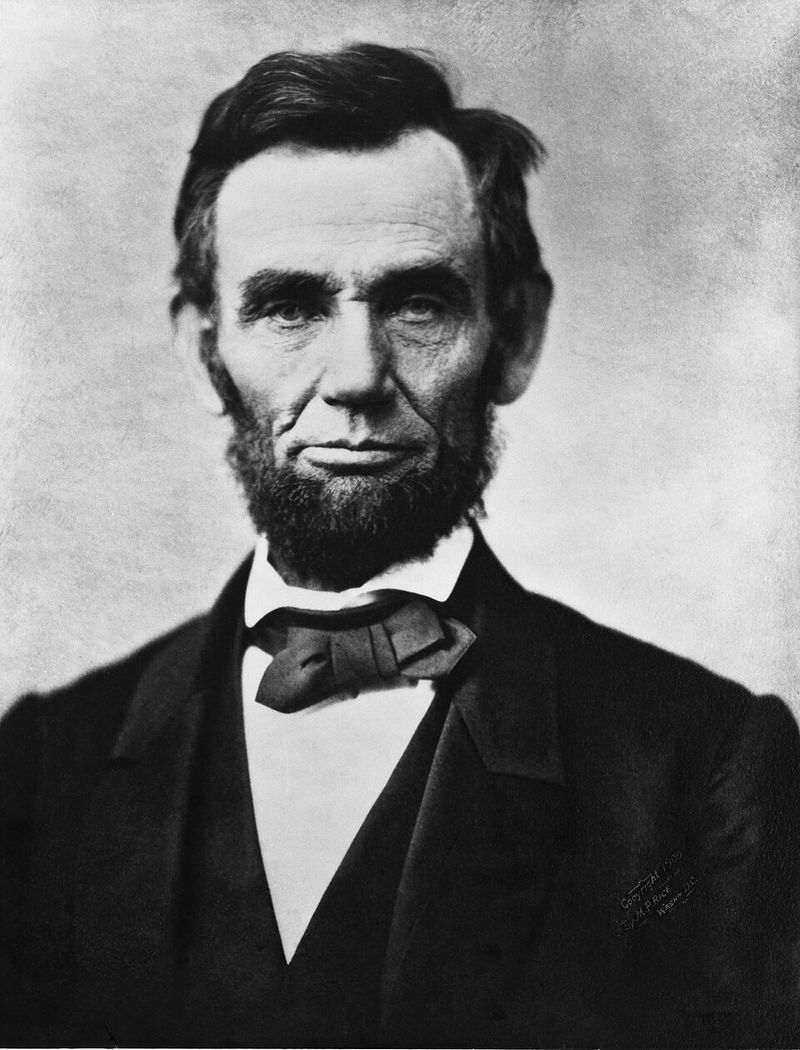
“I will study and get ready, and perhaps my chance will come.” Lincoln is often credited with that line, and his life matched it. He had less than a year of formal schooling, yet he became one of the nation’s finest thinkers.
He borrowed books from neighbors, read by firelight, and learned law on his own. He passed the bar and became a skilled lawyer who could break a complicated case down into plain, clear points.
His debates with Stephen Douglas in 1858 showed his talent for logic and persuasion. Later, speeches such as the Gettysburg Address proved he could say a great deal in very few words.
It runs only about 270 words.
Lincoln also studied Euclid’s geometry to sharpen his reasoning. As a wartime leader, he balanced military, political, and moral questions with remarkable patience and strategy.
5. John Adams (1797-1801)
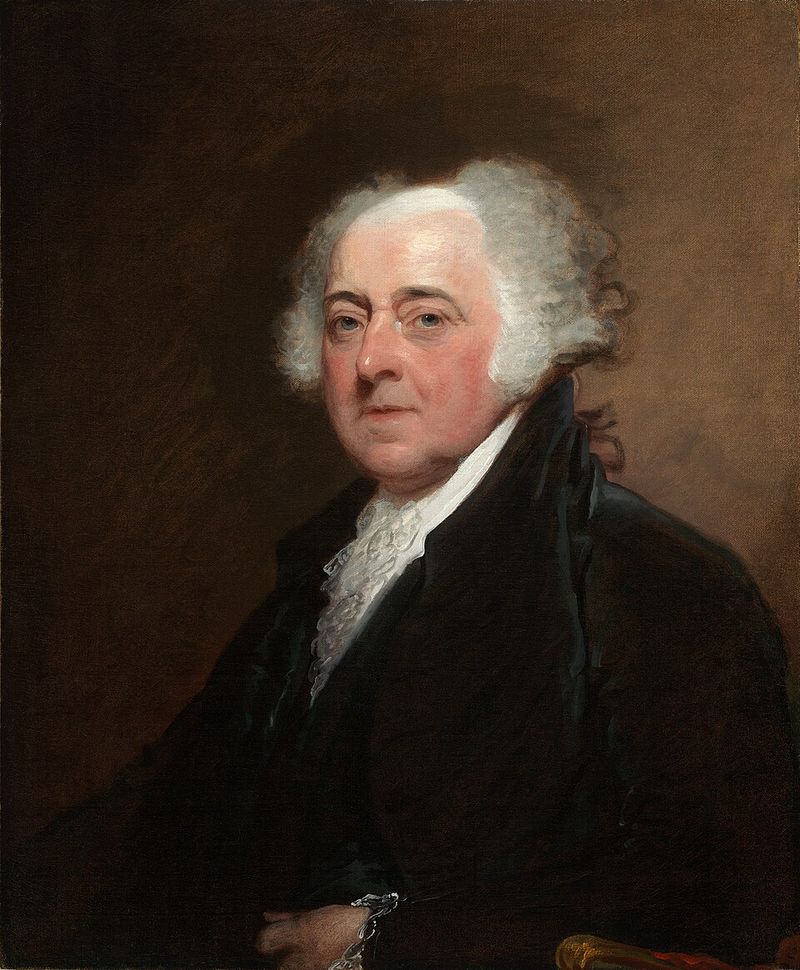
Long before he became president, John Adams was the lawyer who defended British soldiers after the Boston Massacre. It was an unpopular choice, but he believed everyone deserved a fair trial.
That decision showed both his courage and his legal mind.
Adams graduated from Harvard and built a strong reputation as a lawyer and writer. His essays and letters helped shape the ideas behind American independence.
He also wrote the Massachusetts Constitution in 1780, which remains one of the oldest working constitutions in the world.
In the Continental Congress, he argued forcefully for independence and helped select Thomas Jefferson to draft the Declaration.
Adams read constantly and wrote thousands of letters, many to his wife Abigail, whose own sharp insights he valued. Together, their correspondence offers a vivid look at the thinking of the founding era.
6. James Garfield (1881)
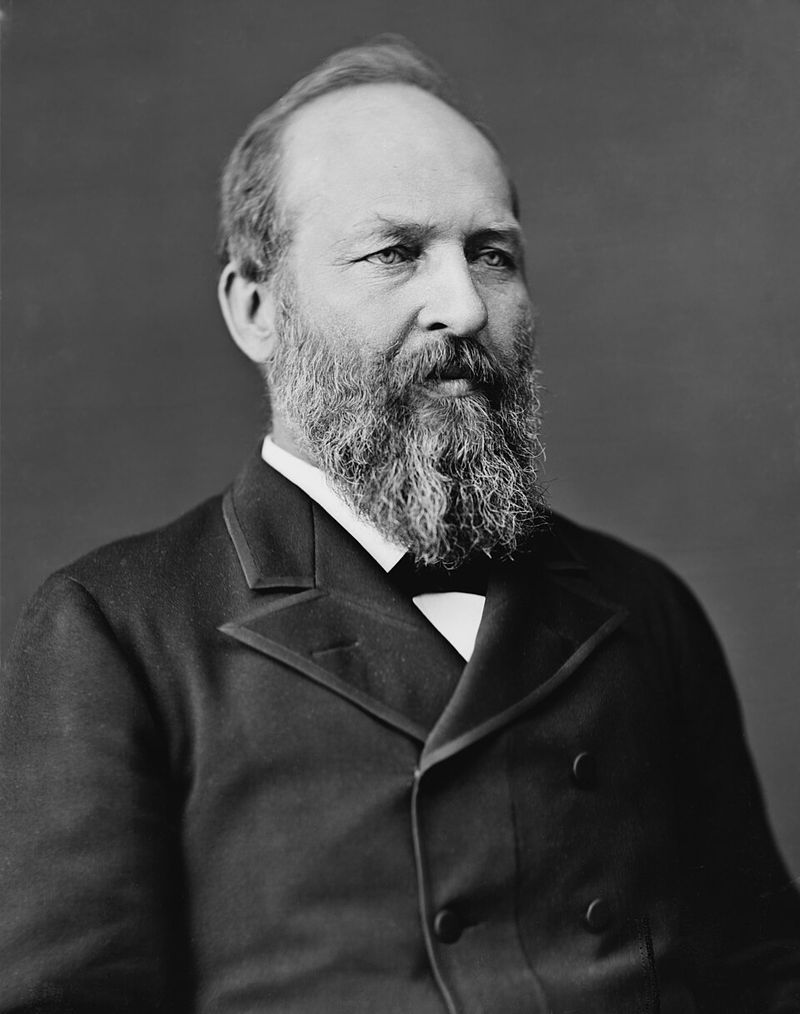
Here is a party trick few presidents could pull off: James Garfield reportedly could write Latin with one hand and Greek with the other at the same time. Whether or not the story is perfectly accurate, it reflects his reputation as a gifted scholar.
Garfield grew up in poverty in Ohio but worked his way through school. He studied classical languages, later graduated from Williams College, and taught at the Western Reserve Eclectic Institute, which became Hiram College.
He soon became its president at just twenty-six.
He also loved mathematics. In 1876, he published an original proof of the Pythagorean theorem, which is still admired for its neat reasoning.
Garfield went on to serve in the Civil War and Congress before winning the presidency. Sadly, an assassin shot him just months into office, ending a promising term far too soon.
7. Woodrow Wilson (1913-1921)
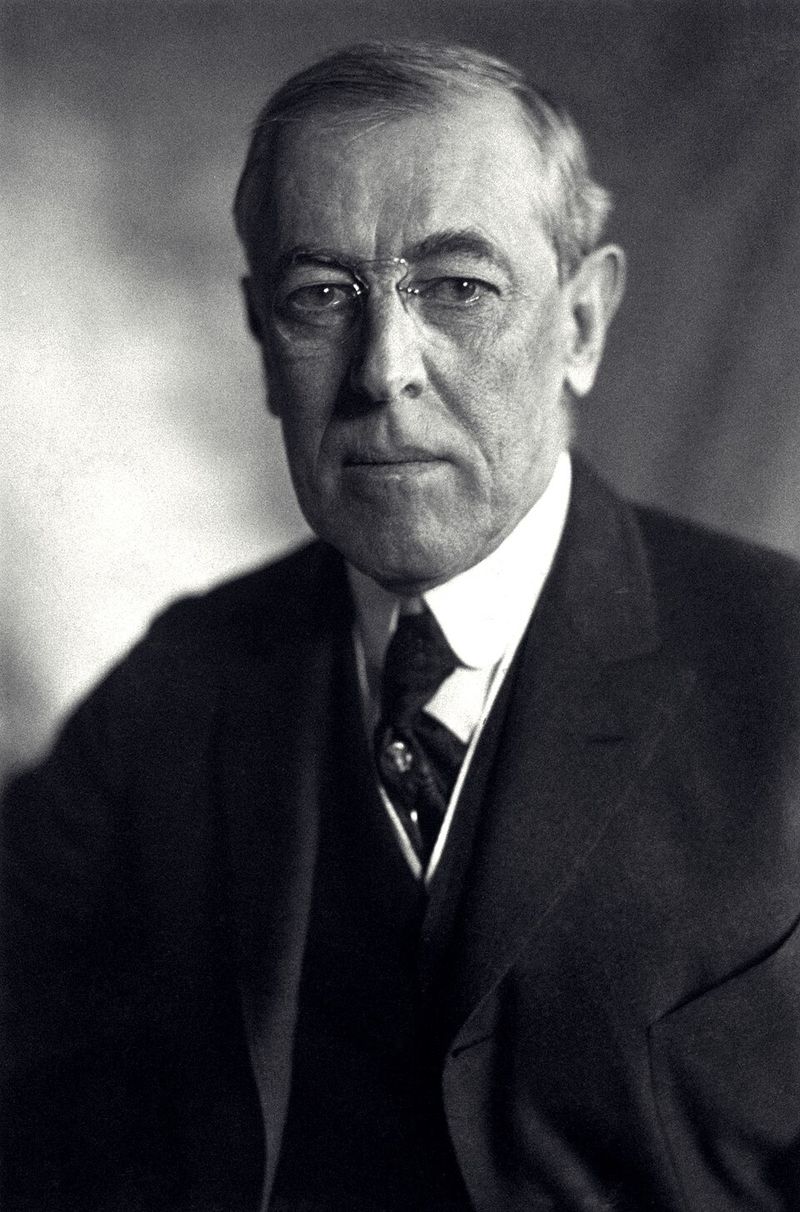
Woodrow Wilson remains the only American president to earn a PhD. He received his doctorate in political science from Johns Hopkins University, and his book on Congress became a respected study of how government actually works.
Before politics, Wilson spent years as a professor. He later became president of Princeton University in 1902, where he overhauled the curriculum and introduced small discussion groups called preceptorials.
Those changes pushed students to think for themselves instead of simply memorizing facts.
His academic path led to the governor’s office in New Jersey and then the White House. As president, he guided major reforms, including the creation of the Federal Reserve and the Federal Trade Commission.
Wilson also proposed the League of Nations after World War I. His ideas on international cooperation influenced later organizations, though his record also includes serious criticism, especially on race relations.
8. Theodore Roosevelt (1901-1909)
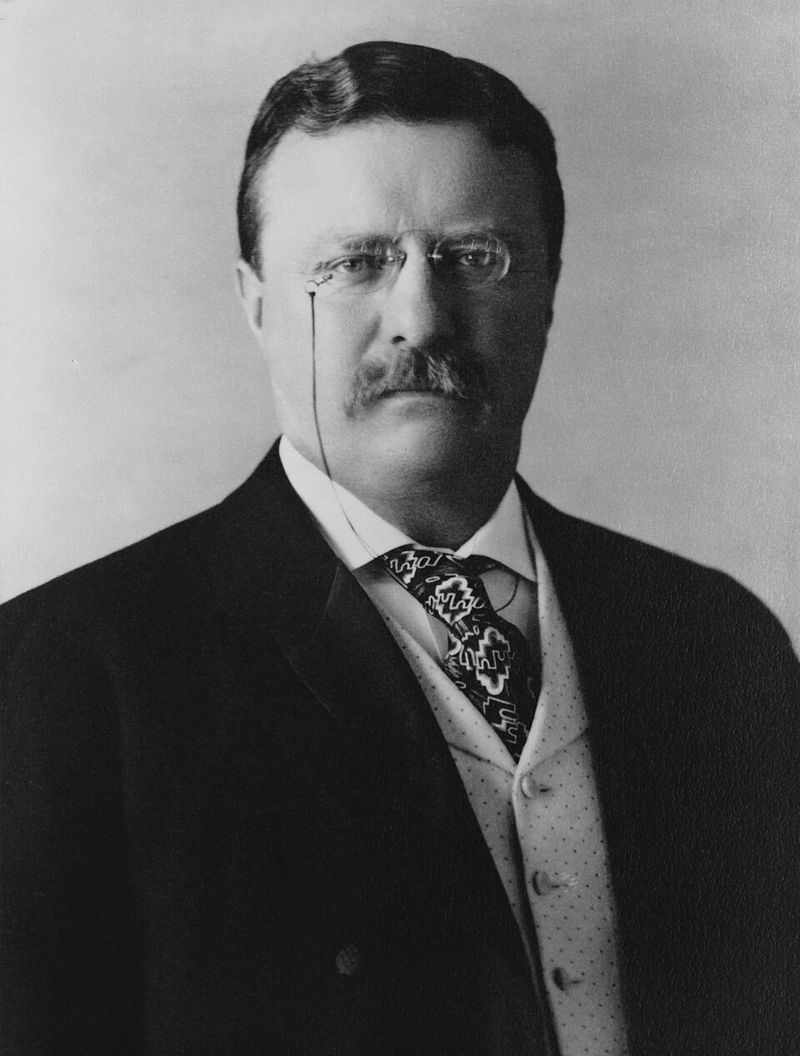
Reading one book a day was a normal habit for Theodore Roosevelt, and on busy evenings he might finish two or three. That appetite for knowledge powered a career filled with variety.
He graduated from Harvard and published his first book, a history of the naval War of 1812, while still in his twenties. Over his lifetime he wrote dozens of books on history, politics, ranching, and wildlife.
Roosevelt was also a serious naturalist. He collected animal specimens as a boy, and later expeditions supplied museums with thousands of items.
That passion shaped his work as president, when he protected about 230 million acres of public land.
His curiosity stretched from biology to boxing to foreign policy. In 1906, he won the Nobel Peace Prize for helping end the Russo-Japanese War, a sign of how far his talents reached.
9. John F. Kennedy (1961-1963)
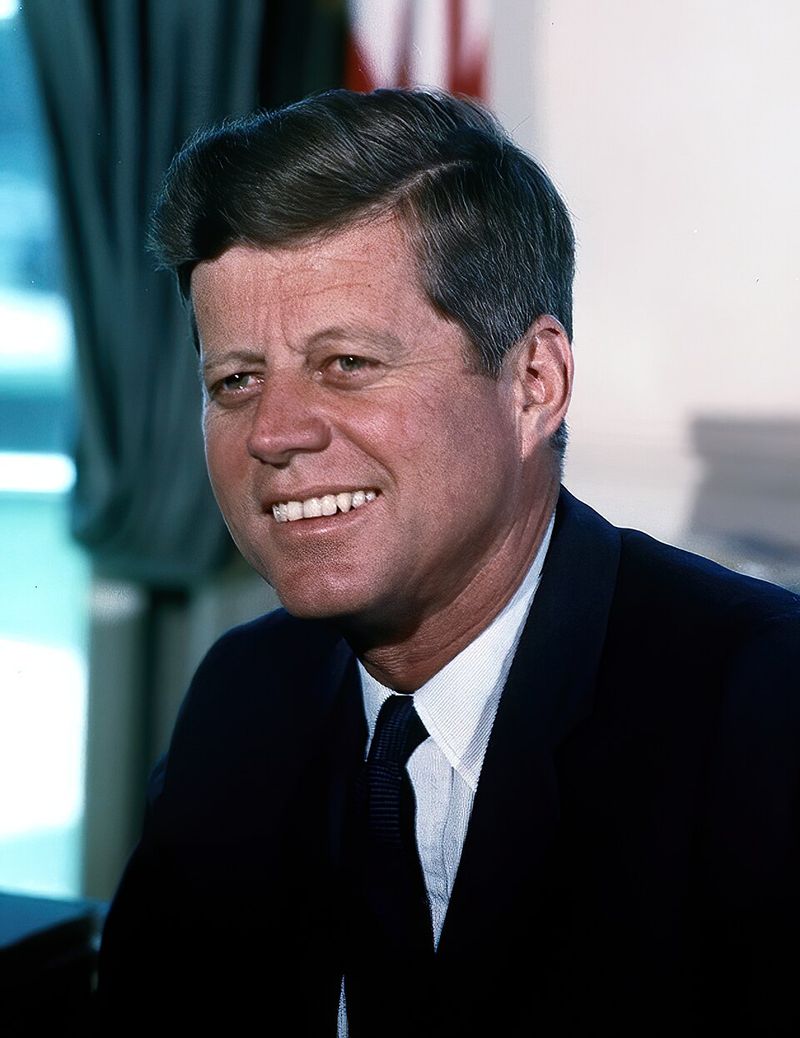
While recovering from back surgery in 1955, John F. Kennedy worked on a book about senators who stood by their beliefs under pressure.
Profiles in Courage won the Pulitzer Prize for Biography in 1957 and boosted his national profile.
Kennedy graduated from Harvard, where his senior thesis on British appeasement became the book Why England Slept. It showed his early interest in history and world affairs.
As president, he was known for clear, memorable speeches. His inaugural address, with the line asking Americans what they could do for their country, is still quoted widely.
He also surrounded himself with advisers from universities and encouraged debate in the White House. During the Cuban Missile Crisis in 1962, that habit of weighing many viewpoints helped him steer the nation away from war.
10. Bill Clinton (1993-2001)
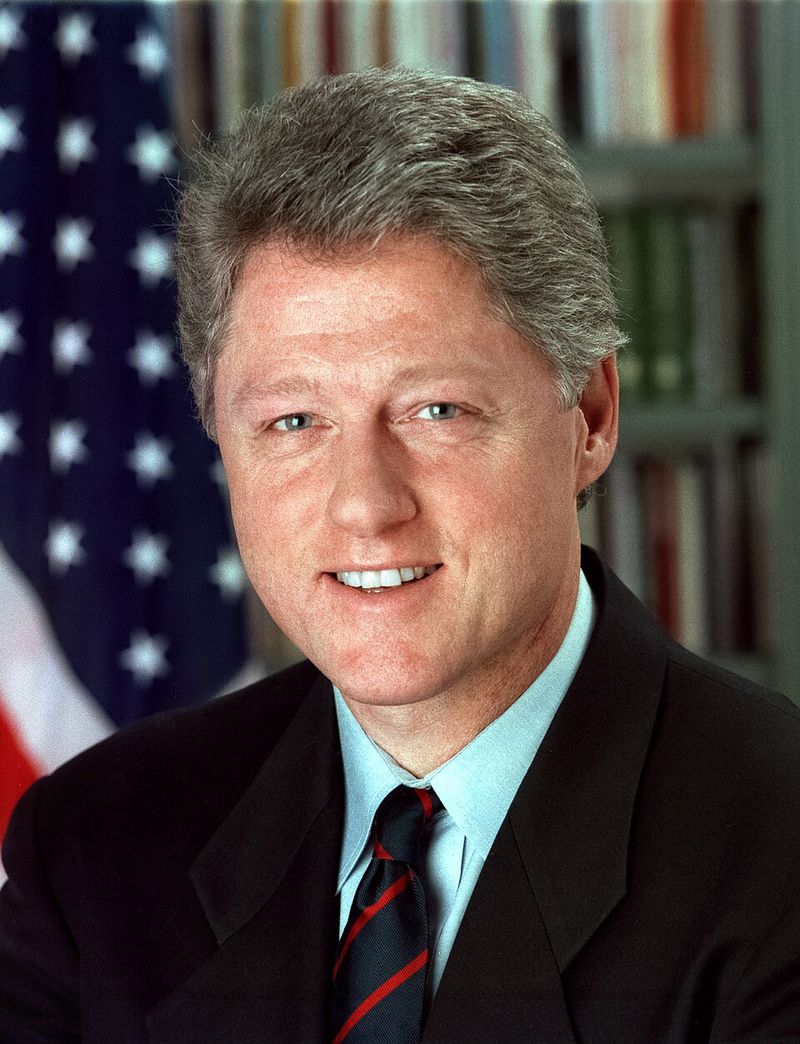
Ask a policy expert about Bill Clinton, and you will often hear about his memory for details. He could talk through health care, trade, and budgets with the ease of someone who had studied each one for years.
His academic record is impressive. He graduated from Georgetown University, studied at Oxford University in England as a Rhodes Scholar, and then earned a law degree from Yale Law School.
Before the presidency, Clinton served as attorney general and governor of Arkansas. He took on school reform there and gained experience managing complex state programs.
In the White House, he worked on a balanced federal budget, and the country saw budget surpluses from 1998 to 2001. Aides often described long, lively meetings in which he asked sharp questions and wanted every number explained before reaching a decision.
11. Barack Obama (2009-2017)
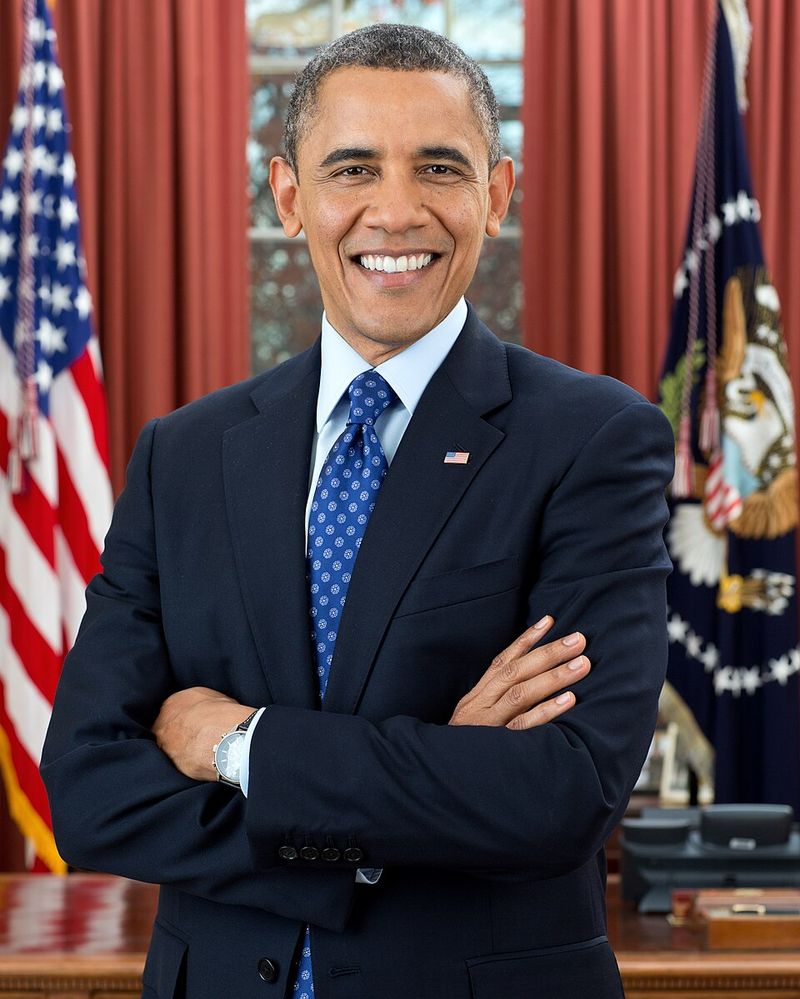
In 1990, a young law student at Harvard made history by becoming the first Black president of the Harvard Law Review. That role is awarded to students based on strong academic skill and the respect of their peers.
Barack Obama studied at Occidental College before transferring to Columbia University, where he earned a degree in political science. He then attended Harvard Law School and graduated with honors.
He later taught constitutional law at the University of Chicago Law School for a number of years. Students recalled that he encouraged them to argue both sides of a question before choosing their own view.
Obama also wrote bestselling books, including Dreams from My Father, and won the Nobel Peace Prize in 2009. His calm, measured speaking style and careful reasoning became hallmarks of his time in office.
12. Jimmy Carter (1977-1981)
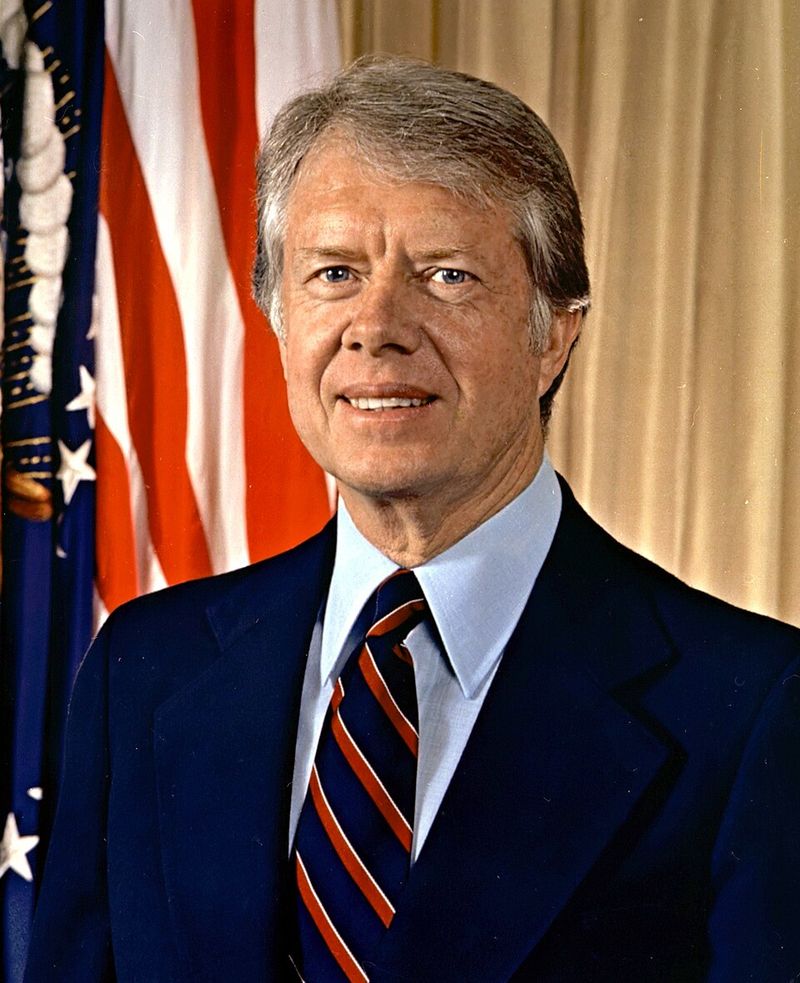
Before he farmed peanuts or ran for office, Jimmy Carter was a Navy officer working with some of the most advanced technology of his day. He graduated from the U.S.
Naval Academy in 1946 and later joined the nuclear submarine program under Admiral Hyman Rickover.
Rickover was famous for demanding high standards. Carter studied nuclear engineering and reactor physics, and in 1952 he helped respond to an accident at the Chalk River reactor in Canada.
That training shaped his style as president. Staff members often described him as a leader who read briefing papers closely and wanted to understand the fine print on energy, environment, and arms control.
His most notable achievement in diplomacy was the 1978 Camp David Accords, which led to a peace agreement between Egypt and Israel. In 2002, he won the Nobel Peace Prize for decades of work on peace and public health.
Share this story