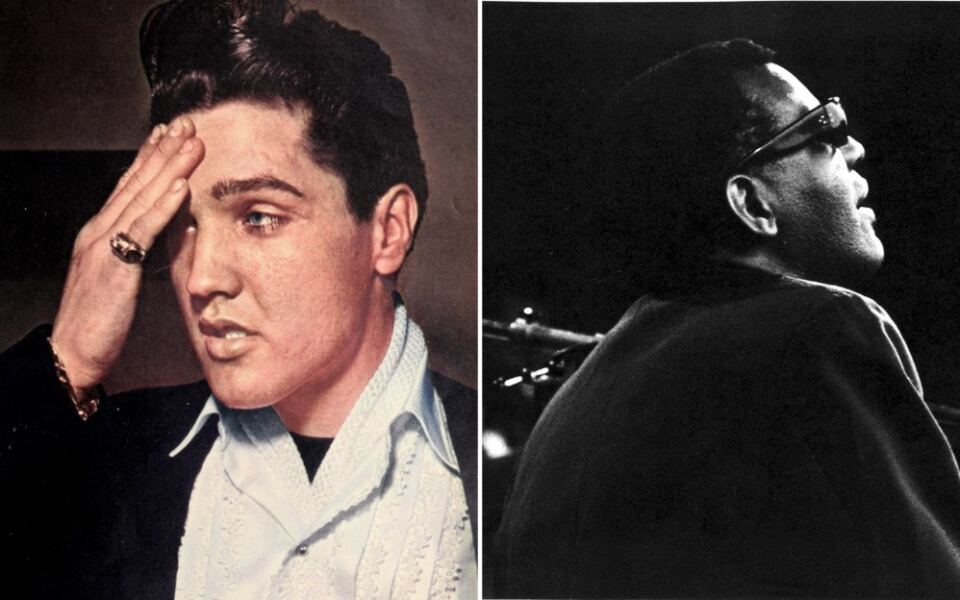
The year 1960 sat right on the line between two musical worlds. Rock and roll had shaken up the 1950s, but orchestras, crooners, country singers, and novelty acts were still fighting for the same spot at the top of the Billboard Hot 100, a chart that was less than two years old.
Teenagers spent their allowance on 45-rpm singles, which usually cost under a dollar. They also watched Dick Clark on American Bandstand to see which records were catching on.
Elvis Presley came home from the Army that spring, and a 15-year-old from Georgia proved that age did not limit talent. A dance step from Philadelphia soon had grown-ups moving like teenagers.
One of the biggest hits of the year did not have a single sung word in it. Every song on this list reached No. 1 during 1960, and each one tells you something about how Americans lived, listened, and shopped for music at the time.
You will learn who wrote these songs, how they were recorded, and why some of them still show up at weddings and on movie soundtracks today. Keep score as you read and see how many you can still hum.
1. Running Bear by Johnny Preston
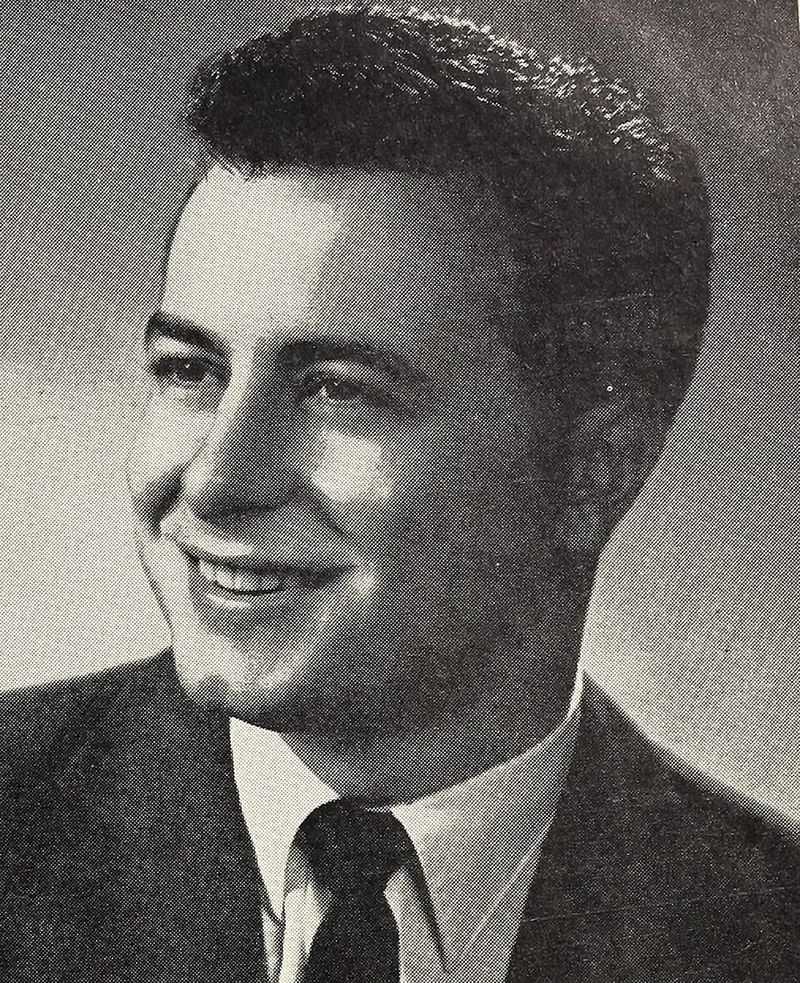
The very first No. 1 song of the 1960s had already been hanging around the chart since October 1959. It finally reached the top in January 1960 and stayed there for three weeks.
The writer was J. P.
Richardson, known to fans as the Big Bopper. He felt the story was too serious for his own jokey style, so he handed it to his friend Johnny Preston, a Cajun singer from Port Arthur, Texas.
Here is a fun piece of trivia. The chanting voices in the background belonged to Richardson, producer Bill Hall, and a young country singer named George Jones.
The song became a hit in the United Kingdom, Canada, and New Zealand too. It sold over a million copies, and Billboard ranked it the No. 4 song of 1960.
Today, many listeners also point out that its portrayal of Native American characters reflects outdated ideas from that era.
2. Teen Angel by Mark Dinning
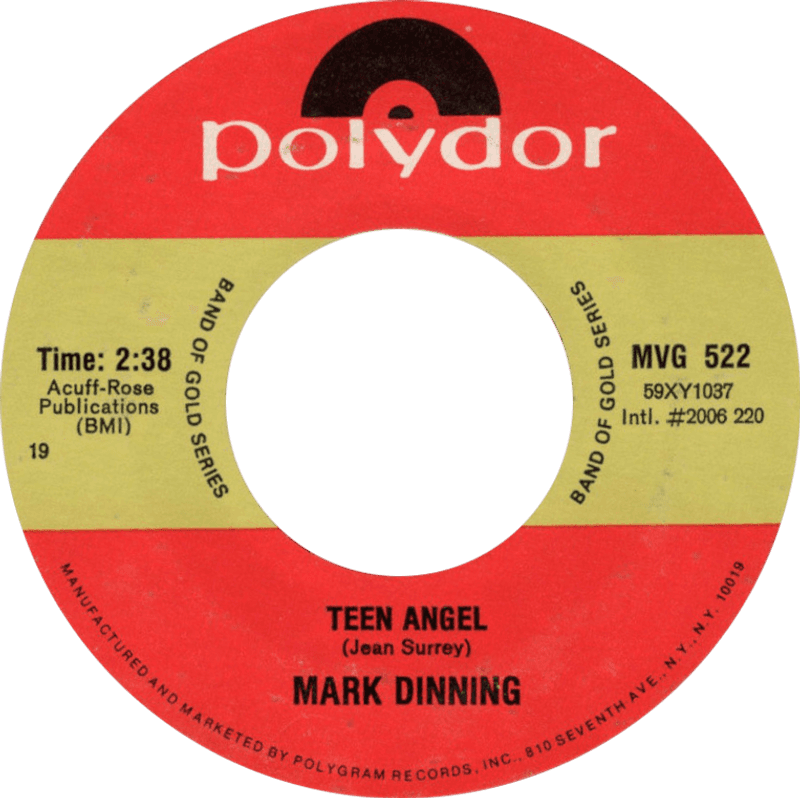
Radio DJs of the era had a nickname for sad story songs about teenage heartbreak. They called them tear jerkers, and this one became the most famous of the bunch.
The song was written by Mark Dinning’s older sister, Jean, along with her husband, Red Surrey. Jean reportedly got the idea after reading a magazine article about troubled teenagers.
The lyrics follow a young couple whose car stalls on railroad tracks, and the story ends sadly. Some American stations and the BBC refused to play it.
Being banned did not slow it down much in the United States. It reached No. 1 in February 1960, held the spot for two weeks, and sold over a million copies.
One amusing detail is that Dinning was 27 years old when the song peaked. That is a little old for a song with teen in the title.
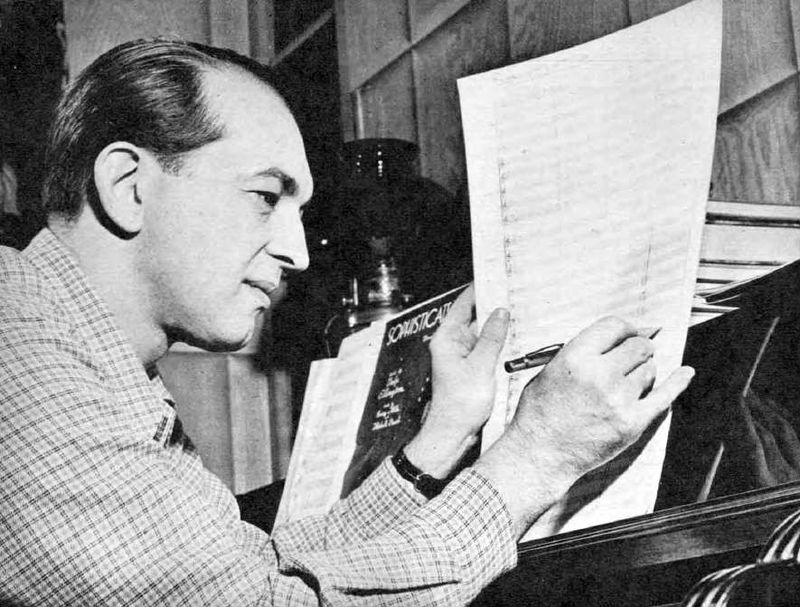
3. The Theme from A Summer Place by Percy Faith
Not a single word is sung on the biggest record of 1960. Billboard named it the year’s No. 1 song anyway.
The melody came from the 1959 movie A Summer Place, starring Sandra Dee and Troy Donahue. Max Steiner, who also scored Casablanca, wrote the music.
Percy Faith and His Orchestra recorded their version in New York, and it was not even the one used in the film. Listeners preferred it anyway.
The single sat at No. 1 for nine straight weeks starting in February. That set a record for instrumentals that lasted 17 years.
In 1961, it won the Grammy for Record of the Year. It was the first movie theme and the first instrumental to earn that honor.
The tune later entered the Grammy Hall of Fame in 2000, and it still pops up in commercials and films today.
4. Stuck on You by Elvis Presley
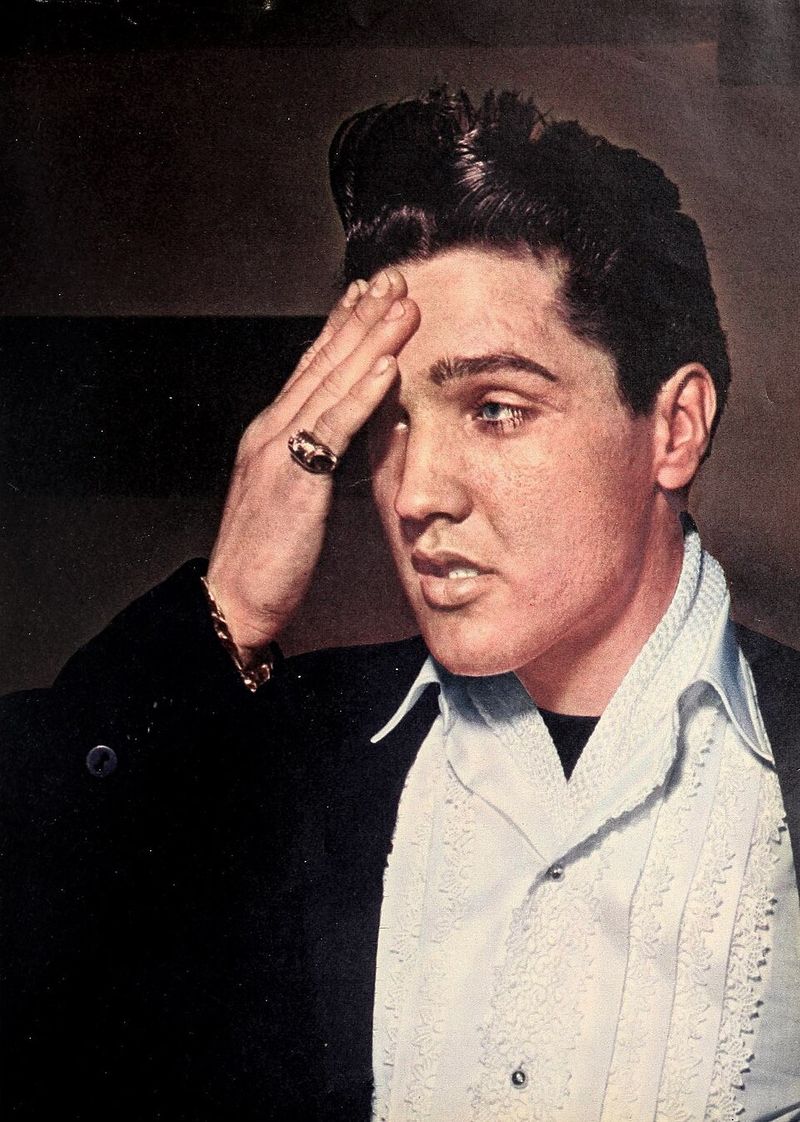
RCA Victor was so sure of this record that it assigned a catalog number and set sales targets before the song had even been picked. That is confidence.
Elvis Presley left the Army on March 5, 1960, at Fort Dix, New Jersey. Just 15 days later, he was recording in Nashville.
The single came out on March 23 with a picture sleeve calling it his first new recording for 50,000,000 fans. By April 25, it was No. 1.
It stayed on top for four weeks and knocked Percy Faith out of the lead spot. It was his ninth chart-topper overall and his first of the new decade.
Aaron Schroeder and J. Leslie McFarland wrote the playful, bluesy tune.
Its success told the music industry that two years away had not cooled down Elvis fans one bit.
5. Cathy’s Clown by The Everly Brothers
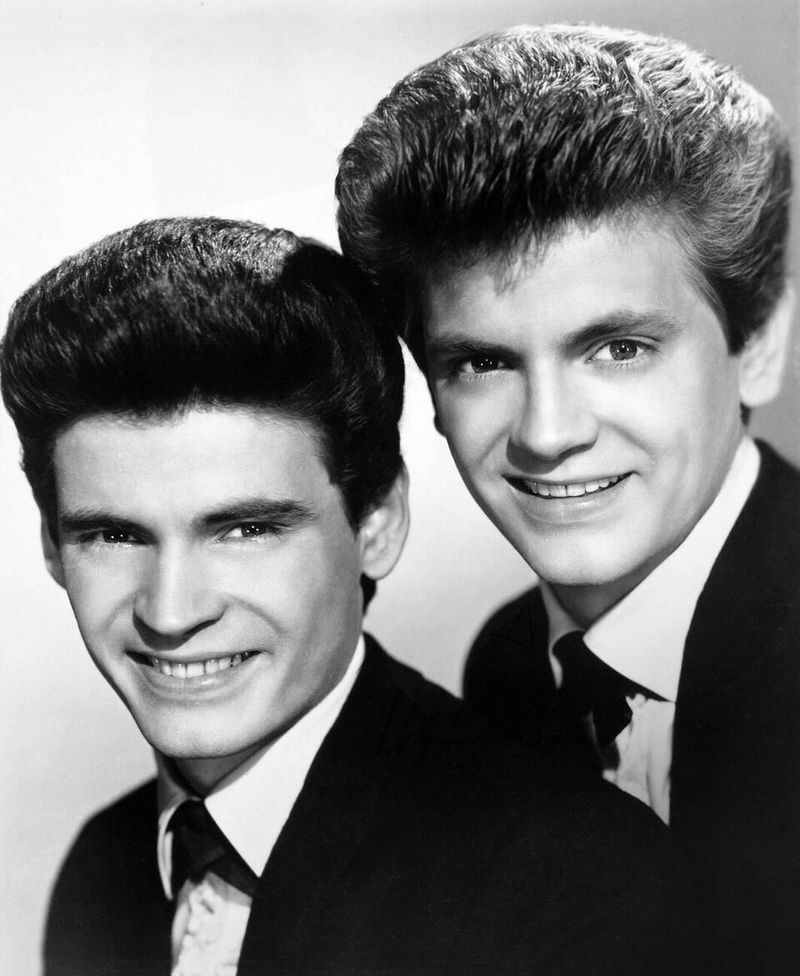
A million-dollar contract was big news in 1960, and the Everly Brothers had just signed one with Warner Bros. Records.
Their first single for the new label needed to deliver, and it did.
The song reached No. 1 in the United States on May 23 and stayed for five weeks. In Britain, it held the top spot for seven weeks.
It became the first single to top both the American and British charts at the same time.
The structure was unusual. It opens with the chorus and has no regular verses.
Engineer Bill Porter used a tape loop to make the drums sound like two drummers playing together. Don and Phil sang their parts live, sharing one microphone.
The Beatles later borrowed ideas from its vocal style for Please Please Me. The Library of Congress added the song to its National Recording Registry in 2013.
6. Everybody’s Somebody’s Fool by Connie Francis
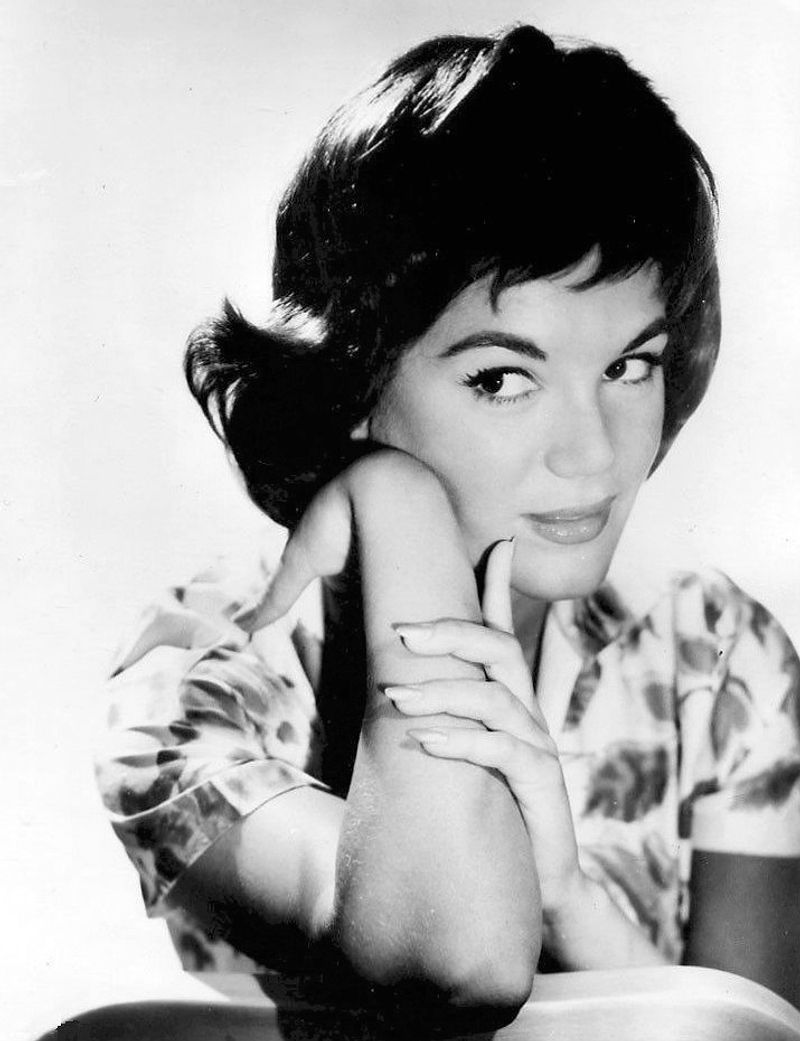
Plenty of hit records start out as the B-side, but few make history the way this one did. MGM planned to promote a different song, yet radio DJs kept flipping the record over.
On June 27, 1960, it reached No. 1. Connie Francis became the first solo woman to top the Hot 100 since the chart began in 1958.
Songwriters Jack Keller and Howard Greenfield first imagined it as a slow blues ballad. Francis had other ideas.
Her father had noticed that country music was popular in Europe. So she pushed for a faster, country-flavored version and used a creative control clause in her contract to get it released.
Her German-language recording, Die Liebe ist ein seltsames Spiel, became West Germany’s best-selling single of 1960. The English version also reached No. 2 on the R&B chart.
7. Alley-Oop by The Hollywood Argyles
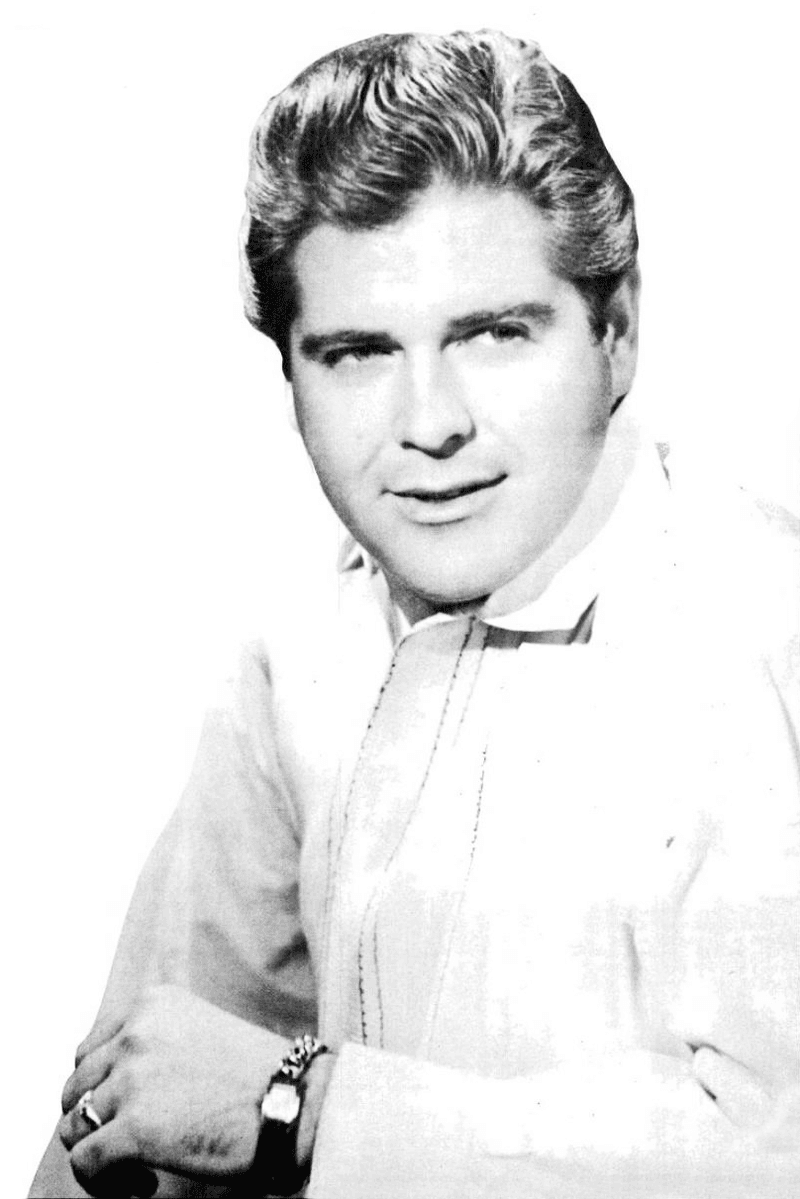
Comic strips and pop music crossed paths in a big way during the summer of 1960. A caveman from the funny pages briefly ruled the national charts.
Alley Oop had appeared in newspapers since 1932, created by cartoonist V. T.
Hamlin. The strip featured a muscular caveman and his pet dinosaur, Dinny, in the Kingdom of Moo.
Country songwriter Dallas Frazier wrote the tune in 1957. Producer Gary Paxton sang lead, but he was under contract with another label.
His solution was to invent a band. He named it after the corner of Hollywood Boulevard and Argyle Street, where the studio stood.
The session was famously messy, with musicians banging on wastepaper baskets for extra noise. It worked, and the song hit No. 1 on July 11 for one week.
Paxton later produced Monster Mash in 1962.
8. I’m Sorry by Brenda Lee
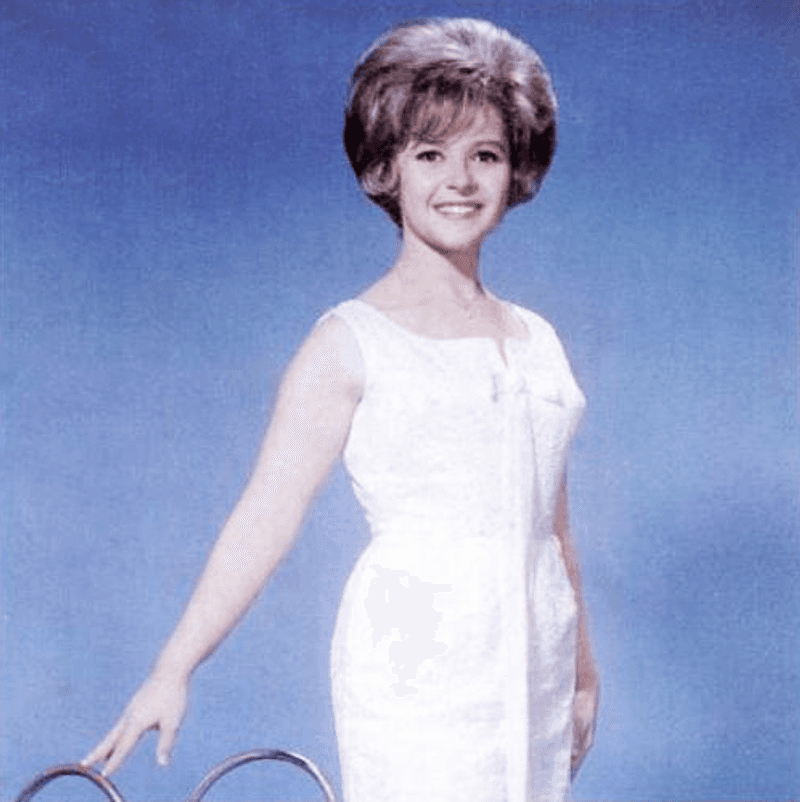
Most 15-year-olds are worried about homework. Brenda Lee was busy recording one of the defining ballads of the decade.
She recorded the song on March 28, 1960, at Bradley Studios in Nashville. Decca Records then held it back for months.
Executives worried that listeners might not accept a teenager singing about grown-up heartache. They released it as the B-side to a peppier song called That’s All You Gotta Do.
DJs had other plans and played the ballad instead. It reached No. 1 in July and stayed for three weeks.
Lush strings and backing vocals from the Anita Kerr Singers made it an early example of the polished Nashville Sound. It entered the Grammy Hall of Fame in 1999.
Nicknamed Little Miss Dynamite, Lee finished the decade with 47 chart hits, fourth among all artists of the 1960s.
9. Itsy Bitsy Teenie Weenie Yellow Polka Dot Bikini by Brian Hyland
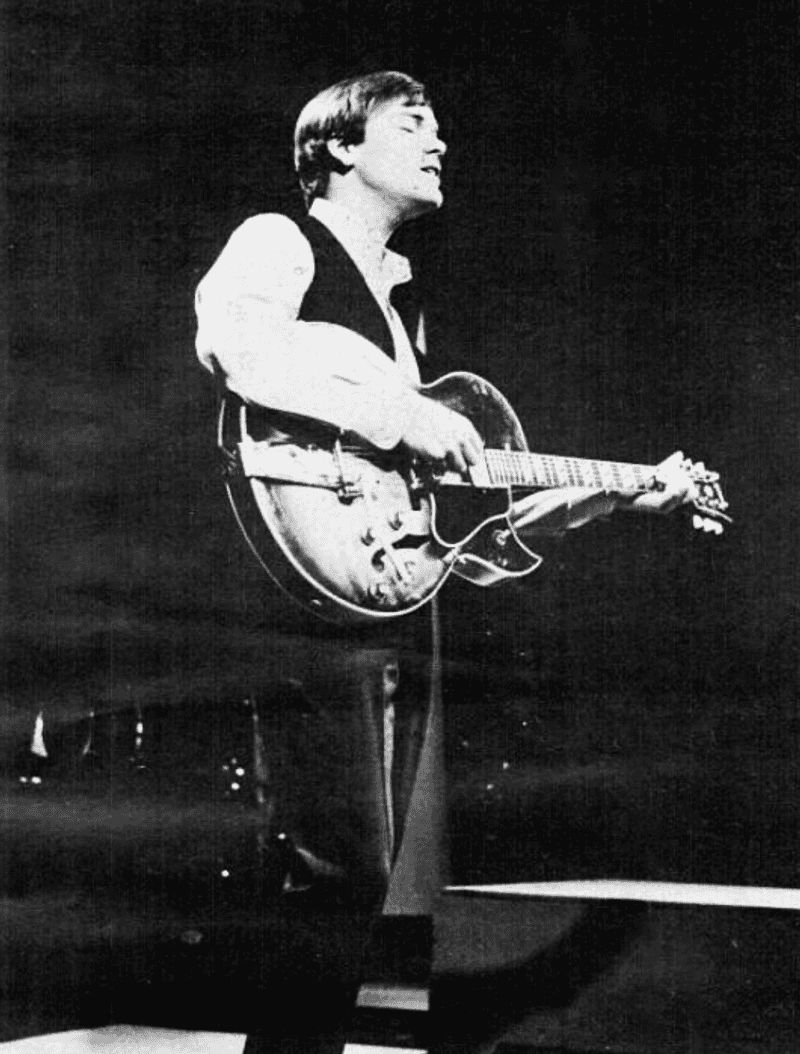
Good luck saying the title three times fast. Millions of people bought the record anyway.
Brian Hyland was just 16 and still in high school when the song topped the chart on August 8, 1960. He finished his schooling at a New York school for young professionals.
Songwriters Paul Vance and Lee Pockriss wrote the silly tale of a shy girl at the beach. Vance said his toddler daughter gave him the idea.
The bikini had been introduced in 1946, but many Americans still found it too daring. The song helped make the swimsuit seem fun instead of shocking.
It sold more than two million copies worldwide. French and German versions also hit No. 1 in their countries.
Decades later, the tune appeared in Revenge of the Nerds II and even an episode of Doctor Who.
10. It’s Now or Never by Elvis Presley
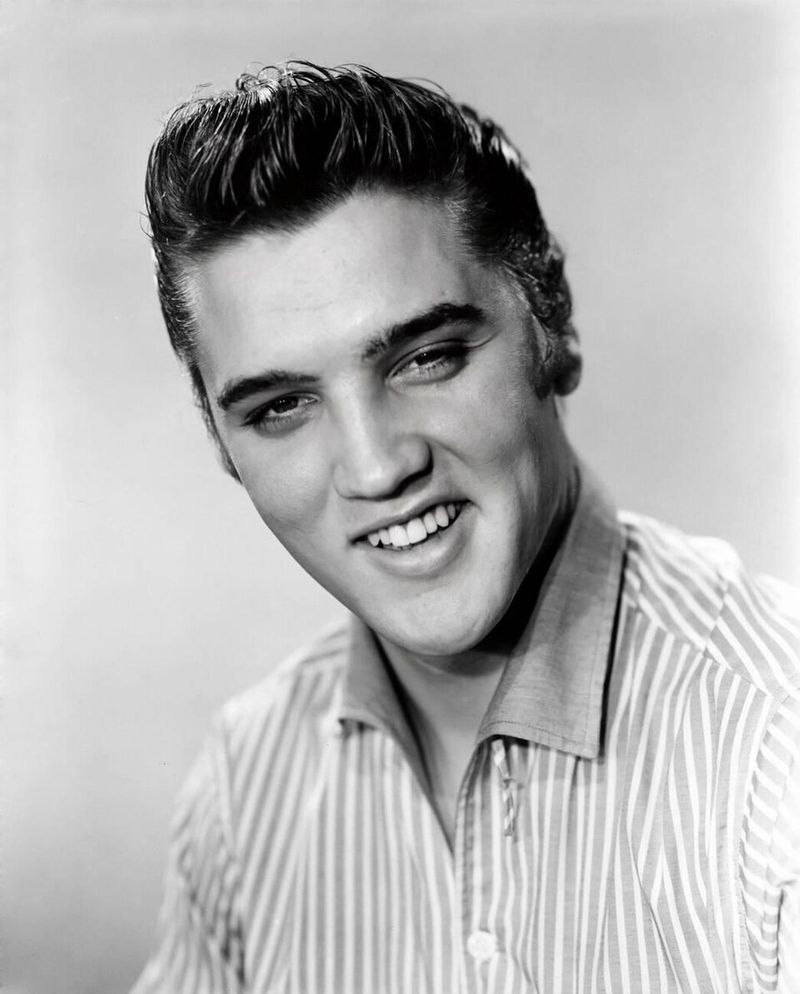
An Italian song from 1898 turned into the best-selling single Elvis ever released. The road from Naples to Nashville took some interesting turns.
While stationed in Germany, Elvis heard Tony Martin’s 1949 version of ‘O Sole Mio. He asked his music publisher for a new English version.
Songwriters Aaron Schroeder and Wally Gold reportedly finished the new lyrics in about 30 minutes. Elvis recorded it on April 3, 1960, during a late-night session at RCA Studio B.
Released in July, it reached No. 1 on August 15 and stayed five weeks. In Britain, it entered the chart at No. 1 and held on for eight weeks.
Worldwide sales passed 20 million copies. The big, operatic finish also won over adult listeners who had never cared much for rock and roll.
11. The Twist by Chubby Checker
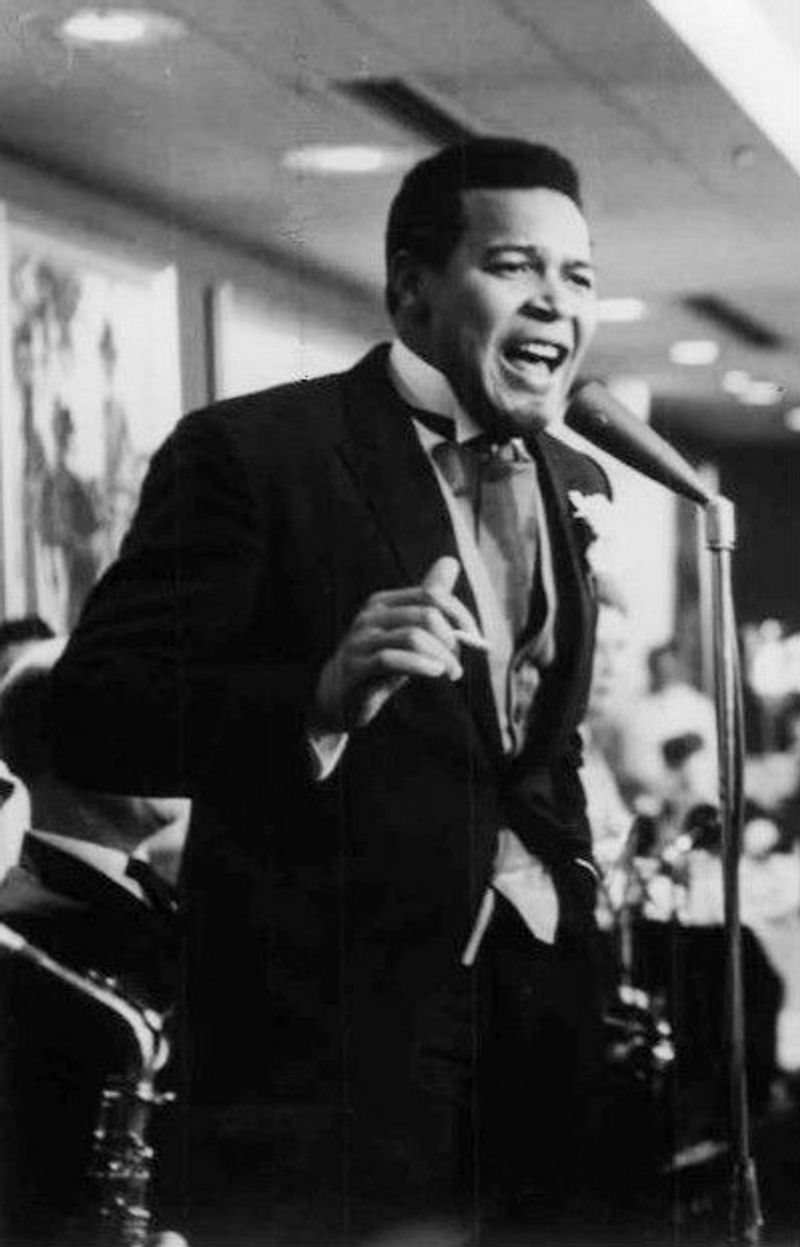
Dancing used to mean holding a partner and learning the steps. Then a teenager from Philadelphia showed everyone they could dance alone and still look great.
Hank Ballard and the Midnighters released the original in 1958 as a B-side. Dick Clark of American Bandstand liked the dance but wanted a cleaner version for TV.
He found Ernest Evans, who became Chubby Checker. Checker recorded a near copy of the original in about 45 minutes.
It reached No. 1 on September 19, 1960, for one week. Then something strange happened in January 1962, when the same recording returned to No. 1.
No other song repeated that trick until Mariah Carey’s All I Want for Christmas Is You decades later.
Billboard once ranked The Twist as its all-time top Hot 100 single. It joined the National Recording Registry in 2013.
12. My Heart Has a Mind of Its Own by Connie Francis
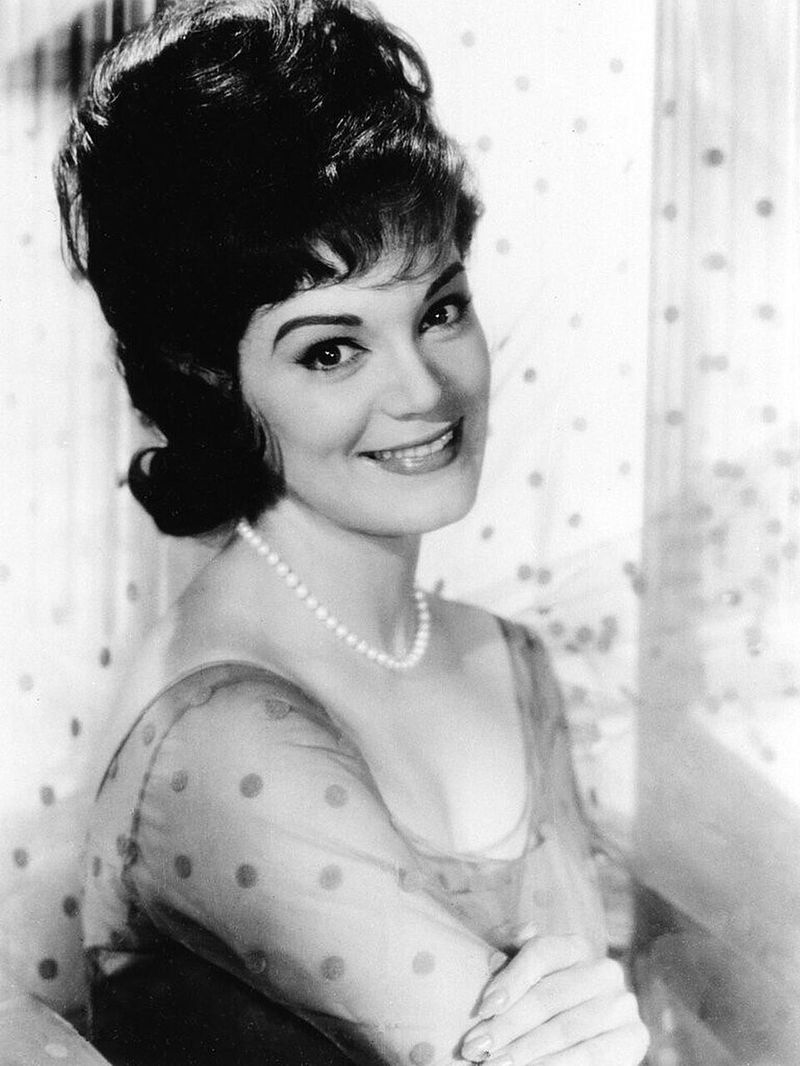
Lightning struck twice for Connie Francis in 1960. Only a few months after her first chart-topper, she was back at No. 1.
The song entered the Hot 100 on August 15 and reached the top on September 26. It stayed there for two weeks.
Howard Greenfield and Jack Keller wrote this one too, giving the pair both of her 1960 hits. The lyrics deal with a familiar problem, when your feelings refuse to follow your common sense.
Francis recorded it in July at Radio Recorders in Hollywood. Extra saxophone and guitar parts were added later in New York.
A shuffling beat gave the ballad a light country feel. It also reached No. 3 in Britain and No. 11 on the R&B chart.
By 1962, Francis would become the first woman with three Hot 100 chart-toppers.
13. Save the Last Dance for Me by The Drifters
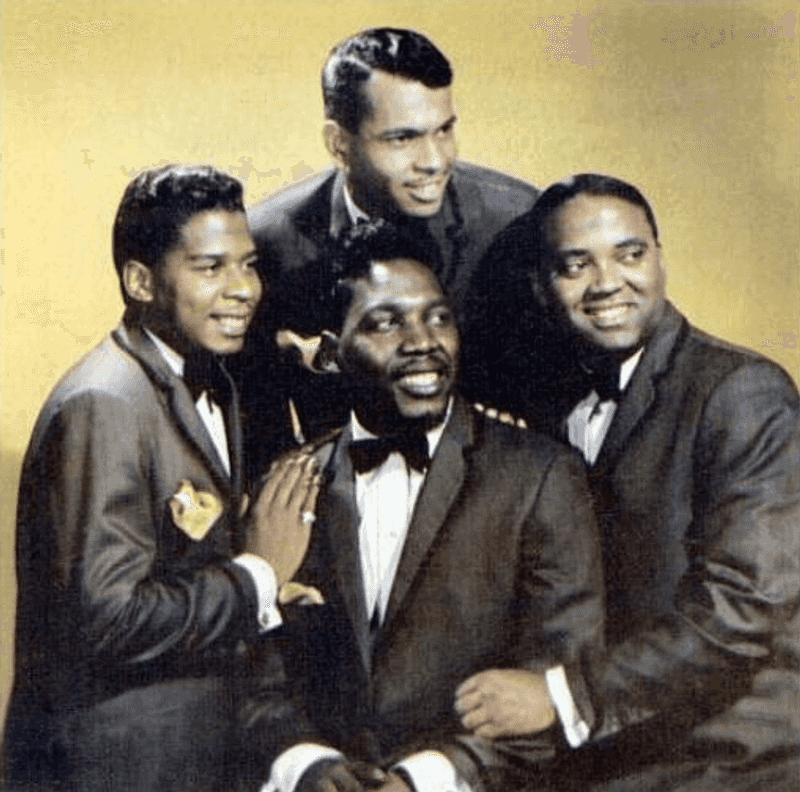
A wedding invitation became the first draft of one of pop music’s most romantic songs. Songwriter Doc Pomus scribbled the lyrics on a spare one.
Pomus had polio as a child and could not dance at his own 1957 wedding. He watched his bride, Willi Burke, dance with guests and wrote about that moment.
His partner Mort Shuman added the music. Together, they wrote more than 500 songs from New York’s Brill Building.
Ben E. King sang lead in one of his last recordings with the Drifters.
Producers Jerry Leiber and Mike Stoller added a Latin rhythm and sweeping strings.
The song reached No. 1 in October 1960 for three weeks. Singer Damita Jo even charted with an answer record called I’ll Save the Last Dance for You.
Couples still choose it for weddings today.
14. Georgia on My Mind by Ray Charles
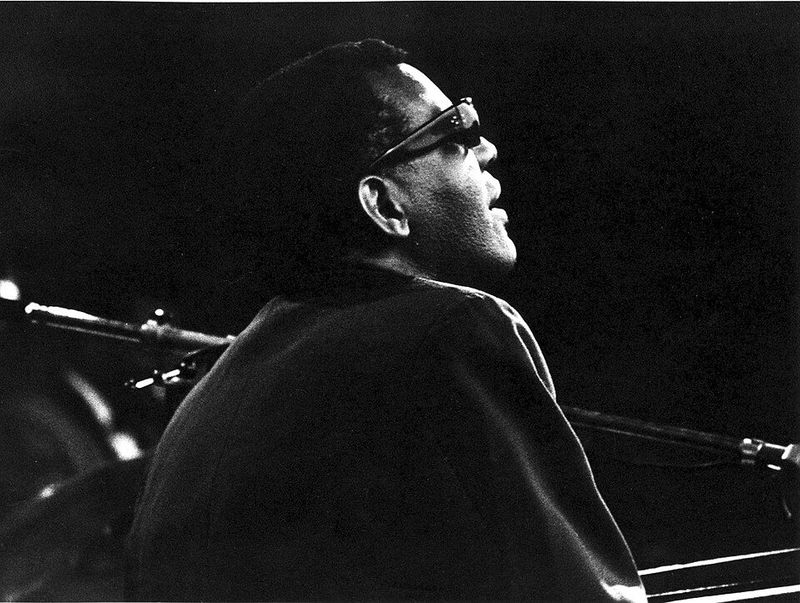
Credit for this hit partly goes to a driver. Tommy Brown kept hearing Ray Charles hum the tune in the car and suggested he record it.
Hoagy Carmichael and Stuart Gorrell wrote the song back in 1930. Charles said he chose it for the lovely melody, not because he was born in Georgia.
He recorded it in New York in just four takes, with an orchestra arranged by Ralph Burns. It appeared on his album The Genius Hits the Road, a collection of songs about American places.
The single reached No. 1 on November 14, 1960. It also won him two Grammy Awards.
On April 24, 1979, Georgia made his version the official state song. The moment carried extra weight because the state had once penalized him for refusing to play a segregated concert in 1961.
15. Are You Lonesome Tonight? by Elvis Presley
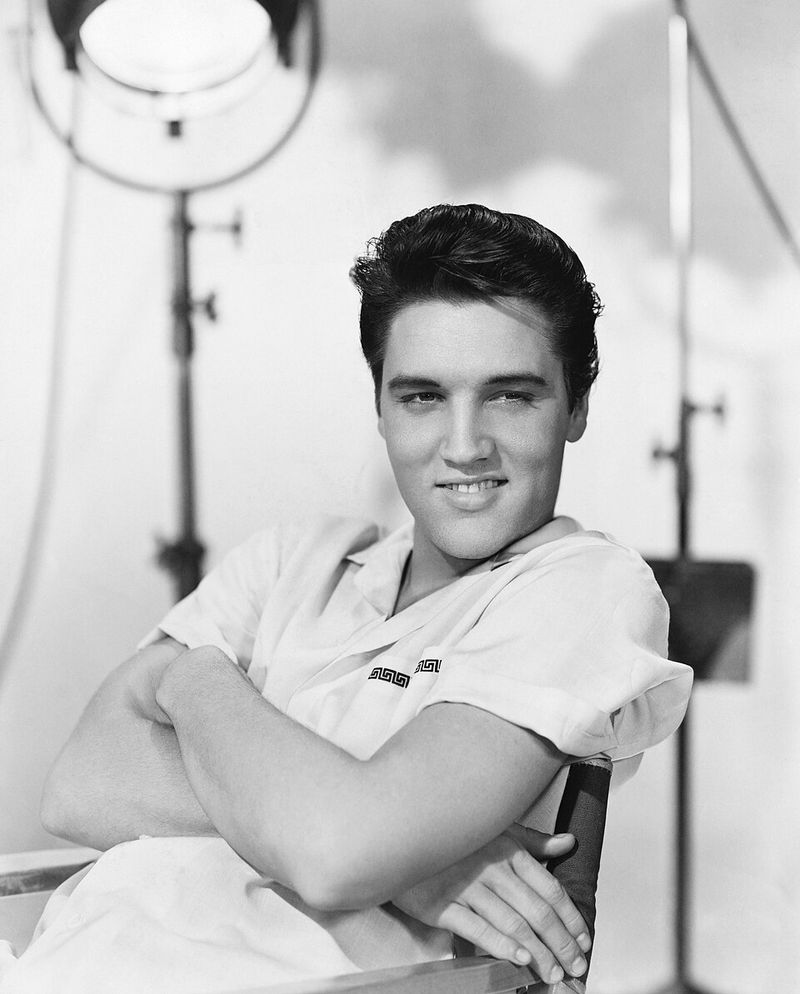
Colonel Tom Parker rarely picked songs for Elvis. He made an exception for this one, since it was a favorite of his wife, Marie.
Lou Handman and Roy Turk wrote it in 1926, and singer Vaughn De Leath had the first hit with it in 1927. Elvis recorded his version on April 4, 1960, during an all-night session in Nashville.
The famous spoken middle part was not in the original song. It was added in later versions and loosely borrows from Shakespeare’s line about all the world being a stage.
RCA executives worried it was too far from his rock image. Fans disagreed.
The song reached No. 1 in November and stayed six weeks, carrying into January 1961. It was his third chart-topper of the year.
On stage, Elvis sometimes changed the spoken words just to make the audience laugh.
Share this story