I pulled off the highway in western Oklahoma expecting a quick stretch, a cold soda, and maybe a postcard. What I found instead was a doorway into a whole other century, packed with glowing signs, old cars, and the hum of songs my grandparents used to hum.
The place looked modest from the parking lot, but inside it felt like the Mother Road had saved its best stories for anyone curious enough to stop. If you love road trips, quirky history, or just a good surprise, this is the kind of stop that sticks with you long after the drive home.
A Mother Road Landmark on West Gary Boulevard
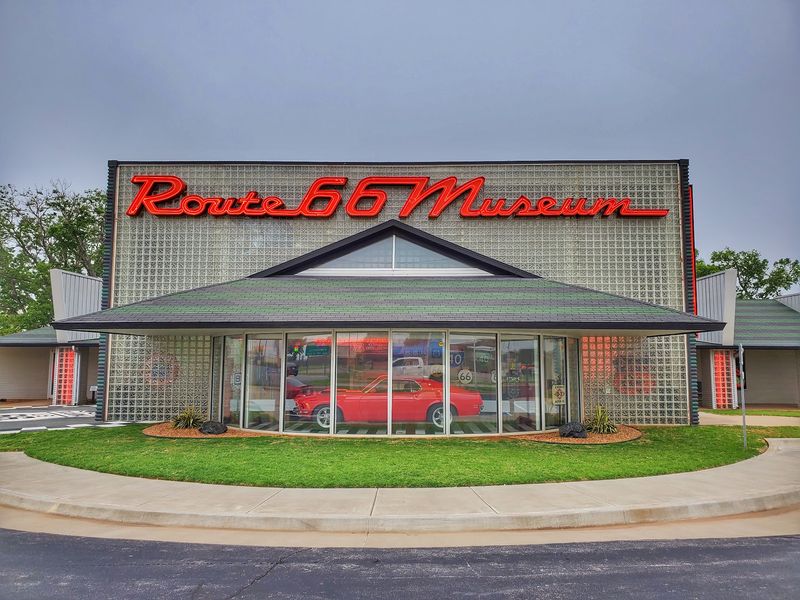
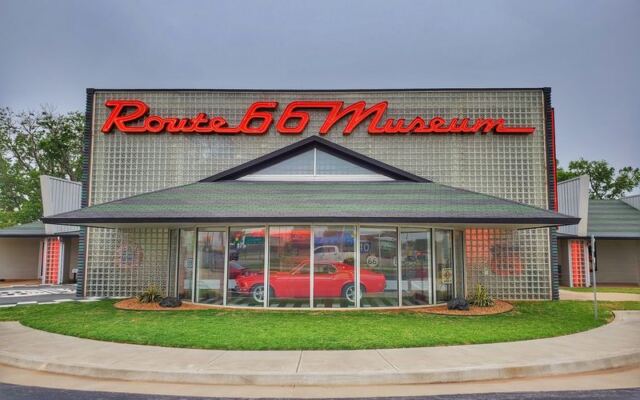
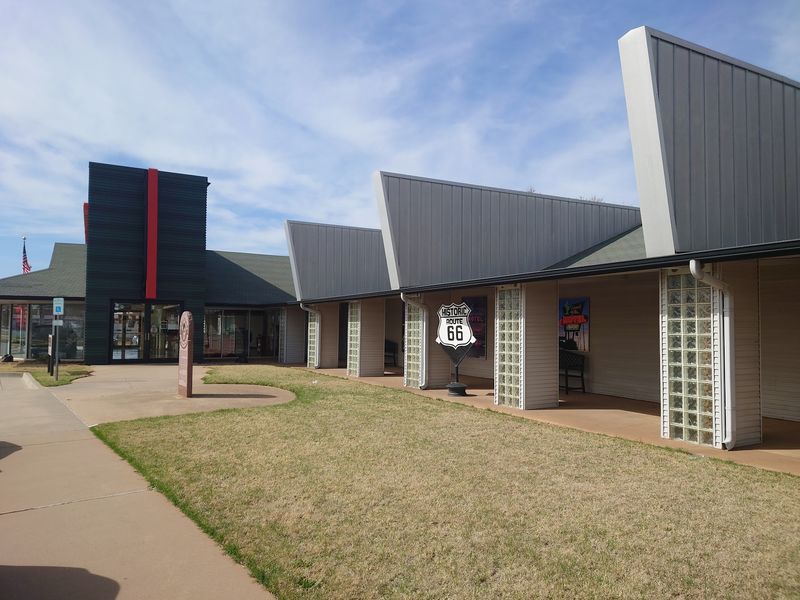
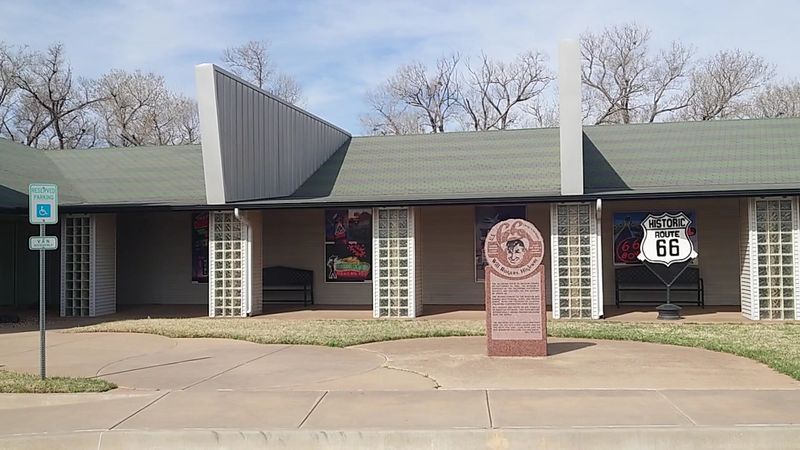
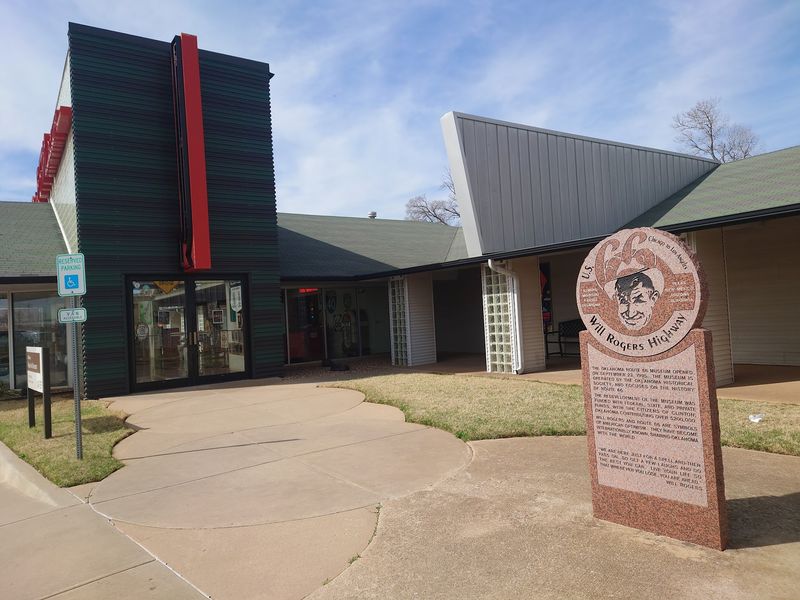
Right off Interstate 40 in western Oklahoma, at 2229 W Gary Blvd in Clinton, sits a building that road-trippers whisper about. It goes by the Oklahoma Route 66 Museum, and travelers often call it the largest Route 66 museum in the state.
Nobody needs a detour map to find it. The museum sits along the historic path of the highway itself, which makes stopping feel less like a side trip and more like part of the journey.
You park, step out, and suddenly the asphalt behind you has a backstory.
The museum is operated by the Oklahoma Historical Society, and that detail matters. Instead of a roadside trap built on gimmicks, visitors find a carefully researched look at the history, myths, signs, photos, and music of the famous road.
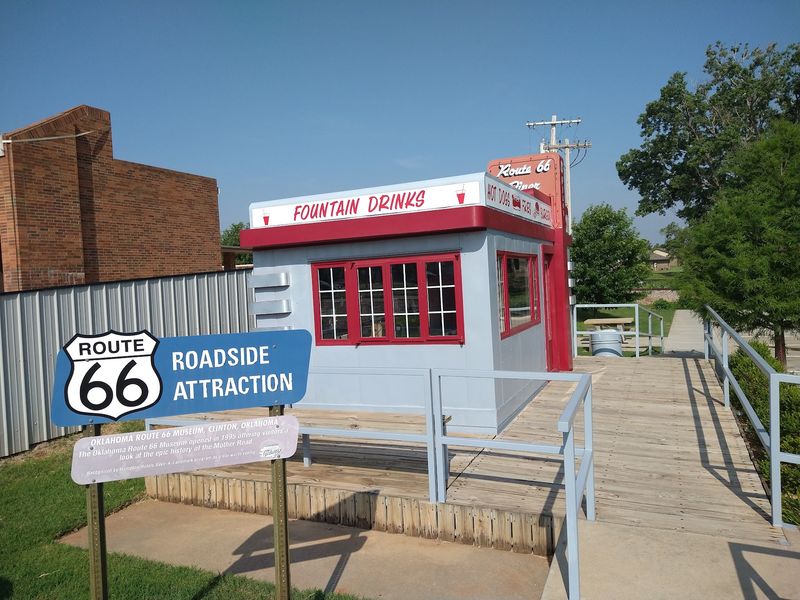
There is even a diner replica waiting inside.
Plenty of folks arrive thinking they will glance around for ten minutes. Many leave hours later, a little surprised at how much one stop could hold.
Some call it their favorite museum along the entire route, which is a big compliment for a road stretching across multiple states.
Consider it a must for anyone chasing Oklahoma’s most famous ribbon of pavement.
The Story Behind America’s Main Street
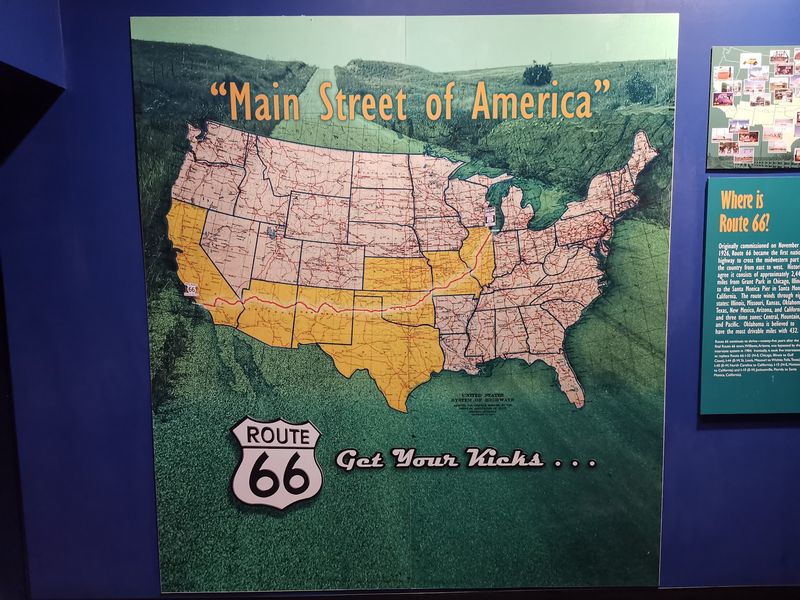
Picture a dirt-and-gravel dream in the 1920s that grew into the most famous highway in America. That is where the museum’s story begins, and it walks you forward from there.
Exhibits follow the road from its very beginning, through each decade, into its fading years, and on to modern-day preservation efforts. Guests mention learning about how the original route was built and how it changed over time.
Several say the experience shifted the way they think about the road’s place in United States history.
What makes the telling special is the mix of voices. Displays include insight from locals, tourists, and people who were involved with the highway along the way.
That blend gives the history a personal feel, almost like hearing stories at a family reunion.
Another nice surprise is the scope. While the museum sits in Oklahoma, the displays don’t stop at state lines.
They weave in the whole route, so you get the big picture of Chicago-to-California travel without leaving Clinton.
The information is plentiful but not overwhelming. Visitors describe it as detailed without being overdone, which is a tricky balance.
You leave smarter, yet never feel like you just sat through a long lecture.
Rooms That Travel Through the Decades
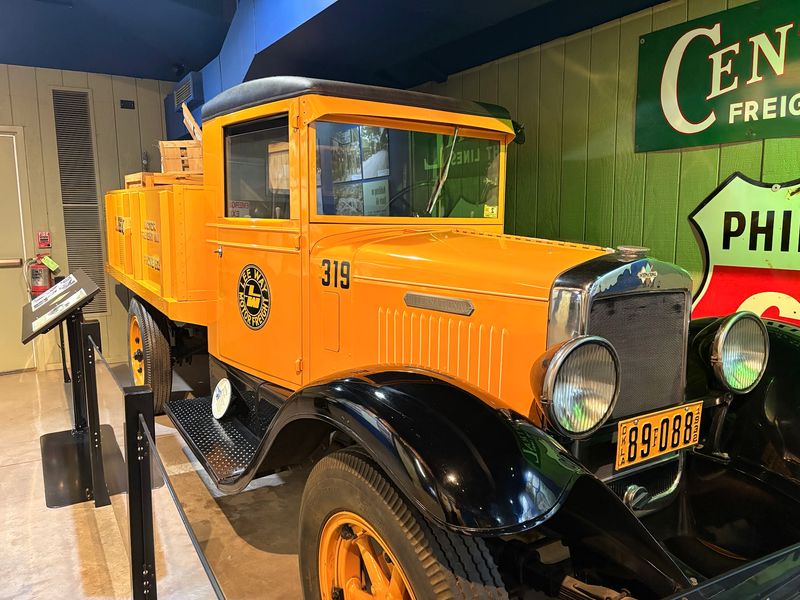
Walking through the museum feels like flipping the pages of a scrapbook, one decade at a time. The layout is divided by era, and visitors love that design choice.
Each room captures a slice of the highway’s life. You might start in the early days, move into hard times, then step right into the bright, shiny optimism of the 1950s.
By the end, you have watched the road rise, shine, and fade, then find new life through preservation.
Here is a fun detail many first-timers miss. At the entry of each room, there is a button you can push to hear period-specific music.
One press and the soundtrack shifts to match the era around you, turning the walk into something closer to a movie.
Little trivia books for each decade add another layer. Kids and grown-ups alike can flip through them, picking up odd facts about what life looked like back then.
The flow is easy to follow, too. Guests mention the layout makes sense from start to finish, so you never wonder where to go next.
It is history arranged like a road trip, which feels exactly right for this place.
Dust Bowl Days and the Road West
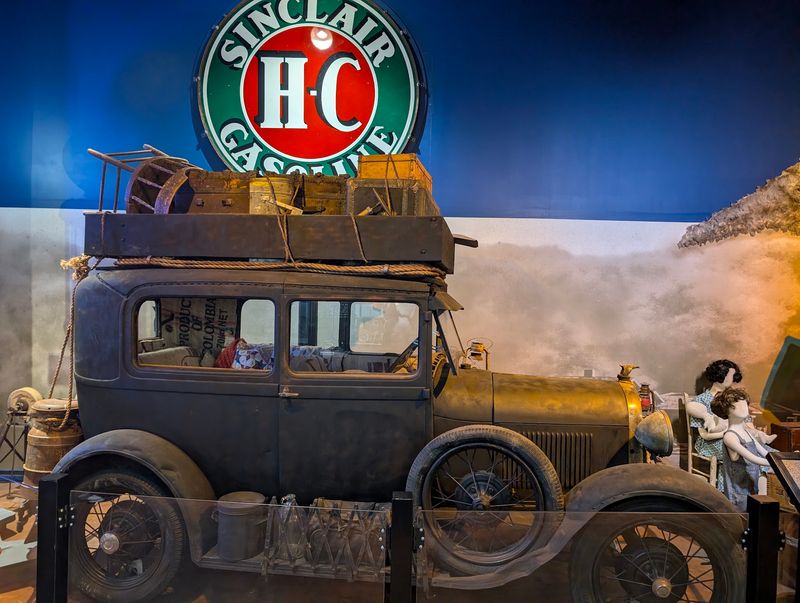
Thousands of families once packed up everything they owned and pointed their tires west. The museum’s Dust Bowl exhibit tells that chapter, and it carries real emotional weight.
During those hard years, Route 66 became a lifeline for people hoping for a better life farther down the road. Oklahoma sat right in the middle of that story.
Standing in front of these displays, you get a sense of how much hope and worry rode along that pavement.
The exhibit fits naturally into the museum’s decade-by-decade journey. Right after learning how the road was born, you see how quickly it became a path of survival for so many travelers.
The shift in mood is noticeable, and it should be.
For Oklahomans, this section can feel especially personal. Many families across the state carry stories passed down from grandparents who lived through those dusty seasons.
Seeing that history laid out in a museum gives those stories a home.
It also makes the bright 1950s rooms ahead feel even more joyful. After the struggle comes the boom, and the contrast helps you appreciate just how far the Mother Road traveled in a few short decades.
Neon, Chrome, and the 1950s Glow
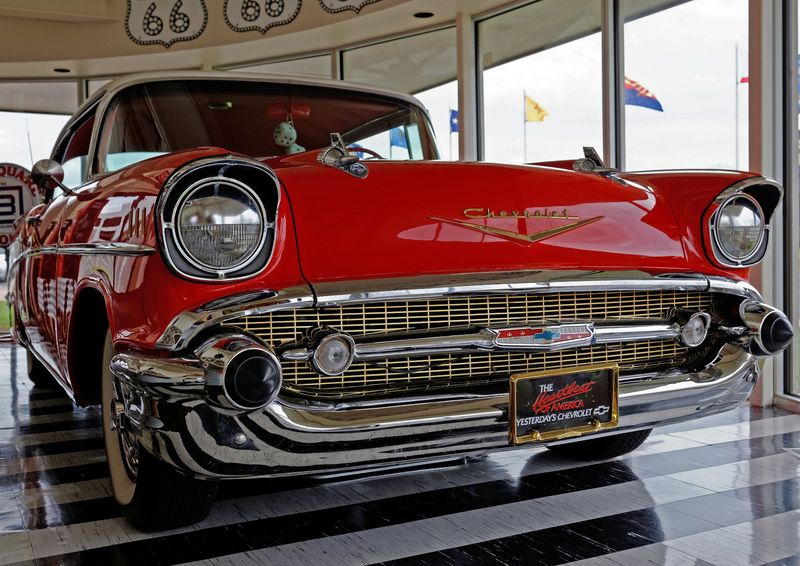
Bright pink and electric blue light spill across the floor the moment you reach the golden era. Visitors describe the museum’s look as sleek and neon-lit, with a retro style that pulls you straight into the 1950s.
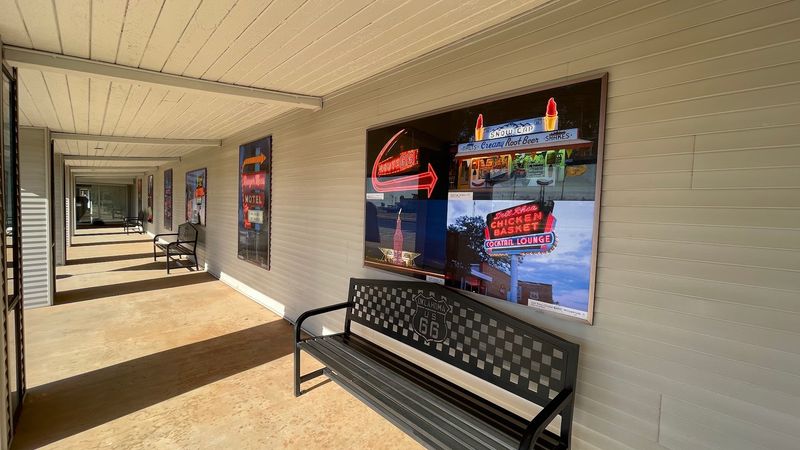
Glowing motel signs hang like old friends welcoming you back. These were the beacons that told tired drivers a bed and a meal were close by.
Seeing them lit up indoors gives you a feel for how magical a night drive on Route 66 must have been.
Authentic vintage vehicles share the space, all curves and shine. Guests rave about the cars, signs, photos, and music working together, bringing the past into one room.
It is the kind of setup that makes even non-car people stop and stare.
Many travelers notice how well everything is maintained. Some have even said they assumed the museum was brand new because of how clean and polished the displays look.
That care shows in every bulb and bumper.
If you are hunting for photos, this is the spot. The colors pop, the chrome gleams, and every corner looks ready for a postcard.
A Diner Booth Made for Daydreaming
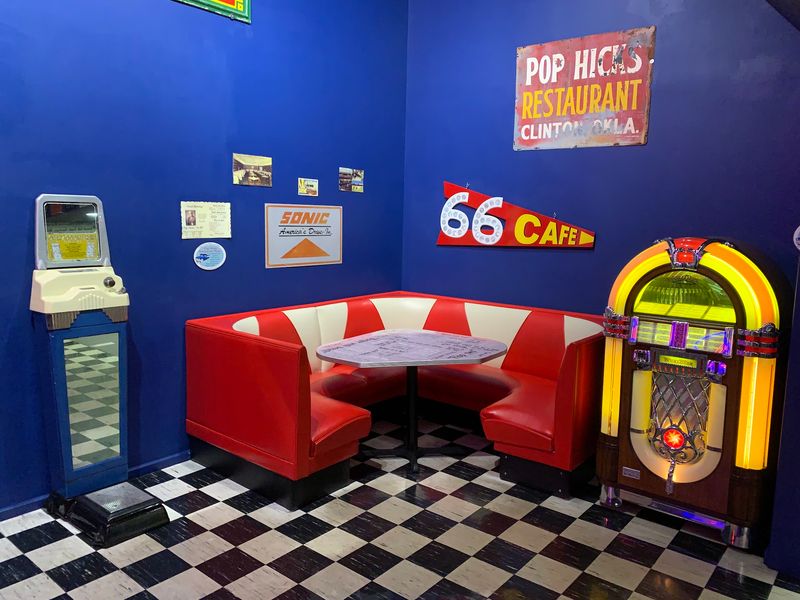
Slide into a booth, rest your elbows on the table, and suddenly it’s 1955. The replica diner is one of the museum’s most loved stops.
Guests describe a restored 1950s diner booth that captures the spirit of roadside eating during the highway’s heyday. Back then, travelers stopped at places just like this to grab a meal, swap stories, and rest before hitting the road again.
Sitting here, you can almost hear the clink of coffee cups and the chatter of hungry families.
No food is served in the replica, of course, but that doesn’t stop the imagination. Kids love pretending to order, and adults tend to linger a little longer than planned.
It is a hands-on moment in a museum, which makes it memorable.
The booth also makes a fantastic photo backdrop. Snap a picture with your road trip crew and you have a souvenir that costs nothing at all.
Fun fact for history fans: diners and roadside cafes became symbols of Route 66 travel. They were where the road’s personality came alive, and this replica keeps that friendly, small-town feeling glowing for a new generation of travelers.
How Many Friends Fit in a Phone Booth?
Here’s a challenge your family will not forget. Somewhere inside the museum stands an old-fashioned phone booth, and visitors are invited to see how many people they can cram inside.
Phone booth stuffing was a real craze decades ago, when young people competed to squeeze as many bodies as possible into one tiny box. The museum turns that silly bit of history into a playful activity.
Expect giggles, squished elbows, and at least one person refusing to go in.
It is one of the interactive touches that makes this place different from a quiet, look-but-don’t-touch museum. Visitors mention interactive exhibits as a highlight, and this booth is a perfect example.
History becomes something you do, not just something you read.
For kids, it’s a burst of energy in the middle of the tour. For grown-ups, it might bring back memories or at least a good laugh.
Either way, it’s an easy photo moment.
Moments like this explain why so many road-trippers call the museum fun as well as educational. It balances heartfelt history with quirky surprises, keeping every age group curious and smiling as they move from room to room.
The Short Film That Brings Tears
Bring a tissue, just in case. A short historical film at the museum has a way of tugging at hearts.
The movie traces the glory years of Route 66 towns and businesses, then shows how many of them faded when travel patterns changed. Some visitors admit it made them cry.
With period music and well-chosen footage, it captures both the excitement and the loss that came with the highway’s changing fortunes.
Old reels of cars cruising down the Mother Road appear throughout the museum, too. Guests mention comfortable places to sit and watch videos about the route, which offers a nice break for tired feet.
It’s a chance to slow down and soak in the stories.
Why does it hit so hard? Many people watching have a family connection to these towns, or they grew up hearing about road trips that no longer feel possible in the same way.
The film honors those memories without becoming gloomy.
After the credits, you’ll likely look at every small-town sign on your drive a little differently. That is the quiet power of good storytelling, and this museum clearly understands it.
A Quiet Chapel Full of Memories
Not every stop in the museum is loud and neon. One space that surprises guests is a small chapel, and for some, it becomes the most meaningful part of the visit.
Visitors have shared that walking into the buildings felt like stepping back in time. One traveler described sitting in the back row of the chapel and being overwhelmed by memories of a grandfather’s old church.
That kind of reaction says a lot about how real these spaces feel.
The chapel offers a gentle pause between exhibits. You can sit, breathe, and reflect on the people who traveled this road for work, family, and fresh starts.
It’s a calm moment in a place otherwise buzzing with color and sound.
Small-town churches were part of life along Route 66, just like diners and motels. Including that piece of the story gives the museum a fuller picture of the communities that lined the highway.
Even if you aren’t the sentimental type, take a few minutes here. Sometimes the quietest corners of a museum are the ones that stay with you the longest, and many guests say exactly that about this peaceful little room.
Gift Shop Treasures and Road Trip Souvenirs
Ask almost anyone about their visit and the gift shop comes up fast. It is one of the most talked-about parts of the whole museum.
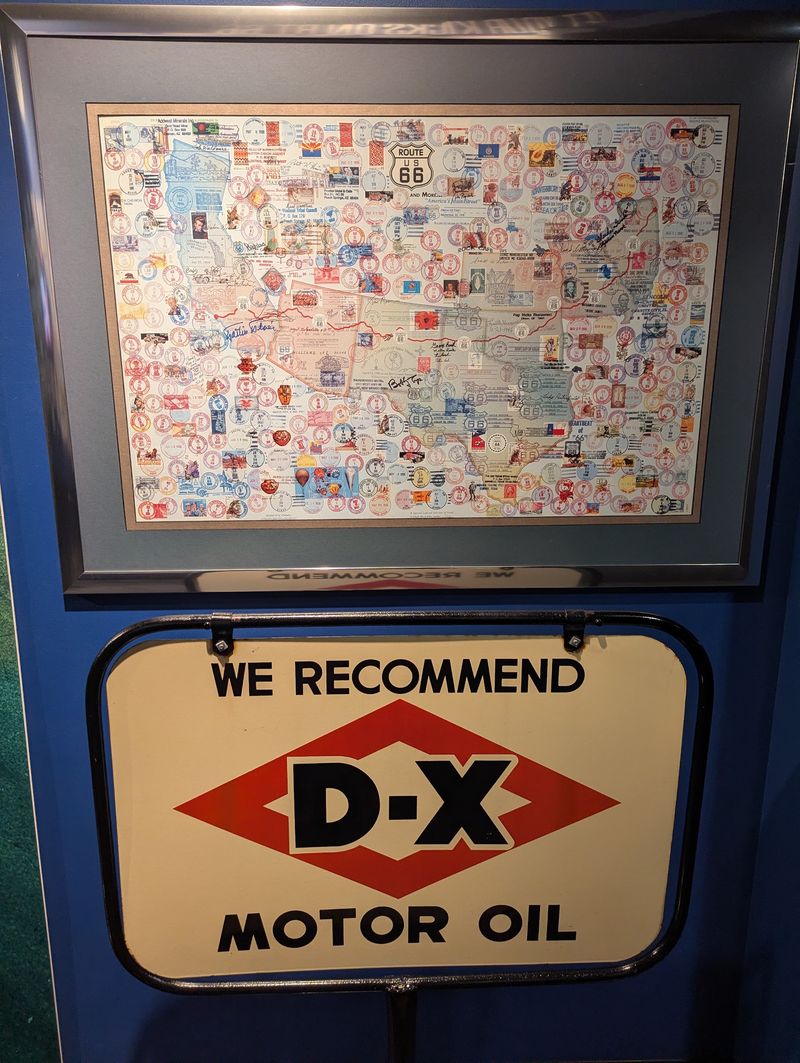
Shoppers describe a store with everything and anything a Route 66 fan could want. Think memorabilia, keepsakes, and souvenirs that prove you drove the Mother Road.
Some guests even stop just to grab a soda and some merch before heading back to the highway.
Opinions on price vary a bit. Many visitors say items are reasonably priced, while a few feel certain souvenirs run on the expensive side.
Browsing first is a smart way to find what fits your budget.
Here’s a handy tip a few guests suggest: when paying with cash, mention the bill you are handing over. It keeps every transaction smooth, especially when the shop gets busy with tour groups.
Since the entrance fee is fair, many travelers say they don’t mind spending a little extra at the counter. Picking up a Route 66 shield sign or a decade-themed trinket makes a fun reminder of the trip.
For gift hunters, it’s a one-stop chance to bring a piece of the road home.
Friendly Faces Behind the Counter
Kindness may be the museum’s most underrated exhibit. Friendly staff get mentioned more than almost anything else when visitors talk about their trip here.
Guests describe being welcomed in and made to feel at home, no matter where they came from. One traveler loved seeing visitors from all kinds of backgrounds greeted with the same warmth.
Others simply note that the ladies working the day they visited were awesome.
The team is informative, too. Staff members enjoy chatting with travelers about the road, and some guests say those conversations became highlights of their stop.
When the building fills with a bus tour, the crew still finds time to connect with individual visitors.
That personal touch carries beyond the front door. The team regularly thanks guests for sharing photos and stories, and they have mentioned that visitor perspectives on Route 66 even spark ideas for future programs.
It feels like a museum that listens.
Small-town hospitality has always been part of the Route 66 legend. Back in the day, a friendly face at a gas stop or cafe could make a long drive feel shorter.
Here, that tradition is alive and well.
Who Will Love This Stop Most
Road-trippers chasing the Mother Road are the obvious fans, but they aren’t the only ones. This museum has a way of winning over all kinds of travelers.
Classic Americana lovers will feel right at home among the neon, cars, and music. History buffs get detailed, well-researched exhibits that cover the entire route.
Families with kids can enjoy the diner booth, the phone booth challenge, and the music buttons that turn each room into a soundtrack.
Grandparents often connect deeply here. The decade rooms, chapel, and film tend to stir up personal memories, which can make for great conversations across generations.
Bring the whole crew if you can.
Should you set any expectations? A few guests remind travelers that it’s a small-town museum, so it isn’t a giant big-city complex.
Others say it felt bigger than they expected, with plenty of cool displays packed inside. Both views can be true depending on what you are used to.
Visitors who come purely to study facts may find some information familiar. Yet for groups, families, and anyone who enjoys stepping into the past, the overall experience tends to feel worthwhile and genuinely fun.
Hours, Admission, and Planning Tips
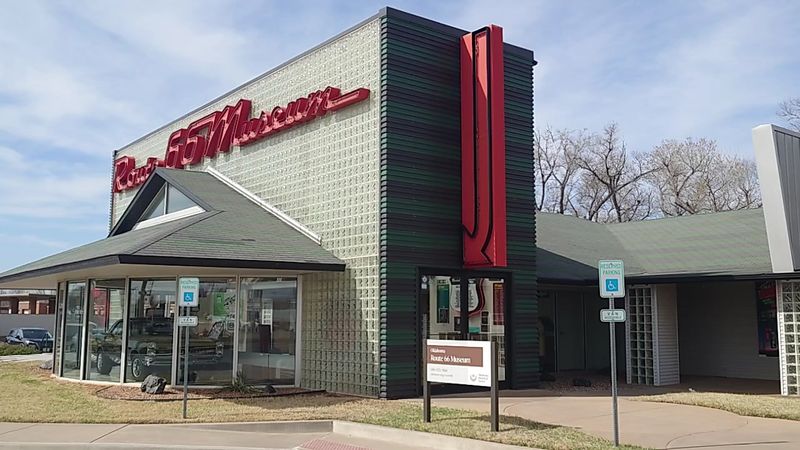
Timing matters, so plan around the calendar. The museum is open Tuesday through Saturday from 9 am to 5 pm, and it is closed on Sundays and Mondays.
Admission is friendly on the wallet. Guests report a $10 entrance fee, and many call it a bargain for what you get.
Military visitors mention getting in free or receiving a discount, and others note reduced pricing for seniors and younger guests, so ask at the desk.
How long should you stay? One visitor put it nicely: you could buzz through in about 30 minutes or spend two to three hours exploring.
If you like reading every display and watching the videos, lean toward the longer end.
Bus tours do roll through at times, which can make the building livelier. Arriving early in the day may give you a calmer walk-through.
The road also marked its 100th anniversary recently, and the museum has hosted special events tied to the milestone. Check the Oklahoma Historical Society website at okhistory.org for current happenings, or call 580-323-7866 with questions before you go.
A Soft Verdict From the Side of the Road
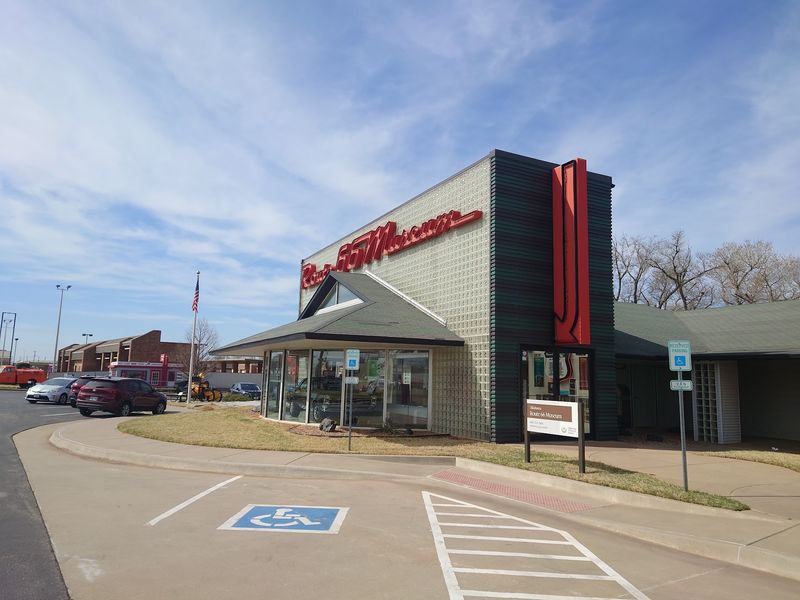
Some stops are just a place to stretch your legs. Others quietly become the story you tell when you get home, and this museum falls firmly into the second group.
It blends real history with playful surprises. One minute you are learning about Dust Bowl families, and the next you are laughing inside a crowded phone booth or daydreaming in a 1950s diner booth.
Neon glows, music plays, and a small chapel waits for anyone needing a moment of reflection.
Plenty of travelers call it one of the best Route 66 museums anywhere along the highway. Others simply say it was well worth the time and a minimal fee.
Even those with small quibbles usually admit the experience was enjoyable.
For Oklahomans, it’s a proud reminder of how much of the Mother Road’s heart beats right here in our state. For visitors from far away, it is a colorful introduction to the people and places that shaped America’s favorite highway.
So next time you are cruising I-40 through western Oklahoma, take the exit. Push the buttons, sit in the booth, and let the old road tell you its story.
Share this story