A horse named Twister paints pictures, and people buy his work to help other animals. That alone made me want to learn more about the Missouri ranch where he lives.
The ranch covers 165 acres of pasture, barns, and paddocks. More than 100 horses, donkeys, pigs, goats, and other farm animals rest and heal there at any given time.
Many of these animals arrived hungry, hurt, or scared. Some came from neglect cases, and others survived a frightening trailer accident on the highway.
I like the idea of a place where those stories get rewritten with patience, good food, and a lot of brushing.
The gates open to the public on certain weekend afternoons, and families can walk right up to the stalls. So how does a rescue this size actually work, and how can regular folks help?
Where the Rescue Story Begins
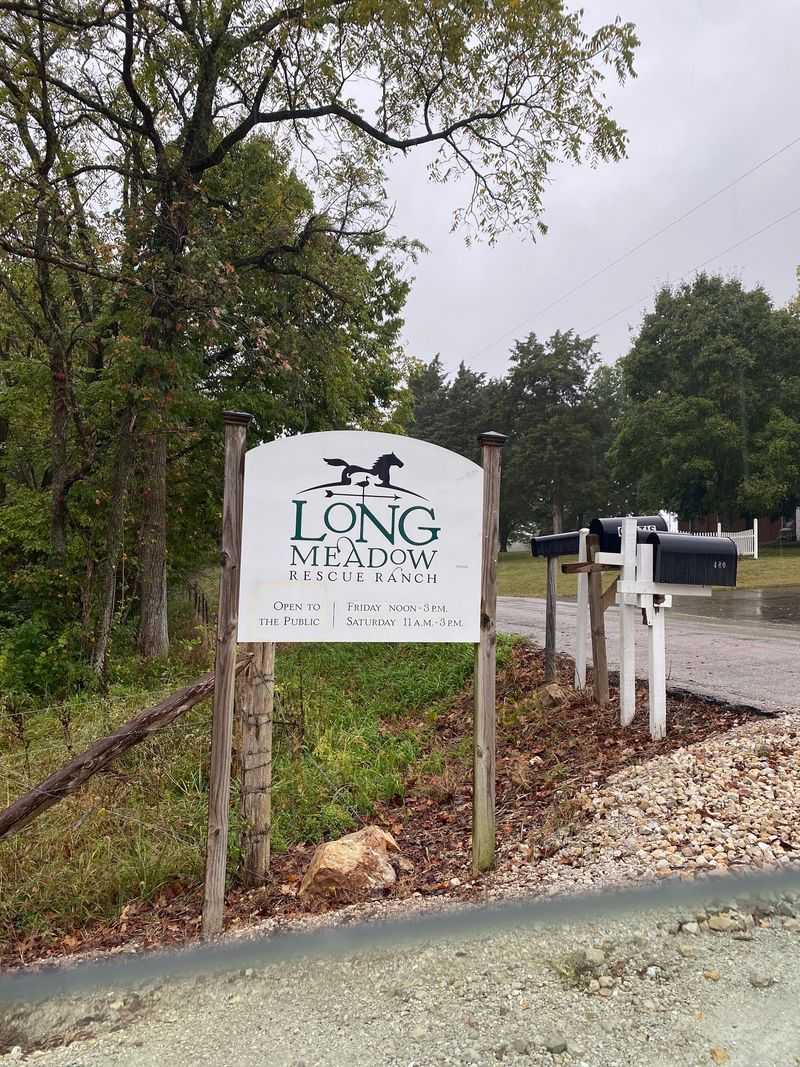
Longmeadow Rescue Ranch sits at 480 St Josephs Rd in Union, Missouri, about an hour southwest of St. Louis. The Humane Society of Missouri runs it as a home for horses and farm animals that need a fresh start.
The property stretches across 165 acres of rolling Franklin County land. That space matters, because large animals need room to move, graze, and recover at their own pace.
On any given day, more than 100 animals live here. Horses make up a big share, but they share the property with donkeys, pigs, goats, poultry, and a few surprises.
Most residents came from cruelty or neglect situations. Some were seized during investigations, while others were surrendered by owners who could no longer care for them.
I find it interesting that the ranch works as both a hospital and a school. Animals get medical care first, then training and socializing so they can move on to new homes.
That two-part mission shapes everything a visitor sees. The barns, round pens, and paddocks all serve a purpose in that process, and the barns themselves are a good place to start understanding how it works.
Barns, Paddocks, and Round Pens With a Job to Do
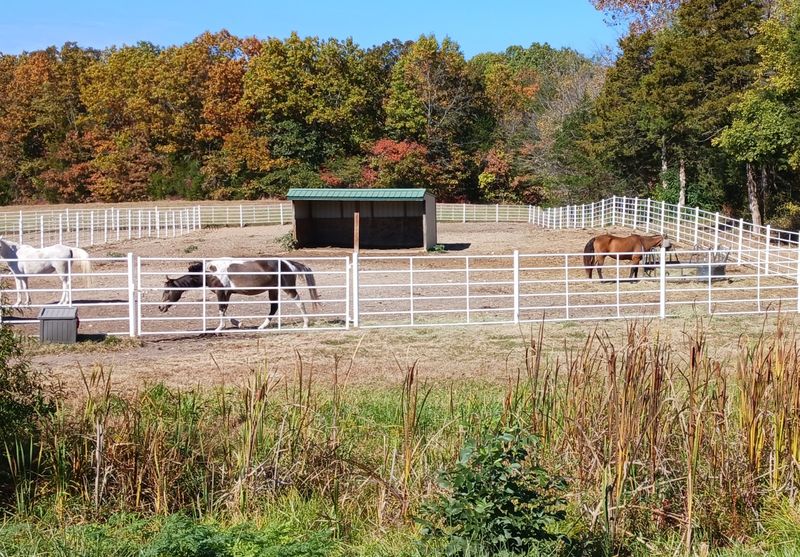
Rescue work needs a lot of infrastructure. At Longmeadow, the grounds include several barns, many paddocks, round pens, and roomy stalls built for animals in different stages of recovery.
Each area has a role. A horse that just arrived may need quiet time in a stall, while a healthier one can stretch its legs in a paddock with a few friends.
Round pens are where training happens. Staff use them to work with horses on basic manners, trust, and riding skills that will help them get adopted later.
Visitors can see these spaces during public hours. Seeing the setup in person helps you understand how much daily effort goes into every rescued animal.
Sometimes parts of the ranch close for health reasons. When a group of animals needs quarantine, certain buildings may be off limits to protect them and the rest of the herd.
That can feel disappointing if you hoped to see the pigs or goats. Still, it shows the staff puts animal health ahead of a tidy tour.
Good facilities only go so far, though. The real recovery depends on the people who show up every day with buckets and brushes.
From Neglect Case to Healthy Horse
A skinny horse with overgrown hooves does not bounce back in a week. Rehabilitation at Longmeadow can take months of careful feeding, vet visits, hoof care, and patience.
Staff start by checking each new arrival’s health. Then they build a plan that fits that animal, since a starved horse and an injured one need very different care.
Feeding is slow on purpose. Giving too much food too quickly can make a weak animal sick, so meals increase step by step.
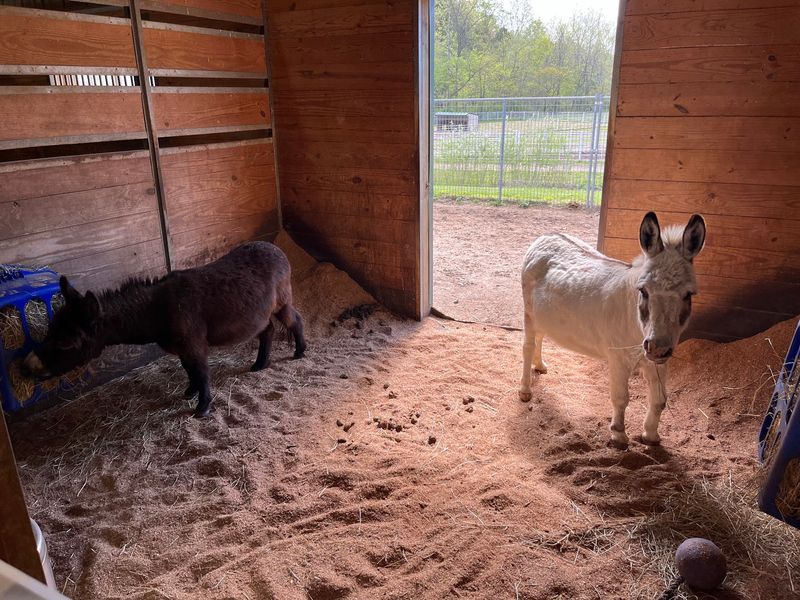
Donkeys go through the same process. The ranch cares for neglected donkeys and mini donkeys alongside the horses, and many of them need dental and hoof work too.
Visitors get a chance to learn about this process up close. Staff and volunteers are often happy to explain how a particular animal is doing.
I would make a point of asking those questions during a visit. Hearing how far one horse has come makes the whole operation feel personal instead of abstract.
One rescue story in particular shows how fast this team can respond when things go wrong on the road.
The Night a Trailer Full of Horses Got Help
Emergencies do not follow a schedule. Longmeadow’s team has answered calls at night, including a trailer accident involving a large load of horses headed to slaughter.
The team moved quickly to bring those horses to safety. Several were injured, and the ranch took on the job of treating them and helping them heal.
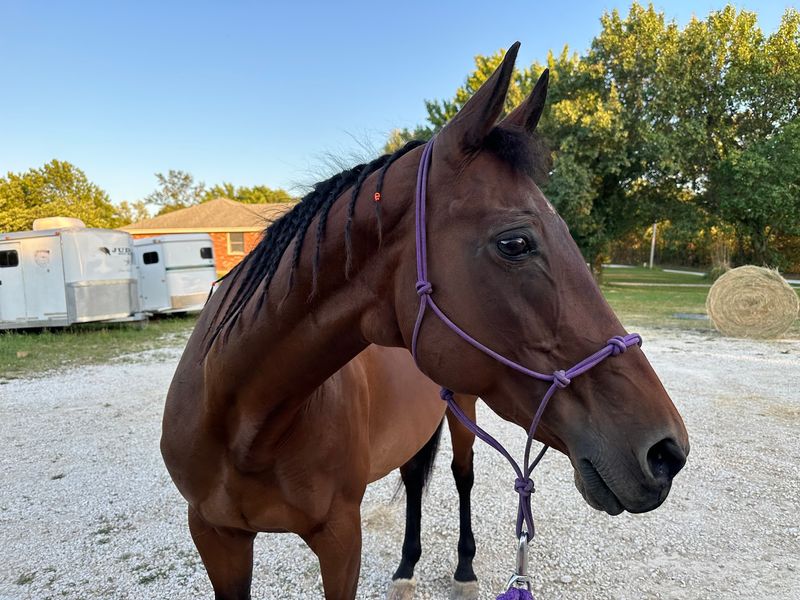
One of those horses was a young off-track Thoroughbred mare. She recovered with minor injuries and later found a new home with an owner who traveled from Texas to meet her.
Stories like that explain why the ranch keeps space and supplies ready. A single call can bring in many animals at once, each needing a vet check and a quiet stall.
The Humane Society of Missouri also handles cruelty investigations across the region. When those cases involve horses or livestock, Longmeadow often becomes their landing spot.
I like knowing a place like this exists close to busy highways and rural roads. Large animals in trouble need somewhere big enough to take them in.
Of course, a rescued horse eventually needs a forever family, and that is where adoption comes in.
How Adopting a Horse Actually Works
Adopting a horse is a bigger deal than picking up a kitten. Longmeadow treats it seriously, with a screening process designed to match each animal with the right person.
Applicants share details about their experience, property, and vet care. Staff review that information before approving a match.
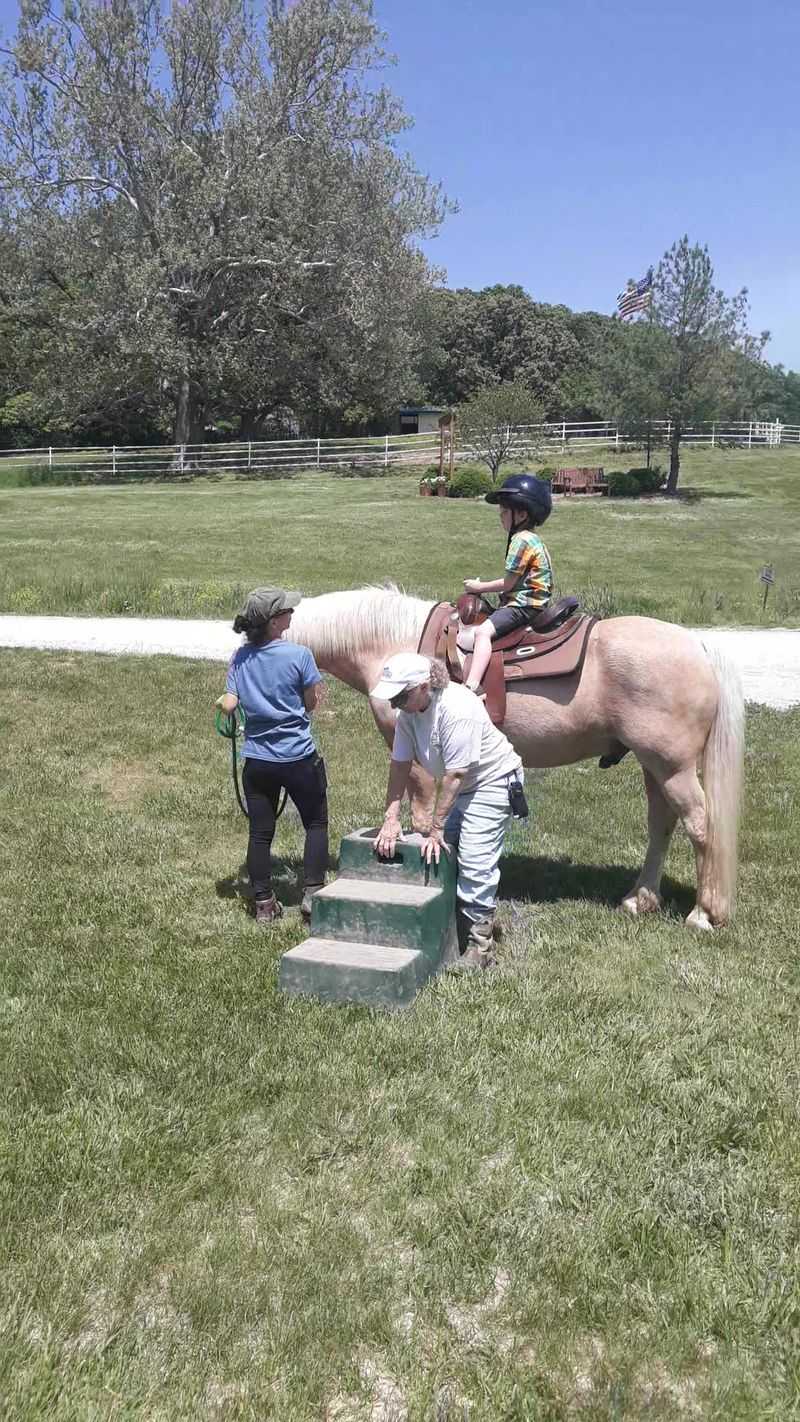
Hopeful adopters can often meet the horse first. Some have been allowed to groom, handle, and even test ride a horse to make sure the fit feels right.
Adopters receive what the ranch knows about the animal’s history, plus veterinary records. That honesty helps new owners plan for any special needs.
The process is thorough, and not every application gets approved. Some people find that frustrating, but careful matching protects animals from ending up back in a bad situation.
Senior horses are available too. A few adopters have specifically chosen older horses who need a calm retirement home.
After adoption, staff like to stay in touch. They enjoy getting photos and updates about how former residents are settling in.
Horses are not the only animals looking for homes, though. The barnyard crowd has plenty of personalities of its own.
Pigs, Goats, Llamas, and a Very Social Turkey
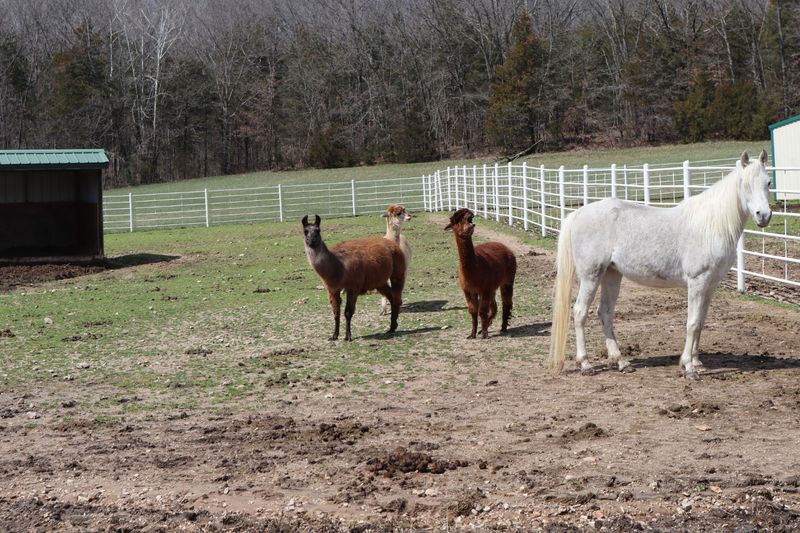
Horses may fill most of the stalls, but the supporting cast is hard to ignore. Longmeadow has cared for llamas, alpacas, pigs, goats, chickens, ducks, mini horses, and mini donkeys.
Many of these animals came from the same kinds of neglect cases as the horses. They get the same attention to health, food, and comfort.
Some residents have become familiar faces. A turkey named Pepper has a fan club, and a goose and turkey pair have been known as close friends.
The ranch has also been home to Bubbles, a zebu who retired from the Saint Louis Children’s Zoo. A zebu is a type of humped cattle originally from South Asia.
Small animals can be a great way for kids to connect with the rescue mission. A goat or pig feels a lot less intimidating than a tall horse.
Many of these farm animals are available for adoption as well. If you have the right setup at home, a rescued goat might be a good fit.
Even so, one resident gets more attention than all the others combined, and he works with a brush.
Twister, the Horse Who Paints
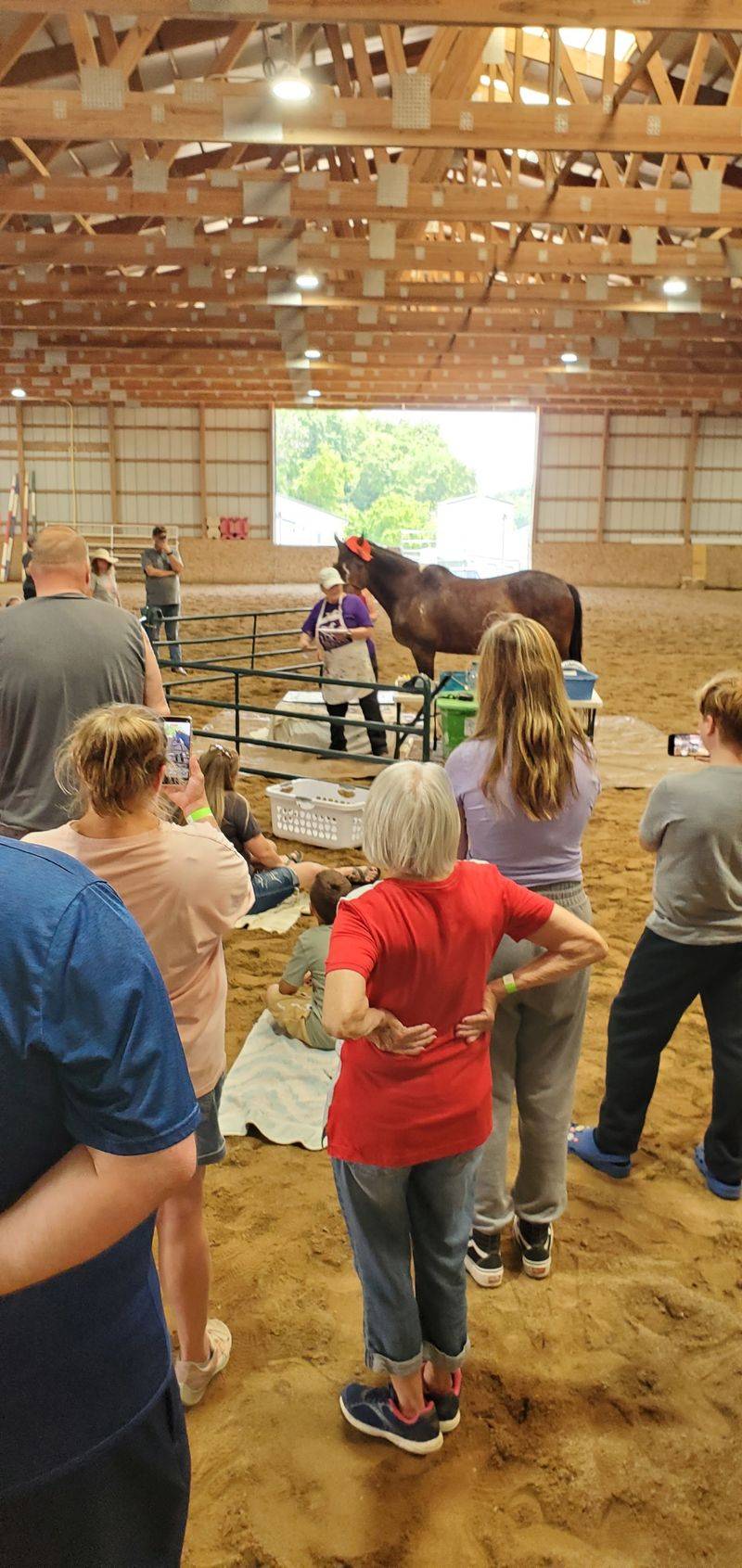
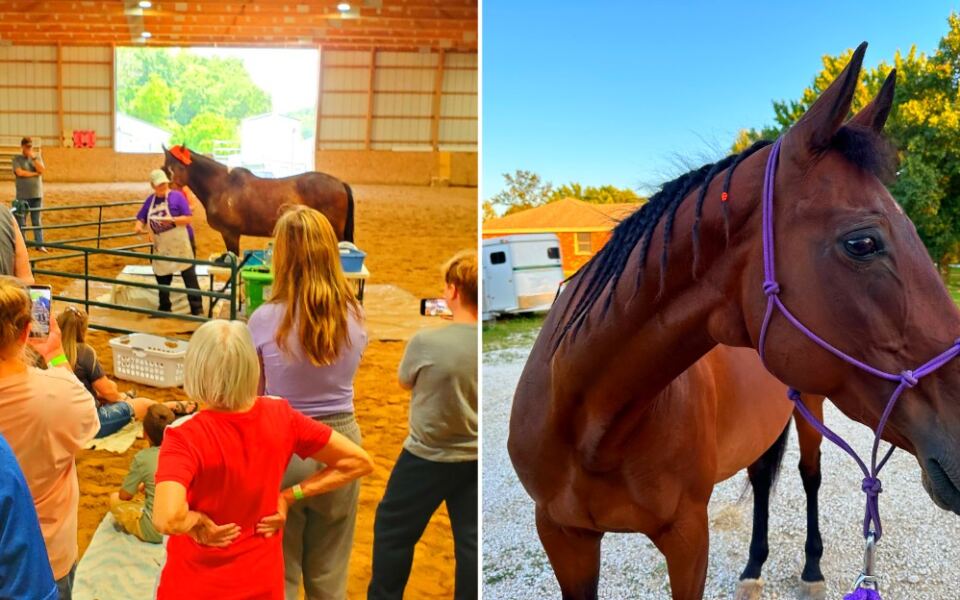
Have you ever watched a horse make art? At Longmeadow, a horse named Twister holds a paintbrush and creates colorful abstract paintings.
Twister performs painting demonstrations for visitors, especially during special events. Watching a large animal carefully swipe paint across a canvas tends to draw a crowd.
His paintings are not just for show. The ranch sells Twister’s work, and the money helps support the care of other rescued animals.
A gallery on site displays his pieces. It is a fun place to browse even if you are not planning to buy anything.
I like how this turns a playful talent into practical help. Every painting sold covers part of the feed, hay, and vet bills that pile up at a ranch this size.
Twister also shows what training can do. A horse who trusts people enough to work calmly with them has clearly received steady, kind handling.
If seeing him paint is on your list, it helps to plan around the ranch’s public events. Those days bring out the biggest crowds and the most activities.
Wagon Days and the Big Spring Event
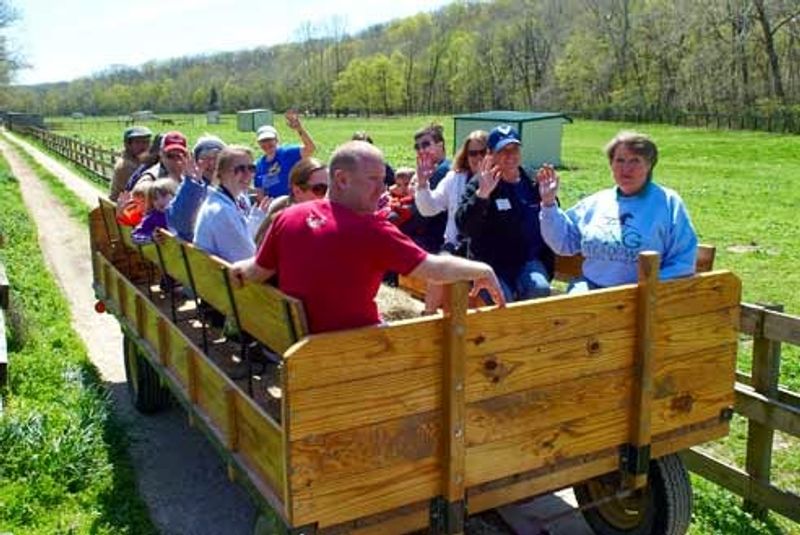
Special event days turn the quiet ranch into a lively community gathering. Longmeadow hosts Wagon Days and an annual spring event that draws families from around the region.
These events give visitors extra ways to explore the property. Activities can include wagon rides, animal meet-and-greets, and demonstrations like Twister’s painting show.
Expect company. The annual event can get crowded, so arriving with a little patience goes a long way.
Kids especially enjoy these days. Seeing horses up close and learning their names can make the rescue mission feel real to young visitors.
Event days also help the ranch raise money and awareness. Every visitor who learns about a rescued animal becomes a possible supporter, volunteer, or future adopter.
Since dates change from year to year, check the ranch’s official website or social media pages before you go. That way you can plan around the activities you care about most.
Not every visit has to be a big event, though. The regular weekend hours offer a calmer way to see the animals.
Planning a Quiet Weekend Visit
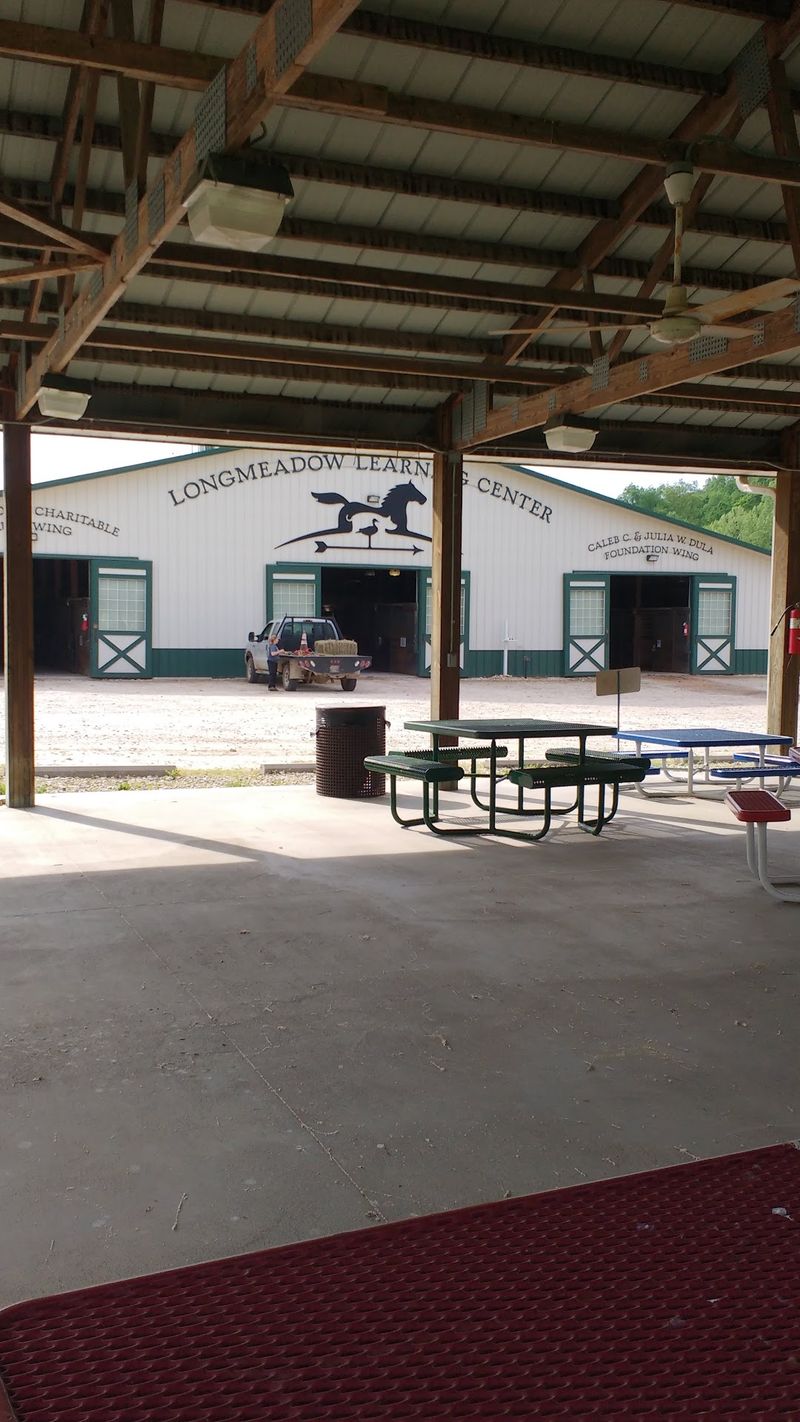
Public hours are limited, so timing matters. Longmeadow is generally open to visitors on Friday and Saturday afternoons, but it is smart to confirm current hours before driving out.
The ranch works well for multigenerational trips. Families have brought young kids, parents, and grandparents together for a relaxed afternoon.
Covered areas and spots to sit are available on the grounds. Some visitors bring their own lunch and eat in those shaded spaces.
Wear closed-toe shoes that can handle dirt and gravel. This is a working ranch, after all, and barns are not known for spotless floors.
Staff and volunteers are a great resource. They can tell you about specific animals, their histories, and how they are progressing.
Remember that some areas may close temporarily for animal health. Coming in with flexible expectations makes the visit more enjoyable.
A gift shop and donation boxes are on site too. Admission is free, so many visitors leave a donation to support the animals they just met.
And if a single donation does not feel like enough, the ranch offers a few ongoing ways to stay involved.
Barn Buddies, Volunteers, and Other Ways to Help
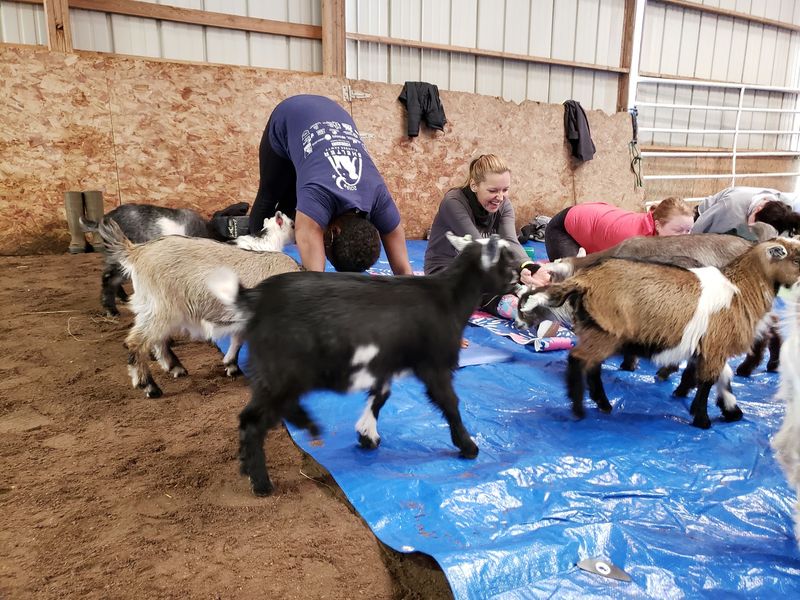
Feeding more than 100 large animals takes serious money and muscle. Longmeadow relies on donors, volunteers, and supporters to keep the barns running.
The Barn Buddy program lets people sponsor a specific animal. Sponsorships make a thoughtful gift for an animal lover who already has plenty of stuff.
Volunteers play a huge role in daily care. They help with grooming, cleaning, feeding, and keeping the animals social and comfortable.
Buying a Twister painting or something from the gift shop also helps. Those purchases turn a souvenir into hay, medicine, and hoof care.
Since the ranch is part of the Humane Society of Missouri, it is a nonprofit effort. Donations go toward caring for animals rather than making a profit.
I would start by following the ranch on social media. Adoptable animals and upcoming events are often posted there, and it is an easy way to stay connected.
Small help adds up. A ranch this size runs on lots of people doing their part.
Every horse that leaves for a new home makes room for the next animal waiting for its second chance, and that cycle is the whole point of this place.
Share this story