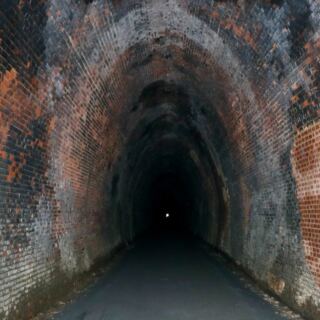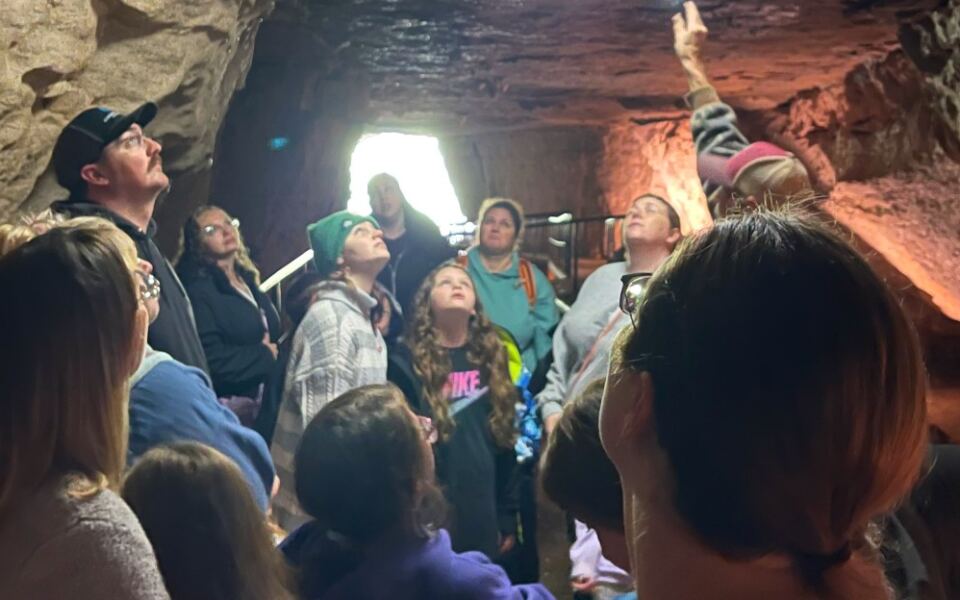
A Missouri cave near Springfield has an entrance measuring 100 feet wide and 55 feet tall, but its history is even more remarkable. Evidence of human activity at Smallin Civil War Cave stretches back more than 8,500 years.
The cave was documented by explorer Henry Rowe Schoolcraft in 1819 and later became associated with Civil War stories. Today, visitors can explore its history on a one-hour guided tour along a paved, half-mile route with no stairs.
Inside, guides point out ancient marine fossils, historic markings, and rare cave-dwelling creatures. The property also offers wild cave adventures and special lantern tours for visitors who want to explore beyond the standard experience.
A Family-Run Cave Just Outside Ozark
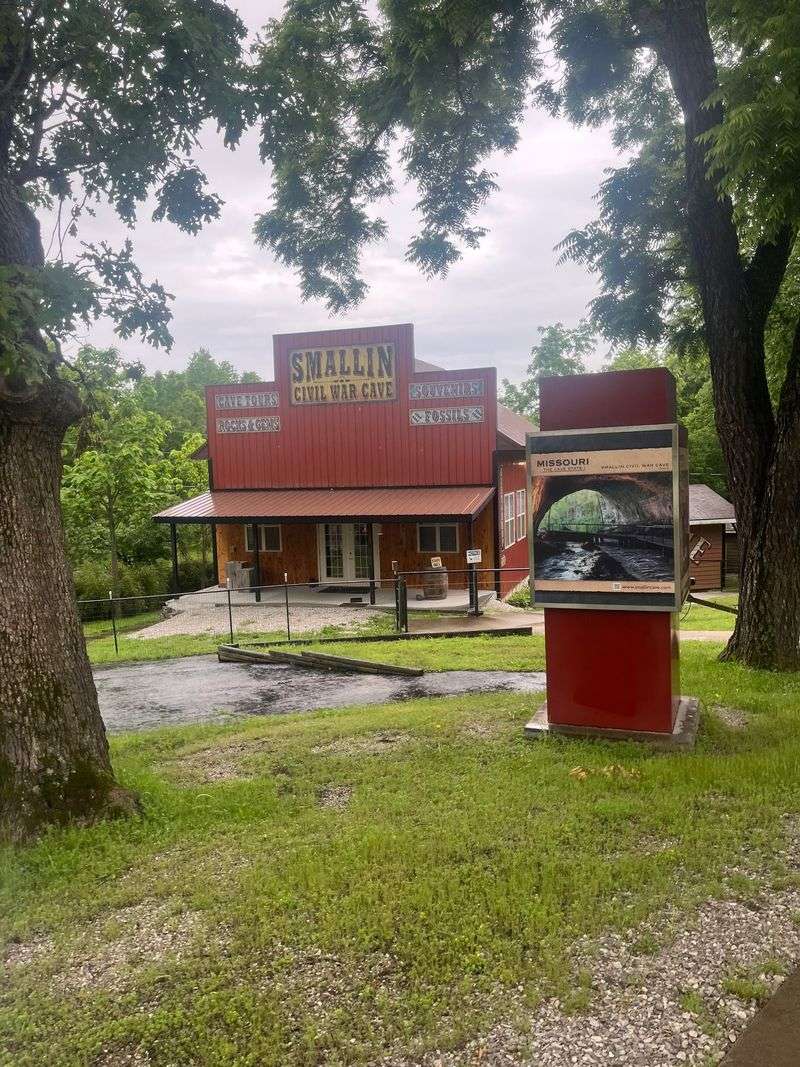
Smallin Civil War Cave sits at 3575 N Smallin Road in Ozark, Missouri, a short drive south of Springfield. The site is family owned and operated, and guided tours lead visitors into the cave year round on most days.
The setting is a wooded valley with a creek running through it. You leave the visitor area and follow a paved trail through the trees before the cave mouth comes into view.
I find that short walk a smart part of the plan. It gives you a quiet moment in the woods before the history lesson begins.
The family has put a lot of work into the property over the years. Paths, lighting, and a boardwalk now make the cave easy to explore without scrambling over rocks or mud.
The standard tour runs about an hour. Much of that time goes to stories and details, not long distances, so the pace feels relaxed.
Hours can shift, and the site has been closed on Thursdays, so checking the schedule before you go is wise. Once you reach the trail’s end, the first thing you notice is the size of the opening.
That Enormous Mouth in the Hillside
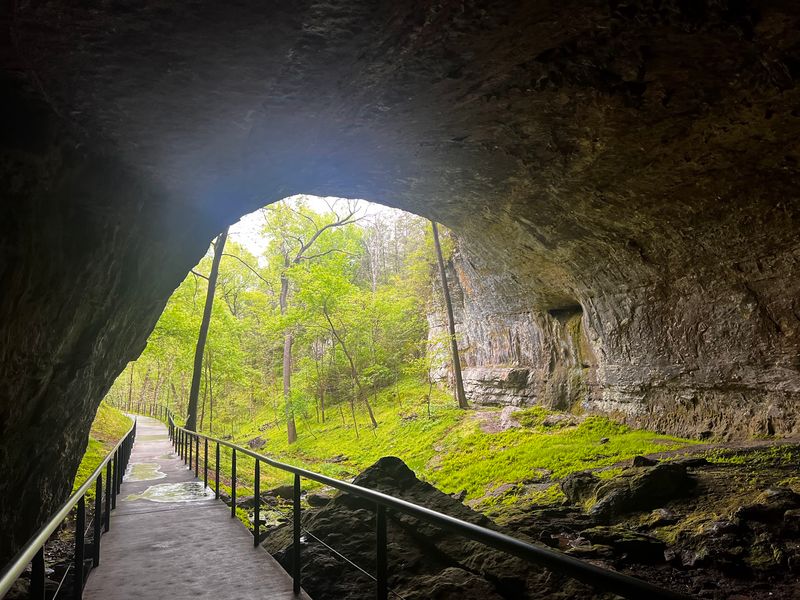
Big is the word most people reach for first. The entrance to Smallin Cave is wide and tall, carved into a limestone bluff above a flowing stream.
It is often described as one of the largest cave openings in the Ozarks. Standing near it, the people on the tour look small against the rock.
That size matters for comfort, too. Daylight pours into the front part of the cave, so the shift from forest to underground feels gradual rather than sudden.
Folks who get nervous in tight spaces may like that. The open feel near the mouth makes the start of the tour far less closed in than many other caves.
Photographers should take a minute here before heading inside. The bluff, the water, and the trees make a frame worth slowing down for.
The stream that leaves the cave is part of the story as well. Water carved this passage over a very long time, and it still runs through it today.
Spring tends to bring stronger water flow. Guides have suggested that season for anyone hoping to see the creek at its liveliest, before summer bugs show up.
Signatures Left by Union Soldiers
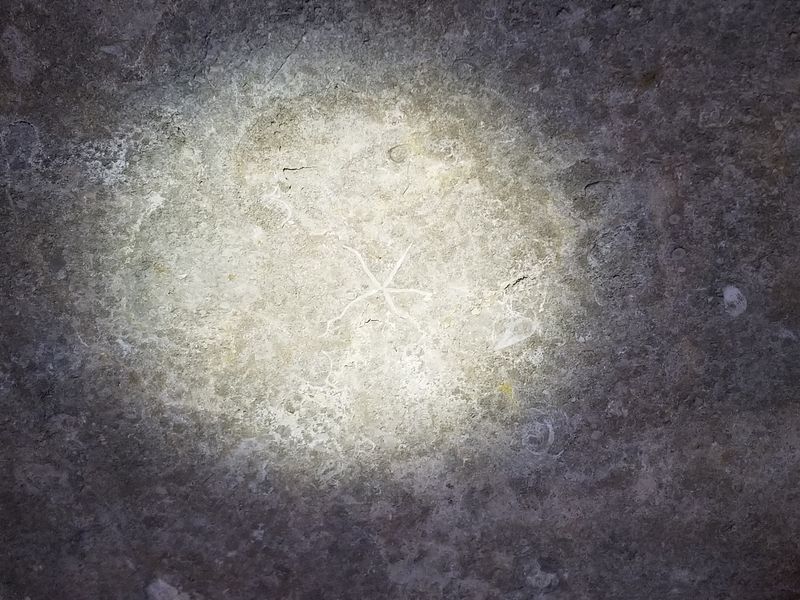
Names on a rock wall started it all. In 1929, a Drury College professor and his students found signatures from Union soldiers inside the cave.
A local newspaper reported the find at the time. That record helped tie the cave to the 1860s, when soldiers moved through this part of southwest Missouri.
The Ozarks saw plenty of conflict during those years. Troops and local families passed through these hills, and a cave with fresh water would have drawn attention.
Before the tour, the staff shows a short video explaining that regional history. It lays out how the cave fits into the larger local story, so I would not skip it.
Guides add context as you walk. They explain what is known for sure and what is still being studied, which keeps the history honest.
That care paid off. In 2018, the cave was placed on the National Register of Historic Places through the Missouri Department of Natural Resources and the U.S.
Department of the Interior.
Still, the soldiers are only one chapter. The people who knew this cave earlier left their own marks behind.
Native People Knew It First
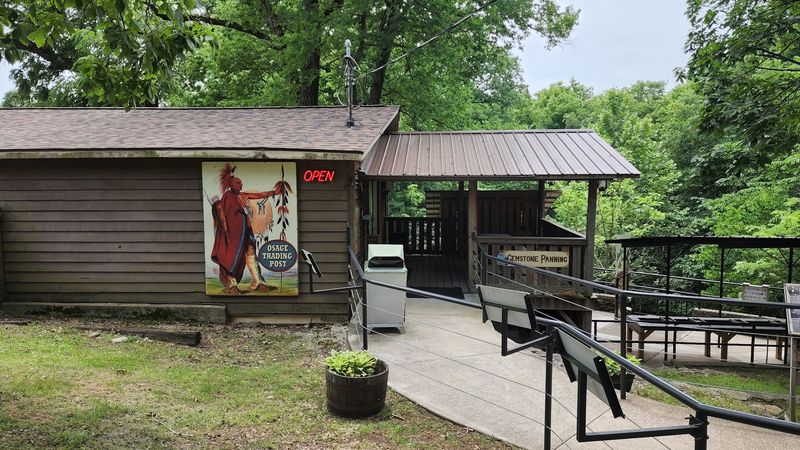
Long before any soldier carved a name, Native people used this valley. The cave’s history reaches back centuries, and guides share that part of the story with respect.
Archaeology is woven into the tour. Guides talk about what researchers have learned and how the cave fit into daily life for earlier communities in the region.
The Osage people are closely tied to the Ozark region’s past. Tours touch on their connection to the land and to sites like this one.
Some guides add a quiet moment in the dark. On at least some tours, a guide has turned off the lights and sung a song in a Native language.
That kind of pause sticks with people. It shifts the focus from rocks to the humans who once stood in the same spot.
I appreciate a tour that treats this history with care instead of rushing past it. The older stories give the Civil War chapter a much deeper background.
Early settlers came later, and the Smallin name arrived with them. Their part of the tale explains how the cave got its name in the first place.
How a Settler Family Gave It a Name
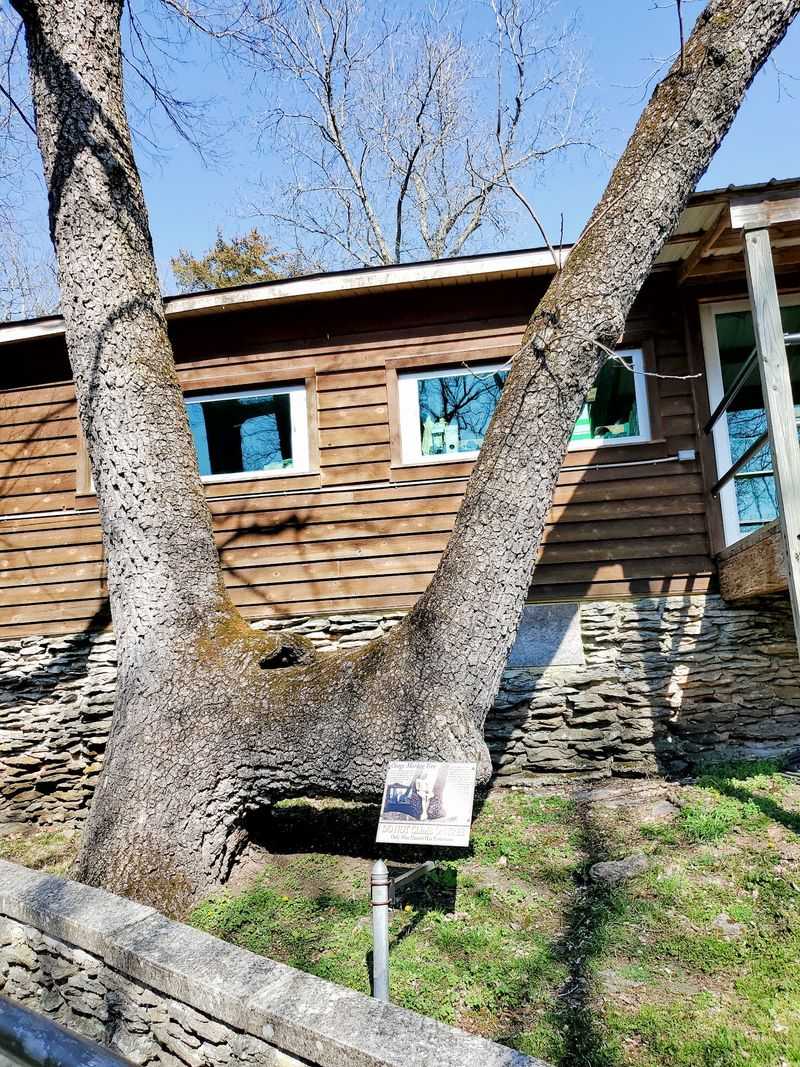
Ever wonder where the name comes from? It traces back to the Smallin family, early settlers who made a home in this valley in the 1800s.
The cave became a landmark for people living nearby. Fresh water and steady cool air made it useful long before anyone thought of it as a tourist stop.
Henry Rowe Schoolcraft, an explorer, is linked to the site’s early written record. He traveled through the Ozarks in 1818 and 1819 and described a large cave in this area.
His writings rank among the early detailed accounts of the region. Guides use that history to show how outsiders first described these hills.
Over the years, ownership changed hands. Today the property belongs to a family that opened it for guided tours and continues to care for it.
You can feel that local touch in the way the tour is run. Staff members share stories as neighbors would, not as a big corporation might.
And with all that time behind it, the cave kept more than names. Look closely at the walls and you will spot a much older record in stone.
Fossils Hiding in the Walls
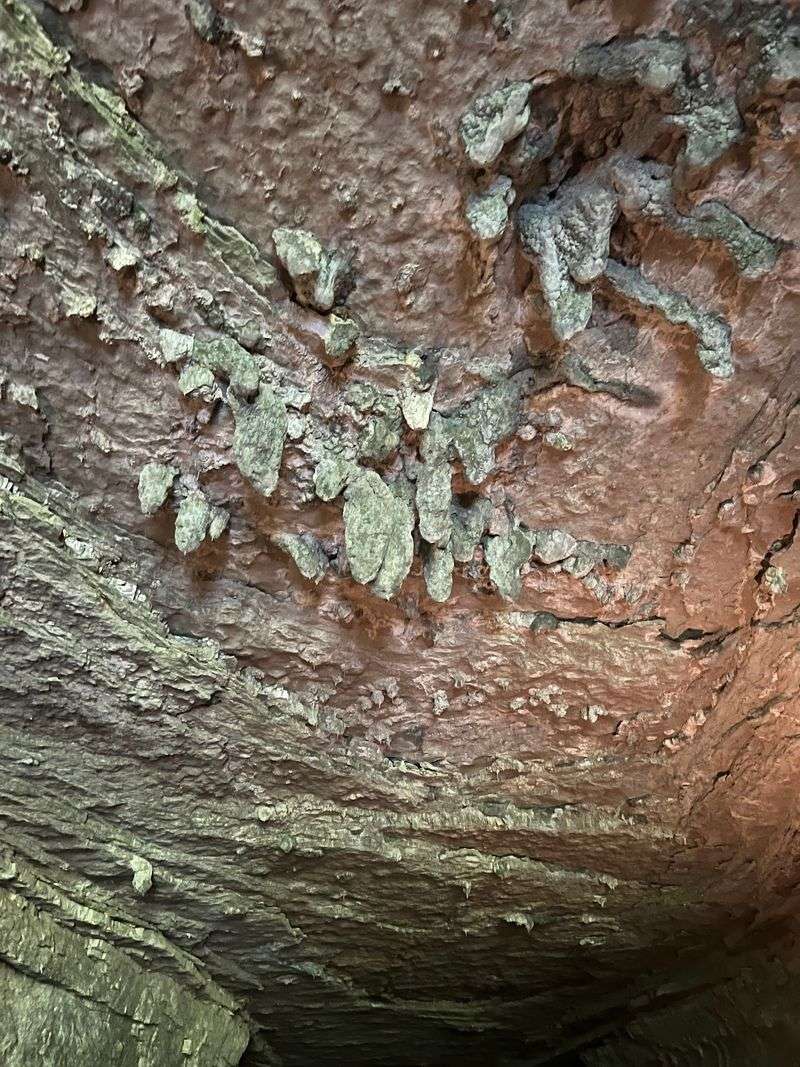
Ancient sea life is pressed into the rock here. The limestone walls hold fossils from a time when this part of Missouri sat under shallow water.
Guides point these out as you walk. Without someone showing you, many of them would be easy to pass by without a second look.
Crinoids are common in Missouri limestone. These sea animals looked a bit like plants, and their stem pieces often show up as small round disks in stone.
Kids tend to enjoy this part. Spotting a fossil feels like a small treasure hunt, and the guides are happy to answer questions.
I like that the fossils connect to the bigger picture. The same rock that holds them is what the stream slowly dissolved to form the cave.
A flashlight is not required on the main tour, since the path is lit. Still, bringing a small light can help you peer into corners and cracks.
Geology lessons can sound dry on paper. Seeing a real fossil a few feet from your face is a lot more fun than any textbook picture.
The cave also shelters life that is still very much present.
Pale Little Residents in the Stream
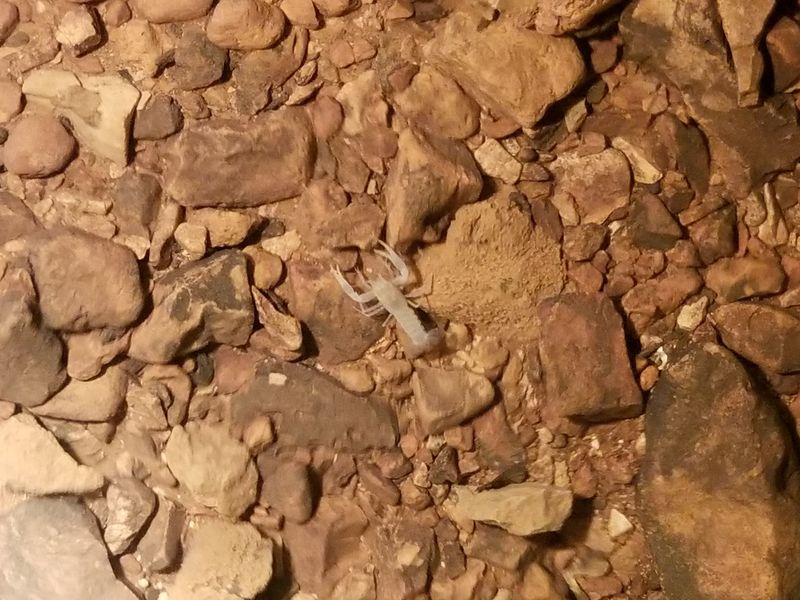
Not every cave visitor walks on two legs. The stream inside Smallin Cave is home to white crayfish that live their whole lives in darkness.
These creatures have little or no color. Living without sunlight, they simply do not need it, so they look pale and almost ghostly in the water.
Sightings are not guaranteed. On lucky days, though, visitors have spotted a mother crayfish carrying her babies on the underside of her tail.
The Ozark region is known for cave life. Salamanders, bats, and tiny insects also make use of caves across southern Missouri.
Guides often share how fragile these animals are. Clean water matters a great deal, and the cave stream depends on what happens on the land above.
A good rule is to look but not touch. Keeping hands out of the water protects the animals and the stream they rely on.
I find it neat that a place famous for human history still belongs mostly to these small creatures. They were here first and they are still here.
Getting close to them is easier than you might expect, thanks to the walkway.
No Stairs on the Main Tour
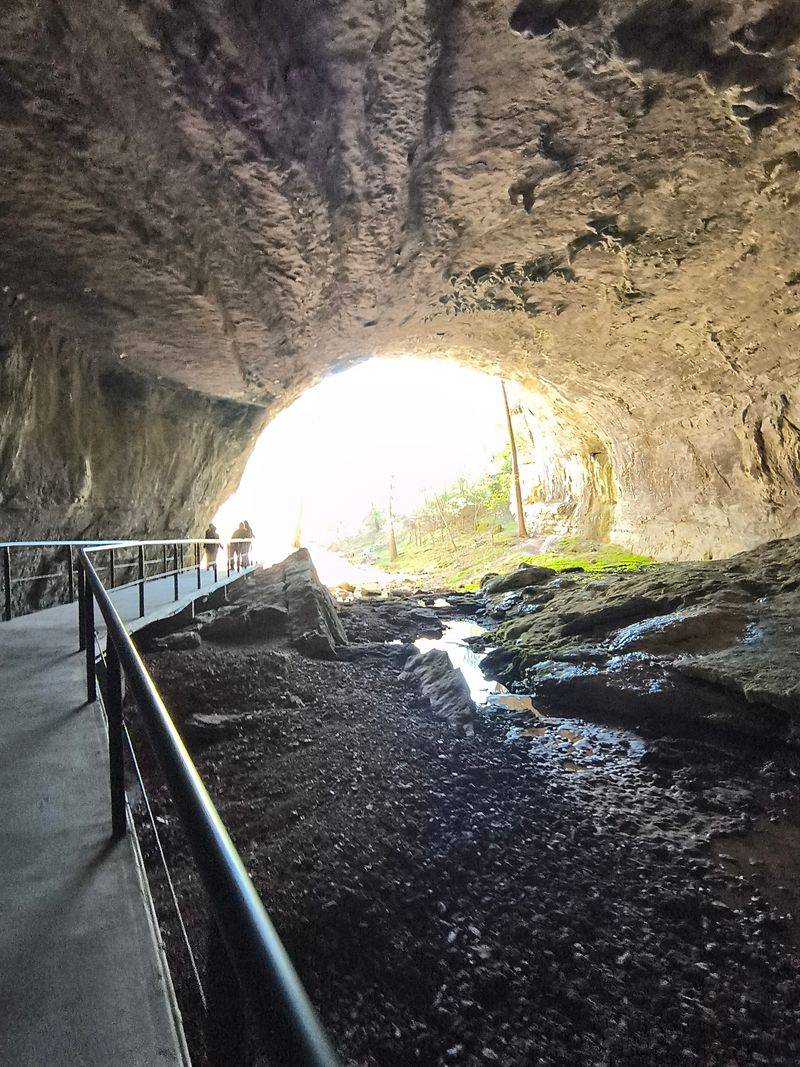
Good news for tired legs: the standard tour has no stairs. A paved walkway and boardwalk guide you through the cave on fairly level ground.
That setup makes the tour open to more people. Families with young kids, older travelers, and folks with limited mobility can usually manage it.
The route is about half a mile one way. A couple of spots have a gentle slope, and a few sections can be a little wet.
Sturdy shoes with decent grip are a smart choice. The footing stays solid, but damp concrete deserves some respect.
Caves stay cool all year. Even on a hot Missouri summer day, a light jacket or long sleeves may feel nice once you are inside.
The paved trail outside also means less mud on your shoes. You walk through the woods without wading through grass or puddles.
If you have special access needs, calling ahead is a good idea. Staff can explain what the route involves before you arrive.
For those craving something rougher, though, the cave offers a very different option deeper inside.
Lanterns and Wild Tours Go Deeper
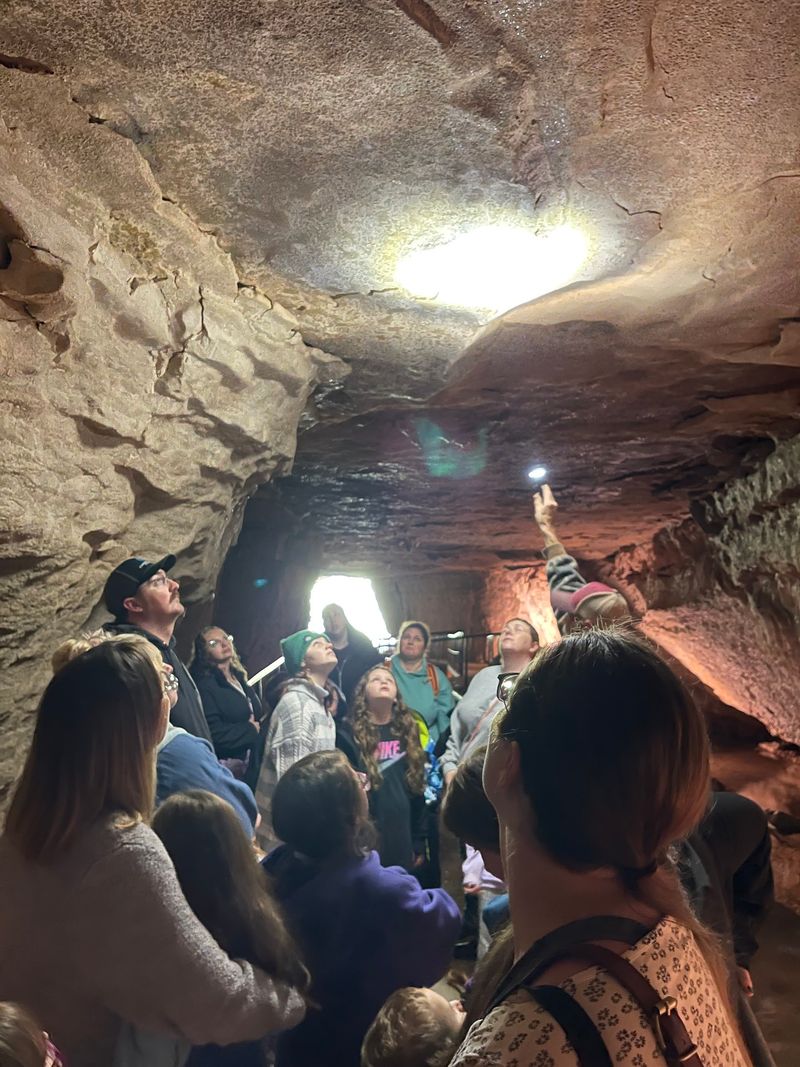
Lantern light changes everything in a cave. Smallin Cave offers lantern tours that give the passage a softer, older feel than electric lights.
These special tours are usually scheduled at certain times. Checking the cave’s calendar ahead of time is the best way to catch one.
There is also a wild cave option for more daring guests. This tour heads past where the regular walkway ends, deeper into the cave.
Expect a rougher experience on that route. It is designed for people who are fine getting a bit dirty and moving over uneven ground.
Private tours have also been offered. They can work well for families or small groups who want more time and attention from a guide.
These extra tours cost more than the standard walk. I would start with the regular tour first, then come back for a deeper trip if the cave hooks you.
Group size, age limits, and gear rules can vary by tour. Reading the details beforehand saves surprises at check-in.
Back above ground, younger visitors have their own set of activities waiting.
Gem Panning and a Play Area for Kids
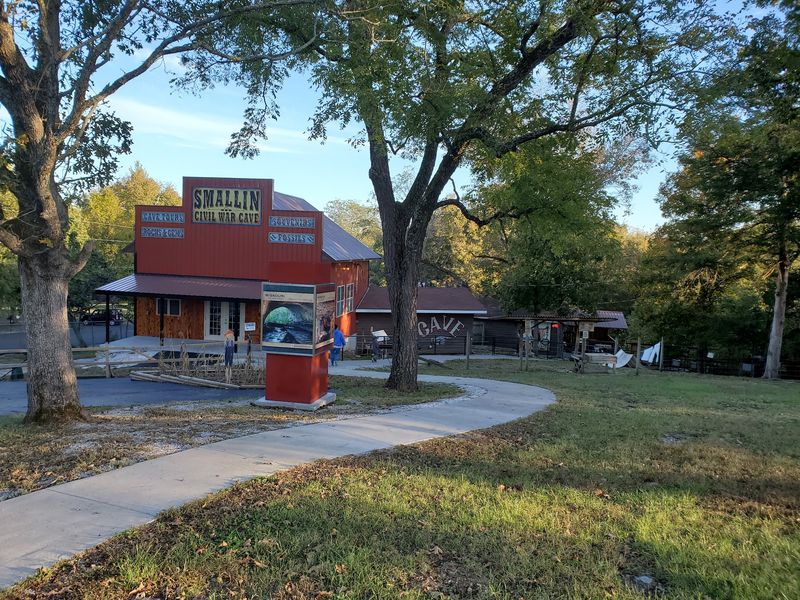
Kids who finish the tour still full of energy have options. The grounds include a gem mining area where children can pan for stones to keep.
Running water at a sluice washes away the sand. Bit by bit, colorful gems show up in the screen, which tends to delight younger visitors.
A crawling and climbing area has also been part of the site. It gives little ones a chance to burn off steam after an hour of listening.
School groups and homeschool families visit often. Field trips work well here because the history, science, and outdoor time all fit together.
The gift shop sits on the property as well. It carries cave themed items, books, and souvenirs, and restrooms are available nearby.
Tours have run roughly every half hour on busy days. That makes it easier to fit panning and shopping around your tour time.
I like that a visit here does not end the moment you leave the cave. The extra activities stretch the outing into a full morning or afternoon.
Pack water and bug spray in warmer months, since the wooded grounds can get buggy.
Share this story