Country songs have a funny way of landing in your memory and staying there for decades. One fiddle line, a chorus about a bottle of wine, or a line-dance beat can pull you straight back to a car radio in another year.
This list brings together 10 country recordings from the 1960s through the early 2000s, from huge chart-toppers to songs tied closely to one artist. Some singers here truly had one big moment, while others had many hits but are still known for a single tune.
Read on to see which famous songs fit each story.
The Charlie Daniels Band, “The Devil Went Down to Georgia”
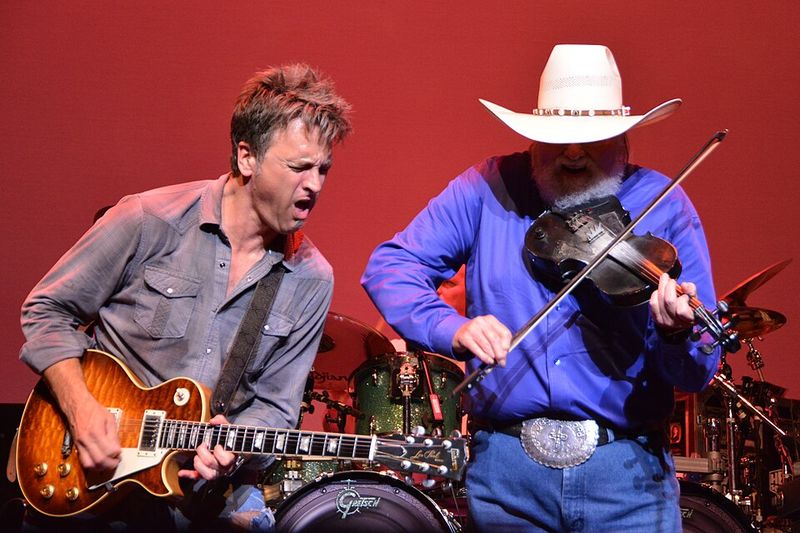
Few country songs announce themselves as dramatically as this one. Released in 1979, it tells the story of Johnny, a young fiddler who accepts a musical challenge from the devil with his soul on the line.
The mix of rapid-fire storytelling, Southern rock energy, and frantic fiddle playing turned the track into the Charlie Daniels Band’s signature recording. Listeners can almost follow the contest note by note, which is part of why the song works so well on the radio and in a crowded room.
Calling the group a true one-hit wonder would be misleading, since the band had other recordings over the years. Still, for many listeners this is the song most closely tied to Daniels.
It remains a go-to pick whenever someone wants a story, a sing-along, and a fiddle showdown packed into a few minutes.
Jeannie C. Riley, “Harper Valley P.T.A.”
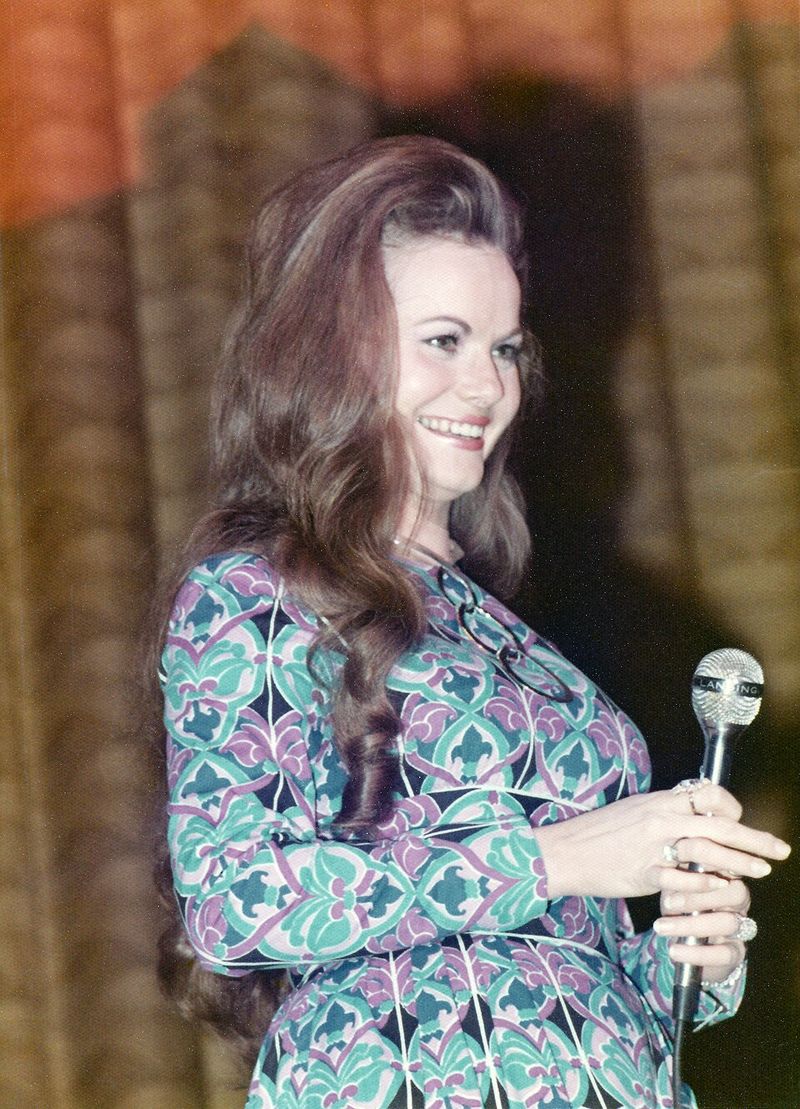
In 1968, a song about a mother defending herself against a judgmental town became a national event. Jeannie C.
Riley released “Harper Valley P.T.A.” that year, and its story of small-town hypocrisy struck a nerve with listeners far beyond Nashville.
The recording reached No. 1 on both the country and pop charts. That made Riley the first female performer to accomplish that feat with the same song, a milestone that still gets mentioned in country music history.
The tune did not stop at the radio, either. Its popularity eventually inspired both a movie and a television series, which is a rare path for a three-minute single.
Part of the appeal is the sharp storytelling. The narrator turns the tables on the neighbors who criticized her, and the song lets her have the last word in a way people still enjoy hearing.
Billy Ray Cyrus, “Achy Breaky Heart”
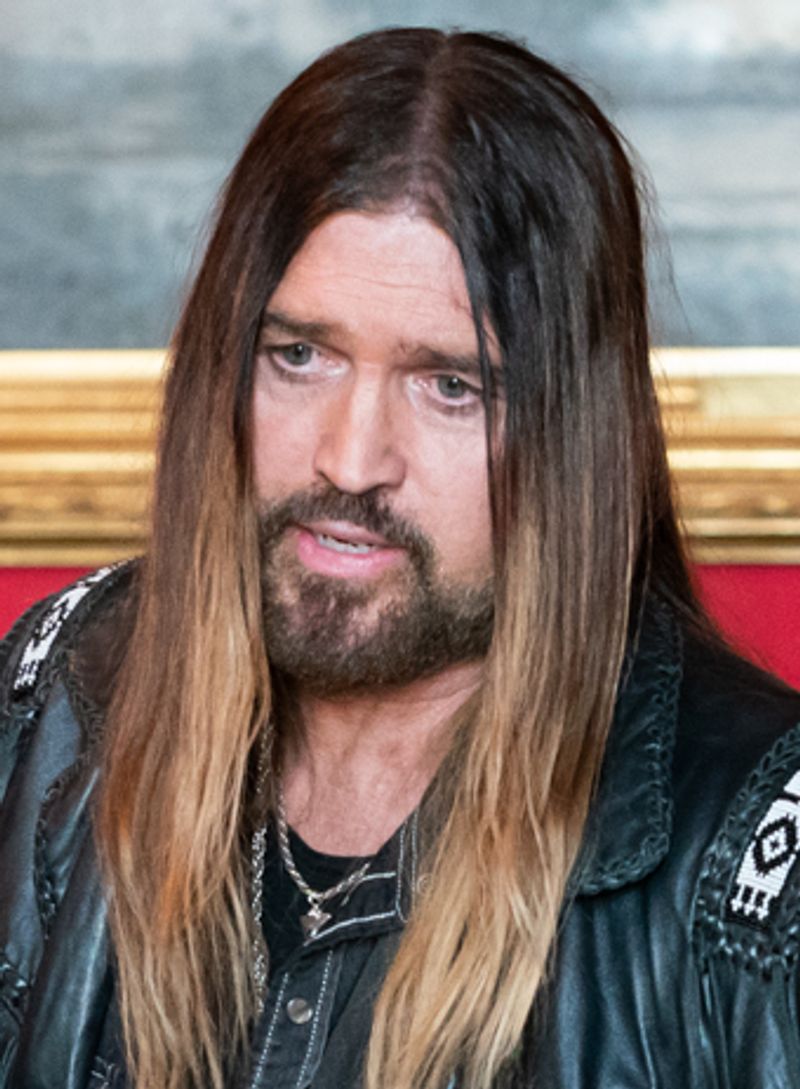
There was no escaping this one in 1992. Billy Ray Cyrus’ breakthrough single paired an instantly recognizable chorus with a dance-friendly beat that helped fuel the line-dancing craze of the era.
“Achy Breaky Heart” became an international phenomenon and topped Billboard’s country chart. Dance floors from small-town bars to big-city clubs filled with people practicing the same steps.
Cyrus cannot accurately be described as a one-hit wonder, particularly after his later success and appearance on Lil Nas X’s record-breaking “Old Town Road.” His career has had more than one chapter.
Still, the song remains the recording that introduced him to millions of listeners. Play the first few seconds at a party today, and someone will almost certainly start moving in a line.
Skeeter Davis, “The End of the World”
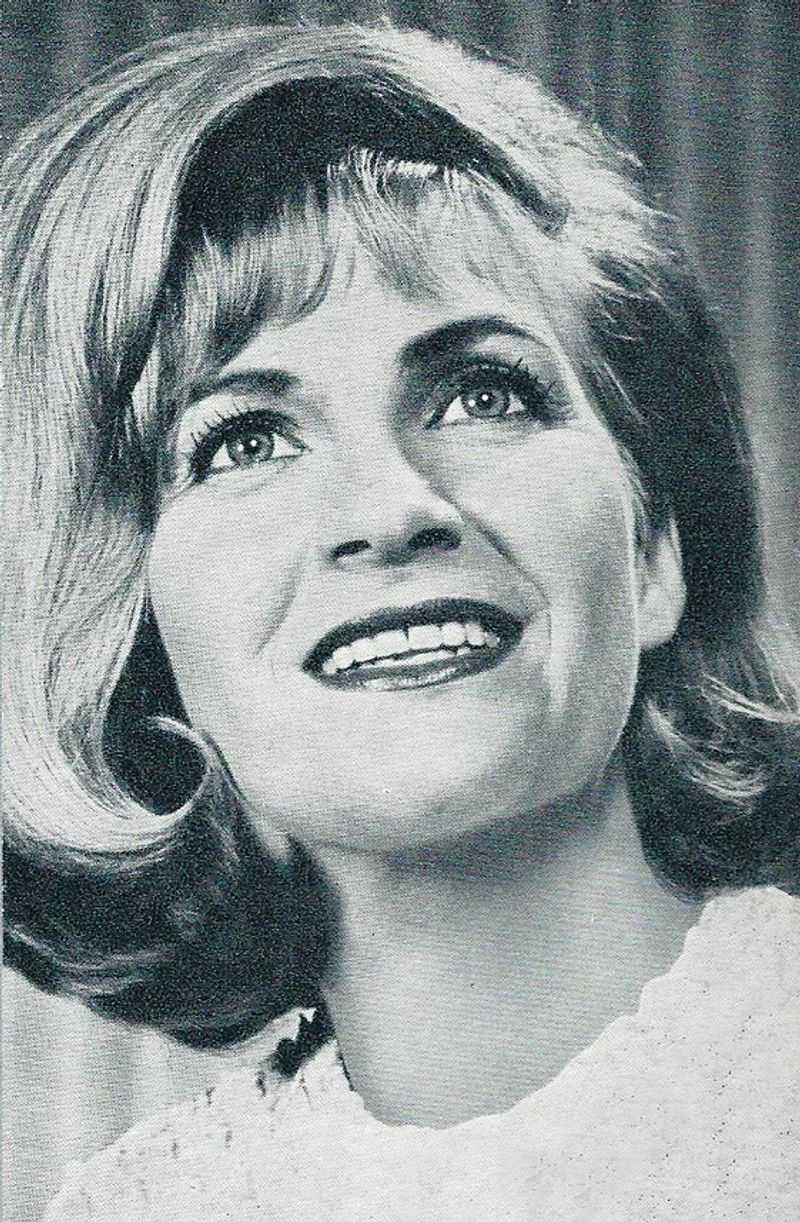
A simple question sits at the heart of this 1962 ballad: why does everything around you carry on normally when your own world feels as though it has ended? Skeeter Davis’ “The End of the World” captured that feeling of heartbreak in plain, gentle words.
The recording crossed beyond the usual country audience and became Davis’ best-known song. Its quiet delivery lets the sadness come through without any big dramatic moments.
Her career included other country chart successes, so the one-hit-wonder description does not fully fit. Even so, few of her recordings have endured as widely as this haunting ballad.
Many listeners first met it through movies, television, or an old record collection, and it still sounds like a song meant for a late-night drive.
Janie Fricke, “He’s a Heartache (Looking for a Place to Happen)”
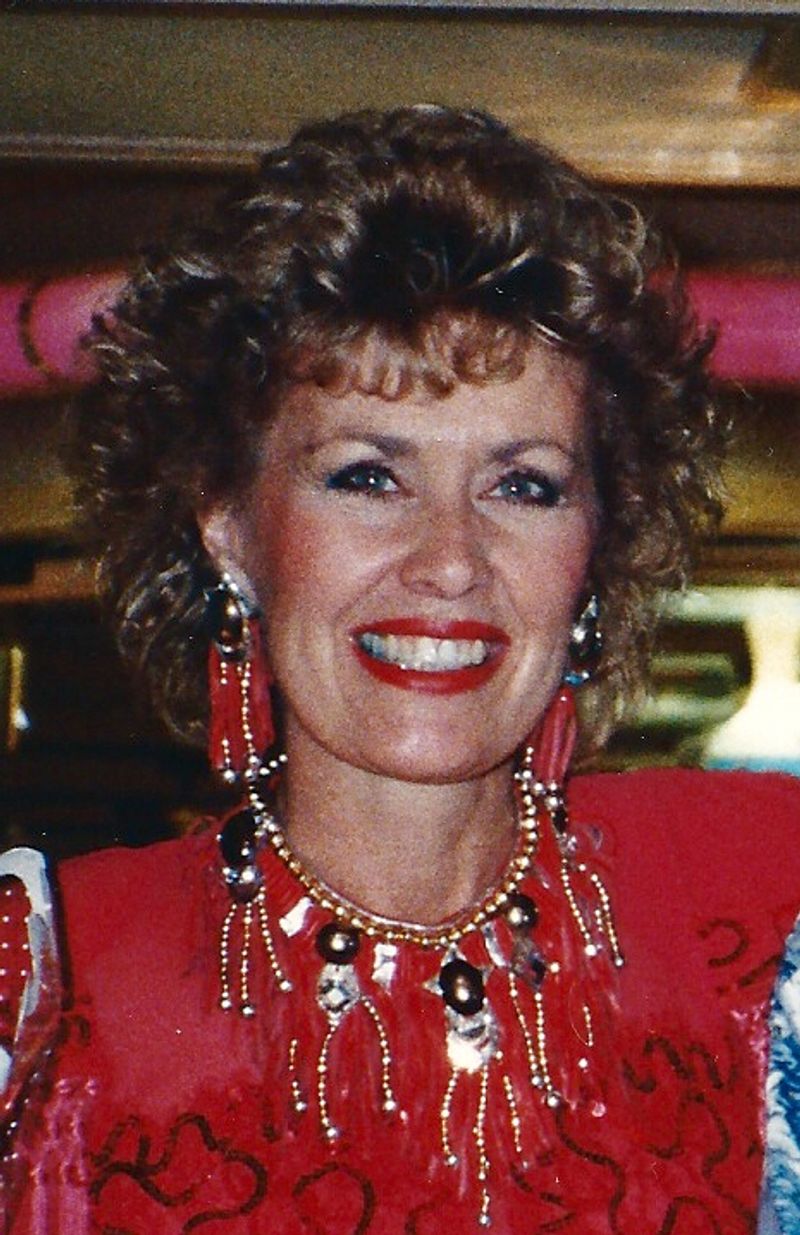
Between 1981 and 1986, Janie Fricke placed 15 songs in the country Top 10, and seven of them reached No. 1. That record alone shows why the idea of a one-hit wonder does not work for every artist on this list.
Her 1983 recording “He’s a Heartache (Looking for a Place to Happen)” reached No. 1 on Billboard’s country chart. Fricke brought plenty of attitude to it, delivering a warning about a charming man who is almost guaranteed to leave trouble behind.
The title is a mouthful, but the message is easy to follow. She sounds like a friend giving advice she wishes someone had given her.
For fans of early ’80s country, the song is a good example of the smooth, polished sound that filled the radio in those years.
Clay Walker, “What’s It to You”
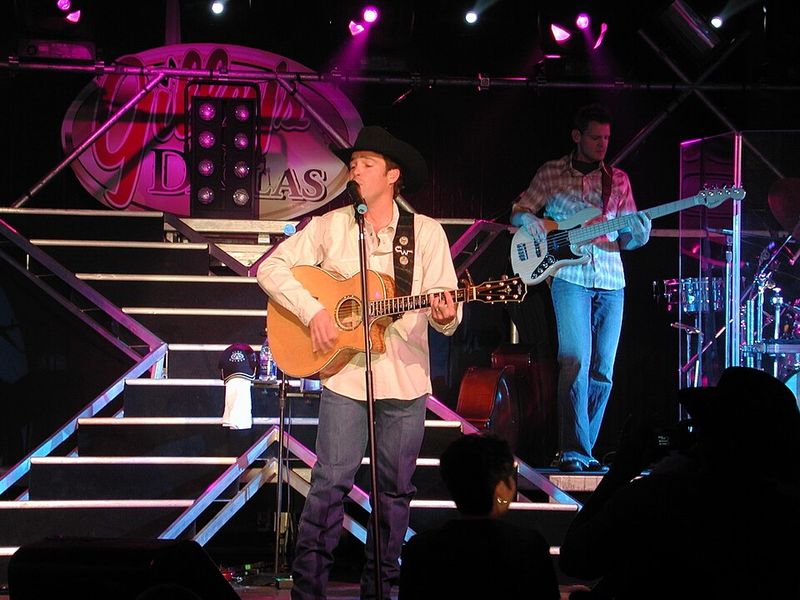
When Clay Walker arrived on country radio in 1993, he did it with a bang. “What’s It to You” was an upbeat debut that immediately established him as one of the promising new voices of the decade.
The song went to No. 1, but it was only the beginning. Walker followed it with another chart-topper, “Live Until I Die,” and eventually accumulated six No. 1 country singles.
The energy in the track fit the early ’90s boom, when new artists were stepping into the spotlight one after another.
That makes “What’s It to You” a career-launching hit rather than a true one-hit wonder. Even so, for fans who discovered Walker in the early ’90s, it remains one of the songs most associated with his arrival.
Tracy Byrd, “The Keeper of the Stars”
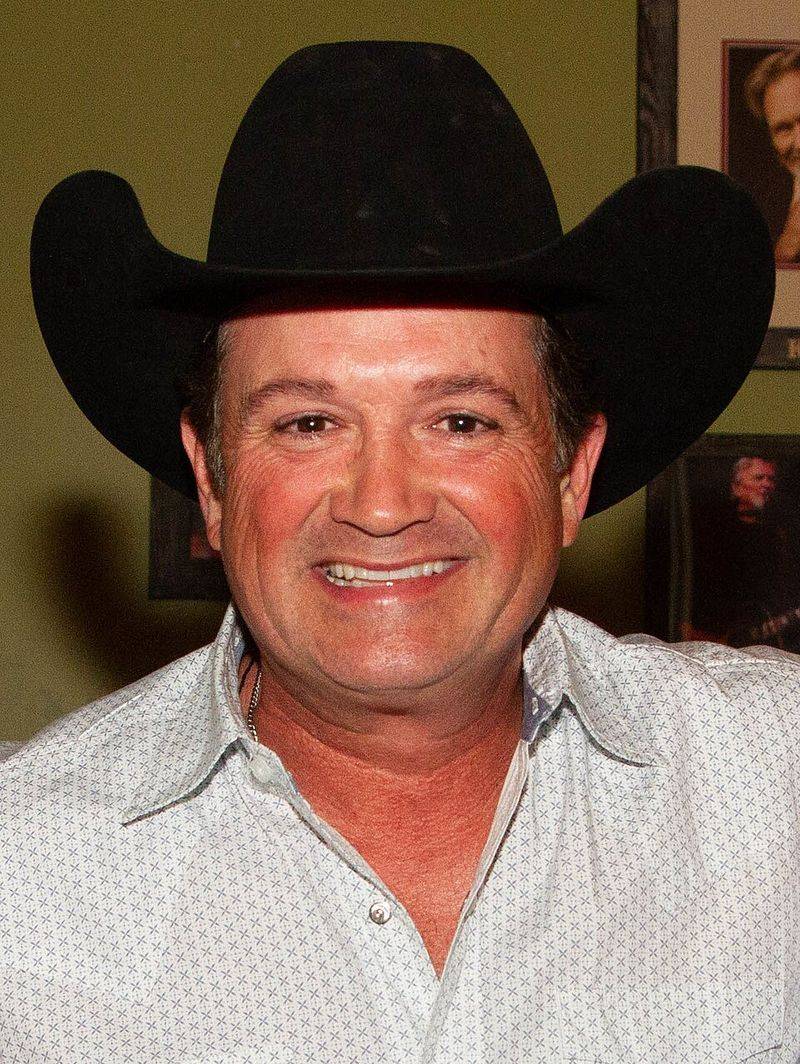
Wedding DJs know this one well. “The Keeper of the Stars” became one of Tracy Byrd’s most enduring love songs after appearing on his 1994 album No Ordinary Man.
Its message is simple: two people finding one another feels so unlikely that something greater must have brought them together. That sentiment helped the ballad become especially popular for weddings and romantic occasions.
The slow tempo and warm vocal leave plenty of room for the lyrics to land.
Byrd’s career, however, included several significant hits. His earlier “Holdin’ Heaven” reached No. 1, while songs such as “Watermelon Crawl” also became country-radio staples.
The mix shows he could handle both a romantic ballad and a playful dance tune.
Mark Wills, “19 Somethin'”
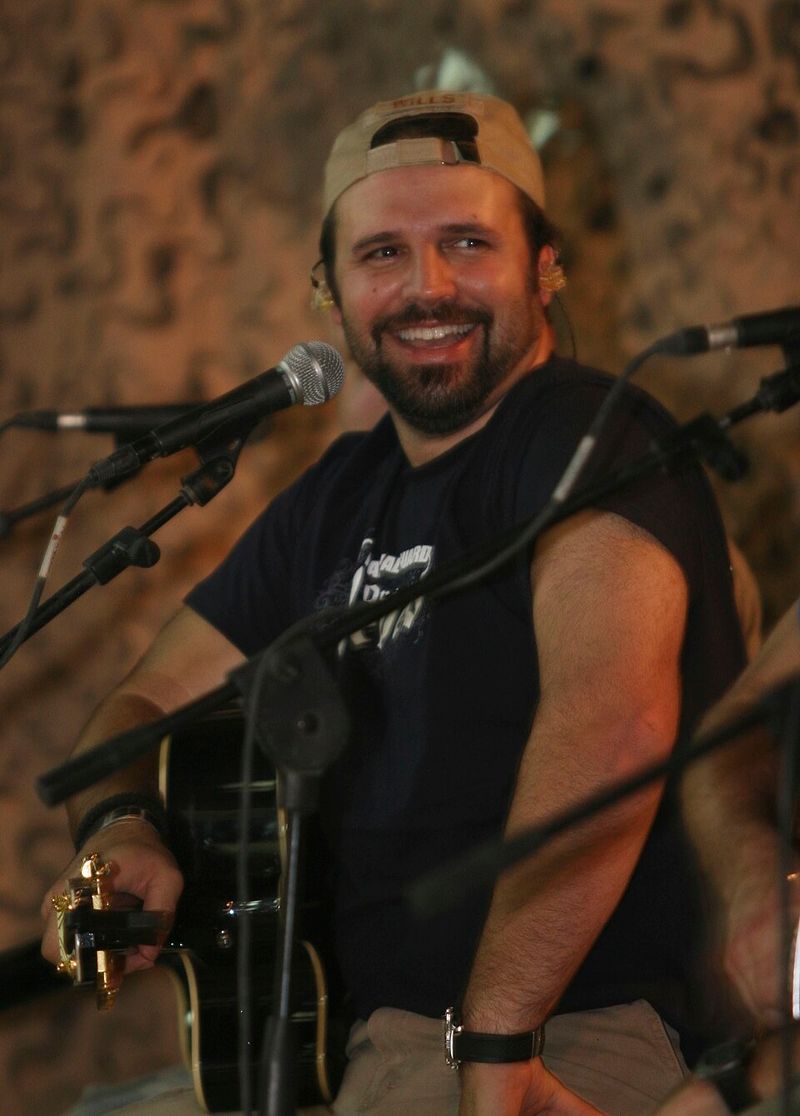
Pac-Man, MTV, Rubik’s Cubes, and parachute pants all get a nod in this song. If you grew up surrounded by pop-culture staples of the 1970s and 1980s, “19 Somethin'” was designed to trigger memories.
Mark Wills released the nostalgia-heavy song in 2002, and it became a major country hit. Billboard’s February 15, 2003 chart showed it spending its sixth week at No. 1.
The lyrics read like a scrapbook of childhood, which is why it works as a sing-along for people of a certain age.
Wills had already enjoyed substantial country success before it, including “Wish You Were Here,” “Don’t Laugh at Me,” and “I Do (Cherish You).” This song simply gave him another chart-topping moment.
Jessi Colter, “I’m Not Lisa”
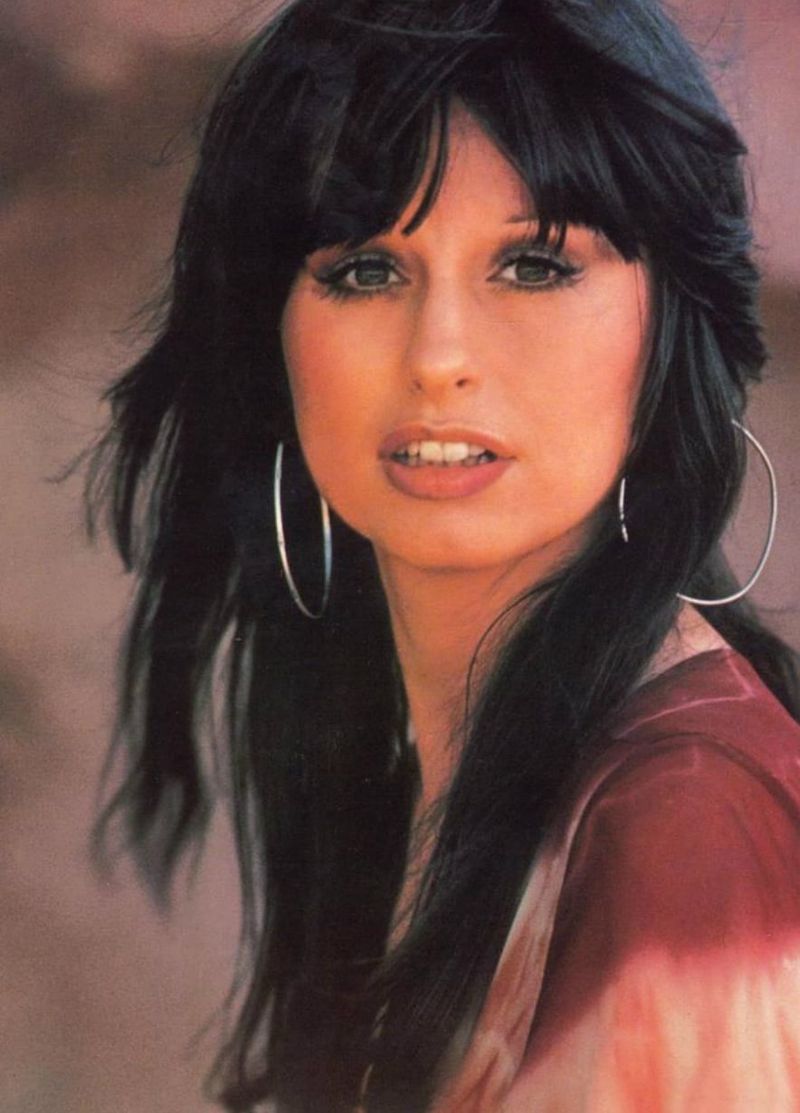
In 1975, a piano ballad crossed from country into pop and stayed there for weeks. Jessi Colter’s “I’m Not Lisa” became one of the defining country crossover records of that year.
Written by Colter herself, the song tells the painful story of a woman whose partner is still emotionally attached to someone named Lisa. It topped Billboard’s country chart and climbed all the way to No. 4 on the Hot 100.
The arrangement is spare, which puts the focus on her voice and the hurt in the words.
It was Colter’s only solo No. 1 country single, although she followed it with another major country hit, “What’s Happened to Blue Eyes,” which reached the Top 5.
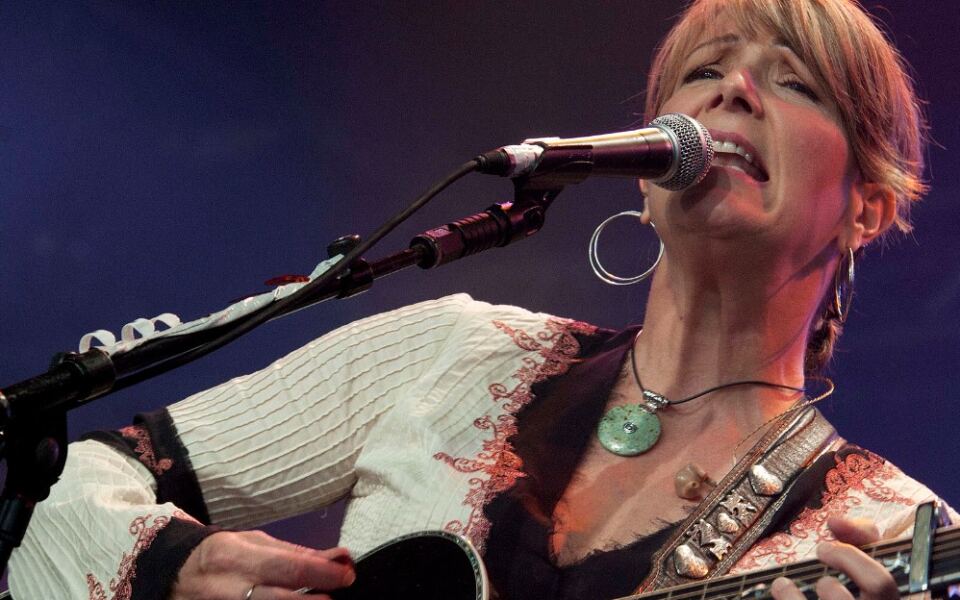
Kathy Mattea, “Eighteen Wheels and a Dozen Roses”
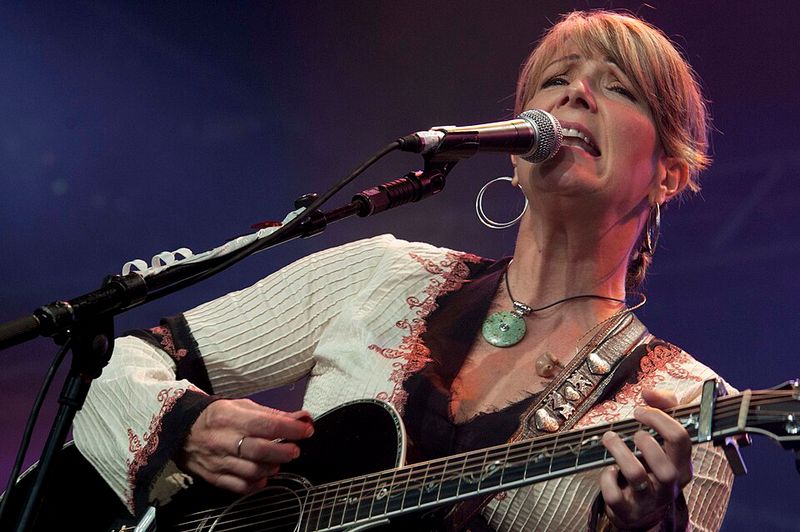
Charlie has spent a lifetime driving, and now he is finally headed home. “Eighteen Wheels and a Dozen Roses” tells the story of a truck driver reaching the end of a long career on the road and looking forward to spending retirement with the woman waiting for him.
Released in 1988, the song became one of Kathy Mattea’s signature recordings thanks to its warm portrait of ordinary working life. It honors the quiet effort of people who spend years doing steady jobs.
Mattea was anything but a one-hit wonder. Billboard records show that she ultimately earned four No. 1 country singles and 16 career Top 10 hits between 1986 and 1994.
Still, this is the song that many people mention when her name comes up, and it is easy to hear why.
Share this story