I went looking for a quiet country cemetery and found a doorway into one of the biggest stories in Oklahoma history. Past the last row of headstones, a simple trail slips through the trees toward old stone foundations.
They are all that remains of a town that once served as the first capital of the Choctaw Nation. It is easy to miss, free to explore, and far more moving than you might expect.
A Trailhead Tucked Behind Fort Towson Cemetery
Out on Red Road near the small town of Fort Towson, a peaceful cemetery hides one of southeast Oklahoma’s most surprising walks. Most drivers would never guess that anything waits beyond the graves.
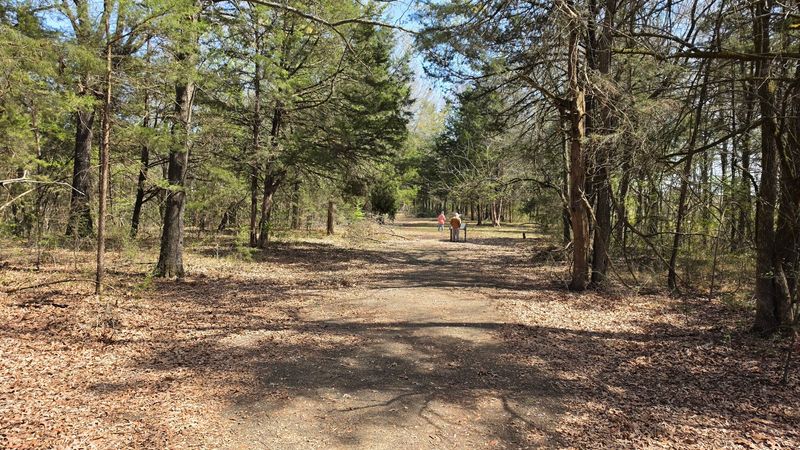
Yet at the north end of Fort Towson Cemetery, a trail begins and heads east into the woods.
That path is the Old Doaksville Townsite History Trail, an official historical landmark. It leads to the scattered remains of Doaksville, a town that once buzzed with traders, families, and leaders of the Choctaw Nation.
Today the town is gone, but its stone foundations still rest quietly among the trees.
The setting feels almost secret. There is no big visitor center or flashy sign out front, just the cemetery, a rock fence, and the promise of a walk into the past.
That simple start is part of the charm, because the discovery feels earned.
Travelers who love finding forgotten corners of the state will feel right at home here. One short stroll connects a modern country road to a chapter of history that shaped Oklahoma long before statehood.
Bring curiosity, comfortable shoes, and a little patience for reading the story as you go.
Stepping Over the Rock Fence
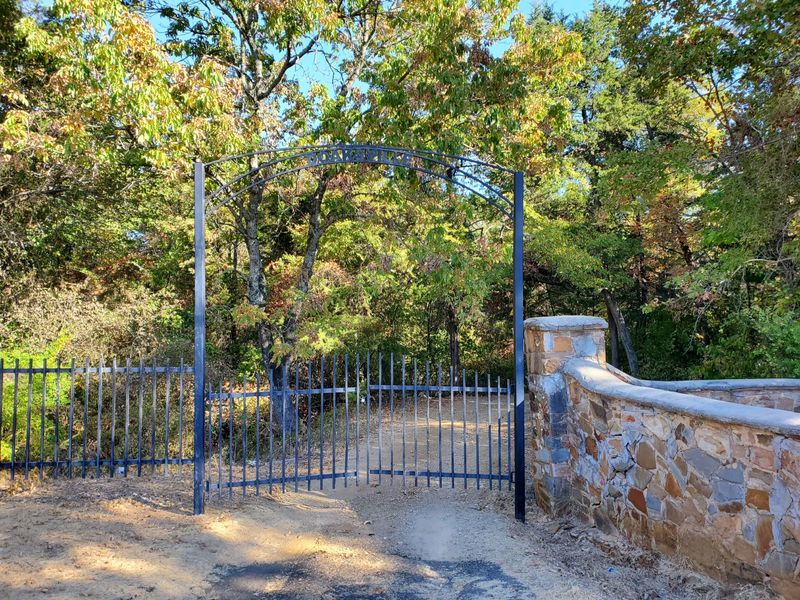
Picture swinging one leg over a low wall of old stones and feeling the present fall away behind you. Visitors describe crossing the rock fence from the cemetery into the townsite as passing through a portal in time.
It is a small physical step, but it carries real weight.
On one side sit the familiar rows of a working community cemetery. On the other, the ground opens into the quiet remains of a nineteenth century settlement.
The contrast makes the moment memorable, and many guests mention it as the highlight of arriving.
Part of the magic comes from how simple it is. Nobody hands you a ticket or ushers you through a gate.
You simply climb up and over, much as someone might have done generations ago, and suddenly you are standing where a capital once stood.
Take a second to pause right there. Look back at the cemetery, then forward into the trees, and let the shift sink in.
It sets the tone for the whole visit, reminding you that this place is about imagination as much as stone. The rest of the trail builds on that feeling, one foundation at a time.
From Trading Post to Choctaw Capital
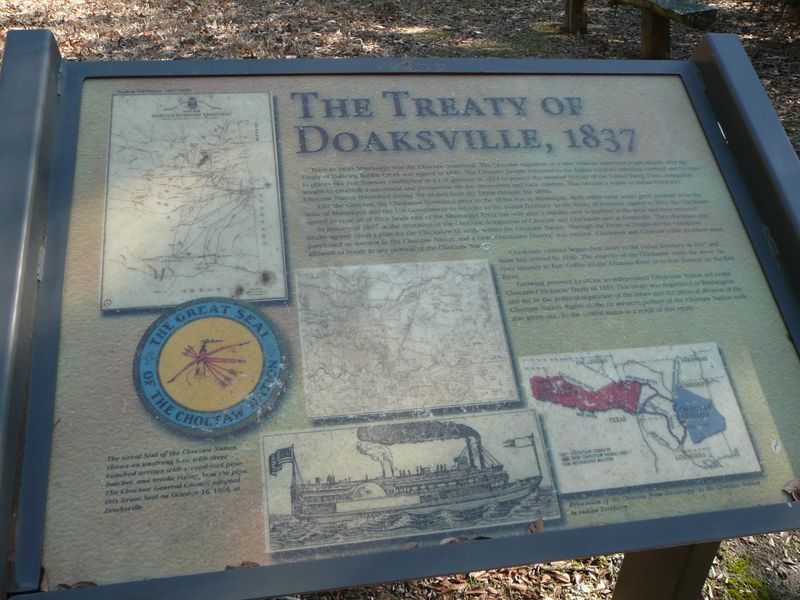
Doaksville started small. According to local history shared by visitors, it began as a trading post before growing into something much larger and far more important.
As Choctaw families arrived in the region, the settlement became a kind of refugee camp, a place where people gathered after a long and painful journey. From those hard beginnings, the town rose to become the first capital of the Choctaw Nation in the mid-1830s.
That is a remarkable climb for a spot that now feels so hushed.
Think about what that meant. Decisions affecting an entire nation were made in this corner of what is now Oklahoma.
Merchants, officials, and ordinary families shared these streets, and the town grew into a real center of community life.
Standing among the foundations today, it can be hard to picture the bustle. That gap between past and present is exactly what makes the trail so fascinating.
The interpretive signs help fill in the story, but your own imagination does the heavy lifting.
Fun fact for history fans: Doaksville held this role for decades before the capital eventually moved elsewhere. Few towns can claim a resume quite like it.
The End Point of a Long, Hard Journey
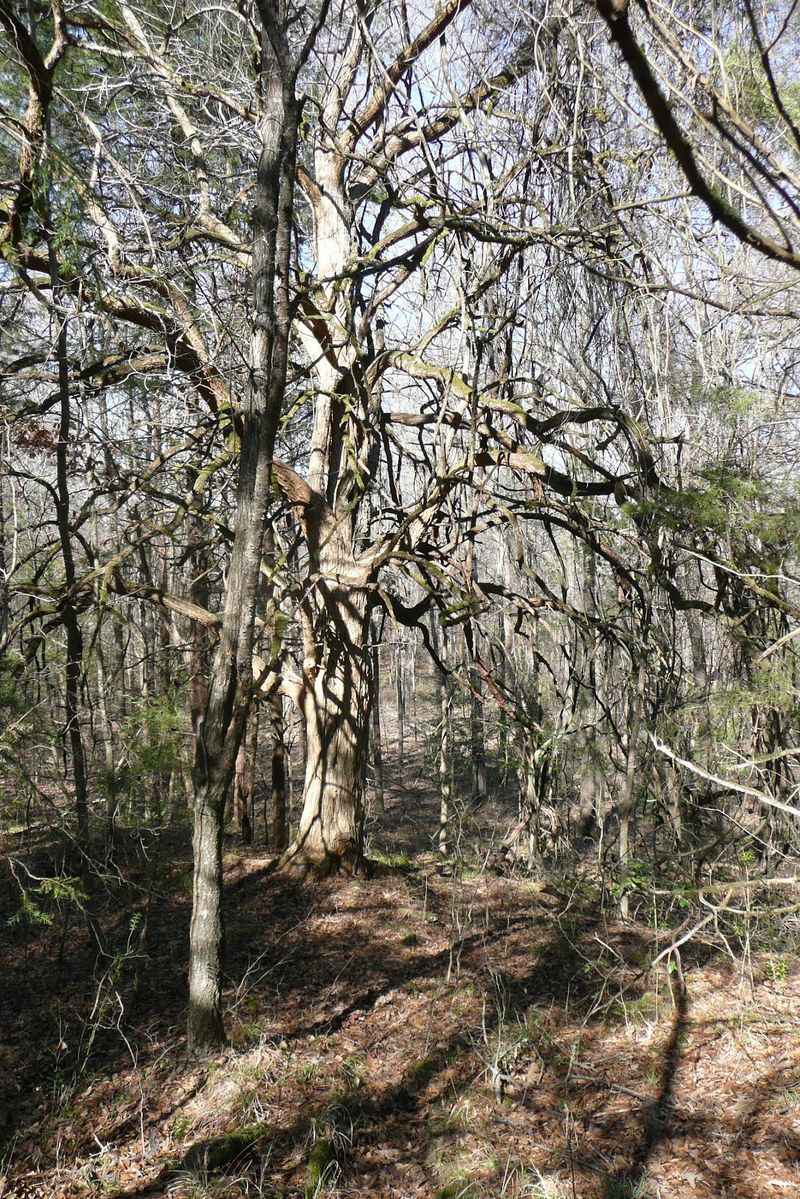
Some places ask you to slow down and listen. Doaksville is one of them, because it marks the end point of the Choctaw Trail of Tears.
After being forced from their homelands in the Southeast, Choctaw people traveled a difficult road west. Many arrived here, where Doaksville served as a gathering place and, for a time, a refuge.
Knowing that history changes how the quiet woods feel. Every foundation becomes a reminder of resilience as well as loss.
Visitors often say they had no idea this chapter happened in Oklahoma. That reaction is common and honest.
The story is not always taught in detail, so finding it written on signs along a country trail can come as a real surprise.
A respectful pace fits the setting best. Read the markers, take in the surroundings, and consider the families who rebuilt their lives in this spot.
The Choctaw Nation did more than survive here. It organized, governed, and established a capital that would serve its people for years.
Leaving with a deeper appreciation for that strength may be the most valuable souvenir this trail offers. It certainly lingers longer than any photo.
Stone Foundations Scattered Through the Trees
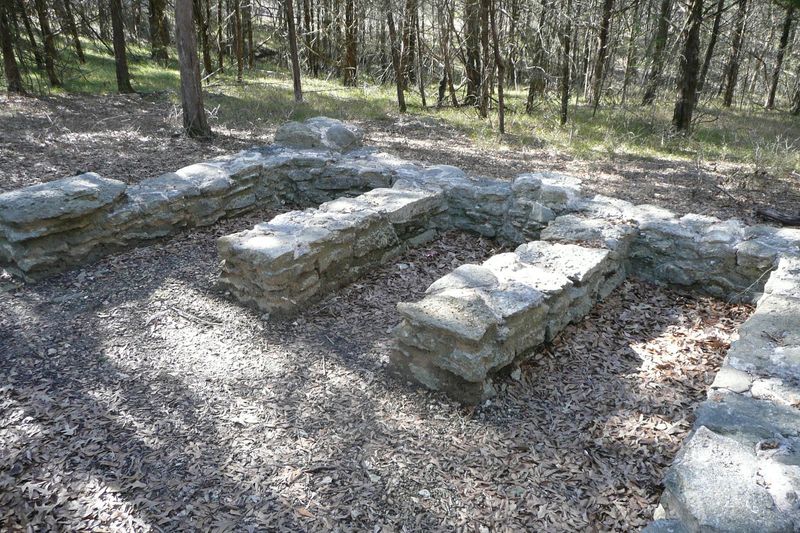
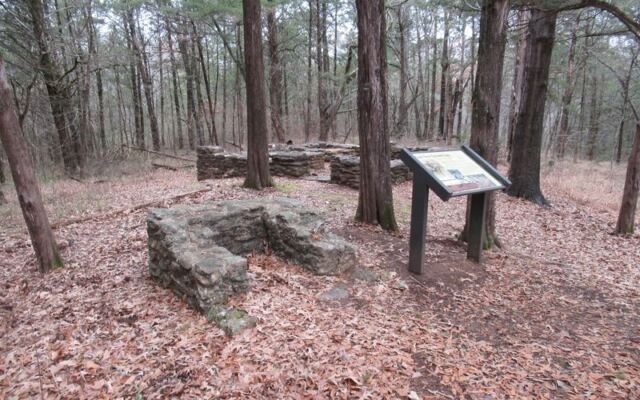
Here is where the walk really comes alive. Spread across the townsite, the stone foundations of old Doaksville buildings sit low to the ground, outlining spaces where homes, shops, and gathering places once stood.
Visitors mention spending more than an hour wandering among the many foundations. Each one invites a guess.
Was this a store? A family home?
A place where leaders met? The signs offer clues, and your eyes do the rest.
There is something powerful about ruins you can walk right up to. No glass cases or velvet ropes separate you from the past.
The stones are simply there, weathered and patient, telling their story through shape and placement.
Photographers will find plenty to frame, especially when sunlight filters through the branches and lands on the rough rock edges. History buffs will enjoy tracing the layout of the old streets in their minds.
Treat the foundations gently, of course. They have lasted a long time, and they deserve to last a long time more.
Stay on the paths when you can and let the stones remain undisturbed. Looking is more than enough, because every rock already carries a full story.
Why the Town Faded Away
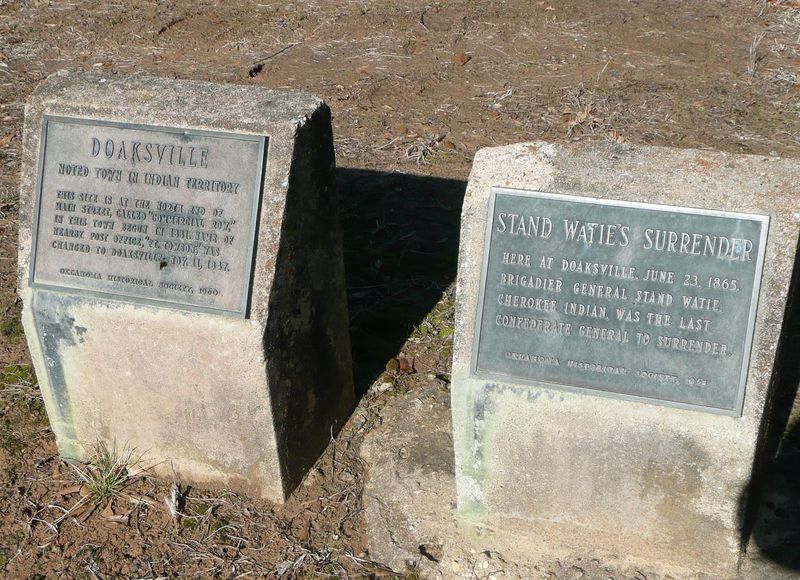
Every ghost town has a turning point, and Doaksville had several. Its decline unfolded slowly, piece by piece, according to the history shared by visitors to the trail.
The first blow came when nearby Fort Towson closed down. The military post had helped support trade and traffic in the area, so losing it hurt.
Then the Civil War brought heavy damage to crops and to the plantation-based economy the region depended on.
In 1863, the Choctaw capital moved to Chahta Tamaha. Without its role as a seat of government, Doaksville lost much of its purpose.
The final shift came later, when a railroad was built south of town in the community around the old Fort Towson. Business followed the tracks, and Doaksville slipped into history.
It is a classic frontier story told in stone. Towns rose where people and trade gathered, then faded when those forces moved on.
Walking the site, you can almost feel that slow drain of energy over the decades.
Understanding the ending makes the ruins even more meaningful. They are not just old walls.
They are evidence of a town that mattered deeply, until the world around it changed direction.
Reading the Interpretive Signs
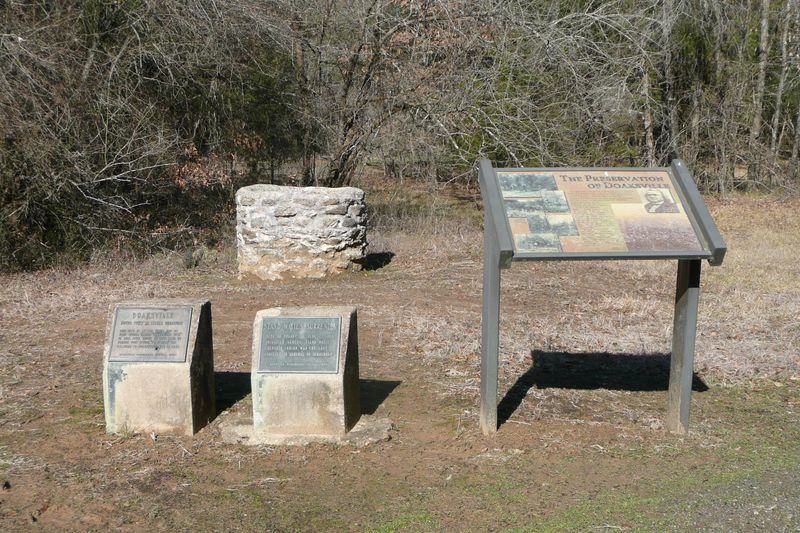
Good signs turn a walk into a lesson, and the trail has many of them. Placed throughout the site, they explain what once stood in each spot and how Doaksville fit into the larger Choctaw story.
Visitors praise the trail as informational and educational. The signs help you connect scattered stones into a living picture of the old town.
Without them, the foundations would be beautiful but puzzling.
A fair heads up, though. Some recent visitors note that time and weather have worn down several signs, fading the pictures and print.
A few are reportedly hard or impossible to read now. It is a small drawback, but worth knowing before you go.
A handy tip is to read up before your trip. The landmark’s listed website, the Red River Historian page on Doaksville, offers background that can fill in any gaps left by weathered markers.
Snapping photos of the clearer signs can also help you review details later at home.
Even with the wear, the signs still do plenty of good work. They carry the voice of the place, and they guide curious walkers through a story that deserves to be told and remembered.
An Easy Walk on Well-Kept Paths
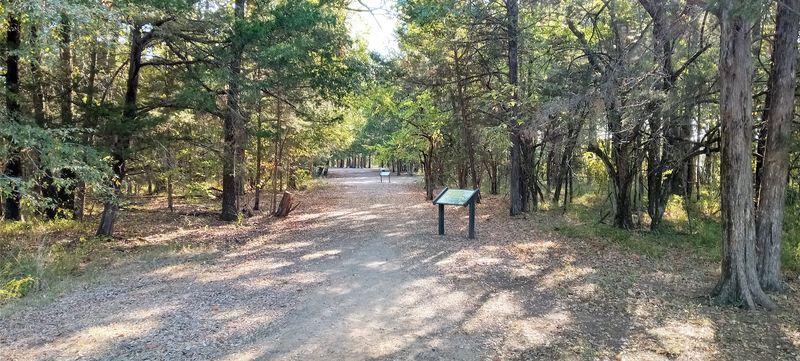
Good news for casual walkers: this is not a grueling hike. Visitors describe it as a nice place to take a walk and learn something along the way, which sums up the pace nicely.
Walking is the most talked about activity here, and for good reason. The route from the cemetery to the townsite is short, and the foundations spread out in a way that rewards slow wandering.
You can linger at one spot, then drift to the next whenever you feel ready.
Past visitors have also noted that the grounds were well cared for, with no high weeds crowding the trails. That kind of upkeep makes the experience more relaxing and lets you focus on the history instead of your footing.
Conditions can always change with the seasons, so sturdy shoes are a smart choice. Southeast Oklahoma weather can swing from hot to damp, so water and a hat are friendly additions too.
Plan on about an hour if you like to read every sign and study every stone. Quicker visits work as well.
Either way, the trail welcomes all kinds of walkers, from history lovers to families stretching their legs.
Quiet Atmosphere for Curious Travelers
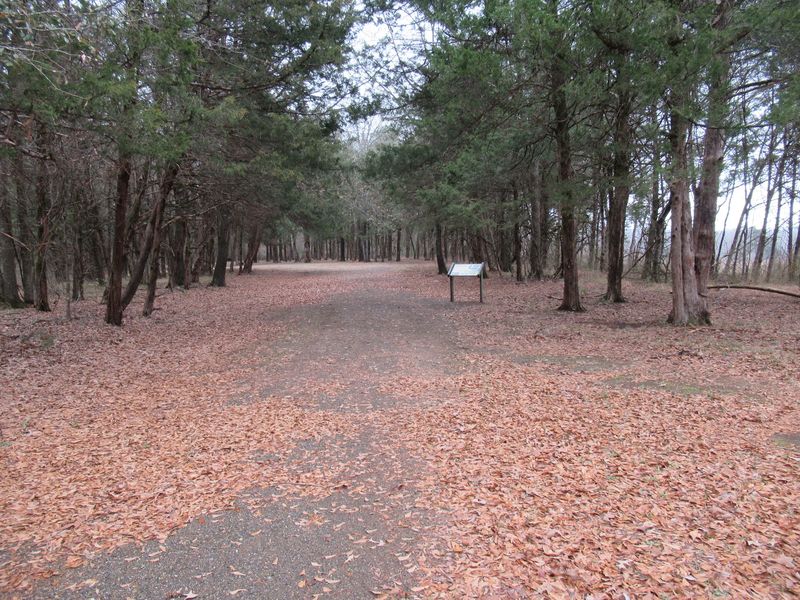
Silence does a lot of storytelling here. With no crowds or gift shops, the townsite feels hushed and reflective, the kind of place where birdsong and footsteps are the main sounds.
Visitors call it really pretty and interesting, and that pairing fits. The natural setting is lovely on its own, while the history adds depth to every view.
It is the rare stop that satisfies both nature lovers and history fans at once.
Who will enjoy it most? Anyone into Oklahoma or Choctaw history should put it high on the list.
Road-trippers exploring the southeast corner of the state will find it a rewarding detour. Families can turn it into a hands-on history lesson that beats any textbook.
Those hoping for thrills or big attractions may find it too calm. The appeal here is gentle and thoughtful, built on discovery rather than spectacle.
One more note on mood. Because the trail begins in a working cemetery, a respectful attitude goes a long way.
Speak softly near the graves, tidy up after yourself, and let the peaceful setting shape the experience. Many guests leave feeling like they stumbled onto something special.
Hours, Cost, and Getting There
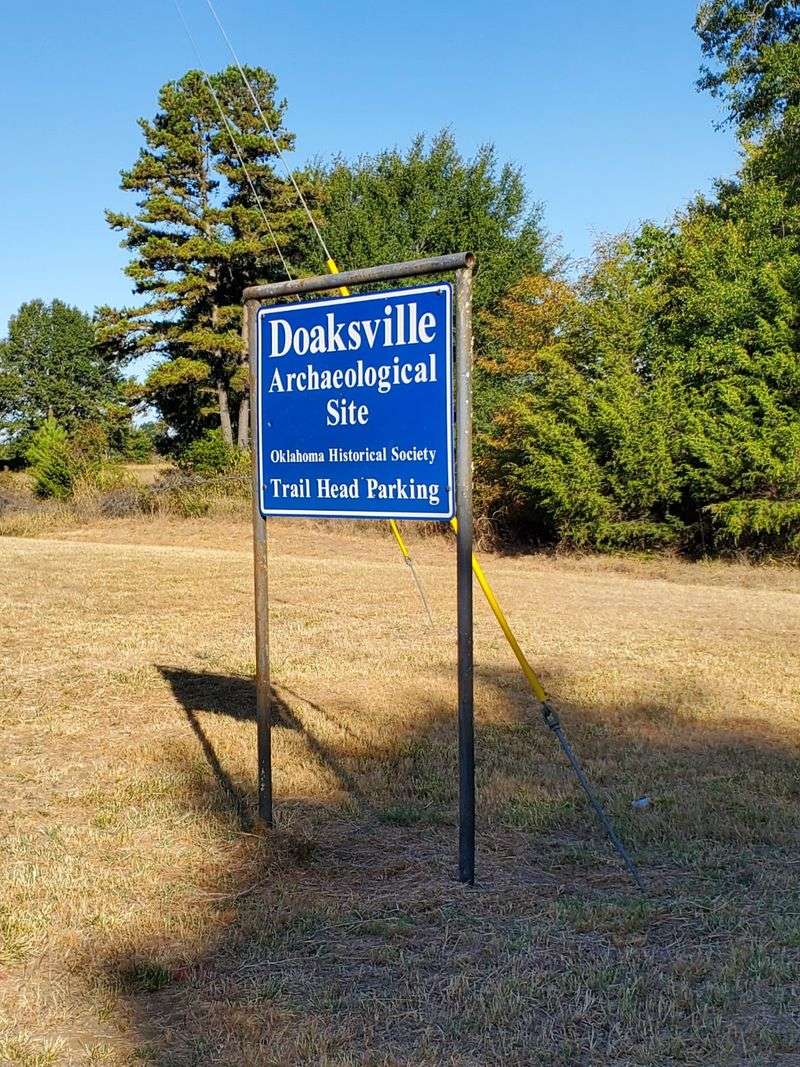
Planning a visit is refreshingly simple. The Old Doaksville Townsite History Trail is listed as open 24 hours, every day of the week, so you can work it into almost any road trip schedule.
No admission prices are listed, which keeps things easy. Just arrive, find the trailhead, and start walking.
Daylight visits make the most sense, since you will want to read signs and see the foundations clearly.
To get there, head for Red Road in Fort Towson, Oklahoma, 74735. The trail begins at the north end of Fort Towson Cemetery and runs east to the townsite.
For GPS users, the coordinates are roughly 34.0348, -95.2739.
Questions before you go? The listed phone number is 405-521-2491.
You can also check the Red River Historian website page about Doaksville in Choctaw County for helpful background reading.
A few practical extras will make your trip smoother. Pack water, bug spray, and comfortable walking shoes.
Download directions ahead of time in case cell service gets spotty in the countryside. Finally, leave the site as you found it, so the next traveler can enjoy that same sense of stepping back through time.
A Small Detour With a Big Story
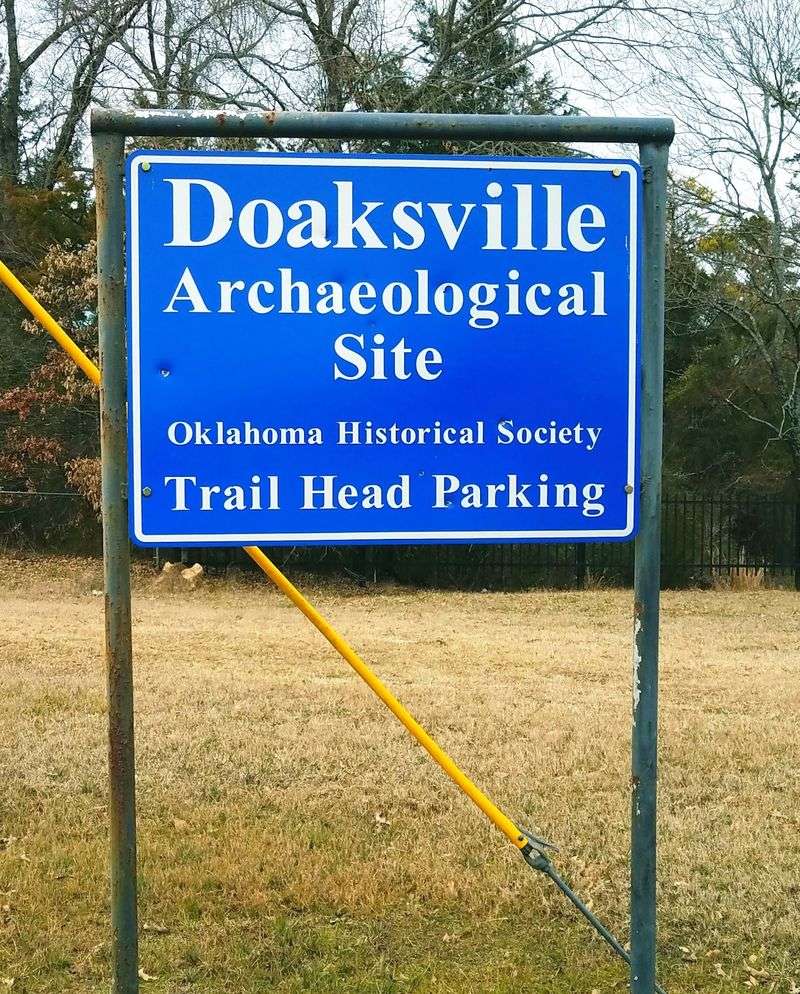
Some stops fill an afternoon. Others fill your head with thoughts for weeks.
Old Doaksville belongs firmly in the second group.
Visitors consistently describe it as a must-see if you are in the area, and many call it one of the great landmarks in Oklahoma. Those are strong words for a quiet trail behind a cemetery, but the experience backs them up.
The history is rich, the setting is lovely, and the sense of discovery feels real.
Sure, a few signs could use fresh printing, and the site keeps things simple. Those small quirks hardly dim the appeal.
If anything, the lack of polish makes the ruins feel more authentic and personal.
What you walk away with is perspective. A trading post became a refuge, then a capital, then a ghost town, all within a few walkable acres.
That arc holds lessons about change, community, and resilience that stick with you.
So next time your travels bring you near Fort Towson, take the detour. Park by the cemetery, climb over the rock fence, and let the stones tell their story.
Chances are you will leave grateful you made the stop.
Share this story