I pulled off the road in southeastern Oklahoma expecting a quick stop for a map and a restroom. Instead, I found myself wandering past hand-carved wooden art, old logging tools, and stories of the people who turned thick pine forests into working country.
It felt like stumbling into a secret history lesson that nobody had warned me about. If you love the outdoors and the stories hiding behind it, this little building deserves a spot on your trip.
A Museum Tucked Inside the Park Welcome Center
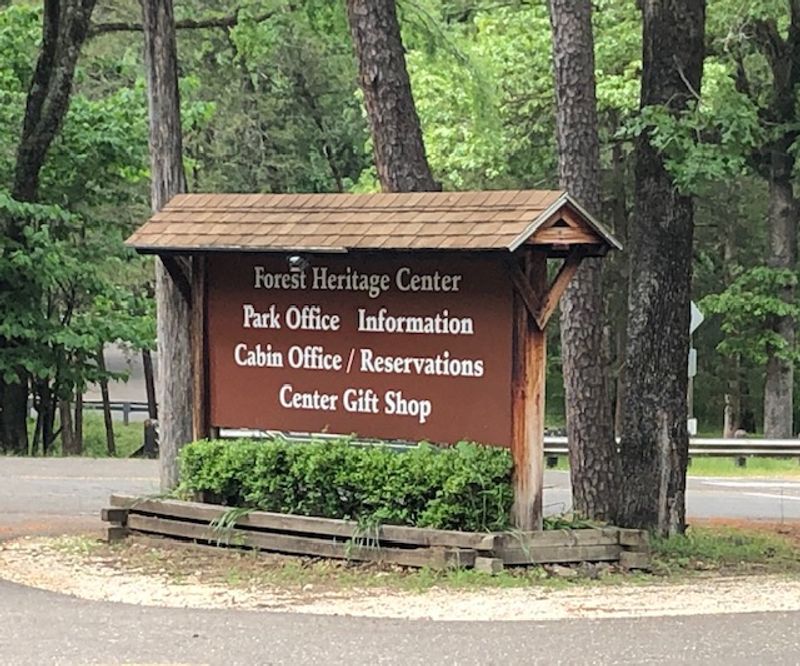
Plenty of travelers walk in for a parking pass and walk out an hour later with a head full of timber history. The Forest Heritage Center sits at 4350 OK-259A near Broken Bow, inside Beavers Bend State Park in the far southeastern corner of Oklahoma.
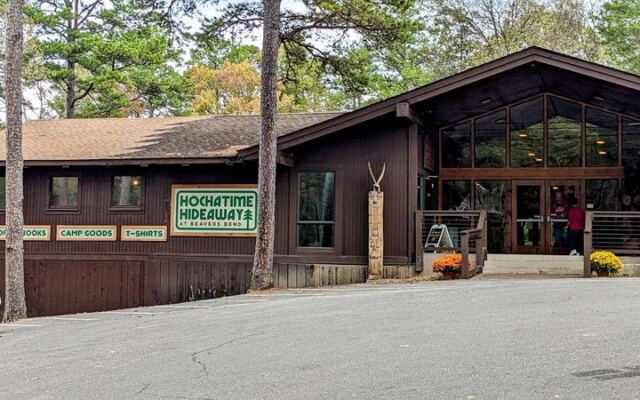
Here is the twist that surprises people. The heritage displays live in the back section of the park’s welcome center and office, so the same building handles cabin and RV camping questions, sells parking passes, and runs a gift shop.
One visitor summed it up well, saying the name undersells it, since there is a museum, a play area, and a shop all under one roof.
Staff at the front desk earn steady praise. Visitors describe them as friendly and knowledgeable, ready with hiking trail suggestions, cabin details, and tips on park features.
Many guests say the maps and information helped them plan the rest of their day.
Think of it as the front door to the whole park. You get oriented, grab what you need, and then discover that the hallway leads to something much richer than a brochure rack.
For a first stop at Beavers Bend, it is hard to beat.
Logging Days and the Story of Timber Country
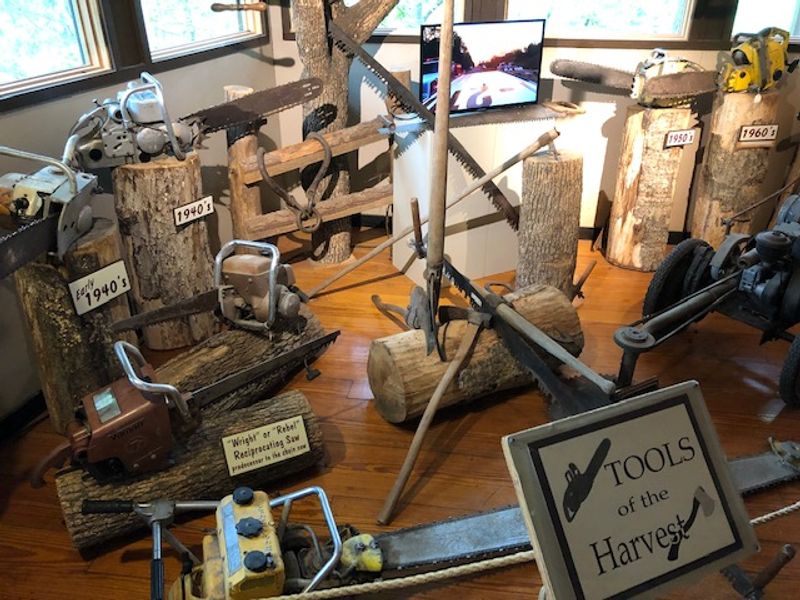
Long before vacation cabins dotted these hills, the pine forests of southeastern Oklahoma meant work. The museum walks you through that story, starting with the early days of logging and moving forward to today’s timber industry and the everyday products people depend on.
Visitors mention learning about logging towns and the people who worked in them. There is also information on the Civilian Conservation Corps, the crews who helped shape parts of the area, which adds a human face to the history.
Exhibits cover the development of the Beavers Bend area itself, so you leave with a sense of how this playground came to be. One guest noted that the center really focuses on forests and how trees show up in so many parts of our lives, which is a fresh way to look at a walk in the woods.
What makes it click is the hands-on feeling. Tools, photos, and displays show that this region was cleared, built, and managed by people using muscle and skill.
After a visit, the trees outside look less like scenery and more like a living part of Oklahoma’s working past. Even folks who are not history fans say they enjoyed it more than expected.
Wood Carvings Worth Slowing Down For
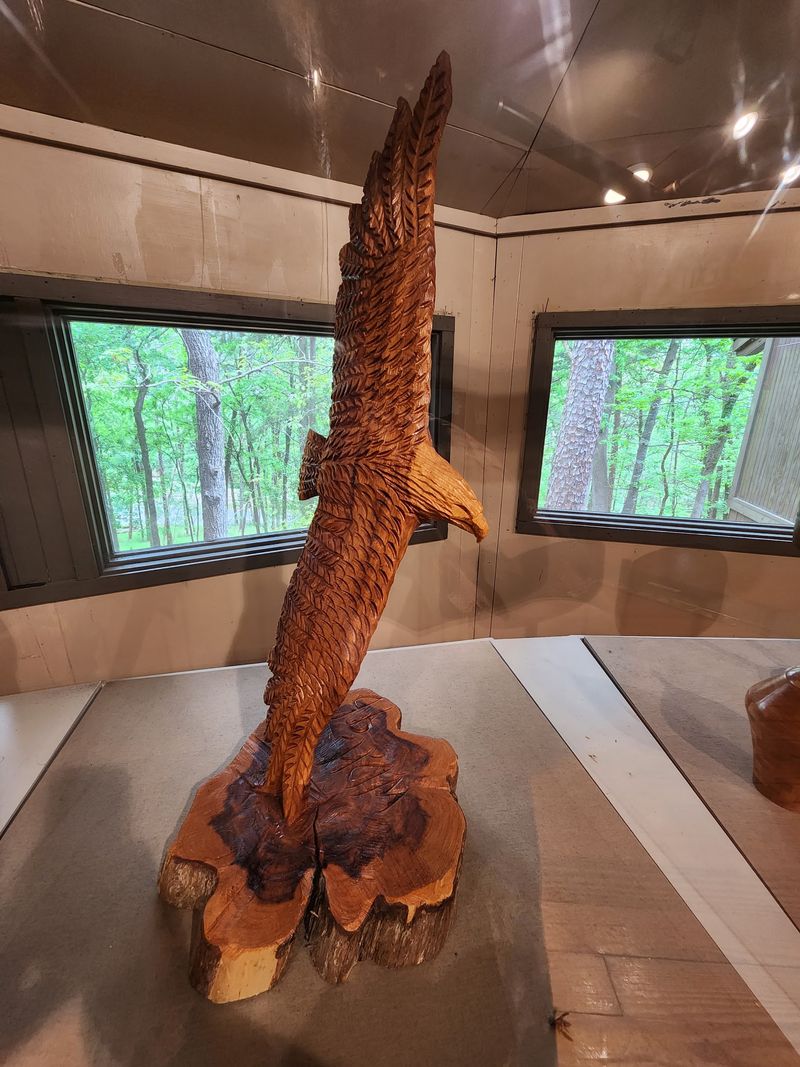
Folk art made from the very forests it celebrates? That is the quiet magic here.
Wood carvings are among the most talked-about features, and for good reason.
Visitors describe an incredible variety of wooden creations, calling them beautiful and one of a kind. Some pieces lean toward folk art, while others are polished, detailed works that make you lean close to the glass.
Alongside the carvings, you will spot paintings, books, and other forest-themed art that ties everything back to the trees.
Each piece hints at hours of patient handwork. You can almost imagine the sound of a knife shaving thin curls from a block of pine, slowly revealing a shape that was hiding inside.
Families tend to linger in this part of the loop. Kids point out animals and figures, while adults study the craftsmanship and wonder how anyone gets that kind of detail from wood.
If the logging exhibits show how timber country was built, the carvings show what people chose to make with their hands when the work day was done. It is a softer, more personal side of the story, and many guests call it their favorite part of the visit.
Dioramas, Murals, and Historic Photos
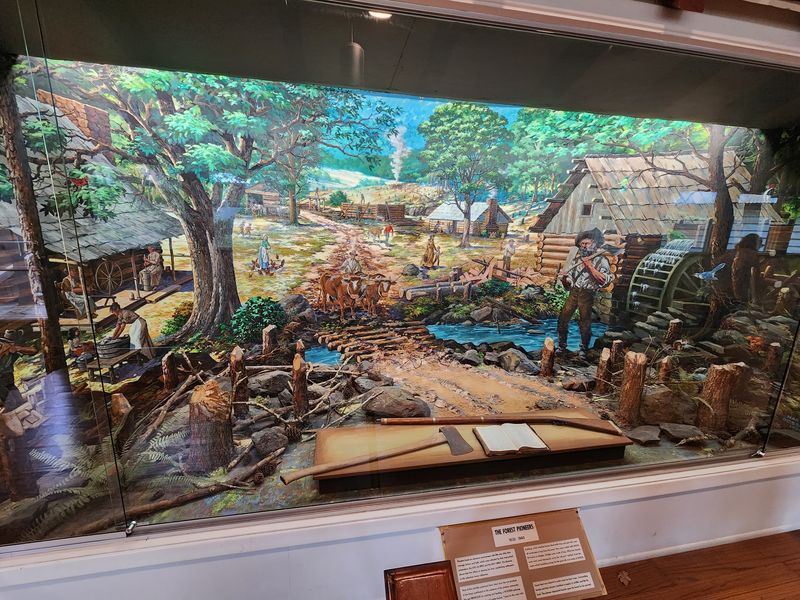
Picture a miniature forest frozen in time, complete with wildlife and painted skies. The center uses dioramas scattered throughout the building, and visitors say they are well done.
Murals add color to the walls, helping set the mood as you move from one era to the next. Natural history displays explain wildlife and forestry, so you learn not only how people used the woods but also what lives in them.
Then come the photographs. Guests point to a strong collection of historical pictures from southeastern Oklahoma, showing the faces and places behind the timber story.
Black and white images of workers and towns make the past feel close enough to touch.
The layout helps a lot. The museum runs as an indoor loop, so you simply follow the path and let the exhibits unfold in order without backtracking or getting lost.
One small heads up: a recent visitor noticed the audio buttons at some displays were not working. That said, the written panels and visuals carry the story just fine.
Take your time here, because the little details tucked into each scene are easy to miss on a fast walk-through.
The Old Homestead in the Courtyard
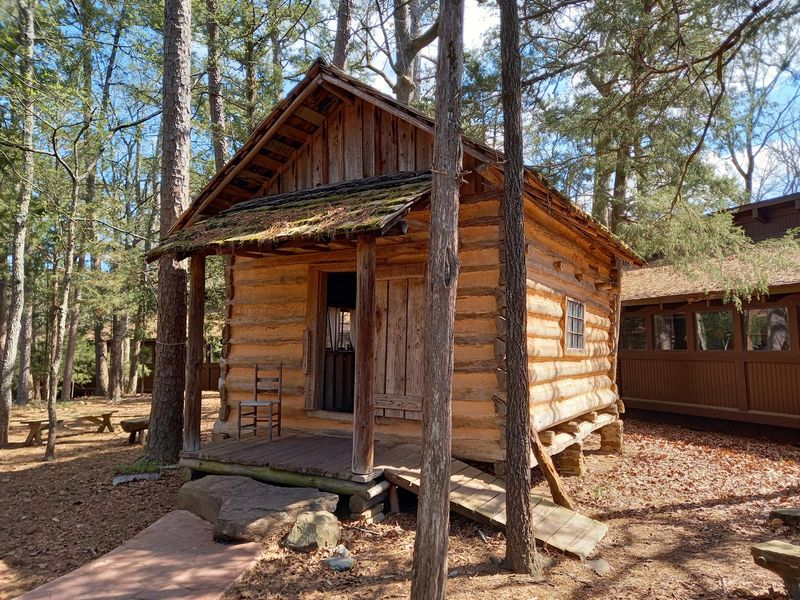
Step outside mid-loop and the museum suddenly turns into a time machine. In the middle of the center sits an outdoor area featuring an old log cabin, along with other interesting pieces to explore.
One visitor said the homestead looked straight out of Little House on the Prairie, and that comparison fits nicely. Rough logs, simple construction, and a quiet setting give you a real sense of how families lived in this forested corner of Oklahoma.
Fun thought to carry with you: every log in a cabin like this had to be cut, hauled, and fitted by hand. No power tools, no delivery trucks, just people working with what the forest gave them.
The courtyard also offers a breath of fresh air between indoor exhibits. Guests mention the view as a highlight, so bring your camera.
Kids usually love this part because they can see history as a real place rather than words on a sign. Adults tend to slow down, peek inside, and imagine winter nights by a fire.
It is a small space, but it connects the whole museum story to something you can actually stand beside and look at up close.
Woodturners and Craftsmen at Work
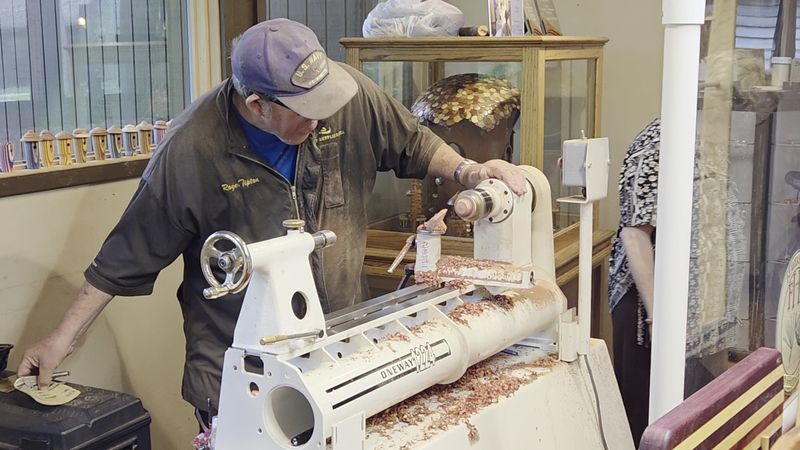
Sometimes the best exhibit is a living one. On certain days, visitors have found a woodworker demonstrating his craft right inside the museum, and many call it the highlight of their trip.
Guests have described meeting a Vietnam veteran turning wood and chatting about his work. Others recall a husband and wife pair, with the husband carving wood art by hand for more than 25 years, sharing stories while he worked.
Visitors say these craftsmen tend to be there on weekends, though it is smart to call ahead since schedules can change.
People rave about the experience. One guest called the carver both talented and funny, while another said watching him create was motivating and pleasant for the whole family.
Better yet, some pieces may be available to take home. Visitors mention detailed work at fair and affordable prices, making a souvenir that was literally made by hand in Oklahoma timber country.
For a museum about building a region with skill and sweat, few things fit better than watching that same skill in action. It turns history into something you can hear, see, and maybe even carry out the door.
Gift Shop Finds and a Corner for Kids
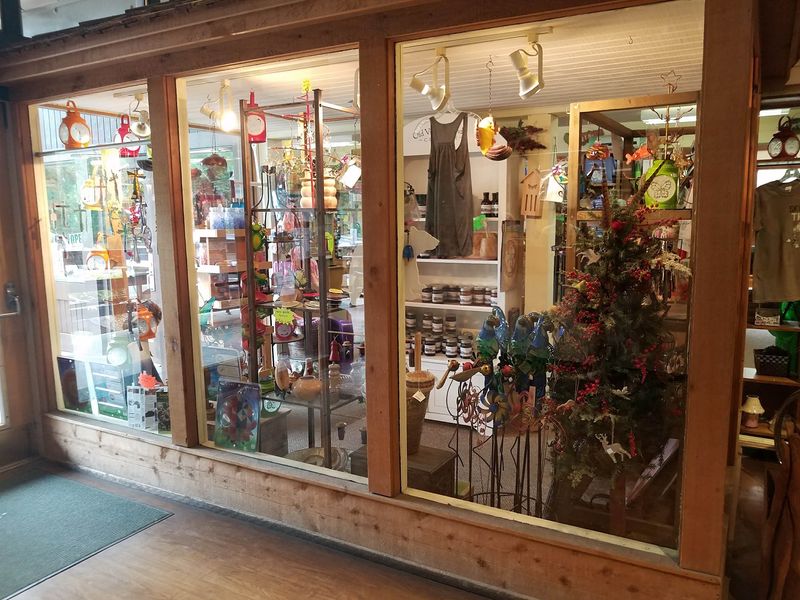
Ask around and the gift shop comes up more than almost anything else. Visitors describe a great selection of unique items, with a little bit of everything on the shelves.
It makes a handy stop before heading back into the park. You can browse, pick up a keepsake, and ask staff about trails or cabins in the same trip.
Parents, take note. Inside the center there is a kids’ corner where children can play and read books, and guests say there are plenty of activities aimed at younger visitors, all nicely maintained.
That makes the center a strong choice for families with restless travelers. While grown-ups read about logging towns, kids can have their own fun nearby.
One visitor said the place works for all ages, so there is no need to leave the little ones at home.
Restrooms are another small win. Guests report they are clean and well kept, located in the hallway toward the back.
A practical tip from one past visitor: bring your own water to the park, since bottles were not available for purchase during their trip. Several stores sit along the way before you enter if you need snacks or drinks.
Planning Your Stop: Hours, Parking, and Cost
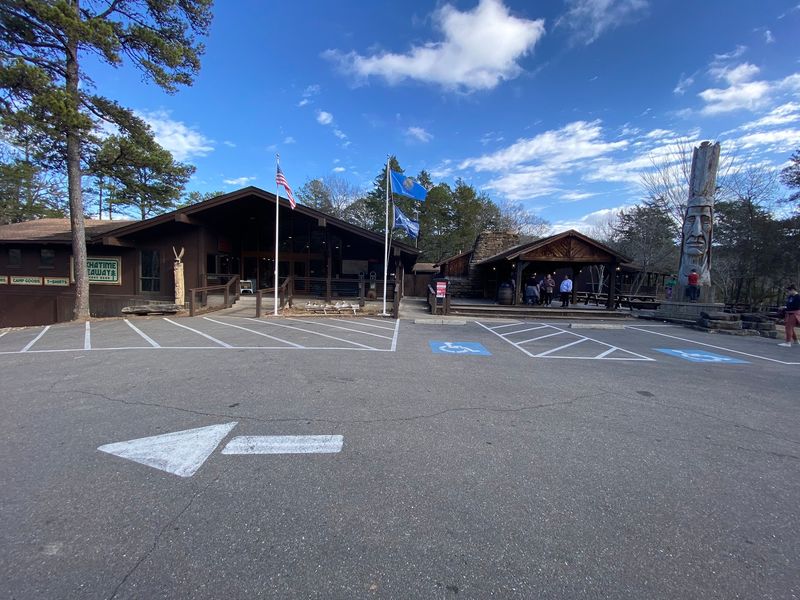
Good news first: walking through the center is free. Donations are welcome if you want to support it.
Parking is a separate matter. Beavers Bend uses a park-wide parking pass, and one past visitor noted the cost was $10 per car, tracked by license plate.
Kiosks sit outside the information building, and the front desk staff can also help you buy a pass. Guests say a single pass covers parking spots throughout the park, so prices may have changed and it is worth confirming before you go.
The center is open every day of the week from 8 AM to 5 PM. Busy afternoons can make parking tight, so arriving earlier gives you more breathing room.
The lot is gravel, sitting on a slight incline, with some spaces set further back. Comfortable shoes help.
You will find it at 4350 OK-259A in Broken Bow. For questions, call 580-494-6497, or check the TravelOK page for Beavers Bend State Park.
Many visitors suggest making this your very first stop. Grab a map, get your pass, and plan the day from there.
Why It Earns a Spot on Your Beavers Bend Trip
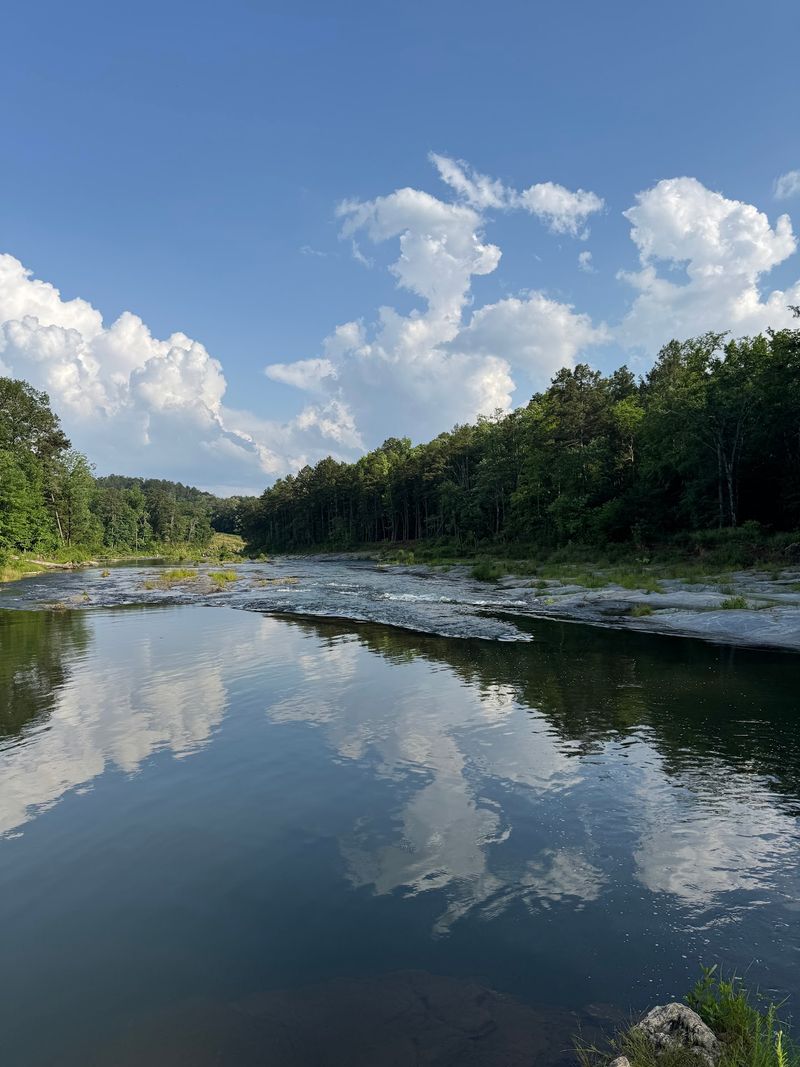
Funny how the quick errand stops can turn into the best memories. That is the running theme among people who visit the Forest Heritage Center.
It fits nicely into a bigger day outdoors. Beavers Bend offers hiking trails, fishing, paddle boats, kayaking on the river, cabins, and camping, and visitors mention the fall leaves as spectacular.
One guest even described the center as a welcome escape from summer heat before heading back out to explore.
Who will love it most? History buffs, curious kids, woodworkers, and anyone who wants to understand the land they are hiking through.
The museum is compact enough for a relaxed hour, yet packed with enough detail to spark plenty of conversation on the drive home.
A friendly reminder that applies to any campground: keep valuables like fishing gear locked up overnight.
In the end, this little building tells a big Oklahoma story. It shows how forests shaped towns, how hands shaped timber, and how that heritage still lives on through carvers and craftspeople today.
Stop in, slow down, and let the pines outside feel a bit more meaningful afterward. You may find it becomes the part of the trip you talk about first.
Share this story