Mahabalipuram is a small town in Tamil Nadu where stone seems to come alive. More than 1,300 years ago, Pallava artists carved temples, caves, and giant scenes right out of rock.
Waves crash next to ancient shrines, and a huge boulder sits on a hill like it forgot to fall. Ready to meet the stars of this UNESCO World Heritage Site?
Shore Temple
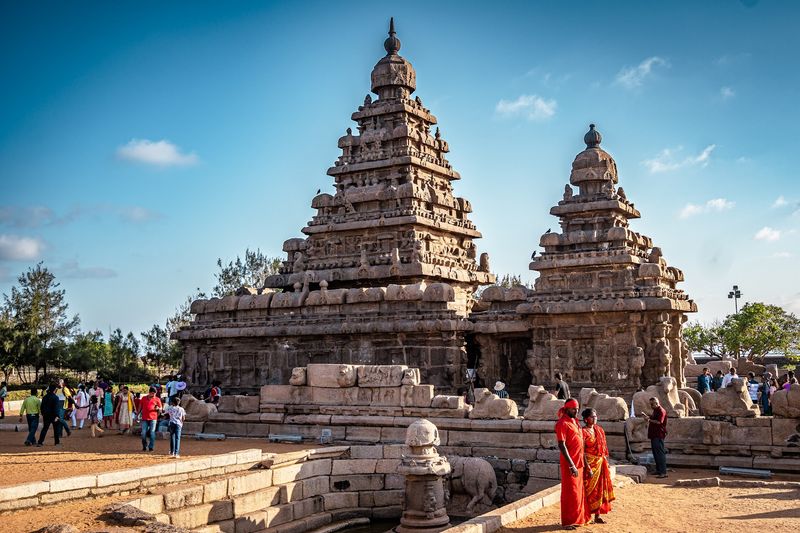
Wake up early, and the sea breeze hits first, salty and cool. Then the granite towers of the Shore Temple glow orange as the sun climbs out of the Bay of Bengal.
It is a sight worth setting an alarm for.
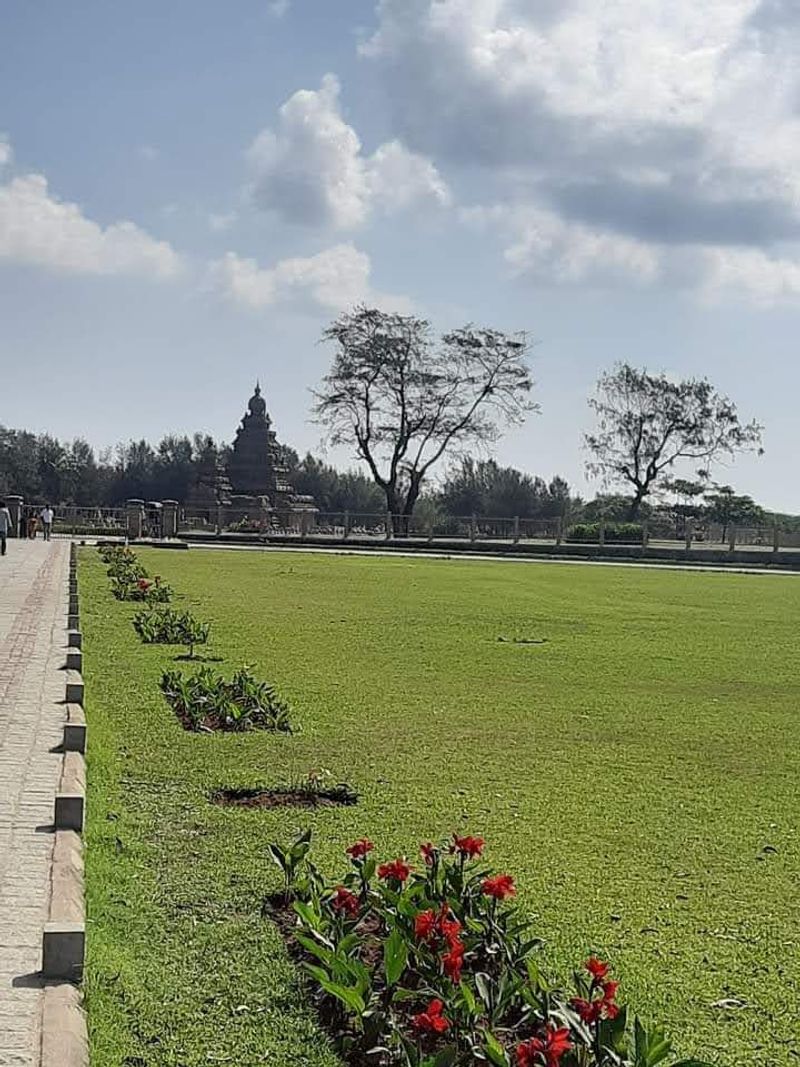
Built in the 8th century, this temple has three shrines, two for Shiva and one for Vishnu. Centuries of wind and salt spray have worn the carvings soft, like a sandcastle that decided to stay.
Look closely and you can spot rows of sculpted bulls running along the walls.
Visit in the morning for the best light and thinner crowds. Photographers love the low angle from the beach side, where the towers rise against the sky.
Wear a hat, because there is little shade on the grounds.
The temple survived storms, and local tales say older shrines may lie under the waves. Whether or not that is true, standing here feels like touching history.
Bring water and take your time walking around all sides, since each view shows a different face of the stone.
Arjuna’s Penance
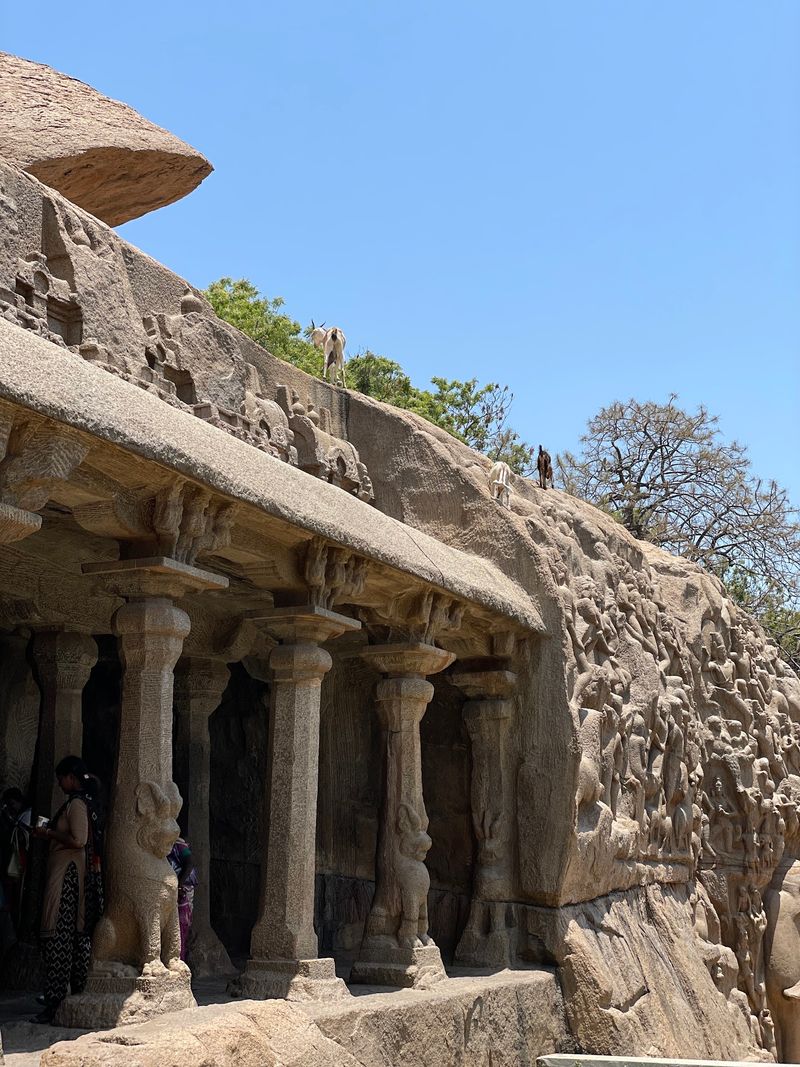
Picture a movie poster carved into a cliff, 30 meters long. That is Arjuna’s Penance, one of the largest open-air rock reliefs in the world.
Gods, dancers, monkeys, and animals crowd the stone like a festival frozen in time.
The real showstoppers are the life-size elephants, walking in a calm family line. Their carved legs and trunks look so natural that you half expect them to move.
A natural cleft runs down the middle, and some say it once held flowing water.
Scholars still argue about the story. Some say it shows Arjuna praying to Shiva, while others read it as the descent of the river Ganga.
Either way, it is a great puzzle to chew on.
Go in the late afternoon when the sun lights up the rock face. Stand back first to see the whole scene, then step close to spot tiny details like a cat pretending to meditate.
Krishna’s Butter Ball
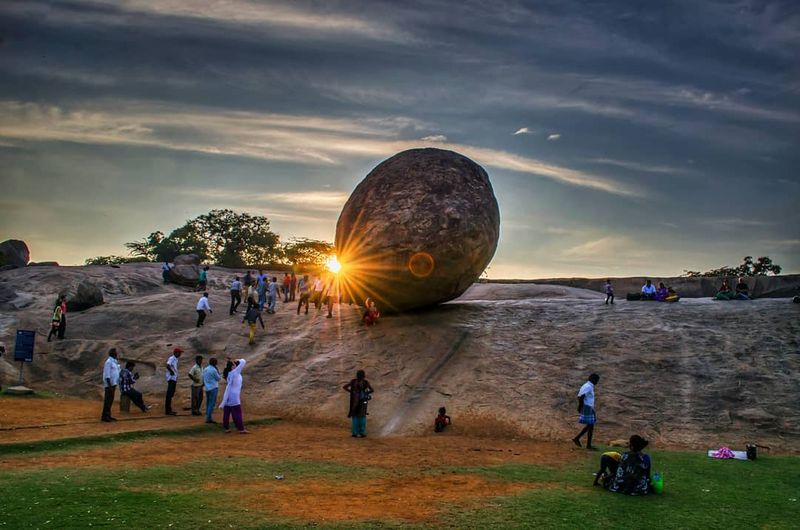
Gravity called, but this boulder did not pick up. Krishna’s Butter Ball is a gigantic round rock, about 250 tons, sitting on a slippery slope.
It has stayed put for well over a thousand years.
The name comes from a story of baby Krishna, who loved stealing butter. Locals say the rock is a lump of butter that fell from heaven.
It makes a fun tale for kids and adults alike.
Visitors love posing here, pretending to push it or hold it up. Funny photos are almost a tradition.
Once, a king tried to move it with elephants, and it did not budge an inch.
Walk around the area to see it from different angles, because it looks even more unlikely from the side. Early evening is a lovely time, with cooler air and soft light.
Keep a safe distance from the slope and wear shoes with good grip, since the nearby granite can be slick.
Five Rathas
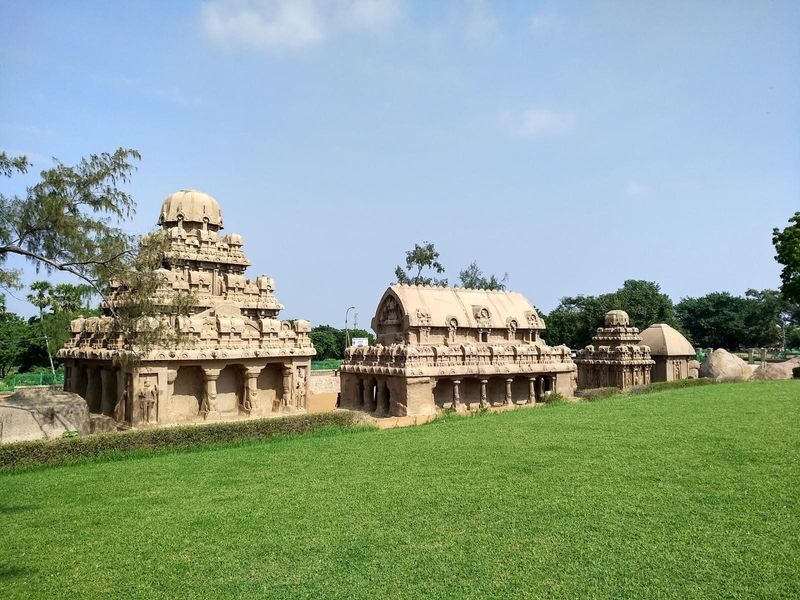
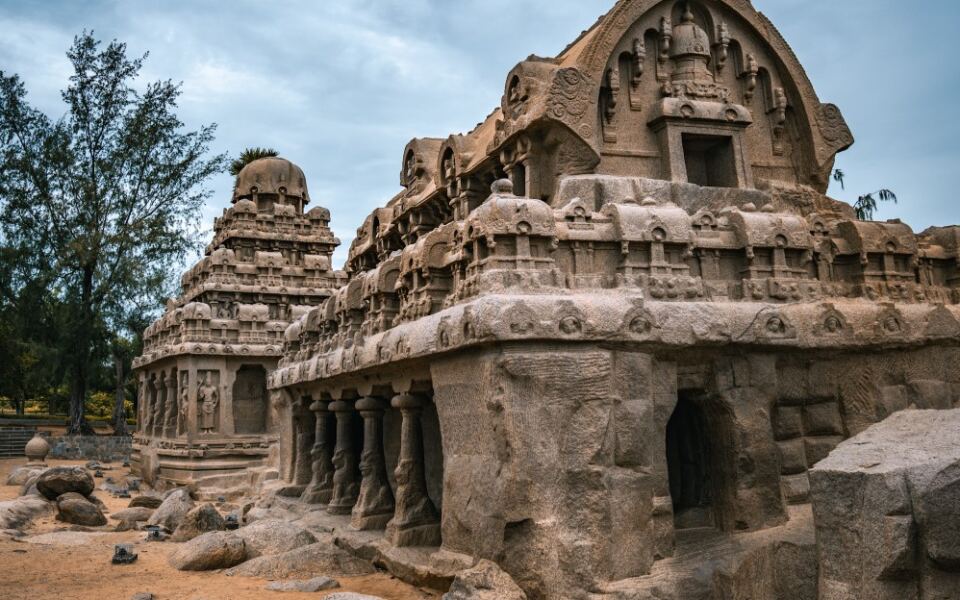
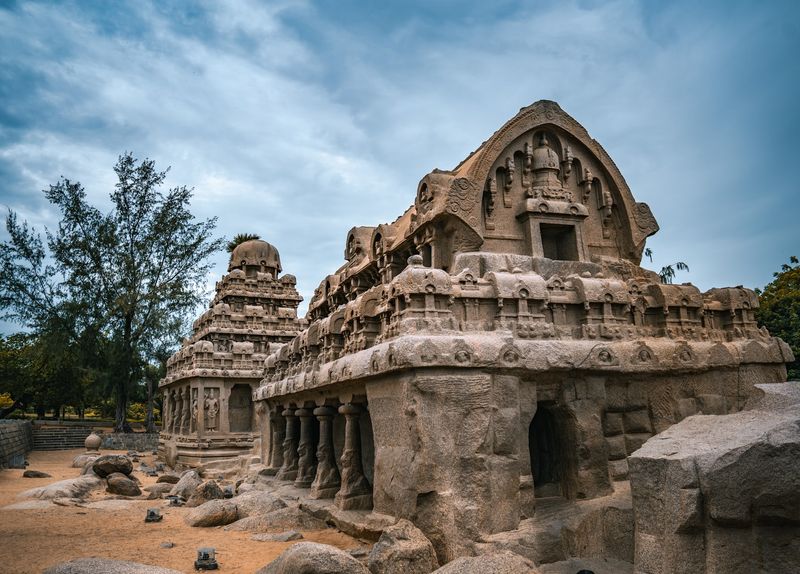
Five temples, zero bricks, and no joints. The Pancha Rathas were each carved from a single giant rock, working from the top down.
Imagine having no chance to fix a mistake.
They are named after the Pandava brothers and their wife Draupadi from the Mahabharata, though they were never used for worship. The shapes are different, with some looking like huts and others like towers.
Together they work like a sample book of early South Indian temple design.
Look out for the life-size stone elephant, lion, and bull standing nearby. The elephant is a favorite for photos because of its smooth, rounded look.
Plan about an hour here, and walk slowly around each rath. The carvings on the outer walls show gods, couples, and graceful figures.
Come early to avoid midday heat, and bring a small bottle of water, since shade is limited across the sandy compound.
Varaha Cave Temple
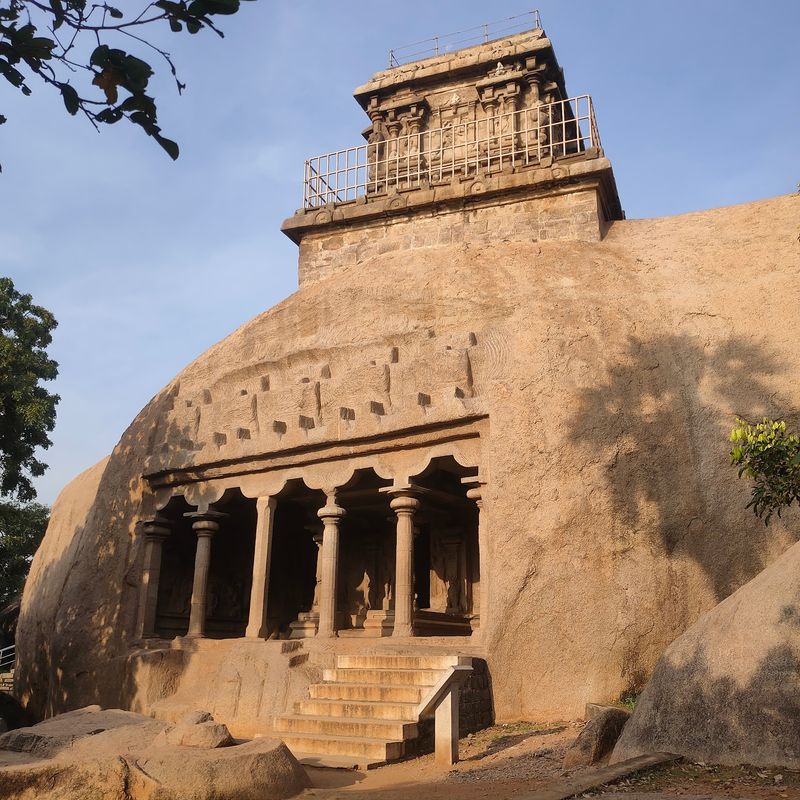
Step inside, and the noise of the street fades away. The Varaha Cave Temple is cool, quiet, and full of carved stories.
Pillars rest on stone lions, a signature of Pallava style.
The star panel shows Vishnu as a boar, lifting the earth goddess from the ocean. His pose is strong, yet the figure of the goddess looks calm and tender.
Another panel shows the goddess Lakshmi with elephants pouring water over her.
Cave temples like this were cut straight into a hillside, so the artists carved inward. Every chisel mark had to be planned.
Visit when the light slants into the doorway, since it makes the reliefs glow. Take a moment to stand still and let your eyes adjust.
Small details, like jewelry and finger positions, appear slowly. It is a great stop if you want a peaceful break between the bigger sights.
Mahishasuramardini Cave
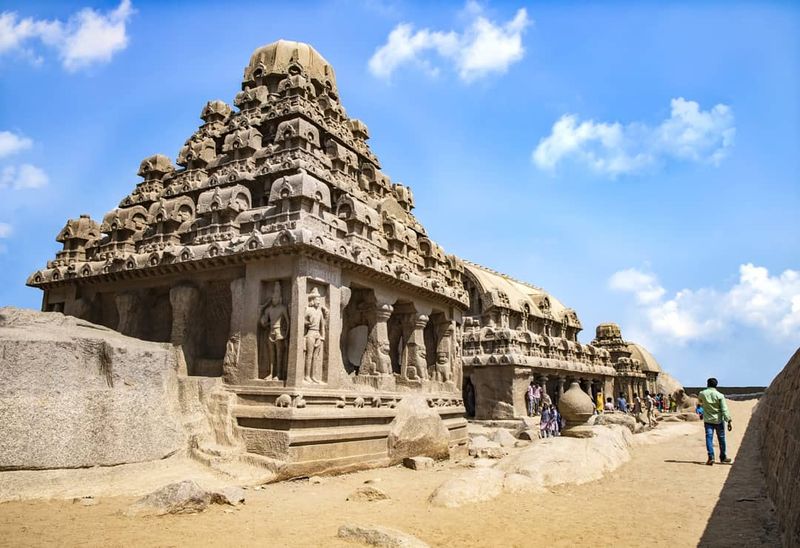
Battle scenes rarely look this lively in stone. In the Mahishasuramardini Cave, the goddess Durga rides a lion into war against the buffalo-headed demon.
Her arms hold weapons, and the action seems to rush across the wall.
Right across from it, another panel shows Vishnu sleeping on a giant serpent. The mood flips from loud to peaceful in a single turn of your head.
Few places show two such different moods so close together.
The cave sits on a hill near the lighthouse, so you get a good climb with it. Steps and rock paths lead up, so wear sturdy shoes.
Fun fact: the lion in the carving looks almost friendly, with a curled mane and a calm face. Spend a few minutes comparing the two panels.
Then step outside for sweeping views of the town and the glittering sea beyond.
Mahabalipuram Lighthouses
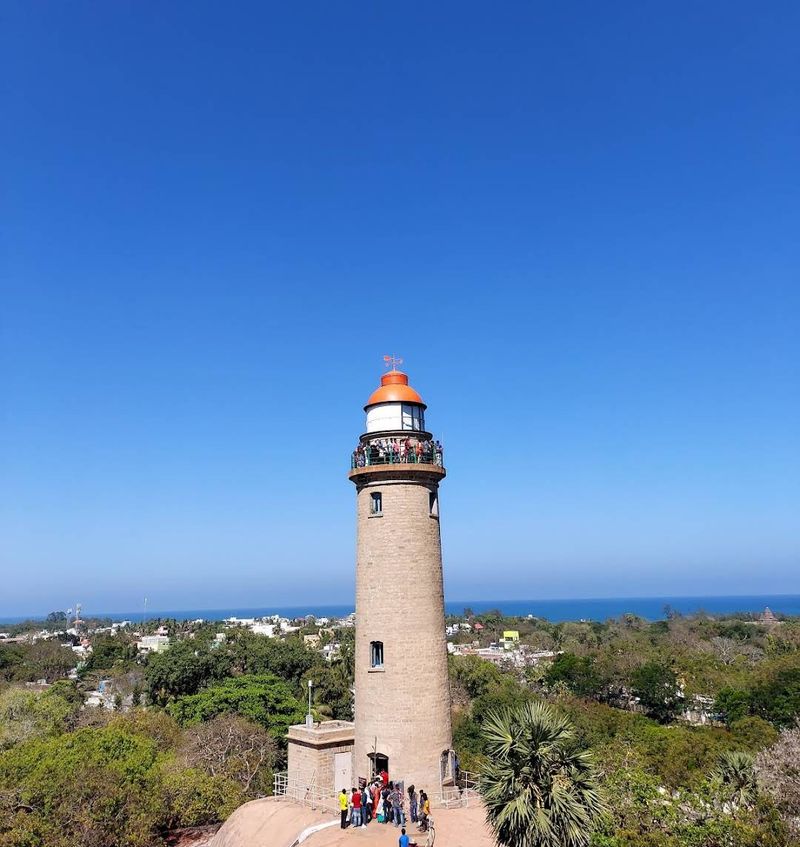
Two lighthouses for the price of one, and one is a temple. The Olakkaneshwara Temple, perched on a rocky hill, once held a flame to guide ships.
Next to it stands the newer white lighthouse tower.
The old shrine is small and weathered, but its hilltop spot is the point. Its name is often linked with oil lamps, hinting at its glowing past.
Imagine sailors spotting that flame after a long day at sea.
You can climb the modern lighthouse for a wide view. Red-tiled rooftops, palm trees, and the blue bay spread out below.
A small fee and a short staircase get you there.
Check the opening hours before you go, as the tower closes for part of the afternoon. Bring a camera, because sunset views from the hill are a treat.
Keep an eye on your footing, since the rocks around the temple can be steep.
Tiger Cave
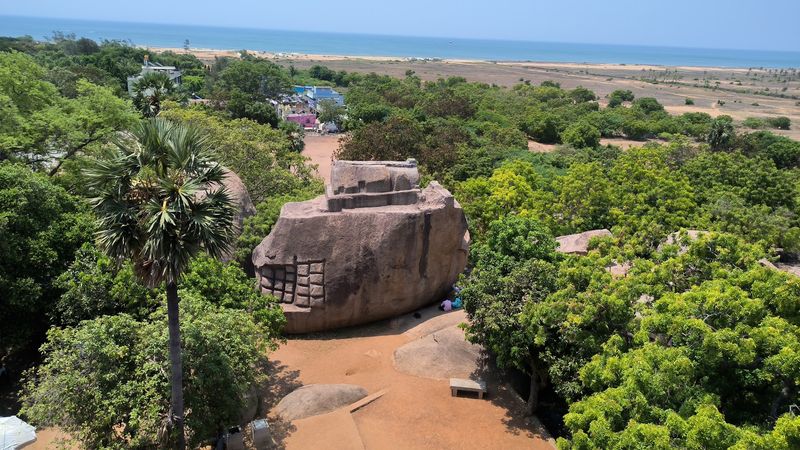
A quirky name, and a surprise: no tigers, just lions. Tiger Cave sits a few kilometers north of town, hidden among casuarina trees close to the sea.
Its carved lion heads frame a tiny stage-like shrine.
Locals once held dance and music performances here, so it may have worked as an open-air theater. Walk around, and you can picture a crowd gathering on the sand in the evening.
The setting is peaceful, with the sound of waves in the background.
Because it is away from the busy center, the cave is usually quiet. That makes it good for travelers who want a calmer moment.
A short auto-rickshaw ride gets you there.
Combine it with a stroll on the nearby beach. Go in the morning or late afternoon, when the air is gentler.
Keep your expectations modest and your curiosity high, because the charm here lies in the peaceful scene and the clever design.
Stone Carving Workshops
Tap, tap, tap. Walk down the main streets, and the sound of chisels follows you.
Mahabalipuram still has a thriving stone-carving tradition, the living heir of the Pallava masters.
Workshops line the roads, filled with statues of Ganesha, Buddha, and many other figures. Some are tiny enough for a backpack, while others need a truck.
Watching an artist shape a block into a face is better than any museum label.
Many sculptors are happy to chat about their craft. Ask politely, and you may learn how they choose stone and sketch designs.
Prices vary, so compare a few shops before buying.
If you want a souvenir, check the weight and ask about shipping. Small soapstone pieces are easy to carry.
Keep in mind that large granite items may need export paperwork, so ask the shop for help before you commit.
Mahabalipuram Beach
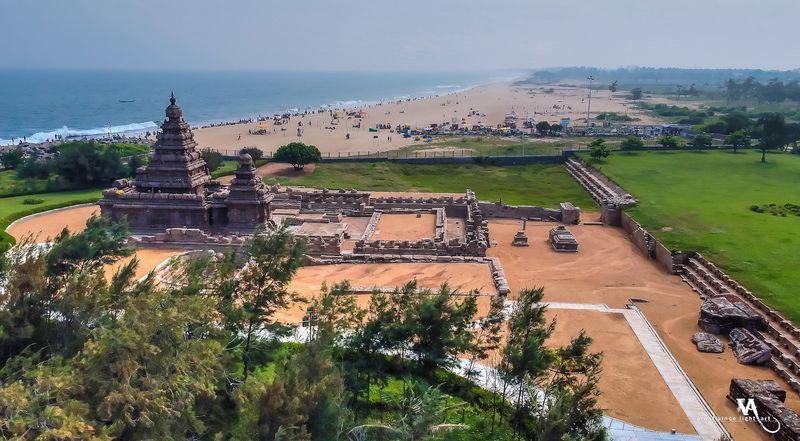
After all that stone, your feet deserve some sand. Mahabalipuram Beach stretches beside the Shore Temple, with colorful fishing boats resting on the shore.
In the morning, fishers haul in nets while gulls circle overhead.
The beach is a friendly place to wander. Little stalls sell snacks, and you can grab fresh seafood at cafes nearby.
Currents can be strong, so enjoy the view and paddle only in shallow water.
Sunrise is the favorite hour for many visitors. The sky turns pink, and the temple towers appear in soft outline.
It is a good time for photos and quiet thoughts.
Stay around for a late afternoon walk as well. The breeze cools things down after a hot day of sightseeing.
Carry a hat, sunscreen, and a small bag for trash, so the sand stays clean for the next traveler.
Dance Festival
Imagine dancers twirling in front of a giant carved cliff, lit by golden lights. The Mahabalipuram Dance Festival often runs in winter, usually from December into January.
Classical performers fill the open stage with graceful moves and bright costumes.
Styles such as Bharatanatyam, Kuchipudi, and Odissi take turns. Dancers tell stories with their hands, faces, and fast footwork.
Even if you do not know the tales, the music and rhythm pull you in.
Dates can change from year to year, so check the latest schedule before booking travel. Tourism offices usually share details in advance.
Seats fill up, so arrive a little early.
Winter nights can feel breezy near the sea, so pack a light shawl. Combine a festival evening with a day of temple exploring, and the whole trip clicks together.
Ancient carvings by day, living art by night, make a fitting match.
Share this story