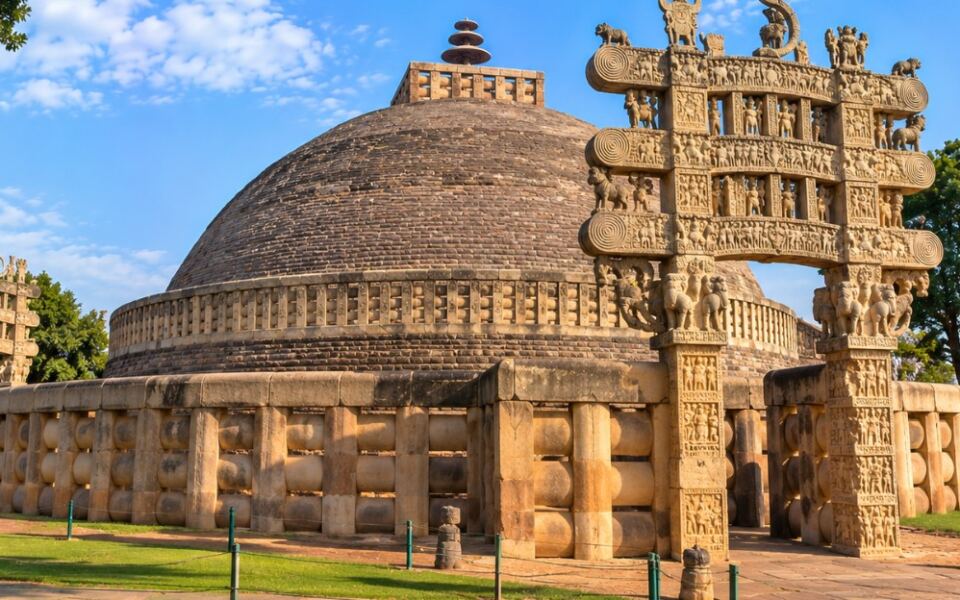
Sanchi Stupa sits on a quiet hilltop in Madhya Pradesh, and it has been standing there for over 2,000 years. Emperor Ashoka started it in the 3rd century BCE, and later kings kept adding to it.
Today it is a UNESCO World Heritage Site loved by history fans, photographers, and curious kids alike. Ready to meet ten reasons this old monument still wows visitors?
Ashoka Planted the First Seed
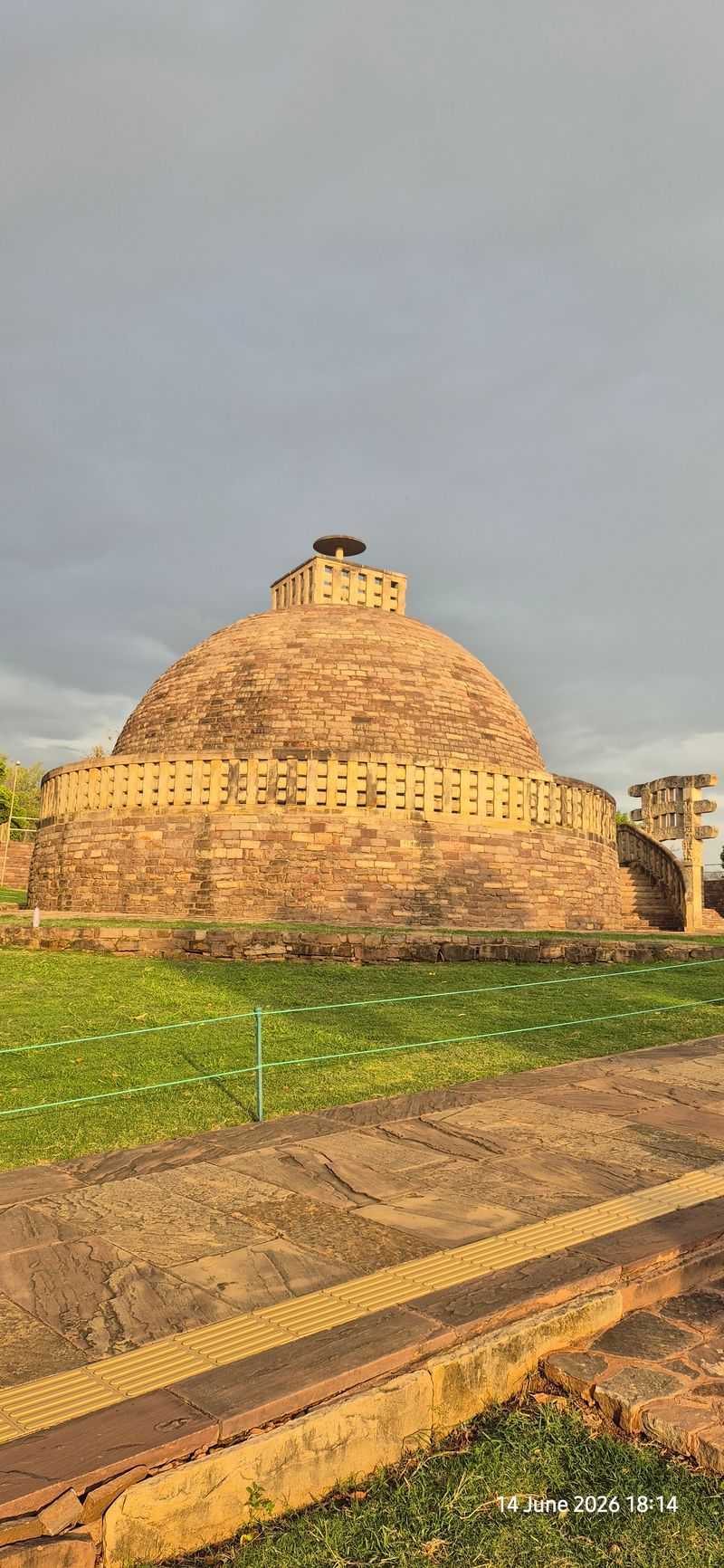
Around the 3rd century BCE, Emperor Ashoka ordered a simple brick dome to be built on this hill. His goal was to hold sacred relics of the Buddha and to spread peace across his empire.
The first version was much plainer than what you see now. It was a solid mound of brick, with none of the carved gateways that make the site famous today.
Why Sanchi? Ashoka’s wife, Devi, is often linked to nearby Vidisha, and the hill was a calm spot for monks.
Visitors today often say the same thing: the place feels peaceful the moment you step inside.
Think about the timeline for a second. This dome was already ancient when many famous empires were still just villages.
Reviewers love to point out that it counts among the oldest stone structures in India.
Stand near the Great Stupa and look at its huge round shape. It is easy to imagine workers hauling stone up the hill, one block at a time.
That effort is the reason you can walk here today.
Four Gateways, Endless Stories
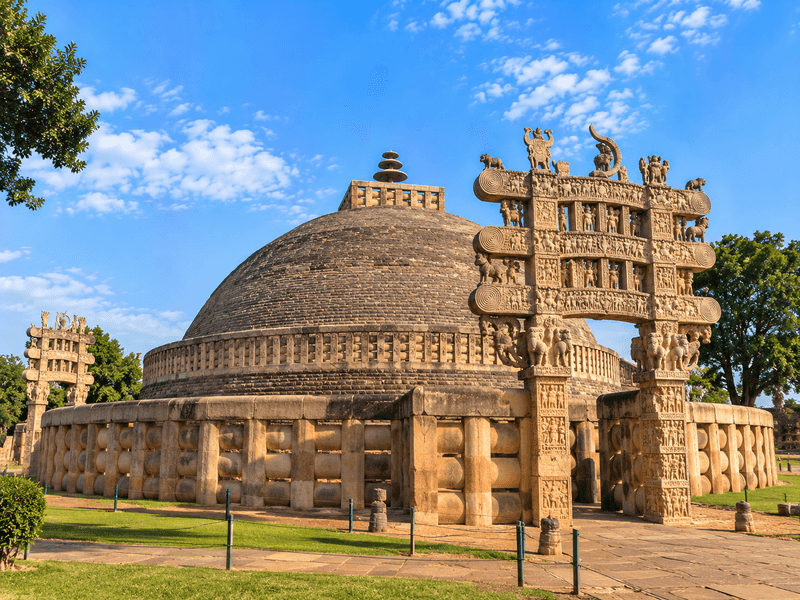
Picture four stone gateways, each covered with so many carvings that you could stare for an hour and still miss something. These are the Toranas, and they surround the Great Stupa in every direction.
Carved figures include elephants, peacocks, riders, and lively crowds. One visitor even spotted a unicorn-like creature on one of the doors.
Each gateway tells tales from the Buddha’s life. Crafters worked the stone like it was soft wood, adding tiny details to clothes, jewelry, and trees.
Here is a fun twist. Many experts believe these carvers worked in styles similar to ivory carving, so the stone looks delicate.
Bring patience and good light. Late afternoon sun makes the carvings pop, and photographers love the shadows.
Take your time walking around each gate, because the story changes from side to side.
Jataka Tales in Stone
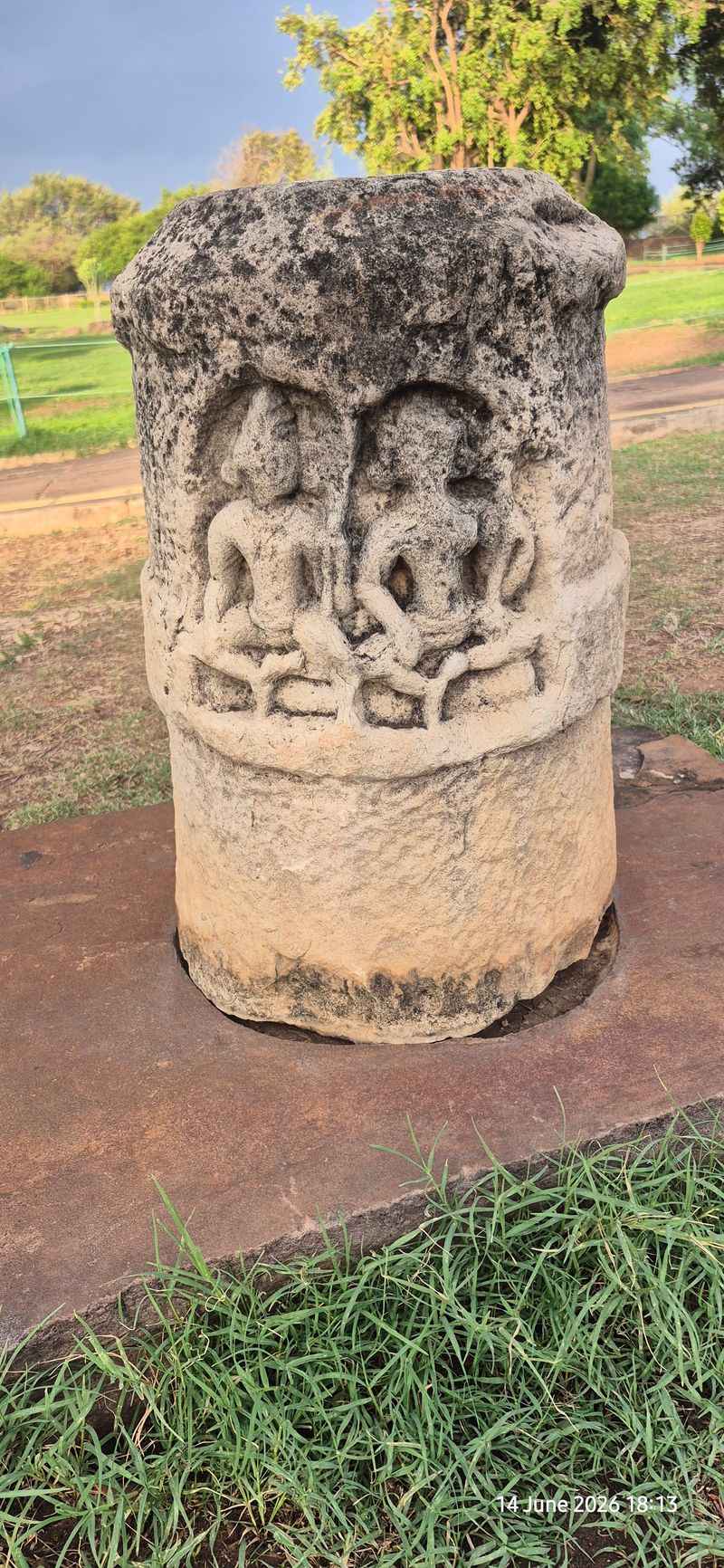
Long before comic books, people used stone panels to tell stories. At Sanchi, the Jataka tales appear as carved scenes about the Buddha’s earlier lives.
In these stories, he often appears as a kind animal or a wise helper. Lessons about sharing, courage, and kindness fill the panels.
Look closely and you may spot monkeys, deer, elephants, and forest scenes. The artists never showed the Buddha as a person in early works.
Instead, they used symbols like a tree, footprints, or an empty seat.
That detail surprises many first-time visitors. It makes you slow down and play detective as you search for clues.
Hiring a guide can really help here. One reviewer noted that guides cover only part of the site, so ask them to focus on the gateways.
You will walk away with a few stories to tell your friends.
A UNESCO Star
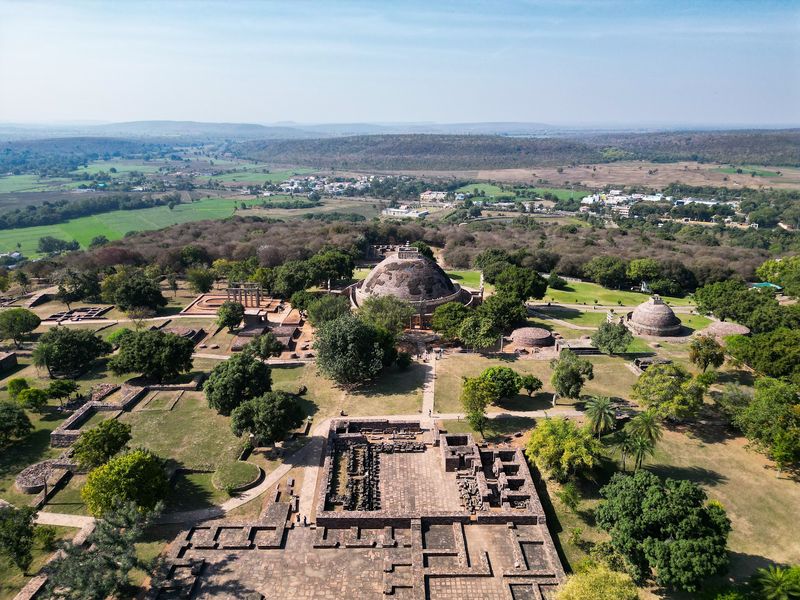
Some places earn a plaque. Sanchi earned a world title when it became a UNESCO World Heritage Site.
That status means the monument is protected for everyone, now and in the future. It also explains why the grounds feel so tidy, with neat lawns and clear walking paths.
Reviewers often mention how well kept everything is. Many call it one of the best maintained sites in Madhya Pradesh.
The listing covers more than the Great Stupa. Smaller stupas, temples, and monastery ruins all belong to the protected area.
Here is a handy tip. Walk the full complex instead of rushing to the main dome.
Sanchi rewards slow explorers, and the UNESCO label is a hint that every corner matters.
The Pillar and Its Lions
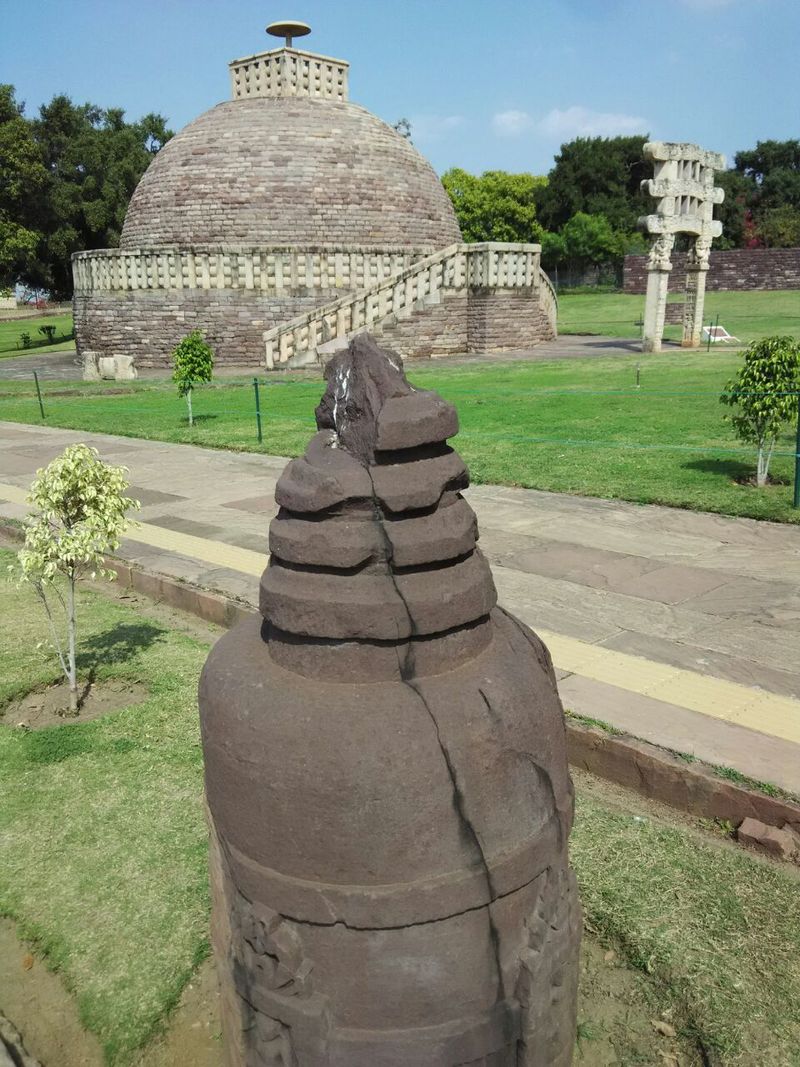
Polished stone that still shines after 2,000 years sounds like a magic trick. Yet that is exactly what the Ashoka Pillar at Sanchi shows.
Only broken parts of the pillar remain near the Great Stupa’s southern gate. The shiny surface is a signature of Mauryan stone work.
The top of the pillar once held four lions standing back to back. Those original lions now rest in the nearby museum, safe from weather.
The same lion design inspired India’s national emblem, so you may recognize it from coins and official papers.
Pay the small museum fee to see them up close. Photography is not allowed inside, so just soak it in.
It is a quick stop that adds real depth to your visit.
Stupa No. 3 and Sacred Relics
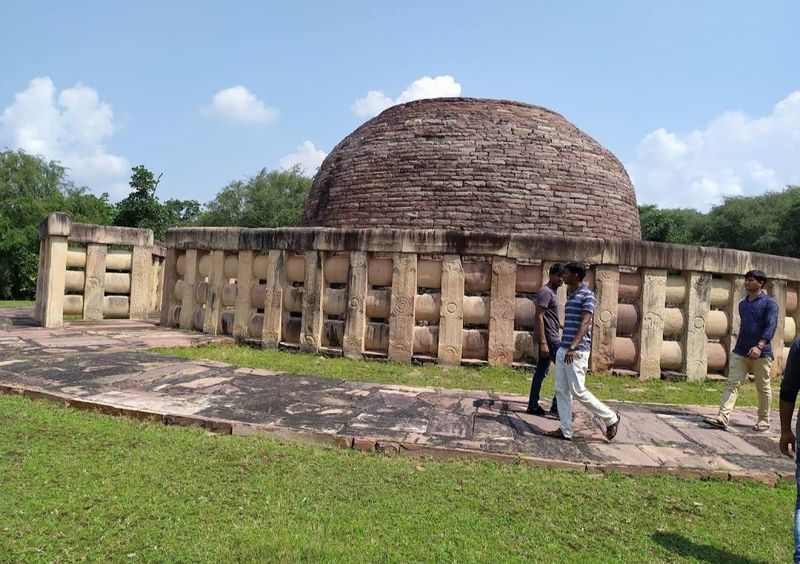
Smaller does not mean less special. Stupa No. 3 once held relics of Sariputra and Moggallana, two chief disciples of the Buddha.
It stands close to the Great Stupa and has a single gateway. The dome is neat and compact, which makes it easy to photograph.
Monks and pilgrims once traveled long distances to honor these relics. Today you can walk the same circular path around the dome, just as they did.
Many visitors skip this stop because the big dome grabs all the attention. That is a mistake, since the crowd is usually thinner here.
Use it as a pause point. Sit for a minute, listen to the birds, and let the quiet settle in.
Temple 18 and Its Greek Look
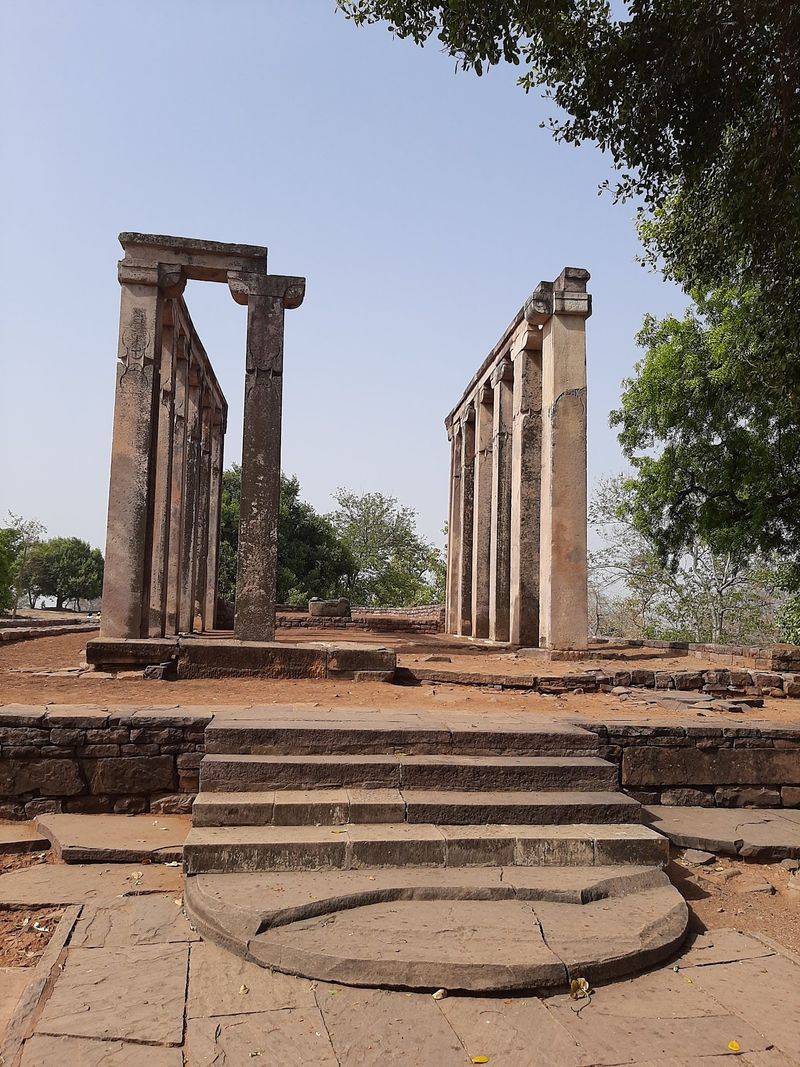
Columns that look like they took a wrong turn from Greece? That is Temple 18 for you.
Its tall stone pillars give the ruin a classical feel. Builders from the Gupta period shaped it, and the design shows how ideas traveled across regions.
Only the base and columns remain, but they are enough to spark curiosity. Visitors often stop here just to compare it with the rounded stupas nearby.
It reminds us that Sanchi was never frozen in time. Different dynasties, including the Mauryas, Shungas, Satavahanas, and Guptas, kept adding new pieces.
Walk through the columns and look up. The straight lines against the sky make a great photo, especially in the soft light of early morning.
Monastery Ruins and Student Life
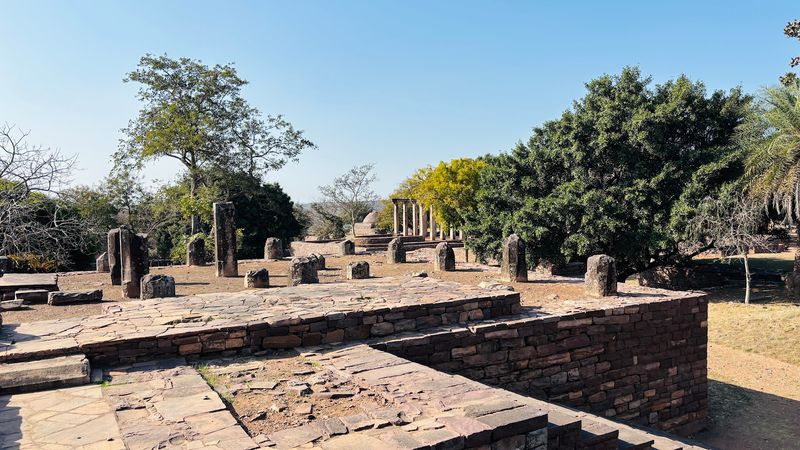
Imagine a school where classes met on a hilltop. Sanchi once housed monasteries where monks studied for centuries.
Today you can still see the stone outlines of rooms, courtyards, and walkways. Low walls show where beds and study spaces might have been.
One solo traveler even called the site a Buddhist university. That is a fair way to picture it, since learning and prayer went hand in hand here.
The monks depended on gifts from traders and kings. Many carved donor names still appear on railings and gateways.
Spend a few minutes in these ruins. Let your imagination fill in the voices, the footsteps, and the chanting that echoed here long ago.
Sunset, Peacocks, and Calm
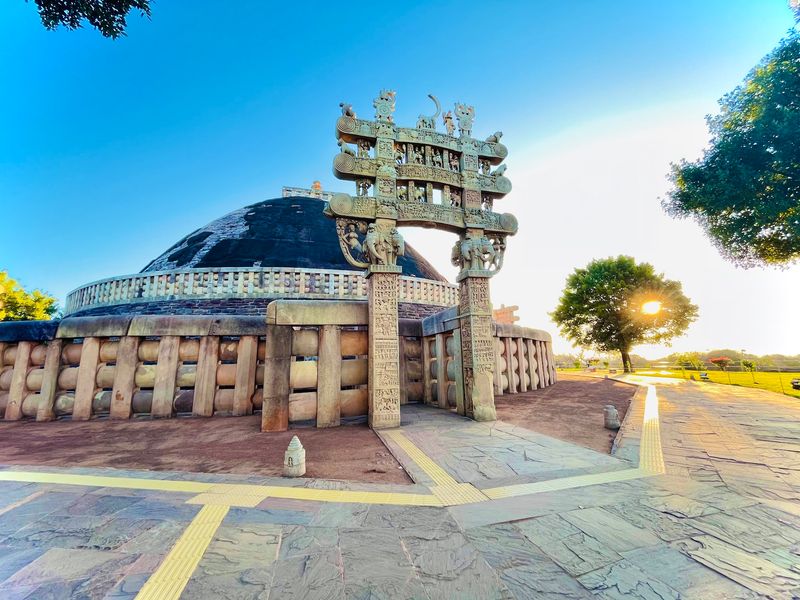
Golden light, quiet lawns, and a peacock strutting by: that is a normal evening at Sanchi.
One visitor spent an hour here and called the hilltop sunset the highlight of the trip. The view stretches over the Madhya Pradesh countryside, and the sky turns warm orange.
Peacocks roam the grounds freely. They add color and a bit of drama, especially when they decide to show off their tails.
Many reviews describe the mood as calm, spiritual, and less crowded than other tourist spots. Early morning also works well if you like cooler air.
Plan to arrive in the late afternoon. You get clear light for the carvings, then a peaceful sunset to finish the day.
Planning Your Visit
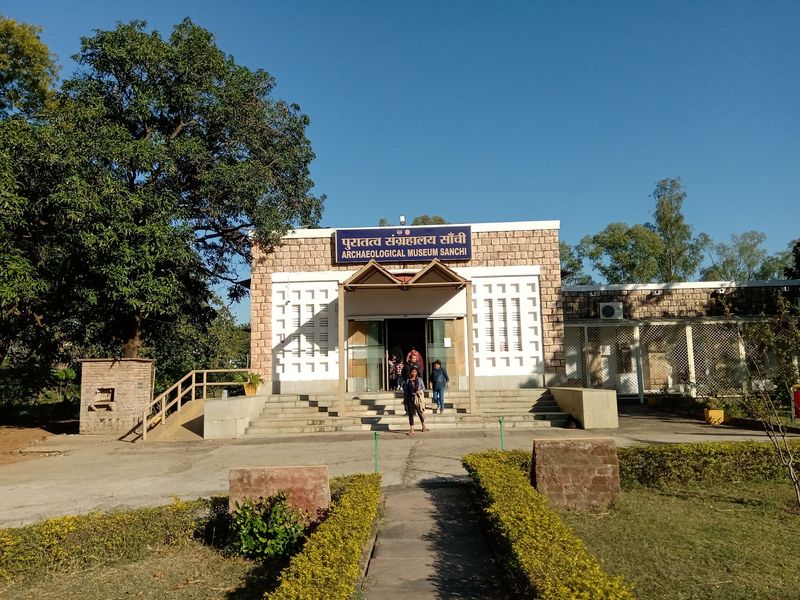
Good news for budget travelers: entry is cheap for Indian visitors, while foreign tourists pay more. Tickets can be bought at the counter or through the ASI online portal.
The complex opens around 8:30 AM and closes at 5:30 PM, every day of the week. Sanchi sits about 46 km northeast of Bhopal, roughly a 1 to 1.5 hour trip by bus, taxi, or car.
Wear comfy shoes, because there is a climb with wide stone steps. Parking and washrooms are available, but food options are limited, so eat before you go or climb down the hill afterward.
The small museum has its own low fee. Bags are not allowed inside, so pack light.
Visit on a weekday if you can. Fewer crowds mean easier photos and a quieter walk around the dome.
Stupa on the 200 Rupee Note
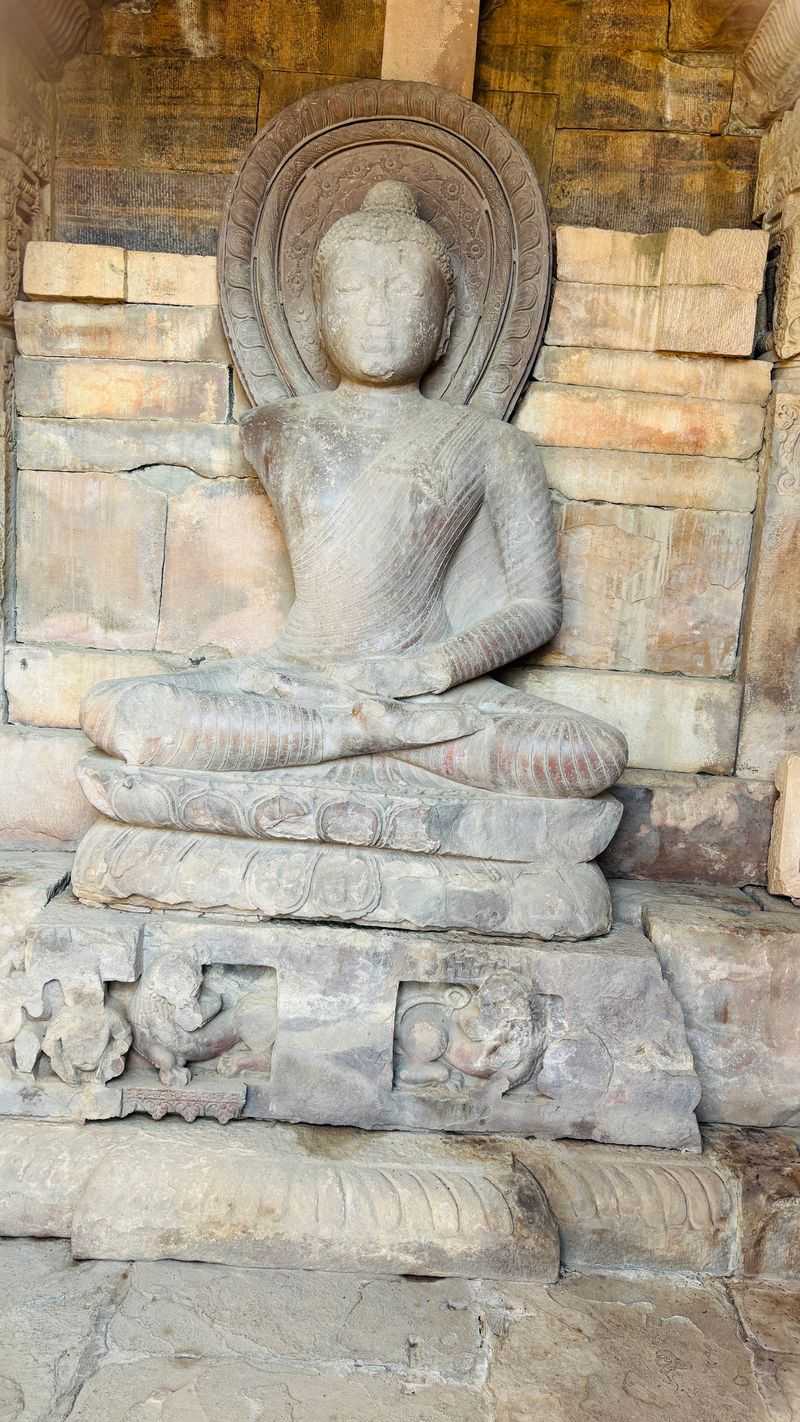
Check your wallet. If you hold a 200 rupee note, you are carrying a tiny picture of Sanchi.
Many visitors love comparing the printed image with the real thing. Some even pose with the note in front of the monument.
That small detail makes the visit feel personal. It shows how much this place means to the country’s story.
Behind the photo fun is a bigger idea. Sanchi stands for peace, art, and the long reach of Ashoka’s vision.
Take your picture, but also take a moment to look around. One reviewer noted that some tourists forget the history while chasing selfies, so pause and enjoy the carvings before you click.
Share this story