A musket ball fired during the American Revolution punched through doors in a stone house in Pennsylvania, and you can still trace its path today. That alone would make the house worth a look.
Decades later, though, the same rooms held a much quieter kind of courage. A Quaker family opened their home to people escaping slavery, risking their own safety to help strangers reach freedom.
Records of the Underground Railroad are rare because helpers worked in secret and rarely wrote things down. That makes a real, standing house with a documented story feel especially valuable.
I like places where history is something you can stand inside instead of just reading about. This one connects a battle, a brave family, and famous freedom workers under one roof.
So how did one Germantown home end up at the center of all that?
A Stone House on Germantown Avenue
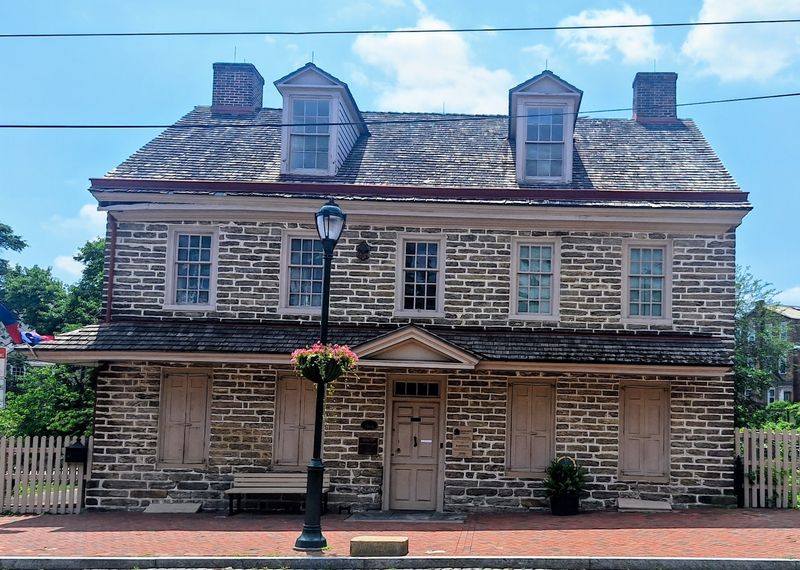
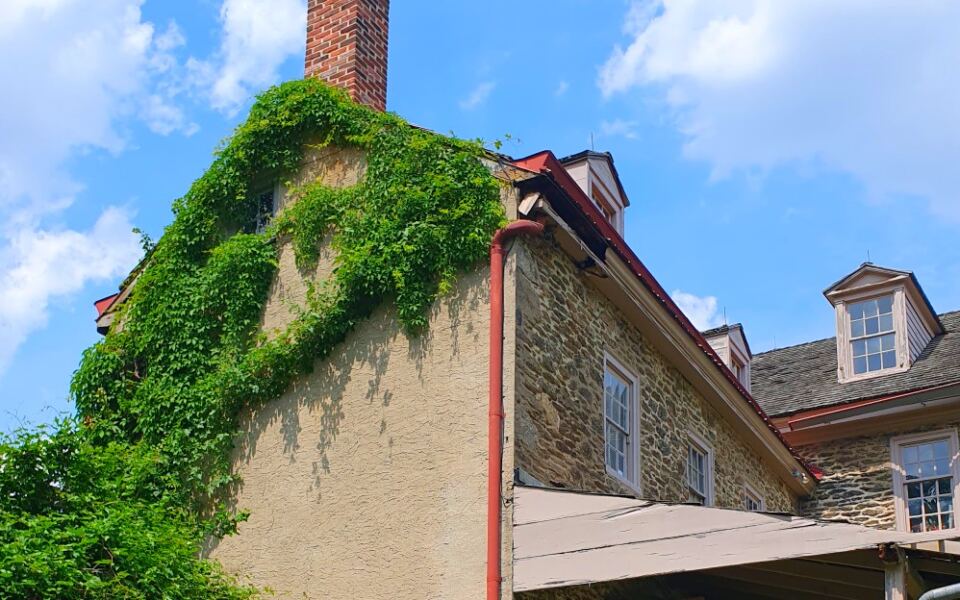
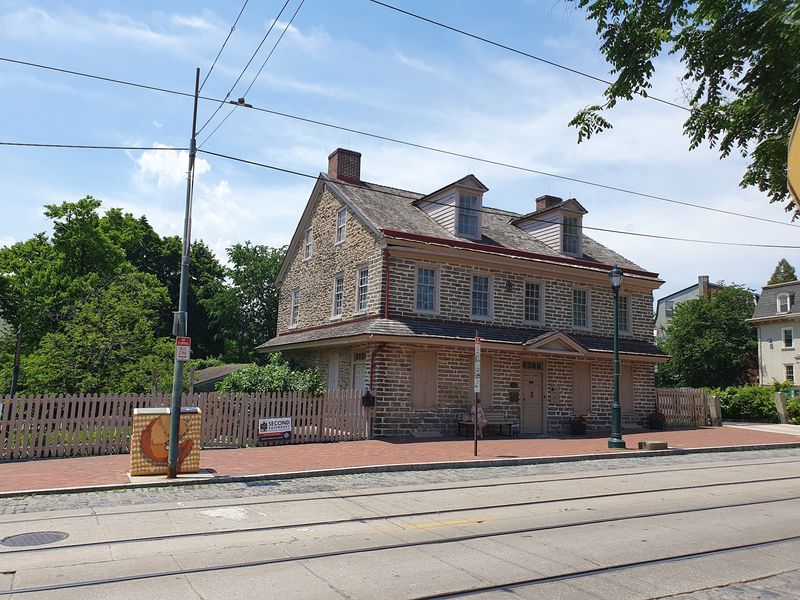
Johnson House Historic Site sits at 6306 Germantown Ave in Philadelphia, Pennsylvania, in the Germantown neighborhood of the northwest part of the city. It looks like a solid colonial home, built from local stone in the 1760s.
The house was built for John Johnson Jr. around 1768, and the Johnson family lived here for generations. Those generations are a big reason the site matters so much today.
The Johnsons were Quakers, and their faith taught that every person deserved equal respect. In the 1800s, family members turned that belief into action by helping freedom seekers on the Underground Railroad.
Today, the house is a museum run by a nonprofit group. It was named a National Historic Landmark in 1997, a status given only to places of national importance.
I find it striking that such a big story fits inside an ordinary-sized home. There are no grand halls or towers here.
Instead, you get kitchens, bedrooms, and stairways where real people made brave choices.
Before those choices, though, the house had already lived through a dramatic morning that left marks you can still see.
Musket Ball Marks From the Battle of Germantown
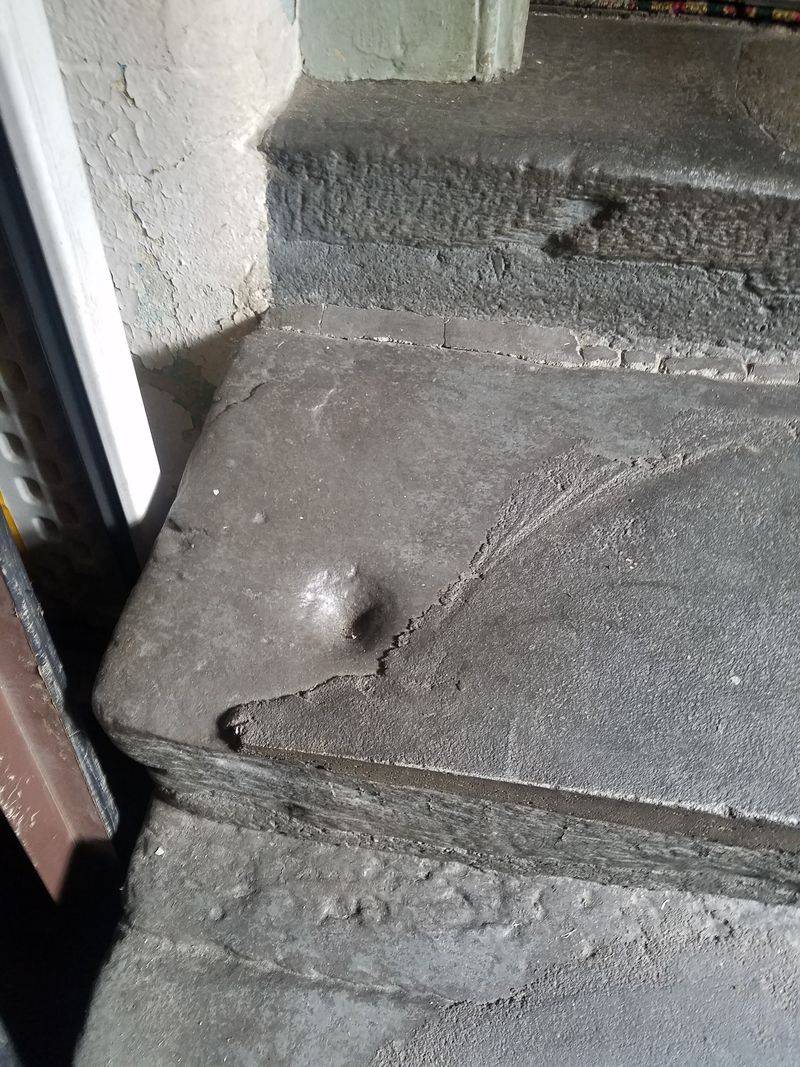
October 4, 1777, was a loud day on Germantown Avenue. American troops under George Washington attacked British forces in the Battle of Germantown, and fighting swept right past the Johnson family’s front door.
The house still carries evidence of that morning. Damage from the battle remains part of the building, and guides point out where a musket ball passed through doors inside.
Seeing something like that changes how history feels. A textbook might give you a date and a map, but a hole in a wooden door gives you something you can actually picture.
The American side did not win at Germantown. Still, the battle showed that Washington’s army could stand up to experienced British troops, and that mattered for morale.
Kids tend to remember details like this long after the visit. A tiny piece of lead traveling through a family home is easy to imagine and hard to forget.
The Johnsons rebuilt their lives after the armies moved on. Their next chapter would be far less noisy, but in many ways it took even more courage, because it depended on keeping very quiet.
Quaker Faith That Sparked Action
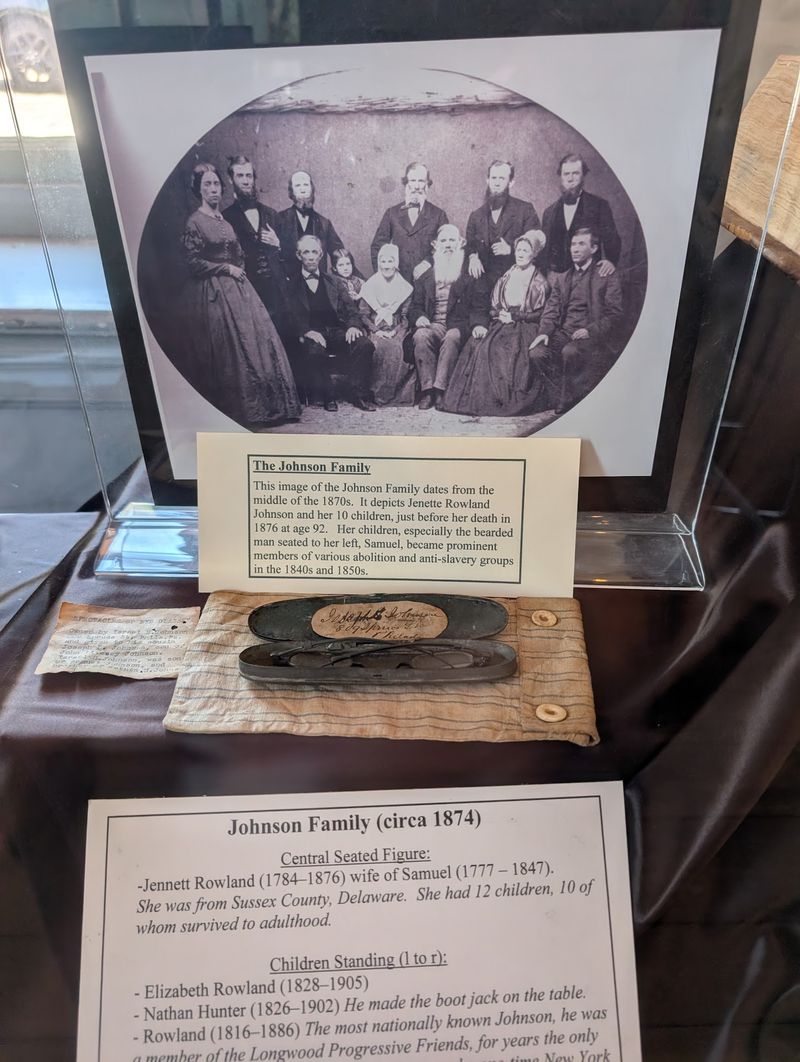
Germantown has a long record of standing against slavery. In 1688, a group of Germantown Quakers wrote a protest against slavery, one of the earliest of its kind in the American colonies.
That idea took a long time to spread, but it stayed rooted in this neighborhood. By the 1800s, the Johnson family carried that belief forward in a very practical way.
Quakers, also called the Religious Society of Friends, believe there is something sacred in every person. For the Johnsons, that meant slavery was simply wrong, and helping people escape it was the right thing to do.
Helping freedom seekers was against the law, especially after the Fugitive Slave Act of 1850. That law made it a crime to assist people escaping slavery, even in free states like Pennsylvania.
So the family took real risks. They could have faced fines or jail time if caught.
I like knowing that this site connects faith with action instead of just words. Belief is easy to talk about.
Opening your door at night to a stranger who needs help is a different matter entirely.
How a Secret Network Really Worked
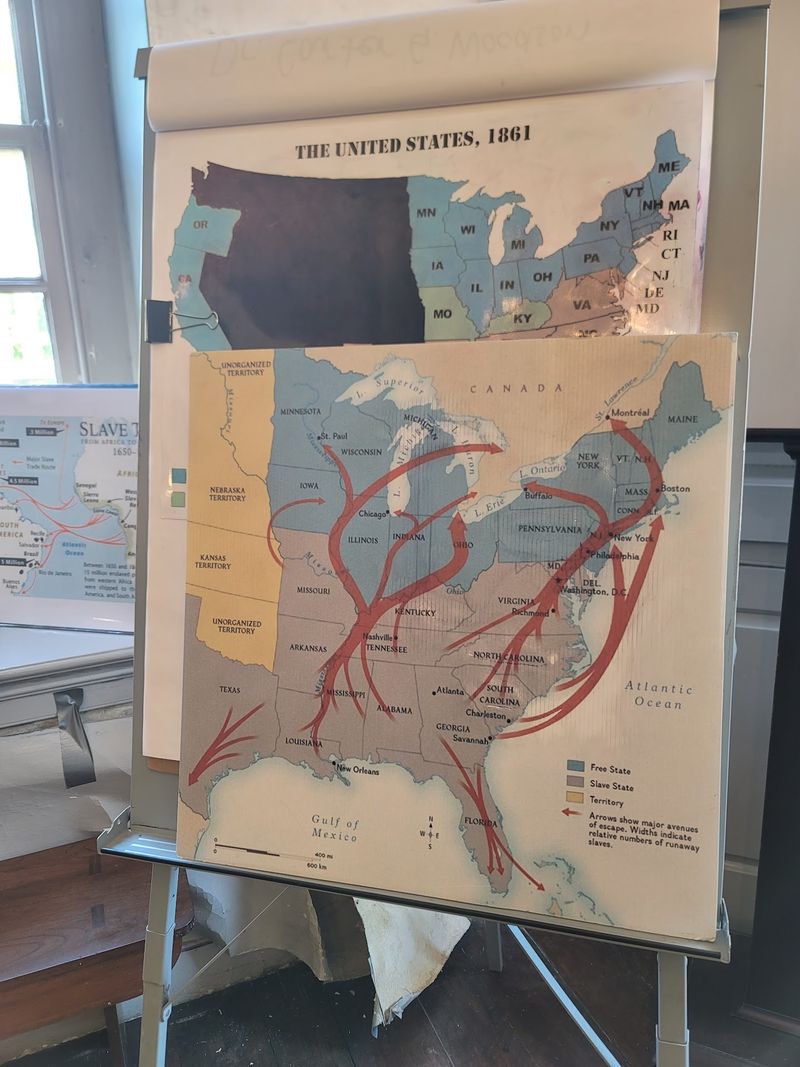
Forget tunnels and trains. The Underground Railroad was a loose network of people, Black and white, who helped freedom seekers travel north in secret.
Homes like this one served as stations, places where people could rest, eat, and get directions before moving on. Helpers often guided travelers to the next safe home along the route.
Philadelphia was an important stop because it sat close to the slave state of Maryland. Many freedom seekers passed through the city on their way to New York, New England, or Canada.
Here is the tricky part for historians. Because the work was illegal, most people involved avoided writing anything down.
That lack of records makes the Johnson House especially rare. It is a documented site with a real family, a real building, and connections to well-known freedom workers.
Standing in the actual rooms helps fill gaps that missing paperwork leaves behind. You can see how close the house sits to a busy road and think about how carefully everyone had to move.
Some of the people connected to this network are names many students already know.
Famous Names Linked to These Rooms
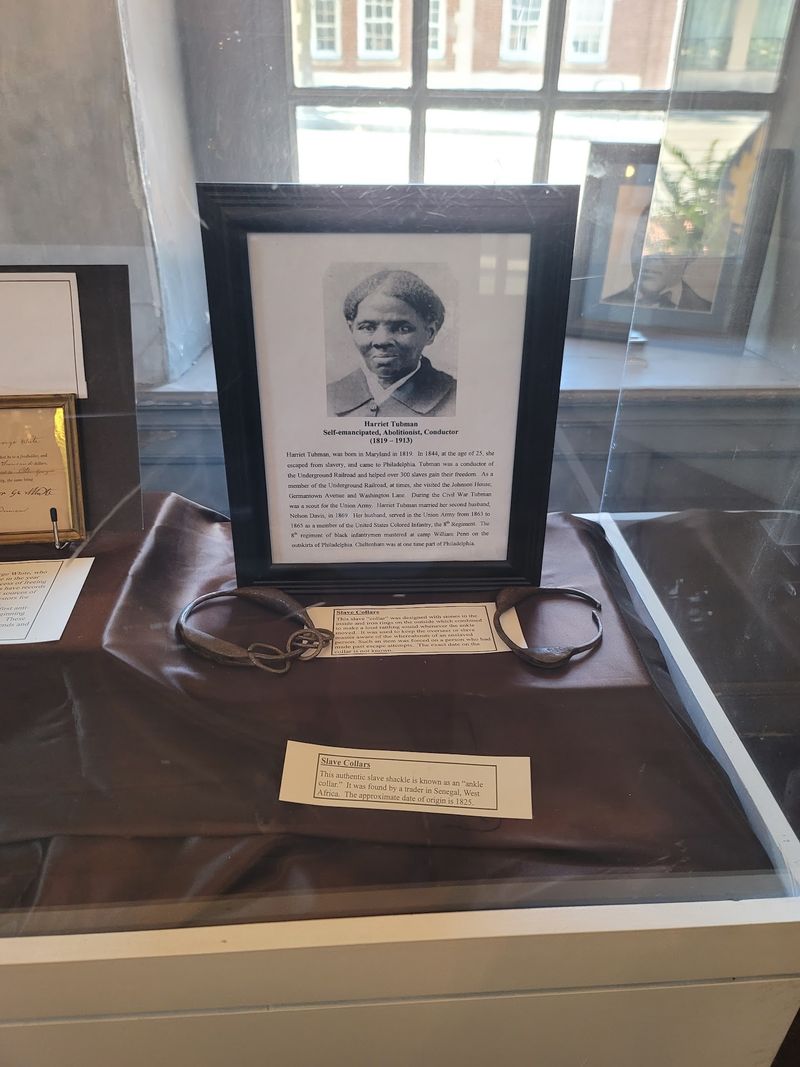
Harriet Tubman and William Still are both connected to the story of the Johnson House. That is quite a guest list for a family home in Germantown.
William Still was a Black abolitionist in Philadelphia who helped hundreds of freedom seekers. He kept careful notes about many of them and later published a book called The Underground Railroad in 1872.
His records are one reason historians know as much as they do about the network in this region. Tours here often cover the Still family alongside the Johnsons.
Harriet Tubman needs little introduction. After escaping slavery herself, she returned south many times to guide others to freedom, and Philadelphia was part of her route.
Knowing these figures may have passed through the same doorways makes the house feel less like a museum and more like a meeting place.
What catches my attention most is the teamwork. Black and white abolitionists, Quakers and others, worked together across a dangerous system.
That cooperation is a big part of the message the site shares today, and the guides know how to bring it out.
Tours Shaped Around Your Curiosity
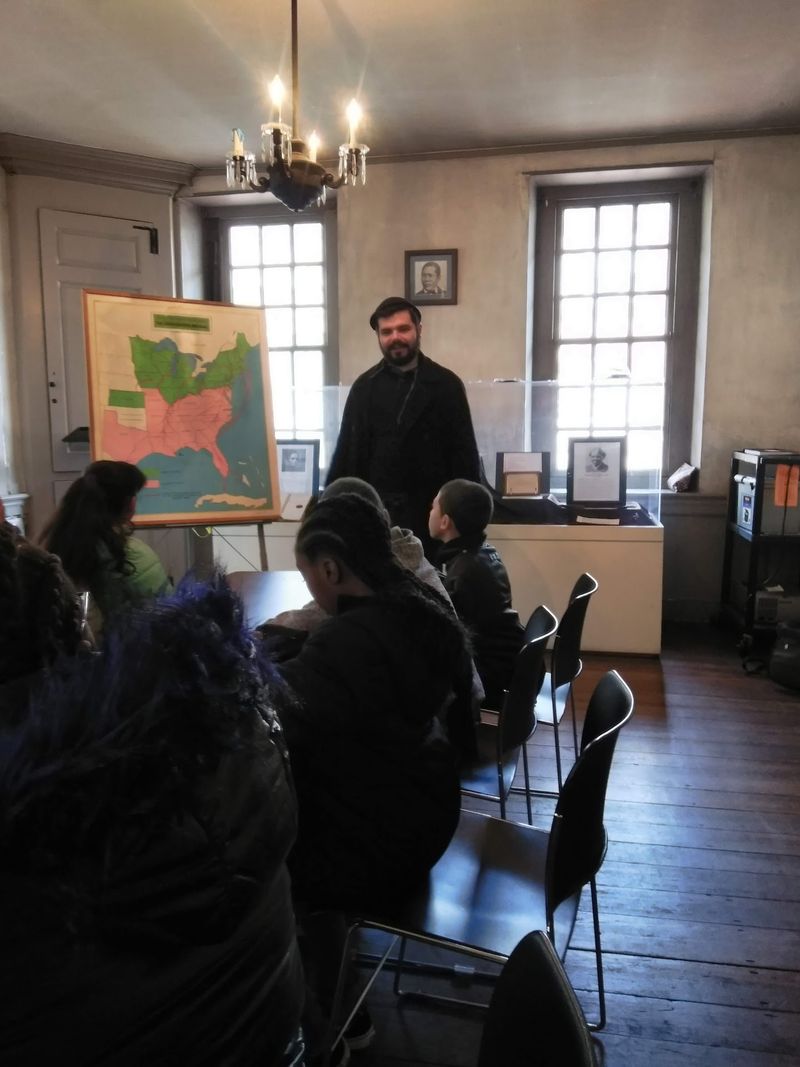
Guided tours are the heart of a visit here, and they run about an hour. Guides can focus on different topics depending on what your group wants to learn.
Options can include the Underground Railroad and abolition, the Battle of Germantown, the history of the house itself, and the wider Germantown neighborhood. That flexibility is helpful for families with mixed interests.
A history fan might want military details. A student working on a school project might care most about freedom seekers and abolitionists.
Telling your guide what interests you most can make the hour feel more personal. It also gives younger visitors a chance to ask questions they actually care about.
I would start by asking how the family kept their work hidden. Questions like that tend to open up the best stories.
The house is not packed with artifacts, so the storytelling carries much of the experience. Photographs and preserved rooms help, but the guide connects the pieces.
One more chapter of the house surprises many people, and it has nothing to do with battles or secret travel. It involves a group of local women.
The Women Who Saved the House
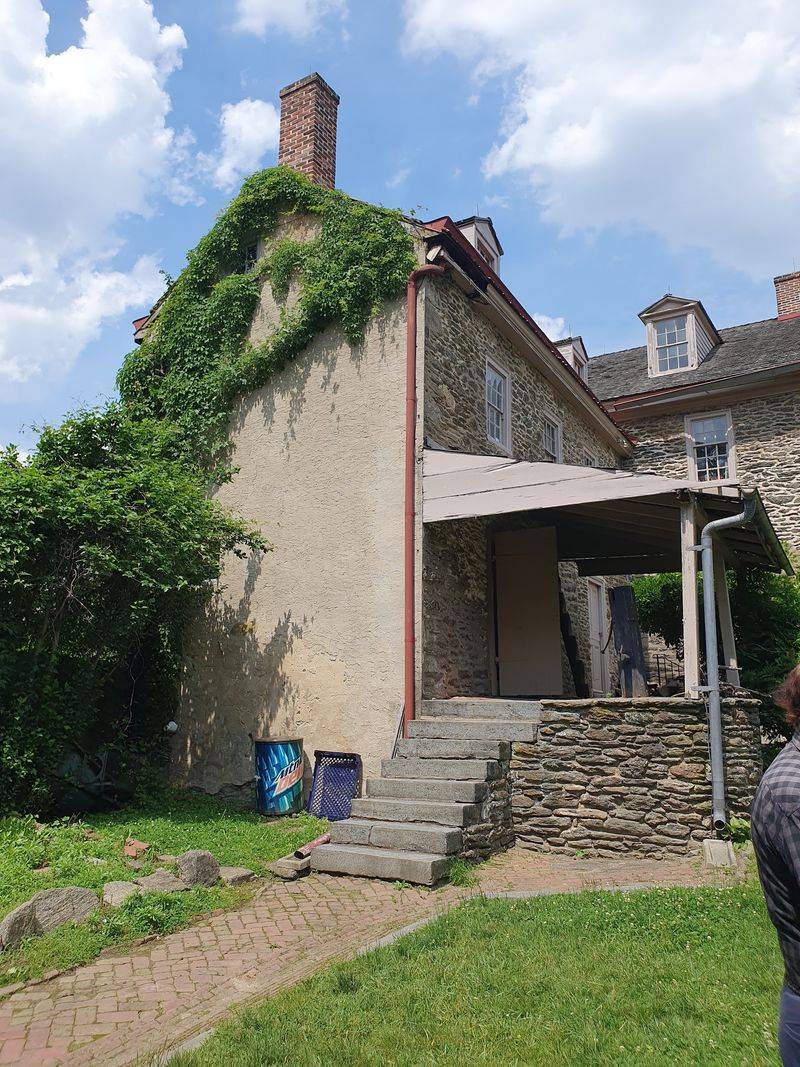
In 1917, the Woman’s Club of Germantown bought the Johnson House. Their ownership helped keep the old building standing through much of the twentieth century.
Many historic homes in cities were torn down as neighborhoods changed. This one survived partly because a local group saw value in it and used it as their gathering place.
That chapter shows how preservation often happens. It is not always a big government plan, but regular people deciding something matters.
Later, the house became the museum it is today, run by a nonprofit focused on its Underground Railroad story. Restoration work and education programs followed.
Guides may cover the Woman’s Club era if you ask. It is a nice reminder that the house kept serving the community long after the Johnson family’s most famous years.
I find it fitting that a home known for people helping others was later protected by people helping the community.
Preservation still takes effort now. Like many small historic sites, the house depends on support to keep its old walls in good shape, which ties directly into planning a visit.
Plan Ahead Before You Go
Showing up unannounced is not the smartest plan here. Tours need to be booked in advance through the official website, and guides are generally available only for scheduled visits.
Current listings show the site open Thursday through Saturday from noon to 4 p.m., and it is closed the rest of the week. Hours can change, so checking the website before your trip is wise.
Booking a few days to a week ahead gives the volunteers time to set things up. If you do not hear back quickly, a follow-up call can help confirm your spot.
Admission is charged, and cash has been the expected payment. Bringing some cash keeps things simple.
Special city events can bring different arrangements, so confirm details directly with the site rather than relying only on outside listings.
The house is run by a nonprofit with a small team. A little patience and planning goes a long way.
Once your tour is set, the next question is getting there. Germantown is not in the busy downtown core, but it is easier to reach than many people expect.
Getting to Germantown
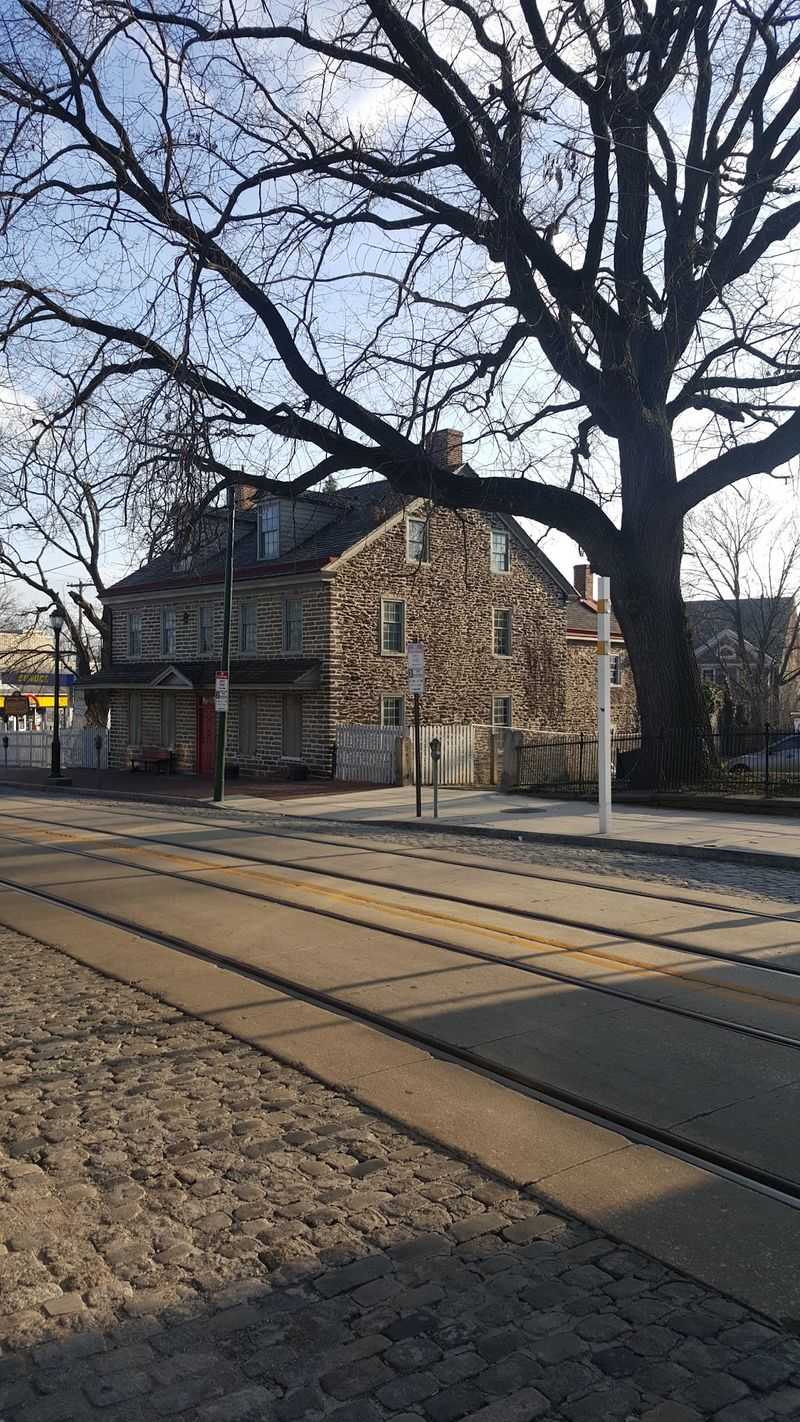
Germantown sits several miles northwest of Center City Philadelphia. A rideshare from downtown typically takes around 15 to 30 minutes, depending on traffic.
Germantown Avenue itself is a historic road. Parts of it still have old stone buildings and Belgian block paving, giving the street a different feel from downtown.
Public transit is another option, with SEPTA bus and regional rail service in the area. Checking a transit app for the latest routes will help.
Some visitors with energy to spare come by way of the Wissahickon Valley Park, a large wooded park nearby. Walking up from there makes for a fitting approach to a site about long journeys on foot.
That said, plan your route carefully and wear comfortable shoes if you go that way.
Arriving a little early is a good idea since tours are scheduled. It also gives you time to look at the outside of the house and the street around it.
And once you are in the neighborhood, you will quickly notice the Johnson House has some interesting neighbors worth knowing about.
A Neighborhood Full of History
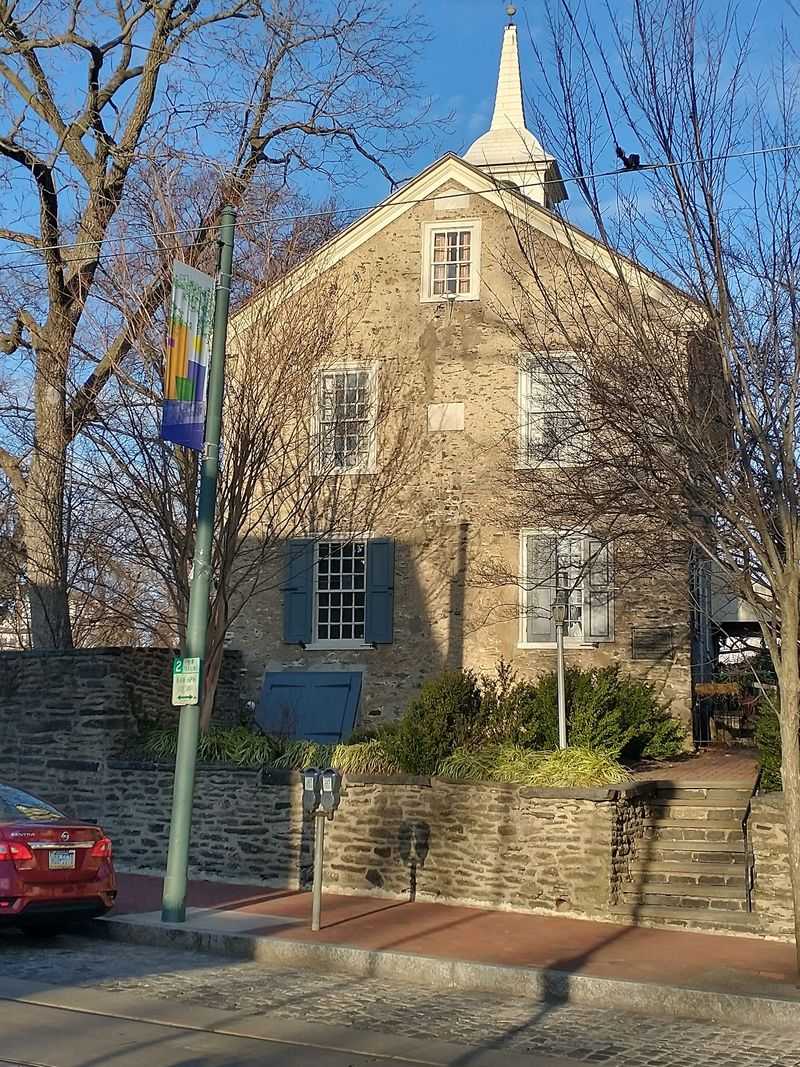
Germantown was founded in 1683 by German and Dutch settlers. That makes it one of the earliest communities in the Philadelphia area, and the history runs deep.
Just down Germantown Avenue is Cliveden, a large stone mansion that became a key spot during the Battle of Germantown. British soldiers used it as a stronghold, and it now operates as a historic site.
Nearby, the Germantown White House, also called the Deshler-Morris House, hosted President George Washington in the 1790s. It is managed by the National Park Service.
Pairing the Johnson House with another stop or two can turn a single tour into a fuller day. Guides here can often point you toward other local sites.
Each stop adds a new angle. You can move from colonial battles to the early presidency to abolition, all within a short stretch of the same avenue.
Hours at these sites vary, so check each one before planning a combined trip.
Still, the Johnson House holds a story the others cannot match. Few places let you stand where neighbors quietly chose freedom for strangers over their own safety, and that idea stays with you.
Share this story