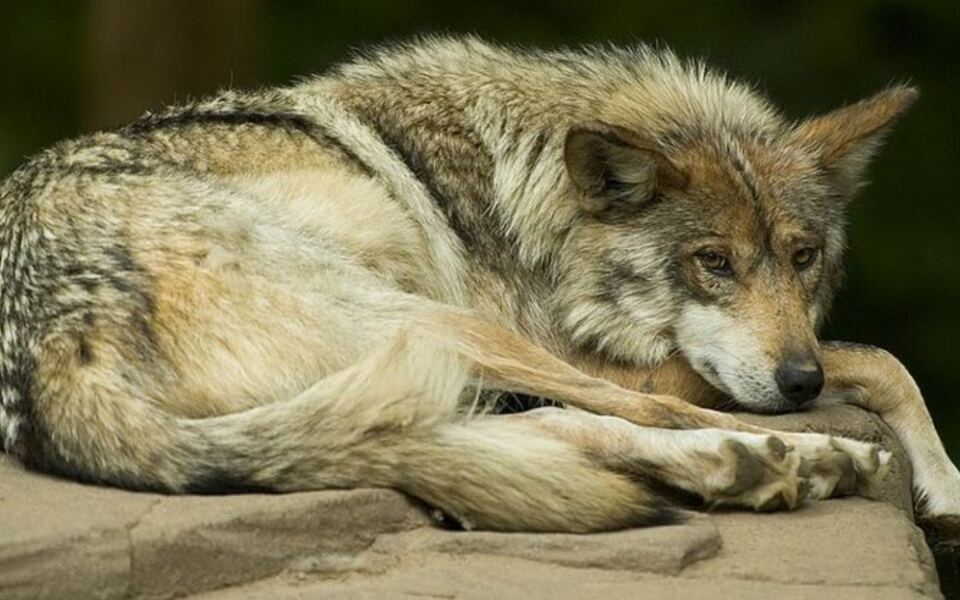
Wolves have roamed North America for thousands of years, and several large types still live in the United States today. Each one has its own home range, size, and history.
Some thrive in snowy tundra, while others survive in forests or deserts. Here is a look at 9 wolf types and populations, along with where to find them.
1. Northwestern Wolf – Alaska, Montana, Idaho, Wyoming
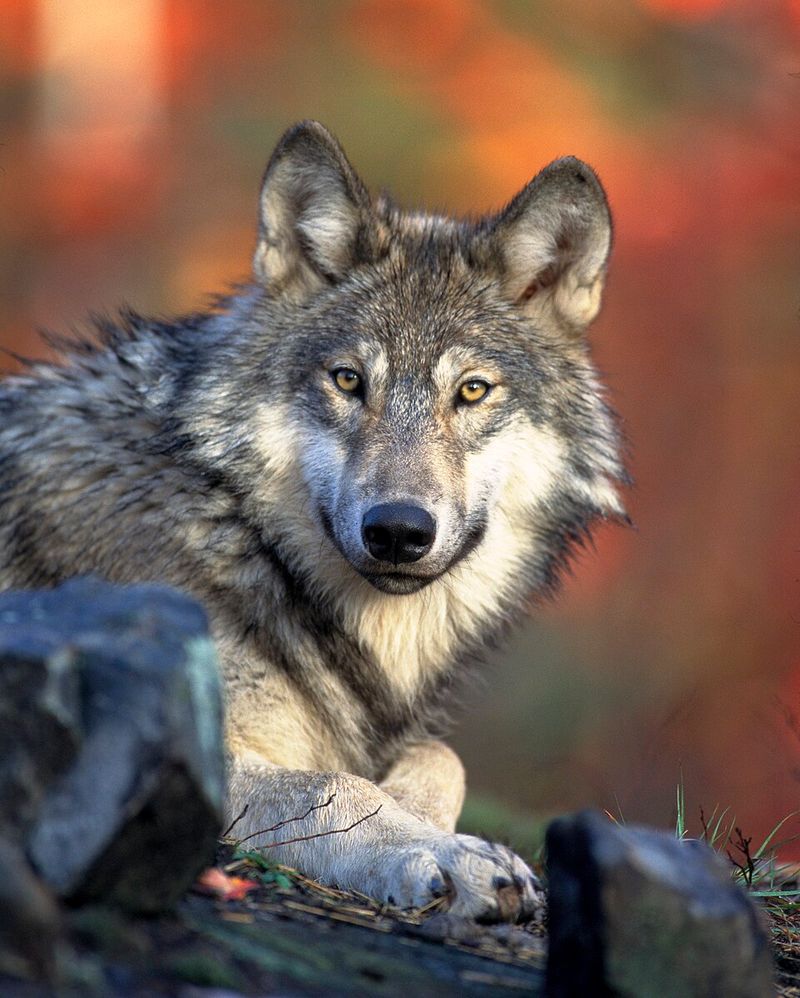
Some of the biggest wolves in the country belong to this group. Adult males can weigh over 100 pounds, and a few giants have been recorded even heavier.
Their long legs and wide paws help them move through deep snow.
The northwestern wolf, sometimes called the Mackenzie Valley wolf, ranges from Alaska into parts of the northern Rockies. Many of the wolves in Montana, Idaho, and Wyoming trace back to animals brought from Canada in the 1990s.
Packs usually have six to ten members and hunt elk, deer, and moose. Working together lets them bring down animals much larger than themselves.
Fun fact: their coats can be gray, black, or nearly white, even within the same litter. Scientists often use their size and coat color to tell them apart from smaller wolves farther south.
2. Alaskan Interior Wolf – Interior Alaska
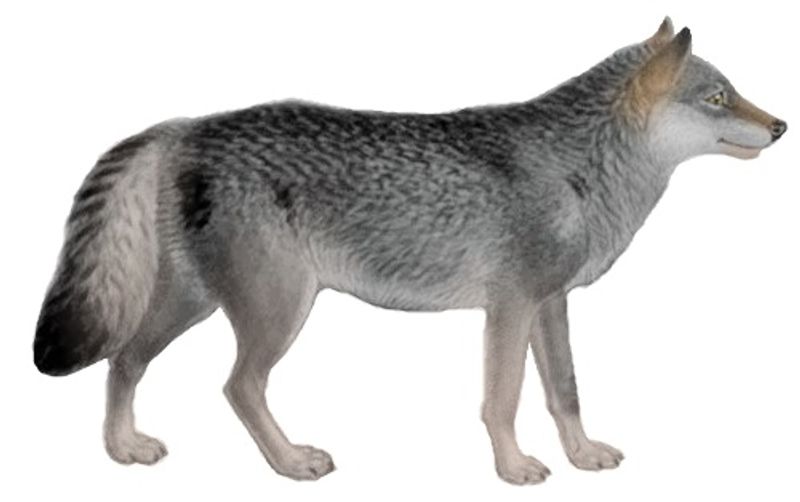
Picture a land where winter temperatures can drop far below zero. That is home for the Alaskan interior wolf, one of the largest wolves in North America.
These wolves roam the spruce forests and river valleys between the Alaska Range and the Brooks Range. Males often weigh between 85 and 115 pounds, which makes them heavy hitters in the wild.
Moose and caribou make up most of their meals. A pack may travel dozens of miles in a single day when food is hard to find.
Denali National Park is one of the best places where visitors have a chance to spot them. Park researchers have followed wolf families there for decades, helping everyone learn how these animals live, raise pups, and shape the ecosystem.
3. Alaskan Tundra Wolf – Northern Alaska
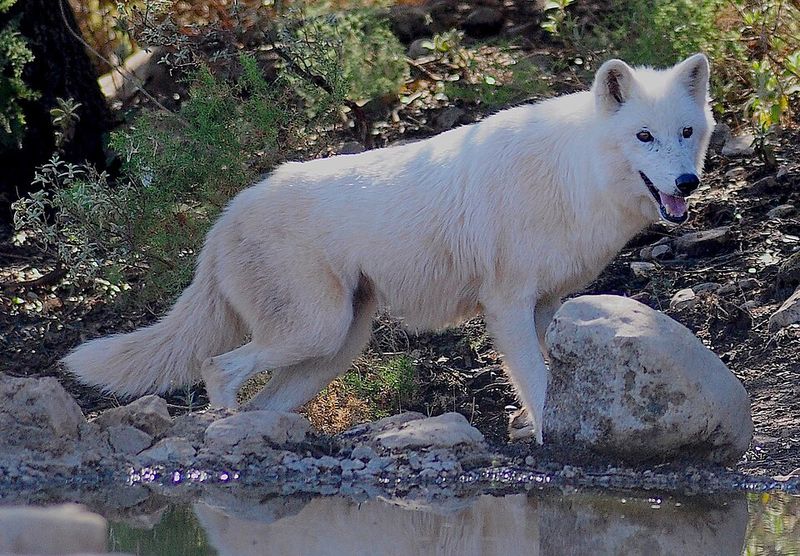
Wide open land with hardly a tree in sight is where this wolf makes its living. The Alaskan tundra wolf lives across the northern part of the state, where winters are long and food can be scattered.
Many of these wolves follow migrating caribou herds. Because the herds travel far, the wolves often cover huge territories to keep up.
Their coats tend to be lighter than forest wolves, which helps them blend into the pale landscape. Thick fur keeps them warm in strong Arctic winds.
In summer, packs settle near dens dug into sandy hillsides or riverbanks. Pups spend those months learning to hunt small prey like ground squirrels before joining the larger chase in the fall.
4. Arctic Wolf – Far Northern Alaska, Under Some Taxonomic Classifications
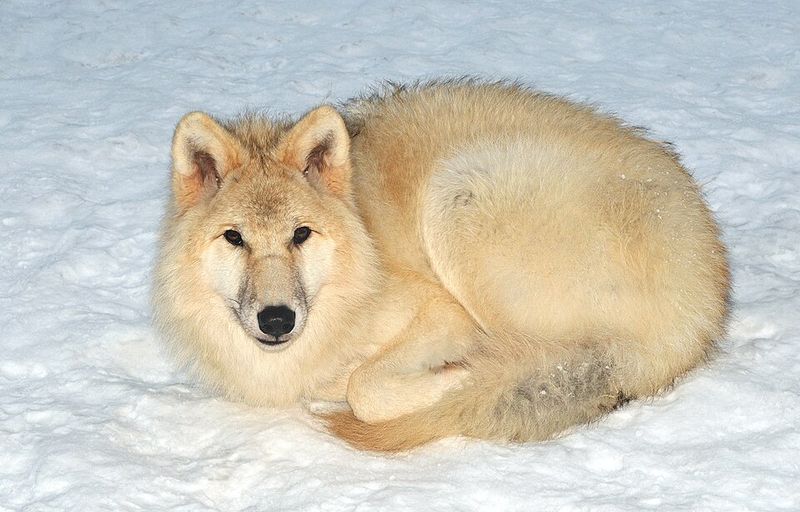
Snow-white fur and a calm, steady stare make the Arctic wolf easy to recognize. Scientists do not all agree on how to classify it, so in the United States it is usually counted only in the far northern edge of Alaska under some systems.
True Arctic wolves are better known from northern Canada and Greenland. They have shorter ears, shorter legs, and a thick coat built for extreme cold.
Food can be scarce, so these wolves may go days between meals. Muskoxen and Arctic hares are common prey in their range.
Because they rarely meet people, they often seem curious rather than afraid. That has made them a favorite subject for wildlife photographers who travel to the remote north.
5. Northern Rocky Mountain Gray Wolf – Montana, Idaho, Wyoming
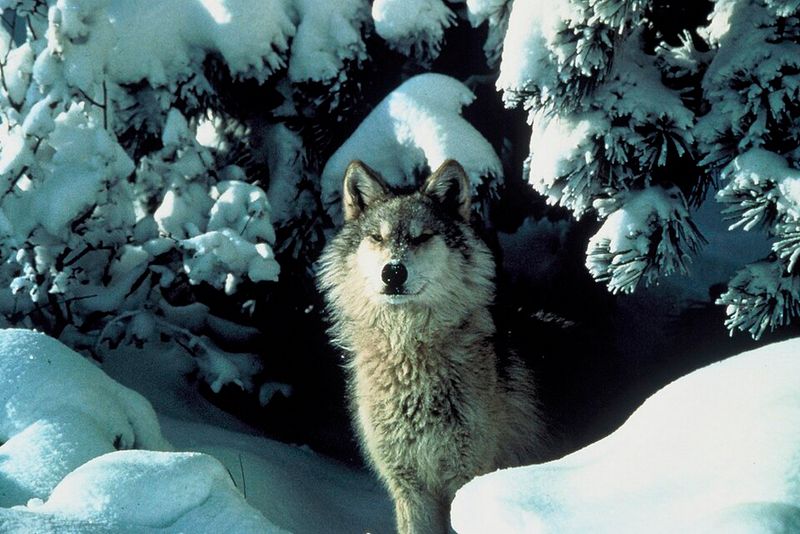
In 1995, a truck carrying wolves from Canada arrived in Yellowstone National Park, and the landscape has not been the same since. That reintroduction brought wolves back to a region where they had been wiped out.
Today the northern Rocky Mountain gray wolf lives across Montana, Idaho, and Wyoming. Adults often weigh between 80 and 110 pounds and have thick gray, black, or white coats.
Elk are their main target, and their return changed how elk move around. That allowed willows and aspens to recover along some streams, which helped beavers and birds.
Lamar Valley in Yellowstone is famous for wolf watching. Many visitors bring spotting scopes and arrive at sunrise for the best chance to see a pack.
6. Eastern Wolf – Minnesota and the Great Lakes Region, Depending on Classification
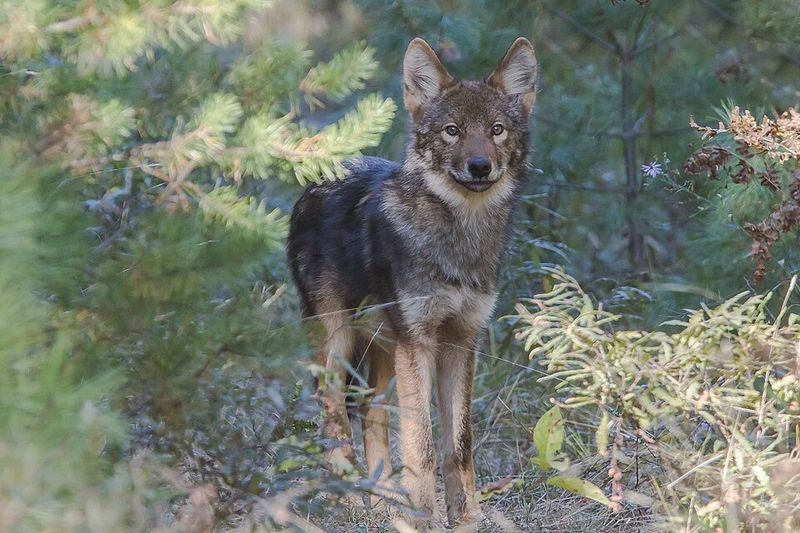
Few animals spark as much debate among scientists as the eastern wolf. Some experts say it is a separate species, while others see it as a mix of gray wolves and coyotes.
Because of that argument, its range in the United States depends on who is counting. Some classifications place it in Minnesota and parts of the Great Lakes region, while most solid populations live in Ontario and Quebec.
It is smaller than most gray wolves, often weighing 50 to 75 pounds. Its coat has reddish-brown shades along the ears and legs.
Deer are a major food source, and small packs are typical. Genetic studies keep adding new clues, so the story of this wolf is still being written.
7. Mexican Gray Wolf – Arizona, New Mexico
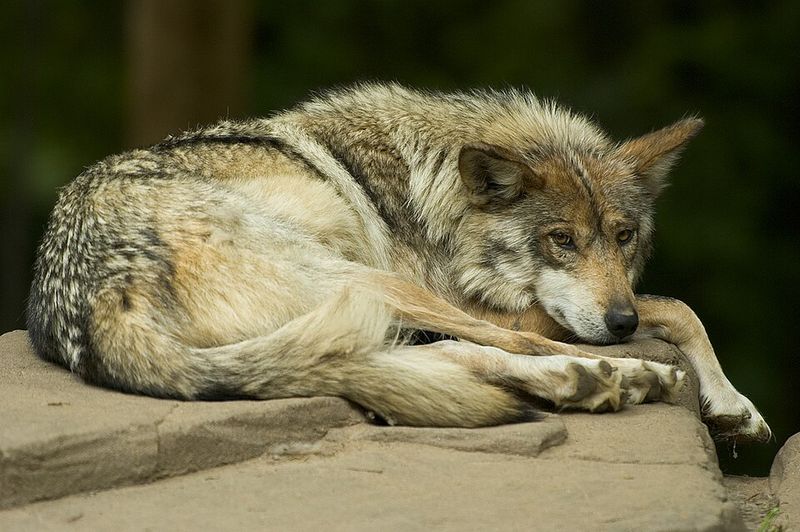
By the 1970s, the Mexican gray wolf was almost gone. Only a handful remained, and those few were brought into a breeding program to save the animal.
Releases began in 1998 in Arizona and New Mexico. Counts in recent years have shown more than 250 wolves in the wild, the highest number since the program began.
This is the smallest gray wolf in North America, usually weighing 50 to 90 pounds. Its coat blends tan, gray, rust, and black.
These wolves live in mountain forests and grasslands of the Southwest, hunting elk, deer, and smaller prey. Ranchers and wildlife managers work together on ways to reduce conflicts with livestock as the population grows.
8. Alexander Archipelago Wolf – Southeastern Alaska
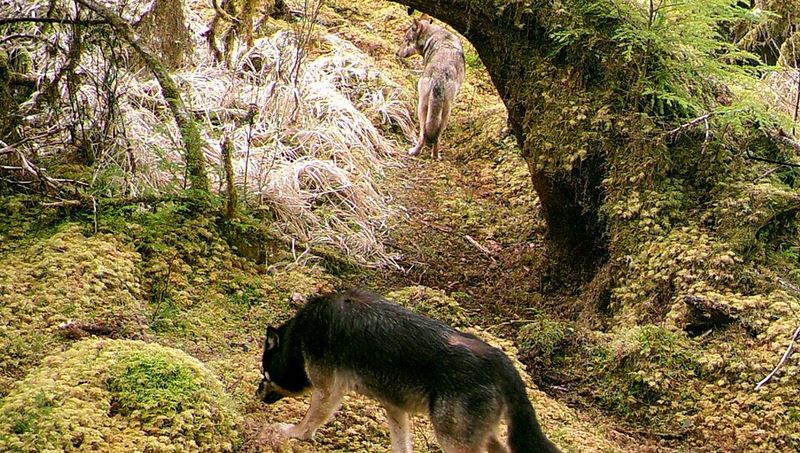
Few wolves live where salmon streams, tall rainforest, and ocean tides meet, but this one does. The Alexander Archipelago wolf lives on the islands and coastal mainland of Southeast Alaska.
It is a bit smaller than interior wolves, with a coat that is often dark and short. That fits the wet, mild climate of the Tongass National Forest.
Sitka black-tailed deer are a key food, though wolves also eat salmon, beavers, and even seafood found along the shore. Old-growth forest gives deer shelter in winter, which helps wolves too.
Wildlife managers watch this population closely because logging and hunting can affect it. Studies of its numbers and habitat have been important in debates about protection.
9. Red Wolf – North Carolina
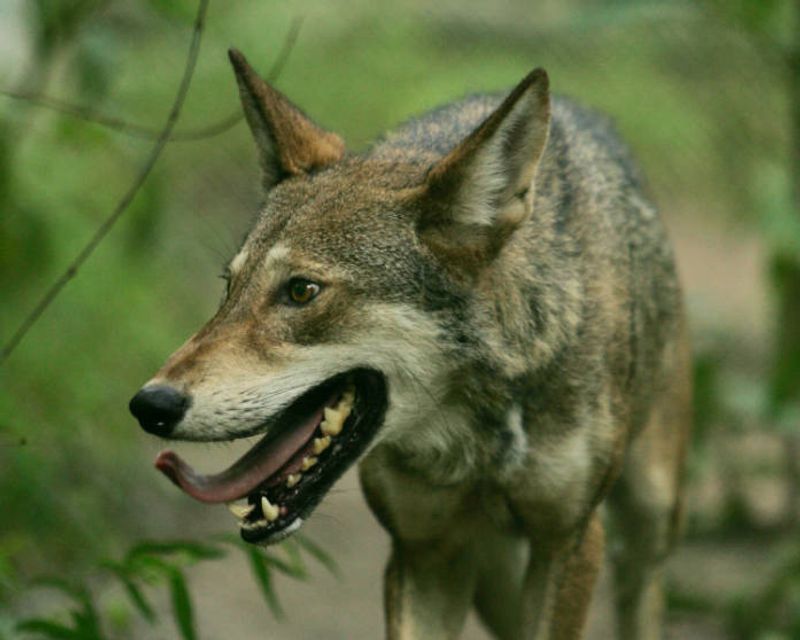
Among the rarest wolves on Earth, the red wolf survives in the wild in just one place: eastern North Carolina. By 1980 the species was declared extinct in the wild, and a small group was saved through captive breeding.
Releases started in 1987 at Alligator River National Wildlife Refuge. Today, only a few dozen wolves live free there, while hundreds more are cared for in zoos and breeding centers.
This wolf is slimmer than a gray wolf, usually weighing 50 to 80 pounds. Its coat shows cinnamon and tawny shades, especially on the legs and ears.
It hunts raccoons, rabbits, and white-tailed deer in marshes and pine forests. Protecting it takes careful work against threats like vehicle strikes and interbreeding with coyotes.
Share this story