Some of the most surprising places in Oklahoma hide at the end of a quiet country road, behind a plain gate you could easily drive past. I went looking for a simple animal outing and found a working rescue full of tigers, wolves and other exotic animals with real comeback stories.
It is not a zoo, and it no longer offers public tours, but there is still a way inside for people willing to roll up their sleeves. Here is the honest scoop on what makes this place special and how you can actually be part of it.
A Working Rescue on the Edge of Broken Arrow
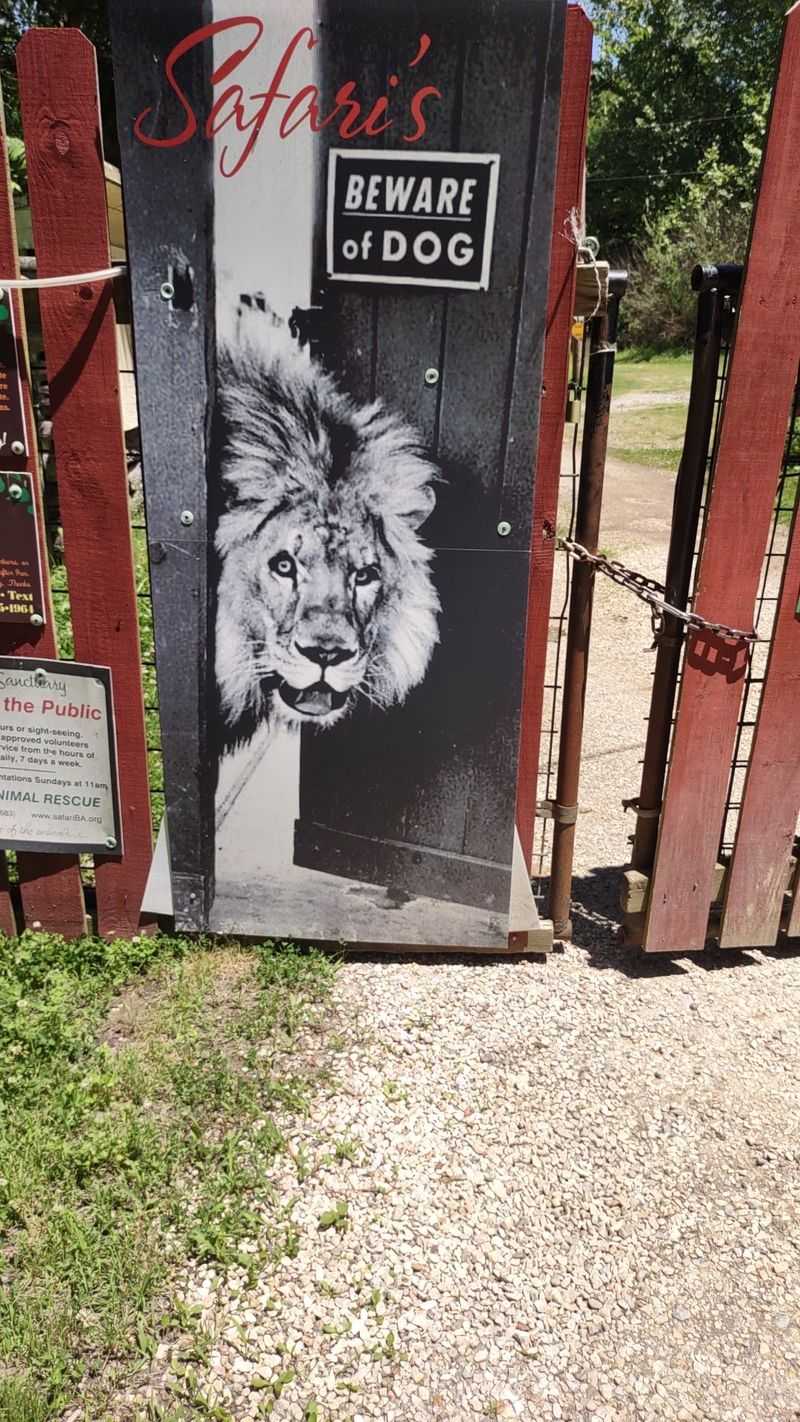
Out where 58th Street South rolls through the countryside near Broken Arrow, a hand-painted sign hints at something wild. Behind the gate sits Safari Sanctuary, a private rescue for exotic animals that never belonged in a backyard or a basement.
The full name on its listing says it all: Safari Sanctuary. Working Rescue.
Not a zoo. That last part matters a lot.
There are no ticket booths, snack stands or gift shops here, just enclosures, feed buckets and animals that needed somewhere safe to land.
Visitors who have spent time on the grounds describe a beautiful campus with a safari feel, plus tigers, wolves and an impressive mix of unusual creatures. Many people find it while searching for family outings online, which leads to some confusion at the gate.
So let’s be clear from the start. The sanctuary closed to the general public a few years ago, and today it runs on the work of its owner, staff and volunteers.
If you show up hoping for a casual stroll, you will likely be turned away.
Still, the story of this spot is worth knowing, and the volunteer door remains open for anyone with time, patience and a soft spot for animals in need.
Roots Planted in the 1990s
Picture northeast Oklahoma in the 1990s, when keeping an exotic animal at home seemed exciting to some folks. Plenty of those animals grew bigger, louder and harder to manage than their owners ever imagined.
That is roughly when Safari Sanctuary got its start. According to longtime supporters, the rescue has been running nonstop since it opened in the 90s, taking in creatures that had nowhere else to go.
For about 18 years, the gates were open to the public. Families wandered the paths, school-age kids volunteered in summer, and birthday parties filled the pavilion.
Some visitors from those years still talk about the guides who shared animal facts along the way.
Then the world changed. The owner has explained that when covid hit, the steady stream of helpers slowed down.
The team chose to focus every bit of energy on feeding, cleaning and caring for the rescues instead of hosting crowds.
It was a practical choice, not a dramatic one. With limited hands, the animals come first, and that has been the guiding rule since day one.
Knowing this backstory helps explain the place today. It is less an attraction and more a long-running promise kept, one feeding at a time.
Lori and the People Behind the Feed Buckets
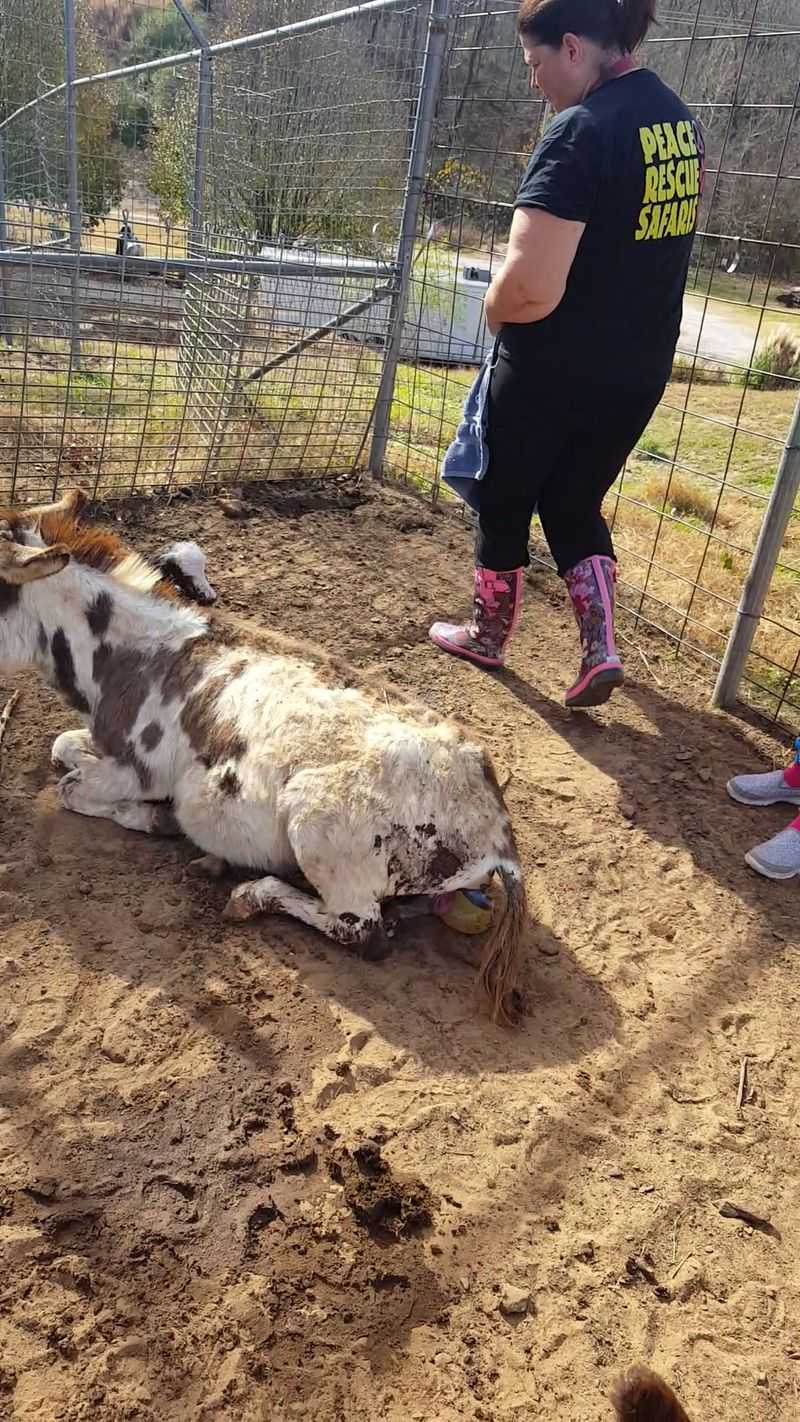
Every rescue has a heartbeat, and here it has a name: Lori. Supporters describe her as a woman who works incredibly hard every single day and has done so since the sanctuary began.
People who have volunteered alongside her say there may not be a more dedicated animal lover around. One former young volunteer, who helped out with a grandmother years ago, wrote that Lori simply does her best for the animals, even when the to-do list never seems to end.
She is not doing it alone, though. Visitors frequently mention knowledgeable, passionate employees and helpers who share facts and stories about each resident.
Names like Stacy pop up in volunteer memories as patient teachers.
Recent guests who met the owner call it one of their best experiences ever. Others note the wonderful connection the staff seems to have with the animals in their care.
There is also a playful side. When one happy visitor praised the campus, the owner replied with a single word: chuffs.
That is the friendly greeting sound tigers make, a little inside joke from someone who clearly speaks fluent big cat.
Behind every healthy animal on this property stands a small crew that refuses to quit.
Tigers, Lions and the Famous Chuff
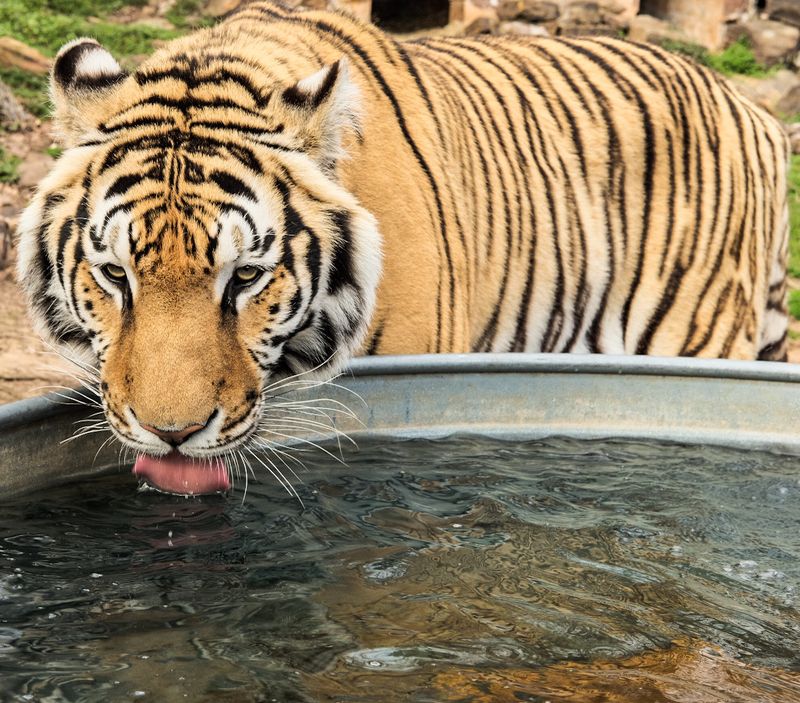
Ever heard a tiger say hello? It sounds like a breathy, puffing snort called a chuff, and at this sanctuary it is practically the official greeting.
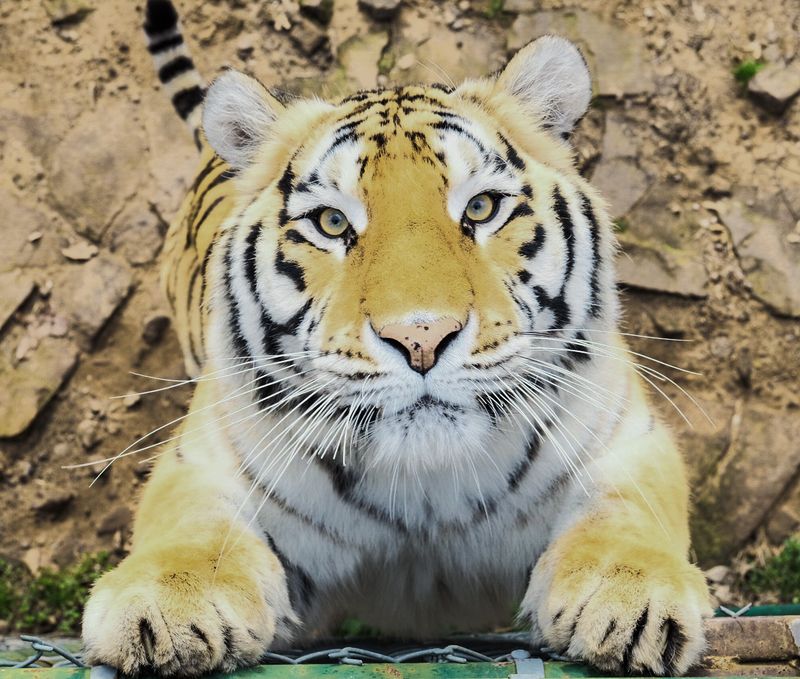
Tigers are among the most talked-about residents here. Visitors mention them again and again, along with lions and other big cats that once lived in situations far from ideal.
Many of these animals were bought by people who thought owning something exotic would be fun, only to learn how much care a large predator really needs.
Here, the cats get roomy enclosures, steady meals and people who know their habits. Guests over the years have described the animals as healthy and well looked after, which is exactly what a rescue hopes to hear.
Back when overnight stays were possible, one family remembered lying in a cabin and hearing lions and tigers calling at dusk and dawn. That kind of sound stays with you for a long time.
Fun fact: tigers cannot purr the way house cats do, so chuffing is their way of showing they feel friendly and relaxed. When a rescued tiger chuffs at its caretaker, you know trust has been earned.
Wolves That Sing the Sun Up
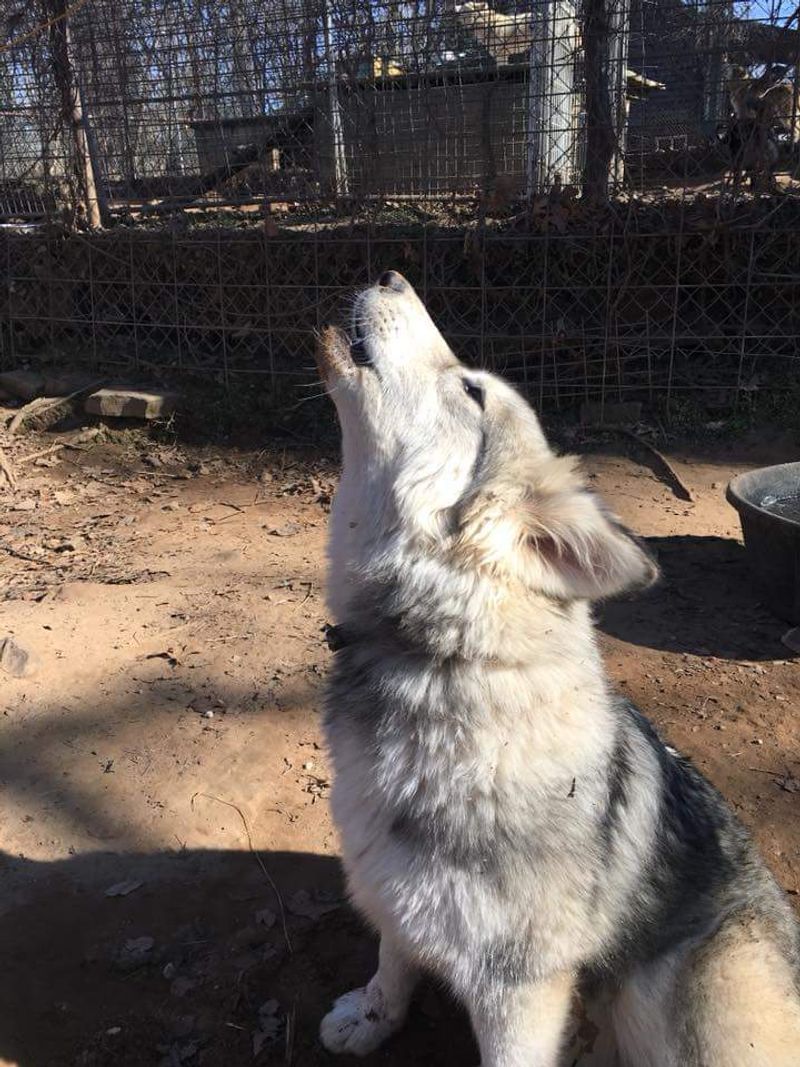
Close your eyes and imagine a chorus of howls rolling across an Oklahoma field just as the sky turns pink. For guests who once stayed overnight, that was a real memory, not a movie scene.
Wolves hold a special place at Safari Sanctuary. One former volunteer said they were her personal favorite, the animals she felt the deepest connection with during her time helping out.
It is easy to see why. Wolves are social, watchful and surprisingly expressive once they get comfortable around familiar people.
Like the big cats, many wolves and wolf-type animals end up in rescues because private owners could not handle them. They need space, structure and calm caretakers, not leashes and living rooms.
Visitors over the years have mentioned seeing wolves on the grounds and hearing them join in with the lions and tigers at the edges of the day. Few experiences in the state feel quite so wild without leaving the suburbs of Tulsa.
Did you know? A wolf howl can carry for miles across open country.
So if you ever volunteer here early in the morning, keep your ears open. The sanctuary might greet you before anyone says a word.
Second Chances for Former Exotic Pets
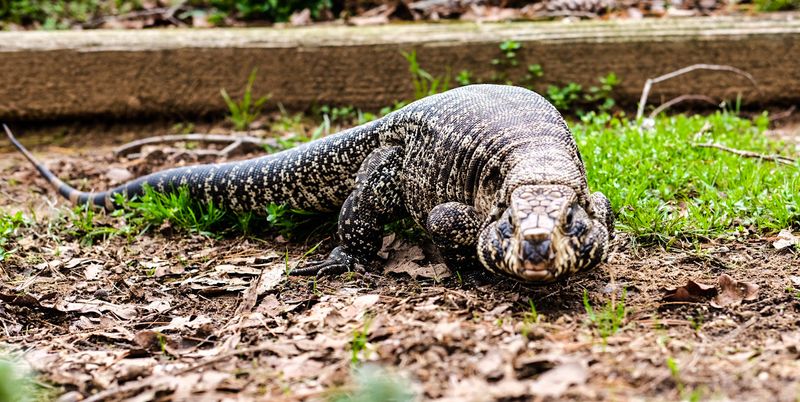
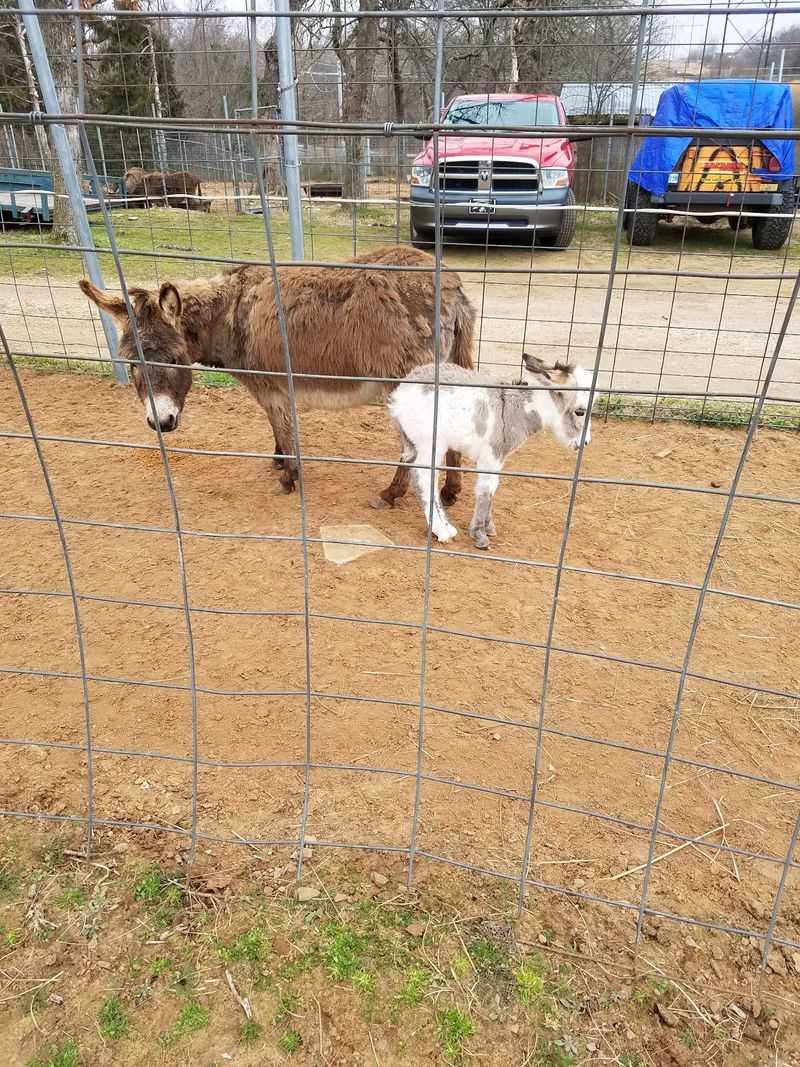
Not every resident here has fangs and a roar. The variety of animals is one of the things people rave about most, with guests calling it an absolutely stunning mix of special and unique creatures.
Over the years, visitors have mentioned kangaroos, snakes and alligators alongside the big cats and wolves. One supporter described the sanctuary as a home for animals that were purchased from individuals who thought it would be fun to have something exotic.
Reality usually arrived fast, along with vet bills and feeding schedules.
Each animal tends to come with a backstory. Some were abandoned, others outgrew their homes, and many simply needed someone who understood them.
Volunteers say these heartfelt stories are part of what makes time on the property feel meaningful.
The sanctuary even hears from neighbors with smaller surprises. One person once reached out about a sweet ferret found in a box by a ditch, hoping for help.
Requests like that show how the community sees this place: as a soft landing when nobody else will step up.
Owners regularly describe the mission plainly. It is a wonderful place for any animal in need of a home, whatever its size or shape.
Volunteering, the Real Way Through the Gate
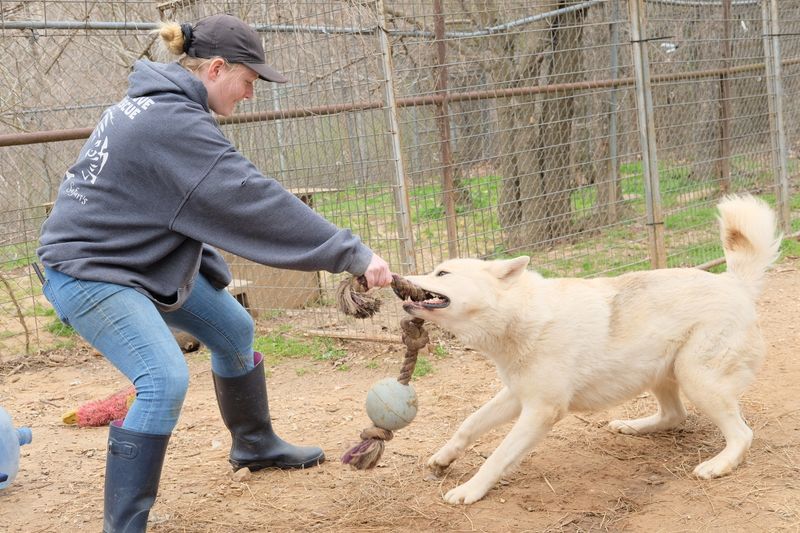
Here is the twist most people miss: you cannot buy a ticket, but you can earn a spot. Volunteering is the single most talked-about topic among people who know this sanctuary, and for good reason.
The rescue depends on helpers to keep things running. Folks with extra time on their hands are welcome to reach out, and the owner has warmly invited former volunteers to come back and pitch in.
Community service workers also help with daily chores.
What does a shift look like? Expect early mornings, feeding routines, cleaning and plenty of walking.
One family shared that their kids showed up around 7:30 in the morning, several days a week, during summer break. That is not a casual commitment.
The payoff, though, can be huge. One volunteer called it a spiritual opportunity.
Others talk about bonding with particular animals and seeing firsthand what it truly takes to keep large exotic creatures healthy and content.
Before you sign up, call or check the website to ask about current needs and age guidelines. Show up ready to work, listen closely and follow instructions.
The animals rely on volunteers doing things the right way, every time.
Lessons From a Check Sheet and a Lot of Hay
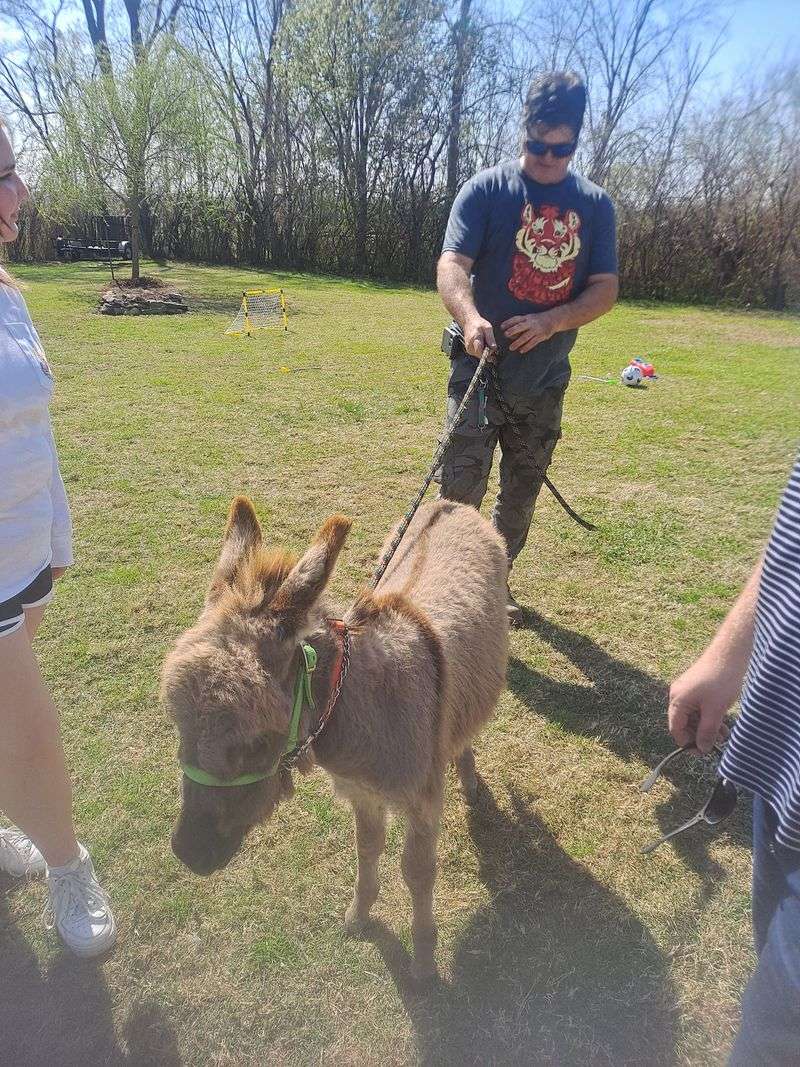
Clipboards may not sound thrilling, but at this rescue they are a big deal. A former volunteer recalled a very specific check sheet with clear instructions on what to do, which animals eat what, and where to find answers.
Young helpers in particular seem to soak up a lot. One parent said both of her 13-year-old daughters volunteered for almost a year, were shown what needed doing at the start, and learned a great deal from Lori, Stacy and the other volunteers.
Another former helper described learning animal facts along with the daily routine.
Not every experience has been rosy, to be fair. Years ago, one parent felt her kids were not trained well enough and were corrected harshly.
A longtime volunteer later offered another view, explaining that the workload is heavy and mistakes around big animals matter.
The takeaway is simple. Working here is real responsibility, not a field trip.
Ask questions, double-check the instructions, and be ready for direct feedback.
Do that, and you will walk away knowing more about exotic animal care than most people ever will. Plenty of past volunteers say those lessons stuck with them for years.
Birthday Parties, Cabins and Days Gone By
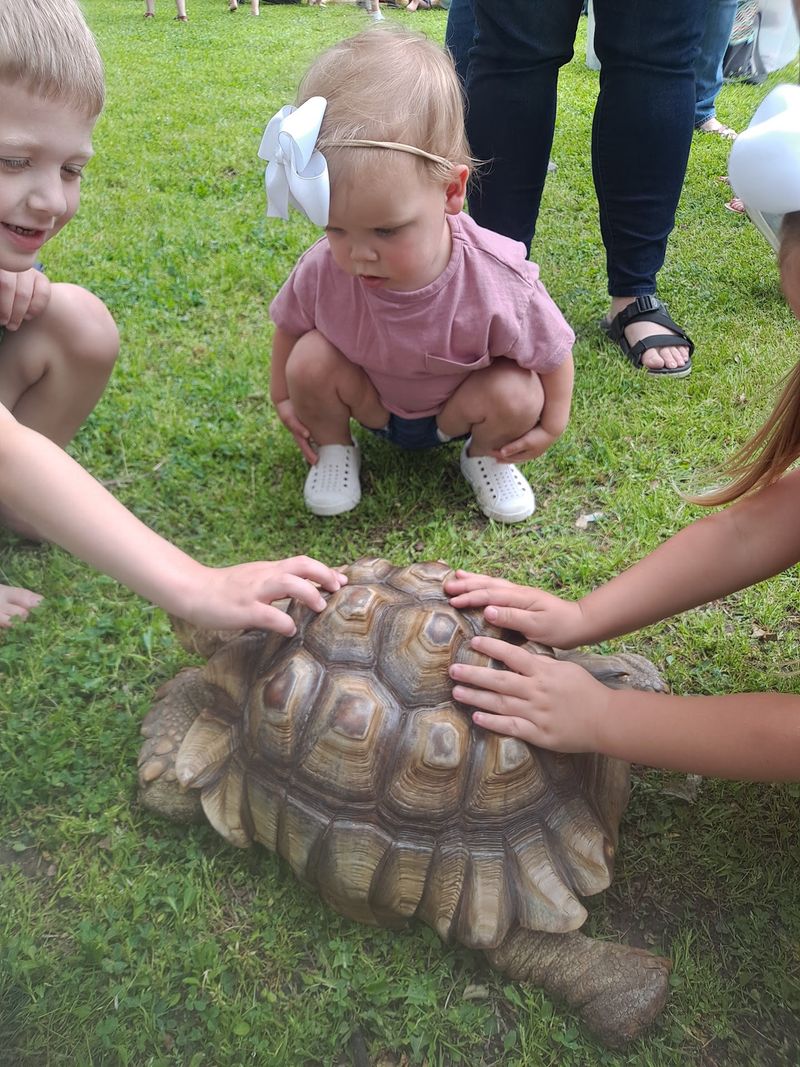
Long before the gate closed to drop-in guests, Safari Sanctuary was a favorite outing for plenty of Oklahoma families. Memories from those years read like a scrapbook.
One parent booked the sanctuary for a son’s sixth birthday and called it a hit, praising a friendly crew that even brought out extra animals. Another family stayed in an on-site cabin and loved feeding the big cats, holding snakes and alligators, and hearing wolves and tigers at dawn.
Guided walks were part of the fun too. A visitor from a few years back mentioned a guide who knew the animals inside and out and taught the group a lot.
Kids from older parties remembered holding kangaroos, which is not something you do every weekend.
Of course, not every party went smoothly. Some past guests had mixed experiences with reservations and expected a petting zoo, which the sanctuary never truly was.
Those days are now part of the story rather than the schedule. Parties, cabin stays and public walk-throughs are not the current setup.
Still, these memories explain why so many locals feel a lasting attachment to this patch of land and the animals that call it home.
Why the Doors Closed to Casual Visitors
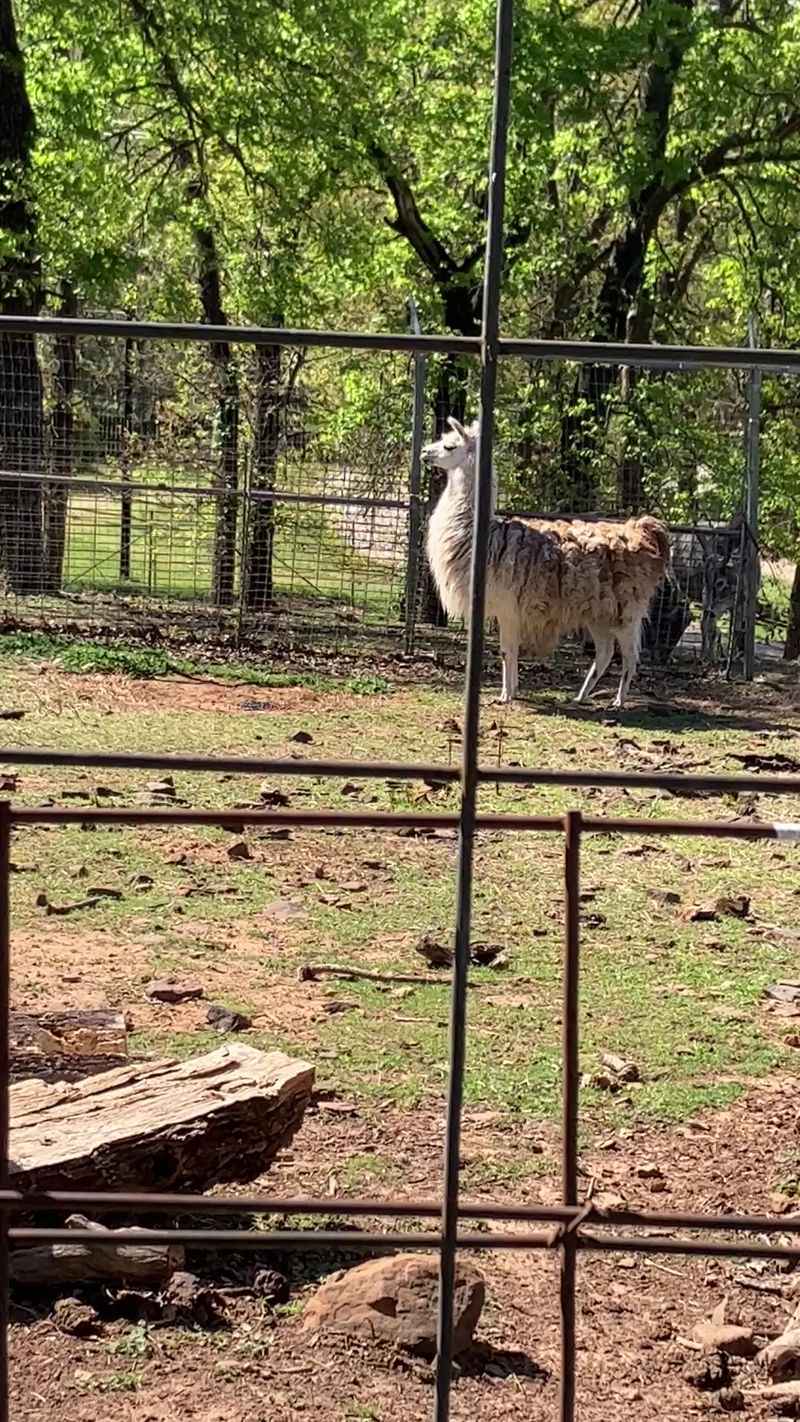
Frustration at the front gate is a common thread in online chatter, so let’s tackle it head-on. People see a painted sign, follow the arrows, and then learn the sanctuary is not open to the public.
The owner has addressed this directly. The smaller signs along the way say not open to public inside the arrow, though some drivers miss them.
She has also explained that the place welcomed visitors for 18 years, but after covid the volunteer help shrank to just enough to care for the animals and new rescues.
Online listings can make things more confusing. The sanctuary does not control how it pops up in map searches, and it has even received mix-ups meant for a state park elsewhere.
Some former volunteers actually prefer the quieter setup. One shared that without crowds, the animals get to be themselves and live peacefully, with only occasional human contact.
So, respect the gate. If you are curious, call ahead or visit the website rather than driving out on a whim.
The team is small, the chores are big, and every minute they spend at the gate is a minute away from the animals.
Hours, Phone and Getting There
Planning to help out? A few practical details will save you a wasted trip.
The sanctuary sits at 26881 58th St S in Broken Arrow, OK 74014, out in the countryside southeast of the Tulsa area. Expect rural roads and a modest entrance rather than a big tourist parking lot.
Listed hours run from 8 AM to 2 PM every day of the week, Monday through Sunday. Those hours reflect when the team is working, not open visiting times, so do not treat them as an invitation to drop by.
The best first step is a phone call to +1 918-357-5683. You can also learn more at safarisanctuary.org, where the rescue shares information about its mission.
Ask about volunteer openings, what training looks like and any age or schedule requirements.
A few friendly tips for anyone approved to help:
Wear sturdy shoes and clothes that can get messy. Bring water, especially during hot Oklahoma summers, and arrive on time since animal routines start early.
Donations have also been welcomed over the years, with past guests leaving money to help feed the animals. If volunteering is not possible for you, asking how to support the rescue is a kind alternative.
A Wild Oklahoma Secret Worth Respecting
Some Oklahoma treasures are meant to be shared with crowds. Others are meant to be protected, and Safari Sanctuary falls firmly into the second group.
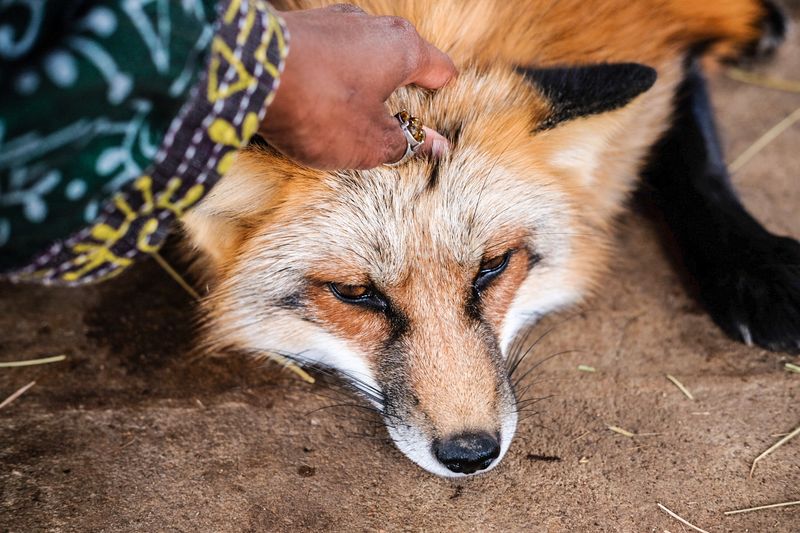
For decades, this rescue has given tigers, wolves and a parade of unusual animals a calmer life than they would have had otherwise. The people running it are not chasing fame or ticket sales.
They are hauling buckets, checking water and keeping promises to animals that were let down before.
If you want an easy day trip with petting and photo ops, this is not the place, and that is okay. But if you have spare time, steady hands and a heart for wildlife, the volunteer route offers something rare: real hours spent among big cats and wolves, guided by people who know them best.
Many past helpers say the experience changed how they see exotic pets forever. Kids learned responsibility.
Adults found purpose. A few simply found a favorite wolf.
So call first, ask good questions and follow the rules. Whether you volunteer, donate or just spread the word that exotic animals are not toys, you become part of the story.
That is a pretty special way to experience one of Oklahoma’s wildest hidden corners.
Share this story