In 1961, a hit song lived on a 45-rpm record that cost under a dollar. Teens carried transistor radios to the beach, fed dimes into jukeboxes, and watched American Bandstand after school to see who was hot that week.
The Billboard Hot 100 was only a few years old, and it was a wild mix. Rock and roll shared space with doo-wop, ballads, dance crazes, and even a polka-loving bandleader.
A song could top the charts for a single week and still stick in your head for sixty years. That is the real test of a hit.
Some of the songs on this list launched famous record labels and songwriting careers. Others gave the world dance steps, catchy nonsense syllables, and choruses that still pop up at weddings and ballgames.
Each one reached the No. 1 spot during that busy year, and each has a story worth knowing. You will learn who wrote them, how long they stayed on top, and the odd facts behind the music.
So grab a pencil and keep score. Count how many of these tunes you can still sing without peeking at the lyrics.
1. Will You Love Me Tomorrow by The Shirelles
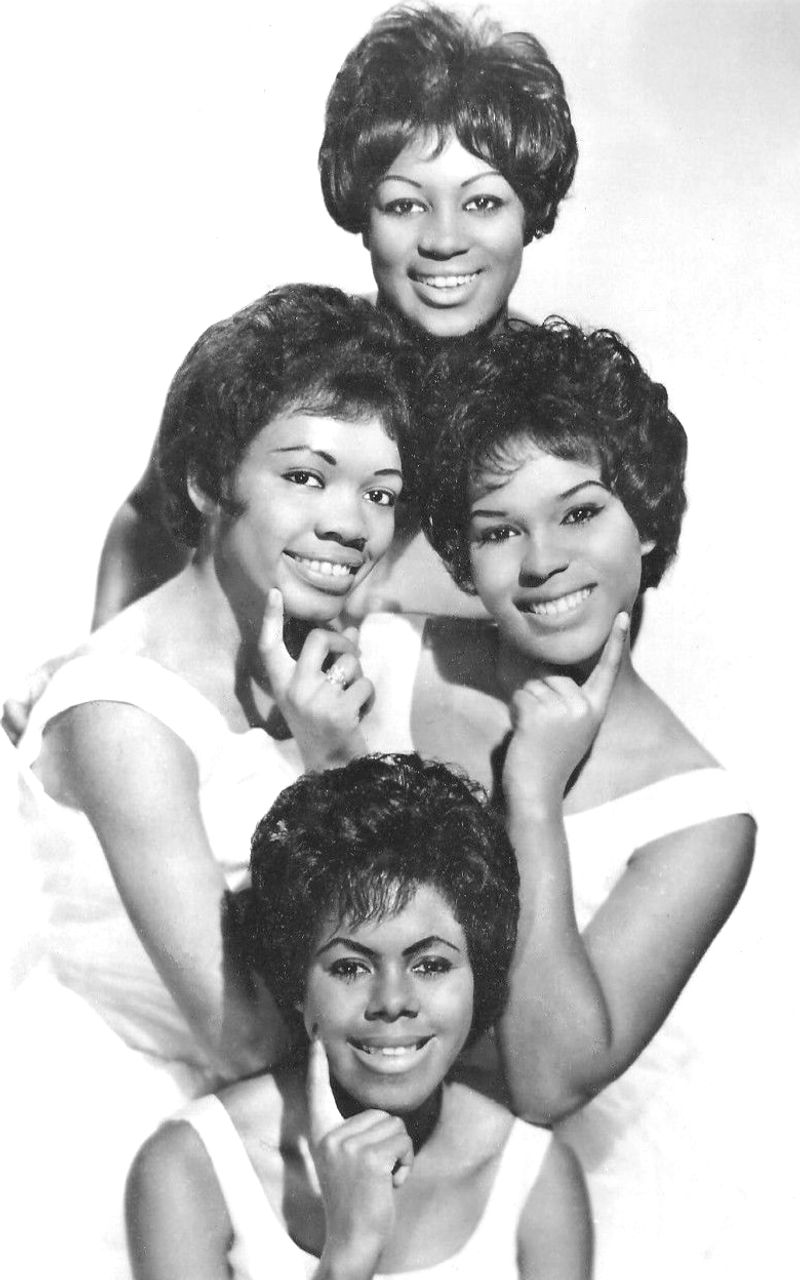
Chart history got a new chapter in January 1961. The Shirelles became the first Black girl group to reach No. 1 on the Billboard Hot 100.
Their song came from a young married couple, Gerry Goffin and Carole King. King even played the timpani drums on the recording.
Not bad for a songwriter who was still a teenager when she wrote her first hits.
Lead singer Shirley Owens almost turned it down. She reportedly thought the demo sounded too country.
Producer Luther Dixon added strings and talked the group into giving it a try.
The lyrics asked an honest question about whether love would last. Teens connected with that worry right away.
The single sold over a million copies and later joined the Grammy Hall of Fame. It also helped kick off the girl-group sound that filled radio for years.
2. Surrender by Elvis Presley
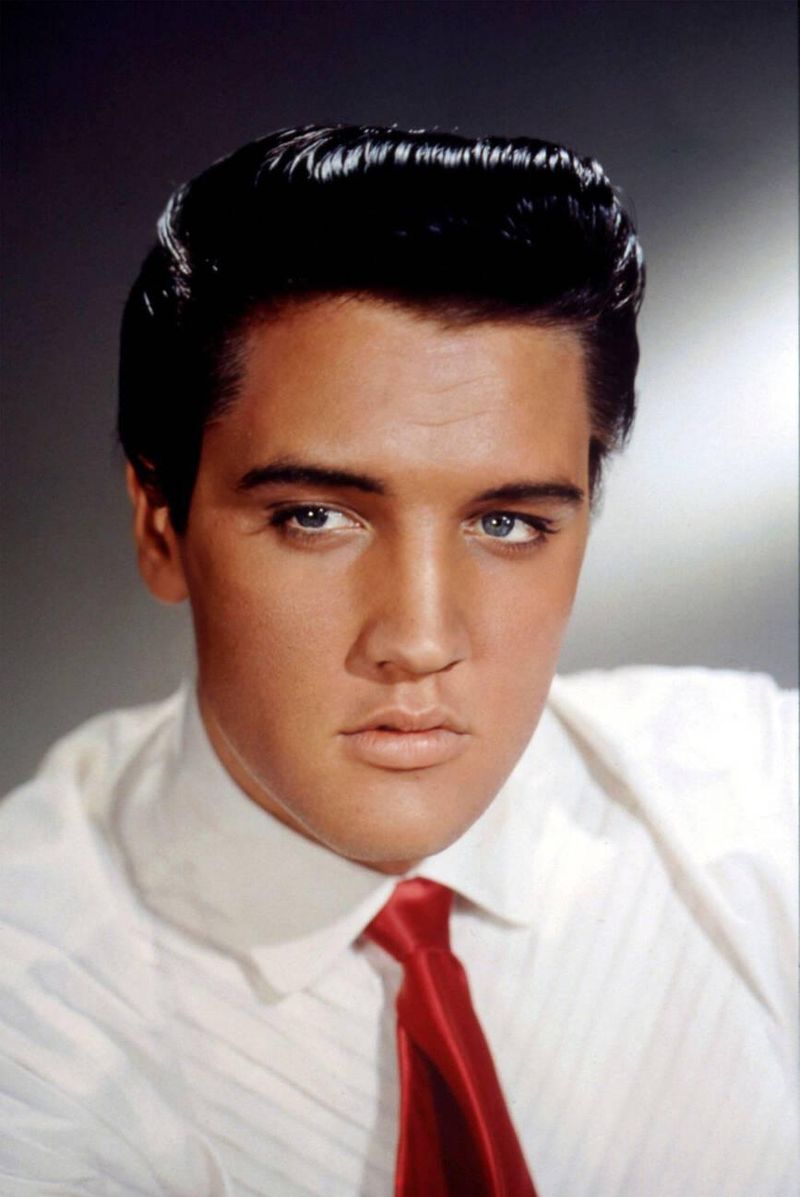
Fresh out of the Army, Elvis Presley was on a serious winning streak. Surrender became his fifth straight No. 1 single in March 1961.
The melody was not new. It came from Torna a Surriento, an Italian ballad from 1902.
Songwriters Doc Pomus and Mort Shuman wrote fresh English lyrics for it.
Elvis had already scored with It’s Now or Never, another song built on an Italian tune. Surrender continued that big, operatic style.
The song is short, under two minutes. Yet it ends with a huge high note that shows off his vocal power.
It reached No. 1 in the United States, Britain, and Australia. Later it earned Platinum certification.
Fans saw a new side of Elvis here. The hip-shaking rocker was turning into a polished ballad singer for every age group.
3. Calcutta by Lawrence Welk
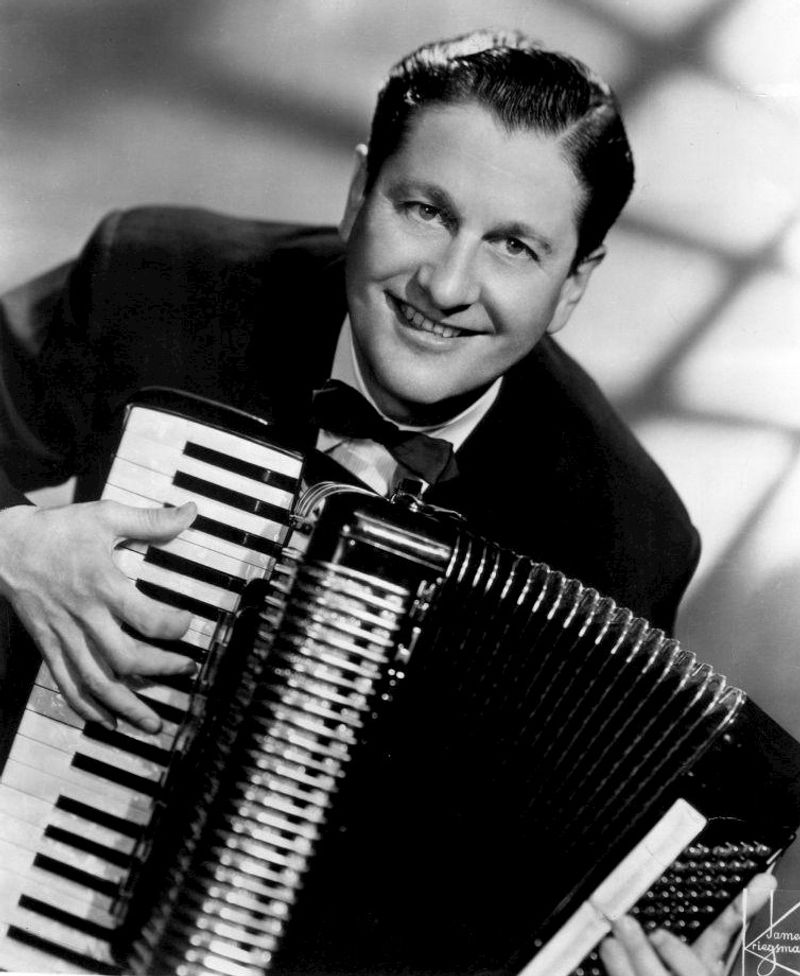
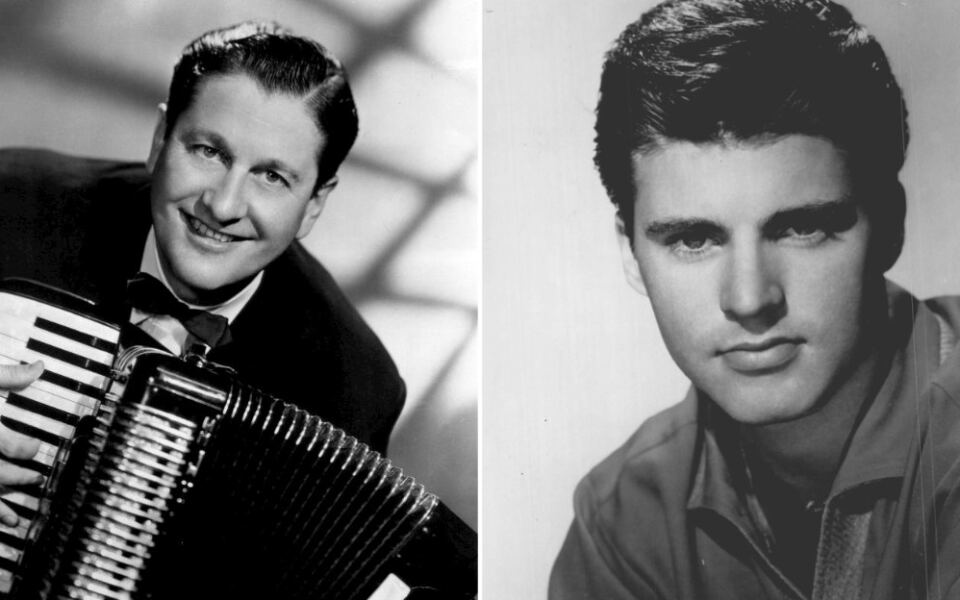
Picture the shock on teenage faces when a bandleader in his late fifties beat the rock stars. Lawrence Welk did exactly that in February 1961.
His instrumental Calcutta reached No. 1 and stayed there for two weeks. It became his only Hot 100 chart-topper.
Welk was already famous on TV. The Lawrence Welk Show was a Saturday night habit for millions of families, and his bubbly style earned the nickname champagne music.
Calcutta had no words at all. A bright harpsichord melody carried the whole tune, which was unusual for pop radio.
Its success proved something interesting about 1961. Parents and grandparents still bought records too, and their choices could top the charts.
So if you can hum this one, you may have spent some Saturday nights in front of the family television set.
4. Runaway by Del Shannon
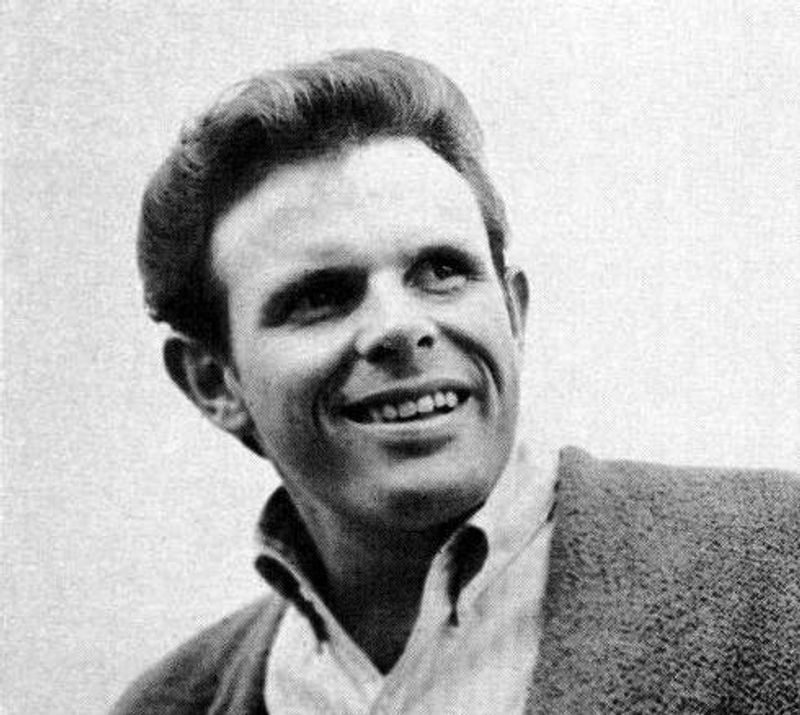
A carpet salesman from Michigan and his keyboard-tinkering bandmate wrote one of the biggest songs of the decade. Del Shannon and Max Crook created Runaway together.
Crook built his own instrument for it. He called it the Musitron, a modified clavioline with a sound nobody had heard on pop radio.
That solo became the hook everyone remembered. Shannon’s high falsetto cries added even more drama.
Runaway reached No. 1 in April 1961 and held the top spot for four weeks. Billboard later ranked it the fifth biggest song of the year.
It also topped the British charts for three weeks.
Musicians still study this record. It showed that electronic sounds could belong in rock and roll, years before synthesizers became common.
Try singing the line about wondering what went wrong. Most people can.
5. Travelin’ Man by Ricky Nelson
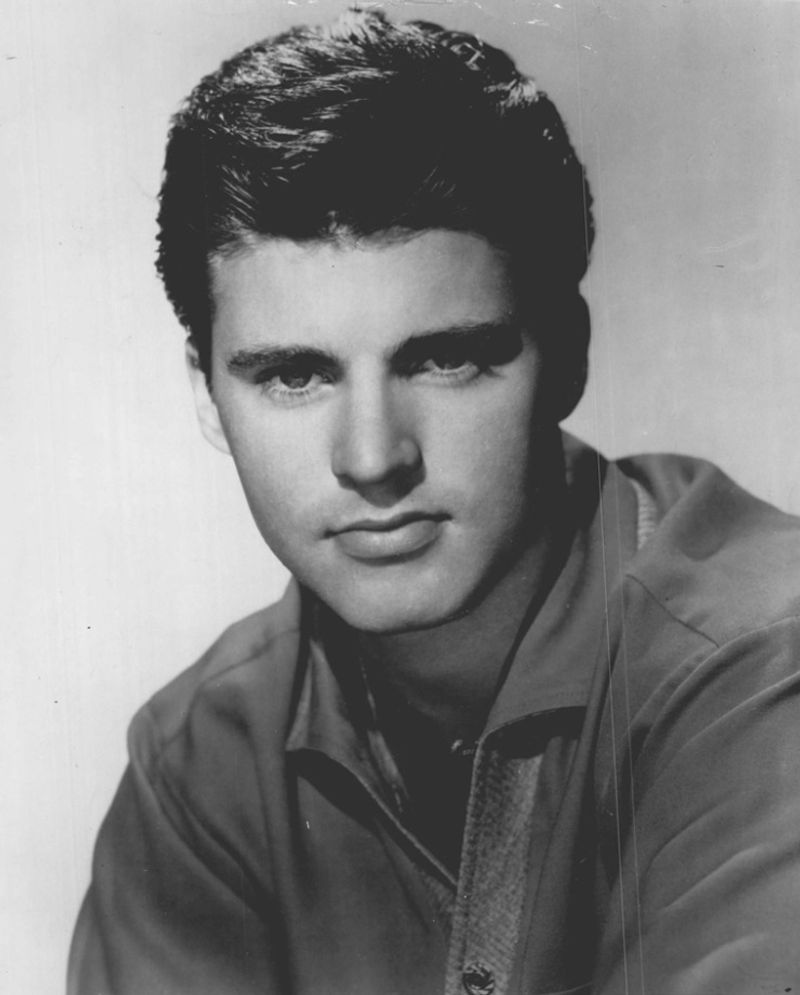
Millions of Americans watched Ricky Nelson grow up on TV. The Adventures of Ozzie and Harriet starred his real family and made him a household name.
In May 1961, he took Travelin’ Man to No. 1. Jerry Fuller wrote it about a fellow with sweethearts in Mexico, Alaska, Hong Kong, and beyond.
Fuller first pitched it for Sam Cooke. Cooke’s team passed, and Nelson grabbed it.
The family show gave the song a clever boost. Producers paired it with footage of the places in the lyrics, and some historians call this an early music video.
Here is a bonus fact. The flip side, Hello Mary Lou, became a hit as well.
Two hits on one record was a pretty good deal for under a dollar.
6. Running Scared by Roy Orbison
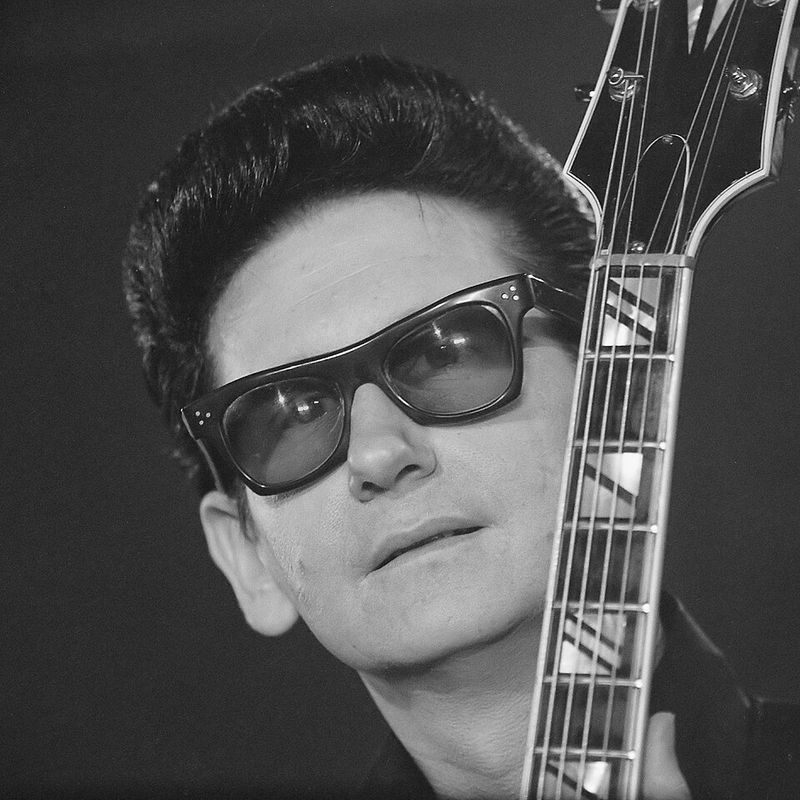
Ten minutes. That is reportedly how long it took Roy Orbison and Joe Melson to write Running Scared.
The quick work paid off. The song reached No. 1 in June 1961, giving Orbison his first chart-topper.
It breaks the usual pop rules. There is no repeating chorus.
The music builds steadily, like a march, as the singer worries his old flame will steal his girlfriend.
The ending is the famous part. Orbison hits a huge final note in full voice, and the story ends happily.
He first tried singing it softly, but the band drowned him out. So he belted it instead.
The single sold more than a million copies in the United States. Orbison soon became known for this operatic style, with later hits like Crying and Oh, Pretty Woman.
7. Moody River by Pat Boone
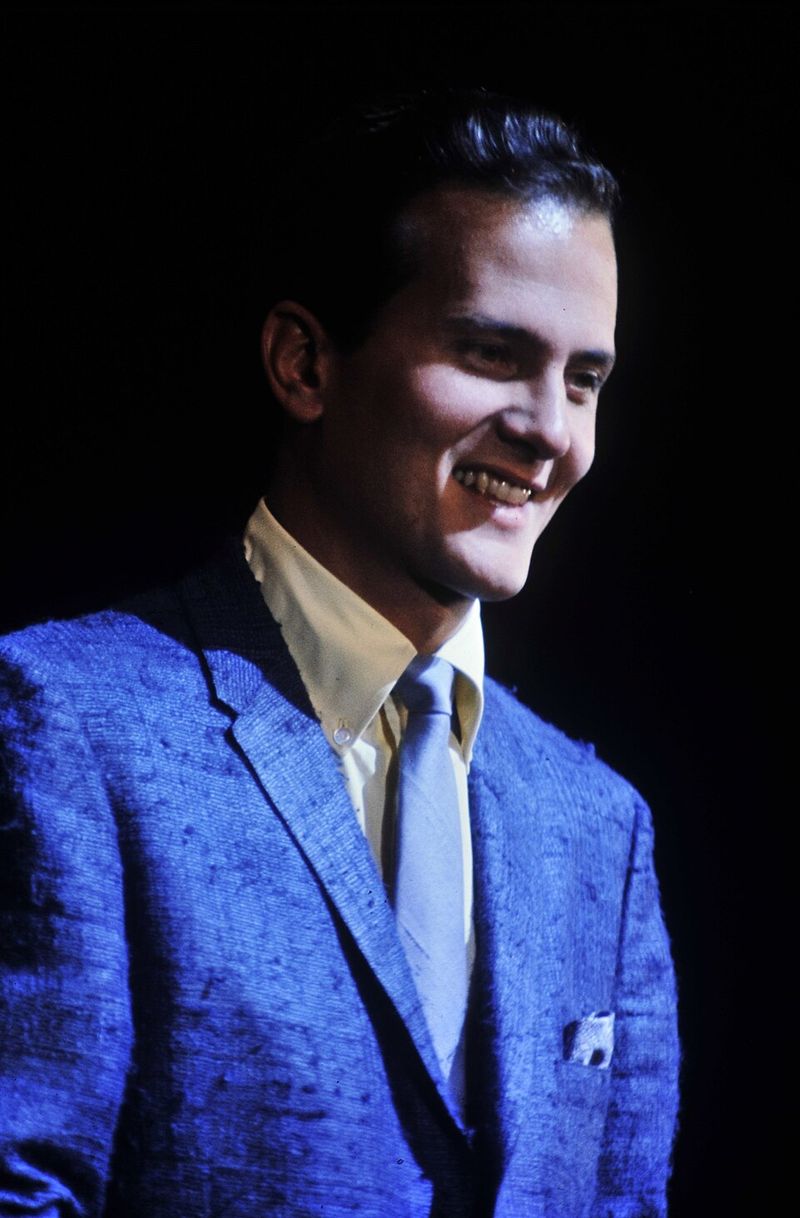
White buck shoes and a squeaky-clean image made Pat Boone one of the biggest stars of the 1950s. By 1961, his chart days were winding down.
Moody River gave him one more No. 1 in June. It stayed on top for a single week.
The writer was Gary D. Bruce, a Louisiana songwriter.
Country singer Chase Webster recorded it first, but Boone’s version sold far better.
The lyrics tell a sad story about a young man waiting by a river for his sweetheart. Ballads with gloomy endings were popular at the time, and teens snapped them up.
Boone sang it in a calm, steady way.
It was his last chart-topper. Musical tastes were shifting, but he stayed busy with movies, gospel albums, and television for decades.
8. Take Good Care of My Baby by Bobby Vee
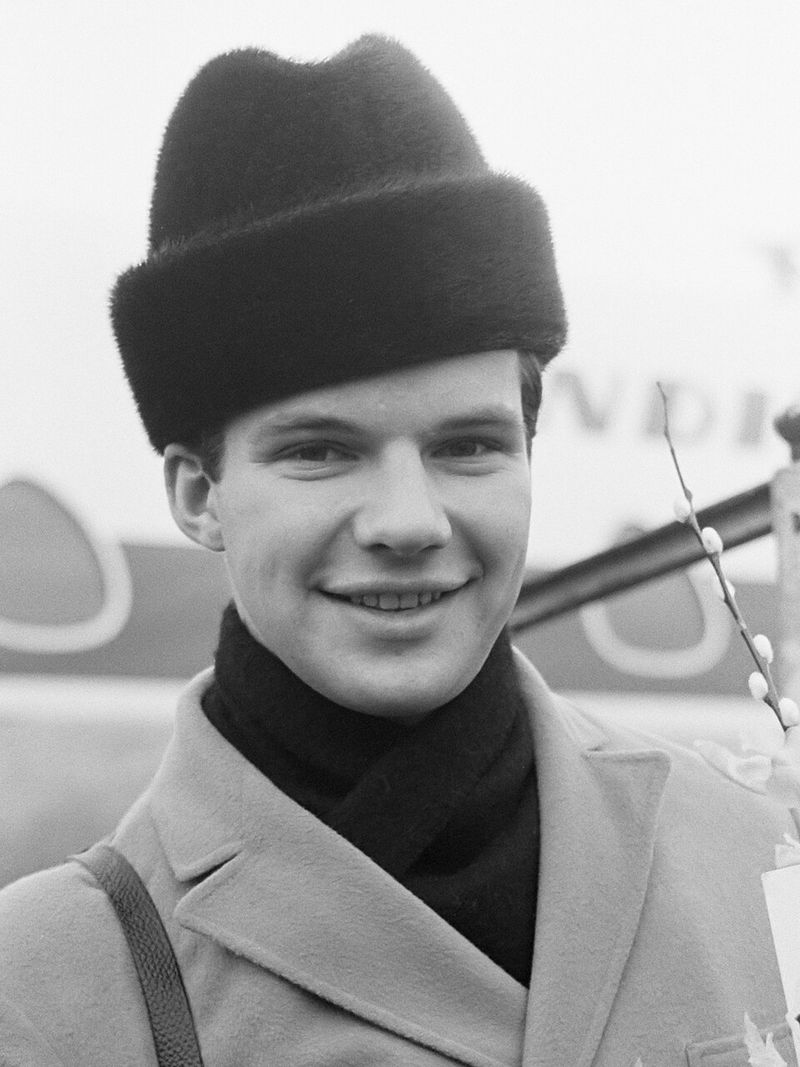
Bobby Vee’s big break came under hard circumstances. In 1959, the 15-year-old and his band filled in at a Minnesota concert after Buddy Holly’s tour plane went down.
Two years later, Vee had a No. 1 hit. Take Good Care of My Baby reached the top in September 1961 and stayed three weeks.
Gerry Goffin and Carole King wrote it, their second chart-topper of the year. They worked in the busy Brill Building scene in New York, where teams wrote songs like an office job.
The lyrics are sweet and a little sad. A boy asks the new guy to treat his old girlfriend well.
Vee’s soft voice suited it perfectly.
King later recorded her own version. Even the Beatles played it during an early audition.
9. Hit the Road Jack by Ray Charles
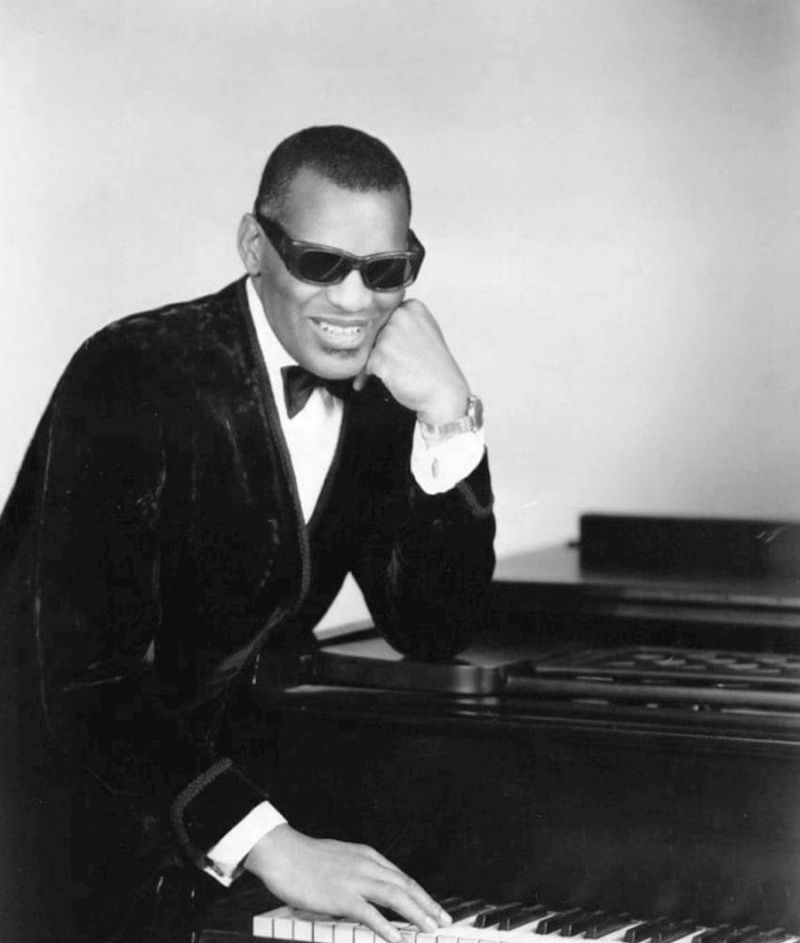
Percy Mayfield first sent this song to Ray Charles as a simple demo with no instruments. Charles saw its potential right away.
The magic came from a back-and-forth. Margie Hendrix of the Raelettes tells Jack to leave, and Charles pleads to stay.
That call and response made it easy to sing along. Many fans have shouted the chorus at parties and ballgames.
Hit the Road Jack reached No. 1 in October 1961 for two weeks. It ruled the R&B chart for five.
It also won the Grammy for Best Rhythm and Blues Recording.
Charles was already famous for blending gospel, blues, and jazz. This song showed how fun that mix could be.
Odds are good you know every word of the chorus. Try it and see.
10. Blue Moon by The Marcels
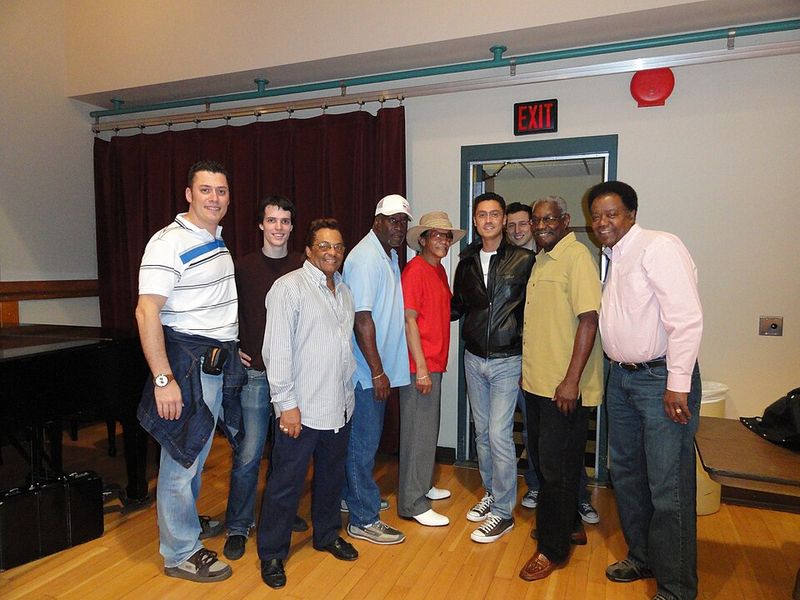
Bom ba ba bom, ba bom ba bom bom. If that line popped into your head, you already know this one.
The Marcels, a vocal group from Pittsburgh, turned an old ballad into a doo-wop party. Richard Rodgers and Lorenz Hart wrote Blue Moon back in 1934 as a slow, dreamy song.
The Marcels sped it up. Bass singer Fred Johnson opened with that famous string of nonsense syllables, and the rest of the group piled on.
Their version reached No. 1 in April 1961 and stayed for three weeks. It also topped the charts in Britain.
Some fans of the original were not amused. Teens loved it anyway.
The group never matched that success again. Still, one hit this catchy is more than most bands ever get.
11. Pony Time by Chubby Checker
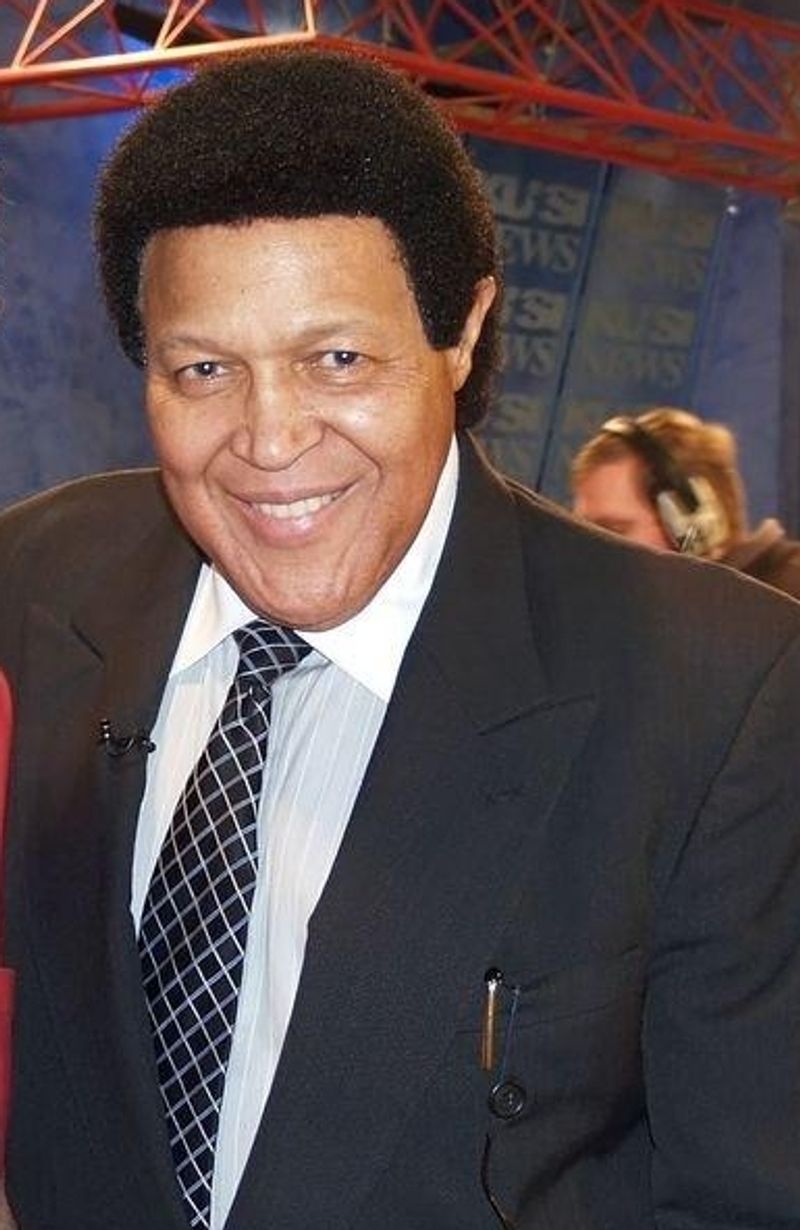
After teaching America to twist, a 19-year-old singer from Philadelphia needed a new move. Chubby Checker found it with the Pony.
Pony Time hit No. 1 in February 1961 and held on for three weeks. The dance had kids bouncing from foot to foot as if they were riding a horse.
Here is a fun twist on the story. Don Covay and the Goodtimers recorded the song first, but Checker’s version took off nationally.
Dance records worked a little differently back then. A song spread through TV shows, radio play, and sock hops in school gyms.
If you did not know the steps on Monday, you were behind by Friday.
Checker built a whole career on that idea. He also sang about the Fly and the Limbo.
Can you still remember how to do the Pony?
12. Please Mr. Postman by The Marvelettes
A group of high school girls from Inkster, Michigan, handed Motown its first No. 1 on the Hot 100. The Marvelettes topped the chart in December 1961.
The song had many writers. One of them, Freddie Gorman, was a real mail carrier.
Group member Georgia Dobbins shaped the lyrics from an old blues tune, then left before the recording. Gladys Horton took over lead vocals.
A young Marvin Gaye is believed to have played drums on the track.
The story is simple. A girl waits every day for a letter from her boyfriend.
The Beatles covered it in 1963. The Carpenters took their own version to No. 1 in 1975.
For Motown, this was the start of something huge. Stars like the Supremes soon followed.
Share this story