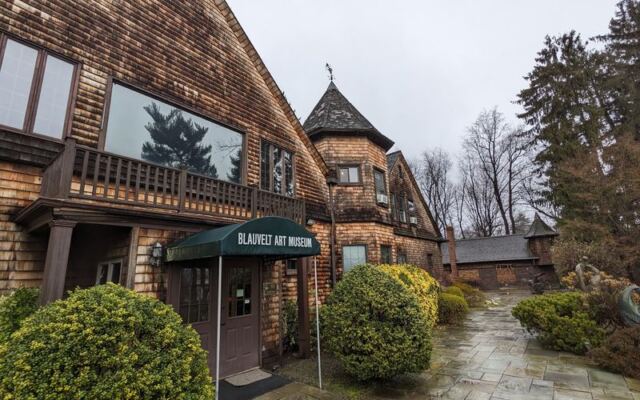
A museum in New Jersey keeps its front door locked during open hours, and you get in by ringing a doorbell. Admission is free, so that little bell is basically your ticket to a whole wild kingdom.
Behind the door waits a building packed with wildlife art. Paintings of bison, big cats, and birds fill the walls, while animal sculptures stand guard nearby.
I love how unassuming the whole setup feels from the road. Plenty of drivers pass the old grounds without realizing two floors of animal art and natural history sit just inside.
Upstairs, a collection of preserved animals from around the world adds a twist nobody sees coming. I can’t imagine a better free hour in New Jersey for curious kids, art fans, or anyone who loves animals, so who’s ready to press that button?
A Free Wildlife Museum Hiding Behind a Doorbell
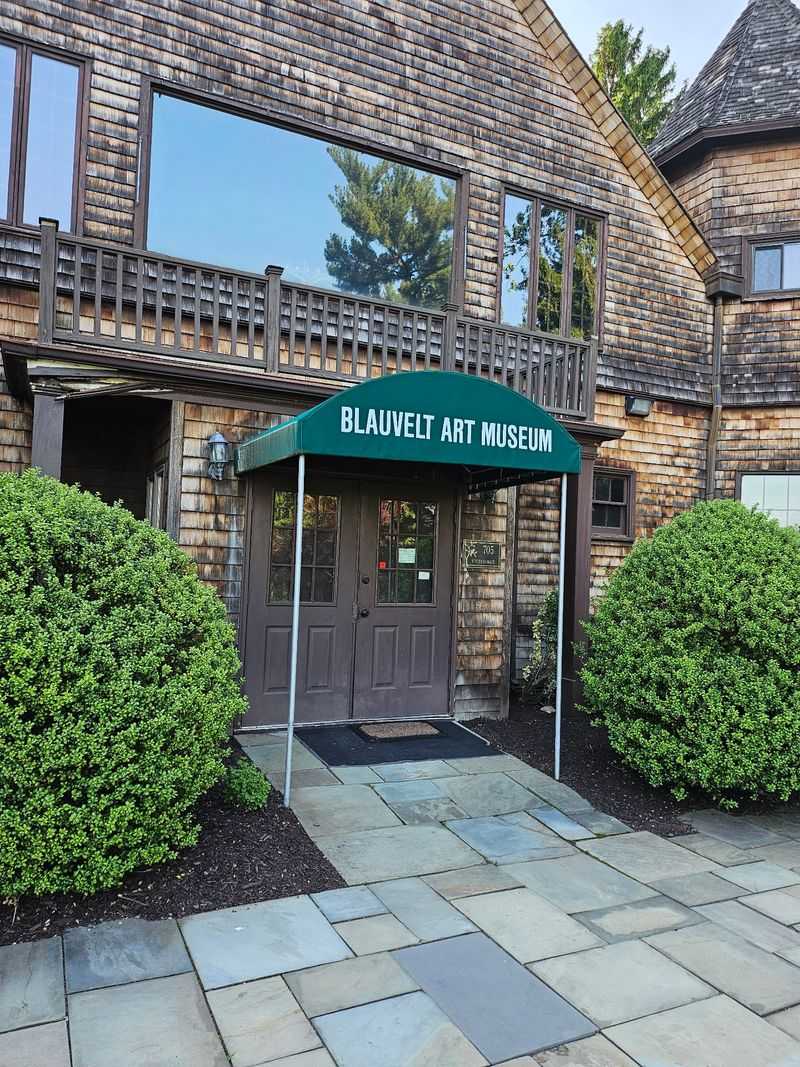
Few museums ask you to ring a bell before you enter, but the Hiram Blauvelt Art Museum does exactly that. It sits at 705 Kinderkamack Road in Oradell, New Jersey, in the heart of Bergen County.
The museum focuses on wildlife art, which makes it a rare kind of stop in the state. Paintings and sculptures of animals from around the world fill the main gallery.
Admission is free, and there’s no ticket booth to deal with at all. Visitors can leave a donation instead, which helps keep the doors open for everyone.
That locked front door can be confusing on your first visit. Even during open hours, the entrance stays shut until someone answers the bell and invites you inside.
Once you’re in, a staff member or volunteer usually shows you around the space. That personal welcome turns a quick peek into something closer to a guided visit.
So the first rule is simple and a little charming. Press the button, wait a moment, and let the museum come to you.
It’s the friendliest gatekeeping you’ll find anywhere in New Jersey, and it costs absolutely nothing to get past it.
Horses Once Lived Where the Art Hangs Now
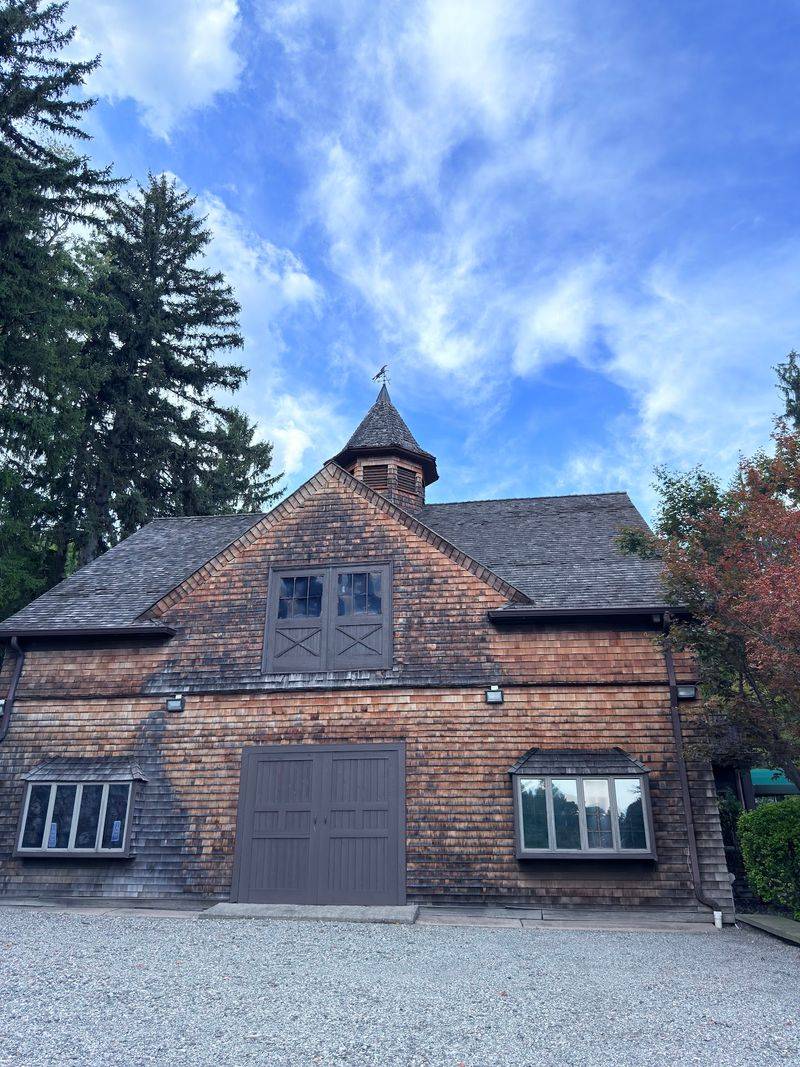
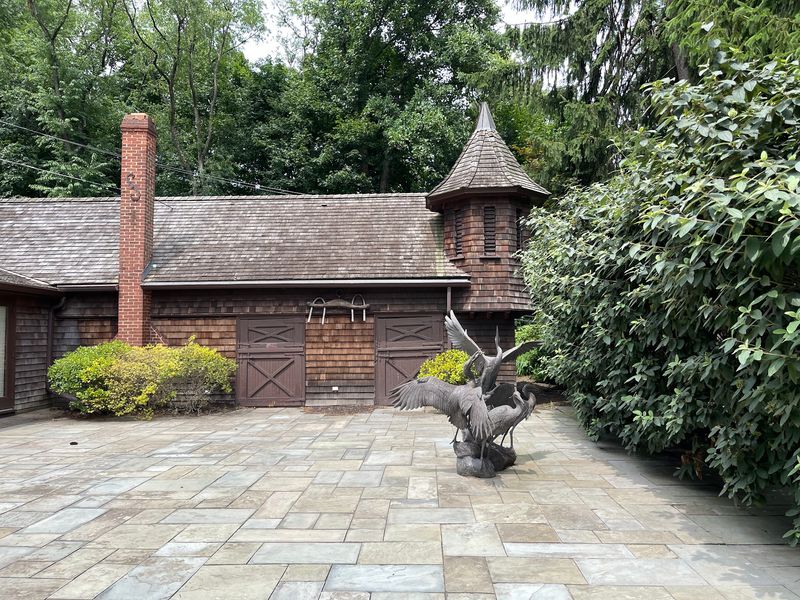
Long before paintings covered its walls, the museum building served a much more practical purpose. It’s a former carriage house, sometimes described as an old stable, connected to the founder’s family estate.
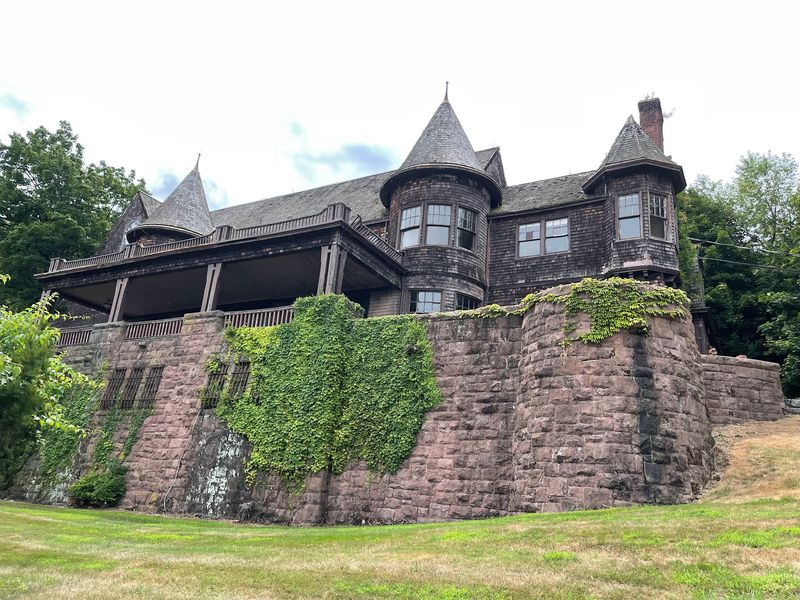
Right next door stands the Blauvelt mansion itself. The grand old house catches the eye of drivers on Kinderkamack Road, even if many never stop to look closer.
Here’s a fun twist worth knowing before you arrive. The carriage house looks far better preserved today than the mansion beside it, so the support building ended up stealing the spotlight.
The museum carries the name of Hiram Blauvelt, whose family name runs deep in this corner of Bergen County. Exhibits on site also share bits of local history tied to familiar area names.
That mix of setting and story gives the visit real texture. You’re looking at wildlife art inside a building with its own past, on grounds that feel tied to old Oradell.
History fans should give the local displays a few extra minutes. They help explain why so many street signs and place names around here might suddenly sound a lot more meaningful on the drive home.
Canvases Where Tigers, Bears, and Birds Steal the Show
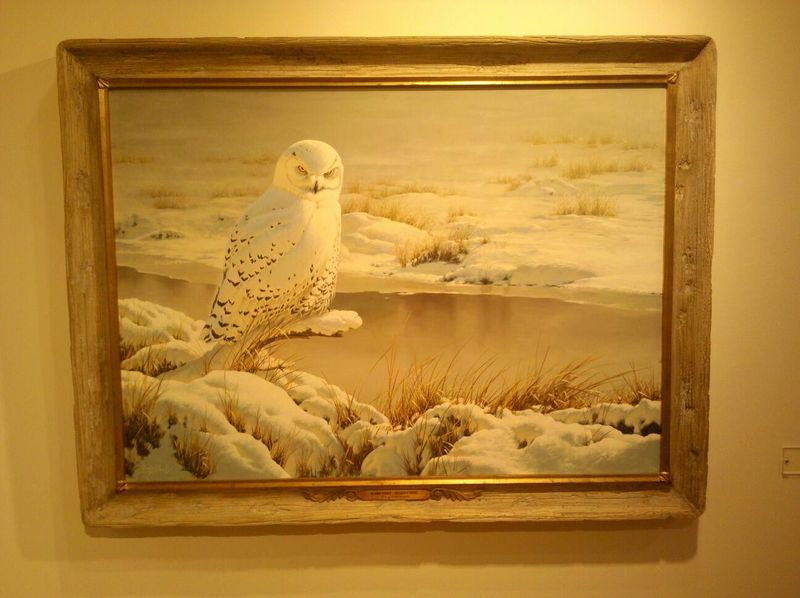
Animals rule the first floor, and they come in every size and mood. Paintings range from cute and cuddly creatures to powerful predators caught mid-stride.
The Hiram Blauvelt Art Museum dedicates its galleries to wildlife art from around the world. That narrow focus makes the collection feel unusually rich for a small building.
Look closely and you’ll notice how much detail these artists pack into fur, feathers, and eyes. Some canvases are huge and strikingly realistic, almost like windows into the wild.
Landscapes earn their place too, so it isn’t only portraits of animals. Recent displays have included scenes of Polish and American countryside alongside the creatures that call those places home.
The space is also bigger than it looks from outside. Room after room reveals another set of works, which keeps the visit moving at a nice pace.
Art lovers who usually skip wildlife painting might be surprised here. The skill on display goes well beyond nature-calendar prettiness, and the variety keeps things interesting.
Give each wall a slow look, because the best details often hide in the background, like a bird half-tucked into a branch or a shadow across the grass.
Rotating Exhibitions That Give You a Reason to Return
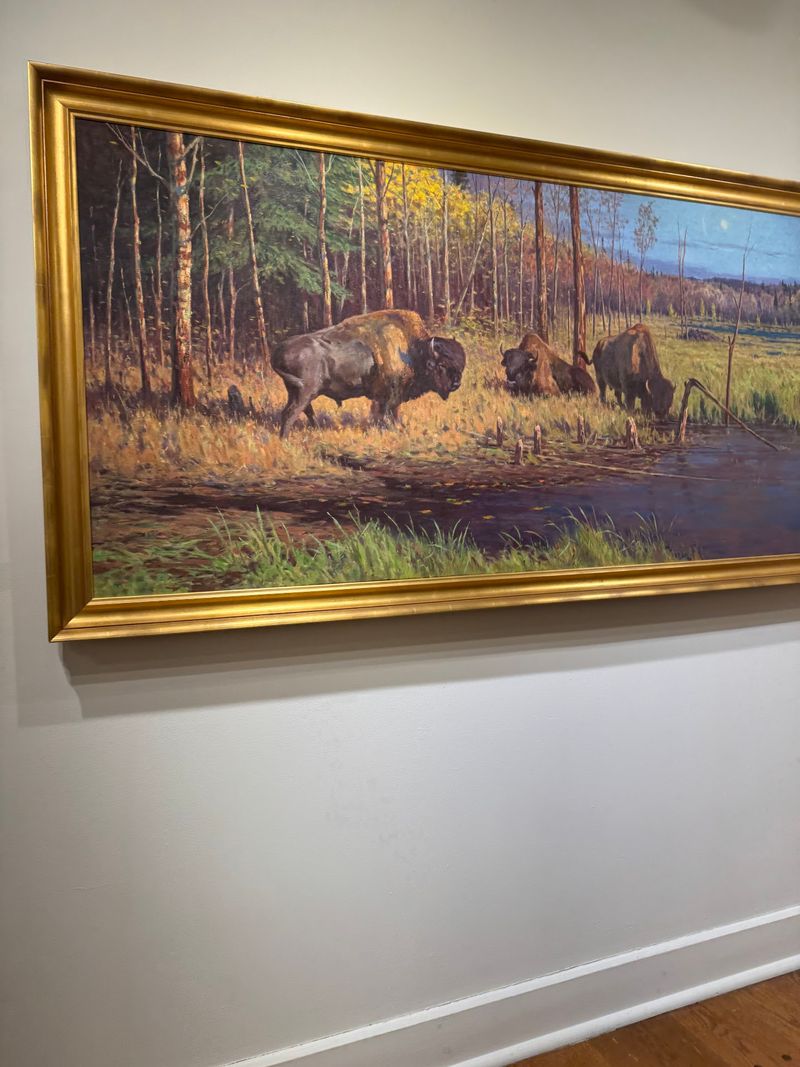
Bison have had a big moment here lately. A recent exhibition called Bison Legacy filled the galleries with paintings of these shaggy giants and their place in history.
Exhibitions rotate every so often, so the walls won’t look the same forever. That’s great news for anyone living nearby in New Jersey who wants a repeat outing.
Past shows have featured well-known wildlife artists like Guy Coheleach and Aaron Yount. Ezra Tucker also exhibited large, realistic animal canvases that drew plenty of attention.
Tucker’s work went beyond animals in an interesting way. His paintings highlighted Black Americans who served their country bravely, blending wildlife imagery with real stories.
Because shows change, it’s smart to check what’s currently up before you go. The museum’s own site lists current exhibitions, so a quick look can help you plan around a favorite subject.
Missing an exhibit isn’t a disaster, though. The permanent displays easily justify the trip on their own, and the next show might be even better.
Think of each visit like opening a new chapter in the same book, with familiar walls and fresh animals staring back at you every time.
Bronze Beasts and Carved Creatures in Three Dimensions
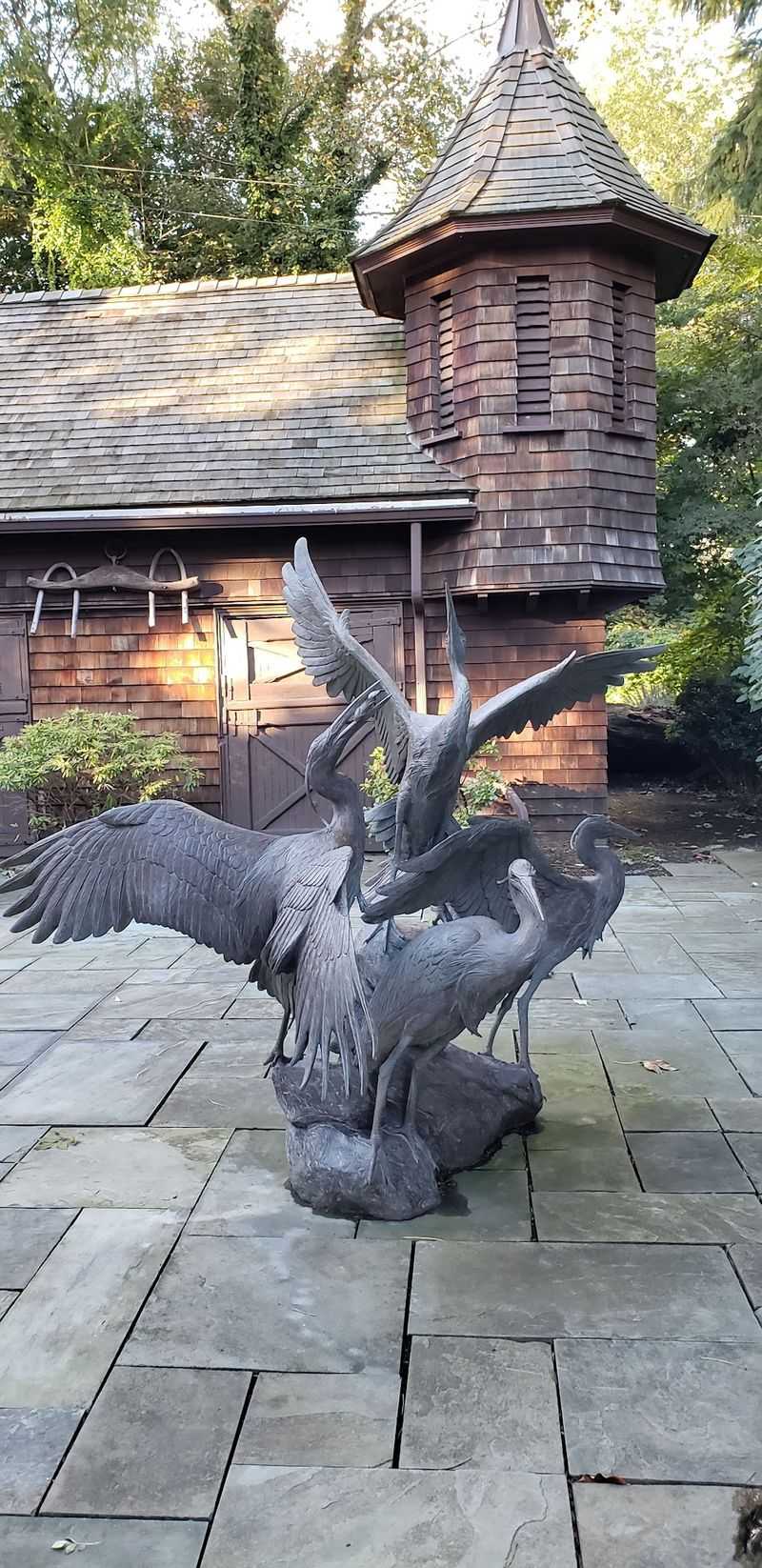
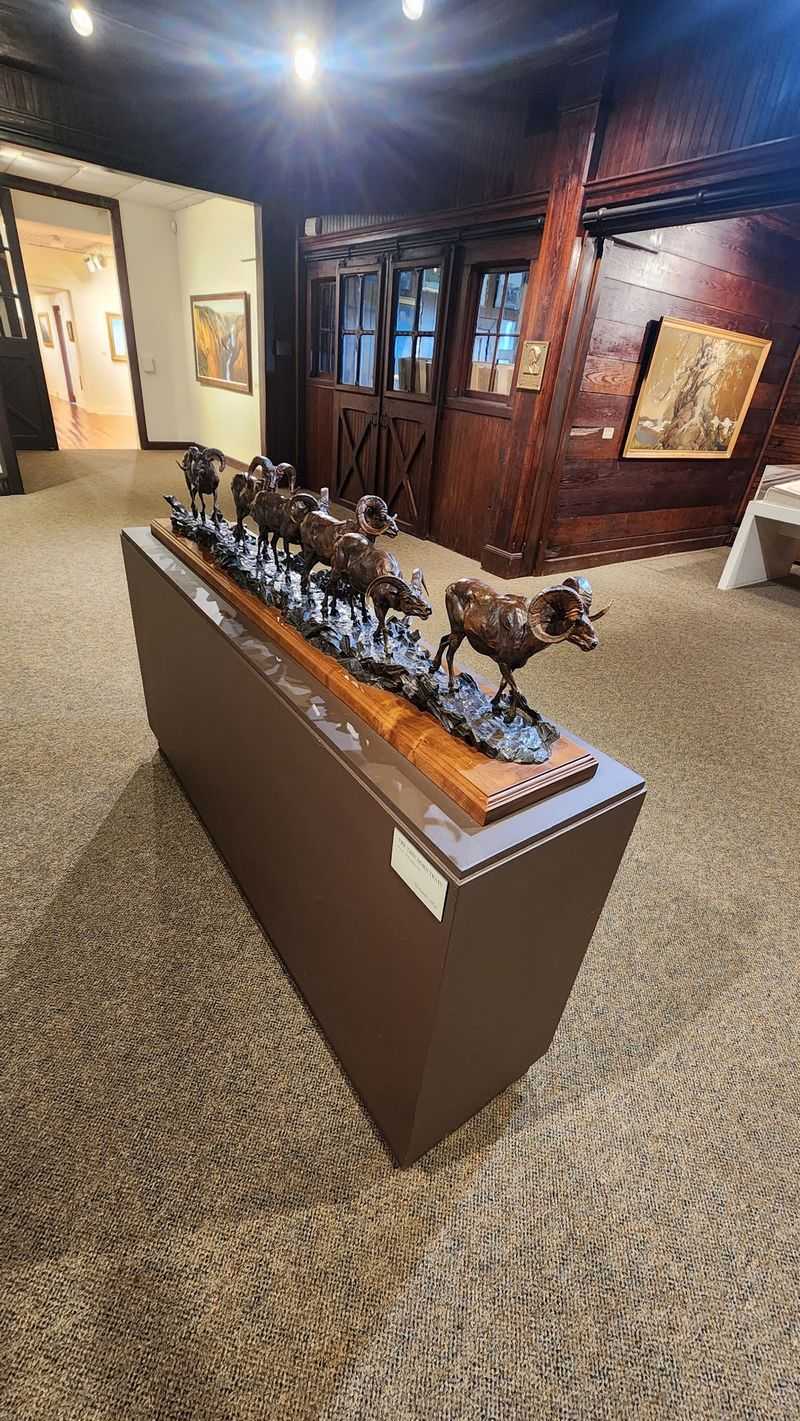
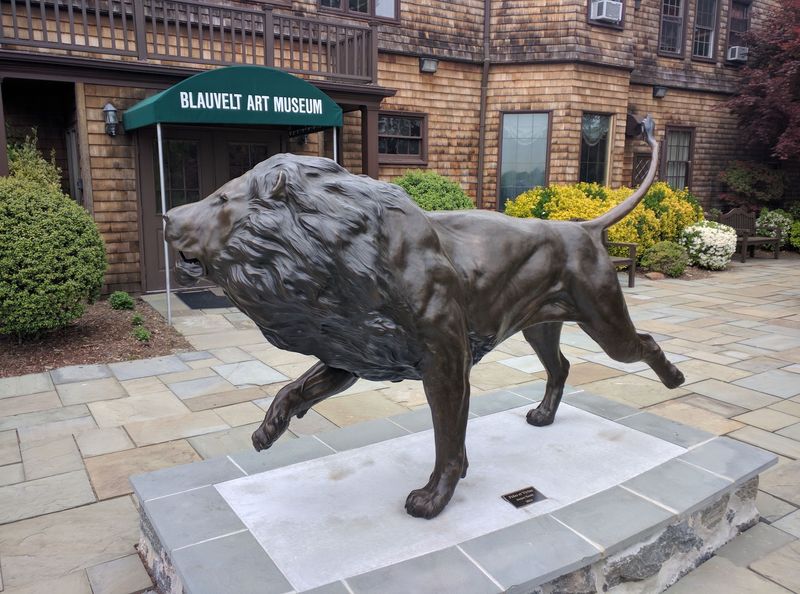
Paintings get most of the attention, yet the sculptures deserve their own spotlight. Some of them greet you before you even reach the doorbell.
The outdoor animal sculpture collection sits on the grounds around the building. It’s a playful preview of what waits inside, and it makes the arrival feel special.
Inside, more sculptures share the first floor with the paintings. Seeing animals in three dimensions changes how you notice their posture, muscles, and movement.
Kids especially tend to connect with sculpture because it feels so physical. A bronze animal at eye level can spark more questions than a flat canvas ever could.
One firm rule applies, though, and it’s worth explaining to little ones early. Touching the exhibits isn’t allowed, so admiring from a polite distance is the way to go.
Take a slow lap outside before or after your visit. The outdoor pieces add a garden-stroll feel to the trip and give you a breather between galleries.
On a pleasant day, those few extra minutes in the fresh air make the whole outing feel longer and fuller, without costing a single cent more.
The Upstairs Collection Nobody Expects
Climb to the second floor and the whole museum changes personality. Up here sits a natural history collection of preserved animals gathered from around the world.
Bears, deer, buffalo, tigers, lions, moose, owls, and eagles all share the space. The collection even includes a dodo bird, along with other very rare species.
The animals were collected by a resident of the mansion next door and preserved through taxidermy. That backstory connects the upstairs rooms directly to the estate’s own history.
Access isn’t always guaranteed, so set your expectations carefully. The second floor has sometimes been roped off, and visits upstairs may happen only on request or with a guide.
Asking politely is your best move when you arrive. When the doors are open, a guide may walk you through and share stories about the pieces.
Labels upstairs have been limited, which makes a guide even more helpful. Without one, you might wonder which animal came from where.
With one, the room turns into a story-filled tour you’ll remember long after leaving New Jersey’s quietest natural history hall behind.
Friendly Guides Who Make Small Feel Personal
Ringing a doorbell has one big perk most museums can’t match. Somebody actually greets you, and that welcome sets a warm tone for the whole visit.
Staff and volunteers often guide guests through the rooms. They share background on the artwork, the building, and the family history behind the place.
That kind of attention fits the museum’s size perfectly. With fewer crowds to manage, a guide can slow down and answer the questions you actually care about.
Families benefit the most from this setup. Kids can ask about every animal they spot, and a patient guide can turn curiosity into a mini lesson.
Remember a couple of house rules while you explore. Photography isn’t permitted inside, so you’ll be storing memories the old-fashioned way.
Honestly, that rule might be a small gift. Without phones out, you look longer, listen better, and notice details you’d otherwise scroll past.
It’s a refreshing change from museums where everyone stares at screens instead of art, and it makes each conversation with your guide feel a little more like a friendly chat between neighbors.
An Easy Hour for Families, Artists, and Animal Fans
Time matters when you’re planning around naps, errands, or short attention spans. Most visitors can see both floors in roughly an hour, which makes this an easy add-on to any day.
Kids tend to love the animals, especially upstairs when it’s open. Big cats and towering bears hold young eyes better than many traditional art galleries.
Adults get plenty to admire too. The craftsmanship in the paintings rewards anyone who enjoys detail, technique, or simply a calm room full of beautiful work.
Budding artists might find real inspiration here. Studying how painters handle fur, light, and motion could spark ideas for your next sketch.
The pace feels relaxed rather than rushed. You won’t face long galleries that drain your energy, and the cozy scale keeps things approachable.
Nature lovers in New Jersey may find this one especially rewarding. It’s a quiet place to appreciate animals from around the globe without leaving Bergen County.
Bring grandparents, bring a curious neighbor, or come solo with a notebook, because the museum suits a surprising range of moods and ages all at once.
Hours, Doorbells, and Other Handy Planning Notes
Timing your trip right saves a lot of head-scratching at the door. The museum is closed on Mondays and Tuesdays, so plan for later in the week.
Wednesday through Friday, doors open from 10 AM to 4 PM. Saturday and Sunday hours run shorter, from 2 PM to 5 PM.
Weekend afternoons work well for families with busy mornings. Weekdays offer a longer window if you’d like to linger over the paintings.
Admission costs nothing, though donations are welcome. Tossing a few dollars in helps support a small museum that clearly puts a lot of care into its displays.
Once you reach 705 Kinderkamack Road, look for the front door and ring the bell. Don’t assume the place is closed just because the door is locked.
Leave the camera habit at home, since photos aren’t allowed inside. If you’re hoping to see the second floor, ask about it when you arrive.
Checking the current exhibition before you head out is also smart, because shows rotate and you may want to catch a specific artist while their work is still on the walls.
Why This Doorbell Deserves a Ring Soon
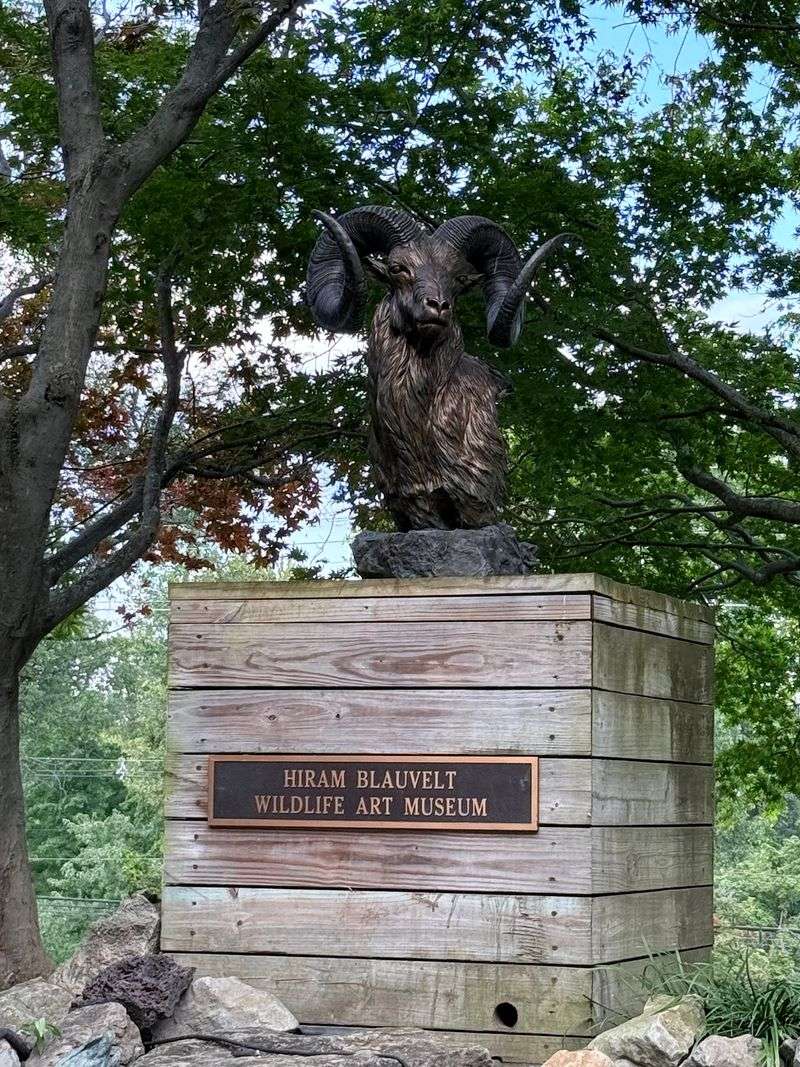
Free outings rarely deliver this much variety under one roof. Here you get wildlife paintings, sculptures, local history, and possibly a whole upstairs room of preserved animals.
The Hiram Blauvelt Art Museum proves a small space can hold big surprises. Its quirky doorbell entry only adds to the fun of discovering it.
New Jersey residents have a real treat right in Bergen County. Day-trippers from nearby can easily fit it into an afternoon without stretching the budget.
Expect a calm, personal visit rather than a blockbuster museum experience. That’s exactly the charm, and it’s why the place feels so easy to love.
Bring curious kids, an art-loving friend, or just your own wandering spirit. Leave a donation if you can, and thank your guide on the way out.
Plenty of people drive past the old estate without knowing what waits behind that locked door. Now you know better, and that feels like a small secret worth sharing.
The next time Kinderkamack Road brings you through Oradell, slow down, pull over, and give that little bell a friendly press.
Share this story