A small-town arcade in Pennsylvania lets you pay for time instead of feeding quarters into every machine. Once your clock starts, the pinball tables and arcade cabinets are set to free play.
The owner has said the showroom and arcade hold more than 300 machines. That count includes games you can play and games you can buy and take home, which feels a bit like visiting a museum where the exhibits come with price tags.
I like the idea of an arcade that skips the game card and lets you wander. You can try a racing cabinet, switch to a modern pinball table, then circle back to an older classic without checking a balance.
The place also trades in used video games and vintage gear. So how does a single storefront manage to be an arcade, a shop, and a party spot?
Where the Free Play Lives
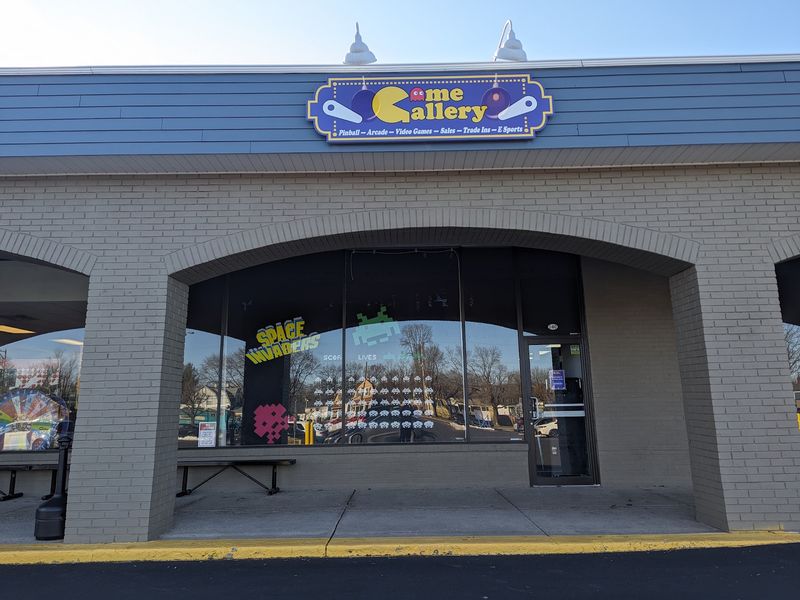
Game Gallery sits at 140 N Pine St in Langhorne, Pennsylvania, a borough in Bucks County near Philadelphia. It’s a video arcade, a game shop, and a pinball hangout sharing one address.
The building doesn’t shout for attention from the street. A pizza shop sits right next door on the same sidewalk, and a dollar store is close by too.
That setup makes it easy to plan a simple outing without driving all over town.
Inside, the main draw is a big lineup of pinball machines alongside classic arcade cabinets. The business also sells machines, used video games, and vintage gaming items, so the space works as both a playground and a showroom.
What catches my attention is how the whole thing is aimed at people who actually like games. You aren’t buying tokens for prize tickets here.
You’re paying to spend time with the machines themselves.
The hours run late on weekends, with Friday and Saturday stretching toward midnight. Weeknights close earlier, and Sunday wraps up first.
That pay-for-time idea is the key to understanding everything else, so it’s worth looking at closely.
A Clock Instead of Quarters
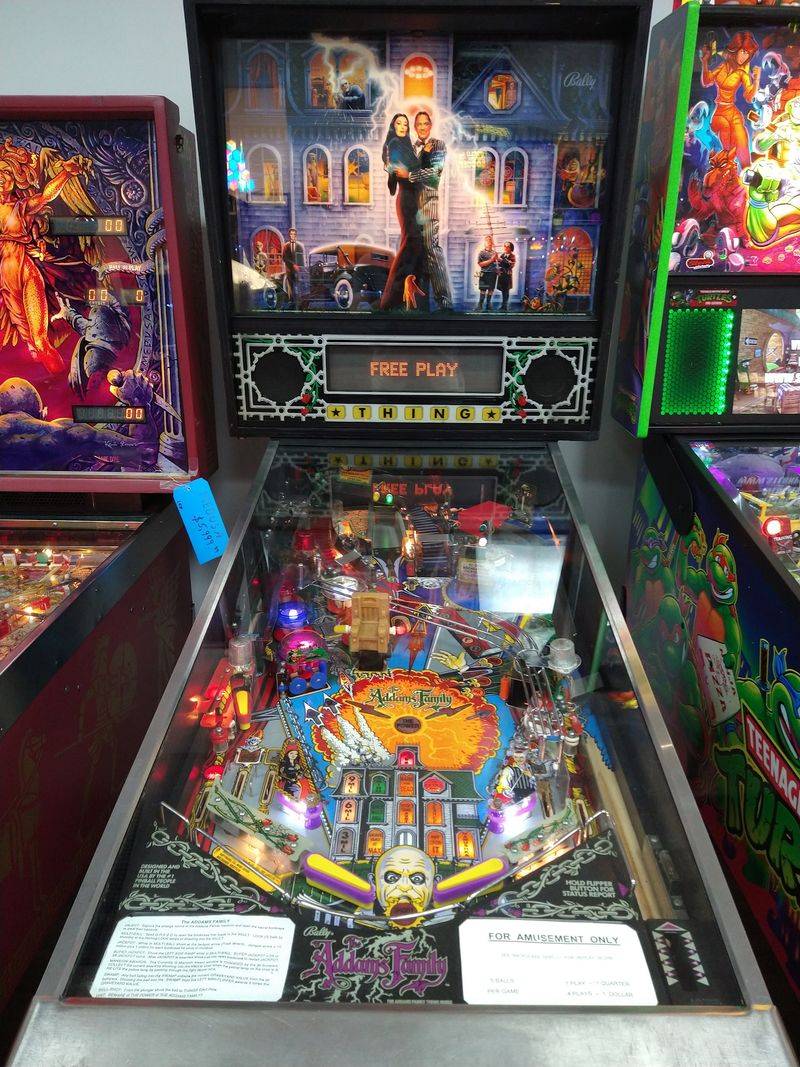
Forget digging through your pockets for change. At Game Gallery, you buy a block of time, and the games run on free play while your session lasts.
Options have included one hour, two hours, or a full day. Prices have shifted over the years, so it’s smart to check the current rates on the official site before you go.
This model changes how you play. Nobody has to decide whether one more round of pinball is worth another coin.
You can stay on a single table to improve your score or bounce between dozens of cabinets just to sample them.
I can understand the appeal for families, too. Kids won’t burn through a card in ten minutes and then ask for more money.
Everyone gets the same window and can spend it however they want.
Some games have also been offered for individual play outside the full time fee. That gives casual visitors another option if they only want a quick stop.
Of course, a timer only matters if the machines are fun. The pinball collection is where the place really earns its reputation.
A Whole Room Built for Pinball
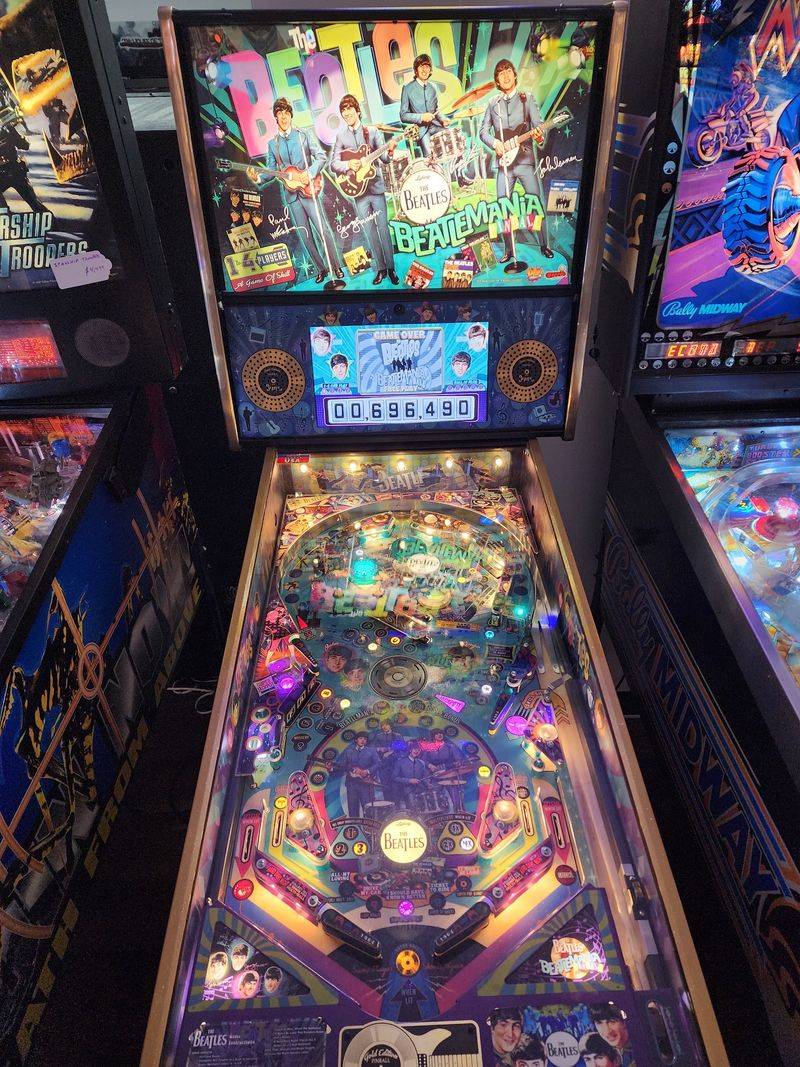
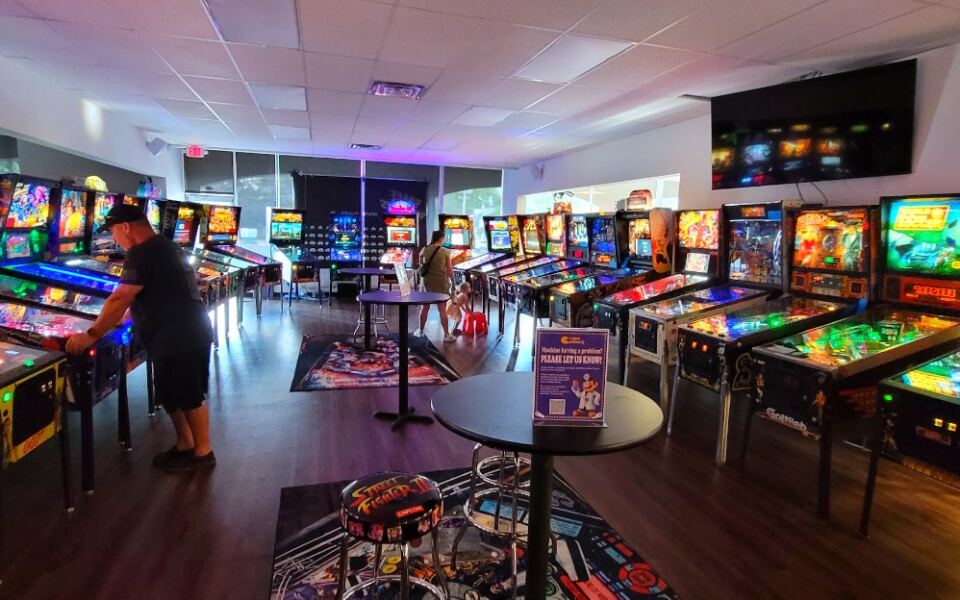
Pinball is the heart of this arcade. An entire room is lined with tables, and the lineup mixes older classics with recent releases.
On the modern side, tables based on Stranger Things and Elton John have been part of the collection. On the older side, Eight Ball Deluxe, a Bally machine from the early 1980s, has shown up for players who like a more traditional layout.
Here’s a fun bit of history. Pinball was actually banned in several big American cities for decades because officials thought it was gambling.
New York didn’t lift its ban until 1976.
Today the game is seen as a skill challenge, and a room like this lets you feel the difference between eras. Older tables tend to be simpler, with fewer ramps and toys.
Newer ones pack in screens, music, and layered missions.
Because machines rotate, the exact lineup changes over time. A table you loved on one visit might be swapped out by the next.
The flippers aren’t the only thing worth your time, though. Another room holds a different kind of throwback.
Joysticks, Steering Wheels, and Light Guns
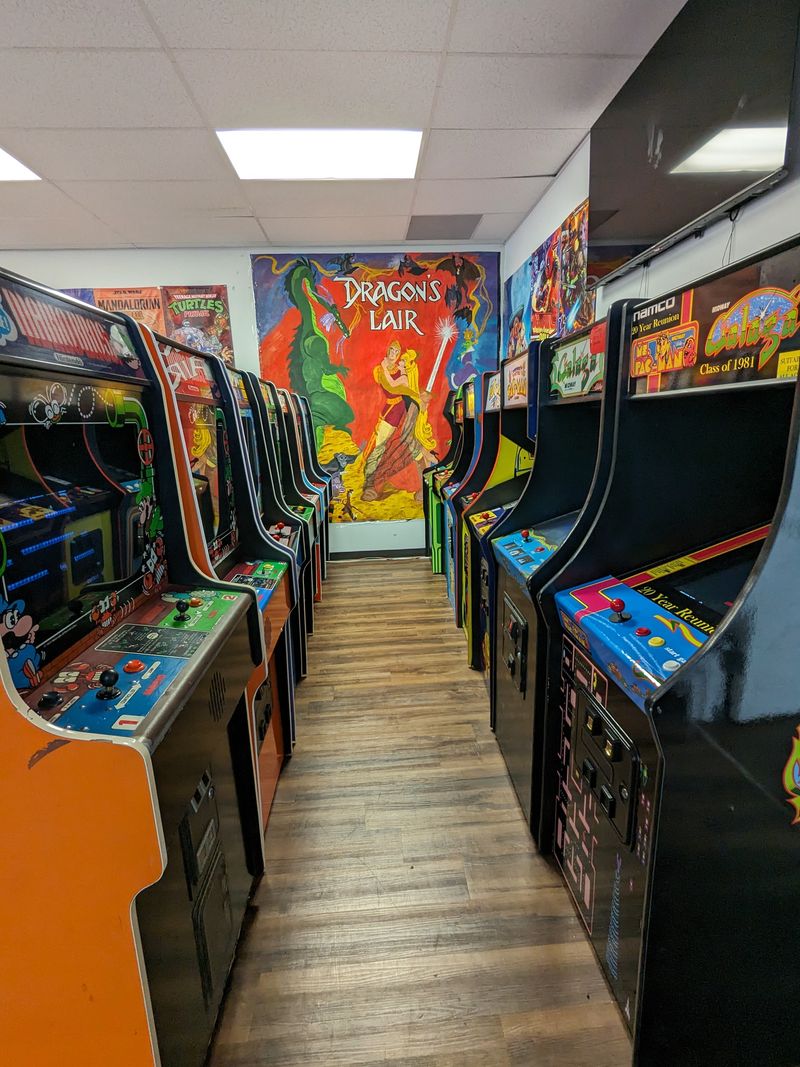
Step away from the pinball and you’ll hit a separate arcade room packed with video game cabinets. Retro titles share space with a few racing games and shooting games.
The racing machines are a good warm-up. You sit, grab the wheel, and race without worrying about a coin slot.
Light gun shooters add another style, where you aim right at the screen.
For many grown-ups, these cabinets bring back the feel of a mall arcade in the 1980s or 1990s. For kids, they’re a chance to try games that existed long before phones and consoles took over.
I’d start with the racing cabinets if I were bringing a group. They’re easy to understand, and friends can compete side by side right away.
Classic arcade machines are tricky to keep running. Joysticks wear out and buttons stick after years of use.
That’s part of why a place that keeps them playable matters.
And the games don’t stop at screens. A few physical favorites round out the floor.
Skee-Ball and Tabletop Classics
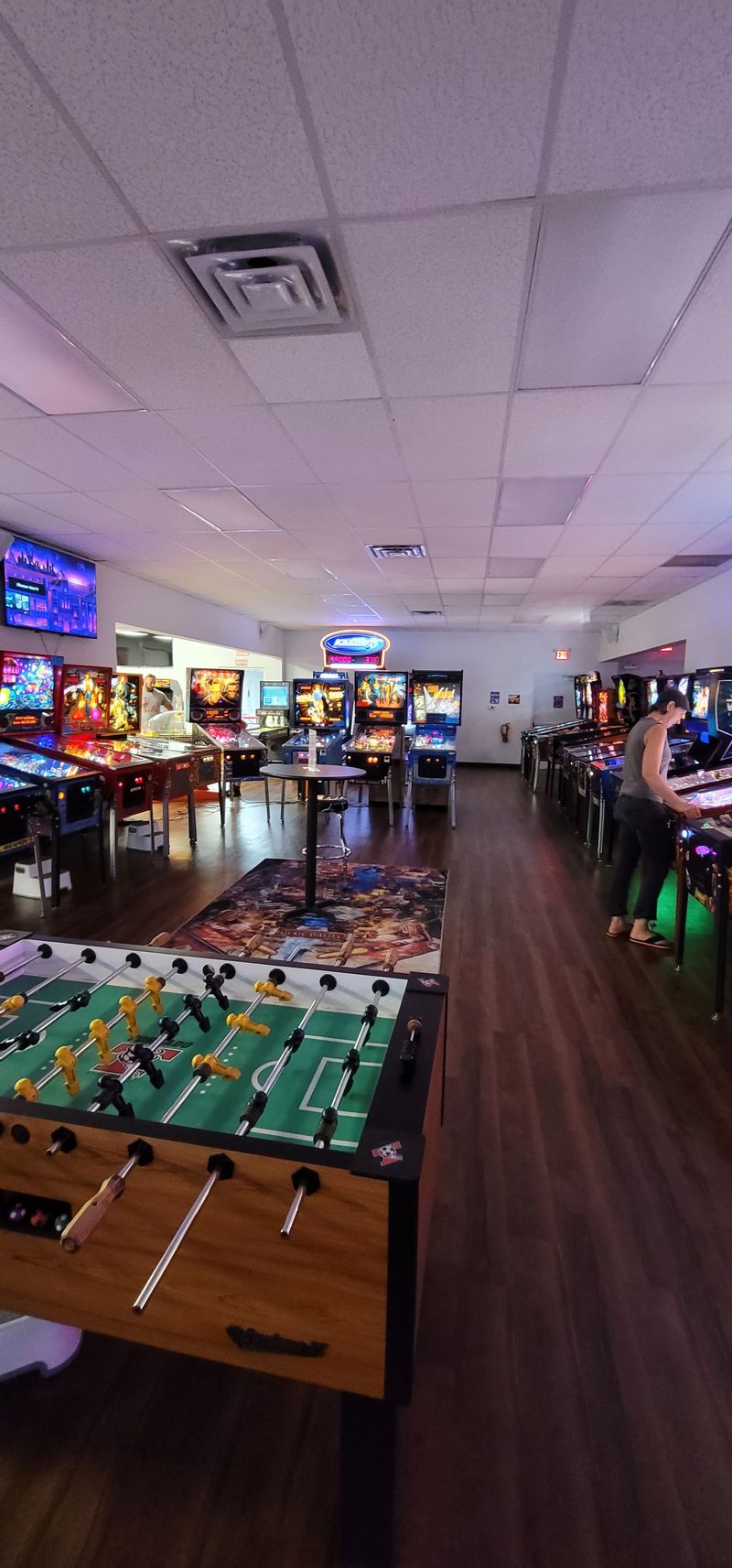
Some games need no screen at all. Game Gallery has offered Skee-Ball, foosball, and air hockey alongside its pinball and video cabinets.
Skee-Ball has deep roots. It was invented in 1908 in Philadelphia, which makes playing it in Bucks County feel like a small hometown nod.
The rolling ramp and scoring rings have barely changed in more than a century.
Air hockey and foosball are great for pairs. They’re fast, loud in a good way, and easy for younger kids to pick up.
These games also give everyone a break from staring at lights and screens. If someone in your group isn’t into pinball, they still have plenty to do.
I like how this mix keeps a visit from feeling one-note. You can jump from a flipper table to a Skee-Ball lane in a few steps.
Since everything runs during your paid time, there’s no pressure to pick favorites early. Try each one and see what sticks.
With so many machines in one place, a natural question follows. Who keeps all of them working?
The Work Behind Every Flipper
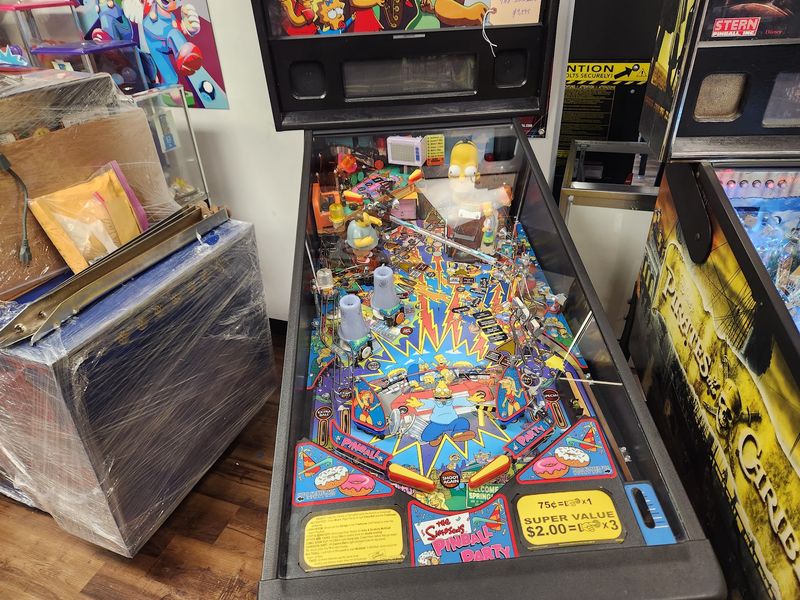
Keeping hundreds of old and new machines running is real work. The owner has stated that Game Gallery has two full-time technicians on site.
Pinball tables are full of moving parts. Rubber rings stretch, switches fail, and coils wear down.
Arcade cabinets have their own problems, from tired joysticks to aging monitors.
So it helps to set expectations. On any given day, some machines may be off or waiting for repair.
That’s normal for a large collection of vintage equipment.
My practical advice is simple. If a game isn’t working, let the staff know.
Reporting problems helps the technicians and may point you to something just as fun nearby.
The family-run feel matters here, too. Owners named Manny and Stacy have been mentioned as hands-on in the business.
Machines that get fixed also stay in circulation, which keeps the lineup rotating. That rotation is one reason repeat visits can feel different.
Repair skills tie into another side of the business. Many of these machines aren’t only for playing.
Take a Machine Home
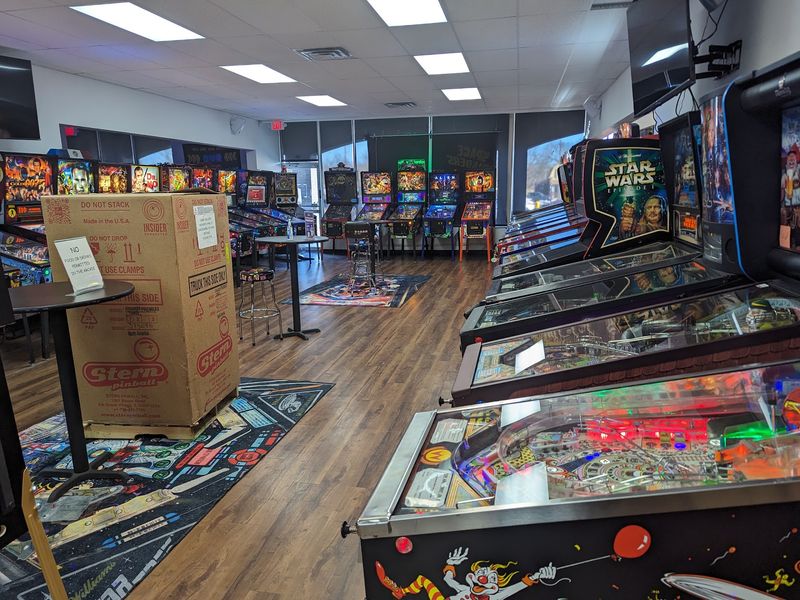
Ever wanted your own pinball table? Game Gallery doubles as a showroom, and machines are available for sale.
That includes full-size pinball and arcade games. Home arcade cabinets from Arcade1Up have also been on hand for people who want something smaller for a basement or game room.
I find this setup clever. Playing a machine for a while before buying it is a smart way to learn whether you’ll still love it after the tenth game.
Buying a pinball machine is a big decision. Modern tables can cost thousands of dollars, and they need space, care, and sometimes repairs.
Asking staff questions about upkeep is a good idea.
Arcade1Up cabinets are easier for many households. They’re scaled-down versions of classic cabinets, built with multiple games loaded in.
Even if you’re just browsing, the showroom side adds something to the visit. You get a sense of how wide the hobby has grown.
The shop doesn’t stop at big machines, though. Smaller treasures fill another part of the store.
Old Cartridges and Store Credit
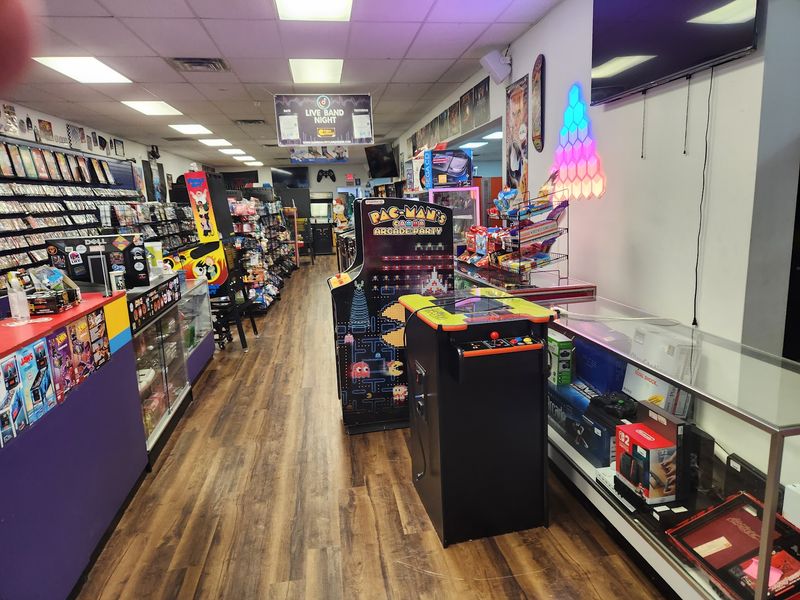
Cartridges, consoles, and controllers from past decades line part of the store. Game Gallery sells used video games and vintage gaming items.
For collectors, that means another reason to stop by. You might hunt for a missing title in your collection or a replacement controller for an old system.
The store has also accepted gaming accessories for trade. Trade-ins can turn into store credit, and that credit can go toward arcade time.
I like that loop. Your old gear ends up paying for an afternoon of pinball.
Before bringing anything in, it’s smart to call ahead or check online. Trade policies can change, and some items may be more useful to the shop than others.
Retro games have become popular again. Many people want to replay what they grew up with or show kids where modern gaming started.
A shop like this keeps those older systems in use rather than sitting in closets.
All this gaming adds up to a natural spot for celebrations, which brings us to the back room.
A Back Room for Birthday Parties
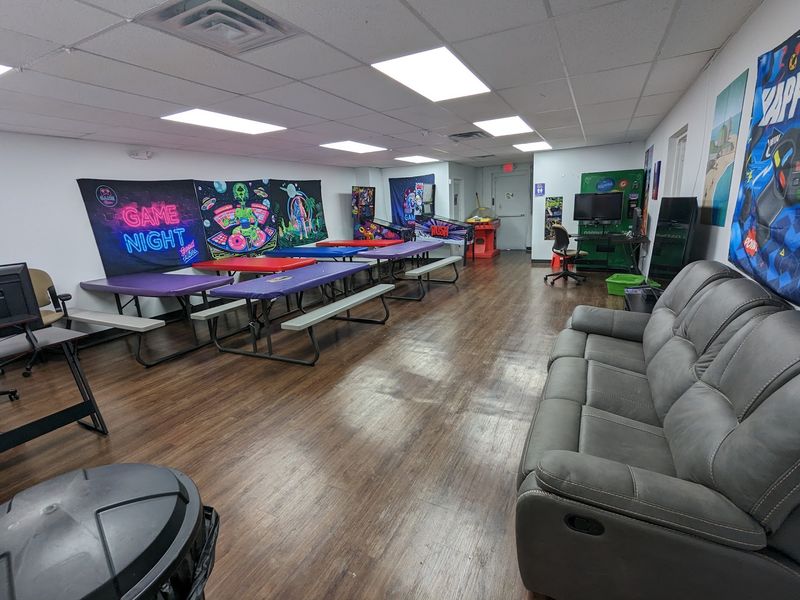
Birthday parties are a big part of life here. Game Gallery has a party room in the back for small gatherings.
Families have booked it for kids turning 10 and 12, a sweet spot for pinball and arcade fun. Older kids can handle the flippers, while younger ones can stick to Skee-Ball or racing games.
Party guests have been able to bring in outside pizza. With a pizza shop right next door, feeding a group gets a lot simpler.
I’d recommend asking about party details well ahead of time. Space is limited, and weekends usually fill faster than weekdays.
The time-based pricing helps with parties, too. Kids aren’t fighting over game cards or running out of credits.
Everyone plays freely for the same session.
Adults often end up playing as much as the kids. That’s one perk of a place built around games from several generations.
Planning any visit, party or not, is easier with a few practical tips in mind.
Smart Ways to Plan Your Session
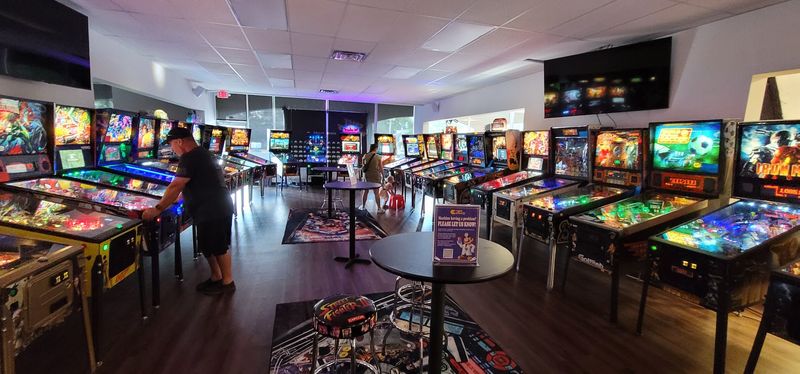
Timing matters when you’re paying by the clock. Game Gallery opens at 11 a.m. daily and stays open until midnight on Fridays and Saturdays.
Late weekend hours suit teens and adults who want an evening out. Weekday afternoons may work better for families looking for a calmer floor.
Before choosing a time block, think about your group. One hour goes quickly if you want to try pinball, racing, and Skee-Ball.
Two hours gives more breathing room, and an all-day option has been available for serious players.
Check the official website for current prices and hours. Rates have changed before, and it’s better to know up front.
I’d also plan a food break. The pizza shop next door makes it easy to grab a meal between sessions.
Wear comfortable shoes, since you’ll likely be standing at machines for long stretches.
Above all, stay curious. Ask staff which tables are new or which ones they recommend.
A quick tip can lead you to a machine you’d never have picked on your own.
In a world of phone games, that kind of discovery still feels refreshing.
Share this story