One shopper in Pennsylvania went home with yarn from a ram named Frederick. Another got to meet Confetti, the sheep whose wool she had just bought.
At this yarn shop, the animals behind the fiber live right outside the door.
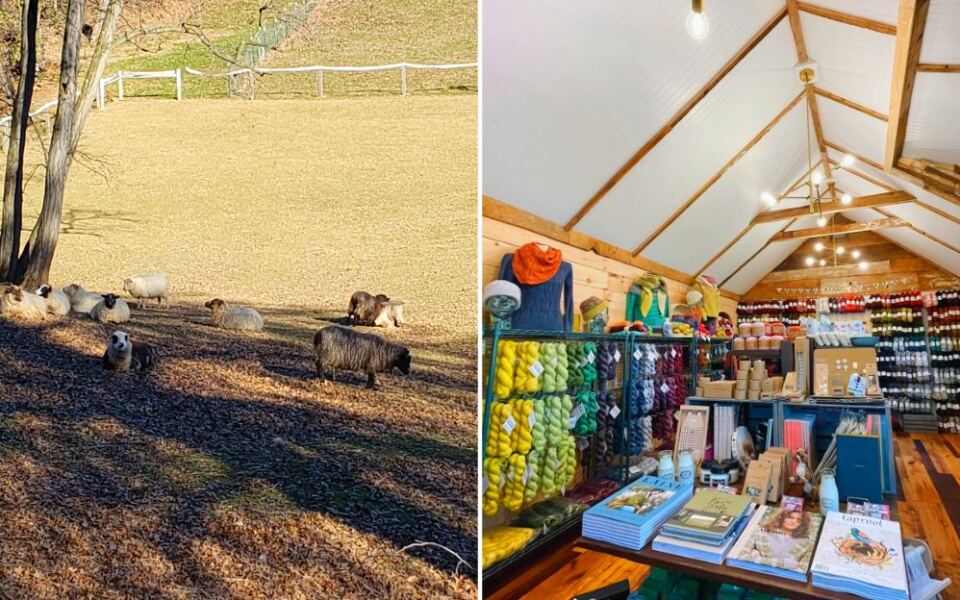
The shop is a small cottage on a working farm. Sheep and other animals roam the field, chickens add their own soundtrack, and friendly cats wander around.
In early summer, you might even spot baby lambs.
I like the idea of a yarn store where the label on the skein could point to a face in the pasture. It turns shopping into a real connection with where your materials come from.
Then there is the undyed wool. Some of it comes in natural browns and grays, straight from the sheep.
So how does a farm turn fleece into something you can knit?
A Cottage Yarn Shop on Forge Hill Road
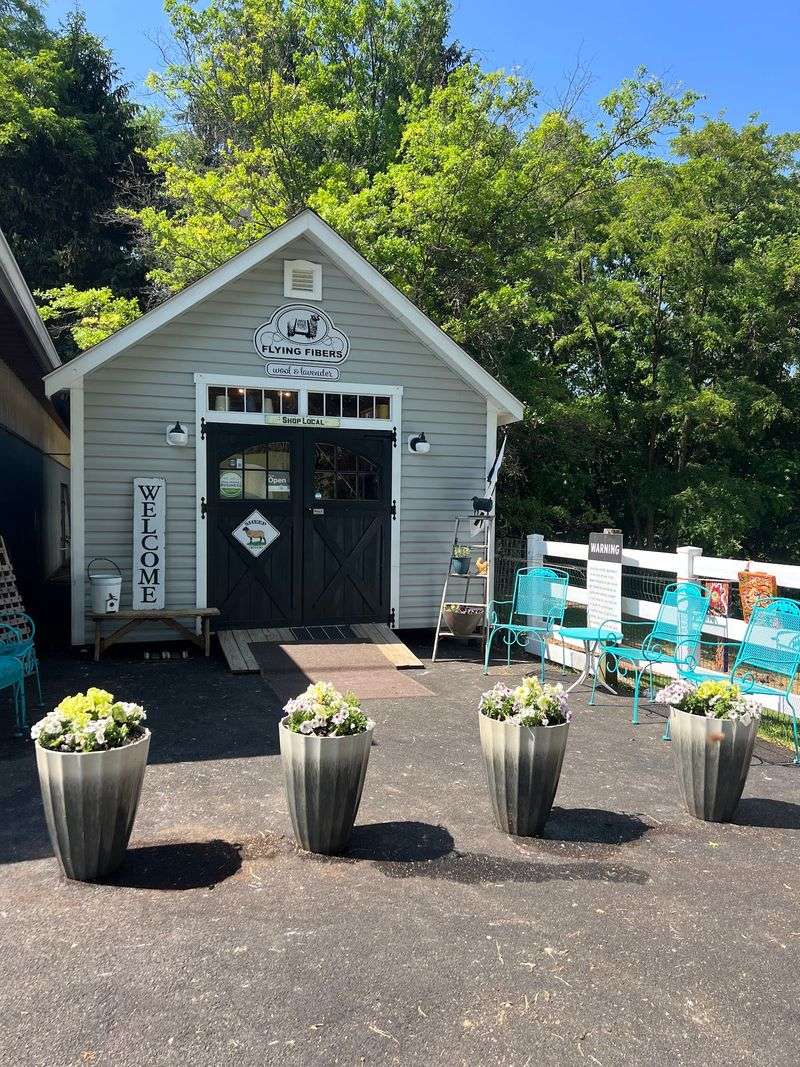
Flying Fibers is a yarn and fiber shop set on a sheep farm at 280 Forge Hill Rd, Wrightsville, PA 17368. It sits in York County, Pennsylvania, in the United States, not far from the Susquehanna River.
The building itself is a little cottage. It is small, but shoppers describe it as stocked full, with yarn stacked in plenty of colors and textures.
What catches my attention is the setting. You are not shopping in a strip mall or a big craft chain.
You are shopping a few steps from the pasture where some of the wool started.
The shop is run by Jeri and Irina, who sign many of their replies to customers together. Their names come up again and again when people talk about friendly, patient help.
The shop serves knitters, crocheters, spinners, weavers, and felters. That wide mix means you might bump into someone hunting for sock yarn next to someone picking out raw roving.
For a first visit, plan around the weekday schedule. The shop is open Tuesday through Saturday and closed Sunday and Monday.
Knowing that ahead of time saves a wasted drive down a country road.
Meet the Sheep Behind Your Skein
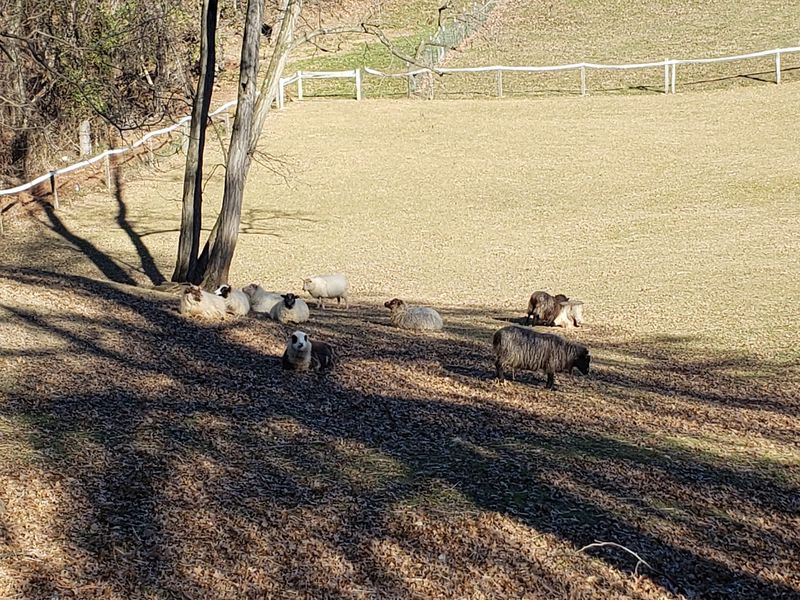
Frederick is a ram. He also happens to be the source of yarn that at least one happy shopper carried home from Flying Fibers.
Sheep here are more than scenery. The farm keeps its own flock, and the shop sells wool from those animals.
Confetti, another sheep, has also had the honor of meeting the person who bought her fleece.
I find that personal link really appealing. Most yarn comes from far away, and you never learn anything about the animal.
Here, you can look over the fence and see a living, grazing part of your next project.
The flock includes a few different kinds of sheep. Different breeds grow fleece with different softness, length, and natural color.
That variety matters a lot when you start choosing yarn.
Kids tend to love this part. One grandmother brought her four-year-old granddaughter to meet the sheep and the rest of the barnyard crew.
Be respectful while you look, though. These are working farm animals, so follow any signs and ask before reaching over a fence.
The sheep will still be there when you come back out with your shopping bag.
Wool in Shades Nature Picked Out
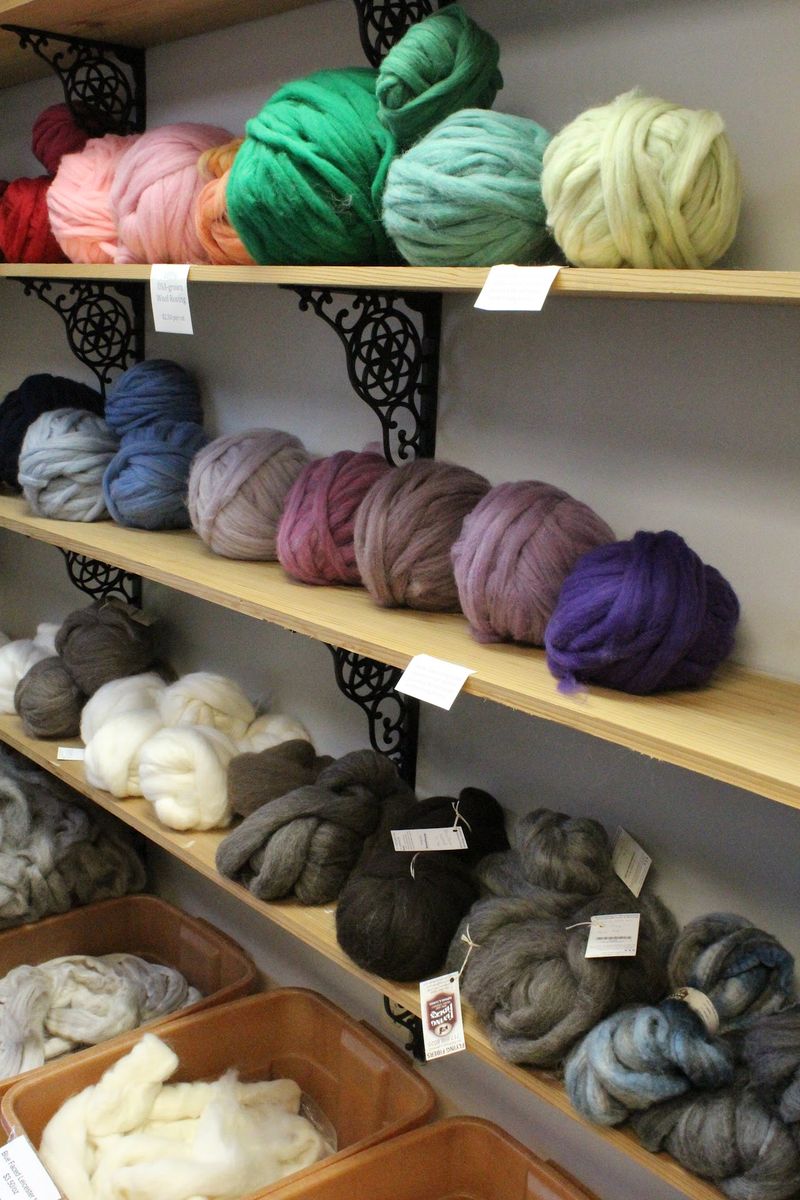
Brown, cream, gray, and soft oatmeal tones can all grow right on a sheep. Flying Fibers carries undyed yarn, which lets those natural shades show through without any added color.
One shopper made the trip specifically because the website mentioned undyed yarn. She was searching for a naturally brown yarn for a hat.
She ended up choosing an alpaca and wool blend, with alpaca that was sourced locally.
Why pick undyed fiber? Some crafters like the gentle, earthy look.
Others like knowing the color came from the animal instead of a dye pot.
Natural colors also mix well with each other. A cream body with brown stripes can look classic without trying too hard.
Here is a helpful tip. Natural colors can shift a little from batch to batch, since every sheep is different.
If you need enough for a whole sweater, buy it all at once.
That small step keeps your project looking even from cuff to collar. It also gives you a good excuse to ask staff which animal your yarn came from.
Not every yarn shop can answer that question.
Hand-Dyed Colorways With a Farm Story
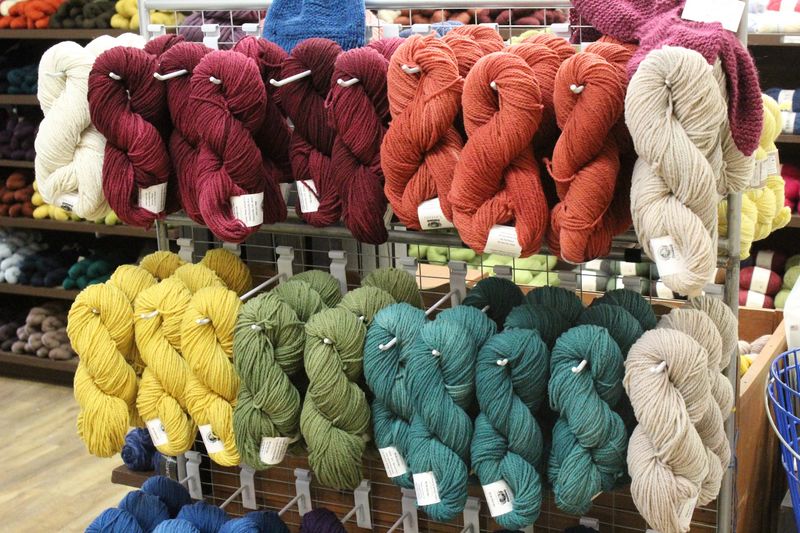
Not everyone wants beige. Luckily, the shop also does in-house dyeing, and its colorways have earned plenty of compliments over the years.
Shoppers have described the store as vibrant and colorful. That makes sense once you picture natural wool next to shelves of bright, bold hand-dyed skeins.
Hand dyeing is a slow, careful job. Each batch can turn out slightly different, which gives the yarn a one-batch personality.
I like that the shop offers both sides. You can grab a calm, undyed skein for one project and a bold dyed one for the next.
Color selection is one of the topics people mention most. If you struggle to make choices, bring a photo of your pattern or a scrap of another yarn you plan to pair with it.
Staff can help you match colors, too. One visitor’s partner, who normally avoids yarn shops, ended up happily helping pick fiber colors for a gift.
That kind of moment happens when choosing colors feels fun rather than stressful. And speaking of choices, the store stocks far more than its own wool.
Yarns From the Farm and Far Beyond
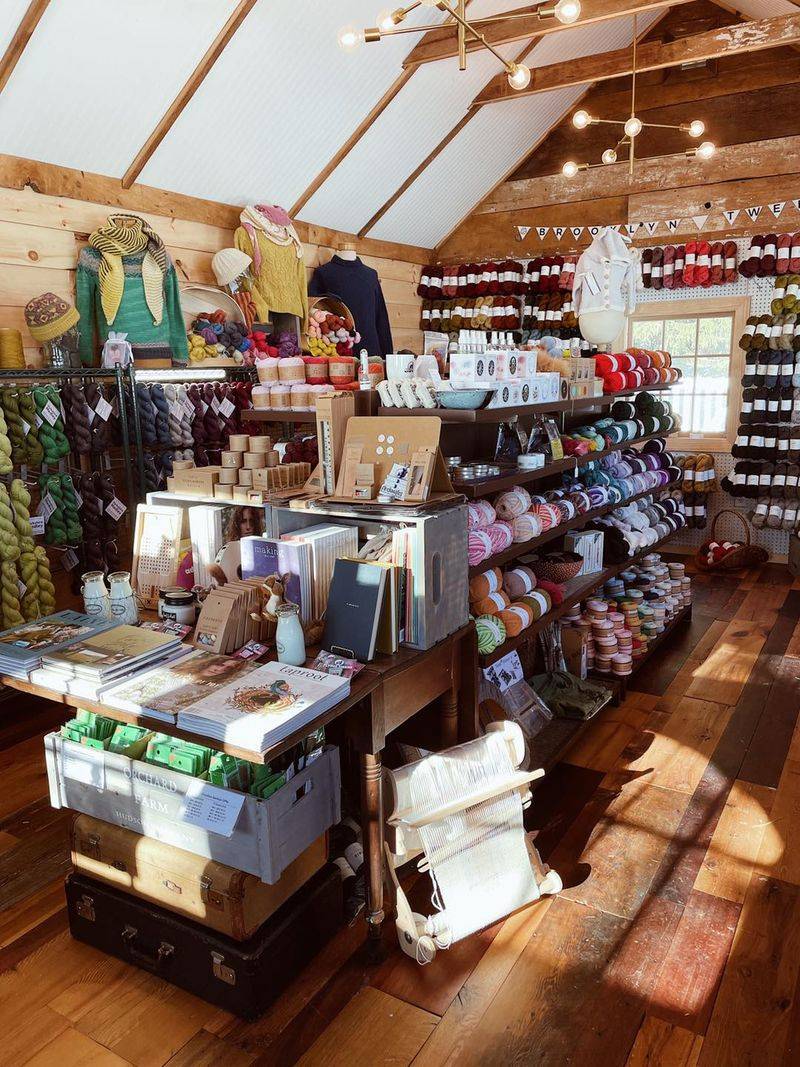
Farm yarn is the headline, but the shelves go further. Flying Fibers stocks in-house yarn plus commercial brands, including imported and local blends.
The focus is mainly wool. According to the owners, they also carry some cotton and an acrylic and wool blend.
That helps if someone in your family can’t wear pure wool or you want something easy to wash.
Instead of a tiny bit of everything, the shop has carried a large range of colorways from favorite quality brands. That approach means you can often find enough of one color for a big project.
Planning a sweater? Count your skeins before you go.
Patterns list the yardage, so write it down and bring it along.
Store samples can also help. One shopper called the yarn and samples the most wonderful she had seen in a while and found her next project right there.
Seeing a finished piece makes it easier to imagine how a yarn drapes and feels. Beyond yarn, though, the shop has a big following among people who work with loose fiber.
Roving by the Ounce for Needle Felters
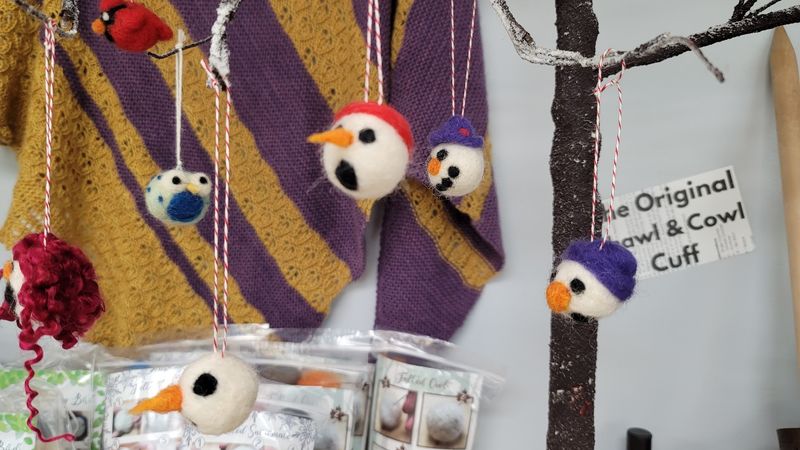
Felters, take note. Wool roving is sold here in many colors, and it has been available by the ounce when you only need a smidge.
Roving is wool that has been cleaned and combed into a long, fluffy rope. Spinners turn it into yarn.
Needle felters poke it with special barbed needles until it firms up into shapes like little animals.
One visitor said a wide variety of roving is hard to find, and this shop had a very nice selection. Another said it was the only place she could find felting needles.
Buying by the ounce is smart for beginners. You can try several colors without spending a lot on fiber you may not use.
A simple first project is a small sheep. Fitting, right?
Grab white or cream roving, a little black for the face, and a foam pad to protect your table.
Felting needles are sharp, so go slowly and keep fingers clear. Staff have helped gift shoppers who knew nothing about felting choose the right supplies.
Asking questions is welcome, and it is how many beginners get started.
Tools for Spinning, Weaving, and More
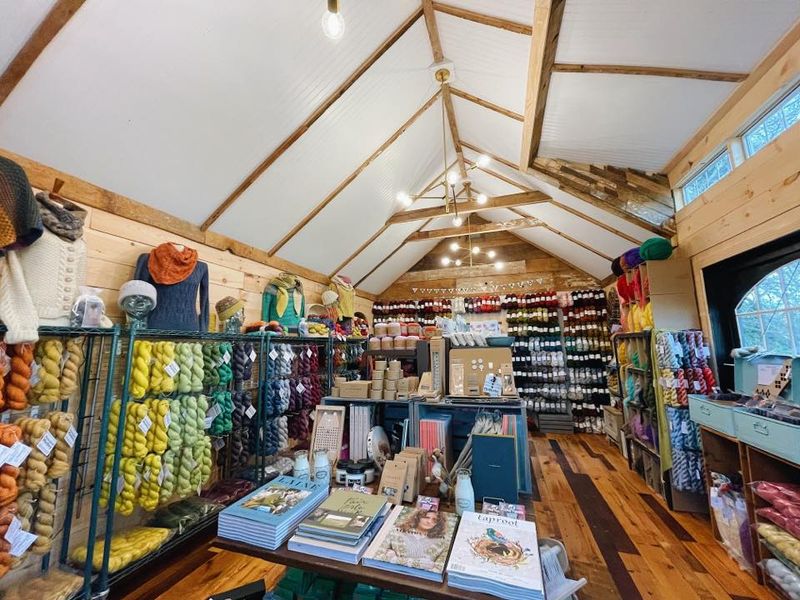
Knitting needles are just the start. Flying Fibers carries books and supplies for weaving and spinning, along with knitting and crochet tools.
Spinning supplies and crafting tools show up often when shoppers describe the place. You will also find notions, which are the small helpers like stitch markers and accessories that make projects easier.
Crochet fans are covered with basic supplies. Weavers can browse materials for loom projects, which are not always easy to find in general craft stores.
I would start by making a short list before visiting. Small shops can fill every corner, and it helps to know whether you need a new hook size or a tapestry needle.
Books are worth a slow look. A good guide can teach a new stitch or weaving pattern long after the shopping trip ends.
Have a question about a tool? Staff have a reputation for being knowledgeable and able to answer many crafting questions.
That kind of help is valuable if you are trying a craft for the first time. Learning gets even easier with a class.
Classes That Turn Curiosity Into Skill
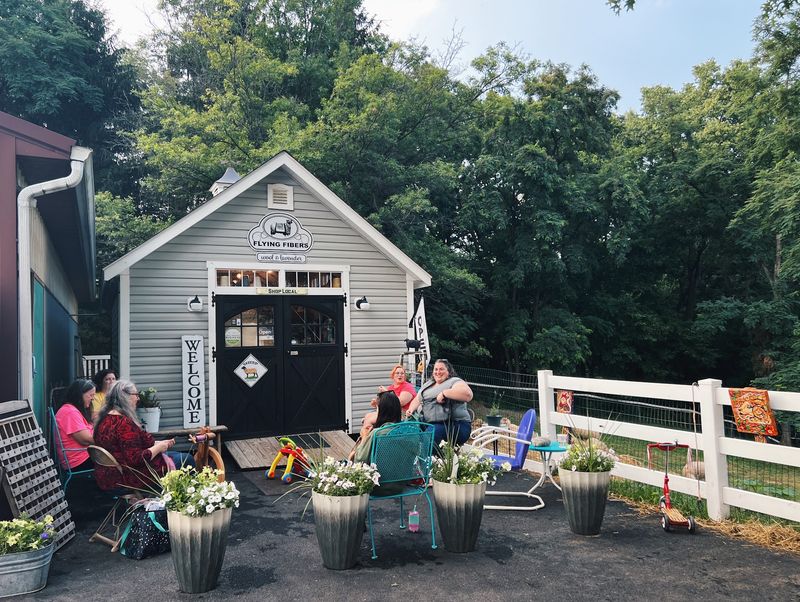
Learning a craft from a video is fine. Learning it in a room full of wool, with someone who can fix your stitches, is even better.
Flying Fibers has run classes in various fiber arts, including felting how-to sessions. The owners have also shared excitement about a newer classroom space and teaching opportunities there.
Classes help with the tricky parts. Casting on, reading a pattern, and keeping tension even all click faster with a teacher close by.
I can understand the appeal for beginners and for people who already know one craft. A knitter might try felting.
A crocheter might take a first spin on a wheel.
Class schedules change, so check the shop’s website or call before planning around a specific topic. Spots can be limited in a small space.
Bring a notebook and any supplies listed in the class details. If none are listed, ask ahead.
Repeat shoppers may also like the shop’s rewards program, which is based on accrued purchase totals. Finishing a class often leads straight to buying yarn for the next project.
Lavender, Chickens, and Whimsical Parking Signs
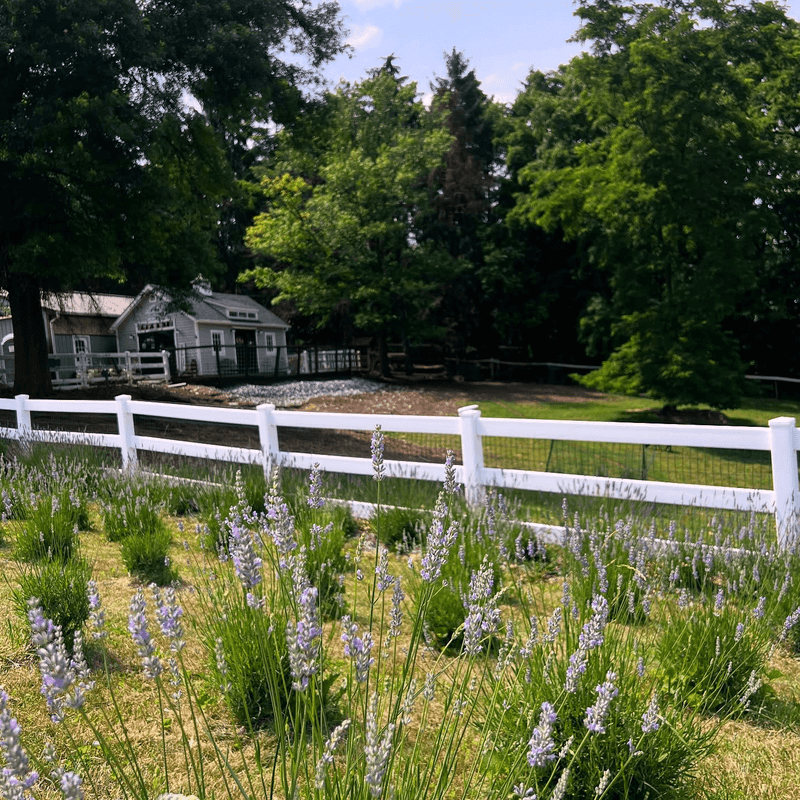
June brings a purple surprise. The owners have invited shoppers to stop back that month, when their lavender is in full bloom.
The shop has also sold lavender items. That small extra makes sense on a farm that grows its own.
Animal life is everywhere. Visitors have mentioned hearing chickens, seeing other farm animals, and meeting friendly cats.
A pup named Max has also charmed guests.
Early summer is a sweet time to come. That is when you can sometimes see baby sheep in the field.
Little details add personality, too. One shopper loved the whimsical parking signs and suggested people take a closer look at them.
The drive itself gets praise. Visitors describe a gorgeous view and a beautiful drive to reach the farm, which sits off the road.
If you love photos, bring your phone but be thoughtful. Ask before snapping pictures of people, and keep a calm distance from the animals.
The setting is part of the fun, but it is still a working farm with daily chores. Speaking of practical matters, parking deserves a quick word.
Smart Tips Before You Drive Out
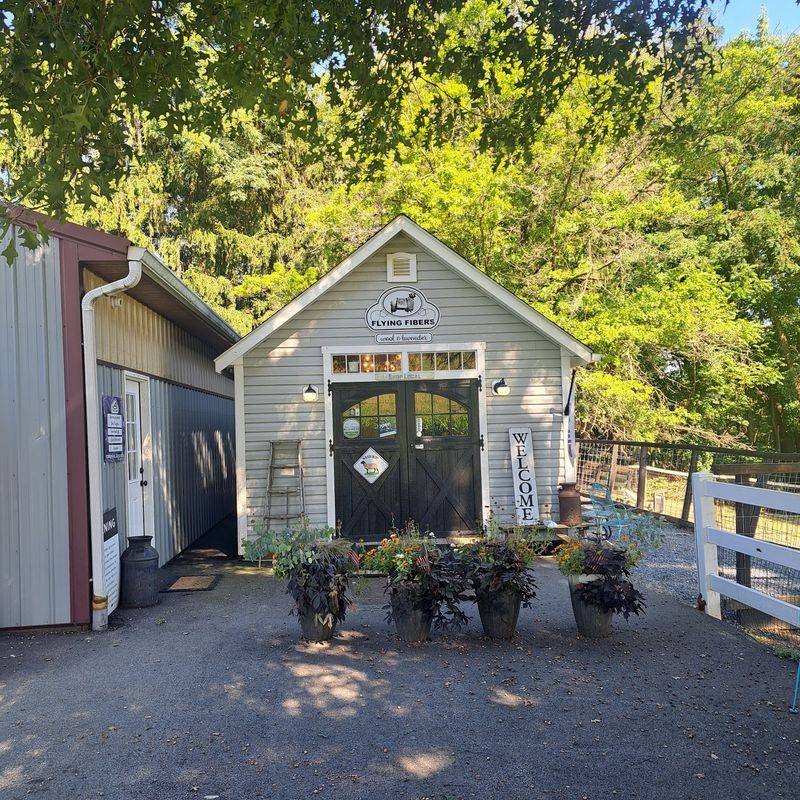
Plan for a farm, not a mall. Parking in front of the shop can be limited at times, though there is also parking in the back.
One past visitor advised against the back entrance for anyone with mobility difficulties. If that matters for your group, call ahead and ask about the easiest way in.
Hours are listed as Tuesday through Friday from 10 AM to 4 PM and Saturday from 10 AM to 3 PM. The shop is closed Sunday and Monday.
Double-check before a long drive, since farm schedules can change.
Wear shoes that can handle grass or gravel. You will probably want to wander toward the pasture.
Bring your pattern details, needle sizes, and yardage needs. This saves time and helps staff point you to the right yarn.
Visitors from Lancaster often make the short trip across the river, so it pairs well with a day exploring the area.
Finally, leave a little room in your budget for surprises. A skein from a named sheep, a bundle of roving, or lavender from the farm has a way of hopping into the bag.
Wool from a ram named Frederick is a good story to knit into a hat.
Share this story