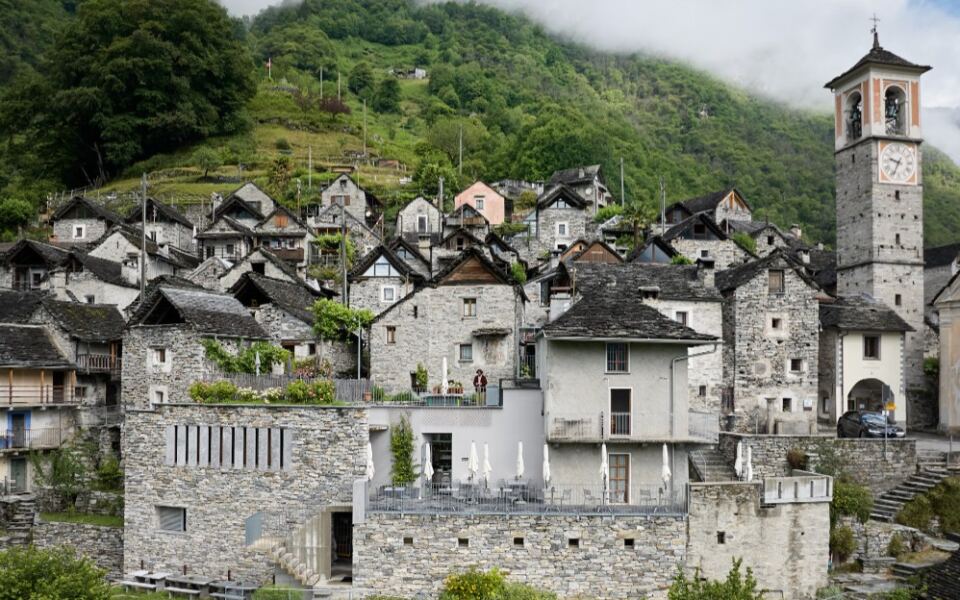
Corippo is a tiny village in Ticino, Switzerland, and it once had only nine residents. Instead of letting it fade away, people turned its old stone houses into a hotel with rooms scattered across the hillside.
Guests now sleep in homes that are hundreds of years old. Here are ten things that make this little place so special.
The Smallest Municipality in Switzerland
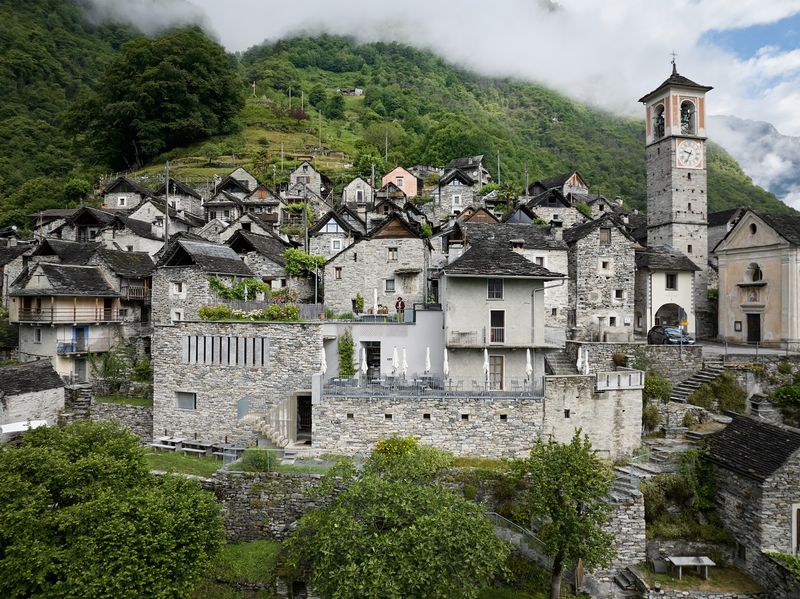
Nine people. That was the headcount in Corippo at the end of 2019, which made it the smallest municipality in all of Switzerland.
In July 2018 there were twelve residents, so the numbers were sliding fast.
A village that small can feel like a secret. There is no crowd, no traffic jam, and no rush.
If you meet someone on the lane, there is a good chance you will remember their face.
The village sits in the Verzasca Valley, in the district of Locarno. Its postal address reads 6631 Verzasca, because Corippo later joined a larger municipality.
The name on the map changed, but the little cluster of homes stayed just as charming.
Small size brings big questions. Who keeps the houses standing when almost nobody lives in them?
Who fixes the roofs, the paths, and the walls? Those questions pushed locals and supporters to look for a fresh idea, and the hotel plan grew from there.
Today the tiny headcount is part of the appeal. Visitors come for the calm, the views, and the feeling of stepping into a place that time nearly forgot.
A Village Slowly Emptying Out
Picture a school bell that never rings and a bakery that closed decades ago. Many mountain villages in Switzerland faced this kind of silence, and Corippo was one of them.
Young people left for towns with jobs, and the old houses were left behind.
Steep slopes made daily life hard. Shops were far away, and winters could be tough.
Families moved down the valley one by one until only a handful stayed.
Empty stone houses do not stay in good shape for long. Roofs leak, wood rots, and plants creep in through the cracks.
A village can lose its look before anyone notices.
That risk is what made Corippo famous among people who care about heritage. It showed how fast a place can fade, and how much work it takes to save one.
The story could have ended with locked doors and fallen roofs. Instead, a plan took shape to give the buildings a purpose again, and that purpose was welcoming guests.
The Hotel With No Single Building
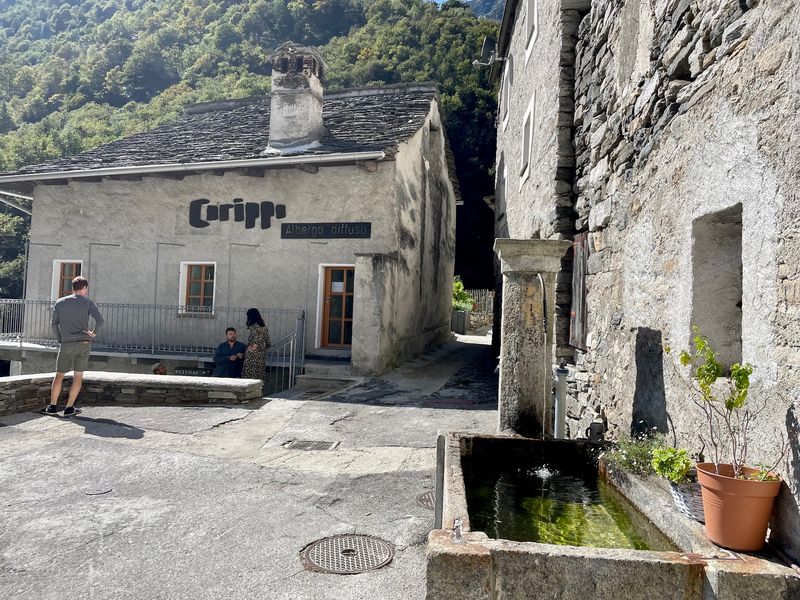
Check in at one door, sleep behind another. That is how a scattered hotel works, and Corippo does it with style.
The rooms are spread through the village instead of stacked in one big block.
This idea is sometimes called an albergo diffuso. Reception, rooms, and common spaces sit in different old houses.
Guests walk between them along the same lanes the villagers used for centuries.
The big advantage is that nothing new needs to be built. The village already has the walls, the stairs, and the character.
Careful repairs bring the old homes back to life without changing the skyline.
For travelers, the experience feels more like living in the village than visiting it. You wake up, step outside, and you are already in the middle of the scene.
For the village, every booked room helps pay for upkeep. A guest bed becomes a small vote for keeping the roofs on and the doors open.
Stone Walls With Stories
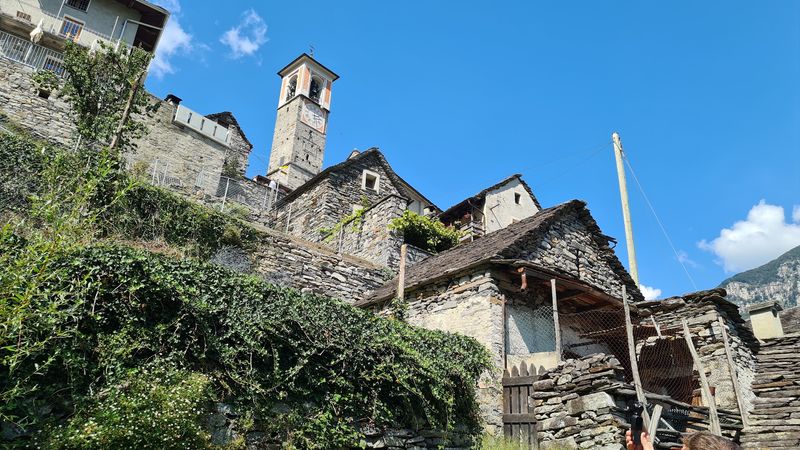
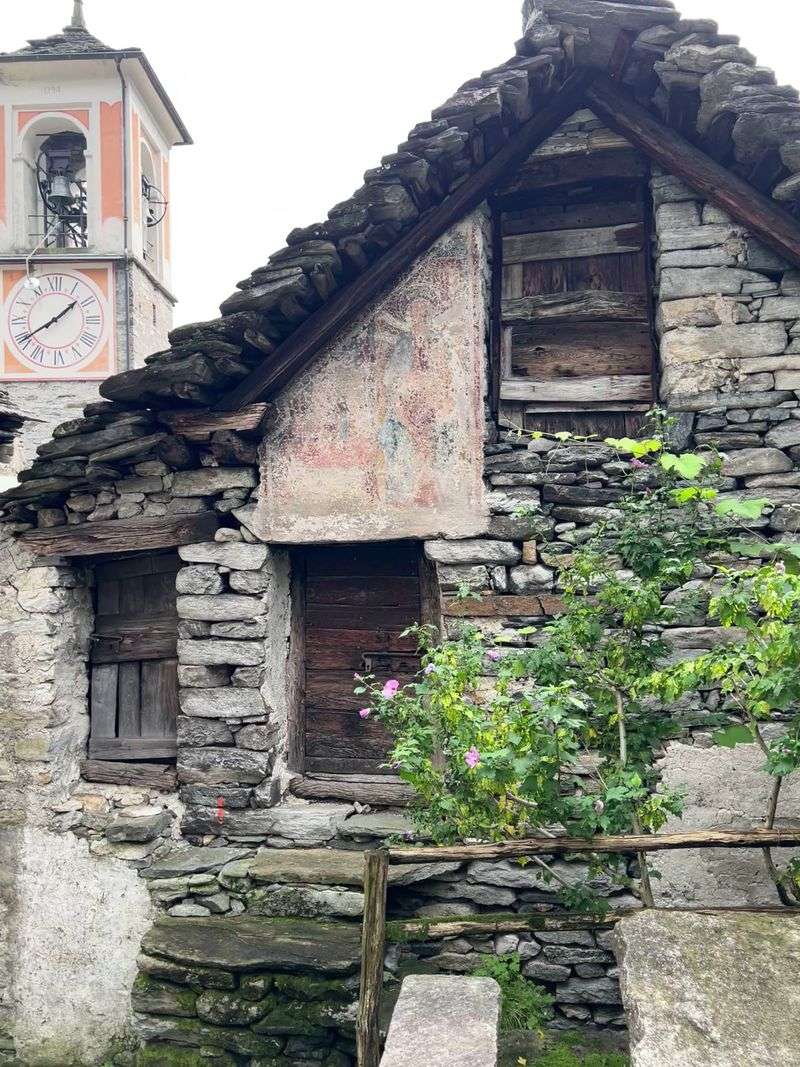
Run your hand along a Corippo wall and you can feel the age. The houses are built from local stone, stacked tight and topped with heavy slabs for roofs.
Nothing about them looks hurried.
Stone does a clever job in the mountains. It stays cool when summer gets hot and holds a little warmth when evenings turn chilly.
Builders here knew their materials well.
Many of the rooms are small, with low doorways and thick walls. Modern touches like clean bedding and bathrooms are tucked inside without hiding the old bones.
You get comfort and history in the same room.
Look closely and you will spot tiny details. Worn steps, iron hinges, and narrow windows all hint at the people who lived here long ago.
Duck your head, step inside, and take a moment. Every stone has been in place longer than most families can trace back.
Life in the Verzasca Valley
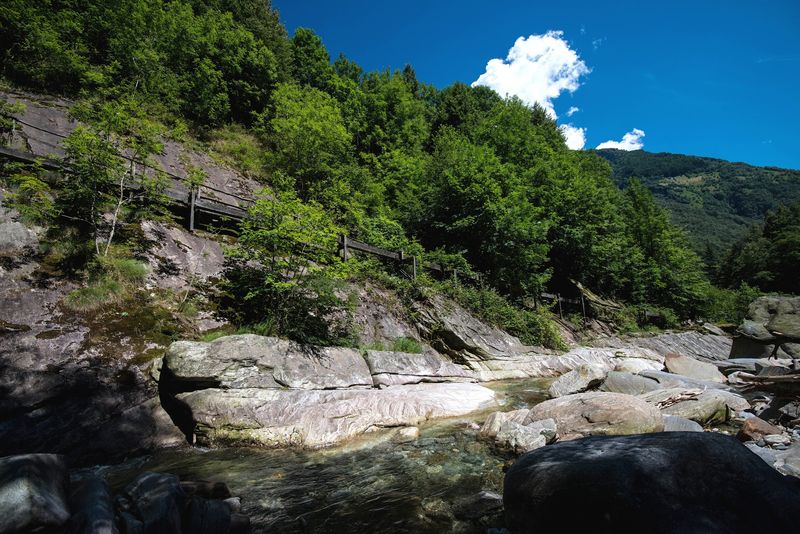
Cold, clear, and ridiculously green: that is the Verzasca River. It runs through the valley that Corippo calls home, and its water has a color that looks almost unreal.
The valley is known for rocky riverbanks, forested slopes, and old stone bridges. Corippo sits on a hillside above it all, with views that stretch across the trees.
Mornings often start with soft mist and birdsong.
Hiking trails pass close to the village. Some are gentle walks, while others climb steeply and reward you with wide views.
Pack sturdy shoes and plenty of water.
In warm months, many visitors cool off in the river nearby. Always check local safety advice first, since currents and cold water can surprise even strong swimmers.
Staying in Corippo puts you right in the middle of this scenery. You can leave your door and be on a path in minutes.
A Community Helping Hand
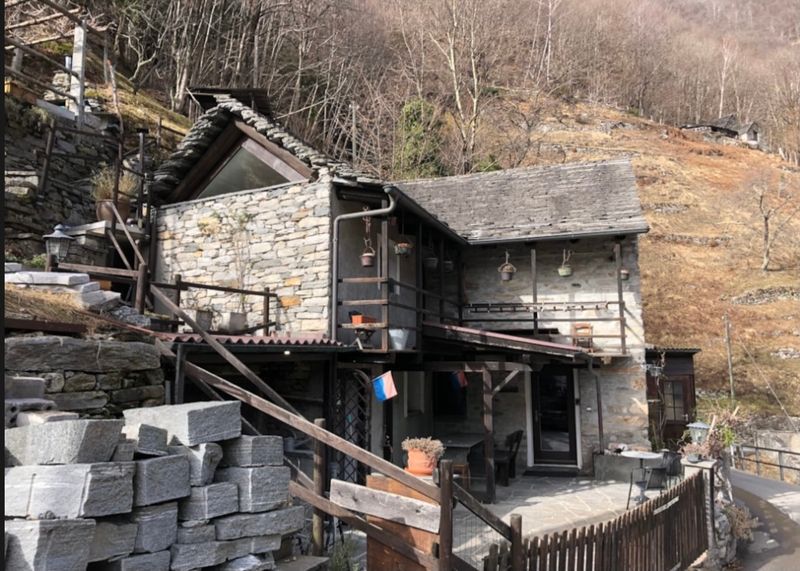
Saving a village takes more than a good idea. It takes people who show up, roll up their sleeves, and keep going.
In Corippo, a foundation and local supporters worked to protect the buildings and plan the hotel.
Many owners of the old houses agreed to take part. That teamwork matters, because the homes belong to different families.
Getting everyone on the same page is a big job.
Craftspeople were needed for repairs, from roofers to stonemasons. Traditional skills that were nearly forgotten found new use.
Old methods and local materials kept the look of the village intact.
The goal was never to turn Corippo into a theme park. It was to let the place keep living, with real people sleeping, eating, and walking in it.
When a community works together like this, a fading village gets a second chance. It is a rare happy ending for a tiny mountain town.
Quiet That You Can Actually Hear
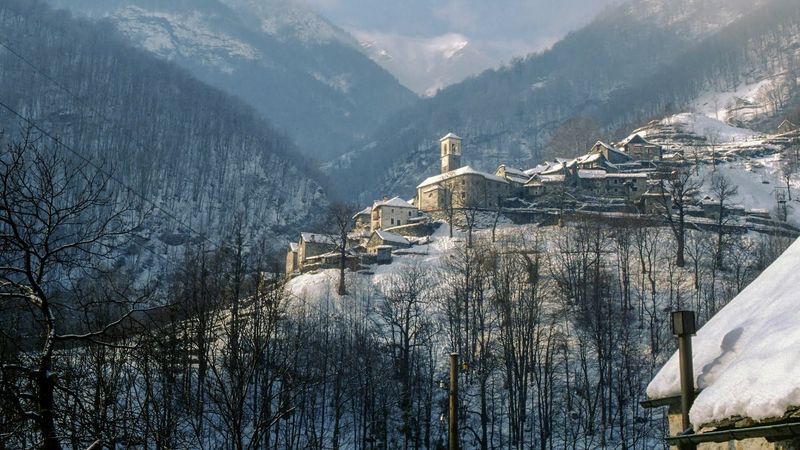
Listen closely. You might hear a distant bell, a trickle of water, or just your own footsteps.
Corippo is the kind of place where silence has texture.
With so few residents, nights are calm and dark. Stars show up in big numbers, and city glow is nowhere to be found.
Bring a jacket and look up before bed.
This peace is the main treat for many guests. There is no loud street, no shopping rush, and no pressure to fill every hour.
A book, a view, and a cup of something warm are plenty.
Phones may even feel less important here. Some visitors find themselves chatting with neighbors on the path or watching light change on the hills.
If your daily life is noisy, a night or two in Corippo can feel like pressing a reset button.
Ticino Flavors on the Table
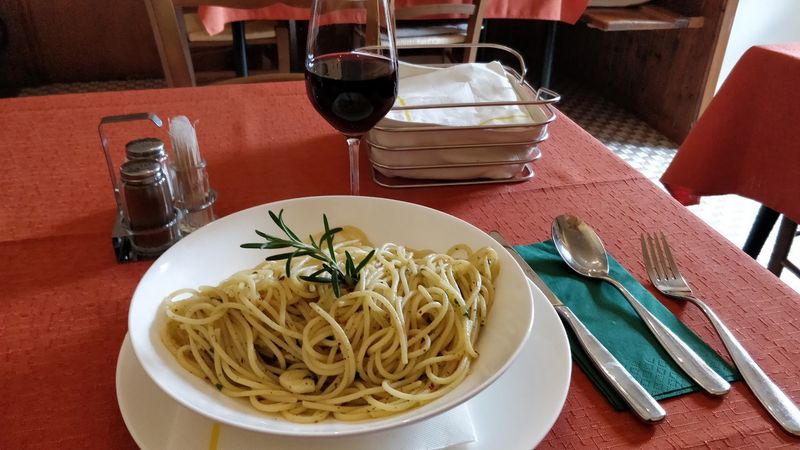
Polenta, cheese, and a glass of Merlot walk into a stone house. That is a pretty good start to dinner in Ticino.
The region mixes Swiss care with an Italian love of food.
Local menus often feature hearty dishes made for mountain life. Think slow-cooked meats, creamy cheeses, and bread with a crisp crust.
Merlot is the star of Ticino wine and shows up on many tables.
Because Corippo is so small, meals feel simple and personal. Ask what is fresh, and try something you cannot find back home.
Food here tastes better with a view.
Bigger towns in the valley and around Locarno offer more restaurants if you want options. A short trip can add variety to your plans.
Save room for dessert, too. Chestnuts and sweet baked treats are popular in the region and make a cozy ending.
Walks and Wanders Around the Village
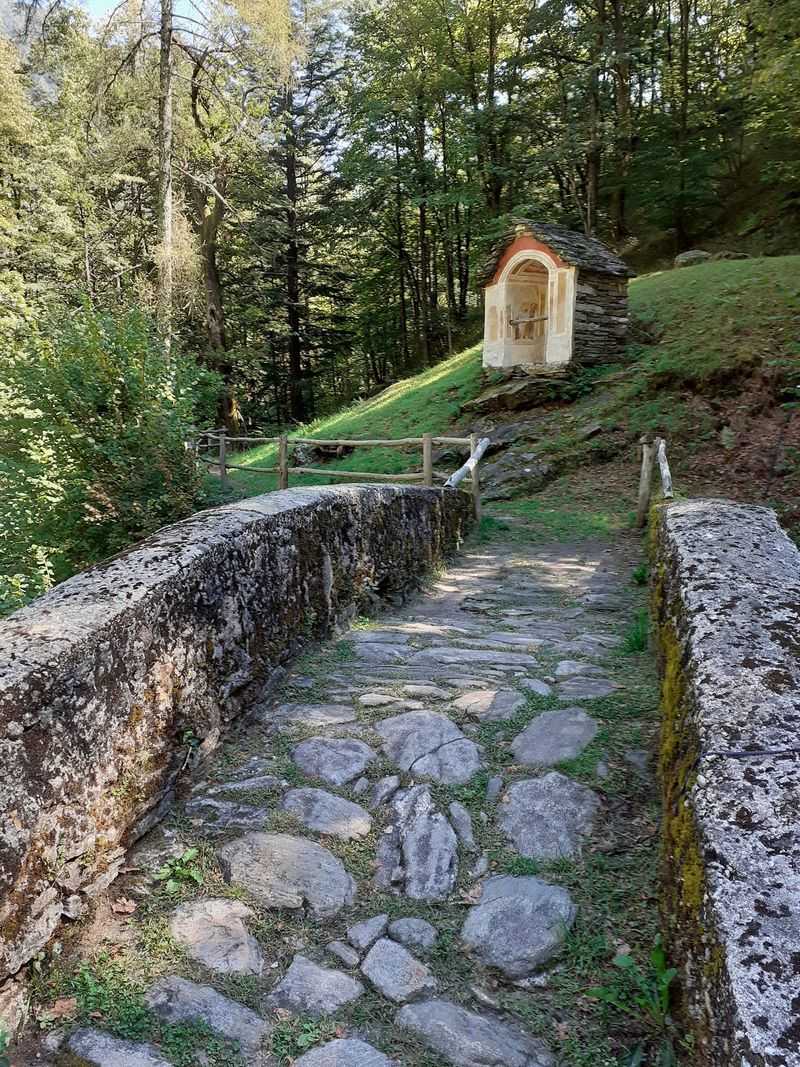
Bring comfy shoes, because Corippo is a walker’s village. The lanes are narrow, stepped, and paved with stone.
Cars have no business here, so your feet do all the work.
A stroll through the village takes only a short time, but it is easy to linger. Peek at doorways, notice carved details, and stop at the small church.
Every corner has a photo waiting.
Beyond the houses, trails lead into chestnut woods and along the valley slopes. Routes vary in difficulty, so pick one that fits your energy.
Weather can change fast in the mountains, so check the forecast.
Morning light makes the stone glow, while late afternoon paints the valley in gold. Both are worth catching.
If you like slow travel, this is your spot. Nobody is counting how many sights you tick off.
A Model for Saving Other Villages
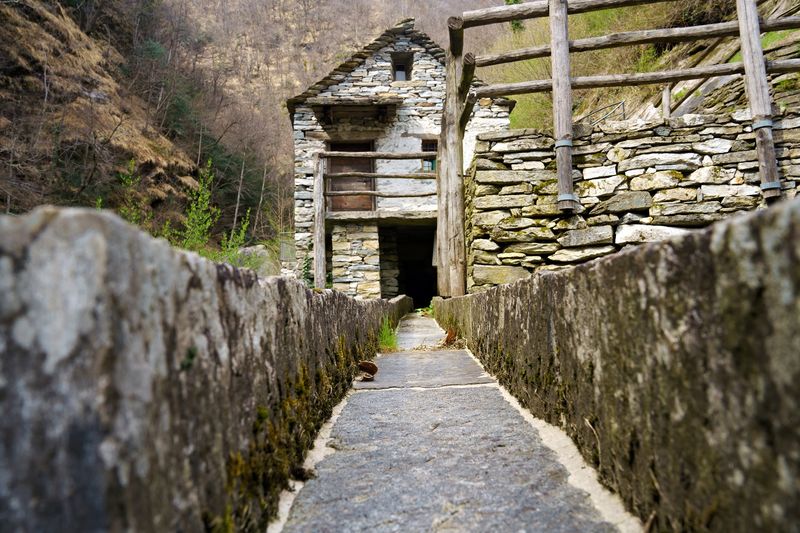
What if empty villages could be given a new job? Corippo offers a hopeful answer.
Its scattered hotel shows that old homes can find new life without losing their look.
Other mountain areas across Europe face the same problem. Young people leave, buildings decay, and traditions fade.
A project like this gives planners something real to study.
The approach is gentle. It keeps the village as it is, uses existing buildings, and brings in visitors who care about the place.
Income from guests supports repairs and keeps the lanes alive.
It will not suit every village, and it takes patience, money, and agreement among owners. Still, the example has inspired many people who love heritage.
Corippo may still be tiny, but its story reaches far beyond Ticino. A handful of stone houses proved that small places can have big ideas.
Share this story