High on a Paris hill, a white church has never gone quiet. Since 1885, people have taken turns praying there, hour after hour, day and night.
Sacré-Cœur is more than a pretty view, because it is a living place of worship. Here are ten things that make this hilltop landmark so special.
A Prayer That Never Clocks Out
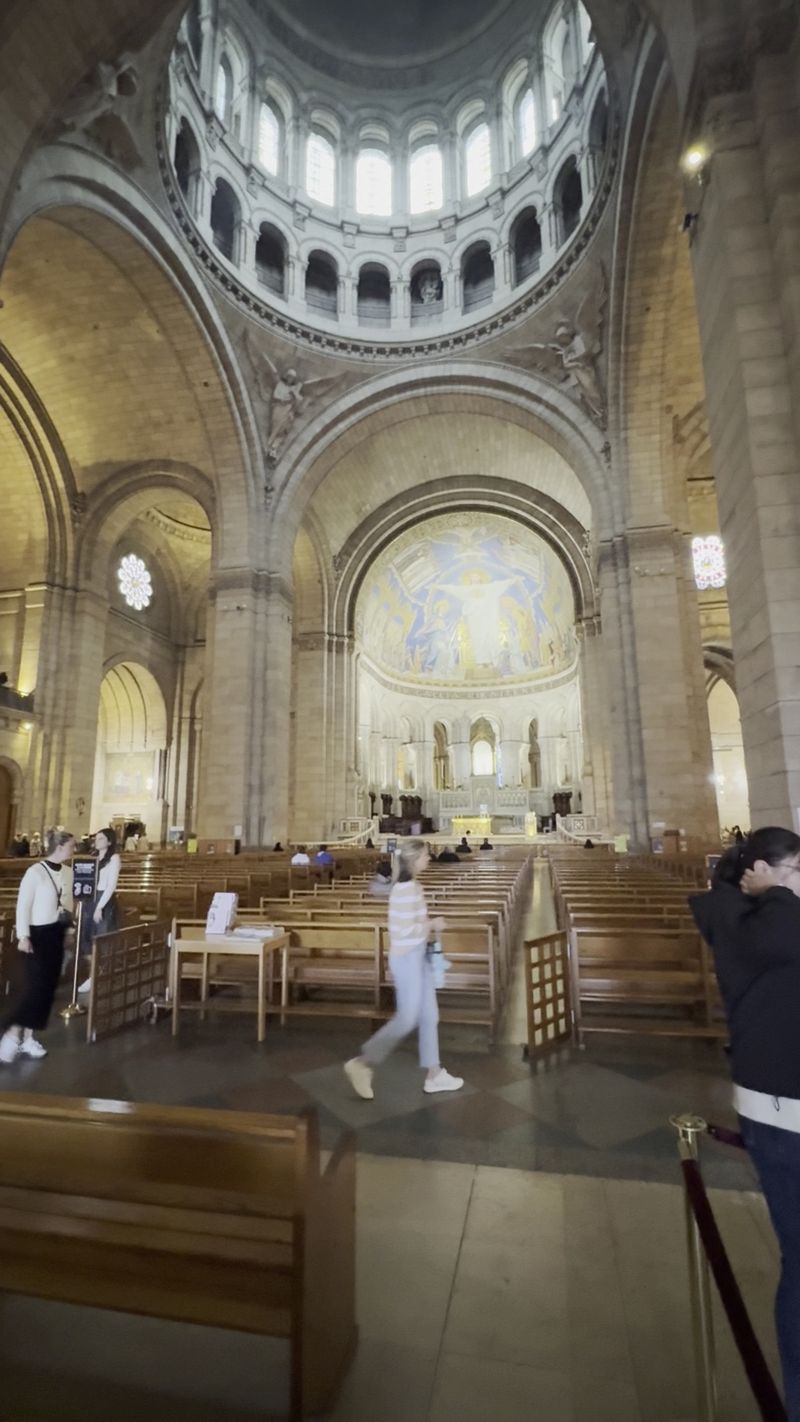
Picture a night shift where the job is praying. Since 1885, believers have kept a perpetual vigil here, so someone has been in prayer at the basilica for well over a century.
Wars, holidays and quiet Tuesdays have not stopped it.
Visitors sometimes expect a museum, yet the basilica works first as a church. One traveler noticed that you can really feel it is a place of worship, and that makes the visit feel a bit more special.
Even a short stop can feel different when you know the prayer is still going.
The vigil began before the building was finished. The first stone was laid in 1875, and the basilica was completed in 1914.
It was consecrated in 1919 after World War I.
If you want to honor the spirit of the place, speak softly and keep your phone tucked away. Photos are not allowed inside, and guards will remind you politely.
Think of yourself as a guest in a very old, very faithful home. Take a seat, breathe slowly, and let the calm settle in around you for a while.
Built as a Promise After a Rough Time
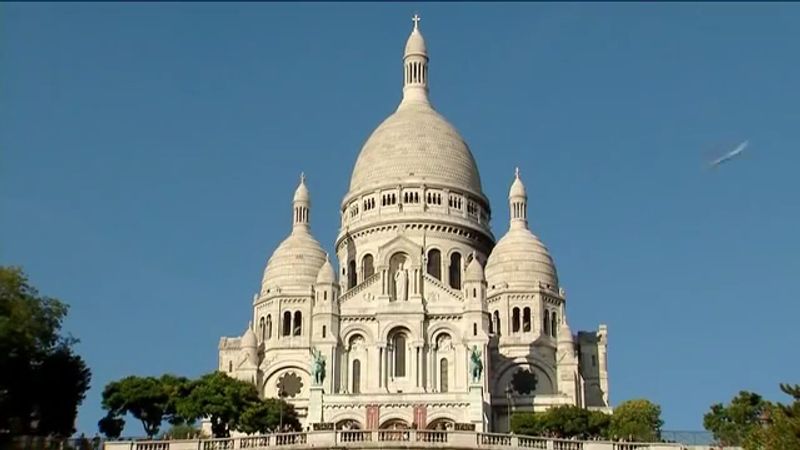
Some buildings start with a blueprint. This one started with a national heartache.
After France lost the Franco-Prussian War and lived through the Paris Commune turmoil in 1871, people wanted a place of repentance and hope.
Construction began in 1875 and stretched on until 1914. That is nearly forty years of scaffolding, stone and patience.
After World War I, the basilica was finally consecrated in 1919.
One reviewer pointed out that this makes it unusual among churches, because it was built partly as a national penance. Most churches were built purely for worship, but this one carries a big chunk of history in its walls.
Knowing that story changes how you look at the domes.
The prayer vigil fits right into that story. It began in 1885, while workers were still building.
So the church was praying long before it was done.
When you stand at the foot of the steps and look up, remember the long wait. A place that took this long to build was clearly meant to last.
It still stands proudly on the hill.
Stone That Washes Itself
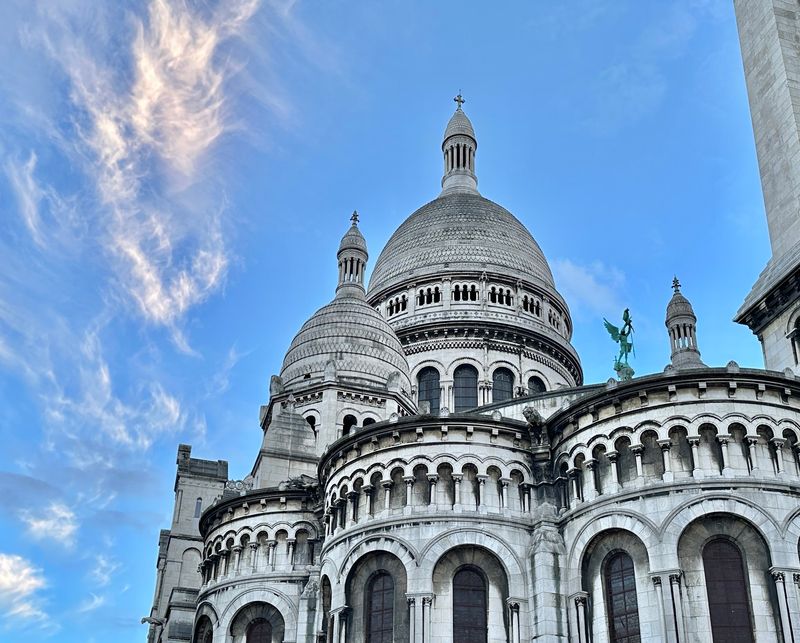
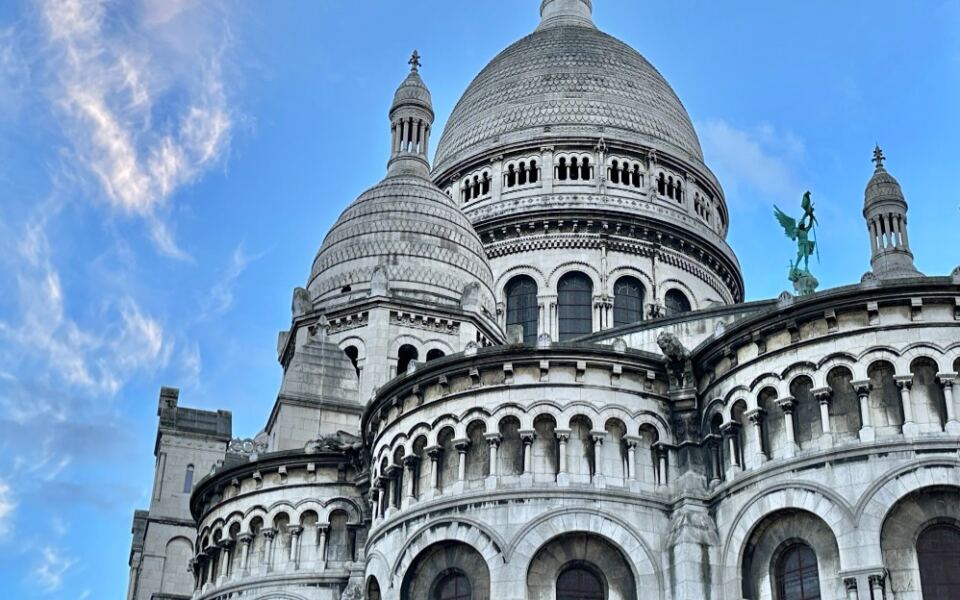
Here is a quirky fact for your next trivia night: the basilica cleans itself. Its white travertine stone releases a chalky film when it rains, and that keeps the surface bright.
Paris soot has a hard time winning this fight.
The result is a building that almost glows. Reviewers describe the domes as looking unreal against the sky, especially on sunny days.
On a foggy winter morning, one visitor watched them appear and vanish in the mist.
The style is called Romano-Byzantine, with rounded domes and a creamy, pale color. It stands out from the gray and cream buildings found in much of Paris.
You can spot it from far away across the city.
Photographers love it, and the best light comes early in the morning or around sunset. That is also when the crowds are thinner.
Bring a camera, or just your eyes.
Up close, look at the stone and the carved details around the doors. You will notice new things every visit.
That is part of the fun of coming back.
Christ in Majesty Above the Altar
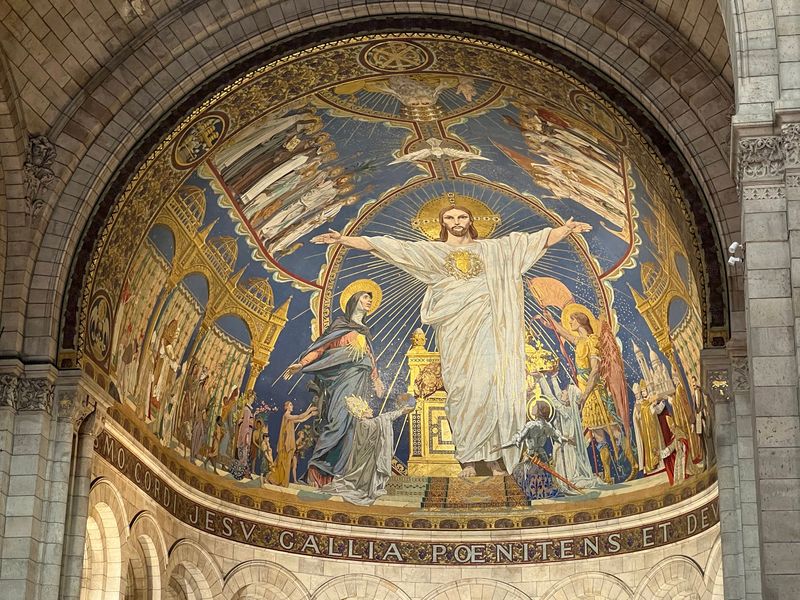
Look up, and keep looking. The giant golden mosaic above the choir, called Christ in Majesty, is one of the largest in the world.
Many visitors say it stopped them in their tracks.
The colors are rich and warm, and the soft light inside makes them shimmer. One traveler said the golden tones were among the most beautiful art they had ever seen.
Even people who are not religious often admit it is hard not to feel moved.
The mosaic fills the ceiling of the apse, the curved area behind the altar. It sits high, so it feels huge from the pews.
Tiny pieces of glass and stone make up the figures.
Take a moment before you move on. Stand to the side so you do not block the aisle.
Then tilt your head back and let your eyes wander across the gold.
This is also the spot where many visitors feel the quiet most strongly. It is a great place to pause and breathe.
Then you can carry that calm back out into the busy streets.
The Great Staircase Workout
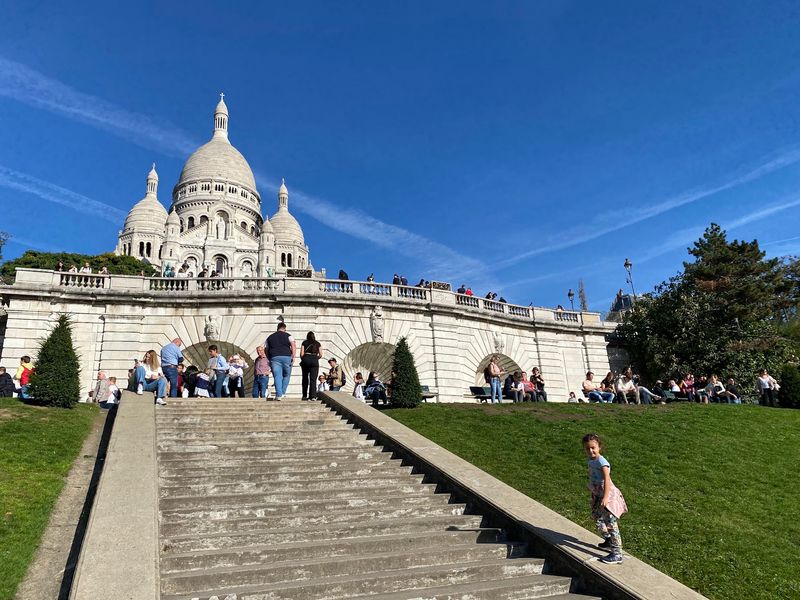
Your legs will have opinions about this hill. Getting to the basilica means climbing plenty of steps, and one reviewer called it a bit of a workout.
Most agree the view along the way makes it enjoyable.
If stairs are not your thing, you have options. A funicular carries people up the hill, and buses stop near the top.
The metro leaves you at the bottom, so plan your route.
One visitor took the little Dotto Train up and walked down instead. The descent passes small shops, galleries and cafés you might miss otherwise.
Another traveler even spotted an Irish pub about three quarters of the way up.
Wear comfortable shoes, because Montmartre is full of slopes and cobblestones. Bring water on hot days.
Stop on the landings to catch your breath and take photos.
The steps are also a social spot. Musicians play, people picnic, and strangers swap travel tips.
Treat the climb as part of the show.
Free Entry, Fast-Moving Lines
Good news for your wallet: stepping inside costs nothing. No ticket is needed for the basilica itself.
You only pay if you want to climb the dome.
Lines can look scary, but they tend to move. Visitors report waits from about 12 minutes on a weekend to around 30 minutes on a busy day.
Security checks happen at the door, so expect a quick bag look.
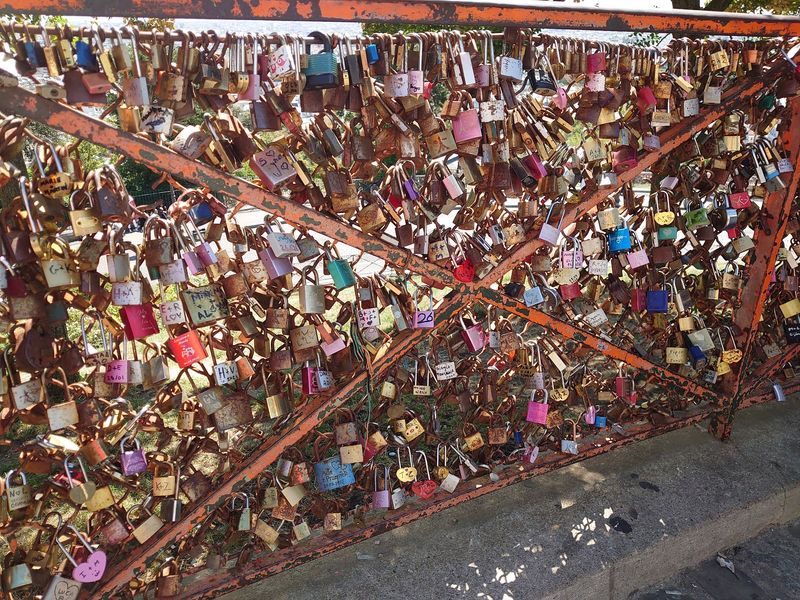
While you wait, there is plenty to watch. Buskers sing, people admire the view, and love locks hang on nearby fencing.
One reviewer said there was much to take in while the line crept along.
The basilica opens at 6:30 AM and stays open until 10:30 PM every day. Early morning is usually the calmest time.
Late evening can be peaceful too.
Remember that this is an active church. Be quiet, dress modestly, and skip photos inside.
Follow the signs and the staff, and the visit goes smoothly.
Three Hundred Steps to the Dome
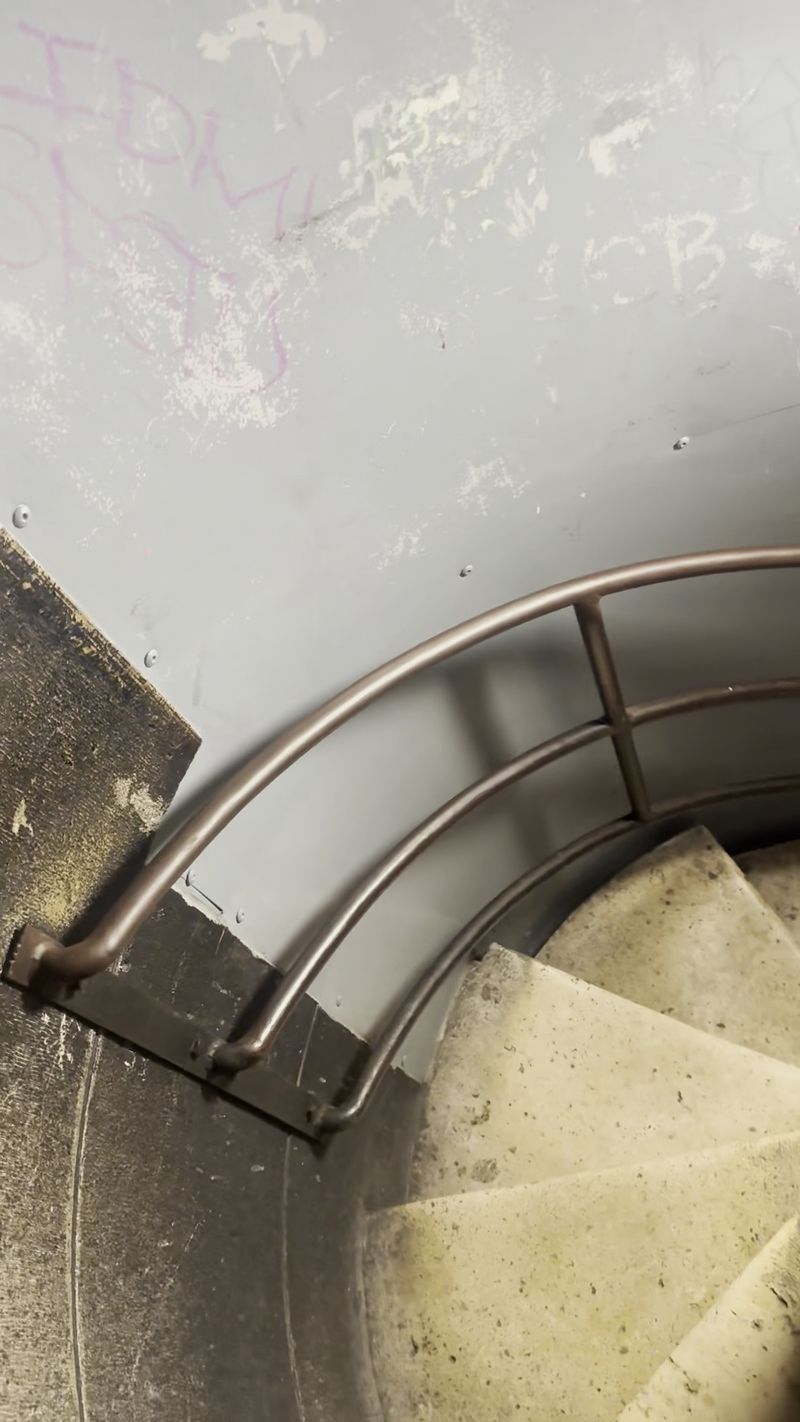
Ready for a real challenge? The dome climb is about 300 steps up a narrow spiral staircase.
One visitor warned it is not great for anyone claustrophobic or out of shape.
You buy a ticket on site, and one traveler reported a price of 8 euros for adults. The reward is a 360 degree panorama across Paris.
On clear days, people spot the Eiffel Tower in the distance.
Not everyone thinks the climb is needed. One reviewer felt you can see most of the city from the church doorway.
That is true, and the terrace view is free.
If you do go up, take your time and travel light. Let faster climbers pass on the wider spots.
Bring a bottle of water for the top.
Check the dome opening first, since one visitor found the tour was not available during their stay. Having a backup plan keeps the day relaxed.
The terrace will still be there waiting.
Sunset Over Paris
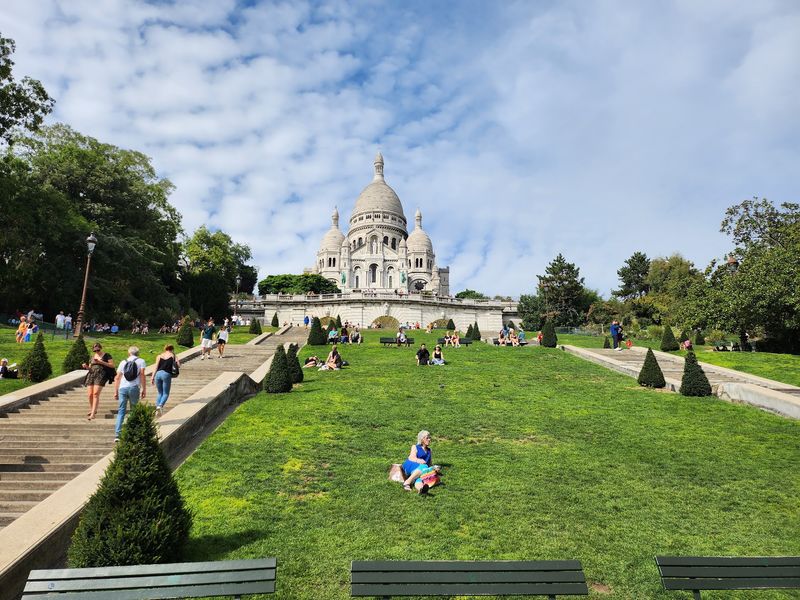
Golden hour was invented for this hill. As the sun sinks, the rooftops of Paris glow like warm honey.
Several reviewers called it a magical sunset spot.
People gather on the steps with snacks and music. A guitarist might strum nearby, and the whole crowd seems to relax together.
It feels like a free concert with a very big stage.
Arrive in the late afternoon so you can grab a good seat. Explore the neighborhood first, then settle in as the light changes.
One visitor suggested staying until the sky turns fully gold.
Mornings are lovely too, with fewer people and soft light. Spring and early autumn are especially pleasant for walking around.
Even a foggy day has its own mysterious charm.
Bring a light jacket, because it can get breezy up high. Keep an eye on your bag in the crowd.
Then simply enjoy the view.
Montmartre’s Artsy Neighborhood
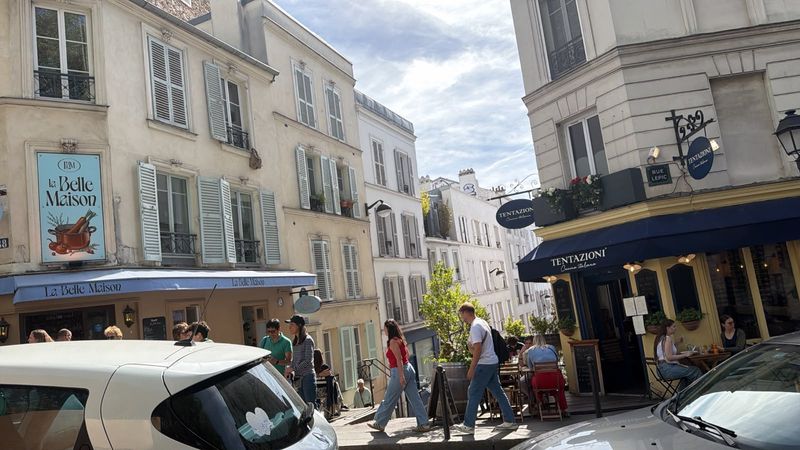
Step outside and the soundtrack changes. Montmartre buzzes with painters at Place du Tertre, small cafés and winding cobbled lanes.
Visitors say the area adds so much charm to the basilica.
Give yourself time to wander. Boutiques, galleries and bakeries hide around every corner.
One reviewer suggested making a day of it, with shopping first, then the church, then lunch or dinner.
Snack hunters have favorites too. A visitor praised Bachir’s Lebanese ice cream, and another found a tasty bistro behind the basilica, about a five minute walk away.
Cold drinks help on hot days.
Watch out for pushy sellers near the steps, as one traveler warned. A polite no usually works.
Keep your valuables close.
Fans of the movie Emily in Paris may recognize the area. Others will fall for it on their own.
Either way, the streets reward slow walking.
Services, Music and a Living Church
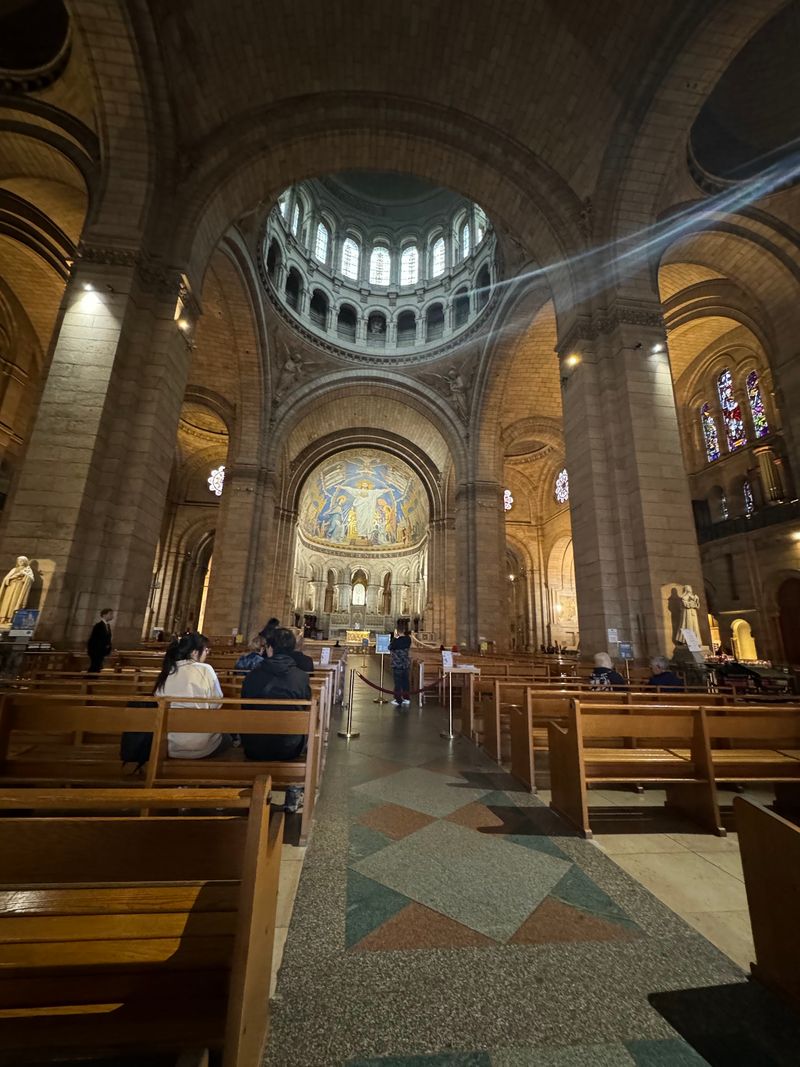
Sometimes you walk in and the church begins to sing. Visitors have stumbled into services and felt the whole room go still.
One reviewer called the acoustics amazing, and another described a graceful service around 6 PM that stopped everyone in their tracks.
Visitors are welcome to walk quietly around the edges while worship continues. That is part of what makes it feel real.
It is not a show, but a community at prayer.
This is also where the long vigil feels closest. Candles flicker, and a few people kneel in silence.
Even short visits can feel meaningful.
Check the basilica’s website for the schedule of masses and services. Plan around them if you want to join, or visit at a different time if you want a quieter walk.
Keep your voice low either way.
Some visitors found the interior plain compared with the exterior. Others were deeply moved.
Come with an open mind, and you may find your own favorite corner.
Share this story