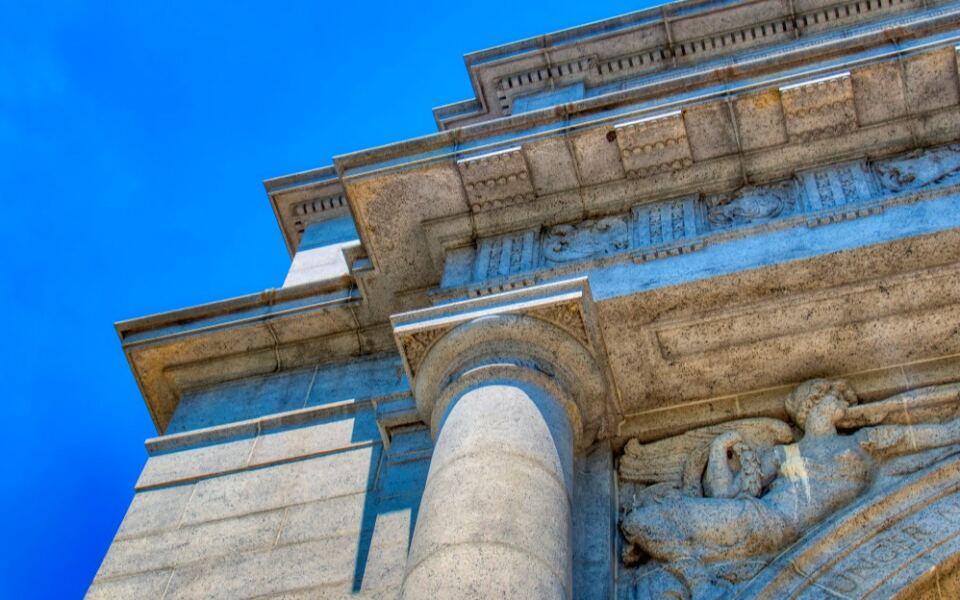
A granite arch about 60 feet tall rises from a grassy hilltop in Pennsylvania, and it was built to thank soldiers who spent one hard winter camped nearby. Carved high on its stone is a line from George Washington praising the patience of his troops.
The arch was finished in 1917, more than a century after that winter ended. It still draws walkers, bikers, families, and history fans every single day.
A Hilltop Tribute With a Real Address
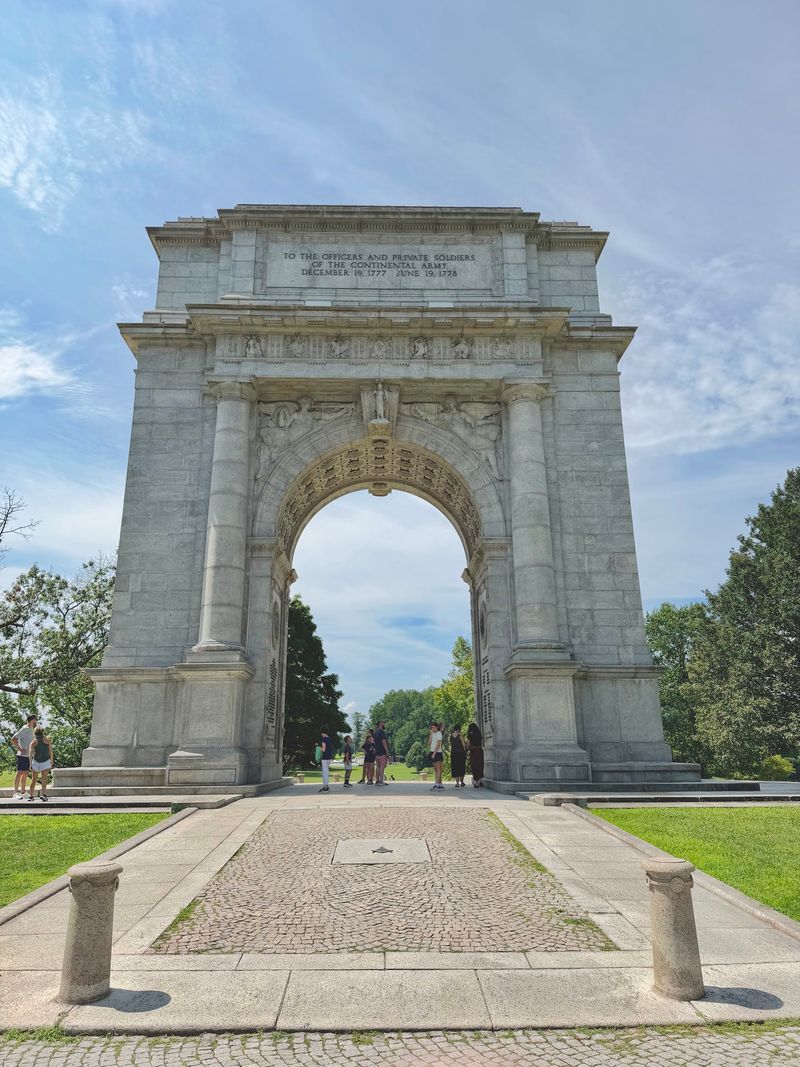
Plenty of monuments hide behind fences, but this one sits right out in the open. The National Memorial Arch stands at 420 Gulph Road in King of Prussia, Pennsylvania, inside Valley Forge National Historical Park.
It honors General George Washington and the Continental Army, who camped here during the winter of 1777 to 1778. The arch marks the spot where Gulph Road meets Outer Line Drive, so it is hard to miss on a park drive.
The arch rises from a gentle hill with open fields and trees all around it. Because of that, you can see it from a good distance as you approach.
I like that the setting feels calm rather than crowded with signs and shops.
The National Park Service cares for the arch today. According to current listings, the grounds open at 7 a.m. and close at 5 p.m. every day of the week.
Checking the park website before you go is smart, since schedules can change with weather or events.
Knowing where it is only tells part of the story. The reason it was built goes back to a winter that tested an entire army.
Six Months That Shaped an Army
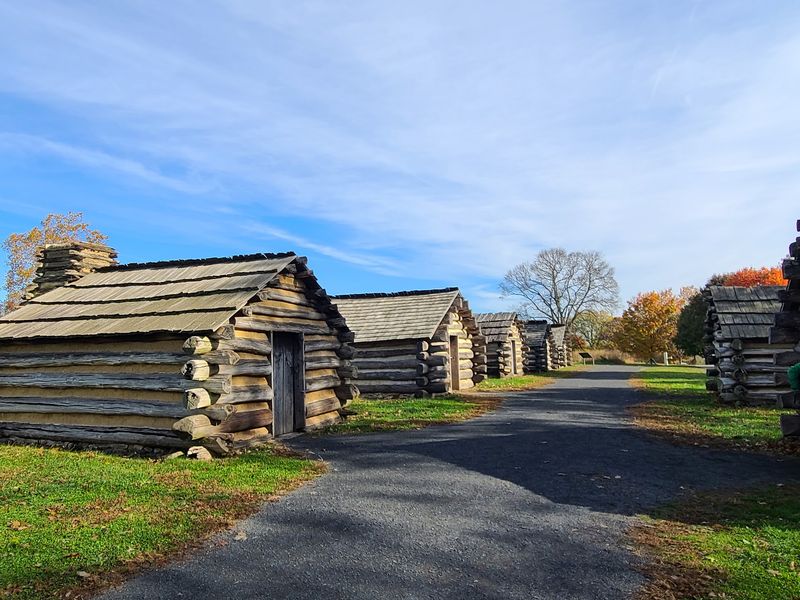
Around 12,000 soldiers marched into Valley Forge in December 1777. They stayed until June 1778, building rows of log huts to survive the cold months.
Life in camp was rough. Food and clothing ran short, and sickness spread through the huts.
Many soldiers lacked proper shoes, and supplies arrived slowly because of poor roads and weak funding.
Still, the army did not fall apart. Training improved during these months, especially under Baron von Steuben, a Prussian officer who taught the troops to drill and move as one group.
When the soldiers left in June, they were better organized than when they arrived. Historians often point to Valley Forge as a turning point for the Continental Army, even though no major battle happened there.
That is why the arch matters. It does not celebrate a single victory on a battlefield.
Instead, it honors patience, teamwork, and the simple act of not giving up.
I find that idea easy to connect with. Most of us will never face a winter like theirs, but everyone knows what it means to push through a tough stretch.
The builders of the arch wanted that lesson set in stone.
Built Like the Grand Arches of Rome
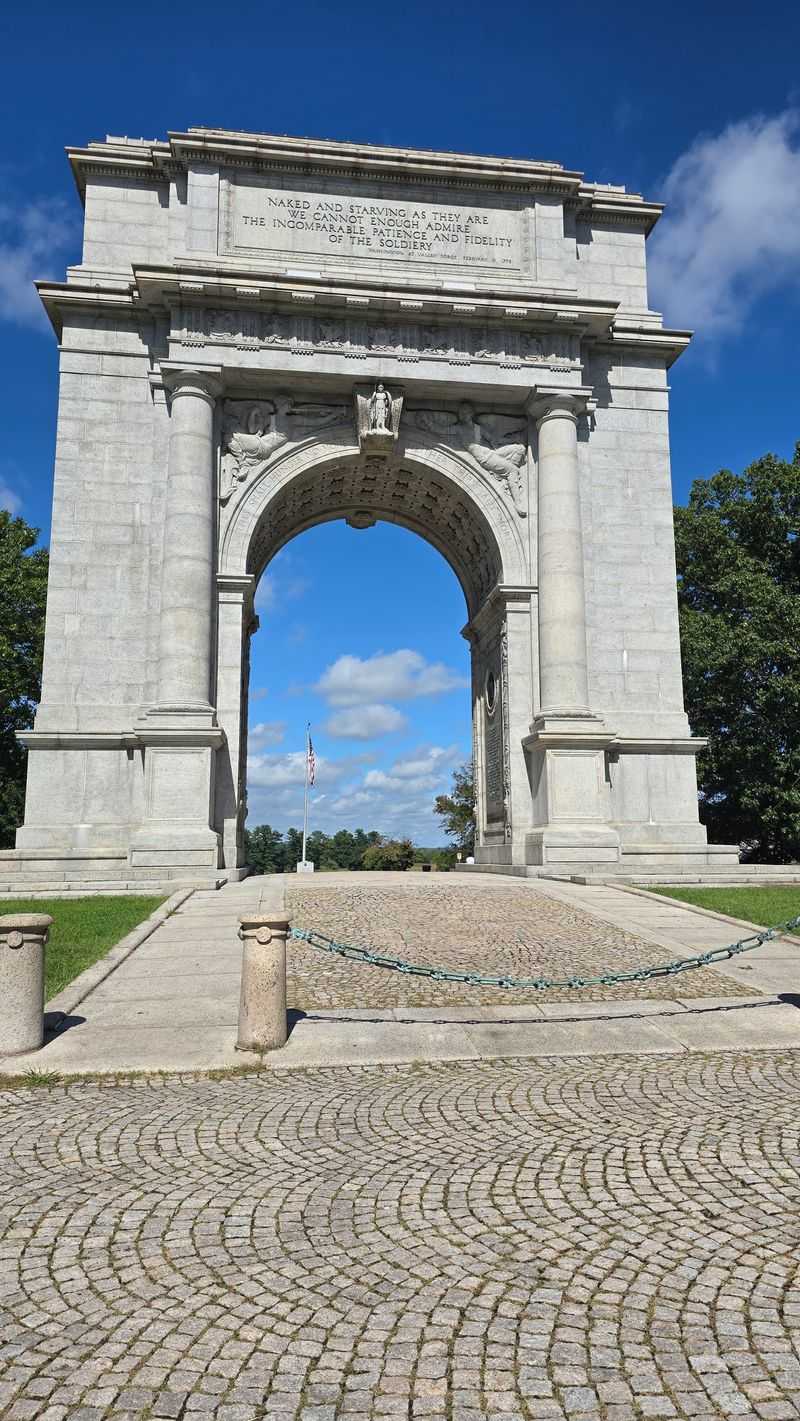
Ancient Rome loved a good victory arch, and Pennsylvania borrowed the idea. The National Memorial Arch was designed by architect Paul Philippe Cret, who later became well known for buildings across the country.
His design follows the style of the Arch of Titus in Rome. It has one large central opening, sturdy columns, and a heavy top section where words and decorations appear.
The arch is made of granite, a hard stone that holds up well against weather. That was a smart choice for a hilltop where wind, rain, and snow hit from every side.
Up close, the size surprises many people. Photos tend to shrink it, but standing beneath the opening makes you feel quite small.
The masonry work shows careful joints and clean carved edges.
I would suggest walking all the way around the arch rather than only viewing it from the front. Each side shows different details, and the light changes how the stone looks throughout the day.
Of course, a design like this needed money and approval before workers could lift a single block. That part of the story involves the United States Congress.
Congress Paid for It in 1910
Lawmakers in Washington, D.C., decided the Valley Forge soldiers deserved a lasting thank you. In 1910, Congress approved funding for a memorial arch to honor the army that camped there.
Construction finished in 1917. That timing is interesting, because the country was entering a new global conflict that same year.
Americans were thinking a lot about service and duty.
The arch was officially dedicated soon after it was completed. Later, in 1917, it was turned over to the Commonwealth of Pennsylvania, which managed Valley Forge as a state park for many years.
In 1976, the year of the nation’s 200th birthday, Valley Forge became a national historical park. The arch then came under the care of the National Park Service, which still looks after it today.
So the monument has passed through federal, state, and federal hands again. Through all of it, the purpose stayed the same.
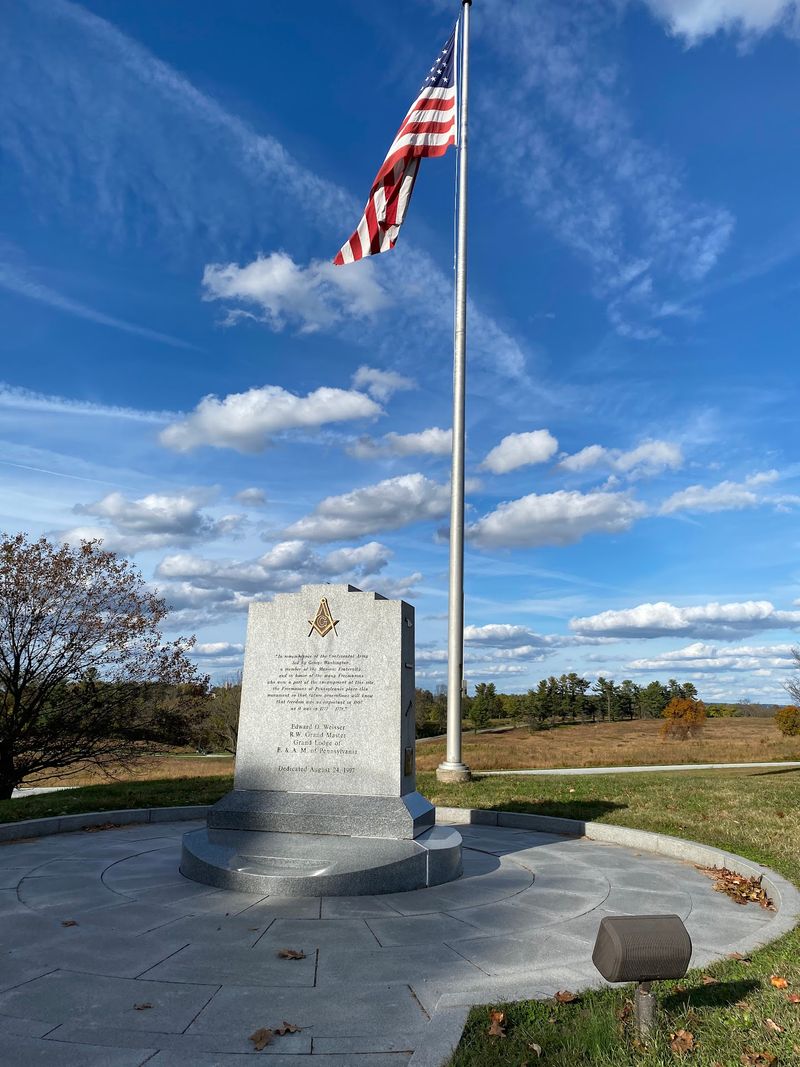
One fun detail tied to its history is the role of the Masons, a fraternal group known for ceremonies at cornerstone events. Their connection is one more layer worth reading about on the signs near the arch.
Words From Washington Carved in Stone
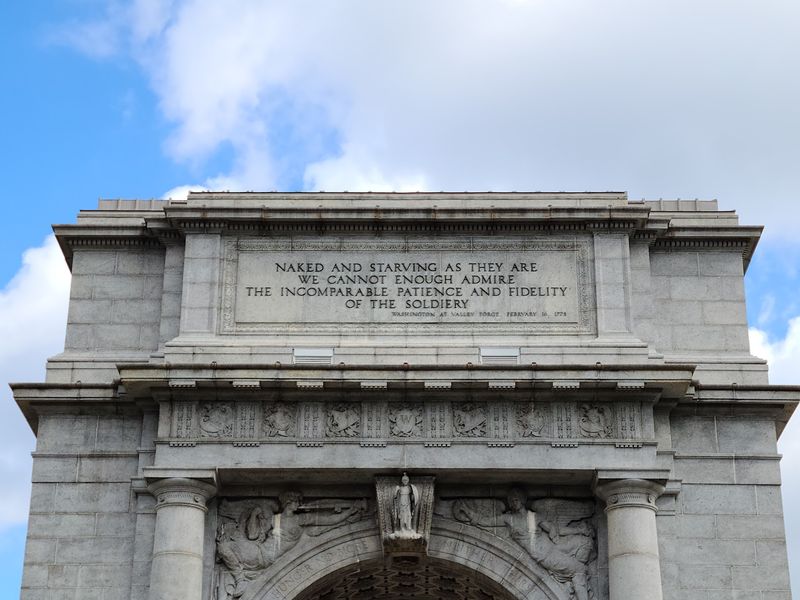
Bring your reading glasses, because the arch has something to say. One of its best features is the inscription taken from George Washington’s own writing.
The words praise the soldiers for their patience and obedience during the hard winter. Washington wrote that he admired how they endured hunger and cold without losing their spirit.
Seeing a general thank his troops in such plain language feels personal.
Other parts of the arch name the officers who served at Valley Forge. These lists give faces to the story, even if they are only names carved in granite.
Reading everything takes a few minutes, so don’t rush. Standing below and tilting your head back helps, though bright sun can make some letters harder to see.
I’d make reading these words the main goal of a stop here. Photos are nice, but the inscriptions explain why the arch exists in the first place.
Many visitors walk past them while chasing the perfect picture. Slowing down for the carved text turns a quick photo stop into a real history lesson.
It also sets you up to notice the smaller decorations, like the bronze seals.
Small Details That Reward a Closer Look
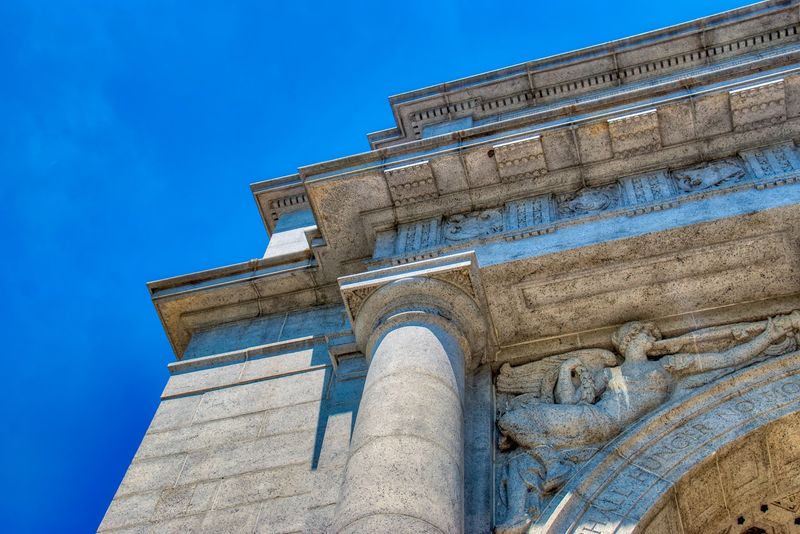
Ever notice how the best parts of a monument are often the easiest to miss? The National Memorial Arch has bronze seals and carved designs that many people overlook.
The seals represent the United States and the original states connected to the Continental Army. They add color and meaning against the gray granite.
Carved details along the top and sides follow a classical style. Look for patterns that repeat around the structure, which help the arch feel balanced and orderly.
Nearby kiosks and markers explain these features in more depth. They describe the arch’s purpose and share history about the surrounding area, so they make a handy guide before you look up.
Kids might enjoy turning this into a small search game. Ask them to spot the seals or count the columns.
It keeps young visitors interested and helps them remember what they saw.
Taking time with these details also gives you a better sense of the craftsmanship involved. Workers in the 1910s shaped these pieces without modern machines.
Once you have studied the stone, the next step is to turn around and enjoy the land the soldiers once called home.
Rolling Fields Make a Peaceful Setting
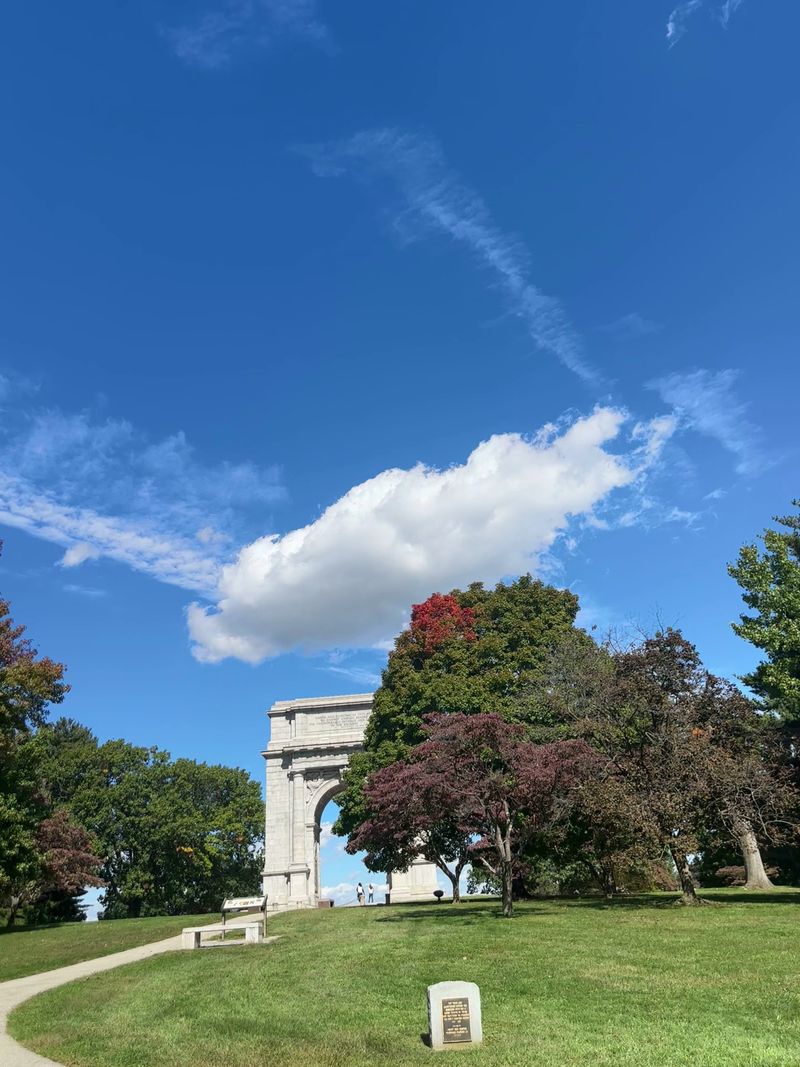
Open grass stretches out from the arch in nearly every direction. That wide view is a big part of what makes this spot feel calm.
Valley Forge National Historical Park covers more than 3,500 acres. Around the arch, you’ll see meadows, groups of trees, and winding roads that roll over gentle hills.
The scene changes with the seasons. Fall brings bright leaves on the nearby trees, while spring turns the fields a fresh green.
Winter can feel quiet and stark, which fits the story of the encampment.
Shade trees near the arch make it a pleasant place to sit. Some people bring a picnic blanket and enjoy lunch on the grounds, which works well for families with younger children.
Photographers often aim for early morning or late afternoon. Softer light shows the stone texture better and avoids the harsh shadows of midday.
I like the idea of simply sitting here for a while. It’s a rare kind of place where history and open space share the same view.
And if sitting still isn’t your style, the trails around the arch offer plenty of ways to keep moving.
A Starting Line for Walkers and Bikers
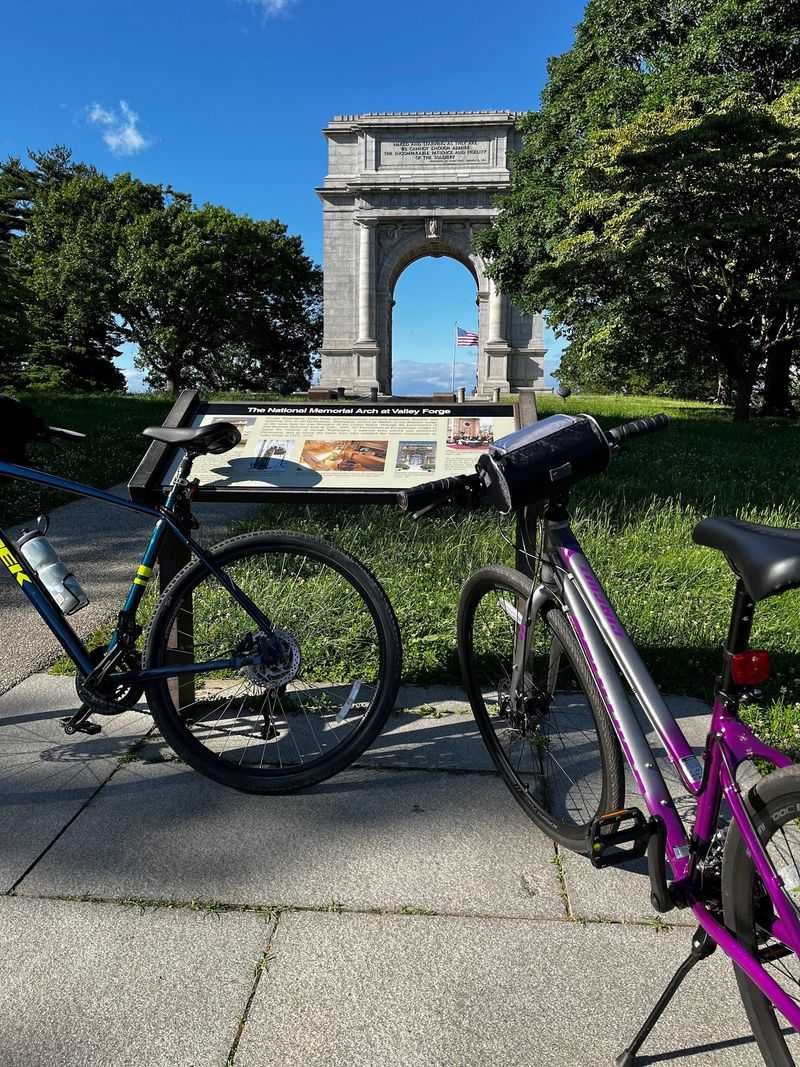
Lace up your sneakers, because the arch sits right along popular park trails. The paved Joseph Plumb Martin Trail loops through the park and passes near the monument.
That loop runs about five miles. Walkers, runners, and bikers use it all year, and it connects many of the park’s main sites.
From the arch area, you can also reach the Mount Joy trail network for a hillier challenge. These routes go into wooded sections with more climbing.
Cyclists can even ride in from outside the park. The Schuylkill River Trail connects to Valley Forge across the Sullivan Bridge, which gives local riders a car-free way to visit.
Restrooms appear at a few spots along the park loop. Still, bringing water is wise, especially on warm summer days when the open fields offer little shade.
Winter visits can be fun too, with crisp air and fewer people on the paths. Just watch for icy patches after storms.
Wherever you roam, the arch makes an easy landmark for finding your way back. That brings up a practical question about where to leave your car.
Parking, Paths, and Planning Your Stop
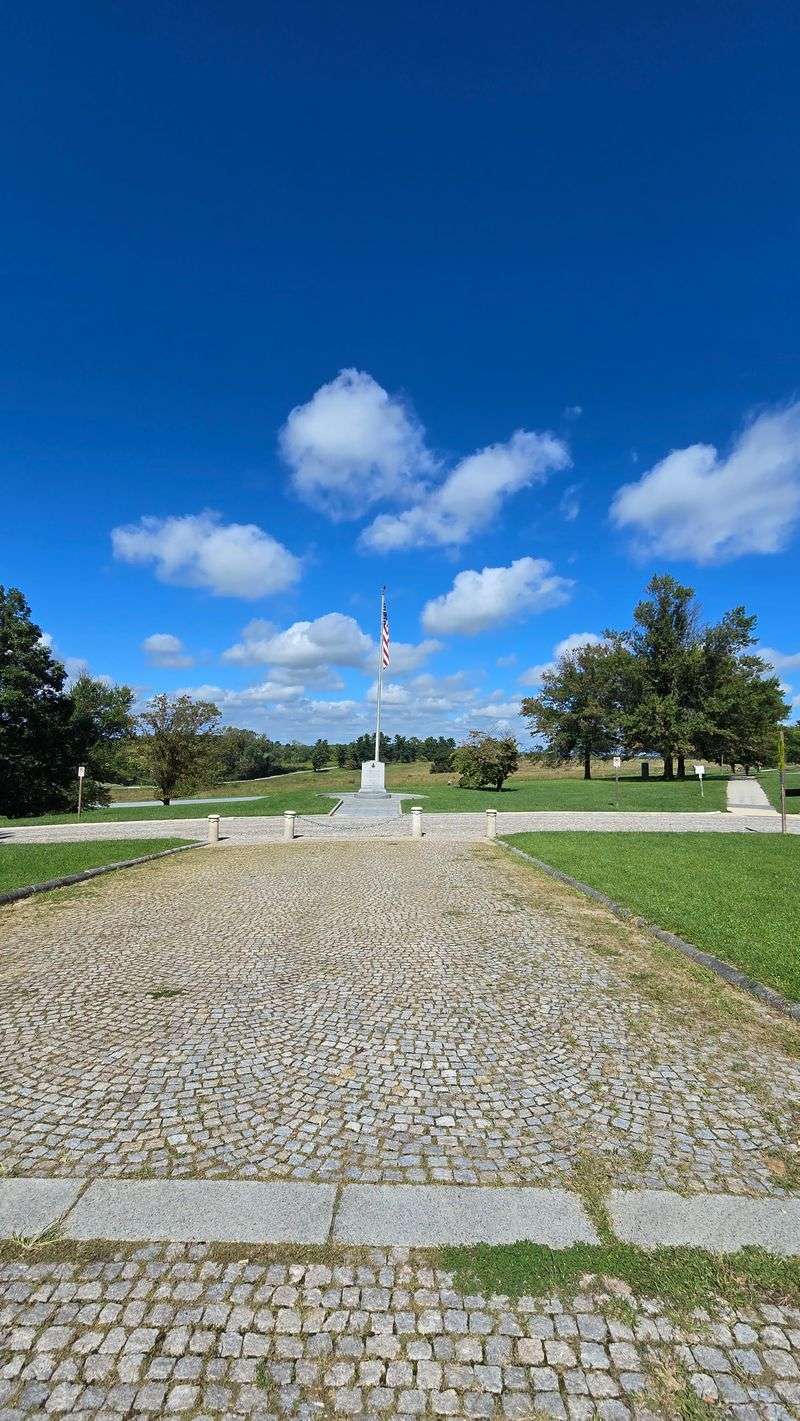
Good news for budget travelers: Valley Forge National Historical Park does not charge an entrance fee. You can visit the arch without buying a ticket.
A parking lot sits near the arch, just below the hill. From there, a paved walkway leads up to the monument.
The walk is short, though it does climb a bit.
Plan for at least a quick stop to see the arch and read the signs. If you want to study every kiosk and walk around the grounds, give yourself more time.
Many visitors begin at the park’s visitor center first. Staff there can share maps and suggest a driving route that includes the arch and other sites.
Midday sun can make photos tricky, with bright light and harsh shadows. Some people find the shade beneath the arch is the best place for pictures at that hour.
Weekends can bring more visitors, especially on nice days. Arriving early helps if you want quieter views and an easier parking spot.
Once your car is parked, the arch becomes a natural hub for exploring nearby landmarks within the park.
Neighbors Worth Adding to Your Route
Few stops in the park stand alone, and the arch makes a great piece of a bigger loop. Several historic sites sit a short drive or ride away.
Washington’s Headquarters is one of the most important historic sites at Valley Forge. The Isaac Potts House served as General George Washington’s headquarters during the Continental Army’s winter encampment of 1777 to 1778.
From this modest stone building, Washington coordinated military operations while his soldiers faced shortages of food, clothing, and supplies.
The house is currently closed for restoration, with work expected to continue through 2027. Visitors can still explore the surrounding historic grounds and learn about the building’s role in the Revolutionary War.
Check the National Park Service website for updates before planning a visit.
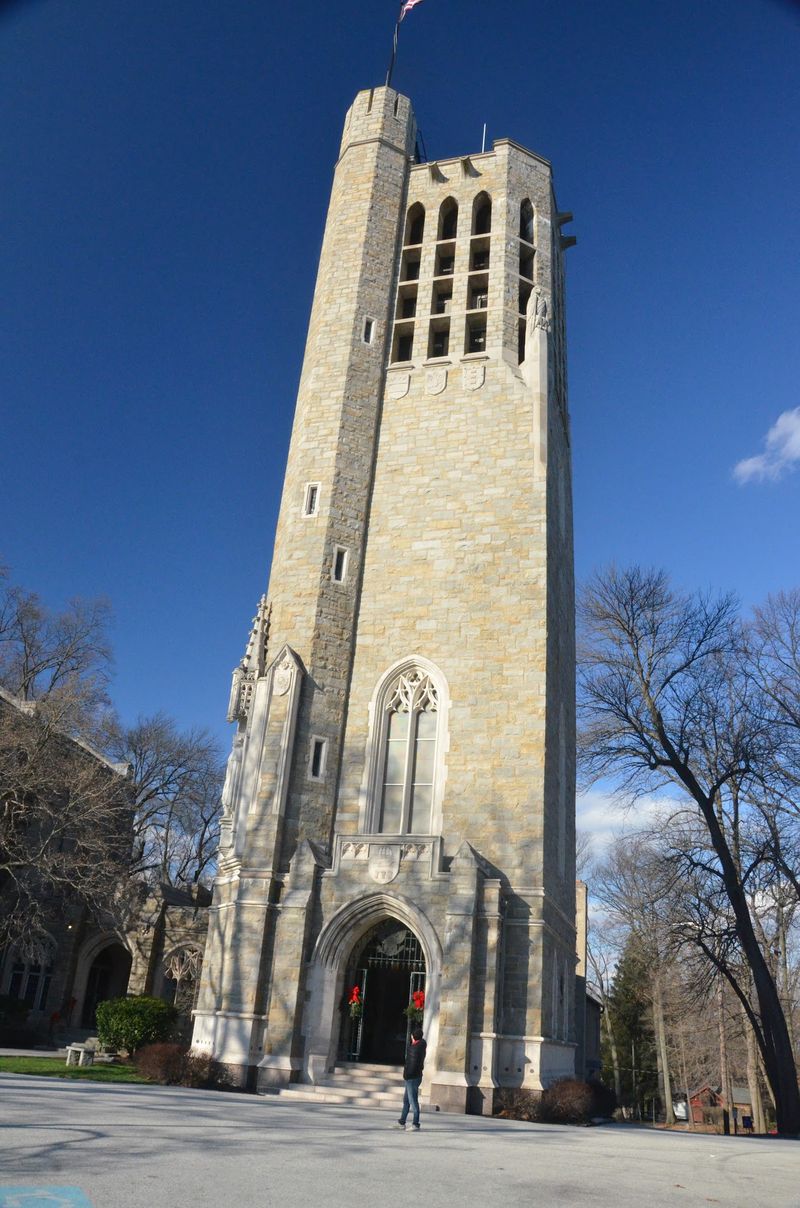
The Washington Memorial Chapel, a beautiful stone church, sits near the park as well. It’s privately run, so check its own schedule before going.
The Knox Covered Bridge is another fun stop for photos, especially in fall.
My suggestion would be to see the huts first and the arch later. Understanding the hardship first makes the tribute hit harder.
Linking these places gives you a full picture of Valley Forge. The arch honors the army, but the huts, house, and fields show what that army truly faced.
Together, they turn a simple drive into a story you can follow one stop at a time.
Share this story